
Fishing has evolved rapidly, and in 2026, using the right fishing net for fishing can make all the difference between an average and exceptional catch. Advances in net technology and stricter regulations mean anglers must stay informed to succeed. This article uncovers seven essential tips, from choosing the best net to mastering advanced techniques. Whether you are just starting out or a seasoned pro, discover how to boost your results and protect the environment by mastering the latest fishing net strategies for the year ahead.
Understanding the Importance of the Right Fishing Net
Selecting the right fishing net for fishing is more critical than ever for anglers targeting success in 2026. The right net not only boosts your catch rates but also ensures the well-being of fish and the sustainability of aquatic environments.
The Role of Fishing Nets in Modern Angling
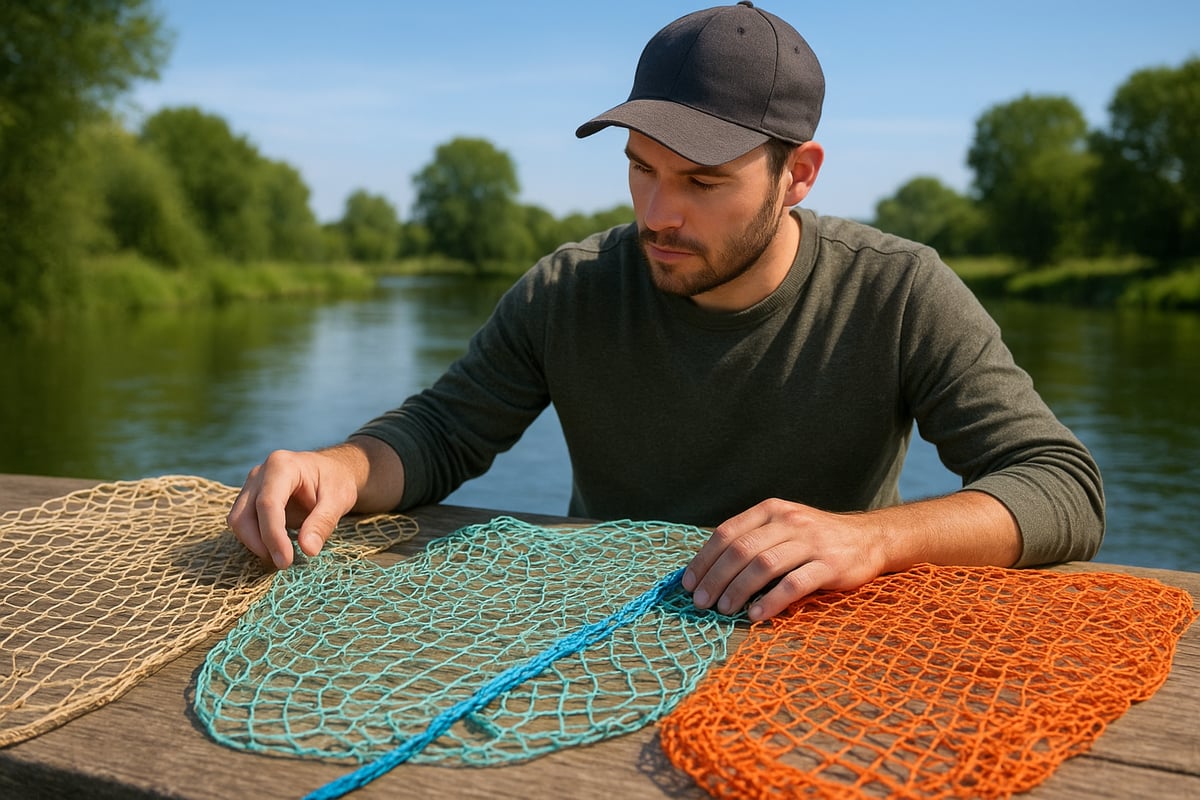
The choice of a fishing net for fishing significantly affects both your catch and the health of the aquatic ecosystem. Modern nets have evolved dramatically, with new materials such as knotless mesh and biodegradable fibers replacing traditional options. These advancements not only increase efficiency but also reduce harm to fish.
Studies reveal that anglers using species-appropriate nets can boost their catch efficiency by up to 30%. For example, landing nets with rubberized mesh help minimize scale loss and injury, protecting fish for potential release. Meanwhile, poorly matched nets can lead to increased bycatch, harming unintended species and jeopardizing local habitats.
Environmental considerations now play a major role in net selection. The right fishing net for fishing helps minimize bycatch and supports the preservation of aquatic ecosystems. Commercial fishers often require larger, more robust nets, while recreational anglers may opt for lightweight, species-specific versions. A common mistake is choosing a net based solely on size or price, ignoring mesh type and local regulations.
Different regions enforce strict rules about the allowable types of fishing net for fishing, mesh sizes, and materials. Staying informed is crucial, as using the wrong net can result in fines or harm to the environment. For a comprehensive guide on modern net materials and selection, see the Essential Fishing Net Handbook 2026.
Types of Fishing Nets and Their Uses
Understanding the types of fishing net for fishing is essential for effective angling. The most common varieties include:
- Cast Nets: Ideal for catching baitfish in shallow waters.
- Gill Nets: Designed for targeting specific species by mesh size.
- Landing Nets: Used to safely secure fish after the catch.
- Seine Nets: Effective for sweeping larger areas or working in teams.
- Dip Nets: Handy for scooping up fish in confined spaces.
Material choice greatly influences net performance. Nylon and monofilament are traditional, but knotless mesh and coated fibers are gaining ground for their durability and reduced fish injury. The table below summarizes key differences:
| Net Material | Durability | Fish Safety | Eco-Friendly |
|---|---|---|---|
| Nylon | High | Moderate | Low |
| Monofilament | Moderate | Low | Moderate |
| Knotless Mesh | High | High | Moderate |
| Biodegradable | Moderate | High | High |
Modern nets are often lighter, easier to handle, and less damaging to aquatic life. In New Zealand and the Pacific Islands, landing nets with rubberized mesh are increasingly popular among recreational fishers. Recent innovations include anti-fouling coatings and modular designs, setting the standard for the fishing net for fishing in 2026.
By understanding the strengths and limitations of each net type, anglers can make informed choices, improve catch rates, and support conservation goals.
7 Essential Fishing Net For Fishing Tips For 2026
Mastering the right fishing net for fishing can be the difference between a memorable catch and a missed opportunity. As 2026 brings new materials, regulations, and technology, anglers must adapt to thrive. These seven tips cover everything from choosing the ideal net to leveraging smart tech, ensuring you stay ahead in the evolving world of fishing net for fishing.
1. Choose the Right Net for Your Target Species
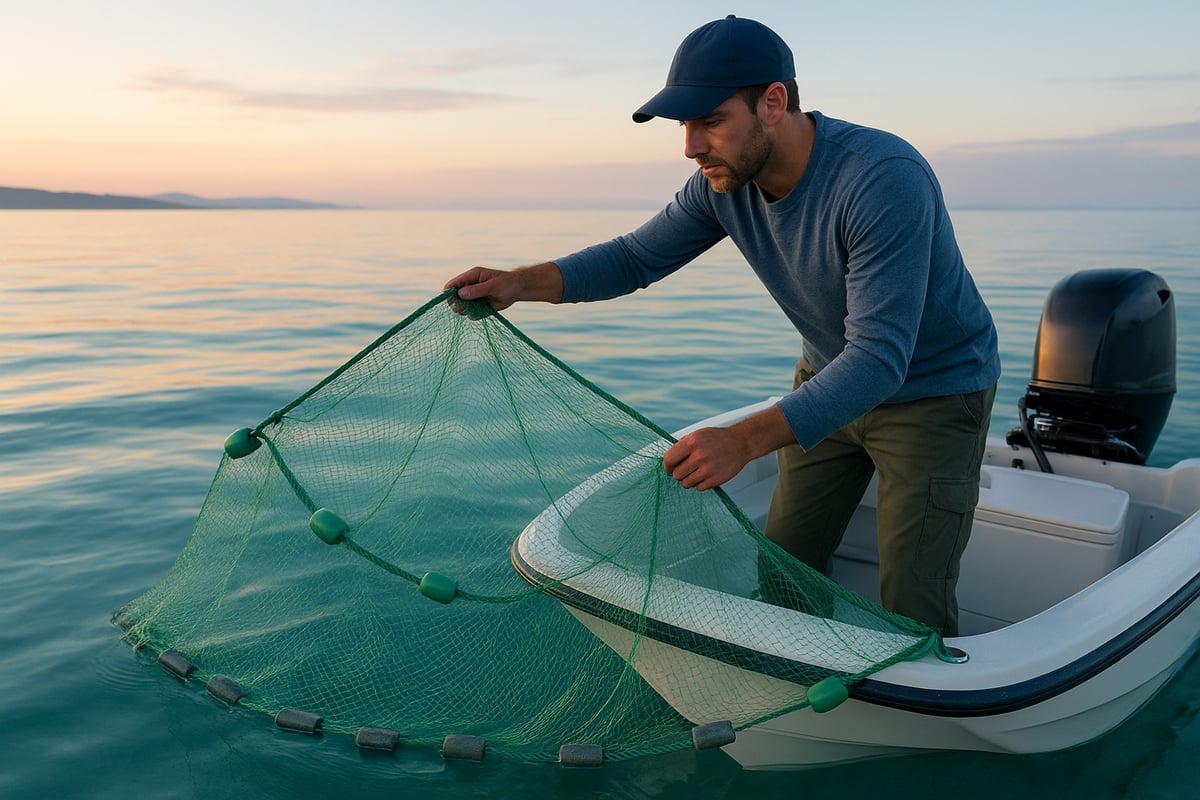
Selecting the correct fishing net for fishing begins with matching your net to the species you aim to catch. Mesh size and net style are crucial—using a net designed for flounder will not work efficiently for snapper or mullet.
For instance, a landing net with rubberized knotless mesh is ideal for delicate species, while a larger, reinforced seine net works better for robust fish like mullet. Regulations in 2026 often specify mesh sizes to reduce bycatch and protect juveniles. Always check local rules before you buy.
Common mistakes include using oversized mesh for small fish, causing escapes, or underestimating the strength needed for larger species. For mixed fisheries, opt for adjustable or modular nets.
Studies show anglers who use species-appropriate fishing net for fishing increase their catch efficiency by up to 30%. For a detailed overview of net types and their best uses, refer to the Fishing Nets Overview.
2. Understand Local Fishing Regulations and Net Restrictions
Every region sets its own rules regarding fishing net for fishing. In 2026, stricter regulations target conservation and bycatch reduction. Fines for non-compliance can be substantial, and confiscation of gear is not uncommon.
Stay informed by checking the latest legal updates before each trip. Resources like government websites and local fishing organizations provide current information. For example, some regions ban gill nets or require biodegradable materials.
Keep documentation of your gear’s compliance in a waterproof pouch. Record mesh sizes and net types to avoid confusion during inspections. Conservation-driven restrictions ensure fish populations thrive for future generations.
Ignoring regulations when selecting a fishing net for fishing can lead to legal trouble and environmental harm. Responsible anglers make compliance a priority.
3. Maintain and Inspect Your Fishing Nets Regularly
Longevity and performance of a fishing net for fishing depend on diligent care. Before and after every outing, inspect your net for tears, weak knots, or tangled mesh. Small issues can quickly become major problems if ignored.
Create a maintenance checklist:
- Examine mesh for holes or abrasions.
- Check handles and frames for cracks.
- Ensure knots are secure.
- Test floats and weights for damage.
Clean your fishing net for fishing with fresh water after use, especially in saltwater environments. Dry it thoroughly to prevent mold and material breakdown. Store nets loosely in breathable bags, away from direct sunlight.
Professionals report that well-maintained nets last up to three times longer than neglected ones. Routine repairs and cleaning preserve both effectiveness and investment.
4. Upgrade to Modern, Eco-Friendly Net Materials
The evolution of fishing net for fishing materials in 2026 offers significant benefits. Modern options such as knotless mesh, biodegradable fibers, and anti-fouling coatings are now widely available.
Eco-friendly nets reduce bycatch and protect aquatic habitats. Compared to traditional nylon, new materials are lighter, less abrasive, and often more durable. Leading brands offer nets made from recycled or plant-based fibers.
While modern nets may cost more upfront, their longevity and environmental benefits offset the investment. Adoption rates for eco-friendly fishing net for fishing are rising, with many regions incentivizing their use.
Switching to these advanced materials demonstrates commitment to both effective fishing and conservation. Make sustainability a core part of your gear upgrades.
5. Master Proper Net Handling Techniques
Even the best fishing net for fishing will underperform if handled incorrectly. Deploy and retrieve your net smoothly to maximize coverage and minimize stress on fish.
Key techniques include:
- Casting cast nets with a wide, even spread.
- Retrieving seine nets with steady, synchronized movement.
- Using landing nets gently to avoid injuring fish.
Solo anglers should practice one-handed net deployment, while teams can coordinate for larger hauls. Avoid common mistakes like jerking the net or overloading it.
Step-by-step practice with your fishing net for fishing will improve your efficiency and increase your catch rate. Expert advice often emphasizes patience and precision over brute force.
6. Adapt Your Netting Strategy to Weather and Water Conditions
Environmental factors dramatically affect the success of a fishing net for fishing. Wind, current, and water clarity all play a role in net deployment and retrieval.
Tips for adapting include:
- Positioning nets downstream in strong currents.
- Using brightly colored nets in murky waters for visibility.
- Adjusting retrieval speed based on wave action.
Tidal changes can shift fish locations, so move your fishing net for fishing accordingly. Data shows that anglers who adapt to conditions see a 20% increase in catch rates.
Safety is paramount—use appropriate gear for rough weather and never risk dangerous conditions. Adaptability is a hallmark of successful net fishing.
7. Leverage Technology for Smarter Net Fishing
Technology is transforming fishing net for fishing in 2026. Smart nets equipped with sensors provide real-time catch data, bycatch alerts, and GPS tracking.
Affordable tech upgrades include:
- Clip-on sensors for net depth and temperature.
- Mobile apps for logging catches and locations.
- Digital scales integrated into net handles.
Comparing traditional and tech-enhanced fishing net for fishing, the latter offers greater precision and efficiency. Experts predict that intelligent nets will become standard for both commercial and recreational anglers.
Explore online resources and communities to stay updated on the latest innovations. Tech adoption ensures you remain competitive and responsible in the modern fishing landscape.
Key Accessories and Tools for Efficient Net Fishing
A successful fishing net for fishing experience relies not only on the net itself but also on the right accessories and tools. Proper equipment can boost efficiency, extend net life, and keep anglers safe on the water.
Essential Accessories for Net Management
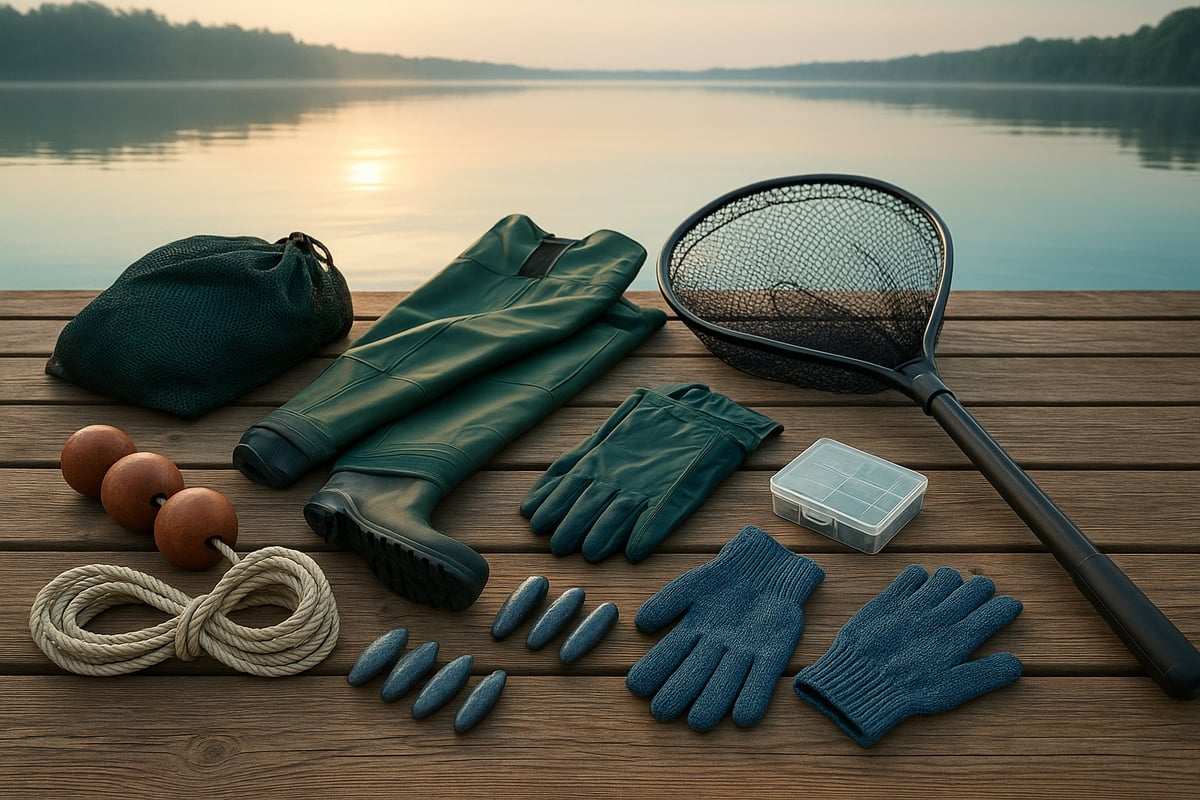
To get the most from your fishing net for fishing, the right accessories are crucial. Floats help keep the net buoyant, while weights ensure it sinks evenly. Quality ropes provide secure deployment and retrieval, reducing tangles and snags.
A net bag is essential for transporting and storing your fishing net for fishing, keeping it clean and organized. Repair kits with needles, twine, and patches let you address minor damages on the spot, extending the net’s service life. Professional anglers often use accessory bundles that include floats, weights, ropes, and maintenance tools for maximum performance.
When choosing gear, look for corrosion-resistant materials and compatibility with your specific net type. Beginners benefit from starter kits, while seasoned anglers might prefer customizable sets. For a comprehensive selection, explore specialized Fishing Net Accessories and Tools that match your fishing net for fishing needs.
Keeping accessories organized in labeled bags or tackle boxes reduces setup time and helps prevent loss. Regular inspection and cleaning of these tools further contribute to a seamless fishing net for fishing experience.
Safety Equipment and Best Practices
Safety is non-negotiable when using a fishing net for fishing. Essential gear includes durable gloves to protect hands from cuts, waders for safe movement in the water, and personal flotation devices (PFDs) for buoyancy. A compact first aid kit should always be on hand for treating minor injuries.
Most net-related injuries are preventable with the right equipment. Studies show that anglers who consistently use gloves and PFDs face significantly fewer accidents. Always check your gear before heading out, especially when fishing alone.
For group outings, establish clear communication signals and assign roles to streamline net deployment and retrieval. Solo fishers should prioritize lightweight, easy-to-handle nets and keep safety gear within reach. Use a simple checklist before each trip: gloves, waders, PFD, first aid kit, and a charged phone.
Well-maintained safety gear not only protects you but also enhances your confidence and efficiency with any fishing net for fishing setup. Prioritize safety, and every trip will be more productive and enjoyable.
Trends and Innovations in Fishing Nets for 2026
The landscape of fishing net for fishing is evolving rapidly in 2026. Anglers are witnessing a surge of cutting-edge materials and high-tech features that make netting smarter and more sustainable. Understanding these trends helps you stay ahead and make the most of every fishing trip.
Emerging Materials and Designs
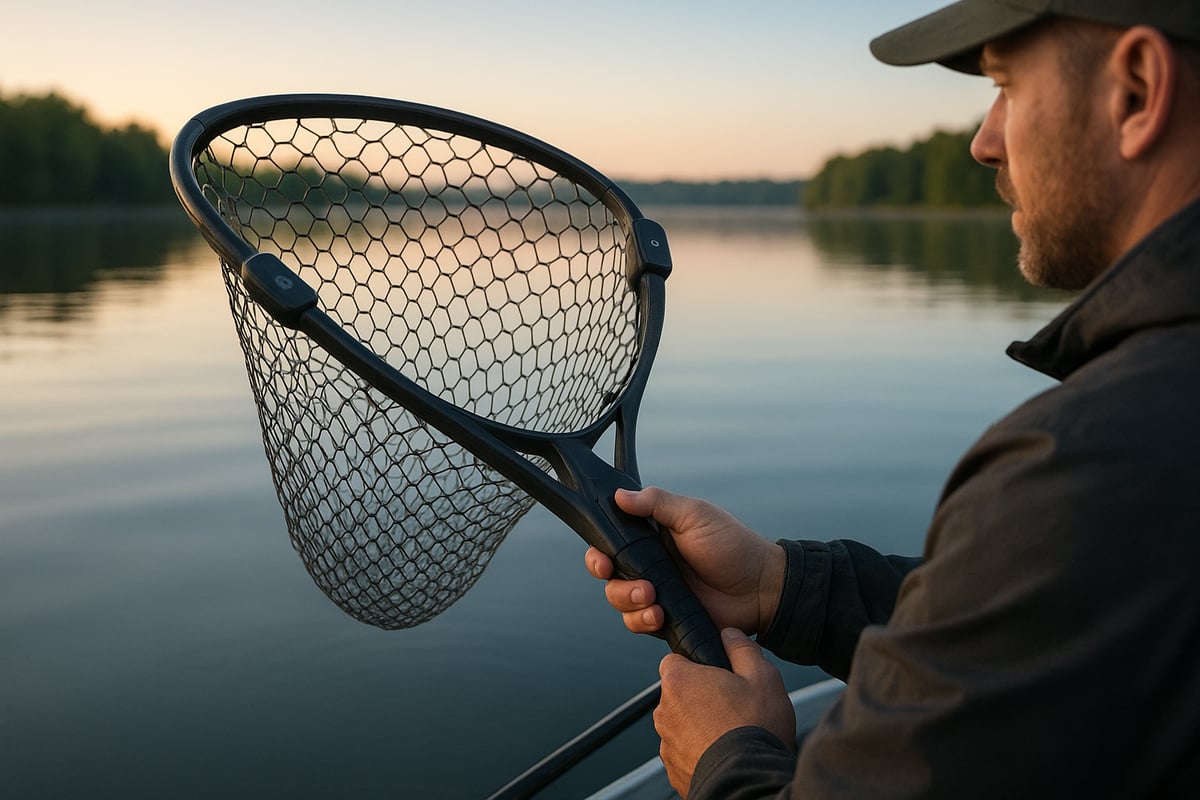
Modern fishing net for fishing is now defined by lightweight composites, anti-tangle mesh, and modular construction. These advancements mean easier handling, longer lifespan, and less impact on aquatic habitats. Sustainability is a driving force, with biodegradable fibers and eco-friendly coatings gaining traction among both commercial and recreational anglers.
Popular innovations include:
- Knotless mesh: Reduces fish injury and improves catch quality.
- Anti-fouling coatings: Prevent algae and debris buildup.
- Modular nets: Allow quick repairs and customization for different species or environments.
A 2026 survey shows that over 60 percent of Pacific Island anglers now prefer eco-friendly fishing net for fishing, citing durability and lower bycatch as major benefits. Traditional nylon is being replaced by advanced composites, which are lighter and more resistant to wear. For those interested in seeing these products in action, Fishing Net Review Videos offer real-world tests and comparisons.
Here’s a quick comparison:
| Feature | Traditional Nets | Modern Nets (2026) |
|---|---|---|
| Material | Nylon/Monofilament | Composites/Biodegradable |
| Mesh Type | Knotted | Knotless/Anti-tangle |
| Durability | Moderate | High |
| Environmental Impact | Higher | Lower |
| Customization | Limited | Modular/DIY |
Experts predict continued growth in smart, customizable fishing net for fishing, especially as regulations push for sustainable gear.
Digital Tools and Community Resources
The digital revolution is reshaping how anglers use fishing net for fishing. In 2026, apps and online communities provide real-time data, gear reviews, and regulatory updates. Smart nets equipped with sensors track catch size, location, and even bycatch, helping users refine their strategies and comply with evolving rules.
Top digital tools include:
- Catch-tracking apps: Log species, weight, and net performance.
- Online angling forums: Share tips and find local fishing net for fishing advice.
- Regulation checkers: Ensure legal compliance before each trip.
Online communities for fishing net for fishing have grown by 35 percent since 2024, according to recent statistics. These platforms connect anglers worldwide, enabling knowledge sharing and rapid adoption of new innovations. For those seeking up-to-date legal guidance, the NOAA Fisheries 2024-2026 Small-Mesh Multispecies Specifications provide essential information on catch limits and approved net types.
As technology and community support expand, anglers have more resources than ever to optimize their fishing net for fishing approach and achieve better results.
As you look ahead to making every fishing trip more successful in 2026, remember that the right net and a few expert tips can make all the difference. Whether you are refining your net selection, staying on top of new regulations, or upgrading to innovative, eco-friendly gear, having access to quality equipment is essential. Action Outdoors Limited has everything you need, from durable nets to essential accessories, all crafted for New Zealand waters and Pacific conditions. Ready to put these tips into practice and enjoy better catches for your family? Explore the full range and Feed the Family.