
电子邮件

Selecting the right fishing gear and equipment represents one of the most critical decisions any angler or commercial operator makes. Whether you're outfitting a small recreational boat or managing a commercial fishery across Pacific waters, understanding the full spectrum of available equipment ensures both success and safety. From the fundamental components like rods and reels to specialized industrial nets and marine supplies, the fishing industry offers countless options designed for specific applications, target species, and environmental conditions. This comprehensive guide explores the essential categories of fishing gear and equipment, helping you make informed decisions based on your specific needs.
The term "fishing gear and equipment" encompasses far more than most people initially consider. At its core, this category includes everything from basic hand lines to sophisticated electronic systems. According to the Missouri Department of Conservation's fishing gear guide, beginners should start with essential items including appropriate rods, reels, lines, hooks, and terminal tackle before expanding into specialized equipment.
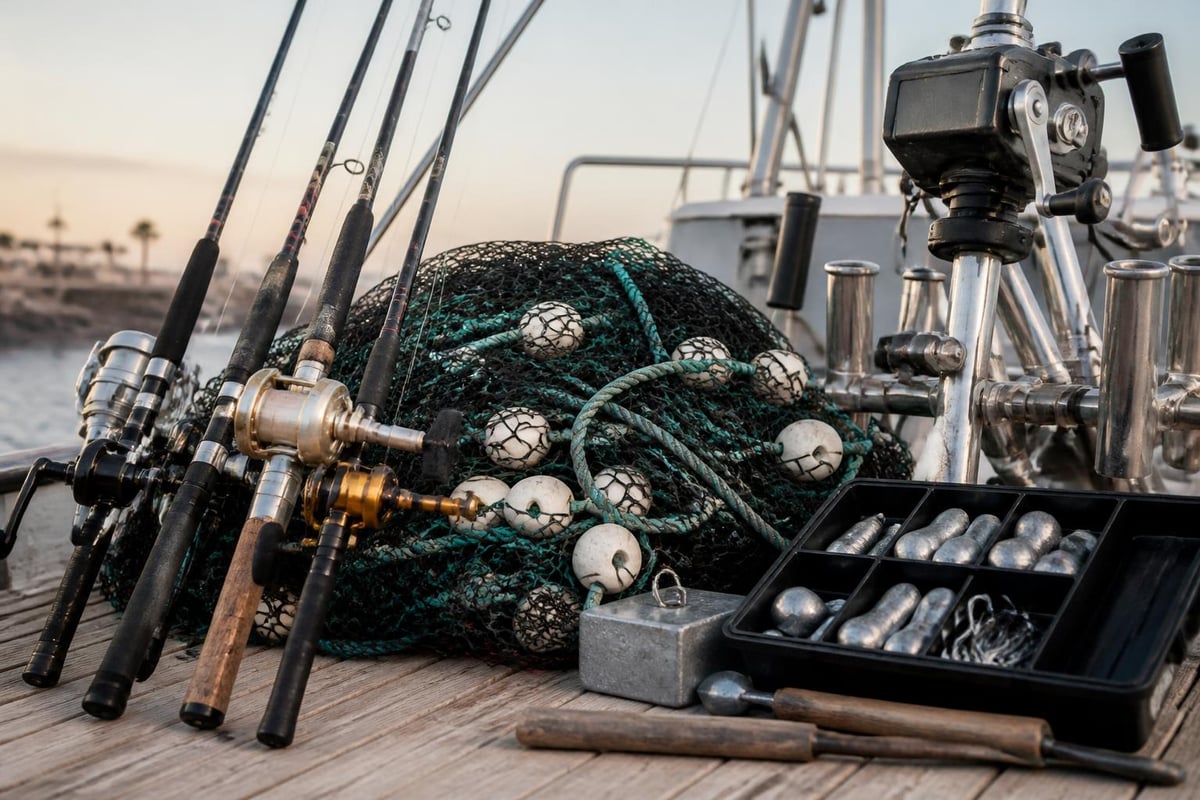
The distinction between commercial and recreational fishing gear and equipment matters significantly when making purchasing decisions. Commercial operations require heavy-duty construction, larger scales, and durability that withstands daily professional use. Recreational gear prioritizes versatility, portability, and user-friendly features that enhance the fishing experience for occasional use.
Key Differences Include:
Commercial fisheries across New Zealand and the Pacific depend on industrial-grade nets, ropes, and rigging that meet stringent quality standards. The selection process for commercial fishing gear and equipment demands careful attention to specifications, local regulations, and long-term performance characteristics.
Fishing nets represent the cornerstone of commercial operations worldwide. From small community fisheries to large-scale operations, net selection directly impacts catch efficiency, species selectivity, and operational costs. Modern net manufacturing combines traditional craftsmanship with advanced synthetic materials that offer superior strength-to-weight ratios.
Understanding fishing net sizes is crucial for targeting specific species and complying with fishery management regulations. Mesh size determines which fish can pass through and which are retained, making it a critical specification in responsible fishing practices.
| Net Type | Primary Use | Key Features | Ideal Applications |
|---|---|---|---|
| Gillnets | Passive capture | Vertical panels, mesh selectivity | Salmon, herring, reef fish |
| Seine nets | Active encirclement | Long walls, pursing capability | Schools of pelagic fish |
| Trawl nets | Bottom or midwater towing | Cone shape, reinforced construction | Shrimp, groundfish, mixed species |
| Cast nets | Small-scale harvesting | Circular design, weighted perimeter | Bait fish, subsistence fishing |
The manufacturing quality of nets directly correlates with their operational lifespan. New Zealand-made fishing nets offer exceptional durability through precise construction techniques and high-grade materials. Production facilities that manufacture over 350,000 meters annually achieve consistency that smaller operations cannot match.
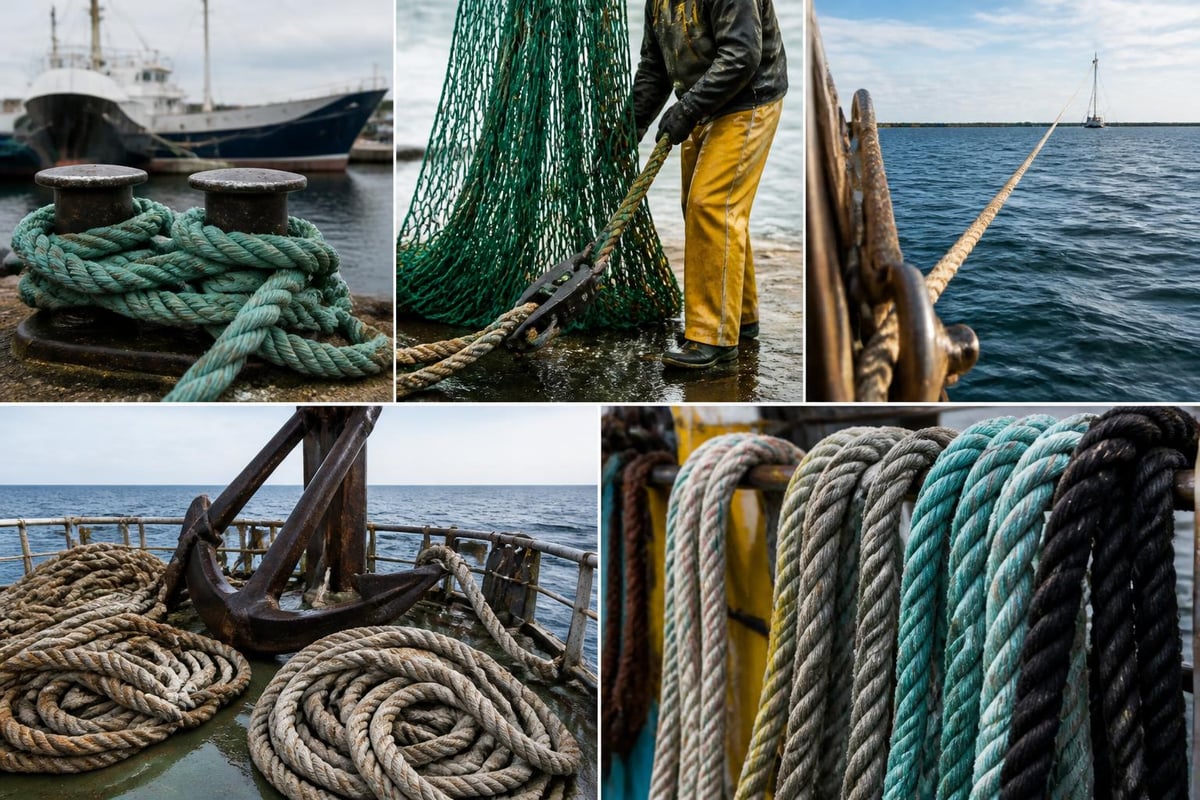
Every piece of fishing gear and equipment relies on quality ropes and lines for proper function. From mooring commercial vessels to rigging recreational trolling spreads, rope selection impacts safety, performance, and longevity. The fishing industry utilizes multiple rope types, each engineered for specific applications and environmental conditions.
When evaluating rope materials for strength and safety, several factors determine the optimal choice:
Professional operations demand ropes that perform reliably in saltwater environments where UV exposure, constant moisture, and mechanical stress accelerate degradation. Quality rope selection represents an investment in operational safety that pays dividends through reduced replacement frequency and enhanced crew confidence.
The fishing gear and equipment category extends well beyond nets and ropes into the intricate world of terminal tackle. These components connect anglers to their target species, translating effort into successful catches. According to Britannica's overview of fishing methods, different techniques require specialized terminal tackle configurations.
Hooks remain the most fundamental component, available in countless designs for specific applications. Circle hooks reduce deep hooking and improve release survival. J-hooks provide aggressive hooking for certain techniques. Treble hooks secure artificial lures effectively.
Weights and sinkers control presentation depth and casting distance. The shift toward lead-free alternatives addresses environmental concerns while maintaining performance. Modern trolling weights incorporate streamlined designs that reduce drag and improve action.
Swivels and connectors prevent line twist while facilitating quick changes. Ball-bearing swivels offer smooth rotation under heavy loads. Snap swivels combine connection convenience with twist prevention.
Commercial longline operations employ extensive rigging systems where precision matters. The National Oceanic and Atmospheric Administration details bottom longlines, explaining how gangions, mainlines, and groundlines work together. These systems can stretch for miles, requiring robust construction and careful deployment.
Recreational trolling setups utilize outriggers, downriggers, and planers to present multiple lines at varying depths. This gear multiplication increases catch probability while minimizing tangles. Quality rigging components ensure smooth operation and reduce frustration during deployment and retrieval.
Visible markers serve critical functions in both commercial and recreational fishing. Fishing gear and equipment inventories must include appropriate floatation devices for marking net positions, indicating trap locations, and supporting gillnet operations. These seemingly simple components combine specific buoyancy ratings with durability that withstands constant exposure.
Commercial operations across the Pacific utilize standardized float systems that allow quick identification of gear ownership. Color coding, numbering systems, and reflective materials ensure visibility during both daylight and nighttime operations. Investment in quality floats prevents gear loss and facilitates efficient retrieval.
The National Park Service emphasizes safety equipment as essential fishing gear and equipment that protects both anglers and aquatic ecosystems. Professional operations face additional safety requirements beyond recreational standards, including personal flotation devices, emergency communications, and first aid supplies.
Gloves protect hands during netting, line handling, and fish processing. Heavy-duty options withstand sharp fins, teeth, and hooks while maintaining dexterity. Weather-resistant materials keep hands warm and dry in challenging conditions.
Footwear provides traction on wet surfaces while protecting feet from dropped equipment and marine hazards. Non-marking soles prevent deck damage on recreational vessels. Steel-toed options offer crush protection for commercial applications.
Eye protection shields against hooks, sunlight glare, and saltwater spray. Polarized lenses reduce surface glare, improving underwater visibility for sight fishing. Impact-resistant construction prevents injury from errant casts.
The fishing gear and equipment sector continues evolving through technological advancement and material science innovation. Take Me Fishing highlights high-tech innovations including electric reels, smart fish finders, and biodegradable alternatives to traditional materials.
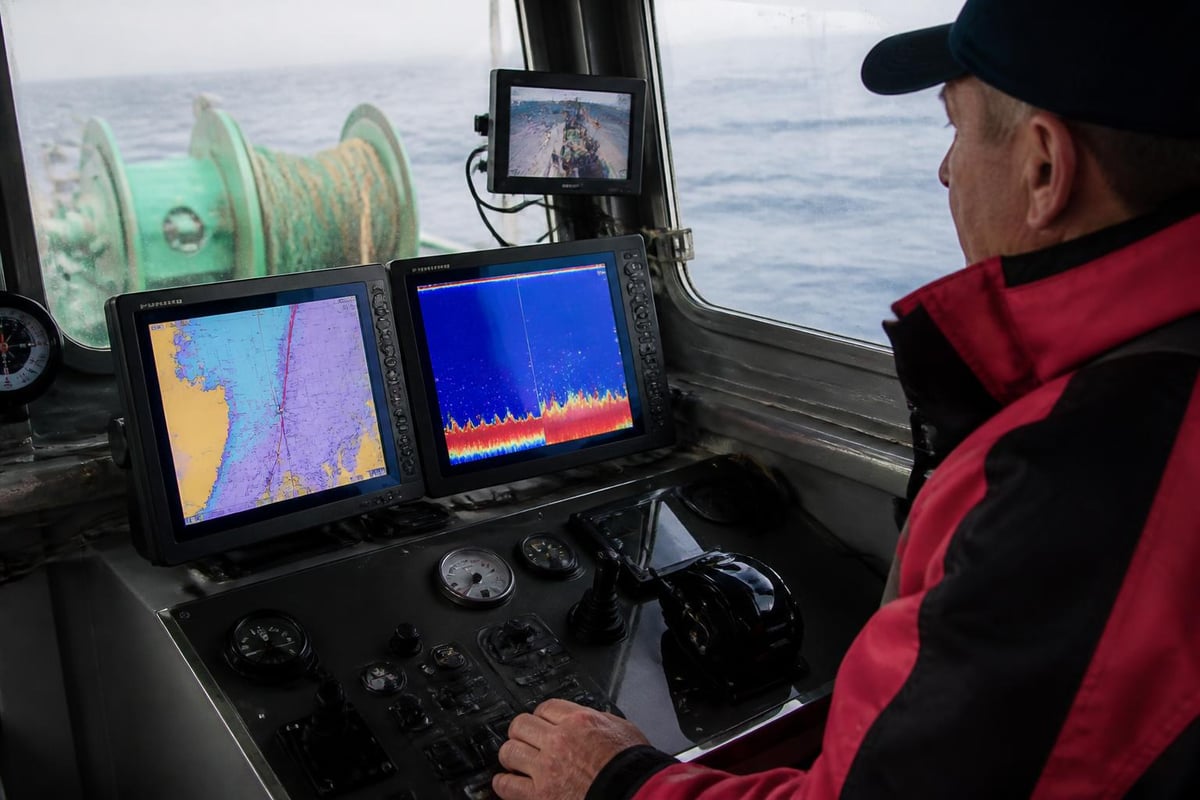
Modern fishing operations increasingly incorporate electronic systems that enhance efficiency and success rates. GPS chart plotters mark productive locations while tracking vessel movement. Depth sounders reveal bottom structure and fish concentrations. Temperature sensors identify thermoclines where species congregate.
Electronic advantages include:
Research into automated evaluation of fishing gear behavior demonstrates how artificial intelligence and computer vision improve net performance assessment. These technological advances help operators optimize gear configurations while reducing environmental impact through better selectivity.
Environmental responsibility drives innovation in fishing gear and equipment manufacturing. Biodegradable nets reduce ghost fishing impacts when gear becomes lost. Recycled plastics decrease dependence on virgin materials. Non-toxic coatings replace traditional options containing harmful compounds.
Industry leaders recognize that sustainable practices benefit both marine ecosystems and long-term fishing viability. Investment in environmentally responsible gear positions operators as stewards of the resources upon which they depend.
Proper care extends the functional life of fishing gear and equipment significantly. Saltwater, UV exposure, and mechanical stress accelerate degradation when equipment receives inadequate maintenance. Systematic cleaning, inspection, and storage routines preserve performance characteristics and prevent premature failure.
| Equipment Type | Cleaning Method | Inspection Points | Storage Requirements |
|---|---|---|---|
| Nets | Freshwater rinse, dry completely | Mesh integrity, knot security | Dry, ventilated space away from UV |
| Ropes | Remove salt, check for chafe | Core exposure, strand separation | Coiled loosely, hanging preferred |
| Terminal tackle | Rinse thoroughly, lubricate moving parts | Hook sharpness, swivel rotation | Organized containers, corrosion prevention |
| Electronics | Wipe moisture, check connections | Screen clarity, mounting security | Climate-controlled when possible |
Commercial operators benefit from scheduled maintenance programs that address gear between fishing seasons. This proactive approach identifies issues before they cause operational failures or safety hazards. Documentation of maintenance activities supports warranty claims and demonstrates compliance with safety standards.
Choosing reliable suppliers represents a critical business decision for commercial operations and serious recreational anglers. Quality fishing gear and equipment requires manufacturing expertise, material knowledge, and commitment to customer service. According to Wikipedia's overview of fishing tackle, the global fishing equipment market includes both mass-produced consumer goods and specialized professional equipment.
Manufacturing capability determines product consistency and availability. Large-scale producers maintain inventory levels that support immediate delivery. Custom manufacturing accommodates specific requirements that standard products cannot address.
Quality assurance processes ensure products meet performance specifications. Testing protocols verify breaking strengths, material durability, and construction integrity. Certifications demonstrate compliance with industry standards.
Geographic proximity influences shipping costs and delivery timelines. Pacific Island markets benefit from New Zealand-based suppliers who understand regional requirements and environmental conditions. Local manufacturing supports regional economies while reducing carbon footprints associated with international shipping.
Product range affects purchasing convenience and volume discounts. Comprehensive suppliers offering fishing nets, ropes, hardware, and accessories streamline procurement. Single-source purchasing simplifies accounting, reduces shipping charges, and builds stronger supplier relationships.
Strategic planning for fishing gear and equipment purchases maximizes return on investment while ensuring operational readiness. Budget allocation should reflect equipment criticality, expected lifespan, and replacement costs. The Oklahoma Department of Wildlife Conservation's beginner's guide offers foundational advice applicable to both new and experienced operators.
Commercial operations should maintain reserve equipment inventories that allow continued operations during maintenance periods or unexpected failures. This redundancy proves especially valuable for remote operations where replacement equipment delivery requires extended timeframes.
Fishing seasons influence equipment needs and purchasing timing. Pre-season procurement ensures gear readiness before operations commence. Off-season purchasing may capture supplier discounts as manufacturers prepare for new model introductions. Strategic timing reduces costs while guaranteeing availability when needed.
Different fishing techniques demand specialized gear configurations. The diversity of fishing gear and equipment available reflects the variety of methods employed worldwide. Matching equipment to technique optimizes performance while reducing frustration and wasted effort.
Bottom fishing requires heavy weights, strong leaders, and robust terminal tackle that withstands contact with rocks and reef structures. Circle hooks improve catch-and-release survival. Braided lines offer sensitivity that telegraphs subtle bites.
Trolling operations employ planers, outriggers, and downriggers that present multiple lines at precise depths. Lure selection matches target species preferences. Rod holders secure equipment during extended searches.
Net fishing encompasses multiple techniques including gillnetting, seining, and trawling. Each method requires specific net construction, mesh sizing, and rigging configurations. Regulatory compliance dictates many specifications including escape panels and bycatch reduction devices.
Fly fishing represents the most specialized fishing method, requiring matched rod weights, line densities, and leader constructions. Presentation accuracy depends on balanced equipment that loads properly during casting strokes.
Investing in quality fishing gear and equipment directly impacts operational success, safety, and long-term costs across both commercial and recreational applications. Whether you're outfitting a commercial vessel for Pacific fisheries or planning your next recreational adventure, selecting reliable equipment from experienced manufacturers ensures performance when it matters most. Action Outdoors Limited combines New Zealand manufacturing excellence with comprehensive product ranges that serve fishing operations throughout the Pacific region, offering the expertise and inventory to support your equipment needs with quick turnaround times and dependable service.
发表评论