
电子邮件

Selecting and maintaining quality rod and tackle represents one of the most critical decisions any angler or commercial fishing operation can make. Whether you're casting from shore, trolling in deep waters, or managing commercial operations across the Pacific, understanding the nuances of rod and tackle equipment directly impacts your success rate, operational efficiency, and long-term investment value. The fishing industry has evolved significantly over recent years, with innovations in materials, construction techniques, and design principles transforming how we approach this essential equipment category.
Rod and tackle encompasses a comprehensive ecosystem of fishing equipment that works together to help anglers and commercial operations achieve their goals. At its core, this category includes fishing rods, reels, lines, leaders, hooks, lures, and all supporting accessories that make fishing possible.
The term "tackle" has roots in nautical language, originally referring to the system of ropes and pulleys used on sailing vessels. Today, fishing tackle has evolved into a sophisticated industry producing specialized equipment for every imaginable fishing scenario. From ultralight freshwater setups to heavy-duty offshore rigs designed for marlin and tuna, the diversity of available options can overwhelm even experienced anglers.
Modern fishing setups consist of several integrated components:
Each component must work harmoniously with the others. A mismatch between any elements can compromise performance, reduce casting distance, or result in lost fish during critical moments. Commercial operations particularly benefit from understanding these relationships, as equipment failures can translate directly into lost revenue and operational downtime.
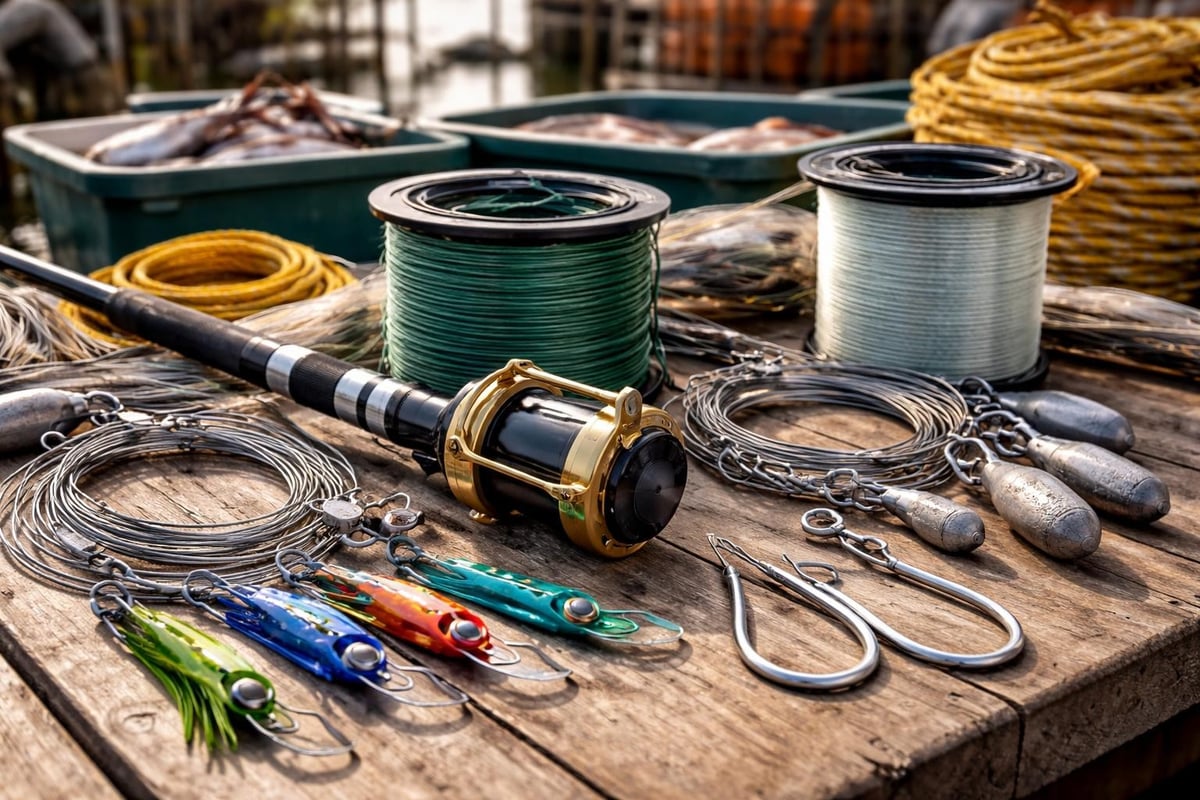
Choosing appropriate rod and tackle begins with understanding your specific fishing environment and target species. The Pacific region presents unique challenges that demand carefully considered equipment selections. Water conditions, fish migration patterns, and local regulations all influence what constitutes optimal setup choices.
Different fishing methods require distinct rod characteristics. Fishing rods have evolved from simple bamboo poles into engineered tools utilizing carbon fiber, fiberglass, and composite materials. Modern manufacturing processes allow unprecedented customization for specific applications.
| Fishing Method | Rod Length | Power Rating | Action Type | Primary Use |
|---|---|---|---|---|
| Inshore Casting | 6-7 feet | Medium | Fast | Snapper, Kahawai |
| Offshore Trolling | 7-9 feet | Heavy | Moderate | Tuna, Marlin |
| Bottom Fishing | 5-6 feet | Medium-Heavy | Moderate | Grouper, Snapper |
| Surf Casting | 10-12 feet | Medium-Heavy | Fast | Beach species |
The relationship between rod length, power, and action determines casting performance and fish-fighting capabilities. Longer rods generate greater casting distance but sacrifice precision in tight quarters. Power ratings indicate the rod's resistance to bending, while action describes where along the blank the bend occurs. Understanding what rods work best with specific lures helps maximize effectiveness across different fishing scenarios.
Pairing the correct reel with your rod and tackle setup ensures balanced performance. Spinning reels offer versatility for most applications, while conventional reels provide superior line capacity and drag strength for offshore pursuits. Baitcasting reels deliver precision casting for experienced anglers targeting structure-oriented species.
Key factors when selecting reels include:
Action Outdoors Limited understands these requirements, offering comprehensive fishing and marine equipment solutions that complement rod and tackle systems. Their extensive inventory includes support equipment that enhances overall fishing effectiveness, from nets to floats and specialized rigging components.
Proper maintenance extends equipment life and ensures peak performance when it matters most. Saltwater environments particularly accelerate corrosion and degradation, making regular care essential for commercial operations and serious recreational anglers. The investment in quality rod and tackle deserves protection through systematic maintenance protocols.
Regular cleaning and maintenance prevents the buildup of salt crystals, sand, and organic matter that compromise rod guides, reel mechanisms, and line performance. Commercial fishing operations should implement daily cleaning routines, while recreational anglers benefit from post-trip maintenance.
Recommended cleaning steps include:
Professional maintenance guidance emphasizes the importance of systematic inspection routines. Rod guides should be checked for cracks or grooves that can damage fishing line. Reel drag washers require periodic replacement to maintain consistent pressure during fish fights.
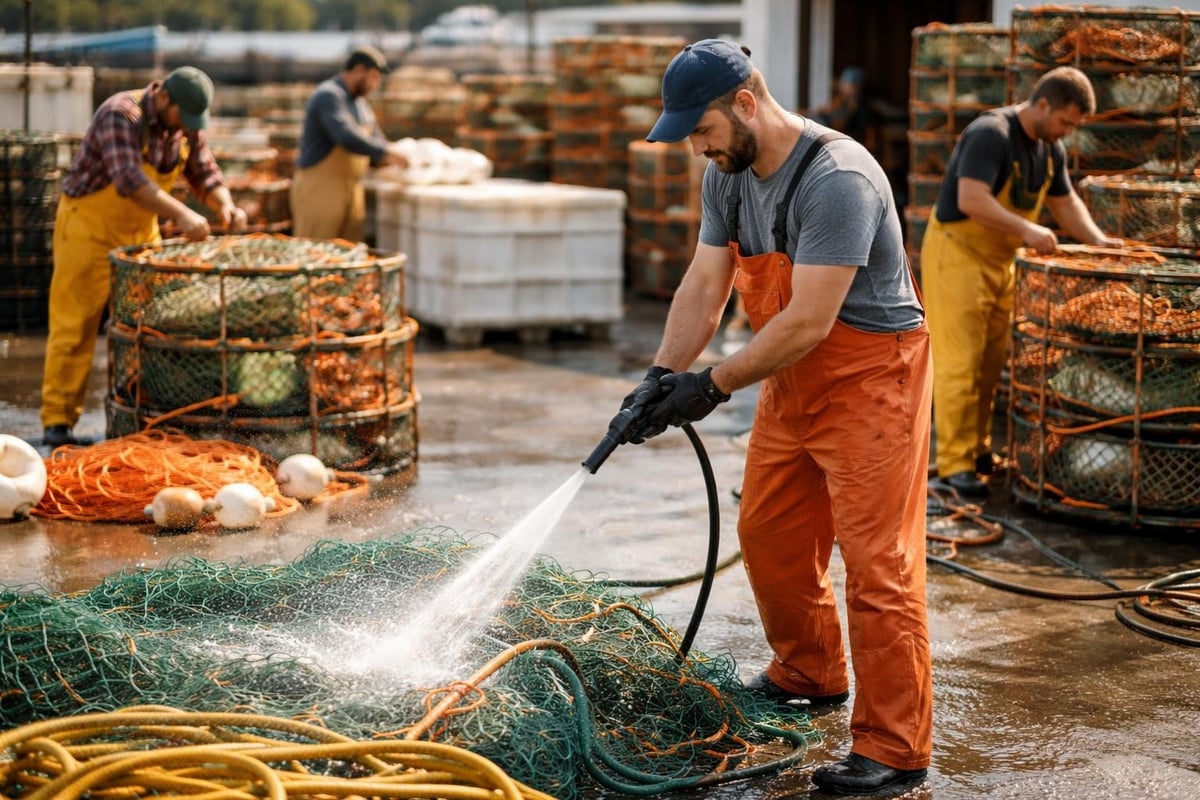
Proper storage prevents unnecessary damage and extends the functional life of rod and tackle equipment. Commercial operations managing multiple rod setups require organized storage systems that protect equipment while maintaining accessibility for rapid deployment.
Vertical rod racks minimize stress on rod blanks while conserving space. Climate-controlled storage areas prevent moisture accumulation that leads to corrosion. Rod covers or sleeves protect guides and tips during transport and storage periods. For those exploring innovative fishing equipment options, proper storage ensures these investments deliver maximum return.
Maximizing effectiveness with rod and tackle requires more than just equipment selection. Mastering advanced techniques separates consistently successful anglers from those who struggle. Understanding proper casting techniques enhances both distance and accuracy, critical factors when targeting specific structure or feeding zones.
Different situations demand specific casting approaches. Overhead casts generate maximum distance for open water presentations. Sidearm casts keep lures under overhanging vegetation or dock structures. Pitching and flipping deliver precise presentations to tight cover where fish hold.
Casting technique optimization factors:
Practice with your specific rod and tackle combinations builds muscle memory and confidence. Commercial operations benefit from training crew members in efficient casting and retrieval methods that increase productivity while reducing equipment stress and failure rates.
Proper drag adjustment represents one of the most critical yet frequently overlooked aspects of rod and tackle management. Too tight, and you risk line breakage or pulled hooks. Too loose, and fish gain excessive line, increasing escape opportunities. Maintaining proper rod and reel settings ensures optimal performance during critical moments.
The standard recommendation sets drag at approximately 25-30% of line breaking strength. This provides sufficient pressure to tire fish while maintaining a safety margin for sudden runs or head shakes. Test drag settings before each fishing session, as drag washers can compress or expand with temperature and humidity changes.
Commercial fishing operations face distinct challenges requiring robust, reliable rod and tackle systems. The equipment must withstand constant use, harsh marine environments, and the stress of landing multiple fish daily. Investment decisions should prioritize durability, serviceability, and proven performance in demanding conditions.
Volume fishing requires standardized rod and tackle setups that crew members can operate efficiently. Consistency across multiple rods simplifies training, spare parts inventory, and maintenance protocols. Many commercial operations maintain dedicated setups for specific target species, allowing rapid transition between fishing methods as conditions and opportunities change.
| Operation Type | Rod Quantity | Setup Strategy | Maintenance Schedule |
|---|---|---|---|
| Charter Fishing | 8-12 | Species-specific | Weekly deep clean |
| Commercial Longlining | 15-25 | Standardized heavy | Daily inspection |
| Net Fishing Support | 4-6 | Versatile medium | Bi-weekly service |
| Research Operations | 6-10 | Varied for sampling | Monthly overhaul |
For operations incorporating bottom fishing techniques, specialized rod and tackle configurations optimize performance in deep water applications. Heavy-duty reel drag systems and reinforced rod blanks handle the stress of pulling large fish from significant depths.
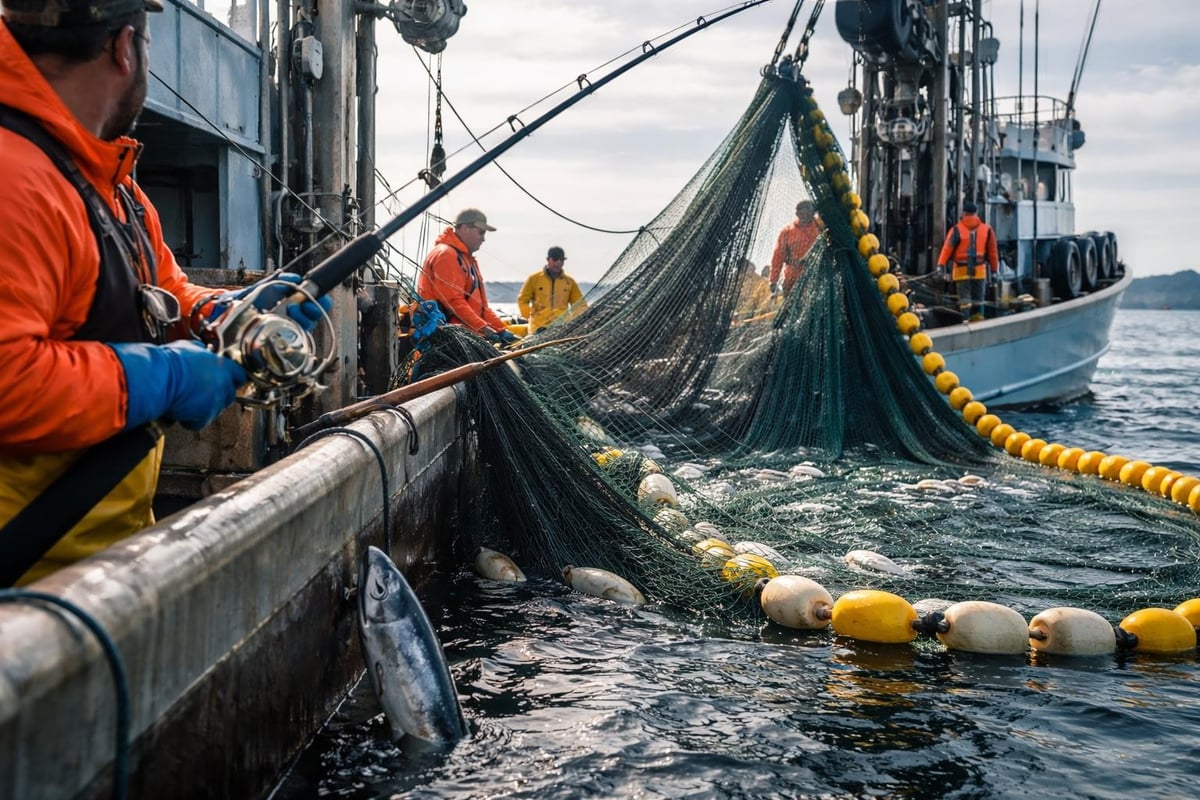
Rod and tackle operations often work alongside netting systems in commercial fisheries. Action Outdoors Limited's expertise in manufacturing over 350,000 meters of fishing nets annually provides unique insights into how these systems complement each other. Strategic deployment of rod and tackle for targeted species while maintaining net systems for volume harvesting maximizes operational flexibility and efficiency.
Even well-maintained equipment encounters problems. Recognizing issues early and implementing effective solutions prevents minor problems from becoming major failures during critical fishing opportunities. Understanding common failure modes helps operators develop preventive strategies and maintain backup equipment appropriate to their operations.
Line twist ranks among the most frustrating rod and tackle problems. It occurs when lures or bait rigs spin during retrieve, transmitting rotational force to the line. Over time, this creates coils and tangles that reduce casting distance and increase break-offs. Using quality swivels, varying retrieval techniques, and periodically replacing line sections experiencing the most stress helps manage this issue.
Common line problems and solutions:
Optimal performance maintenance requires attention to these details. Commercial operators should maintain detailed logs tracking line replacement schedules across their rod and tackle inventory.
Rod guides experience continuous friction from line movement, eventually developing grooves that damage line and reduce casting performance. Ceramic and silicon carbide inserts resist wear better than traditional metal guides but can crack from impact. Replacement guides and professional repair services represent relatively minor investments compared to complete rod replacement.
Broken rod tips occur frequently, especially during transport or storage. Replacement tips are available for most rod models, and the repair process requires minimal tools and expertise. Keep spare tips on hand for critical equipment, allowing rapid field repairs that maintain operational capability.
The fishing equipment industry continues evolving, with manufacturers introducing innovations that enhance performance, durability, and user experience. Staying informed about these developments helps operators make strategic equipment investments that provide competitive advantages. For those interested in must-have fishing equipment for 2026, understanding rod and tackle innovations provides context for overall equipment planning.
Carbon fiber technology has revolutionized rod construction, delivering unprecedented strength-to-weight ratios. Recent developments in nano-resin systems and graphene-enhanced composites push performance boundaries further. These materials enable thinner, lighter rod blanks that maintain or exceed the strength characteristics of heavier predecessors.
Reel manufacturers incorporate advanced polymers and corrosion-resistant alloys that extend service life in harsh marine environments. Sealed bearing systems protect internal mechanisms from salt intrusion. Carbon fiber drag washers provide smoother, more consistent pressure across the full range of drag settings.
Connected fishing equipment represents the frontier of rod and tackle innovation. Sensors embedded in rod blanks and reel bodies collect data on casting distance, retrieve speed, and fish fighting dynamics. This information syncs with smartphone applications, providing analytics that help anglers refine techniques and improve success rates.
Electronic bite detection systems integrated into rod holders alert anglers to strikes instantly, critical for operations monitoring multiple lines simultaneously. GPS-enabled rod tracking prevents loss of expensive equipment overboard and aids recovery if separation occurs during rough conditions. While these technologies remain optional for most applications, early adopters gain insights that translate into competitive advantages.
Sustainable fishing practices ensure resource availability for future generations while maintaining healthy marine ecosystems. Rod and tackle selection and use should reflect environmental consciousness and regulatory compliance. Understanding these responsibilities helps operators maintain social license and avoid penalties that disrupt operations.
Terminal tackle choices significantly impact bycatch and habitat disruption. Circle hooks reduce deep hooking in catch-and-release scenarios, improving survival rates for released fish. Non-toxic weights prevent lead contamination in aquatic environments. Biodegradable lures reduce long-term pollution from lost tackle.
Environmentally responsible rod and tackle practices:
For those utilizing float fishing approaches, selecting appropriate float materials and sizes reduces environmental impact while maintaining effectiveness. Action Outdoors Limited's commitment to New Zealand-made quality extends to environmental stewardship throughout their product ranges.
Pacific fisheries operate under diverse regulatory frameworks designed to protect fish stocks and marine habitats. Rod and tackle configurations must comply with local regulations regarding hook sizes, line strengths, and fishing methods. Commercial operations particularly must maintain detailed knowledge of regulations across their operational areas to ensure continuous compliance.
Size and bag limits influence rod and tackle selection. Targeting species within legal size ranges requires appropriate hook sizes and presentation methods. Maintaining detailed catch records and adhering to reporting requirements demonstrates professional responsibility and supports fisheries management efforts.
Maximizing rod and tackle effectiveness requires ongoing skill development and knowledge acquisition. Both recreational anglers and commercial operators benefit from structured training programs that build fundamental competencies and introduce advanced techniques. Investment in human capital complements equipment investments, creating synergies that elevate overall performance.
Beginning anglers should master basic casting mechanics before progressing to advanced presentations. Understanding knot tying, line management, and hook setting techniques builds the foundation for success. Many experienced anglers learned through trial and error, but structured instruction accelerates the learning curve and prevents development of bad habits that limit future progress.
Essential skills for rod and tackle proficiency:
Commercial operations benefit from standardized training protocols ensuring all crew members operate equipment safely and effectively. Regular refresher sessions maintain skills and introduce new techniques or equipment as operations evolve.
Experienced rod and tackle users continuously refine techniques and explore new approaches. Tournament anglers and professional guides represent the cutting edge of technical development, often pioneering methods that eventually become standard practice. Studying their approaches and adapting applicable concepts improves personal performance.
Seasonal patterns influence fish behavior and feeding preferences, requiring adjustments to rod and tackle presentations. Water temperature, baitfish availability, and spawning cycles all affect where fish position themselves and what presentations trigger strikes. Developing pattern recognition skills and maintaining detailed fishing logs helps identify productive approaches under varying conditions. For operations seeking comprehensive fishing solutions, integrating rod and tackle expertise with broader equipment knowledge creates operational advantages.
Mastering rod and tackle selection, maintenance, and deployment represents an ongoing journey requiring dedication to continuous improvement and attention to detail. Whether you're managing commercial fishing operations across the Pacific or pursuing personal angling goals, the principles outlined here provide a foundation for success. Action Outdoors Limited supports your fishing endeavors with New Zealand-made quality equipment, expert advice, and comprehensive marine supplies that complement your rod and tackle investments. Visit their extensive catalog to discover how their fishing nets, ropes, floats, and specialized equipment can enhance your overall fishing effectiveness.
Shop related products at Action Outdoors: Fishing Nets · Fishing Rods · Fishing Lures
发表评论