
Email

Float fishing remains one of the most effective and accessible techniques for anglers across the Pacific region, from New Zealand's coastal waters to the deeper channels around Pacific Island nations. Float fishing kits provide anglers with everything needed to present bait at precise depths, detect subtle bites, and land a wide variety of species. Whether you're targeting snapper in Hauraki Gulf or reef fish in tropical Pacific waters, understanding the components and proper assembly of these kits enhances your success on the water. This comprehensive guide explores the essential elements of float fishing kits, helping both recreational and commercial fishing operations maximize their effectiveness while maintaining the quality standards expected in professional fishing environments.
Float fishing kits consist of multiple specialized components working together to create an effective presentation system. The primary element is the fishing float itself, which serves as both a strike indicator and depth controller.
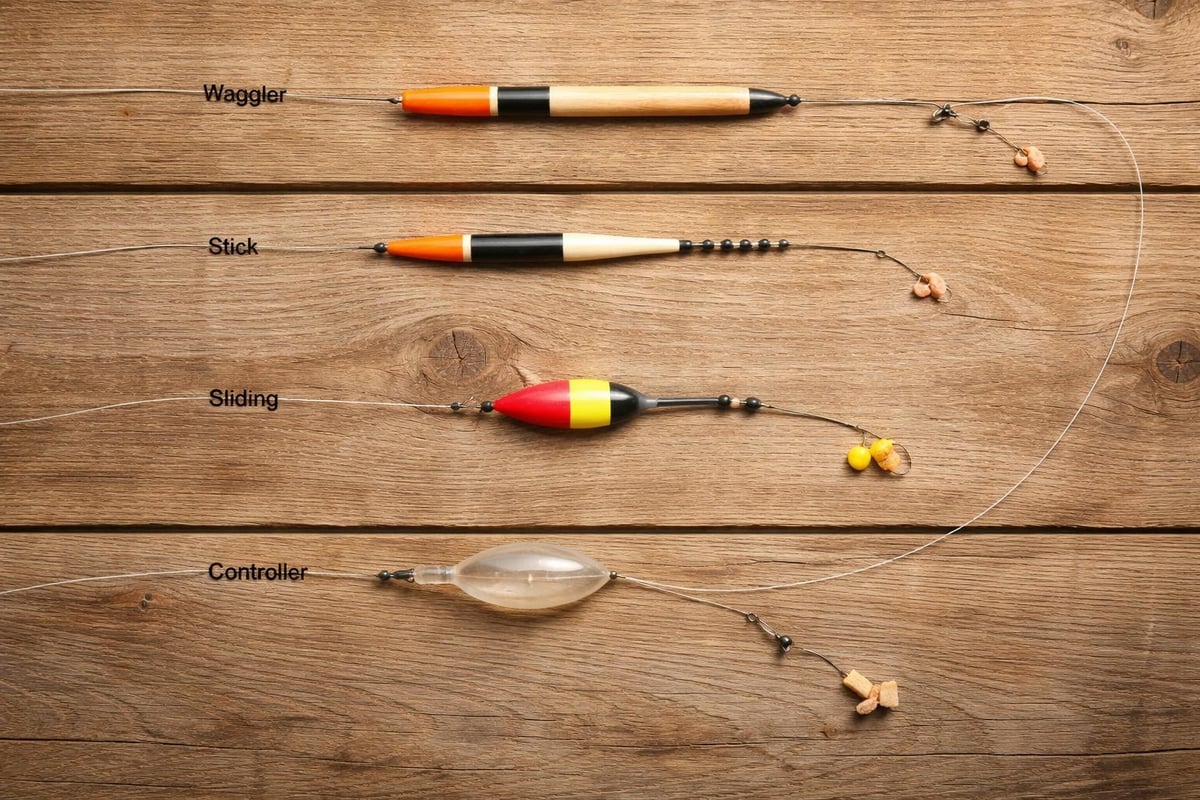
Different fishing scenarios require specific float designs. Waggler floats attach at the bottom only, providing excellent casting distance and sensitivity for still water fishing. Stick floats attach top and bottom, offering superior control in flowing currents common around Pacific river mouths and estuaries.
Modern float fishing kits typically include:
The selection of float size depends on current strength, bait weight, and target species. Smaller floats (0.5-2 grams) work well for panfish and bream, while larger floats (4-10 grams) handle bigger baits and rougher conditions typical of Pacific coastal waters.
Quality monofilament or fluorocarbon line forms the backbone of any float fishing kit. Mainline strength typically ranges from 2-8 kilograms, with lighter lines providing better sensitivity and heavier lines offering increased abrasion resistance around reef structures.
Leaders deserve special attention in float fishing setups. A properly constructed leader section between the mainline and hook reduces visibility while maintaining strength. Most professional setups use leader material one size lighter than the mainline, creating a natural presentation that doesn't spook educated fish.
| Component | Light Setup | Medium Setup | Heavy Setup |
|---|---|---|---|
| Mainline | 2-3 kg | 4-6 kg | 6-8 kg |
| Leader | 1.5-2.5 kg | 3-5 kg | 5-7 kg |
| Float Size | 0.5-2g | 2-5g | 5-10g |
| Hook Size | #10-#14 | #6-#10 | #2-#6 |
The connection between these components requires proper knots and, in many cases, specialized hardware like float rubbers, float adapters, and swivels that prevent line twist during retrieve.
Proper assembly transforms individual components into a functional fishing system. Getting started with float fishing requires understanding how each element contributes to the overall presentation.
Building a float fishing rig follows a logical sequence that ensures balanced performance:
The distribution of weight along the line significantly impacts presentation. Bulk shotting places most weight near the hook for fast descent, while spread shotting distributes weights evenly for a slower, more natural fall through the water column.
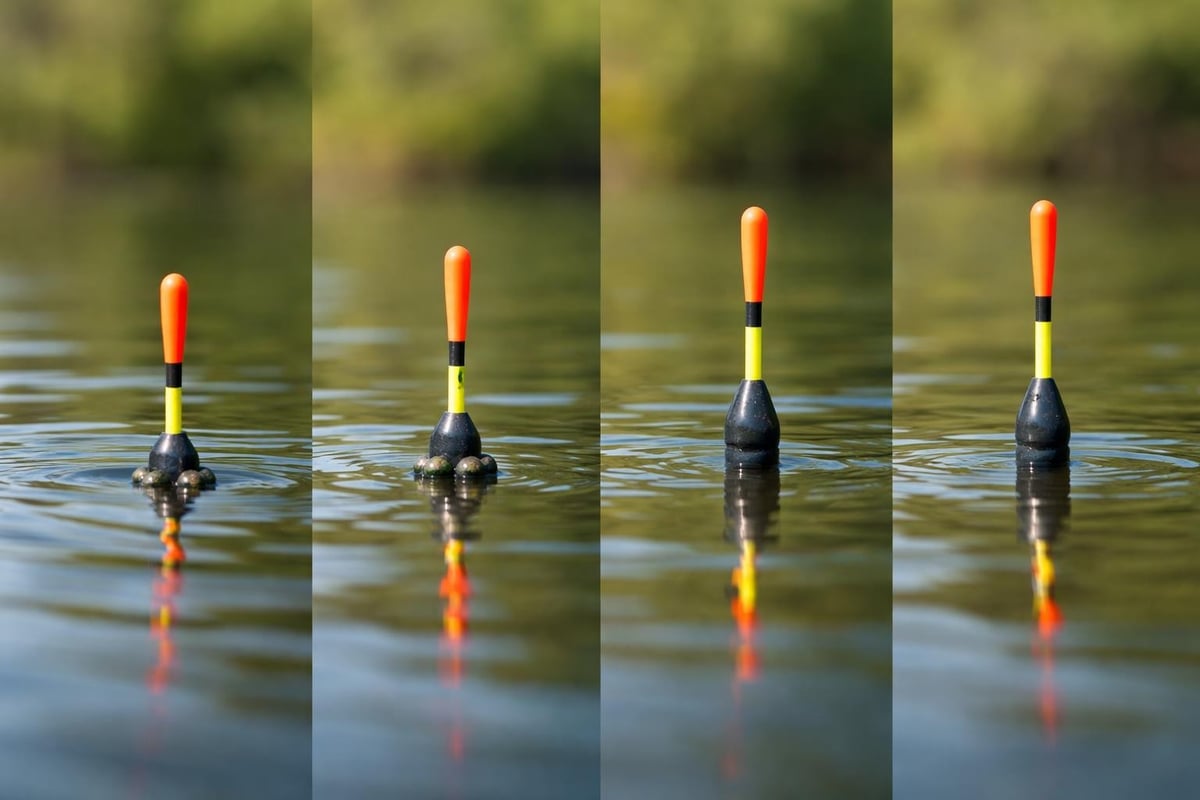
A properly balanced float sits with just the tip visible above the water surface. This critical adjustment allows detection of even the lightest bites. Add or remove small split shot until achieving perfect balance, remembering that bait weight affects this equilibrium.
Testing your assembled float fishing kit in controlled conditions before heading out ensures everything functions correctly. Cast into shallow, clear water where you can observe the rig's behavior and make necessary adjustments to shot placement and leader length.
Pacific waters present unique challenges that demand robust, reliable float fishing kits. Salt spray, UV exposure, and powerful fish species require components built to withstand harsh marine environments.
Floats constructed from high-density foam resist waterlogging better than traditional balsa wood in saltwater applications. Modern materials like plastazote foam maintain buoyancy even after months of regular use, making them ideal for commercial fishing operations requiring consistent performance.
Hardware quality separates professional-grade float fishing kits from recreational setups. Stainless steel swivels, corrosion-resistant split shot, and chemically-sharpened hooks withstand the corrosive effects of saltwater far better than basic carbon steel components.
Consider these durability factors:
Many commercial operations across the Pacific now source their fishing equipment from suppliers like Action Outdoors Limited, which specializes in marine-grade components designed for demanding professional applications.
Different fish species require tailored float fishing approaches. Snapper kits typically feature heavier floats (5-8 grams) and robust 5-7 kilogram leaders capable of handling these powerful fighters around reef structures.
Kahawai and trevally setups emphasize casting distance, using controller floats that allow long-range presentation of live baits. These kits often incorporate 15-20 centimeter wire traces to prevent bite-offs from sharp teeth.
For those exploring exciting new fishing innovations in 2026, smart float technology now integrates bite detection sensors with smartphone connectivity, though traditional methods remain highly effective for most applications.
Float fishing kits adapt to diverse Pacific fishing environments, from New Zealand's temperate waters to tropical Pacific atolls. Understanding regional variations helps anglers select appropriate components and techniques.
New Zealand's varied coastline offers exceptional float fishing opportunities. Estuary fishing for mullet, kahawai, and snapper benefits from lighter float fishing kits (2-4 gram floats) that present baits naturally in tidal currents. Always check current New Zealand fishing rules regarding bag limits and size restrictions before heading out.
Harbor fishing around Auckland, Wellington, and Christchurch sees excellent results with sliding float rigs set to 3-6 meters depth, targeting snapper, trevally, and gurnard over sandy bottoms and reef edges.
Rock platform fishing requires heavier tackle to handle rough conditions and larger fish. Float fishing kits for this environment use 6-10 gram floats, 6-8 kilogram mainlines, and heavy-duty hooks capable of landing blue cod, tarakihi, and occasional kingfish.
Tropical Pacific waters demand specialized float fishing approaches. Coral reef fishing presents unique challenges with sharp coral structures requiring heavy abrasion-resistant leaders (6-8 kilogram fluorocarbon minimum).
Float fishing kits for reef species like coral trout, emperors, and snappers incorporate:
Many anglers find success using Find Fishing Spots to locate productive reef edges and channels where float fishing produces consistent results throughout the Pacific region.
Proper care extends the lifespan of float fishing kits significantly, particularly important for commercial operations processing hundreds of fishing trips annually.
Saltwater corrodes fishing tackle rapidly without proper maintenance. After each trip, rinse all float fishing kit components thoroughly with fresh water, paying special attention to swivels, split shot, and float attachment points where salt crystals accumulate.
Floats themselves require inspection for cracks, chips, or water infiltration. Even small damage compromises buoyancy and sensitivity. Replace damaged floats immediately rather than risk losing fish to equipment failure.
Lines degrade from UV exposure, abrasion, and stress. Inspect the first 2-3 meters of mainline after every trip, retying connections and trimming damaged sections. Replace line completely every season or after landing particularly large fish that stressed the system.
Organized storage prevents tangles and damage while making float fishing kits readily accessible. Commercial operations benefit from systematic storage approaches:
| Storage Method | Best For | Advantages |
|---|---|---|
| Foam organizers | Individual rigs | Prevents tangles, quick access |
| Sealed containers | Complete kits | Moisture protection, dust-free |
| Wall-mounted racks | Multiple floats | Easy visual inventory, space-efficient |
| Tackle boxes | Mixed components | Portable, compartmentalized |
Store float fishing kits in cool, dry locations away from direct sunlight. UV damage affects both monofilament line and float finishes, reducing performance over time.
Serious anglers maintain multiple float fishing kits tailored to different conditions and target species. This approach eliminates rigging time on the water and ensures appropriate tackle for changing conditions.
A well-rounded collection includes specialized setups for various scenarios. Light kits (0.5-2 gram floats) handle calm conditions and smaller species, while medium kits (2-5 grams) cover general-purpose applications accounting for 70% of fishing situations.
Heavy-duty kits become essential when targeting larger species or fishing in rough conditions. These setups use 6-10 gram floats with proportionally heavy lines and leaders capable of handling powerful fish in challenging environments.
Consider maintaining separate freshwater and saltwater float fishing kits to prevent cross-contamination of components. Freshwater setups often use lighter tackle than saltwater equivalents, and keeping them separate prevents confusion and ensures appropriate tackle selection.
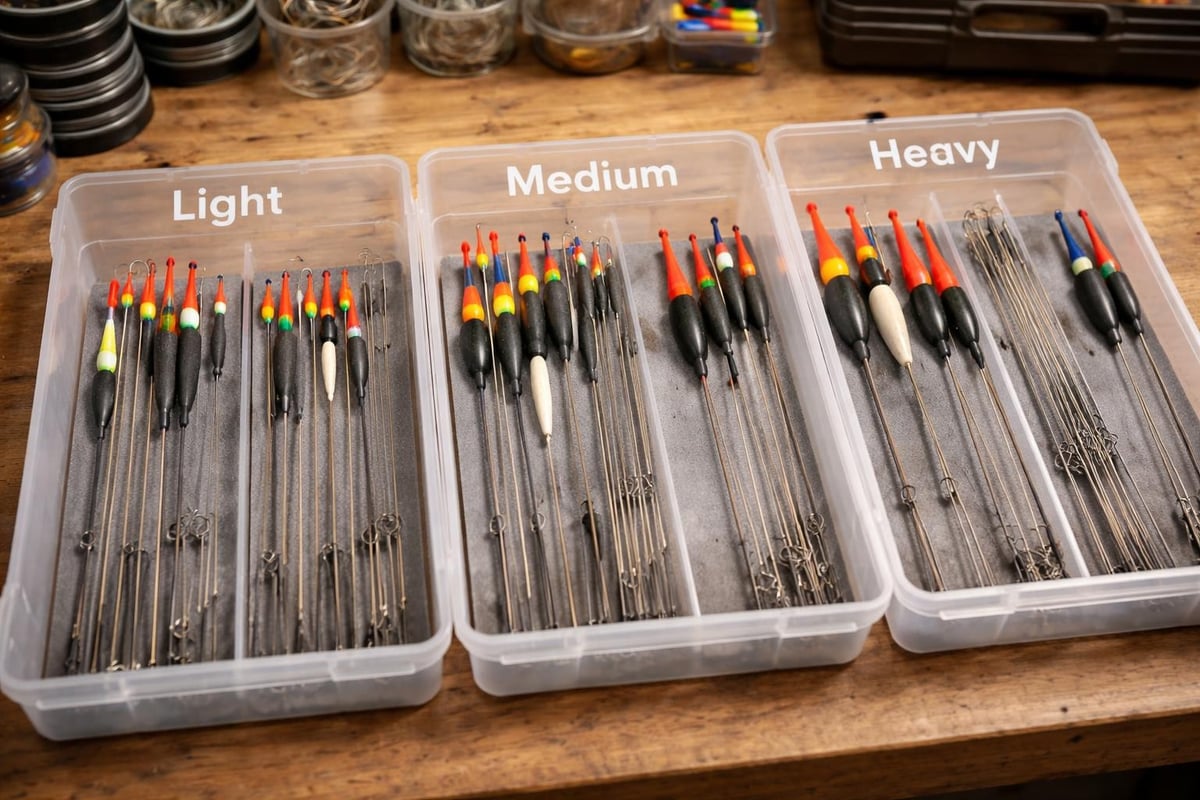
Commercial fishing operations and serious recreational anglers benefit from pre-rigged float fishing kits stored on individual rig winders. This approach allows instant deployment when fish are feeding actively, maximizing productive fishing time.
Pre-rig multiple setups at different depths (shallow, mid-depth, deep) to adapt quickly to fish location changes. Mark each rig clearly with depth settings and target species information for quick selection.
Finding reliable suppliers for float fishing kit components ensures consistent quality and performance. Professional fishing operations require dependable sources providing marine-grade equipment meeting commercial fishing standards.
The importance of choosing quality fishing equipment suppliers cannot be overstated, particularly for operations depending on equipment reliability for their livelihood. Suppliers specializing in commercial fishing understand the demanding requirements of Pacific marine environments.
Premium floats feature multiple coats of durable finish, precisely balanced weighting, and reinforced attachment points. Cheaper alternatives often fail after minimal use, creating false economy through frequent replacement.
Line quality varies dramatically between manufacturers. Professional-grade monofilament maintains consistent diameter throughout the spool, features low memory characteristics, and provides reliable knot strength. Testing line strength periodically ensures it meets stated specifications.
Hooks represent perhaps the most critical component investment. Chemically-sharpened hooks from reputable manufacturers penetrate quickly and maintain their points through multiple fish. Budget hooks dull rapidly and cause lost fish through poor penetration.
Establishing relationships with quality suppliers provides access to expert knowledge, product recommendations, and sometimes preferential pricing for bulk purchases. Commercial operations benefit significantly from suppliers understanding their specific requirements and providing tailored solutions.
Many Pacific fishing operations source comprehensive equipment packages from specialized marine suppliers offering everything from nets to floats, ensuring compatibility and consistent quality across all fishing gear.
Mastering advanced techniques separates competent float fishers from true experts. These methods maximize float fishing kit effectiveness across various conditions and species.
Locating the precise depth where fish feed determines success or failure. Start by setting your float fishing kit to fish near the bottom, then gradually adjust upward until locating active fish. This systematic approach identifies the feeding zone efficiently.
Sliding float rigs excel at this depth-finding process. Simple adjustments to the float stop position change presentation depth without complete rig reassembly. Mark successful depth settings on your rod for quick replication.
Consider water clarity when setting depth. In clear water, fish often feed higher in the water column, while turbid conditions push them deeper where visibility improves near the bottom.
Different float movements indicate specific underwater events. Sharp dips suggest aggressive takes requiring immediate strikes. Slow sinking indicates fish mouthing the bait, often requiring a delayed strike allowing the fish to fully commit.
Lateral movement across the surface suggests fish swimming with the bait, common with species like mullet and bream. Allow this movement to continue briefly before setting the hook, ensuring the fish has the bait well inside its mouth.
Practice reading these subtle signals by observing your float fishing kit in various conditions. Experience teaches recognition of genuine strikes versus current movement, weed contact, or small fish nibbling.
Float fishing kits serve commercial operations effectively when scaled appropriately. Community fisheries across Pacific Islands employ these systems for sustainable harvesting of reef and pelagic species.
Commercial operations often deploy multiple float fishing kits simultaneously, increasing harvest efficiency while maintaining selective fishing practices. These systems allow fishers to cover extensive areas and depth ranges with single-boat operations.
Proper spacing between float fishing kits prevents tangles and allows effective monitoring of all lines. Experienced commercial fishers maintain 15-20 meter separation between deployed floats, adjusting based on current strength and drift patterns.
Color-coding different float fishing kits helps identify specific depth settings or bait types from distance, streamlining retrieval and fish processing operations.
Many Pacific fishing communities blend modern float fishing kits with traditional knowledge and techniques. This integration preserves cultural fishing practices while incorporating innovations improving efficiency and sustainability.
Combining float fishing with traditional fish aggregating devices (FADs) produces excellent results for pelagic species. The floats keep baits at precise depths near FAD structures where tuna, mahi-mahi, and wahoo congregate.
Responsible float fishing practices protect Pacific marine ecosystems for future generations. Float fishing kits designed with sustainability in mind minimize environmental impact while maintaining effectiveness.
Modern float fishing kit manufacturers increasingly offer environmentally responsible alternatives. Biodegradable floats made from natural materials break down if lost, reducing long-term marine pollution.
Lead-free weights eliminate toxic metal introduction into marine environments. Tungsten and brass alternatives provide equivalent performance without environmental concerns, though at higher initial cost.
Using appropriate fishing equipment that matches target species reduces bycatch and minimizes ecosystem disruption. Properly sized hooks and leaders ensure non-target species can be released unharmed.
End-of-life tackle disposal requires careful consideration. Damaged floats, worn line, and obsolete components should never enter waterways. Many fishing communities establish collection programs for used tackle, ensuring proper disposal or recycling.
Monofilament line recycling programs exist across New Zealand and some Pacific nations. Participating in these initiatives prevents line from entering marine environments where it poses entanglement hazards to wildlife.
Continuous learning improves float fishing effectiveness. Numerous resources help anglers refine techniques and stay current with evolving methods.
The Illinois Department of Natural Resources guide provides foundational knowledge applicable across fishing environments. While focused on American waters, principles translate effectively to Pacific fishing scenarios.
Local fishing clubs and community organizations offer hands-on instruction particularly valuable for mastering regional techniques. These groups share knowledge about productive locations, seasonal patterns, and effective float fishing kit configurations for local species.
Online forums and video platforms provide visual demonstrations of advanced techniques. Watching experienced anglers assemble and deploy float fishing kits accelerates learning compared to written instructions alone.
Float fishing kits represent versatile, effective tools for anglers across the Pacific, from recreational fishers targeting harbor species to commercial operations harvesting reef fish sustainably. Success depends on selecting quality components appropriate for your target species and conditions, assembling them correctly, and maintaining equipment properly. Whether you're outfitting a single recreational setup or equipping a commercial fishing operation, Action Outdoors Limited provides the marine-grade floats, lines, and fishing equipment that Pacific fishers trust for reliable performance in demanding conditions.
Shop related products at Action Outdoors: Fishing Hooks · Fishing Line · Rope & Twine
Leave a comment