Best Soft Baits for Snapper: Expert Guide 2026
Snapper fishing remains one of the most popular pursuits for anglers throughout New Zealand and the Pacific region, with soft baits emerging as the go-to choice for both recreational and commercial fishers. Understanding which soft plastics deliver consistent results can dramatically improve your catch rates, whether you're targeting fish in shallow harbors, deep channels, or offshore reefs. The best soft baits for snapper combine realistic action, durable construction, and the right profile to trigger aggressive strikes from these notoriously selective fish.
Understanding Soft Bait Fundamentals for Snapper
Soft baits have revolutionized snapper fishing over the past two decades, offering versatility that natural baits and hard lures struggle to match. These artificial options allow anglers to cover water efficiently while maintaining a presentation that snapper find irresistible. The primary advantage of soft plastics lies in their ability to mimic injured baitfish through subtle tail movements and natural swimming actions.
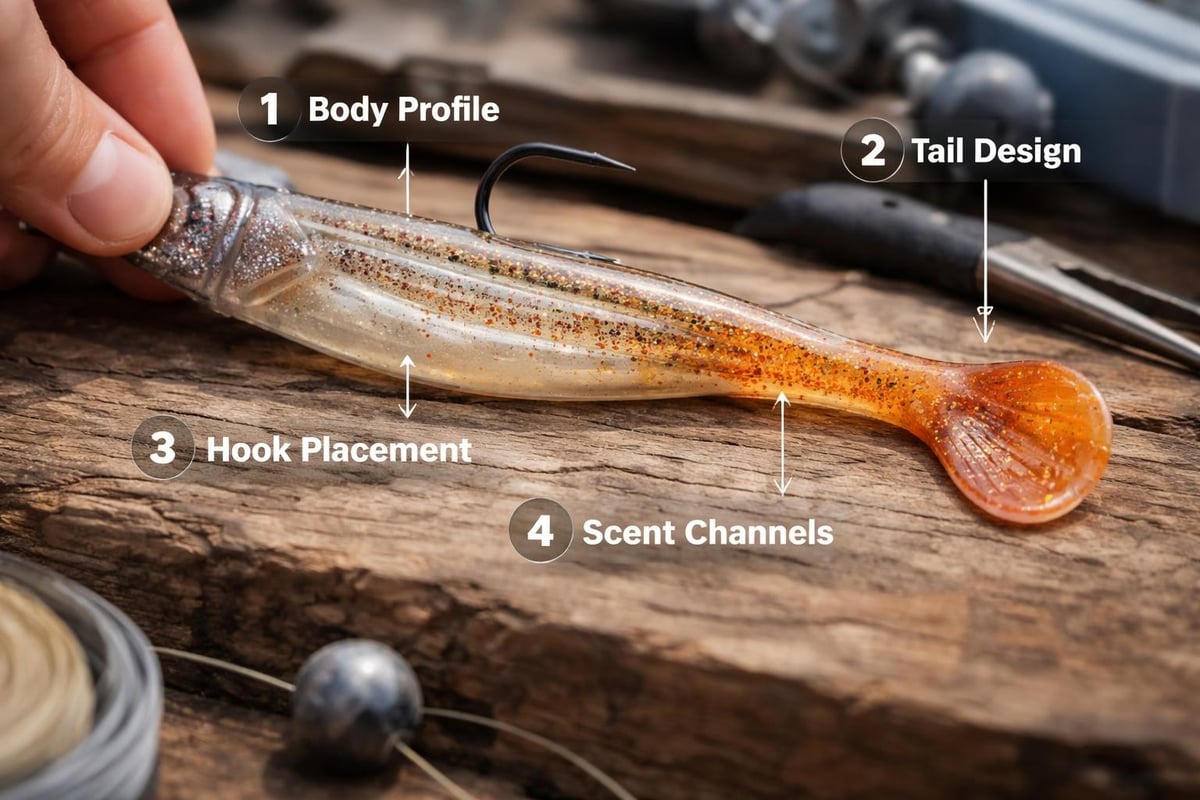
When selecting the best soft baits for snapper, consider three critical factors: body design, tail action, and scent technology. Modern soft plastics incorporate enhanced formulations that release attractants into the water column, extending their effectiveness beyond visual appeal alone.
Key Characteristics of Effective Soft Baits
The most productive soft baits share several common features that make them stand out. Durability ranks high among these characteristics, as snapper possess sharp teeth that can quickly shred inferior plastics. Quality materials withstand multiple strikes and catches without falling apart.
- Realistic swimming action that mimics natural prey species
- Appropriate weight distribution for stable descent and horizontal presentation
- Color patterns that match local forage fish
- Scent dispersal technology to attract fish from greater distances
- Flexible tail sections that vibrate at slow retrieve speeds
The texture of your soft bait matters significantly. Snapper often mouth a lure before committing to a full strike, and plastics with natural feel encourage fish to hold on longer, increasing hook-up ratios. Research on various artificial baits for snapper demonstrates how texture and composition influence strike conversion rates.

Top Soft Bait Categories for Snapper Success
Different soft bait styles excel in specific conditions and fishing scenarios. Understanding when to deploy each type maximizes your effectiveness on the water.
Paddle Tail Swimbaits
Paddle tail designs generate strong vibrations and flash through water, making them excellent choices for murky conditions or low-light periods. The boot-shaped tail kicks vigorously on retrieval, creating pressure waves that snapper detect through their lateral lines.
These baits work exceptionally well when slow-rolled along bottom structure or twitched through mid-water columns. Standard sizes for snapper range from 4 to 6 inches, with the 5-inch profile representing the sweet spot for most situations.
| Feature | Advantage | Best Conditions |
|---|---|---|
| Wide tail design | Maximum vibration | Turbid water |
| Steady swimming action | Easy to fish | Beginner-friendly |
| Multiple retrieve speeds | Versatility | Varying fish activity |
Curly Tail Grubs
Grub tails produce a subtle, pulsating action that proves deadly when snapper display cautious feeding behavior. The spiraling tail continues working even during pauses in your retrieve, maintaining attraction throughout your presentation. Targeting inshore snapper using soft plastics requires understanding how grub tails excel in shallow water applications.
The compact profile of grubs allows for longer casts and quick descent rates, making them ideal for vertical jigging around pylons, wharves, and reef edges. Their small size doesn't limit their effectiveness; snapper frequently target smaller prey items, particularly during summer months.
Jerk Baits and Shad Tails
Jerk bait designs feature slender bodies with minimal tail action, relying instead on erratic darting movements created by aggressive rod twitches. This reactionary presentation triggers strikes from aggressive fish that might ignore more subtly presented offerings.
Shad-style tails combine elements of both paddle tails and jerk baits, featuring forked tails that flutter during descent and glide phases. These baits shine when fishing drop-offs and channel edges where snapper ambush passing baitfish schools.
Color Selection and Pattern Matching
Choosing the right color significantly impacts your success when fishing soft plastics for snapper. While personal preference and confidence matter, certain patterns consistently outperform others across different water conditions.
Natural colors dominate in clear water scenarios. Shades mimicking pilchards, mullet, and small koheru prove most effective when visibility exceeds three meters. Translucent whites, pearl silvers, and subtle greens match common forage species.
High-Visibility Options
Bright colors become essential tools when water clarity decreases or fishing depths exceed 15 meters. Chartreuse, pink, orange, and combinations incorporating UV-reactive materials help snapper locate your offering in challenging conditions.
- Chartreuse variations for stained water and low-light conditions
- Pink and white combinations for deep water applications
- Glow-in-the-dark formulations for dawn and dusk periods
- UV-enhanced plastics that appear more visible to fish vision
- Two-tone patterns that create contrast and trigger strikes
The best soft baits for snapper often feature belly contrast, with darker backs and lighter undersides mimicking natural prey orientation. This biological accuracy can make the difference when targeting educated fish in pressured waters.
Rigging Techniques for Maximum Effectiveness
Proper rigging transforms good soft baits into exceptional fish-catching tools. The connection between plastic and hook determines action, presentation angle, and overall success rates.
Jig Head Selection
Jig head weight must match water depth and current speed. Lighter heads (1/4 to 3/8 ounce) suit shallow harbors and calm conditions, while heavier options (3/4 to 1.5 ounce) maintain bottom contact in deep water or strong currents.
Hook size should complement your soft bait dimensions. Oversized hooks impair swimming action and create unnatural profiles, while undersized hooks reduce hooking percentages. Standard 3/0 to 5/0 hooks accommodate most snapper-sized soft plastics effectively.
| Water Depth | Jig Head Weight | Recommended Hook Size |
|---|---|---|
| 0-5 meters | 1/4 - 3/8 oz | 2/0 - 3/0 |
| 5-15 meters | 1/2 - 3/4 oz | 3/0 - 4/0 |
| 15-30 meters | 1 - 1.5 oz | 4/0 - 5/0 |
| 30+ meters | 1.5 - 2 oz | 5/0 - 6/0 |
Weedless Configurations
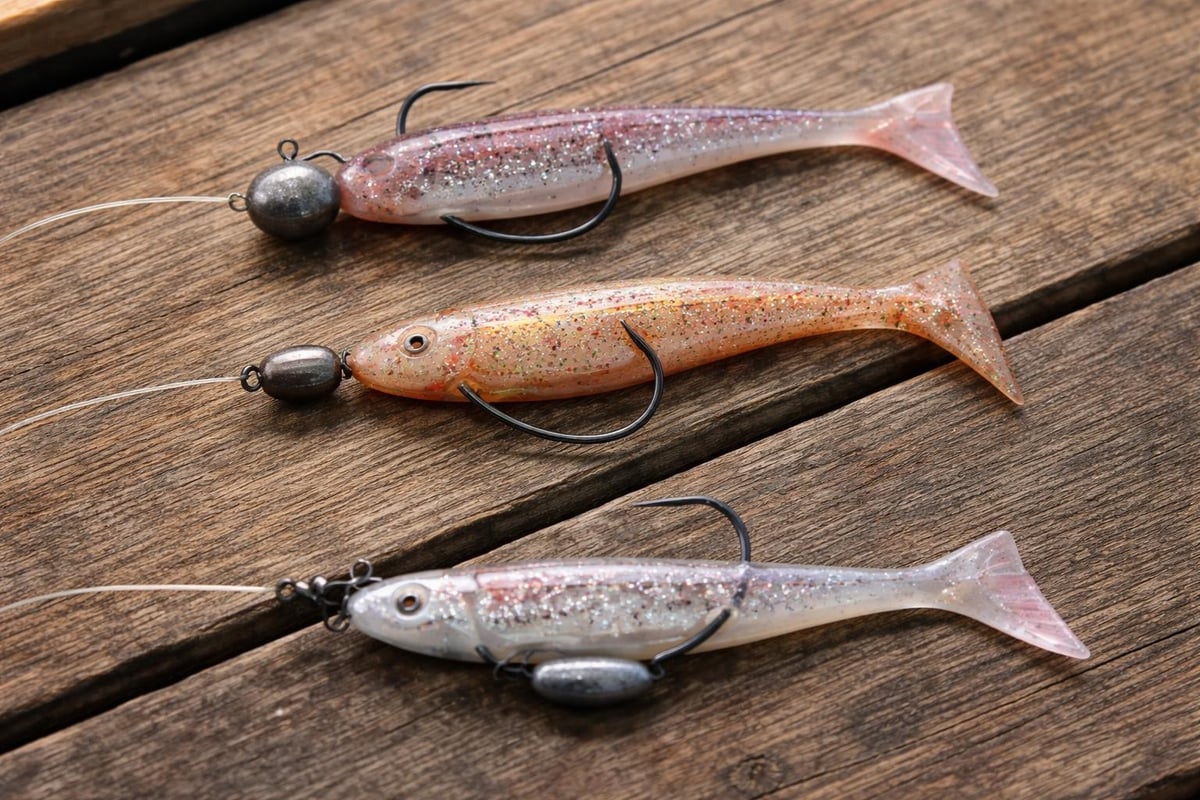
Weedless rigging extends fishing opportunities into structure-rich environments where snapper concentrate but conventional presentations snag constantly. Weighted worm hooks with offset shanks allow soft baits to penetrate cover while protecting hook points from obstruction.
Texas-rigged soft baits work exceptionally well around oyster beds, kelp forests, and rocky outcrops. The bullet weight pegs ahead of the hook, creating a nose-down presentation that appears natural to feeding snapper.

Retrieval Methods That Trigger Strikes
The best soft baits for snapper only perform when animated properly. Your retrieval technique breathes life into artificial presentations, converting plastic into convincing prey.
Slow rolling remains the most productive basic retrieve for snapper. Maintain steady contact with bottom structure while reeling just fast enough to keep your bait swimming naturally. Periodic pauses allow the lure to sink and flutter, often triggering strikes from following fish.
Advanced Retrieval Patterns
Vary your cadence to determine what snapper prefer on any given day. Some situations demand aggressive lift-and-drop presentations, while others require barely perceptible movements.
- Count down your bait after casting to establish depth zones where fish hold
- Hop and pause along bottom contours to imitate foraging baitfish
- Steady retrieve with occasional twitches to create erratic action
- Vertical jigging when positioned over structure or in current
- Swing technique allowing current to arc your bait across feeding zones
Successful anglers adapt their approach based on fish response. When snapper strike during pauses, incorporate longer stops. If hits occur during movement, maintain more consistent retrieval speeds. Comprehensive information on effective lure types helps refine your presentation strategies.
Scent-Enhanced Soft Baits
Scent technology represents a significant advancement in soft bait development. Modern formulations incorporate attractants that disperse through water, appealing to snapper's highly developed olfactory senses.
Biodegradable options like Berkley Gulp have gained popularity due to their enhanced scent release capabilities. Features of Berkley Gulp Soft Baits showcase how these plastics outfish traditional options in controlled comparisons. The water-based resin construction releases scent 400 times more effectively than standard soft plastics.
Application Strategies
Pre-scented baits arrive ready to fish, but supplemental attractants can boost effectiveness further. Gel-based scents adhere well to soft plastic surfaces, maintaining their presence through multiple casts. Apply scent to tail sections and body cavities for maximum dispersion.
Scent becomes particularly valuable when fish demonstrate cautious behavior or when targeting deeper water where visual cues diminish. The chemical signature helps snapper locate and commit to your offering even when they can't see it clearly.
Seasonal Considerations and Pattern Adjustments
Snapper behavior changes throughout the year, requiring corresponding adjustments to your soft bait selection and presentation. Understanding these patterns improves consistency across all seasons.
Spring months see snapper moving shallow to spawn, creating excellent opportunities for smaller profile soft baits in 3 to 4-inch sizes. Natural colors matching juvenile baitfish prove most effective as snapper feed aggressively to rebuild energy reserves after winter.
Summer and Autumn Patterns
Summer brings peak snapper activity with fish distributed across various depth ranges. The best soft baits for snapper during this period often feature larger profiles (5 to 7 inches) matching the abundant forage present in New Zealand waters.
Autumn triggers pre-winter feeding behavior where snapper become less selective about bait size but more responsive to scent trails. This season rewards anglers who combine larger soft baits with enhanced scent applications.
Tackle Components That Complement Soft Baits
Your soft bait's effectiveness depends partly on the supporting tackle used to deliver and work it properly. Rod selection, line choice, and leader material all influence presentation quality and fish conversion rates.
Medium to medium-heavy rods between 7 and 8 feet provide optimal casting distance and hook-setting power for soft bait fishing. Moderate-fast actions help detect subtle bites while maintaining enough backbone to drive hooks home on aggressive strikes. Having the right essential fishing accessories ensures you're prepared for various situations.
Line and Leader Recommendations
Braid mainline offers superior sensitivity and minimal stretch, transmitting bottom structure details and soft takes directly to your hands. Typical mainline ratings range from 15 to 30-pound test depending on target depth and structure density.
Fluorocarbon leaders remain the standard for soft bait fishing due to their near-invisibility underwater and abrasion resistance against reef structure. Leader lengths between 1.5 and 3 meters accommodate most situations, with longer leaders suited to clear water and cautious fish.

Location-Specific Soft Bait Strategies
Where you fish significantly impacts which soft baits produce best results. New Zealand's diverse coastal environments demand tailored approaches for consistent success.
Harbor fishing requires compact soft baits that sink quickly and work effectively in confined spaces around structure. Grub tails and small paddle tails excel when targeting snapper around wharves, rock walls, and moored vessels. These environments often feature reduced water movement, allowing lighter jig heads to maintain bottom contact.
Offshore and Reef Applications
Deeper water and stronger currents characterize offshore snapper grounds. Heavier jig heads (1 to 2 ounces) keep soft baits in strike zones despite challenging conditions. Larger profile baits become necessary to remain visible and attractive at depths where light penetration decreases.
Reef structure holds significant snapper populations but demands careful presentation to avoid constant snagging. Weedless configurations allow anglers to work soft baits tight to structure where the biggest fish reside without losing excessive tackle.
Popular Soft Bait Models Proven on Snapper
Certain soft bait models have earned reputations for consistent snapper success across New Zealand waters. While personal experimentation remains valuable, starting with proven options accelerates your learning curve.
Z-Man plastics feature ElaZtech construction that resists tearing and maintains shape through dozens of fish. The Jerk ShadZ and StreakZ models produce excellent results on snapper, with their buoyancy creating unique rising actions on pauses. Reviews of effective lures for pink snapper highlight how these designs perform in various conditions.
Additional Proven Options
Several other manufacturers produce soft baits that consistently catch snapper. Berkley PowerBait and Gulp ranges offer scent-enhanced options, while Savage Gear provides ultra-realistic baitfish imitations.
- Berkley Gulp Swimming Mullet for its scent release and natural profile
- Squidgies Bio Tough for extreme durability and vibrant colors
- Zman MinnowZ for versatility across depth ranges
- Savage Gear Sandeel for deepwater applications
- Berkley PowerBait Ripple Shad for its unique tail action
Quality equipment extends beyond lures to include proper handling tools. When you land that trophy snapper, having reliable marine equipment ensures safe handling and release if desired.
Maintenance and Storage Best Practices
Proper care extends the life of your soft baits, providing better value and ensuring peak performance when you need it. Unlike hard lures, soft plastics require specific storage considerations to maintain their shape and effectiveness.
Separate storage prevents chemical reactions between different plastic formulations that can cause melting or degradation. Original packaging usually provides adequate protection, but dedicated soft bait storage boxes with individual compartments offer superior organization.
Extending Bait Lifespan
Avoid exposing soft baits to extreme heat, which causes warping and color fading. Vehicle storage during summer months can damage plastics within hours if left in direct sunlight.
Used soft baits with minor damage often remain fishable. Small tears rarely affect action significantly, and snapper seem unbothered by imperfect plastics. Save partially damaged baits for high-snag environments where loss rates run high.
Combining Soft Baits With Other Techniques
While soft baits excel as standalone presentations, combining them with complementary fishing methods often produces superior results. Understanding how to integrate different approaches maximizes your time on water.
Berleying operations create feeding zones that concentrate snapper, making them more receptive to soft plastic presentations. Effective baits and berleying techniques demonstrate how ground bait complements artificial lures by triggering competitive feeding behavior.
Multi-Technique Approaches
Alternating between soft baits and natural baits helps determine fish preferences on any given day. Some situations see snapper favoring artificials, while others produce better with fresh bait. Carrying both options provides flexibility to adapt.
Slow jigging with metal lures alongside soft plastic fishing creates additional attraction points. The flash and vibration from jigs can draw snapper close, where they encounter your soft bait and strike. This combination technique proves particularly effective when fish show on sounders but refuse single presentations.
Environmental Considerations and Responsible Practices
Modern anglers recognize their responsibility to protect fisheries for future generations. The best soft baits for snapper now include environmentally conscious options that minimize ecological impact.
Biodegradable soft baits decompose naturally if lost, reducing long-term pollution compared to traditional plastics. While slightly more expensive, these options demonstrate commitment to sustainable fishing practices.
Proper disposal of damaged soft baits prevents them from entering waterways and potentially harming marine life. Carry a dedicated trash container on your boat or tackle bag for collecting unusable plastics. Many fishing tackle retailers now offer recycling programs for old soft baits and packaging materials.
Catch and Release Best Practices
When practicing catch and release, proper handling techniques ensure snapper survive the experience. Use wet hands or protective gloves when gripping fish to preserve their protective slime coating. Minimize air exposure and avoid touching gill structures.
Quality landing nets constructed from soft, knotless mesh reduce injury rates when bringing snapper aboard. New Zealand-made nets provide the durability and fish-friendly construction necessary for responsible angling practices.
Selecting the best soft baits for snapper combines understanding fish behavior, matching lure characteristics to conditions, and refining presentation techniques through experience. Success comes from experimentation with different styles, colors, and retrieval methods while adapting to what snapper show you each day. Whether you're targeting harbor fish or offshore reef dwellers, quality gear makes every trip more productive and enjoyable. Action Outdoors Limited supports your fishing success with comprehensive marine equipment, including landing nets, tackle storage, and accessories designed for New Zealand conditions and exported throughout the Pacific, ensuring you have everything needed for consistent results on the water.
发表评论