Freshwater Fishing Equipment Guide: Expert Insights for 2026

Ready to make 2026 your most successful year on the water? The world of freshwater fishing equipment is rapidly evolving, bringing smarter tools, innovative materials, and eco-friendly solutions that transform every angling experience.

Whether you are a beginner or a seasoned pro, selecting the right gear can mean more catches, greater comfort, and increased enjoyment. Today’s advancements give anglers powerful new ways to adapt and thrive in any scenario.

This comprehensive guide explores essential gear categories, the latest innovations for 2026, expert recommendations, and practical tips for every freshwater fishing environment. Let’s dive in and set you up for success with the best equipment modern fishing has to offer.

Essential Freshwater Fishing Rods and Reels

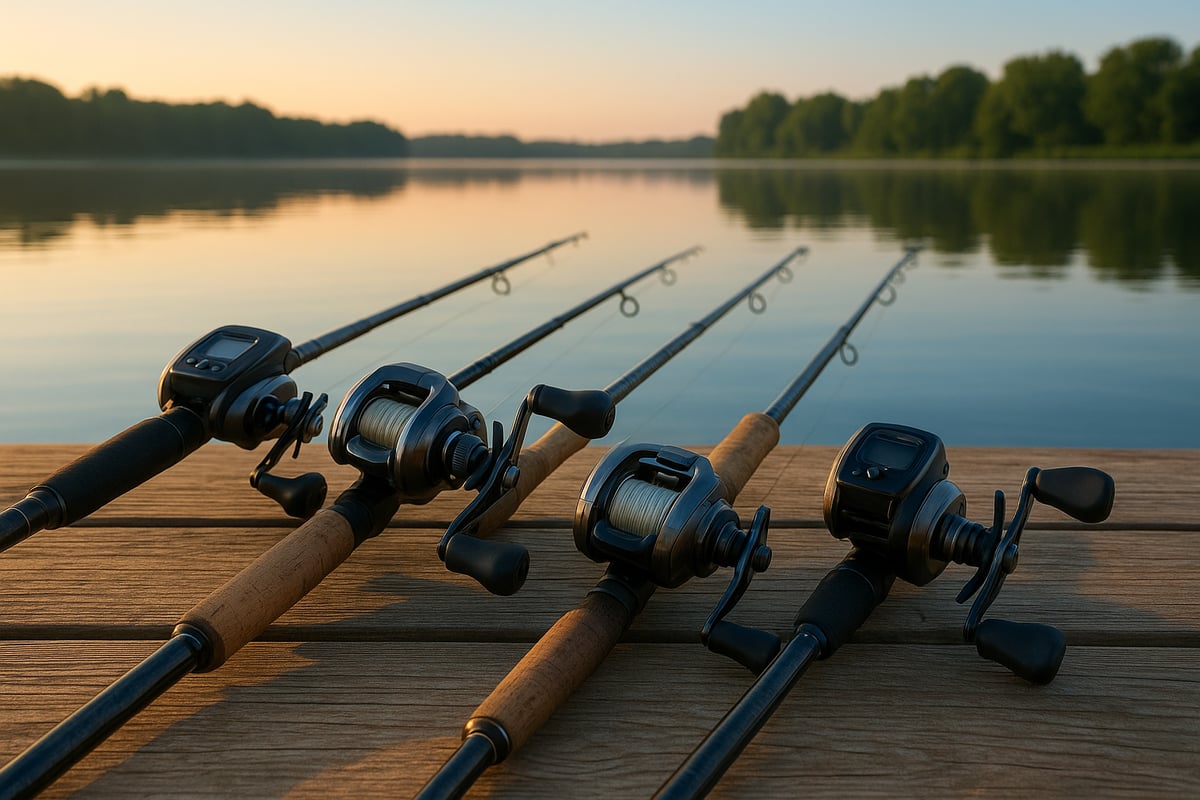
Selecting the right rods and reels forms the backbone of any successful freshwater fishing equipment setup. In 2026, anglers have more choices than ever, thanks to advanced materials, smart features, and tailored designs. Whether you are refining your gear for a specific species or starting fresh, understanding your options is key to maximizing performance and enjoyment.

Essential Freshwater Fishing Rods and Reels

Types of Fishing Rods for Freshwater Angling

Modern freshwater fishing equipment offers a spectrum of rod types, each suited to different techniques and environments. Spinning rods are the most versatile, ideal for casting light lures and lines, while baitcasting rods give experienced anglers better control over heavier lures and precise placement. Fly rods are specialized for delicate presentations and are favored when targeting species like trout in streams.

Material innovation is a standout feature for 2026. Carbon fiber and composite blends provide exceptional sensitivity and strength, making it easier to detect subtle bites and handle vigorous fish. Rod length and action should match your target species: shorter, fast-action rods excel in tight spaces for bass, while longer, moderate-action rods suit open waters and larger fish.

Telescopic and travel rods have also gained popularity, thanks to their portability and ease of storage. These are perfect for anglers who value convenience without sacrificing performance. For example, the latest Stinger Carbon-X spinning rod now integrates a nano-resin matrix, delivering lighter weight and enhanced durability compared to its 2025 version.

Rod Type Best Use 2026 Innovation
Spinning Versatile, light lures Carbon nano-resin
Baitcasting Heavy lures, precision Composite guides
Fly Delicate presentation Ultra-light blanks
Telescopic Travel, portability Collapsible joints

Choosing the Right Reel: Spinning, Baitcasting, and More

Selecting a reel is just as crucial as picking the right rod. Spinning reels remain user-friendly and are perfect for beginners, offering easy line management and smooth casting. Baitcasting reels, while requiring more skill, deliver superior accuracy and power for larger fish and heavier baits. For 2026, gear ratios have been optimized for faster retrieval, and drag systems are smoother and more reliable.

Maintenance has become simpler, with sealed bearings and corrosion-resistant materials now standard in top models. This means less downtime and longer-lasting freshwater fishing equipment. According to recent angler surveys, the Quantum Digital Spin and Shimano AeroTech Baitcaster lead the market for their reliability and innovation.

When comparing reels, consider:

  • Gear ratio for retrieval speed
  • Drag system strength
  • Ease of maintenance
  • Corrosion resistance

These features ensure your reel matches your fishing style and withstands harsh freshwater environments.

Matching Rod and Reel Combos for Optimal Performance

A balanced rod and reel combo is essential for effective freshwater fishing equipment. Matching rod power with the appropriate reel size ensures smooth casting, accurate lure placement, and efficient fish fighting. Pre-matched combos offer convenience and are ideal for beginners who want a hassle-free setup, while custom pairings allow advanced anglers to fine-tune their gear for specific techniques.

Experts recommend testing different combinations to find what feels most comfortable in your hands. For finesse fishing, a light-action spinning rod with a small reel is best. For larger species or heavy cover, a medium-heavy rod paired with a robust baitcasting reel provides the necessary strength and control.

Consider these factors when assembling your combo:

  • Target species and preferred techniques
  • Balance and ergonomics
  • Personal comfort and casting style

A well-matched setup enhances both performance and enjoyment on the water.

Innovations in Rod and Reel Technology for 2026

The landscape of freshwater fishing equipment is rapidly evolving, with 2026 bringing several game-changing advancements. Smart rods now feature integrated sensors that provide real-time feedback on lure movement and bite detection, giving anglers a technological edge. Lightweight, eco-friendly materials reduce fatigue during long sessions and support sustainability goals.

Manufacturers have also prioritized ergonomic designs, with contoured handles and adjustable reel seats that minimize hand strain. An example is the BlueWave Smart Combo, which syncs with mobile apps to track catches and environmental data, making it easier to analyze and improve your fishing strategies.

These innovations not only boost performance but also make fishing more accessible and enjoyable for anglers of all skill levels.

Maintenance and Longevity Tips

Proper care extends the life and reliability of your freshwater fishing equipment. Regular cleaning and storage in a dry, cool place prevent corrosion and material degradation. Inspect rods and reels for damage before and after each trip, paying close attention to guides, reel seats, and moving parts.

Common mistakes, such as neglecting to rinse gear after use or storing rods with tight lines, can shorten lifespan. For minor issues on the water, a portable repair kit can save the day. When it comes to reels, understanding their components and proper upkeep is vital. For a comprehensive overview of reel maintenance, the Guide to fishing reel repair offers valuable tips and part sourcing advice.

By following a routine maintenance schedule, you will ensure your gear remains dependable, trip after trip.

Fishing Line, Leaders, and Terminal Tackle

Selecting the right line, leaders, and terminal tackle is fundamental to maximizing your success with freshwater fishing equipment. Each choice influences your presentation, hook-up rates, and overall angling experience. The evolution of materials and design in 2026 means anglers have more options and better performance than ever before.

Fishing Line, Leaders, and Terminal Tackle

Types of Fishing Line: Monofilament, Fluorocarbon, and Braided

Freshwater fishing equipment starts with the right line. Monofilament remains a popular choice for its stretch, ease of use, and affordability. Fluorocarbon, nearly invisible underwater, excels in clear water and is abrasion resistant, making it ideal for wary fish.

Braided lines provide exceptional strength and minimal stretch, allowing for sensitive bite detection and improved casting distance. In 2026, anglers benefit from advancements like biodegradable and ultra-thin lines, combining environmental responsibility with high performance. The choice often depends on your target species, water clarity, and preferred technique.

Line Type Key Attribute Best Use
Monofilament Stretch, buoyancy Beginners, topwater
Fluorocarbon Low visibility Clear water, finesse
Braided Strength, sensitivity Heavy cover, long casting

Choosing the right line is a cornerstone of optimizing your freshwater fishing equipment setup.

Selecting Leaders and Knots for Freshwater Species

Leaders play a vital role in freshwater fishing equipment, often making the difference between landing a trophy and losing it. For bass, a short, abrasion-resistant fluorocarbon leader works well. Trout anglers benefit from longer, thinner leaders to avoid spooking fish in clear streams.

Knot strength is critical, especially as new line technologies emerge. Updated knots like the improved clinch for fluorocarbon and the Palomar for braided lines provide reliability. Practice tying these knots to ensure consistent performance.

A well-matched leader and properly tied knot maximize the effectiveness of your freshwater fishing equipment, regardless of the species you pursue.

Terminal Tackle: Hooks, Weights, Swivels, and Snaps

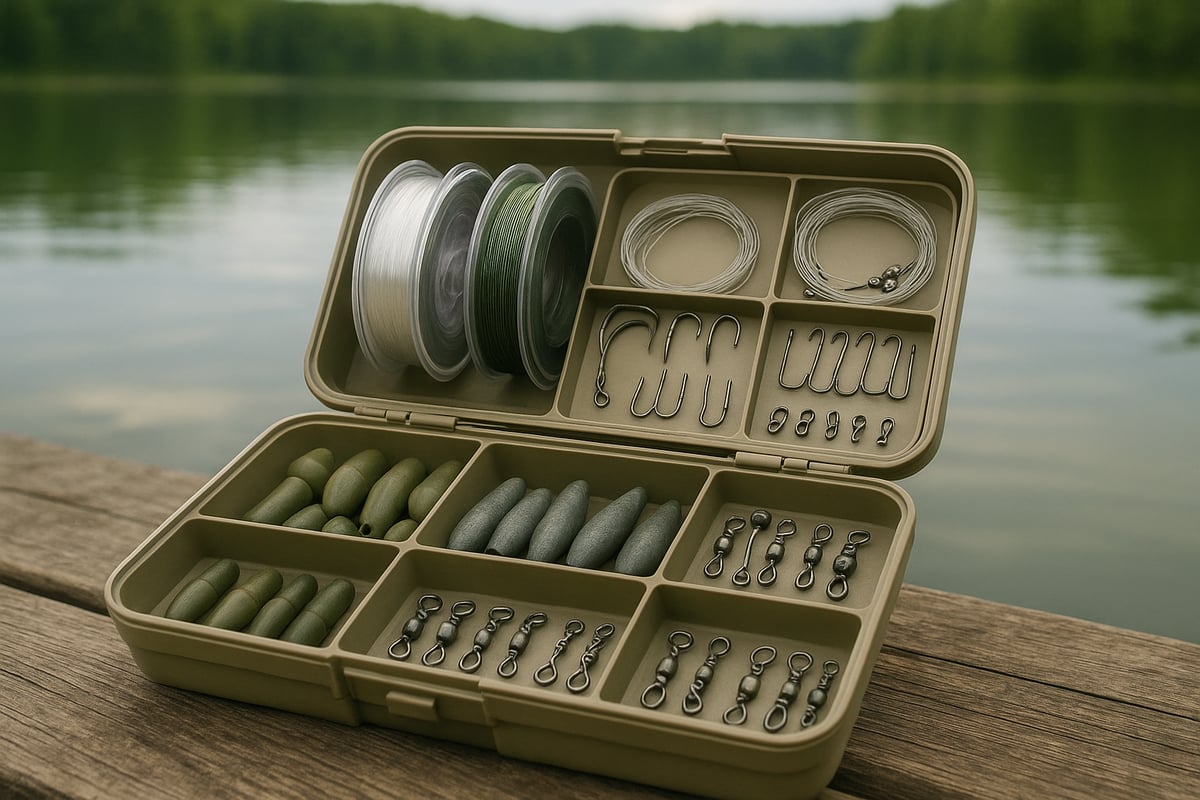
Terminal tackle is the finishing touch for freshwater fishing equipment. Essential items include hooks in various sizes, eco-friendly weights, corrosion-resistant swivels, and quick-change snaps. The trend in 2026 is toward sustainable, lead-free sinkers and hooks with advanced coatings for longevity.

Selecting the right size and style for your bait and target species is crucial. For a comprehensive selection of tackle and gear essentials, many anglers turn to an online fishing tackle store NZ to find the latest innovations and best-matched components.

Keeping your terminal tackle organized and tailored to your fishing style ensures you are always ready for action with your freshwater fishing equipment.

Organizing and Storing Tackle Efficiently

Efficient organization is essential for any angler using freshwater fishing equipment. Modern tackle boxes for 2026 feature modular designs, waterproof seals, and customizable compartments. These innovations make it easy to separate hooks, weights, and lures, reducing tangles and saving time on the water.

Quick access to your gear means more time fishing and less time searching. Consider labeling compartments by species or technique for even greater efficiency. Investing in a top-rated tackle box is a smart way to protect your freshwater fishing equipment and stay prepared for any fishing scenario.

Troubleshooting Common Line and Tackle Problems

Even with the best freshwater fishing equipment, issues like line twists, tangles, and knot failures can arise. Prevent these by spooling lines correctly and using quality swivels. If a tangle occurs, cut and re-tie rather than wasting time untangling.

For lost or damaged tackle, keep a small kit with extra hooks, leaders, and weights on hand. Adapting quickly to gear problems ensures you stay in the action and make the most of every trip. Expert anglers always have backup solutions ready, keeping their freshwater fishing equipment in top shape.

Lures, Baits, and Attractants: What Works in 2026

Selecting the right lures, baits, and attractants is essential for any angler looking to maximize their results with freshwater fishing equipment. In 2026, the market is evolving rapidly, offering new innovations and proven classics to help you match your techniques to your target species and water conditions.

Lures, Baits, and Attractants: What Works in 2026

Artificial Lures: Types, Trends, and Top Picks

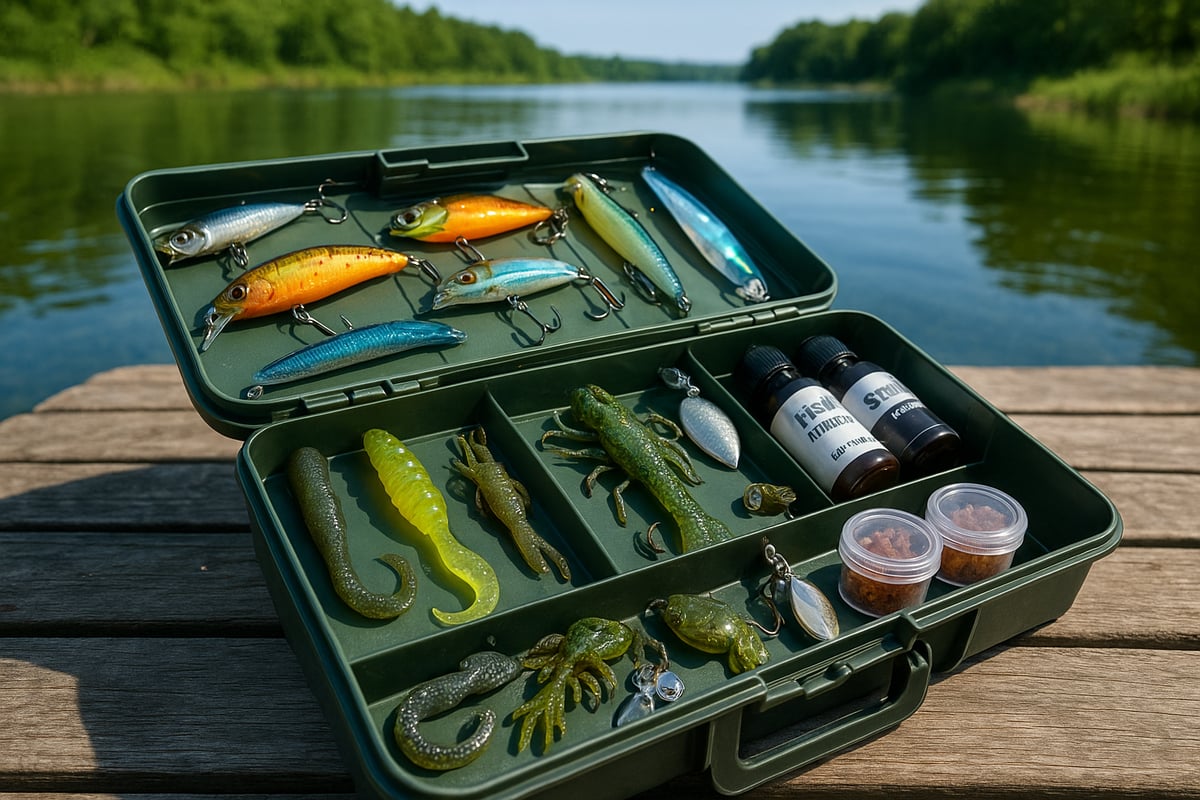
Artificial lures remain a cornerstone of freshwater fishing equipment, with options that cater to every angling style. Hard baits like crankbaits and jerkbaits excel at mimicking injured prey, while soft plastics are perfect for subtle movements in clear water.

Spinners and jigs offer versatility, especially when targeting species such as bass and trout. For 2026, biodegradable lures are gaining popularity, reducing environmental impact without sacrificing performance. Scent-infused plastics and smart lures equipped with LED lights or vibration modules are also on the rise, attracting fish even in low visibility.

Top-selling models this year include multi-jointed swimbaits and programmable smart lures, which have shown increased catch rates in recent field tests. For a comprehensive overview of these innovations, check out the latest New Fishing Products for 2026.

Live and Natural Baits: Selection and Handling

Live bait continues to be a reliable choice in freshwater fishing equipment, especially for species like perch, catfish, and panfish. Nightcrawlers, minnows, and crickets are among the top picks for 2026, offering natural scent and movement that entice wary fish.

Proper storage is vital to maintain bait freshness, with insulated containers and aerators now standard in most tackle kits. Always follow local regulations regarding bait use to prevent the spread of invasive species and ensure sustainable fishing practices. Ethical handling, such as using barbless hooks and minimizing bait stress, also contributes to healthier fisheries.

Attractants and Scent Technology

Attractants have become an integral part of freshwater fishing equipment, enhancing lure and bait effectiveness. Gels, sprays, and scent-infused lures are widely used, providing extra appeal in tough conditions.

Recent angler surveys indicate that scent technology can increase strike rates, especially when fish are sluggish or pressured. Eco-friendly and long-lasting formulas are trending in 2026, reducing water contamination while maintaining potency. Many attractants now use natural ingredients, making them safer for both anglers and aquatic environments.

Matching Lures and Baits to Water Conditions and Target Species

Success with freshwater fishing equipment often depends on adapting your lure and bait choices to current conditions. During early spring, bright-colored lures perform well in murky water, while natural hues excel in clear lakes during summer.

Water temperature and depth also play major roles. For deeper waters, sinking jigs and weighted soft plastics get your presentation to the strike zone quickly. A recent case study in New Zealand showed that scent-infused plastics paired with slow retrieves led to consistent catches in both rivers and lakes, regardless of changing weather.

DIY and Customization Tips for Personalized Success

Personalizing your freshwater fishing equipment can give you a unique edge. Modifying lures with custom paint, extra rattles, or feathered hooks can create presentations that stand out from standard offerings.

Homemade baits, such as dough balls or cheese blends, are cost-effective and allow you to experiment with local ingredients. Experts recommend keeping a small kit of DIY materials for quick adjustments on the water. When conditions change or fish become finicky, these customizations often make the difference between a slow day and a memorable catch.

Freshwater Fishing Accessories and Safety Gear

Selecting the right freshwater fishing equipment goes beyond rods and reels. The right accessories and safety gear not only boost your efficiency but also ensure comfort and protection on every trip. In 2026, innovative tools, clothing, and technology are redefining the angling experience.

Freshwater Fishing Accessories and Safety Gear

Must-Have Accessories: Nets, Pliers, and More

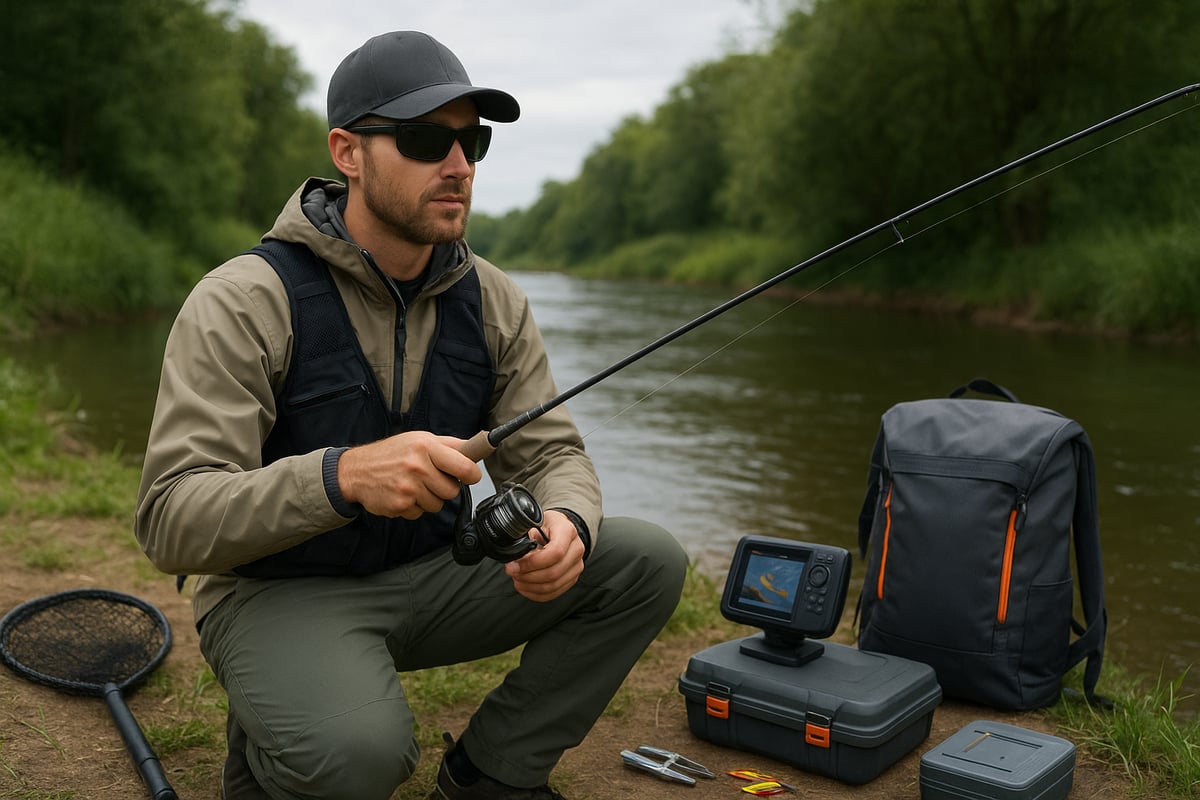
No freshwater fishing equipment setup is complete without reliable accessories. Landing nets, for example, are vital for safely bringing fish to hand. Modern nets feature fish-friendly rubber coatings and collapsible frames for easy storage. If you want to dive deeper into net selection, check out this Types of fishing nets explained guide.

Essential tools include:

  • Pliers for hook removal and crimping
  • Line cutters for quick rig changes
  • Multi-tools with screwdrivers and scissors

In 2026, digital scales and smart accessories that log catch data are increasingly popular. Choose corrosion-resistant materials for durability.

Accessory Key Feature 2026 Update
Landing Net Fish-safe coating Collapsible, modular
Pliers Stainless steel Integrated LED light
Digital Scale Accurate readings Bluetooth connectivity

Clothing and Footwear for Comfort and Protection

Comfortable, protective clothing is a crucial part of freshwater fishing equipment. In 2026, technical apparel offers waterproofing, UV protection, and breathability. Modern designs use lightweight, quick-drying fabrics to keep anglers cool or insulated, depending on the season.

Top-rated fishing footwear features:

  • Slip-resistant soles for wet surfaces
  • Quick-dry mesh uppers
  • Insulated liners for cold weather

Brands are focusing on ergonomic fits and durable seams, ensuring anglers stay comfortable during long sessions.

Safety Equipment: Life Jackets, First Aid, and Emergency Gear

Safety should never be an afterthought in freshwater fishing equipment. Life jackets are now lighter, with automatic inflating options that do not restrict movement. Compact first aid kits and emergency whistles are must-haves, especially when fishing alone or in remote areas.

Recent data shows a decrease in on-water accidents where anglers consistently use safety gear. Innovations include reflective materials for visibility and waterproof pouches for documents or electronics.

A proactive approach to safety ensures every fishing trip ends well, no matter the conditions.

Storage Solutions: Tackle Bags, Backpacks, and Boat Storage

Efficient storage is essential for organizing freshwater fishing equipment. Modular tackle boxes with waterproof seals keep lures and hooks dry and rust-free. Anglers fishing from shore may prefer backpacks with adjustable compartments, while boaters benefit from onboard storage bins.

Key features to look for:

  • Easy-access pockets for quick lure swaps
  • Reinforced handles and straps
  • Clear lids for fast identification

Top-rated solutions in 2026 include smart tackle bags with built-in LED lights and battery packs for charging devices.

Tech Gadgets: Fish Finders, GPS, and Mobile Apps

Technology has become a vital part of freshwater fishing equipment. Modern fish finders use advanced sonar and GPS mapping for pinpoint accuracy. Wireless connectivity allows anglers to sync data with mobile apps, track weather, and log catches.

Must-have gadgets for 2026:

  • Portable fish finders with color displays
  • GPS-enabled watches for route tracking
  • Mobile apps for regulations and real-time updates

Expert recommendations highlight the benefits of integrating these tools for greater success on the water.

Environmental Stewardship: Eco-Friendly Gear Choices

Responsible anglers are choosing freshwater fishing equipment made from sustainable materials. Biodegradable tackle, reusable bait containers, and solar-powered gadgets help reduce environmental impact.

Brands leading the way in 2026 focus on recycled plastics and packaging. Simple habits, like packing out all waste and using non-toxic weights, make a difference for future generations.

Prioritizing eco-friendly gear ensures the waters you fish today remain healthy for years to come.

Step-by-Step Guide: Outfitting Yourself for Freshwater Fishing Success

Ready to assemble the ultimate freshwater fishing equipment setup for 2026? This step-by-step guide walks you through every aspect, from defining your angling ambitions to keeping your gear performing at its best. Whether you are new to fishing or aiming to refine your approach, follow these expert-backed steps for consistent success.

Step 1: Assess Your Fishing Goals and Target Species

Begin by identifying your freshwater fishing goals. Are you after trophy bass, trout, or panfish? Consider your preferred fishing locations, such as lakes, rivers, or reservoirs, and review local regulations regarding seasons and permitted gear.

Having a clear target guides your freshwater fishing equipment choices, ensuring you select the right rods, reels, and tackle suited to your needs. For example, an angler focused on river trout may require lighter gear than someone targeting large lake bass. Scenario planning helps match your investment to your ambitions and local conditions.

Step 2: Select the Right Rod, Reel, and Line for Your Needs

Choose your rod and reel based on your fishing style and skill level. Spinning setups are user-friendly and versatile, while baitcasting options offer greater control for experienced anglers. For 2026, explore innovations like AI-Powered Fishing Rods, which provide real-time feedback and advanced bite detection.

Consider rod material, length, and action, as well as reel gear ratios and drag systems. Match your line type and strength to your target species, balancing budget, durability, and performance. Use a checklist to ensure your freshwater fishing equipment meets your needs and future-proofs your investment.

Step 3: Build a Versatile Tackle Kit

Assemble a tackle kit that covers a range of conditions and species. Include a mix of lures, baits, and essential terminal tackle such as hooks, weights, and swivels. Organize your kit for quick access and adaptability, using modular or waterproof tackle boxes.

A well-rounded tackle kit lets you switch strategies as conditions change. For multi-species fishing, pack a sample kit with various lure types and sizes, ensuring your freshwater fishing equipment remains versatile and effective across diverse environments.

Step 4: Choose Supporting Accessories and Safety Gear

Prioritize accessories that enhance efficiency and safety on the water. Must-have items include landing nets, pliers, line cutters, and digital scales. For a curated list, browse essential tools for anglers.

Select protective clothing and safety gear like life jackets and compact first aid kits. Customize your freshwater fishing equipment for shore, kayak, or boat fishing, always keeping safety at the forefront of your setup.

Step 5: Prepare for Changing Conditions and Troubleshooting

Pack for variable weather, fluctuating water levels, and unexpected challenges. Include rain gear, spare lines, and backup tackle to handle emergencies. A troubleshooting checklist is invaluable for quick fixes, helping you address common issues like line tangles or lost lures.

Staying prepared ensures your freshwater fishing equipment performs reliably throughout your trip. Adaptability is key to overcoming on-the-water surprises and making the most of every outing.

Step 6: Stay Informed and Upgrade Regularly

Keep up with advancements in gear technology, local fishing reports, and evolving regulations. Join angling communities for shared knowledge and tips. Plan annual upgrades to your core freshwater fishing equipment, investing in high-impact innovations for better results.

Monitoring trends and maintaining your setup will help you stay ahead, ensuring your equipment is always ready for the next adventure.

Expert Insights and Forecasts: The Future of Freshwater Fishing Equipment

The world of freshwater fishing equipment is evolving rapidly, setting the stage for an exciting future in 2026 and beyond. From smart technology integrations to eco-friendly innovations, anglers at every level can expect a wave of advancements that enhance both performance and sustainability. Staying informed about these trends is key to maximizing your fishing experience.

Key Trends Shaping Freshwater Fishing Gear in 2026

The landscape of freshwater fishing equipment is being transformed by several major trends. Smart technology is now found in rods, reels, and accessories, offering features like real-time bite detection and wireless connectivity. Eco-friendly materials are taking center stage, with more brands introducing biodegradable lines and sustainable tackle. For more on these innovations, check out Biodegradable Fishing Lines as they are gaining attention for their environmental benefits. Customization is another key trend, with modular gear systems allowing anglers to adapt to changing conditions.

Expert Recommendations for Anglers of All Levels

Choosing the right freshwater fishing equipment can be overwhelming, but expert advice can streamline the process. Beginners should prioritize versatile rod and reel combos, while experienced anglers may benefit from specialized gear. Avoid common mistakes such as mismatched setups or overlooking maintenance. Pro anglers recommend investing in high-quality lines and ergonomic tools for long-term comfort and success with freshwater fishing equipment. Listening to gear designers and seasoned anglers can help you avoid pitfalls and get the most from your equipment.

Regional Considerations: Gear Choices for Different Freshwater Environments

Selecting freshwater fishing equipment that matches your local environment is crucial. Lakes often require longer rods and heavier lines, while rivers and streams may call for lightweight, sensitive setups. In New Zealand and the Pacific region, anglers favor corrosion-resistant gear and tackle suited to diverse water conditions. Regional preferences are shaped by target species, water clarity, and local regulations. For example, anglers in New Zealand report higher success with gear designed for trout and native species.

Budgeting for Quality: Where to Invest and Where to Save

When it comes to freshwater fishing equipment, smart budgeting makes a difference. Allocate more funds to rods, reels, and electronics, as these directly impact performance and durability. Look for cost-effective options in lures, terminal tackle, and accessories. Recent surveys show anglers are willing to invest in technology that improves catch rates, while saving on non-essential items. Understanding where to spend and where to save ensures you get the most value from your freshwater fishing equipment.

Maintaining and Upgrading Your Gear Over Time

Proper care extends the life of your freshwater fishing equipment. Regularly clean and inspect rods, reels, and lines for wear or damage. Schedule maintenance routines, such as oiling reels and checking connections. Watch for signs that gear needs replacing, like frayed lines or worn grips. Stay informed about new products by joining angling communities and reading expert reviews. Upgrading equipment as needed keeps your setup reliable and effective for every fishing adventure.

As you look ahead to making the most of your freshwater fishing experiences in 2026, having the right equipment truly makes all the difference—from the latest rod and reel innovations to eco-friendly tackle and smart gear upgrades. Whether you’re refining your setup or just starting out, investing in top-quality, New Zealand-made gear ensures you’re ready for every adventure and every catch. If you’re ready to equip yourself with reliable products trusted by anglers and fisheries across the Pacific, you can browse the full range and Buy Now to set yourself up for success on the water.

Leave a comment