Long Line Fishing Gear Guide Essential Tips for 2026
As global demand for sustainable seafood grows in 2026, the need for efficient long line fishing gear has never been greater. Advances in technology and shifting regulations are shaping how both commercial fleets and experienced recreational anglers approach their operations.
This guide is designed to deliver the most up-to-date insights into long line fishing gear. Whether you run a commercial vessel or are an advanced angler seeking professional results, you will find clear strategies for selecting, setting up, and maintaining your gear.
We will cover essential gear components, smart selection criteria, step-by-step setup, critical maintenance routines, 2026 regulatory updates, and expert techniques for maximizing both efficiency and sustainability. Dive in to discover how you can optimize your approach and stay ahead in the evolving world of long line fishing.
Understanding Long Line Fishing: Basics and Benefits
Long line fishing gear has evolved into a cornerstone of both commercial and advanced recreational fisheries. As global demand for sustainable seafood rises, understanding the basics and benefits of this method is more important than ever. Whether you are targeting tuna in open oceans or snapper near reefs, long line fishing gear offers remarkable versatility and efficiency.
What Is Long Line Fishing?
Long line fishing is a technique that uses a single mainline with numerous branch lines, each attached to baited hooks. This method dates back centuries, but technological advancements have transformed it into a highly efficient and selective approach for modern fisheries.
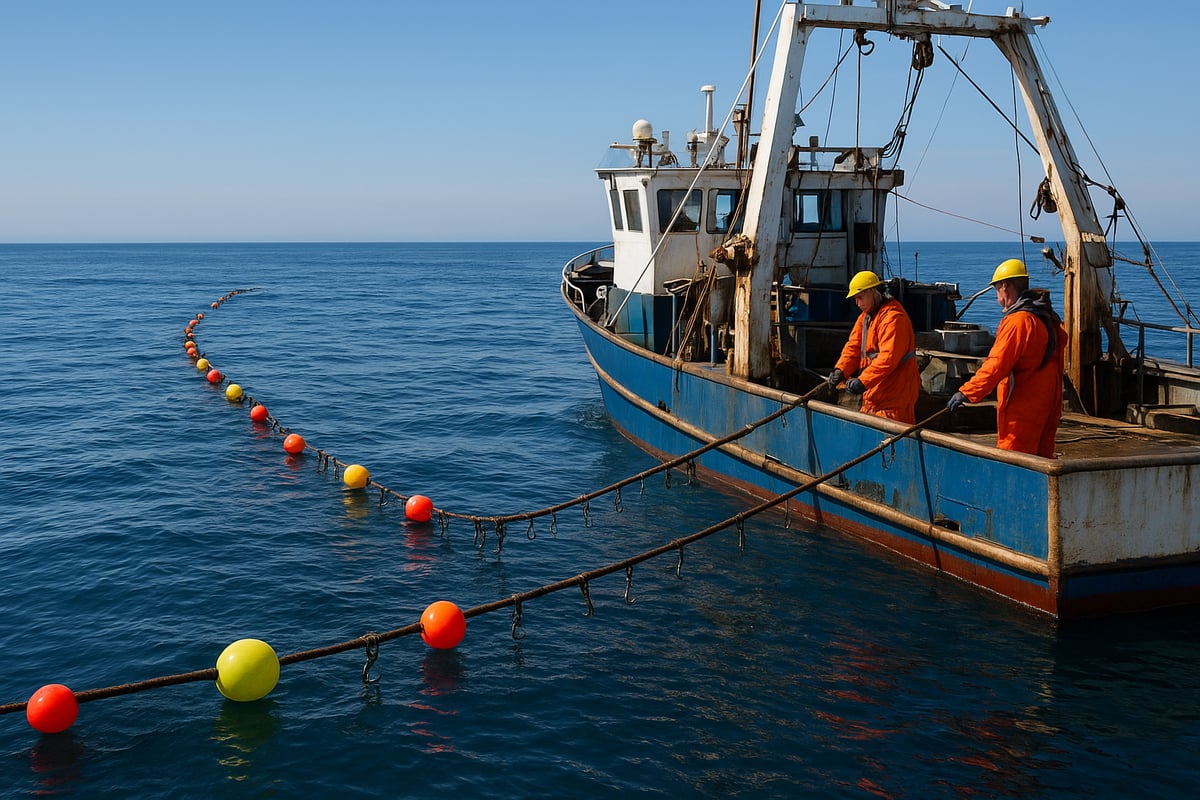
There are two primary types: pelagic longlining, which targets species like tuna and swordfish in open water, and demersal longlining, designed for bottom-dwelling fish such as snapper. Pelagic systems suspend long line fishing gear at various depths using floats, while demersal lines rest on or near the seafloor, weighted for stability.
Both commercial and recreational fishers use these systems, though commercial operations often deploy lines stretching several kilometers with thousands of hooks. In contrast, advanced recreational setups are smaller, focusing on targeted catches.
Typical target species include tuna, swordfish, halibut, and snapper. Gear configurations vary, but all setups rely on a strong mainline, durable branch lines, and reliable floats or weights. Notably, successful long line fisheries in 2024 and 2025 have optimized gear for specific species and local regulations. For a comprehensive overview of pelagic longline gear and its applications, you can visit the NOAA Fisheries: Pelagic Longline Gear Overview.
Advantages of Long Line Fishing
The main advantage of long line fishing gear is its high catch efficiency for target species. With the ability to deploy hundreds or thousands of hooks simultaneously, fishers maximize their chances of landing valuable catches. This approach also reduces the labor required per fish compared to traditional handlines.
Another significant benefit is selectivity. With proper hook choice and bait, long line fishing gear can minimize bycatch, especially when using circle hooks and bird deterrents. Flexibility is another key strength, as gear can be adapted for various depths and environments, from deep-sea pelagic waters to coastal reefs.
Economic benefits are substantial. Large-scale operations find long line fishing gear cost-effective, scalable, and suitable for remote or expansive fishing grounds. According to NOAA Fisheries, longline gear remains the primary method for harvesting highly migratory species in U.S. waters, highlighting its industry-wide adoption.
In summary, the combination of efficiency, adaptability, and economic viability makes long line fishing gear indispensable for modern fisheries.
Environmental and Sustainability Considerations
Modern long line fishing gear incorporates many innovations to support sustainable fisheries management. Bycatch reduction is a priority, with widespread adoption of circle hooks and bird-scaring lines to protect non-target species.
These advances play a critical role in meeting regulatory requirements and maintaining healthy fish populations. Recent changes in fisheries regulations encourage the use of eco-friendly materials and gear marking for traceability. For example, the adoption of circle hooks has significantly reduced sea turtle bycatch, as reported by NOAA data.
Sustainable long line fishing gear not only protects marine ecosystems but also ensures long-term productivity for fishers. Staying informed and compliant with best practices helps safeguard both the environment and your fishing success.
Essential Long Line Fishing Gear: Components and Selection Guide
Selecting the right long line fishing gear is crucial for both efficiency and sustainability in 2026. Every component, from mainline to personal protective equipment, plays a vital role in catch rates, safety, and compliance. Understanding each part helps anglers and operators make informed choices for commercial or advanced recreational setups.
Mainline and Branch Lines
The backbone of any long line fishing gear setup is the mainline. In 2026, most operators choose between high-durability monofilament and braided lines. Monofilament offers strength, abrasion resistance, and easier handling, while braided lines provide flexibility and reduced stretch.
Branch lines, or snoods, connect hooks to the mainline. These are often made from the same material as the mainline but may use lighter test ratings for specific target species. Optimal branch line length depends on target species and water depth, with 1.5 to 2 meters common for pelagic fish.
Strength ratings are critical. Always match your long line fishing gear to the expected size and species. In 2025, many commercial fleets shifted to tougher monofilament mainlines for increased durability and fewer gear losses.
| Mainline Type | Pros | Cons |
|---|---|---|
| Monofilament | Strong, abrasion-resistant | Can degrade with UV |
| Braided | Flexible, less stretch | Can tangle, less abrasion resistance |
Hooks: Types, Sizes, and Innovations
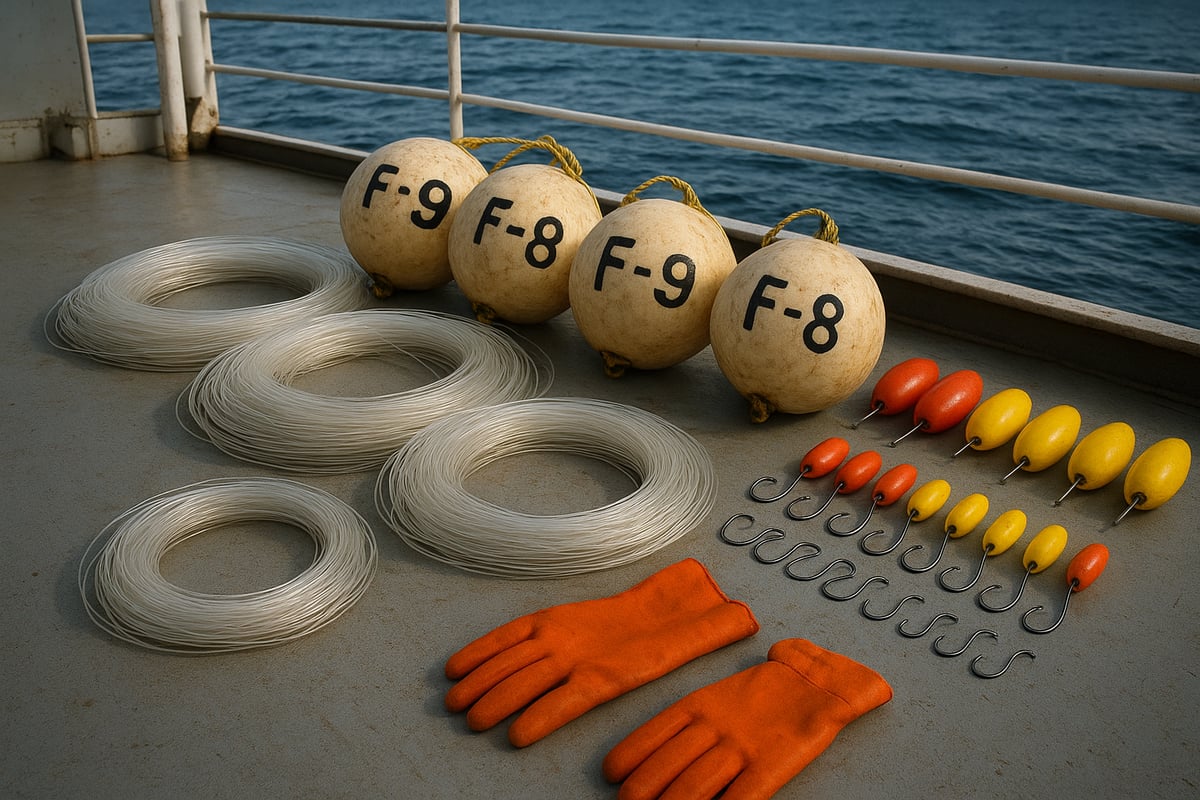
Hooks are central to any long line fishing gear system. The two primary types are circle hooks and J-hooks. Circle hooks are widely adopted for their high catch rates and ability to reduce bycatch, particularly of sea turtles and non-target fish.
Hook size selection is based on your target species. Tuna and swordfish require larger, robust hooks, while snapper and smaller species need more delicate sizes. Materials like stainless steel with anti-corrosion coatings are now standard, extending hook life.
Recent innovations include offset versus non-offset circle hooks and barbless designs for conservation. These options allow for more selective fishing and compliance with new regulations. Always ensure your long line fishing gear uses the right hook type for your fishery and local requirements.
Floats, Buoys, and Weights
Floats and buoys are essential for positioning and retrieving long line fishing gear. Foam, plastic, and inflatable floats are all used, each with distinct advantages and drawbacks. Foam floats are durable and visible, while inflatable types save space when not in use.
Buoys mark gear location and aid retrieval. Color-coded buoys are increasingly popular for tracking and regulatory compliance. Weights are used to adjust the depth profile of your long line fishing gear, with heavier weights for demersal lines and lighter ones for pelagic sets.
Proper configuration of floats, buoys, and weights ensures your gear stays in the strike zone and complies with local regulations. Keeping a clear system for buoy colors also helps prevent gear loss and simplifies retrieval.
Swivels, Snaps, and Connectors
Quality swivels are vital in long line fishing gear to minimize line twist and prevent tangles. Swivels come in various strengths and materials, with stainless steel favored for corrosion resistance. Using the right size ensures durability without adding unnecessary bulk.
Snaps allow for quick gear changes, essential when adjusting setups for different species or conditions. Connectors, such as crimps and sleeves, should be equally robust and resistant to saltwater corrosion.
For a comprehensive breakdown of hooks, lines, and connectors, refer to the Fishing parts and accessories guide, which details the essential tackle components that make up a reliable long line fishing gear system.
Bait and Baiting Systems
Bait selection is a key factor in long line fishing gear effectiveness. In 2026, popular choices include squid, mackerel, and increasingly, artificial baits designed to mimic natural prey. Artificial baits can reduce costs and improve bait retention.
Automated baiting machines are becoming more common in commercial operations, streamlining the process and reducing labor. Manual baiting, however, allows for more precise placement and customized bait presentation.
Securing bait firmly to the hook is essential to minimize loss and maximize catch. Techniques like threading or using bait bands are standard parts of modern long line fishing gear strategies.
Gear Storage and Transport Solutions
Proper storage and transport protect your long line fishing gear from damage and loss. Storage bins, reels, and spools keep lines organized and minimize tangling. Innovations, such as modular bins and collapsible reels, offer efficient solutions for small vessels and larger fleets alike.
Portable storage options are especially valuable for recreational anglers or operators with limited space. Always ensure that gear is stowed securely during transport to prevent accidents and maintain readiness.
Safety considerations during transport include using tie-downs and keeping sharp objects, like hooks and knives, in protective cases. Organized storage not only extends the lifespan of your long line fishing gear but also improves efficiency during setup.
Safety and Personal Protective Equipment
Personal safety is paramount when handling long line fishing gear. Essential items include cut-resistant gloves, sharp knives, and sturdy gaffs for handling large fish. Rain gear, waterproof boots, and heavy-duty aprons provide protection in rough weather.
Cut-resistant gloves have gained widespread adoption in commercial fleets, significantly reducing injuries from handling lines and hooks. Regularly inspect all safety gear as part of your long line fishing gear maintenance routine.
Prioritize crew training on proper use of protective equipment and safe gear handling practices. The right safety gear ensures a productive, injury-free fishing operation and protects your investment in long line fishing gear.
Step-by-Step: Setting Up a Long Line System for Maximum Efficiency
Setting up long line fishing gear efficiently is key to maximizing catch rates and minimizing issues at sea. Whether you are a commercial operator or an advanced recreational angler, following a systematic approach ensures safety, compliance, and optimal results. Each phase, from planning to troubleshooting, builds the foundation for a successful fishing operation.
Planning and Preparation
Before deploying long line fishing gear, careful planning is essential. Start by researching your chosen fishing grounds. Identify the target species, as this will influence your gear selection and setup. For example, tuna may require longer mainlines and specific hook types, while snapper setups differ in depth and spacing.
Calculate the optimal mainline length and hook spacing based on target species and local regulations. Inspect all gear for signs of wear, fraying, or corrosion, especially on lines and connectors. Prepare a checklist to ensure every component is ready, including hooks, swivels, floats, weights, and bait.
Gather all necessary safety equipment and review weather forecasts. By taking these preparatory steps, you set the stage for efficient and trouble-free use of long line fishing gear.
Assembling the Mainline and Branch Lines
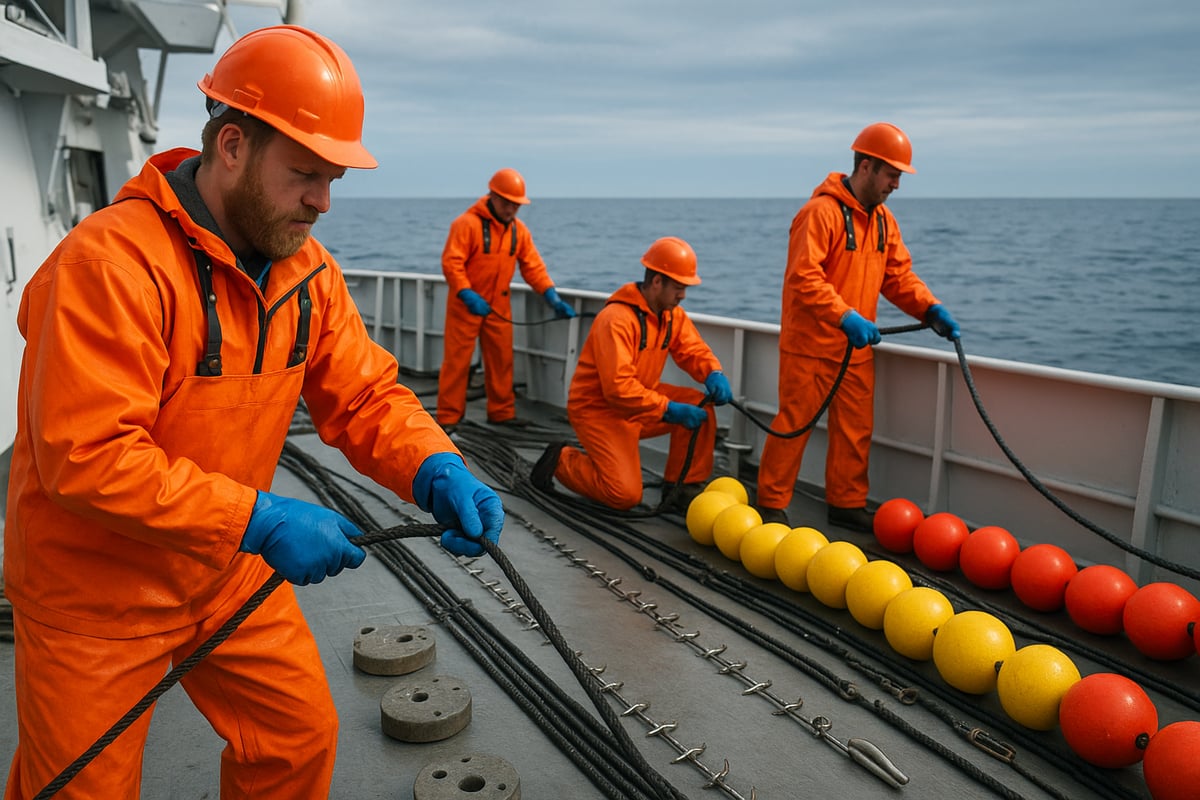
Begin assembly by laying out the mainline along a clear, tangle-free area on the deck. Attach branch lines (snoods) at even intervals, following your pre-determined spacing. Use reliable knots or crimps to secure each connection, ensuring strength under tension.
Swivels are critical for reducing line twist, especially when targeting active species. Attach swivels between mainline and branch lines to prevent gear failure. Snap connectors speed up the process and allow for quick changes if a branch line is damaged.
Organize your assembly line with each person assigned a specific role. This teamwork approach improves efficiency and helps maintain order when working with large amounts of long line fishing gear.
Adding Hooks, Bait, Floats, and Weights
Once the mainline and branch lines are prepared, begin attaching hooks. Select hook sizes and styles tailored to your target catch. Bait each hook using the freshest available options, such as squid or mackerel, or consider artificial alternatives for durability.
Floats and buoys are then spaced along the mainline to keep it suspended at the desired depth. Weights are added to achieve the correct line profile, especially for deeper or demersal deployments. For sustainable operations, consider using eco-friendly deep drop sinkers to reduce environmental impact while maintaining effectiveness.
Double-check all connections, ensuring that each element of your long line fishing gear is secure before moving to deployment.
Deployment: Best Practices
Deploying long line fishing gear requires a methodical approach to avoid tangles and maximize efficiency. Start by positioning the vessel up-current or upwind from your intended fishing area. Gradually release the mainline, allowing it to flow smoothly into the water.
Space out the addition of branch lines, hooks, floats, and weights as the mainline pays out. Monitor the gear for any signs of twisting, snagging, or improper deployment. For commercial operations, using GPS buoys enables real-time tracking and retrieval, reducing the risk of gear loss.
Maintain clear communication among crew members throughout the process. Proper deployment is key to the successful performance of your long line fishing gear.
Retrieval and Catch Handling
Retrieving long line fishing gear should be done in reverse order to deployment. Begin by recovering floats and buoys, then systematically bring in the mainline and branch lines. Use mechanical haulers or manual reels as appropriate for your vessel size.
Handle each catch with care to minimize stress and injury to fish. Sort the catch promptly, bleeding and icing fish quickly to preserve quality. Separate bycatch and release non-target species following best practices and regulatory requirements.
Inspect all gear as it is brought aboard, noting any damage or loss for immediate repair or replacement. Efficient retrieval ensures the longevity and effectiveness of your long line fishing gear.
Troubleshooting Common Issues
Even with careful setup, issues can arise when using long line fishing gear. Tangles are common, especially if lines are not spaced or coiled correctly. Prevent this by maintaining consistent spacing and using swivels.
Lost or fouled gear may occur due to rough conditions or seabed snags. Mark all gear with color-coded buoys for easier recovery. Adjust your setup based on catch results and environmental feedback, such as changing bait or hook types if catch rates are low.
Regularly review and refine your process to address recurring challenges. Staying proactive with maintenance and troubleshooting helps you get the most from your long line fishing gear.
Maintenance, Care, and Longevity of Long Line Gear
Regular maintenance is essential for ensuring that your long line fishing gear performs reliably and lasts through many seasons. Whether you are a commercial operator or an advanced recreational angler, a consistent care routine will help you avoid costly breakdowns and maximize your investment.
Cleaning and Inspecting Gear
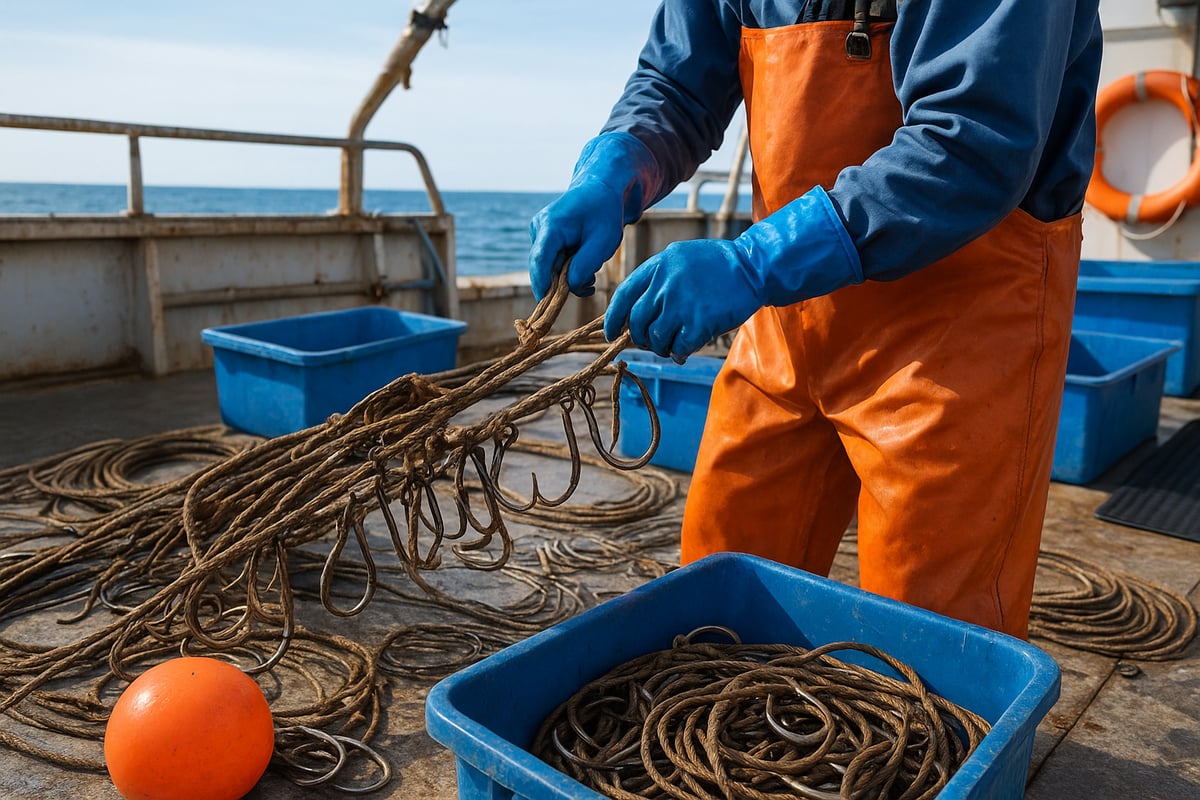
After each trip, thoroughly rinse all long line fishing gear with fresh water to remove salt and debris. Pay special attention to hooks, swivels, and connectors, as these are most prone to corrosion and buildup.
- Hang lines to dry completely before storage
- Check for frayed lines, rusted hooks, and damaged snaps
- Inspect floats and buoys for cracks or leaks
Routine visual inspections help spot issues early. Schedule detailed checks at least once per month during peak season. This proactive approach reduces the risk of gear failure and maintains the effectiveness of your long line fishing gear.
Repair and Replacement Strategies
Knowing when to fix or replace components is crucial for both safety and efficiency. Minor nicks in mainlines or branch lines can often be repaired using splicing or knots, but severe damage requires replacement.
| Condition | Repair | Replace |
|---|---|---|
| Minor abrasions | Yes | No |
| Severe fraying | No | Yes |
| Rusty hooks | No | Yes |
| Bent connectors | Sometimes | Yes |
Carry a kit with spare lines, hooks, and connectors for quick fixes at sea. Use only high-quality parts to ensure your long line fishing gear remains reliable under pressure.
Storage Solutions for Off-Season
Proper storage protects your investment and extends the life of your long line fishing gear. Store gear in a cool, dry place away from direct sunlight to prevent UV and moisture damage.
- Use labeled bins or spools for easy organization
- Dry all components thoroughly before packing
- Keep sharp hooks and knives in protective cases
For anglers seeking advanced organization, tackle box options for organization can help keep gear sorted and ready for the next season. Well-organized storage reduces prep time and ensures nothing gets overlooked when you return to the water.
Maximizing Gear Life and Cost Efficiency
Investing in durable materials pays off over time, as high-quality long line fishing gear resists wear and corrosion better than budget alternatives. Set a seasonal maintenance schedule that includes deep cleaning, inspection, and timely part replacement.
- Rotate gear to ensure even wear
- Track maintenance dates and issues in a log
- Consider new storage innovations to further extend gear lifespan
Commercial operators have reported up to 30 percent longer gear life after upgrading their storage and maintenance routines. With careful attention, your long line fishing gear can deliver consistent performance and long-term savings.
Regulatory and Environmental Updates for 2026
Staying compliant with evolving regulations is essential for anyone using long line fishing gear in 2026. New rules and environmental initiatives continue to reshape how commercial and advanced recreational anglers operate worldwide. Understanding these updates helps ensure responsible fishing, protects marine ecosystems, and supports access to sustainable markets.
Key Regulations Affecting Long Line Gear
In 2026, regulatory bodies have introduced significant updates for long line fishing gear across major fisheries. These changes focus on hook types, mandatory gear marking, and retrieval rules. For example, circle hooks are now required in many regions to reduce bycatch, along with gear identification tags for traceability.
Requirements vary by region. The U.S. mandates electronic monitoring on certain vessels, while New Zealand emphasizes visible gear markings and reporting. The Pacific Islands enforce stricter limits on line lengths and hook spacing. Staying updated on these regional differences is critical for legal compliance and effective operations.
A summary table of select 2026 requirements:
| Region | Hook Type | Gear Marking | Monitoring |
|---|---|---|---|
| U.S. | Circle | Tag/Color Code | Electronic |
| New Zealand | Circle/J | Visible Tag | Manual/Electronic |
| Pacific Isles | Circle | Tag | Manual |
Check with local authorities for the latest regulations affecting your long line fishing gear.
Bycatch Mitigation and Conservation Requirements
Reducing bycatch remains a top priority in 2026. Most jurisdictions now require the use of circle hooks, which have proven to lower sea turtle and seabird bycatch. Bird-scaring lines and weighted gear are also mandated in many pelagic fisheries to protect vulnerable species.
Lost gear reporting is another focus. New rules require fishers to document and retrieve lost long line fishing gear, helping minimize ghost fishing. In the U.S., NOAA is expanding observer coverage and electronic monitoring, as detailed in their 2026 Observer Coverage Rate for Hawai'i Deep-Set Longline Fishery, to improve data collection and compliance.
Adopting these conservation measures not only fulfills legal obligations but also promotes healthier marine populations.
Sustainable Fishing Certifications and Best Practices
Achieving sustainability certifications is increasingly important for operators using long line fishing gear. Programs like the Marine Stewardship Council (MSC) require strict adherence to eco-friendly practices, gear modifications, and bycatch reduction strategies.
Adapting your gear and methods for sustainability can unlock new market opportunities and reduce the risk of fines. For a detailed look at recognized standards and best practices, visit the Marine Stewardship Council: Longline Fishing Methods page. Aligning operations with these guidelines ensures your long line fishing gear meets global expectations for responsible fishing.
Key best practices include:
- Using certified gear materials
- Regular bycatch mitigation training
- Participating in local sustainability initiatives
Record-Keeping and Reporting Obligations
Accurate record-keeping is mandatory for all users of long line fishing gear in 2026. Most regions require daily logbooks documenting gear deployment, catch, bycatch, and lost equipment. Electronic reporting systems are now prevalent, streamlining compliance and supporting fisheries management.
Operators should invest in reliable digital tools for data entry and submission. Keeping thorough records not only satisfies legal obligations but also helps track gear performance and identify areas for improvement.
Staying current with reporting requirements is crucial to maintaining access to valuable fisheries and supporting the long-term sustainability of long line fishing gear.
Advanced Tips and Pro Strategies for Long Line Fishing in 2026
Staying ahead in long line fishing requires more than the basics. Anglers and commercial operators who adapt to new trends, leverage technology, and refine their long line fishing gear will see greater efficiency and sustainability. Explore these advanced strategies to maximize your results in 2026.
Gear Customization for Specific Species and Environments
Customizing your long line fishing gear to match target species and local environments gives you a competitive edge. For deepwater snapper, use heavier mainlines and longer branch lines to reach optimal depths. Tuna and swordfish often require larger circle hooks and abrasion-resistant leaders.
Adapting hook type and spacing for pelagic or demersal species can increase selectivity and minimize bycatch. Assess water temperature, current, and bottom structure to fine-tune your gear layout. For sourcing top-quality components, refer to the Essential fishing equipment suppliers guide.
Technology Integration and Smart Gear
Modern long line fishing gear increasingly features smart technology. GPS trackers and smart buoys enable precise gear placement and easy retrieval, reducing lost gear and operational downtime. Electronic monitoring systems help ensure regulatory compliance and record valuable catch data.
Automated baiting and hauling machines streamline workflow, boost safety, and allow smaller crews to manage larger sets. Investing in these upgrades not only saves time but also enhances catch rates and sustainability.
Reducing Bycatch and Improving Selectivity
Advanced long line fishing gear setups focus on minimizing bycatch and maximizing target species. Switch to circle hooks, which have been shown to reduce turtle bycatch by up to 80 percent. Use LED lights above hooks to deter unwanted species and attract specific targets.
Experiment with different bait types and hook placements to fine-tune selectivity. Bird-scaring lines and weighted branch lines further reduce unintended catch. Regularly review bycatch statistics and adjust your configuration accordingly.
Weather and Environmental Considerations
Environmental factors play a critical role in long line fishing success. Adjust your long line fishing gear for seasonal shifts, such as changing ocean temperatures or storm patterns. Use real-time weather data and oceanographic tools to determine the best deployment windows.
Flexible gear configurations allow you to adapt to sudden weather changes and avoid gear loss. Many successful fleets now integrate weather monitoring with deployment planning, leading to improved catch consistency.
Crew Training and Safety Enhancements
Well-trained crews are vital for efficient and safe long line fishing gear operation. Schedule regular safety drills and ensure every team member understands gear handling protocols. Equip your crew with cut-resistant gloves, waterproof clothing, and proper footwear.
Ongoing education in emergency response and first aid reduces accident rates. Many fleets report significant reductions in incidents by prioritizing crew training and upgrading safety equipment.
Common Mistakes and How to Avoid Them
Even experienced operators can make costly errors with long line fishing gear. Overloading lines, improper hook spacing, and neglecting maintenance are frequent issues. Always check gear for wear before deployment and avoid ignoring updates in regulations.
To prevent legal trouble, stay informed about penalties for non-compliance, as highlighted in the Department of Land and Natural Resources: Maximum Administrative Penalties for Longline Fishing Violation report. Learning from others’ mistakes helps protect your investment and reputation.
Resources for Continuing Education
Staying current with long line fishing gear innovations is essential. Participate in industry workshops, read the latest books, and join online forums dedicated to sustainable fisheries. Many associations offer certification courses and best practice guides.
Explore webinars and digital resources to enhance your knowledge. Connecting with other professionals supports ongoing improvement and ensures you remain at the forefront of long line fishing advancements.
Now that you’re equipped with the latest insights on long line fishing gear, from choosing the right mainline to maximizing efficiency and sustainability, you’re well on your way to achieving better results on the water in 2026. Whether you’re upgrading your setup or starting fresh, having reliable, New Zealand-made gear is crucial for both performance and peace of mind. If you’re ready to put these tips into action and want dependable equipment trusted by commercial and community fisheries across the Pacific, check out the full range of fishing gear and essentials at Buy Now.
发表评论