
电子邮件

The fishing tackle industry continues to evolve rapidly, and at the heart of this transformation stands the lure shop, a specialized retail environment that serves anglers ranging from weekend hobbyists to commercial fishing operations. Whether operating as a standalone storefront, an online marketplace, or a hybrid model, the lure shop represents a critical touchpoint where fishing expertise meets customer needs. Understanding the dynamics of running a successful lure shop requires insight into market trends, inventory management, customer engagement strategies, and the evolving preferences of modern anglers who demand both quality and innovation in their fishing equipment.
The fishing lures market has experienced significant growth, with market analysis projecting continued expansion through 2030. This growth presents both opportunities and challenges for the lure shop owner who must navigate changing consumer behaviors, technological innovations, and competitive pressures.
Today's successful lure shop operates at the intersection of traditional retail expertise and digital engagement. Modern anglers conduct extensive online research before making purchases, with recent studies showing that digital media significantly influences shopping behaviors and brand loyalty. This shift means the lure shop must maintain both physical and digital presences to capture the full market.
The lure shop serves distinct customer segments, each with unique needs:
Understanding these segments allows the lure shop to tailor inventory, pricing strategies, and customer service approaches accordingly. Commercial fishing operations, particularly in regions like New Zealand and the Pacific Islands, often require specialized equipment beyond traditional lures, including fishing nets and marine supplies that complement lure fishing techniques.

Effective inventory management separates profitable operations from struggling ones. The lure shop must balance carrying sufficient variety to meet diverse customer needs while avoiding excessive stock that ties up capital and warehouse space.
A well-stocked lure shop typically organizes inventory across these categories:
| Category | Stock Depth | Turnover Rate | Margin Potential |
|---|---|---|---|
| Soft plastics | High | Fast | Medium |
| Hard baits (crankbaits, jerkbaits) | Medium | Medium | High |
| Topwater lures | Medium | Seasonal | High |
| Jigs and spinnerbaits | High | Fast | Medium-High |
| Specialty/novelty lures | Low | Slow | Very High |
| Terminal tackle | Very High | Very Fast | Medium |
Seasonal considerations play a crucial role in inventory planning. The lure shop must anticipate fishing seasons for target species and adjust stock levels accordingly. In New Zealand waters, for instance, fishing patterns shift dramatically between summer and winter months, requiring corresponding inventory adjustments.
Establishing strong wholesale relationships provides the lure shop with competitive advantages. Wholesale fishing lure programs offer significant discounts, marketing support, and exclusive product access that can differentiate your shop from competitors.
When selecting wholesale partners, consider:
Beyond lures, consider complementary products like fishing net accessories and marine equipment that serve the same customer base while diversifying revenue streams.
Profit margins in tackle retail vary significantly by product category, with strategic pricing and product mix optimization critical to financial success. Implementing strategies to boost bait shop sales requires attention to both product selection and operational efficiency.
The lure shop should prioritize these revenue-enhancing strategies:
Loss leaders serve an important strategic purpose. Stocking popular, low-margin items like basic terminal tackle drives foot traffic, creating opportunities to upsell premium lures and accessories. The key is balancing these traffic drivers with sufficient high-margin products to achieve overall profitability targets.
The lure shop benefits from understanding that anglers often correlate price with quality and effectiveness. Strategic pricing includes:
Product presentation matters significantly. Organized displays by species, technique, or water conditions help customers navigate options efficiently. Interactive displays where customers can examine lures closely, test actions in water tanks, and visualize how lures perform build confidence and increase conversion rates.
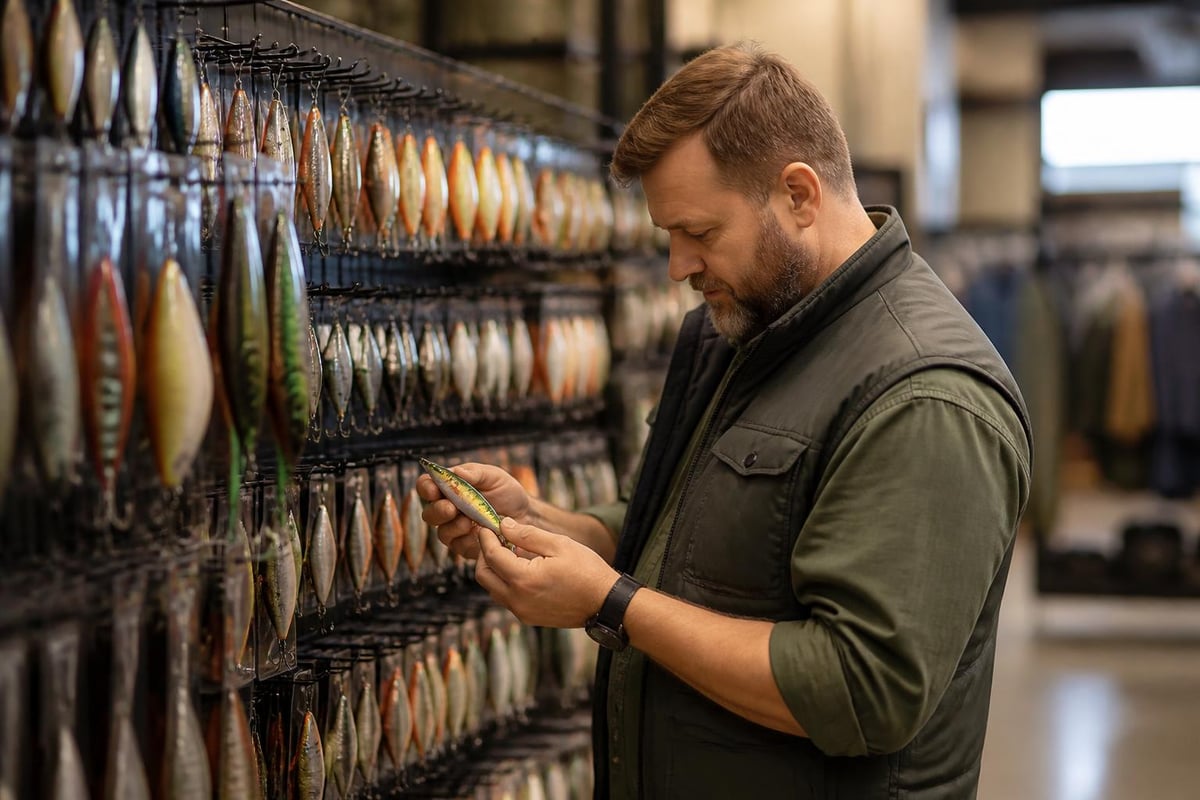
The fishing tackle industry embraces technological advancement, and recent innovations in fishing lure design include LED lighting, scent dispersion systems, and even electronic features. The forward-thinking lure shop positions itself as an expert resource on these emerging technologies.
Modern customers expect seamless integration between online research and in-store experiences. The lure shop should implement:
Direct-to-consumer sales growth presents both competition and opportunity. While manufacturers selling directly may seem threatening, the lure shop adds value through local expertise, immediate product availability, and personalized service that online-only retailers cannot match.
Electronic and smart lures represent an emerging category requiring the lure shop to stay informed about regulatory developments. Some jurisdictions restrict certain technologies, making compliance knowledge a competitive advantage.
The lure shop should educate customers about legal requirements, ethical considerations, and where advanced technologies provide genuine advantages versus traditional approaches. This educational role builds trust and positions the shop as a knowledgeable partner rather than merely a product vendor.
What makes a good fishing bait shop extends beyond inventory selection to encompass the entire customer journey. The most successful lure shop operations distinguish themselves through expertise, community engagement, and consistent service quality.
Knowledgeable staff represents the lure shop's most valuable asset. Customers seek advice on:
Continuous education ensures staff remain current with product innovations and fishing techniques. Consider regular training sessions, attending industry trade shows, and encouraging staff to spend time on the water testing products. Staff who fish regularly bring authentic enthusiasm and credibility to customer interactions.
The lure shop serves as a community hub for local anglers. Successful community engagement includes:
These activities generate goodwill, increase foot traffic, and create emotional connections that transcend transactional relationships. When customers view the lure shop as their fishing headquarters, they become advocates who refer friends and family.

While lures remain the core focus, the savvy lure shop operator recognizes opportunities in related product categories that serve the same customer base. Diversification reduces seasonal volatility and increases average transaction values.
Consider these complementary offerings:
| Product Category | Customer Overlap | Margin Potential | Expertise Required |
|---|---|---|---|
| Rods and reels | 90% | Medium-High | High |
| Fishing line | 95% | Medium | Medium |
| Terminal tackle | 100% | Low-Medium | Medium |
| Fishing nets | 60% | Medium | High |
| Marine electronics | 40% | High | Very High |
| Boat accessories | 50% | Medium-High | Medium |
For operations serving commercial fishing markets, fishing nets and marine equipment represent substantial revenue opportunities. Understanding fishing net sizes and applications allows the lure shop to serve both recreational and commercial customers effectively.
The lure shop can smooth seasonal revenue fluctuations by expanding into adjacent markets:
This diversification maintains cash flow year-round while leveraging existing customer relationships and retail infrastructure.
Modern consumers increasingly value environmental stewardship, and the lure shop can differentiate itself through sustainable practices. Sustainability initiatives in lure manufacturing gain prominence as anglers recognize their role in conservation.
Stock and promote products that minimize environmental impact:
Educational signage explaining environmental benefits helps customers make informed choices while positioning the lure shop as a responsible community partner. Many anglers willingly pay premium prices for products that align with their conservation values.
Implement programs that demonstrate environmental commitment:
These initiatives generate positive publicity, strengthen community ties, and attract environmentally conscious customers who become loyal advocates for the lure shop brand.
Effective marketing combines traditional and digital approaches, meeting customers across multiple touchpoints throughout their decision-making journey. The lure shop must maintain visibility during active fishing seasons while staying top-of-mind during slower periods.
Position the lure shop as an authoritative information source through:
Quality content attracts organic search traffic, builds trust, and provides shareable material that extends reach beyond paid advertising. When anglers search for information about local fishing conditions or specific techniques, the lure shop's content should appear prominently in results.
For brick-and-mortar locations, local search visibility drives foot traffic:
Mobile optimization proves critical as anglers frequently search for tackle shops while already on fishing trips, needing immediate access to location information and inventory availability.
Strategic paid advertising supplements organic marketing efforts:
Track return on investment carefully, allocating budget toward channels demonstrating measurable results. The lure shop operating on tight margins must ensure every marketing dollar generates positive returns.
Behind successful customer experiences lie efficient operational systems that minimize costs, reduce errors, and free staff to focus on customer service rather than administrative tasks.
Modern point-of-sale systems integrated with inventory management prevent stockouts, identify slow-moving items, and optimize purchasing decisions. The lure shop should track:
This data-driven approach replaces guesswork with informed decision-making, improving profitability through better inventory allocation and reduced carrying costs.
Healthy financial management ensures long-term sustainability:
The lure shop operates in a competitive industry with modest margins, making financial discipline essential for survival and growth. Regular financial reviews identify trends early, allowing proactive adjustments before small issues become major problems.
The fishing tackle industry continues evolving, and successful lure shop operators anticipate changes rather than merely reacting to them. Staying informed about emerging trends positions the business to capitalize on new opportunities while avoiding obsolete inventory.
Watch for developments in:
Early adoption of promising innovations provides competitive advantages, though careful evaluation prevents investing heavily in technologies that fail to gain market acceptance.
Understanding demographic shifts helps the lure shop prepare for evolving customer bases:
Tailoring product selection, marketing messages, and store atmosphere to reflect these demographic realities ensures the lure shop remains relevant to tomorrow's customers, not just today's.
Building a thriving lure shop requires balancing inventory management, customer service excellence, and adaptive strategies that respond to evolving market conditions. For fishing operations requiring comprehensive marine equipment beyond lures, including commercial-grade fishing nets and tackle, Action Outdoors Limited manufactures over 350,000 meters of ready-to-use fishing nets annually while offering extensive fishing, marine, RV, and industrial gear. Whether you're stocking a retail shop or outfitting a commercial fishing fleet, their New Zealand-made quality and reliable service support fishing success across the Pacific region.
发表评论