Fishing Gear Outlet: Your Complete Guide for 2026
Fishing Gear Outlet Finding reliable sources for fishing equipment remains a critical concern for commercial operators and recreational anglers alike. A fishing gear outlet serves as the vital connection between manufacturers and end users, offering access to specialized equipment, competitive pricing, and expert knowledge. Whether you're outfitting a commercial fishing operation across the Pacific or maintaining recreational gear, understanding how outlets operate and what they offer can significantly impact your success on the water. The fishing equipment market continues to evolve, with new distribution models and quality standards emerging to meet diverse needs.
Understanding the Fishing Gear Outlet Landscape
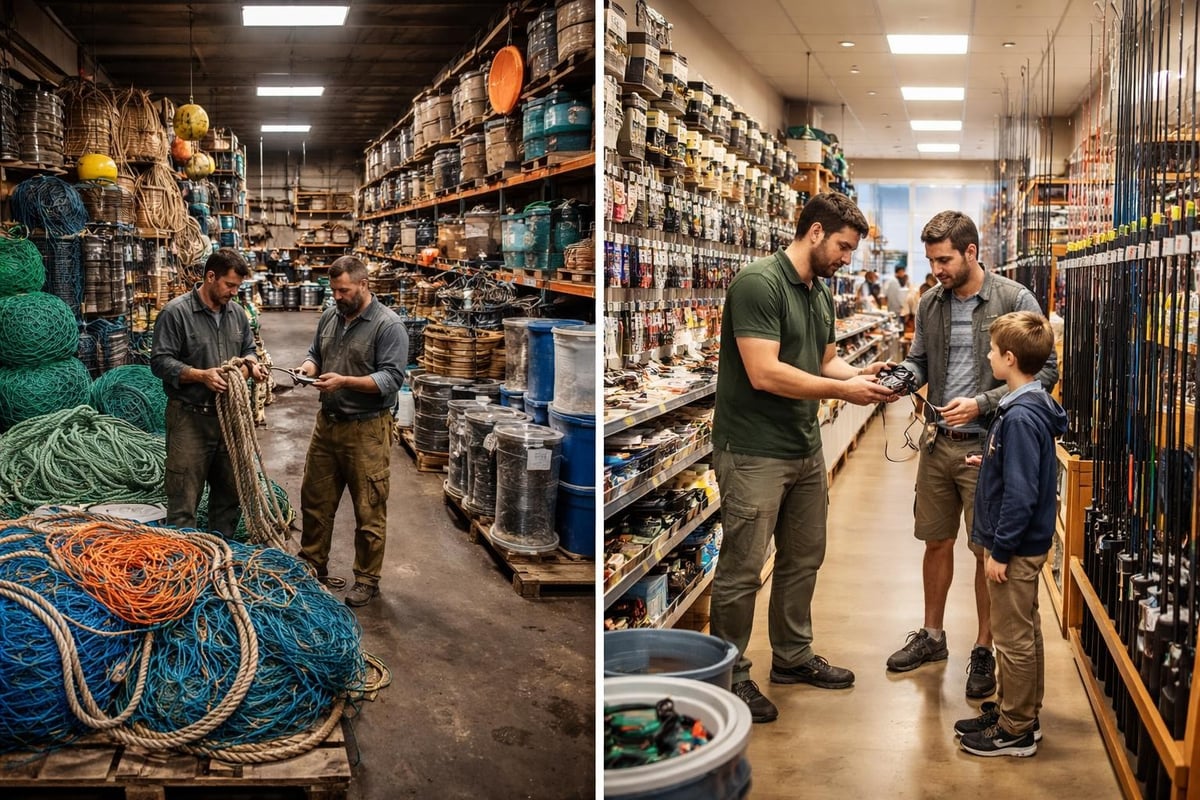
The modern fishing gear outlet operates at the intersection of manufacturing, distribution, and specialized retail. These establishments range from small specialized shops to large-scale distributors serving commercial operations. Unlike general sporting goods stores, a dedicated fishing gear outlet maintains deep expertise in marine equipment and typically carries comprehensive inventories of specialized items.
Types of Outlets and Their Focus Areas
Different outlets serve distinct market segments. Commercial-focused distributors supply professional operations with bulk quantities of nets, ropes, and marine hardware. Recreational outlets cater to individual anglers with tackle, rods, and personal equipment. According to research on angling information sources, bait and tackle shops remain among the most trusted sources for fishing information and gear among recreational users.
Key outlet categories include:
- Commercial fishing suppliers specializing in nets, longlines, and industrial equipment
- Recreational tackle shops focusing on rods, reels, and sport fishing accessories
- Marine equipment distributors offering comprehensive catalogs for vessels and operations
- Online outlets providing nationwide or regional shipping capabilities
- Manufacturer-direct operations like Action Outdoors Limited offering New Zealand-made products
Market Dynamics and Consumer Behavior
The fishing equipment market demonstrates consistent growth patterns. Data from Southwick Associates fishing statistics reveals important trends in purchasing behavior and equipment preferences. Commercial operations prioritize durability and bulk pricing, while recreational anglers balance quality with affordability.
| Customer Type | Priority Factors | Typical Purchase Frequency | Average Transaction Size |
|---|---|---|---|
| Commercial Operations | Bulk pricing, durability, reliability | Monthly to quarterly | $1,000-$50,000+ |
| Charter Services | Professional-grade quality, replacement parts | Bi-monthly | $500-$5,000 |
| Recreational Anglers | Value, variety, expert advice | Seasonal | $50-$500 |
| Community Fisheries | Group pricing, bulk orders, training | Annually | $2,000-$20,000 |
Product Selection at Quality Outlets
A comprehensive fishing gear outlet stocks multiple categories to serve diverse customer needs. The breadth and depth of inventory often distinguish exceptional outlets from average suppliers. Professional operations require access to specialized equipment that may not be available through general retailers.
Essential Equipment Categories
Commercial fishing operations depend on core equipment categories. Netting represents the foundation, with specifications varying by target species and fishing method. The 90m commercial floating piper net exemplifies professional-grade equipment designed for Pacific fisheries.
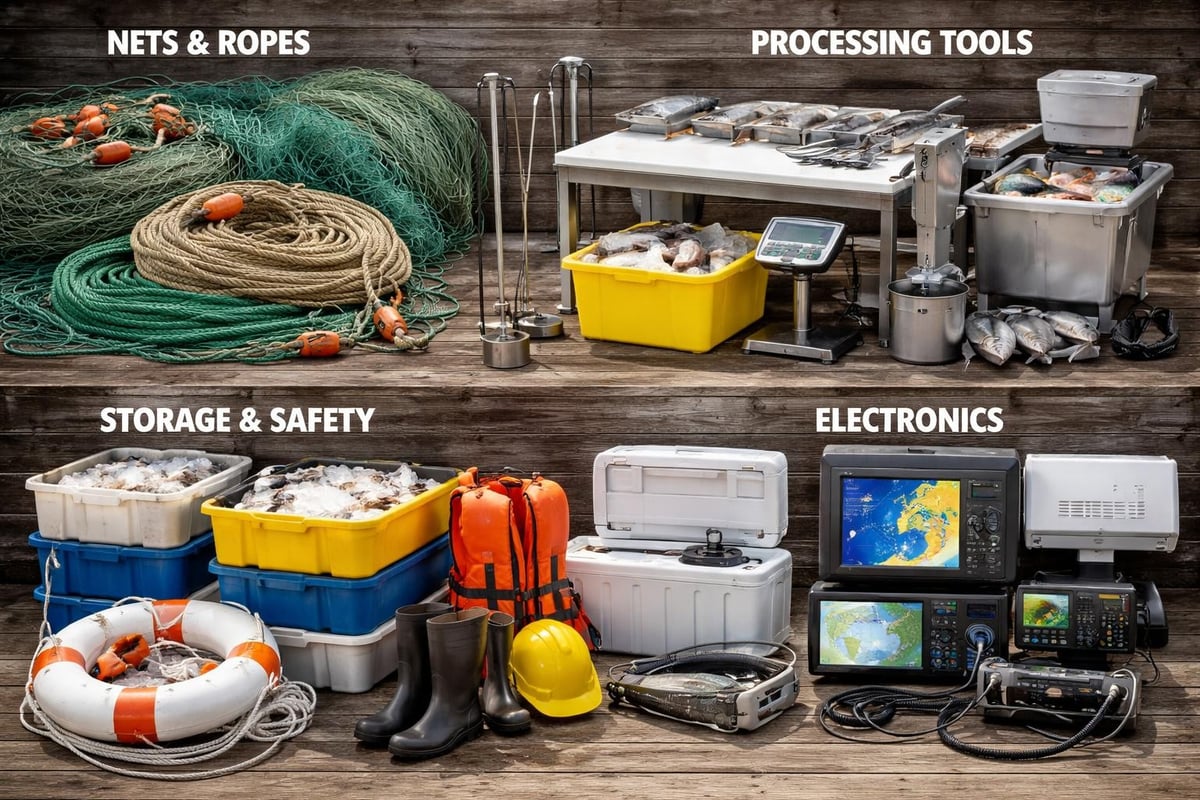
Primary product categories include:
- Fishing nets in various mesh sizes, materials, and configurations
- Marine ropes and lines for mooring, towing, and net construction
- Floats and buoys providing net suspension and marking
- Hooks and longline equipment for targeted fishing operations
- Processing tools including knives, splitters, and cutting equipment
- Safety equipment meeting maritime safety standards
Specialized Tools and Accessories
Beyond basic equipment, professional fishing gear outlets stock specialized tools. Knife maintenance equipment like quality whetstones remains essential for processing operations. Selecting the best whetstone ensures cutting tools maintain optimal performance throughout demanding workdays.
Marine electronics represent another critical category. Navigation systems, depth finders, and fishfinding technology enhance operational efficiency. The integration of modern electronics with traditional fishing methods creates competitive advantages for commercial operations.
Evaluating Outlet Quality and Reliability
Not all fishing gear outlets deliver equivalent value or service. Evaluating potential suppliers requires examining multiple factors beyond initial pricing. Long-term relationships with reliable outlets reduce operational disruptions and ensure consistent equipment quality.
Manufacturer Relationships and Product Sourcing
The strongest outlets maintain direct relationships with manufacturers. This connection ensures product authenticity, warranty support, and access to technical specifications. Outlets like PENN Fishing Outlet emphasize their manufacturer relationships to guarantee authentic products and proper support.
Key evaluation criteria include:
- Direct manufacturer partnerships versus third-party reselling
- Product warranty terms and claim processes
- Technical support availability for complex equipment
- Inventory depth and stock consistency
- Lead times for special orders or bulk quantities
Geographic Considerations for Pacific Operations
Pacific-region operations face unique logistical challenges. Shipping distances, customs procedures, and regional specifications affect equipment selection. New Zealand-made products offer advantages including reduced shipping times, familiarity with Pacific fishing conditions, and compliance with regional standards.
Action Outdoors Limited's focus on Pacific Island markets demonstrates understanding of regional requirements. Manufacturing over 350,000 meters of ready-to-use fishing nets annually ensures reliable supply for commercial operations across multiple Pacific nations.
Price Strategies and Value Assessment
Understanding pricing structures at fishing gear outlets helps maximize equipment budgets. The relationship between cost and value extends beyond initial purchase price to include durability, performance, and total ownership costs.
Discount Outlets Versus Premium Suppliers
The fishing equipment market includes both discount-focused outlets and premium suppliers. Fisherman's Factory Outlet and Discount Tackle Outlet provide access to brand-name gear at reduced prices, primarily serving recreational markets. Commercial operations often prioritize reliability over initial cost savings.
| Pricing Model | Advantages | Disadvantages | Best For |
|---|---|---|---|
| Discount Outlets | Lower prices, clearance opportunities | Limited selection, variable quality | Recreational anglers, budget operations |
| Mid-Range Suppliers | Balance of price and selection | May lack specialized items | Small commercial operations |
| Premium Suppliers | Highest quality, full support | Higher initial costs | Professional commercial fishing |
| Direct Manufacturers | Competitive pricing, customization | Minimum order requirements | Large operations, fleet managers |
Bulk Purchasing and Volume Discounts
Commercial operations benefit significantly from volume pricing. A fishing gear outlet serving professional customers typically offers tiered pricing based on order size. Annual contracts or standing orders often unlock additional discounts and priority service.
Calculating true value requires considering replacement frequency. Higher-quality nets lasting twice as long effectively cost half as much per fishing day, even with premium initial pricing. This calculation becomes critical for operations managing tight margins.
Building Relationships with Suppliers
Successful commercial fishing operations cultivate strong relationships with their fishing gear outlet partners. These partnerships extend beyond transactional exchanges to include technical support, product development feedback, and operational consultation.
Communication and Technical Support
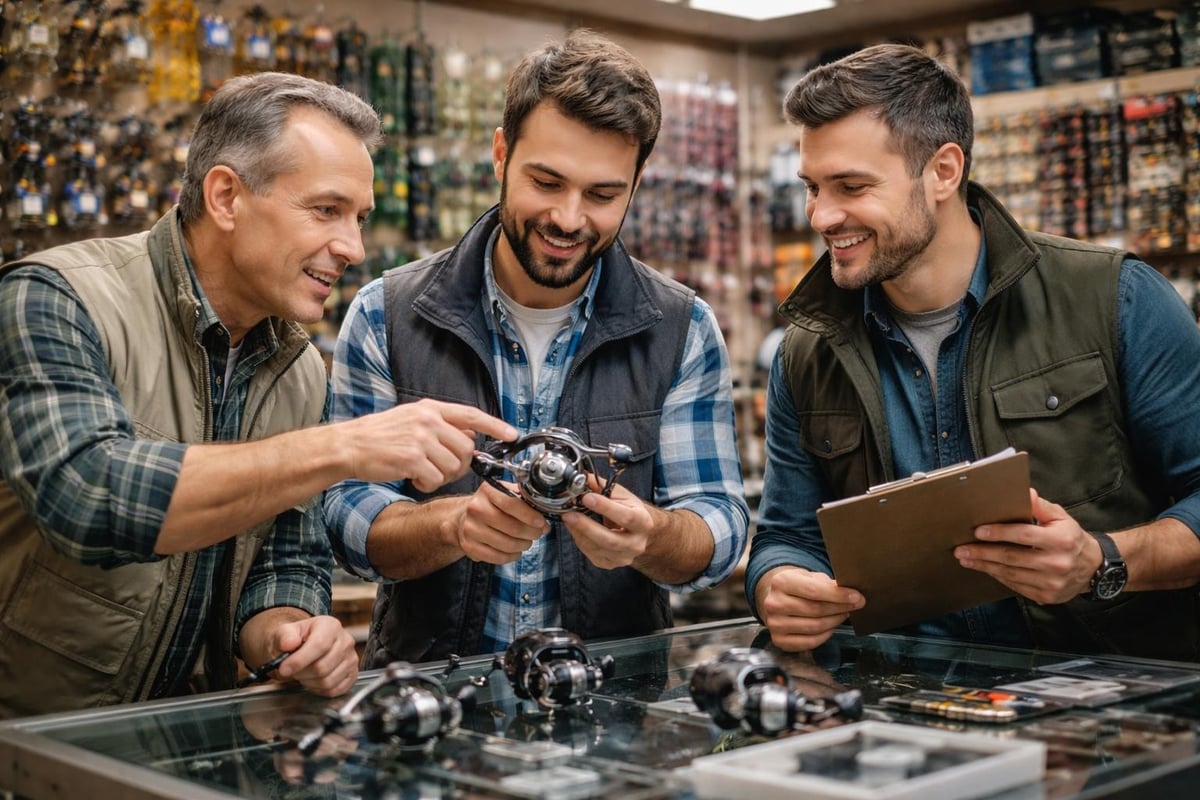
Professional outlets provide expert guidance on equipment selection and application. The Reel Authority exemplifies knowledge-based support, offering trusted information beyond simple product sales. For commercial operations, this expertise translates into optimized equipment choices and improved fishing outcomes.
Regular communication with outlet staff ensures awareness of new products, regulatory changes, and industry developments. Many outlets offer training sessions on equipment maintenance, safety procedures, and optimal usage techniques.
Customization and Special Orders
Commercial operations often require customized equipment specifications. Net mesh sizes, rope lengths, and hardware configurations vary by fishing method and target species. A quality fishing gear outlet facilitates custom orders and works with manufacturers to meet unique requirements.
Finding reliable fishing equipment suppliers becomes easier when outlets demonstrate flexibility in meeting specialized needs. This adaptability proves especially valuable for operations expanding into new fishing methods or geographic areas.
Equipment Maintenance and Replacement Cycles
Professional fishing operations require systematic approaches to equipment maintenance and replacement. A fishing gear outlet partnership should support these ongoing operational needs through parts availability, repair services, and replacement scheduling.
Maintaining Cutting and Processing Tools
Sharp, well-maintained tools ensure efficient processing and reduce workplace injuries. Filleting knives, processing equipment, and cutting tools require regular maintenance. Professional-grade options like the Victorinox filleting knife combine durability with performance for demanding commercial use.
Essential maintenance practices include:
- Regular sharpening using appropriate whetstones or steels
- Proper cleaning and sanitization after each use
- Secure storage preventing blade damage
- Periodic professional servicing for specialized tools
- Timely replacement of worn equipment
Net and Rope Inspection Protocols
Fishing nets and marine ropes represent significant investments requiring systematic inspection. Regular examination identifies wear patterns, damage, and potential failure points before they compromise operations. Quality outlets provide guidance on inspection procedures and replacement timing.
Establishing replacement schedules based on usage intensity and environmental exposure prevents unexpected failures. Pacific operations face particularly challenging conditions with saltwater exposure, UV degradation, and mechanical stress from repeated deployment and retrieval.
Safety Equipment and Regulatory Compliance
Safety represents a non-negotiable priority for commercial fishing operations. A comprehensive fishing gear outlet stocks safety equipment meeting current regulatory standards and provides guidance on compliance requirements.
Personal Safety Gear Requirements
Pacific maritime operations must comply with national and international safety regulations. Personal flotation devices, emergency signaling equipment, and first aid supplies form the foundation of operational safety programs. Outlets serving commercial customers maintain current knowledge of regulatory requirements across different jurisdictions.
For operations using trailers to transport vessels and equipment, compliance extends to road safety. Understanding trailer safety chain requirements ensures legal compliance and operational safety during equipment transport.
Vessel Safety Equipment
Vessels require comprehensive safety equipment including fire suppression systems, navigation lights, and emergency communication devices. Outlets serving commercial operations stock complete safety packages and can assist with vessel inspections and equipment upgrades.
Specialized Equipment for Modern Fishing
Technological advancement continues transforming commercial fishing operations. A forward-thinking fishing gear outlet introduces customers to innovations improving efficiency, sustainability, and catch quality.
Electronic Fishing Aids
Modern fishing operations increasingly rely on electronic equipment. Depth sounders, GPS navigation, and electronic reels enhance productivity while reducing physical strain on crew members. The Sea Harvester electric reel battery system demonstrates how power equipment increases operational efficiency for deepwater fishing.
Navigation chart systems like the C-Map Reveal X New Zealand chart provide detailed bathymetric data supporting optimal fishing site selection. Integration of these technologies requires outlets offering both products and installation support.
Longline and Specialized Fishing Systems
Different fishing methods require specialized equipment configurations. Longline fishing demands specific hook sizes, line materials, and spacing systems. Complete kits like the Fishtech NZ longline kit provide comprehensive solutions for specific fishing methods.
| Fishing Method | Primary Equipment | Specialized Tools | Typical Investment |
|---|---|---|---|
| Net Fishing | Nets, floats, ropes | Net mending tools, hauling equipment | $5,000-$50,000 |
| Longline | Mainline, branch lines, hooks | Line setters, hook storage | $2,000-$15,000 |
| Trap Fishing | Pots/traps, buoy lines | Trap pullers, bait containers | $3,000-$25,000 |
| Hand Line | Lines, hooks, weights | Rod holders, fish grips | $500-$5,000 |
Sustainability and Environmental Considerations
Modern commercial fishing increasingly emphasizes sustainable practices. A responsible fishing gear outlet stocks equipment supporting sustainable harvest methods and provides guidance on environmentally conscious operations.
Selective Fishing Gear
Mesh sizes, hook types, and net configurations affect species selectivity. Equipment choices can minimize bycatch and protect juvenile fish populations. Outlets serving professional operations should offer expertise on gear selection supporting sustainability goals while maintaining commercial viability.
Regulatory frameworks across Pacific nations increasingly mandate specific gear configurations. Staying informed about these requirements through outlet partnerships ensures compliance and supports long-term resource management.
Durability and Waste Reduction
High-quality equipment lasting longer reduces waste and environmental impact. While premium gear requires higher initial investment, extended service life decreases the frequency of disposal and replacement. This approach aligns environmental responsibility with long-term cost management.
Regional Considerations for Pacific Operations
Pacific fishing operations face unique environmental conditions and market dynamics. A fishing gear outlet serving this region must understand local requirements, seasonal patterns, and cultural considerations.
Equipment for Tropical Conditions
Tropical marine environments create specific equipment challenges. UV exposure, saltwater corrosion, and biological growth affect equipment lifespan. Material selection becomes critical, with certain synthetics and treated natural fibers offering superior performance in these conditions.
Temperature and humidity also impact equipment storage and maintenance. Outlets familiar with Pacific conditions recommend appropriate storage solutions and maintenance schedules accounting for environmental factors.
Supporting Community Fisheries
Many Pacific Island communities depend on fishing for both subsistence and income. Equipment outlets supporting these communities often provide group pricing, training programs, and payment flexibility. This approach builds sustainable relationships while supporting economic development.
Future Trends in Fishing Equipment Distribution
The fishing gear outlet industry continues evolving with technological advancement and changing market dynamics. Understanding emerging trends helps operations prepare for future equipment needs and opportunities.
Online and Hybrid Purchasing Models
Internet commerce increasingly influences fishing equipment purchasing. While commercial operations still value in-person relationships, online catalogs, digital ordering, and electronic payment systems streamline procurement. Outlets like Sport Fishing Outlet combine physical presence with comprehensive online platforms.
Successful outlets balance digital convenience with personalized service. Technical specifications, installation instructions, and video demonstrations enhance online purchasing while maintaining quality standards.
Direct Manufacturer Relationships
Commercial operations increasingly seek direct relationships with manufacturers. This trend emphasizes the importance of outlets offering true manufacturer partnerships rather than simply reselling products. Direct sourcing ensures product authenticity, warranty coverage, and access to technical support.
Selecting the right fishing gear outlet significantly impacts operational success, equipment longevity, and overall fishing efficiency. Whether you're managing commercial operations across the Pacific or outfitting community fisheries, working with knowledgeable suppliers ensures access to quality equipment and expert support. Action Outdoors Limited combines New Zealand manufacturing expertise with comprehensive product selection, serving commercial and community fisheries throughout the Pacific region with reliable, locally-made equipment and dependable service.
发表评论