
In 2026, the fishing supply shop industry faces unprecedented competition and rapid technological change. More people than ever are taking up fishing, and customers expect not just quality gear but also expert advice and top-tier service. For a fishing supply shop, this surge presents a unique chance for growth and higher profits, even in a crowded market. By understanding market trends, optimizing inventory, enhancing customer experience, adopting new marketing tactics, leveraging technology, and preparing for the future, shop owners can position themselves for long-term success.
Understanding the 2026 Fishing Supply Market Landscape
The fishing supply shop landscape in 2026 is rapidly evolving, shaped by shifting consumer expectations, rising competition, regulatory updates, economic pressures, and technological innovation. To thrive, shop owners must understand these forces and adapt strategies for success.
Evolving Consumer Trends and Demographics
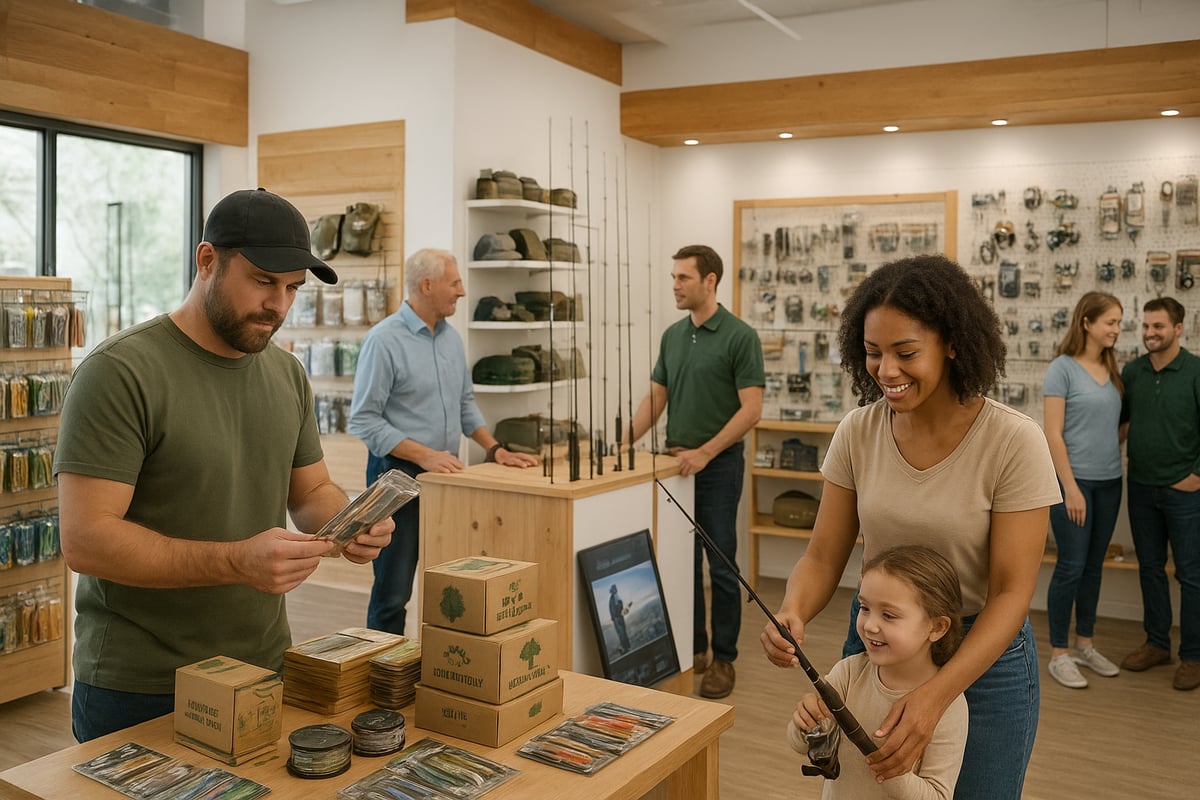
Recreational fishing has seen a surge in participation since the pandemic, with a notable influx of younger anglers, women, and families. This shift is reshaping the fishing supply shop customer base, demanding a wider range of products and services.
Many customers now seek eco-friendly and ethically sourced gear, prioritizing sustainability. Statista reported a 12% increase in new fishing license registrations in 2025, highlighting the growing appeal of fishing as a leisure activity.
Shops that recognize these evolving trends can tailor inventory and marketing to meet the expectations of a diverse, conscious audience. Family-oriented events and inclusive product offerings foster loyalty and long-term growth for any fishing supply shop.
Competitive Analysis and Differentiation
The fishing supply shop market is crowded, with local stores, big-box retailers, and online giants all vying for attention. Standing out requires more than just stocking standard gear.
Niche specialization is a proven strategy. Shops focusing on fly-fishing, saltwater, or custom gear attract dedicated segments. For instance, a regional fishing supply shop outperformed chain stores by offering expert advice and hosting community events, building a loyal customer base.
Consider using a table to compare competitors:
| Competitor Type | Strengths | Weaknesses |
|---|---|---|
| Local Shop | Personalized service, community focus | Limited reach, higher prices |
| Big-Box Retail | Broad inventory, low prices | Less expertise, impersonal |
| Online Giant | Convenience, vast selection | No hands-on support |
Positioning your fishing supply shop as a trusted, knowledgeable resource is key to differentiation.
Regulatory and Environmental Considerations
Compliance with regulations is essential for credibility and trust. In New Zealand, updates in 2025 to fishing net regulations directly impacted inventory decisions for every fishing supply shop.
Globally, rules on net sizes, gear types, and protection of certain species continue to evolve. Ethical sourcing and sustainable product lines are not only a legal necessity but also a market expectation.
Staying current with both local and international regulations ensures your fishing supply shop avoids risk and appeals to environmentally conscious anglers.
Economic Factors Influencing Purchasing Power
Economic shifts affect how customers shop for fishing gear. Fluctuations in disposable income can lead to slower sales of high-ticket items, requiring fishing supply shop owners to adapt pricing and product strategies.
Inflation has also driven up supply chain costs. Dynamic pricing and careful vendor selection can help maintain margins while keeping products accessible to a broad customer base.
Monitoring economic trends allows a fishing supply shop to anticipate changes in demand and adjust inventory accordingly for profitability.
Technology’s Role in Shaping the Market
Technology is transforming every fishing supply shop, with more than 40% of purchases projected to be online by 2026. E-commerce, mobile apps, and digital payment systems are now standard customer expectations.
AR and VR product demos are gaining traction, letting customers explore gear virtually before buying. According to the Fishing Gear Market Analysis Report 2033, tech advancements are driving new growth opportunities and reshaping the competitive landscape.
By embracing technology, a fishing supply shop can enhance customer experience, streamline operations, and future-proof the business.
Building a Winning Inventory Strategy
A successful inventory strategy is the foundation for any thriving fishing supply shop. The right mix of products, reliable suppliers, and efficient systems ensures your shelves meet customer demands while supporting profitability and growth.
Sourcing Quality Products and Managing Suppliers
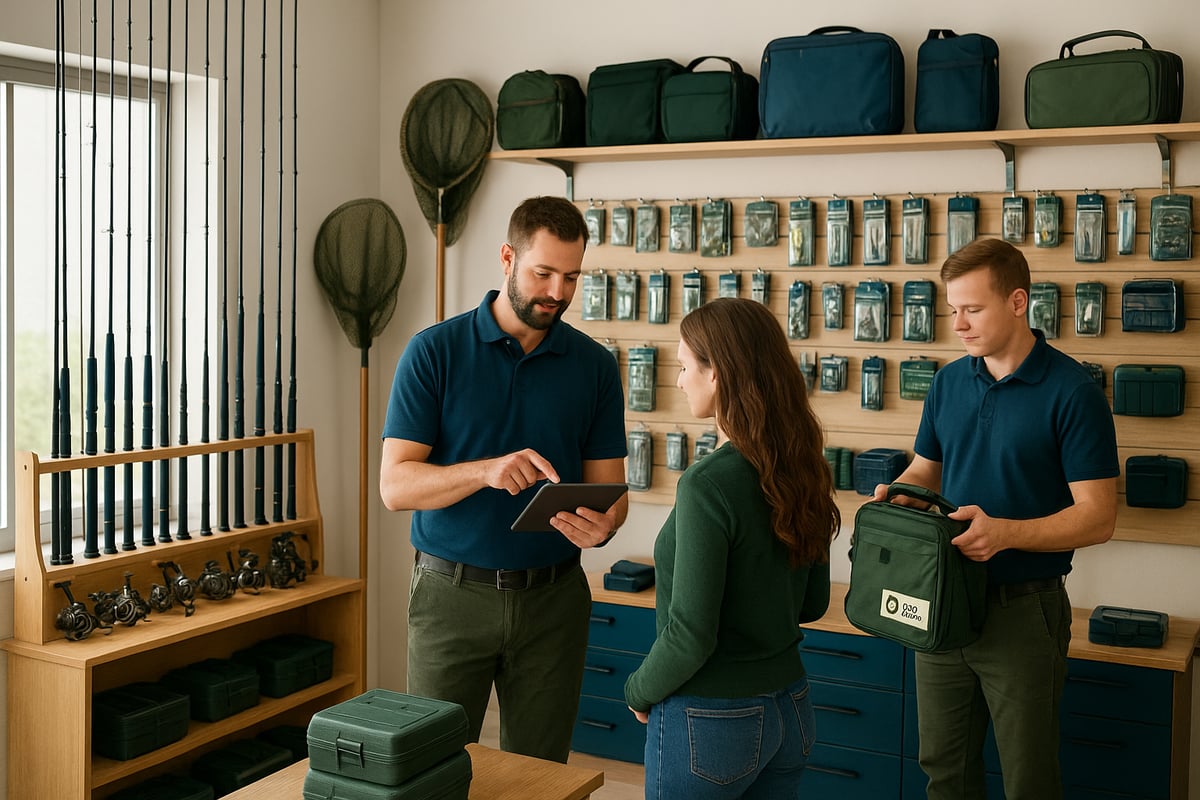
For a fishing supply shop, sourcing begins with balancing local, national, and international suppliers. This approach guarantees variety and safeguards against disruptions. Prioritize relationships with suppliers who offer consistency, timely deliveries, and exclusive products. Strong supplier partnerships can result in better margins, early access to new gear, and custom items tailored to your market.
For example, many New Zealand shops source NZ-made fishing nets to comply with local regulations and ensure quality. Evaluate supplier reliability through regular communication and performance reviews. Diversify your supplier pool to reduce risk and secure backup options for essential categories.
Stocking Essentials vs. Specialty Gear
Every fishing supply shop needs a core selection of best-sellers: rods, reels, bait, nets, and essential tools. These staples drive repeat business and establish your shop as a go-to resource for anglers. At the same time, specialty items such as high-tech gadgets, eco-friendly gear, and custom accessories can differentiate your business and attract niche customers.
Stay informed about trending products and market shifts by exploring resources like the Online Fishing Tackle Store, which showcases a wide array of essentials and specialty gear. Track sales data to identify top-performing categories and adjust your inventory mix accordingly.
Inventory Management Systems and Automation
Implementing an efficient inventory management system is crucial for a modern fishing supply shop. Cloud-based POS solutions and real-time inventory tracking help you avoid stockouts, reduce over-ordering, and streamline daily operations. Automated reordering tools and low-stock alerts minimize missed sales opportunities and free up staff for customer service.
Integration with your suppliers’ ordering platforms can further enhance efficiency. Regularly audit your inventory to identify slow-moving items and optimize shelf space for high-demand products. Embrace technology to maintain a responsive, data-driven inventory strategy.
Seasonal and Regional Demand Planning
Understanding local fishing seasons, target species, and weather patterns allows your fishing supply shop to anticipate demand shifts. Adjust inventory levels for peak periods, such as trout or snapper seasons, and stock region-specific gear that appeals to your community.
For instance, aligning your stock with the opening of local trout season can boost sales and cement your reputation as a trusted resource. Use historical sales data and community insights to plan pre-season promotions and timely restocking.
Sustainable and Ethical Product Selection
Sustainability is increasingly important for every fishing supply shop. Offer biodegradable lures, lead-free sinkers, and nets made from sustainable materials to appeal to environmentally conscious customers. Highlighting ethical sourcing and eco-friendly products not only meets market demand but also strengthens your brand’s reputation.
Communicate your commitment to sustainability through in-store signage, staff training, and digital marketing. Partner with brands that share your values and seek out certifications or endorsements to substantiate your claims.
Action Outdoors: Your Source for Quality Fishing Nets and Equipment
Action Outdoors Limited stands out as New Zealand’s largest fishing net manufacturer, supplying over 350,000 meters of ready-to-use nets every year. For a fishing supply shop seeking reliability and quality, Action Outdoors offers a comprehensive range of fishing and marine equipment, including ropes, floats, and slings.
Their NZ-made products are trusted by both commercial and community fisheries across the Pacific. Retailers benefit from quick turnaround times, export-ready service, and a broad catalogue that also covers RV, industrial, and outdoor gear. Partnering with Action Outdoors positions your fishing supply shop as a one-stop provider of trusted, locally made products.
Creating an Exceptional Customer Experience
Delivering an outstanding customer experience is the cornerstone of every successful fishing supply shop. In 2026, shoppers expect more than just a transaction. They seek expertise, personalized service, and a sense of belonging. To exceed these expectations, a fishing supply shop must focus on staff knowledge, store atmosphere, tailored solutions, community involvement, and continuous improvement.
Staff Expertise and Training
A fishing supply shop thrives when its staff are passionate anglers who understand both the products and the sport. Investing in ongoing education, such as product seminars and fishing certifications, ensures team members stay current with the latest gear and techniques. This expertise directly impacts customer satisfaction, as knowledgeable staff can answer questions, recommend the right equipment, and share valuable local fishing insights.
Shops that employ certified fishing guides or host training sessions often see higher conversion rates and more repeat customers. When shoppers trust your staff's advice, they are more likely to return and recommend your fishing supply shop to others.
In-Store Experience and Layout
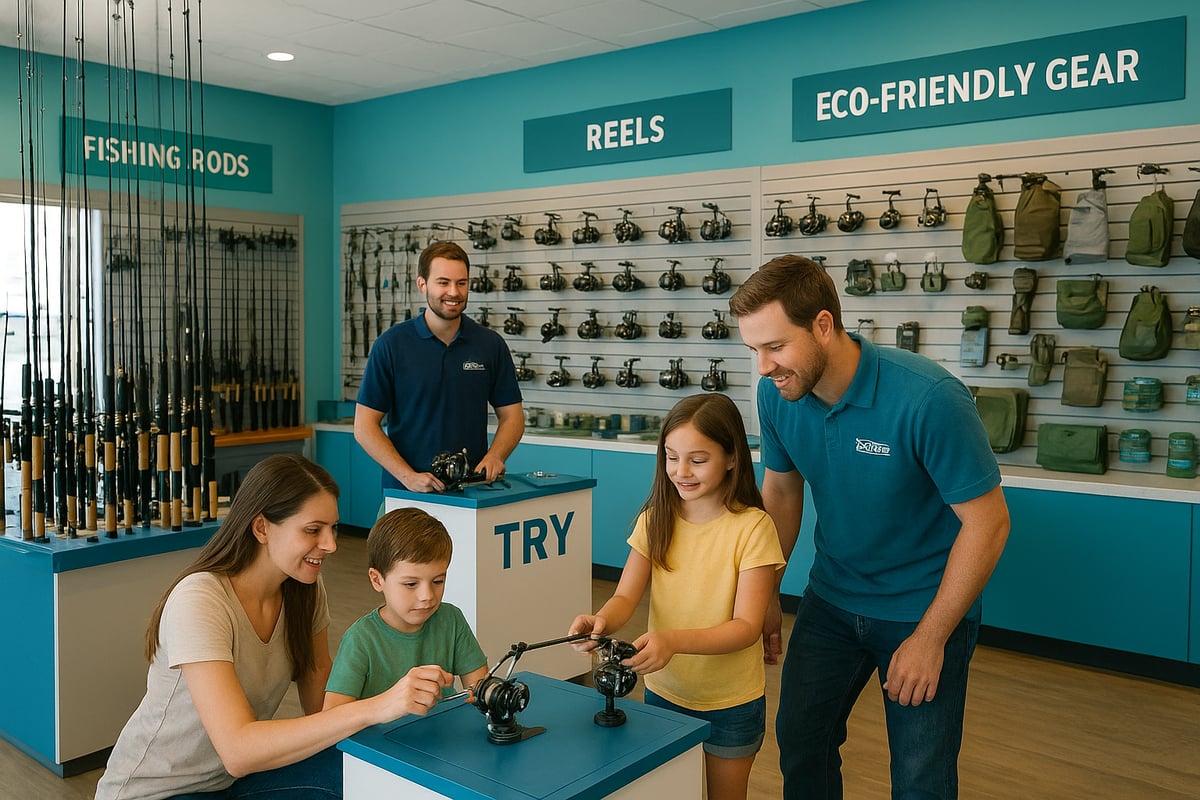
The physical layout of a fishing supply shop plays a vital role in shaping customer impressions. An intuitive store design makes it easy for visitors to find what they need, while also encouraging exploration of new products. Hands-on demo areas, such as rod testing stations or knot-tying workshops, engage customers and boost confidence in their purchases.
Interactive displays and clear signage help shoppers navigate categories quickly. A well-organized fishing supply shop not only improves the browsing experience but also increases the likelihood of impulse buys and larger basket sizes.
Personalized Service and Custom Solutions
Personalized service sets a fishing supply shop apart in a crowded market. Offering gear fitting, custom rig assembly, and tailored advice for local fishing spots demonstrates commitment to each customer's unique needs. Staff should ask questions about skill level and target species to provide the most relevant recommendations.
To enhance this experience, consider providing access to essential fishing tools for anglers that suit various skill levels and preferences. This approach fosters loyalty and positions your fishing supply shop as a trusted resource for both beginners and seasoned anglers.
Community Engagement and Events
Building community around your fishing supply shop creates lasting relationships. Hosting workshops, fishing tournaments, and conservation events brings customers together and strengthens your brand's reputation. Monthly clinics, such as “Learn to Fish” sessions, attract new anglers and encourage families to get involved.
Engaged customers are more likely to return and spread the word about your fishing supply shop. By supporting local initiatives and partnering with fishing clubs, you reinforce your place as a hub for enthusiasts in the area.
Customer Feedback and Continuous Improvement
Listening to customer feedback is essential for any fishing supply shop aiming for long-term success. Implement feedback loops through surveys, online reviews, and direct conversations. Acknowledge suggestions and communicate actions taken in response.
Data shows that shops responding to customer input enjoy higher retention rates. Regularly reviewing feedback helps your fishing supply shop identify trends, address pain points, and adapt quickly to changing expectations, ensuring a consistently excellent experience for every visitor.
Mastering Omnichannel Marketing and Digital Presence
A successful fishing supply shop in 2026 must excel across every customer touchpoint, both online and offline. Omnichannel marketing is no longer just an option—it is a necessity. With consumers expecting seamless transitions between digital and physical experiences, shops that master this integration will see measurable growth. Let us explore the essential strategies that put your fishing supply shop ahead in a competitive market.
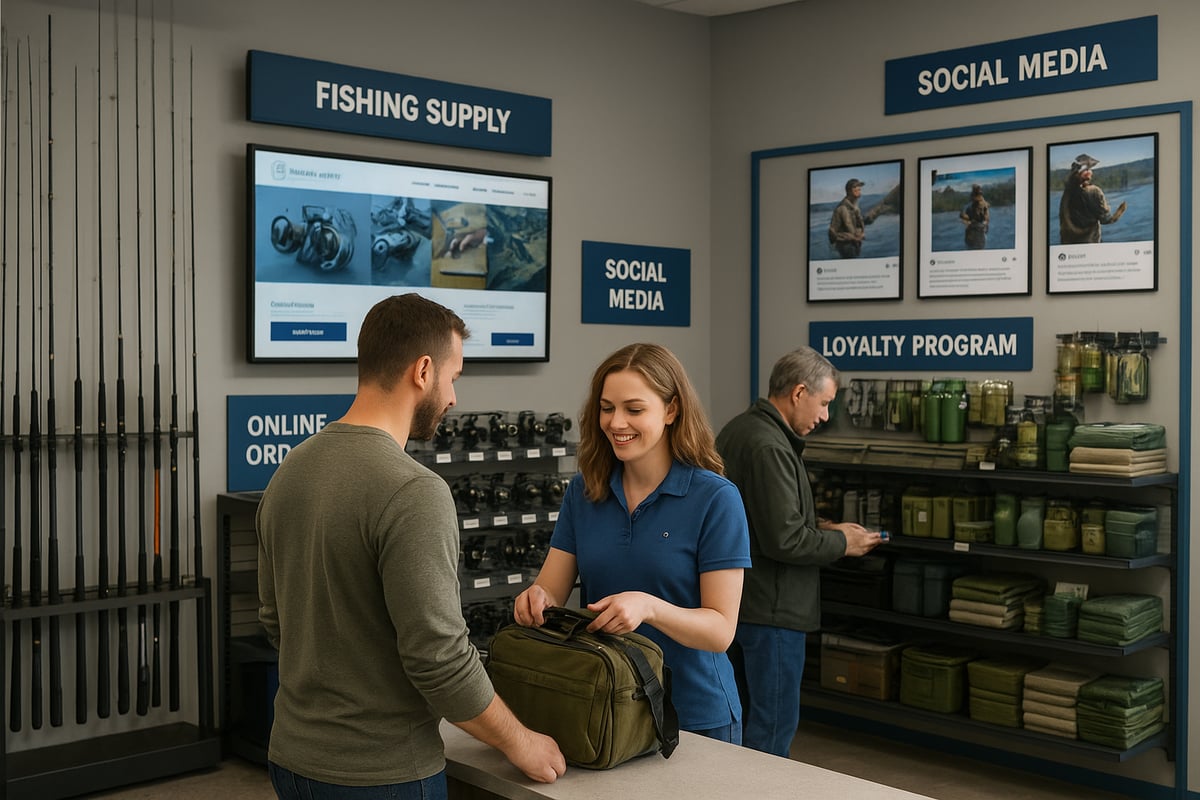
Building a Robust Online Storefront
An effective online presence is the cornerstone of omnichannel success for any fishing supply shop. Customers expect mobile-optimized websites, secure checkouts, and up-to-date product information. Integrating real-time inventory with your physical store ensures customers find what they need, whether browsing from home or planning an in-store visit.
Consider investing in features like detailed gear descriptions, customer reviews, and high-resolution product images. According to recent Fishing Equipment Market Growth Forecast 2032 data, shops with comprehensive e-commerce platforms consistently outperform those relying solely on brick-and-mortar sales. Streamlining the online shopping experience builds trust and boosts conversion rates for your fishing supply shop.
Leveraging Social Media and Influencer Partnerships
Social media platforms are vital for engaging today’s fishing community. A fishing supply shop can showcase new arrivals, share customer catches, and launch campaigns using Instagram, Facebook, and TikTok. Collaborating with local fishing influencers expands your reach and adds authenticity to your brand.
Run interactive contests or share user-generated content to foster engagement. Influencer partnerships can introduce your shop to new demographics, especially younger and female anglers. Consistent, visually appealing posts keep your fishing supply shop top-of-mind for both seasoned anglers and newcomers.
Content Marketing and SEO for Authority
Content marketing establishes your fishing supply shop as an industry authority. Regularly publish how-to guides, gear reviews, and local fishing reports on your website. These resources not only help customers make informed choices but also drive organic traffic through search engines.
Implementing SEO best practices, such as keyword targeting and local search optimization, ensures your content ranks highly. Schema markup and detailed metadata further improve visibility. By providing valuable insights, your fishing supply shop builds credibility and attracts loyal customers who return for trusted advice.
Email Marketing and Loyalty Programs
Email marketing remains a powerful tool for customer retention and sales growth. Segment your audience to send targeted product launches, seasonal promotions, and educational content. Personalized messages increase open rates and drive repeat purchases for your fishing supply shop.
Loyalty programs, such as points-based systems or exclusive member discounts, reward frequent buyers and encourage referrals. Automated emails for birthdays, anniversaries, or special events add a personal touch. These initiatives foster long-term relationships and keep your fishing supply shop at the forefront of customers’ minds.
Local Partnerships and Sponsorships
Building connections within the local community strengthens your fishing supply shop’s reputation. Partner with fishing clubs, conservation groups, and event organizers to co-host tournaments or workshops. These collaborations provide valuable exposure and reinforce your commitment to the angling community.
Sponsoring local tournaments or charity events showcases your shop’s support for regional causes. Cross-promotions with other outdoor businesses can attract new visitors. Such partnerships not only boost foot traffic but also position your fishing supply shop as a trusted, community-focused destination.
Data-Driven Marketing and Analytics
Utilizing analytics tools is essential for refining your marketing strategy. Track website traffic, email engagement, and campaign ROI to identify what resonates with your audience. For a fishing supply shop, understanding customer behavior enables smarter inventory planning and targeted offers.
Implement A/B testing for digital ads and email campaigns to optimize performance. Monitor trends in product popularity and adjust your marketing accordingly. Data-driven decisions ensure your fishing supply shop remains agile, responsive, and positioned for sustainable growth.
Leveraging Technology and Innovation for Shop Success
Staying ahead in the fishing supply shop business means embracing the latest technology and innovation. Integrating digital tools, automation, and security not only streamlines operations but also elevates the customer experience. Forward-thinking shops that invest wisely in these areas will find themselves well-positioned for growth in 2026.
Point-of-Sale and Inventory Tech Integration
A robust point-of-sale (POS) and inventory system is the backbone of any successful fishing supply shop. Cloud-based systems allow real-time tracking of stock, sales analytics, and customer data. This connectivity ensures that popular products, like rods and reels, are always available when customers need them.
Benefits of modern POS solutions include:
- Automated reordering to prevent out-of-stock situations
- Integrated loyalty programs for repeat business
- Easy access to sales reports for smarter decision-making
By leveraging these technologies, a fishing supply shop can reduce manual errors and focus on delivering superior service.
Enhancing the Customer Journey with AR/VR
Augmented and virtual reality are transforming how customers interact with products in a fishing supply shop. AR gear demos let shoppers visualize how a reel or rod feels in hand, while VR simulations offer immersive tutorials for beginners.
Key advantages include:
- Increased engagement with interactive displays
- Higher likelihood of upselling premium gear
- Hands-on education that builds customer confidence
For example, shops that implement AR product trials often see larger average transaction sizes. Bringing technology into the customer journey makes your fishing supply shop stand out in a crowded market.
Mobile Apps and Digital Tools
Mobile apps tailored for a fishing supply shop provide customers with convenience and timely information. Features such as online ordering, loyalty tracking, and local fishing reports keep anglers connected to your business wherever they are.
Common mobile app features:
- Real-time inventory updates
- Weather, tide, and fish activity forecasts
- Push notifications for promotions and events
Incorporating digital tools enhances the value proposition and fosters long-term loyalty among your fishing supply shop’s clientele.
Automation and AI for Operations
Automation and artificial intelligence are becoming essential for efficient fishing supply shop management. AI-driven demand forecasting helps predict which products will be in demand, while automated chatbots handle common customer service tasks.
Consider these operational improvements:
- Personalized product recommendations based on purchase history
- Automated inventory restocking
- Data-driven insights for smarter marketing campaigns
Staying informed on Fishing Industry Trends and Investment Prospects 2025-2034 helps fishing supply shop owners align their tech adoption with broader industry changes and future-proof their business.
Security and Data Privacy
Protecting customer data is a top priority for any fishing supply shop in 2026. Secure payment systems, encrypted databases, and transparent privacy policies all contribute to building trust.
Best practices include:
- Regular software updates to prevent breaches
- Compliance with local and international data regulations
- Clear communication about how customer information is used
By prioritizing security, a fishing supply shop not only safeguards its reputation but also fosters lasting customer relationships.
Future-Proofing Your Fishing Supply Shop: Trends and Opportunities
The fishing supply shop landscape is changing rapidly, and future-proofing your business means staying ahead of every curve. By understanding the latest trends and seizing new opportunities, your fishing supply shop can thrive in 2026 and beyond.
Anticipating Industry Trends
The fishing supply shop sector is seeing surging interest in sustainable fishing, eco-certifications, and smart gear. Customers are increasingly seeking biodegradable lures, lead-free tackle, and products with minimal environmental impact. Another major driver is technology. Smart reels, app-connected gear, and digital fish finders are becoming must-haves.
Staying current with these trends is crucial. Following detailed market analyses, such as those found in the Fishing Lures Market Trends 2026-2035, can help your fishing supply shop select the right products and anticipate demand. Adapting early gives your shop a competitive edge.
Diversifying Revenue Streams
To succeed in a dynamic market, your fishing supply shop should not rely solely on traditional product sales. Consider branching out into:
- Guided fishing trips for tourists and locals.
- Rental programs for high-end gear.
- On-site repair and maintenance services.
- Educational workshops and fishing clinics.
- Exclusive membership clubs with special perks.
By diversifying, your fishing supply shop not only boosts revenue but also builds stronger relationships with the community and attracts new customer segments.
Adapting to Regulatory Changes
Regulations are evolving quickly, especially in regions like New Zealand. Fishing gear, net materials, and environmental restrictions can change year to year. For example, the recent update to net material requirements means shops must adjust inventory to remain compliant and trusted.
Staying informed is vital. Understanding the differences between net types and their uses, as outlined in 10 Types of Fishing Nets, helps your fishing supply shop maintain credibility and support responsible fishing practices.
Building a Resilient Supply Chain
A resilient supply chain is the backbone of every successful fishing supply shop. Relying on multiple suppliers reduces risk from disruptions. Building partnerships with local manufacturers ensures faster delivery and helps meet sudden spikes in demand.
Consider sourcing from both domestic and international vendors. This approach protects your fishing supply shop from global uncertainties and allows you to offer a wider variety of products to your customers.
Embracing Global and Local Opportunities
New Zealand-made fishing gear is highly valued in Pacific and international markets. By exploring export opportunities, your fishing supply shop can tap into new revenue streams. Catering to international tourists with rental services or local guided trips also expands your reach.
Leveraging New Zealand’s reputation for quality fishing gear, and offering products that appeal to both locals and visitors, positions your fishing supply shop as a leader in the market.
Investing in Staff and Leadership Development
Future-proofing is about building a skilled, motivated team. Invest in regular sales, technology, and customer service training for your staff. Develop leadership from within to ensure long-term sustainability.
Succession planning is equally important. Preparing future managers and owners ensures your fishing supply shop continues to grow and adapt, regardless of market changes.
Measuring Success and Continuous Improvement
Setting clear performance indicators enables your fishing supply shop to track progress and make informed decisions. Consider monitoring:
| KPI | Target Example |
|---|---|
| Sales Growth | 10% year-over-year |
| Customer Retention | 80% repeat rate |
| Inventory Turnover | 6x annually |
Regularly review these metrics and adapt strategies based on results. Continuous improvement keeps your fishing supply shop agile, resilient, and ready for the future.
As you look to elevate your fishing supply shop in 2026, it’s clear that having reliable, top quality gear is at the heart of standing out and keeping your customers coming back. You deserve products that deliver on quality and are trusted by professionals across the Pacific, just like the ones Action Outdoors Limited provides. If you’re ready to take your shop’s inventory to the next level and position yourself for long term success, you don’t have to wait—explore your options and Buy Now to start building a foundation for growth and customer loyalty.