
Interest in fishing tackle auctions is soaring in 2026, as anglers and collectors seek affordable access to premium gear and rare finds. These auctions offer a dynamic marketplace, connecting enthusiasts with unique equipment that might otherwise be out of reach.
This guide provides expert insights, proven strategies, and the latest trends to help you succeed at fishing tackle auctions. Discover how to navigate various auction formats, master effective bidding, evaluate value, and steer clear of common mistakes. Ready to gain the confidence and knowledge needed to master auctions and secure the best outcomes? Let’s begin.
Understanding Fishing Tackle Auctions in 2026
Interest in fishing tackle auctions has surged in recent years, shaped by rapid advances in technology and evolving buyer preferences. In 2026, these auctions offer a dynamic marketplace for anglers and collectors worldwide, transforming how premium gear changes hands.
The Evolution of Fishing Tackle Auctions
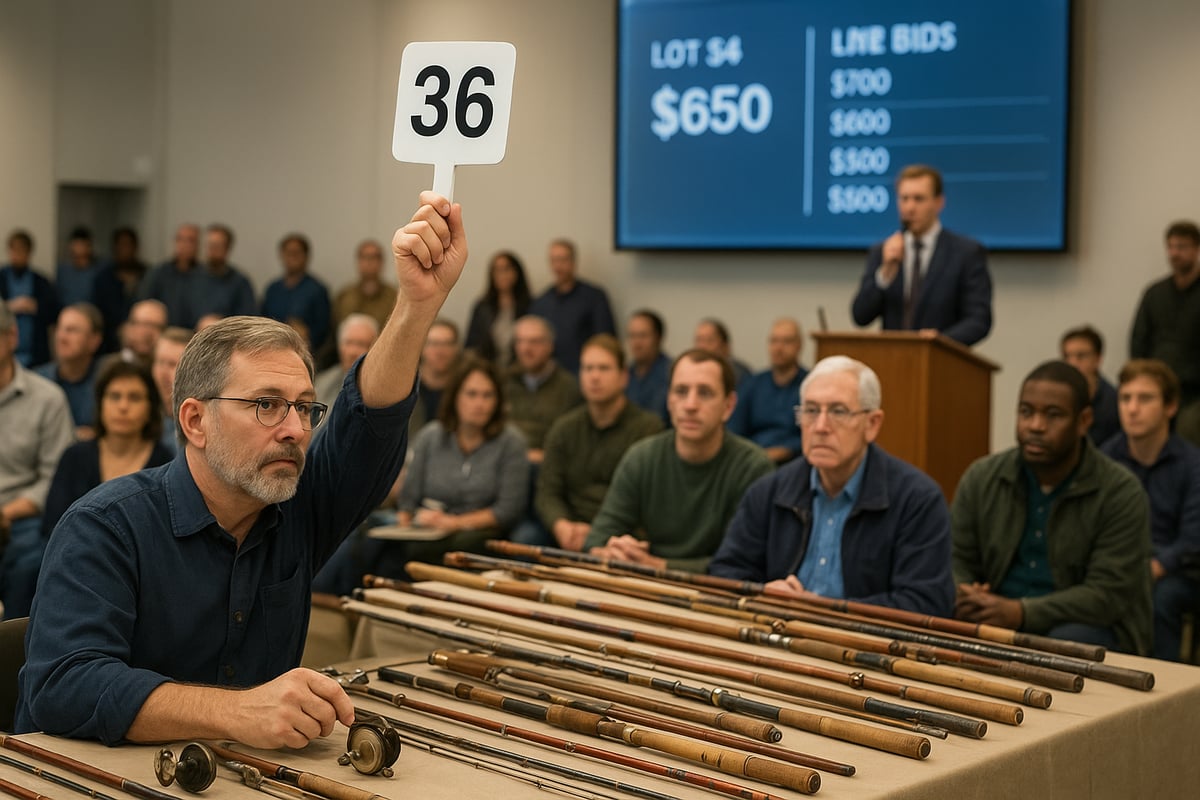
Over the past few years, fishing tackle auctions have shifted from traditional in-person gatherings to hybrid and fully online platforms. Global participation has increased, with cross-border bidding now commonplace. Technology is driving this evolution, introducing tools like live streaming, real-time bidding apps, and even AI-powered valuations.
Major auction houses report a 40 percent increase in online fishing tackle sales since 2023. This growth is also reflected in broader industry trends, as shown in Fishing Tackle Market Size and Trends, highlighting how digital transformation is reshaping the market.
Types of Auctions: Live, Online, Hybrid
Fishing tackle auctions in 2026 come in several formats: live, online, and hybrid. Live auctions offer the excitement of in-person competition, while online auctions provide convenience and access for global bidders. Hybrid auctions combine both, allowing remote and on-site participation.
| Auction Type | Pros | Cons |
|---|---|---|
| Live | Immediate action, social | Travel required, limited reach |
| Online | Global access, flexible | Less tactile, time zones |
| Hybrid | Best of both worlds | Complex logistics |
Platforms like eBay, Catawiki, and specialist auctioneers each have unique approaches, catering to different buyer needs.
What’s Typically Auctioned: Gear, Collectibles, and More
Fishing tackle auctions feature a broad spectrum of items. You will find rods, reels, lures, vintage tackle, and even commercial gear. Notable categories include limited editions, antique equipment, and rare finds prized by collectors.
Vintage tackle lots are especially popular, with auction listings for these items up 25 percent in 2025. The variety ensures that both casual anglers and serious collectors can discover something valuable.
- Rods and reels (modern and vintage)
- Lures and flies, including artisan and Japanese designs
- Antique tackle boxes and accessories
- Commercial fishing equipment
- Limited edition and commemorative items
Who Participates: Buyers, Sellers, and Collectors
Participants in fishing tackle auctions are diverse. Recreational anglers seek to upgrade equipment affordably. Professional fishers look for reliable backup gear. Collectors chase rare or nostalgic items, while resellers search for undervalued lots to flip for profit.
Motivations range from saving money to investing in appreciating assets. Stories abound of collectors uncovering hidden gems and later reselling them at significant gains. The community is vibrant, with networking opportunities at every turn.
- Recreational anglers
- Professional fishers
- Collectors and hobbyists
- Resellers and dealers
How Auctions Work: Registration to Final Sale
The process for fishing tackle auctions is straightforward but involves several steps. First, register with the auction house or platform, often requiring ID verification and sometimes a deposit. Next, preview available lots online or in-person to assess items of interest.
Bidding can be manual or automated, with each bid following set increments. Winners must pay promptly, usually within a specified window, and arrange for collection or shipping. For first-timers, it is crucial to read terms carefully, understand bidding rules, and follow auction etiquette.
Key Auction Terminology Explained
Understanding the language of fishing tackle auctions is vital for success. Key terms include:
- Reserve price: Minimum seller will accept
- Hammer price: Final winning bid
- Absentee bid: Bid placed before auction
- Lot: Group of items auctioned together
- Buyer’s premium: Extra fee added to the hammer price
These terms directly impact your bidding strategy and final costs, so familiarize yourself before participating.
Legal and Ethical Considerations
Legal and ethical issues play a significant role in fishing tackle auctions. Authenticity guarantees, return policies, and dispute resolution processes protect both buyers and sellers. Regulations may restrict the sale of items made from protected species or containing banned materials.
A recent legal case involved misrepresented vintage tackle, emphasizing the importance of due diligence. Always verify provenance, ensure compliance with laws, and prioritize ethical conduct to safeguard your investments in fishing tackle auctions.
Preparing for a Fishing Tackle Auction: Research and Strategy
Preparing for fishing tackle auctions requires a blend of research, strategy, and attention to detail. Whether you are a seasoned collector or a first-time bidder, understanding how to gather information, evaluate condition, set limits, and adopt effective tactics can make all the difference. This section provides a step-by-step approach to help you navigate fishing tackle auctions with confidence.

Researching Auction Catalogs and Previews
Success at fishing tackle auctions begins with thorough research. Start by accessing auction catalogs online or in print. These catalogs list all available lots, including descriptions, photographs, and estimated values. Carefully review item details and look for high-potential lots that match your interests or investment goals.
Compare catalog descriptions with external resources, such as price guides and manufacturer websites. Attending preview events, whether virtual or in-person, allows you to inspect items more closely and ask questions about provenance or condition. By cross-referencing catalog data with trusted sources, you position yourself to make informed decisions at fishing tackle auctions.
Evaluating Condition and Authenticity
Assessing the condition and authenticity of gear is crucial in fishing tackle auctions. Bring tools like a magnifier, flashlight, or reference books to inspect items for wear, repairs, or signs of forgery. Pay attention to original packaging, serial numbers, and makers' marks, which can indicate authenticity.
If you are unsure, seek opinions from experts or use third-party authentication services. Watch for red flags, such as undisclosed damage or inconsistent branding. Remember, a significant percentage of online buyers report condition issues after fishing tackle auctions, so diligence before bidding is essential.
Setting a Budget and Defining Limits
Establishing a clear budget is vital for responsible participation in fishing tackle auctions. Before bidding, calculate your maximum bid by factoring in the hammer price, buyer’s premium, shipping, and taxes. Use spreadsheets or dedicated auction tools to track your spending and avoid exceeding your limits.
Resist the urge to chase after items beyond your set budget. Pre-define your ceiling for each lot and stick to it, regardless of bidding excitement. This disciplined approach helps you enjoy fishing tackle auctions while protecting your finances and maximizing your investment.
Bidding Strategies: Proxy, Sniping, and Live Bidding
Selecting the right bidding strategy can greatly influence your success at fishing tackle auctions. Proxy bidding lets you set a maximum bid in advance, with the system automatically increasing your offer as needed. Sniping involves placing a bid in the final seconds, a popular tactic in online auctions. Live bidding, whether in-person or via livestream, requires quick decision-making and focus.
Each strategy has its pros and cons. For a deeper dive into effective tactics, consult guides like Bidding Strategies for Online Auctions. Adapting your approach to the auction format ensures you stay competitive and strategic at fishing tackle auctions.
Understanding Value: Market Trends and Price Guides
To gauge value in fishing tackle auctions, use recent sale prices, expert appraisals, and price guides. Researching past auction results helps you benchmark fair prices and spot undervalued lots. Pay attention to rising trends, such as increased demand for Japanese vintage lures or eco-friendly tackle.
Market reports and brand-specific data can reveal which items are appreciating. Staying updated on current trends ensures you recognize true value and avoid overpaying at fishing tackle auctions. Leverage online databases and auction archives for comprehensive market insights.
Networking with Sellers and Other Bidders
Building relationships within the fishing tackle auctions community can offer valuable advantages. Attend preview events, join online forums, and engage with sellers or other bidders to share information and tips. Networking often uncovers inside knowledge about upcoming lots or hidden gems.
Participating in social media groups dedicated to fishing tackle auctions can also expand your reach. These connections enhance your experience, provide leads on rare finds, and help you stay informed about future auction opportunities.
The Bidding Process: Step-by-Step Guide
Navigating fishing tackle auctions successfully means understanding each phase of the bidding process. Whether you are a first-timer or a seasoned participant, following a systematic approach can help you secure quality gear and avoid costly errors. Here is a comprehensive guide to ensure you move confidently from registration to after-sale support.

Step 1: Registering and Verifying Your Account
Before joining fishing tackle auctions, you must create and verify an account with your chosen auction platform. This step involves providing valid identification, proof of address, and sometimes a security deposit. Many platforms enforce bidding limits for new users to protect both buyers and sellers.
- Typical requirements include:
- Government-issued ID
- Email and phone verification
- Initial deposit or credit card authorization
For online fishing tackle auctions, prioritize platforms with strong security measures, such as two-factor authentication and encrypted payment gateways. Taking time to familiarize yourself with the interface and account settings reduces the risk of errors during live events.
Step 2: Inspecting Lots and Asking Questions
Once registered, browse the available lots and carefully review each item’s description and images. In fishing tackle auctions, condition and authenticity are critical factors influencing value. Attend virtual or in-person previews if available, and do not hesitate to request additional images or provenance documents from the auctioneer.
- Prepare questions about:
- Previous ownership or repairs
- Original packaging and documentation
- Notable wear, damage, or modifications
Experienced buyers in fishing tackle auctions often avoid costly mistakes by clarifying uncertainties before bidding. If a reel or rod’s history seems unclear, reaching out can reveal hidden issues or help confirm a rare find.
Step 3: Placing Bids—Methods and Timing
When it comes to placing bids in fishing tackle auctions, you have several strategies to choose from. Manual bidding lets you respond in real time, while automatic (proxy) bidding allows the system to bid on your behalf up to a set limit. For online events, sniping—placing a bid seconds before closing—can be highly effective, especially in competitive auctions. To learn more, review Auction Sniping Explained for a deeper dive into this tactic.
Monitor bid increments and remain aware of your maximum bid at all times. Bidding wars can escalate quickly, so discipline is essential. If you are new to fishing tackle auctions, it is wise to observe a few rounds before actively participating.
Step 4: Winning the Auction—What Happens Next
If you win a lot at fishing tackle auctions, the platform will notify you promptly with payment instructions. Review the invoice for details on the hammer price, buyer’s premium, taxes, and shipping charges. Most auction houses require payment within a specific deadline, typically by bank transfer, credit card, or secure online gateway.
- After payment, arrange for collection or insured shipping.
- For international purchases, confirm customs and import regulations beforehand.
Prompt communication with the auctioneer is key to a smooth transaction. If you encounter any issues regarding shipping or item condition, address them immediately for timely resolution.
Step 5: Handling Unsuccessful Bids
Not every attempt in fishing tackle auctions results in a win. If your bid is unsuccessful, consider joining waiting lists for unsold lots or inquire about after-auction offers. Some platforms allow relisting or provide opportunities to connect with sellers for future sales.
- Maintain polite communication with auction staff.
- Build relationships for advance notice on upcoming lots.
Persistence and networking can lead to valuable opportunities in future fishing tackle auctions, even if you do not win immediately.
Step 6: Record-Keeping and After-Sale Support
After participating in fishing tackle auctions, organize your purchase records, invoices, and any warranties provided. This documentation is vital for insurance, resale, or personal collection management. Many auction houses offer after-sale support, so do not hesitate to reach out with follow-up questions.
Maintaining accurate records ensures transparency and helps track the value of your fishing tackle auctions acquisitions over time.
Spotting Value: Expert Insights for Identifying Quality Tackle
Navigating fishing tackle auctions in 2026 requires sharp eyes and expert knowledge to distinguish ordinary gear from true treasures. Understanding what makes tackle valuable sets successful bidders apart, whether you are hunting for rare collectibles or premium equipment. The following insights will help you confidently assess auction lots and maximize your investment.
Key Features of Valuable Fishing Tackle
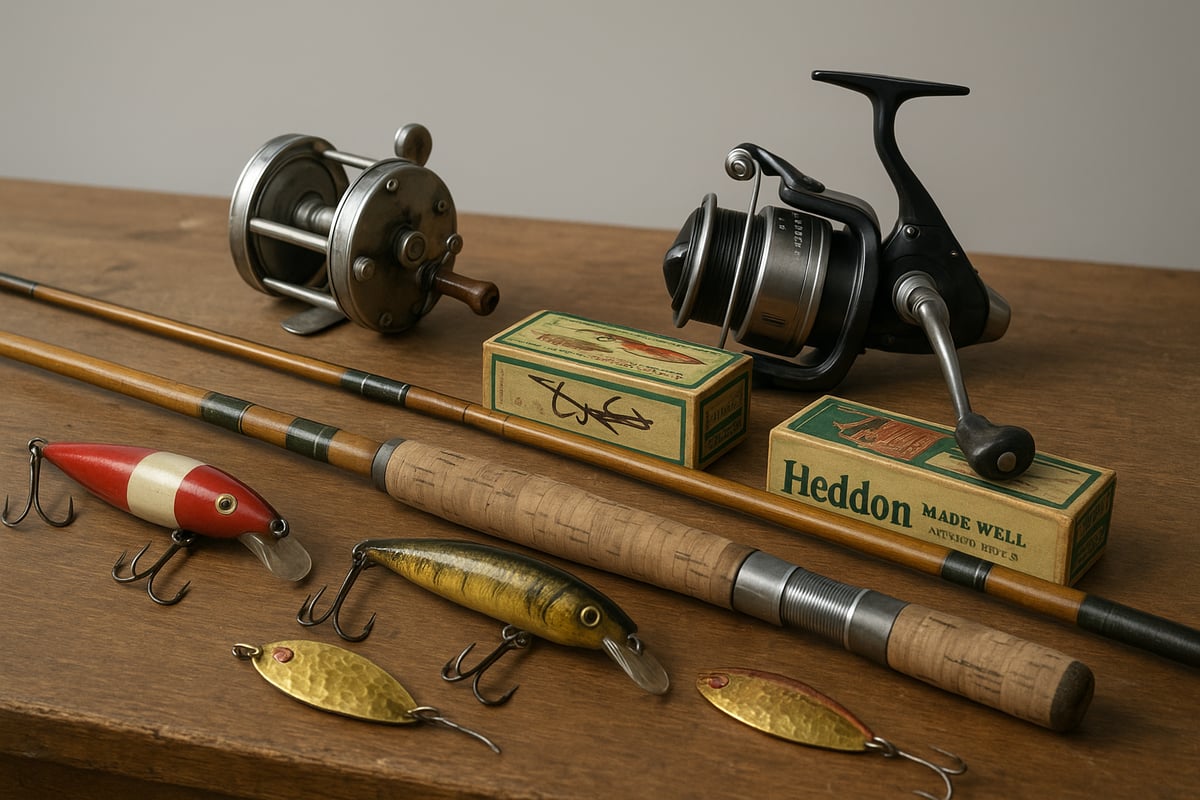
The most sought-after items at fishing tackle auctions share several key features. High grade materials like bamboo, carbon fiber, and nickel silver signal quality, while precise craftsmanship ensures lasting performance. Brand reputation matters too. Leading names such as Hardy, Abu Garcia, and boutique New Zealand makers consistently draw strong bids. Limited editions and discontinued models often command premium prices. If you are unfamiliar with top brands, consult top fishing equipment suppliers to guide your research and valuation.
Assessing Condition: Grading Scales and Common Issues
Condition plays a pivotal role in fishing tackle auctions. Auction houses use grading systems that range from "mint" to "poor" to describe rods, reels, and lures. "Excellent" graded items, free from corrosion, cracks, or missing components, attract the most attention. Issues like rust, bent guides, or faded paint can significantly reduce value. According to recent data, 60 percent of high-value lots graded "excellent" fetch up to 40 percent higher prices than those graded lower. Always examine auction descriptions closely and request additional photos if needed.
Authentication: Avoiding Fakes and Reproductions
Counterfeit tackle and skillful reproductions are an ongoing challenge in fishing tackle auctions. Common forgery techniques include re-stamping logos, repainting lures, or replacing original parts with replicas. To verify authenticity, use reference books, compare serial numbers, and seek expert opinions when possible. Third-party authentication services are invaluable for high-ticket items. A notable case in 2025 involved counterfeit vintage lures discovered at a major auction, emphasizing the importance of due diligence for every bidder.
Provenance and Documentation
Provenance can add significant value to fishing tackle auctions. Original packaging, paperwork, and documented ownership history boost both confidence and price. Items linked to renowned anglers, tournaments, or special events are especially desirable. For example, a reel with a certificate showing it belonged to a famous competitor can see its value multiply. Always ask for documentation, as genuine provenance is often the deciding factor between a good buy and a great investment.
Market Trends: What’s Hot in 2026
Staying current with market trends is crucial in fishing tackle auctions. This year, sustainable tackle and eco-friendly materials are in demand, with auction lots in this category up 35 percent since 2024. Limited editions and gear from local artisans are also trending. Japanese vintage lures, in particular, have seen average auction prices rise by 30 percent. Monitoring these shifts helps you target lots that are likely to appreciate in value over time.
When to Walk Away: Recognizing Overhyped Lots
Not every lot at fishing tackle auctions is a winner. Warning signs include aggressive marketing, vague or incomplete descriptions, and unusually high reserve prices. If details are unclear or provenance cannot be confirmed, exercise caution. Savvy bidders avoid emotional decisions by setting strict limits and walking away from overhyped items. Remember, patience and discipline are often your best tools for long-term auction success.
Navigating Auction Platforms and Tools
The landscape of fishing tackle auctions has transformed, with digital platforms offering global access, convenience, and a wealth of resources for buyers and sellers alike. Navigating these tools effectively is crucial for getting the best value and ensuring a secure, satisfying experience.
Overview of Leading Auction Platforms
A variety of online and hybrid platforms now dominate the fishing tackle auctions scene. Sites like eBay, Catawiki, and specialist auctioneers cater to different segments, from rare collectibles to everyday gear. Each offers unique interfaces and bidding processes, so comparing features is essential.
The best platforms provide detailed lot descriptions, high-quality images, and robust search tools. Seasoned bidders often research items using resources like Essential fishing equipment stores to benchmark value and authenticity before placing bids.
Platform Fees, Buyer’s Premiums, and Hidden Costs
Understanding the fee structure is vital when participating in fishing tackle auctions. Most platforms charge a buyer’s premium, averaging 18 percent in 2026, which is added to the hammer price. Additional costs may include registration fees, payment processing charges, shipping, and import taxes.
Before bidding, always calculate your potential total spend. Some platforms provide fee calculators or display estimated costs upfront, helping you avoid surprises after the auction closes. Being aware of these expenses ensures a more transparent and controlled auction experience.
Platform-Specific Features: Alerts, Watchlists, and Mobile Apps
Modern fishing tackle auctions platforms offer a suite of digital features designed to enhance participation and tracking. Setting up alerts for specific brands or models ensures you never miss desirable lots. Watchlists help organize and monitor items of interest, while mobile apps enable real-time bidding from anywhere.
These tools also support quick research on parts and condition, with resources like the Fishing parts and components guide offering valuable information for evaluating auctioned gear. Leveraging these features can give you a competitive edge.
Security and Buyer Protection
Security is a top concern for participants in fishing tackle auctions. Reputable platforms implement secure payment gateways, identity verification, and robust dispute resolution processes. Always check for platform ratings and user reviews to gauge reliability.
Buyer protection policies vary, but the best auction sites offer guarantees against misrepresentation and provide clear steps for resolving issues. Staying informed about platform safeguards reduces risk and builds confidence during bidding.
Tips for First-Time Online Bidders
For newcomers to fishing tackle auctions, preparation is key. Take advantage of practice auctions or demo accounts to familiarize yourself with the interface and bidding process. Read all terms and conditions carefully, paying attention to deadlines and bid retraction policies.
Avoid common mistakes, such as bidding beyond your budget or overlooking hidden fees. Engaging with community forums and attending virtual previews can also help you gain insights and avoid potential pitfalls, ensuring a rewarding auction experience.
Legal, Ethical, and Practical Considerations
Navigating fishing tackle auctions successfully requires understanding the legal, ethical, and practical factors that shape every transaction. Compliance with laws, upholding fair play, and making informed decisions help safeguard both buyers and sellers. Let’s break down these essential considerations so you can approach fishing tackle auctions with confidence.
Laws and Regulations Affecting Fishing Tackle Auctions
Every region imposes specific laws on fishing tackle auctions, especially when it comes to importing or exporting rare equipment. Items made with protected species components, such as ivory-inlaid handles or feathers from endangered birds, often require CITES documentation. Auctioneers must verify provenance and legality before listing these lots. Buyers should review regulations to avoid customs issues or legal disputes when bidding internationally. Staying informed about legal changes ensures compliance and preserves the integrity of fishing tackle auctions.
Ethical Bidding and Auction Conduct
Ethical conduct is crucial in fishing tackle auctions. Practices like shill bidding, where sellers or associates artificially inflate prices, and collusion between bidders undermine trust and fairness. Reputable auctioneers enforce strict codes of conduct and investigate irregular bidding patterns. If unethical behavior is suspected, participants should report it to the auction house for investigation. Maintaining high ethical standards supports a transparent marketplace and protects the reputation of fishing tackle auctions.
Returns, Refunds, and Dispute Resolution
Disputes can arise in fishing tackle auctions when items are misrepresented or damaged. Most auction houses publish clear policies outlining when refunds or returns are permitted. Buyers should review these terms before bidding to understand their rights. If a purchased item does not match its description, prompt communication with the auctioneer is vital. Documenting the issue and providing evidence can speed up dispute resolution, making the process smoother for all parties in fishing tackle auctions.
Insurance and Shipping for High-Value Purchases
Securing insurance for high-value items won at fishing tackle auctions is an important step. Many auction houses offer recommendations for trusted carriers and suggest using specialized packing materials. Insuring rare or fragile tackle protects buyers from loss or damage during transit. For international shipments, understanding customs requirements and choosing reputable shippers ensures safe and efficient delivery.
Environmental and Sustainability Considerations
Environmental responsibility is gaining ground in fishing tackle auctions. Some auctioneers now highlight lots that support conservation efforts or promote sustainable materials. When considering gear purchases, buyers increasingly look for brands committed to eco-friendly practices. For a deeper look at market trends and sustainable gear, Outdoor clothing and gear brands NZ offers valuable insights into emerging preferences in the auction scene. Supporting auctions that prioritize sustainability can help protect fisheries and aquatic habitats.
Record-Keeping and Tax Implications
Proper record-keeping is essential for anyone involved in fishing tackle auctions, whether for personal collections or resale. Buyers should save invoices, receipts, and shipping documents for each transaction. For resellers and investors, tracking purchases is critical for accounting and tax compliance. Many countries require reporting profits from auction sales, so consulting a tax professional ensures all obligations are met.
As you dive into the world of fishing tackle auctions and equip yourself with expert strategies for 2026, remember that having access to high quality gear is just as important as knowing how to spot value at auction. Whether you're bidding for rare finds or building your collection, you deserve equipment you can trust—gear backed by the reliability and expertise of New Zealand's leading manufacturer. If you're ready to take your angling to the next level, explore our comprehensive selection and secure what you need to succeed at your next auction or fishing trip. Buy Now