Fishing Tackle for Beginners Guide: Start Strong in 2026

Fishing Tackle for Beginners Guide: Start Strong in 2026

Ready to cast your first line but overwhelmed by all the gear? You are not alone. Fishing is an exciting and accessible hobby, perfect for beginners eager to connect with nature and learn a timeless skill.

Choosing the right fishing tackle for beginners can make all the difference. The right setup boosts your confidence and greatly increases your chances of landing your first catch.

Follow this guide to start strong in 2026. Here, you will find a step-by-step approach covering essential tackle, tips for choosing gear, setup instructions, maintenance advice, and proven strategies for beginner anglers.

Understanding Fishing Tackle: The Basics

Fishing is more than just a rod and reel. For those new to the sport, understanding fishing tackle for beginners is the first step toward success on the water. Tackle refers to the specific tools used to catch fish, including rods, reels, lines, hooks, sinkers, and floats. Unlike general fishing equipment like waders or nets, tackle is directly involved in presenting bait and hooking fish. The right choices can make the difference between a frustrating day and a memorable catch. If you want a comprehensive overview of essential items and their uses, Everything You Need To Start Fishing is a valuable resource for beginners.

Understanding Fishing Tackle: The Basics

What is Fishing Tackle?

Fishing tackle for beginners is the collection of tools designed to help anglers catch fish effectively. It includes essential items like rods, reels, lines, hooks, sinkers, and floats. Tackle is different from general equipment, which covers clothing, coolers, or accessories not directly used in fishing. For beginners, selecting the right tackle is crucial, as it affects casting distance, bait presentation, and hook-setting success. Making informed choices in fishing tackle for beginners can dramatically improve your experience and results.

Key Components of a Beginner’s Tackle Box

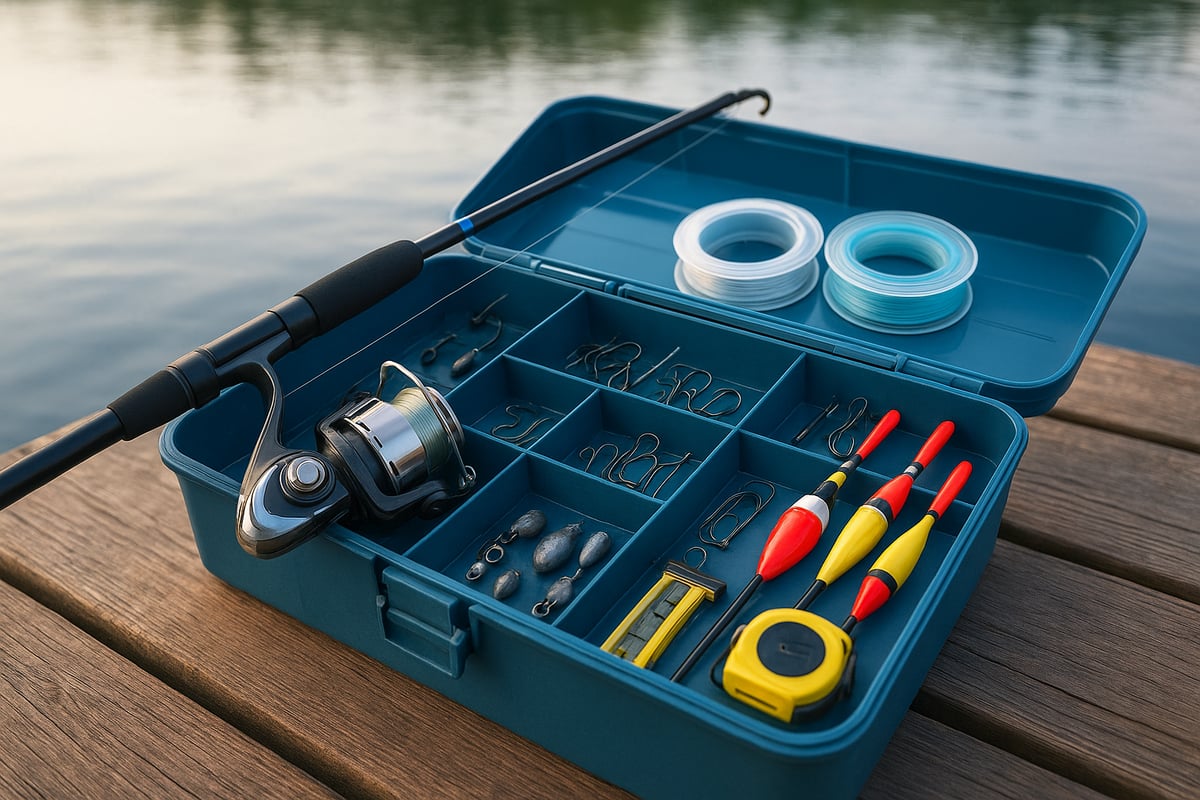
A well-stocked tackle box is vital for anyone starting with fishing tackle for beginners. Key components include:

  • Rods: Spinning rods are versatile and forgiving, baitcasting rods offer control, and telescopic rods are portable.
  • Reels: Spinning reels are easier for beginners, while baitcasting reels provide more precision but require skill.
  • Lines: Monofilament is affordable and stretchy, fluorocarbon is nearly invisible underwater, and braided lines are strong with low stretch.
  • Hooks: Choose sizes and shapes based on target species.
  • Sinkers/Weights: Help bait sink to the right depth; shapes and sizes vary.
  • Floats/Bobbers: Indicate bites and keep bait suspended.

Organizing your fishing tackle for beginners helps you stay ready and confident at the water’s edge.

Common Materials and Durability

Durability is a key factor when buying fishing tackle for beginners. Rods are made from graphite (lightweight and sensitive), fiberglass (strong and flexible), or composites combining both. Reels typically use aluminum for strength and graphite for lightness. Corrosion resistance is vital, especially for saltwater fishing, and regular rinsing prolongs gear life. Maintenance is simple: clean after use, dry thoroughly, and check for wear. Most entry-level fishing tackle for beginners lasts several seasons with basic care.

Tackle for Different Environments

The right fishing tackle for beginners depends on where you plan to fish. Freshwater tackle is generally lighter, suitable for lakes and rivers. Saltwater tackle must resist corrosion and handle larger fish, so it is usually heavier and made from robust materials. For example, lake fishing might need smaller hooks and lighter lines, while surf or pier fishing requires tougher rods and reels. Environmental factors like water salinity, current, and target species shape your tackle choices, making research essential before you buy fishing tackle for beginners.

Budgeting for Your First Tackle Setup

Starting with fishing tackle for beginners does not have to break the bank. In 2026, entry-level setups often range from $80 to $200 NZD, depending on brand and kit contents. Prioritize value over price; expensive gear is not necessary at first. Starter kits usually include a rod, reel, line, hooks, and a few accessories. Investing wisely lets you learn and upgrade as your skills grow. Remember, the best fishing tackle for beginners is reliable, easy to use, and fits your local fishing needs.

Step-by-Step: Choosing the Right Fishing Tackle for You

Choosing the right fishing tackle for beginners can feel daunting, but breaking it down step by step makes the process manageable and rewarding. Every angler starts somewhere, and the right approach ensures you invest wisely and enjoy early successes on the water.

Step-by-Step: Choosing the Right Fishing Tackle for You

Assessing Your Fishing Goals and Local Conditions

Start by clarifying your fishing intentions. Are you hoping to catch trout in a river, snapper along the coast, or panfish in a local lake? Knowing your target species shapes your choices for fishing tackle for beginners.

Research local water types, such as rivers, lakes, or ocean environments, as each presents unique challenges. Check regional regulations regarding licenses, size limits, and permitted equipment. For instance, trout fishing in rivers often requires lighter tackle, while coastal fishing for snapper in New Zealand benefits from sturdier gear. Understanding these basics helps you assemble a setup tailored to your goals.

Selecting the Perfect Rod and Reel Combo

The foundation of any fishing tackle for beginners is an appropriate rod and reel combination. Match the rod power and action to your target fish. Light to medium rods work well for most freshwater species, while heavier rods suit saltwater or larger fish.

Consider the reel size and gear ratio, as these affect casting distance and retrieval speed. Spinning combos are user-friendly for most beginners. For more detailed advice, see this guide on what fishing rod to buy NZ. Prioritize comfort and balance in hand, as this will boost your confidence and control on the water.

Picking the Right Fishing Line

Selecting the proper line is a key aspect of fishing tackle for beginners. Line strength, measured in pound test, should match your target species—light lines for small fish, heavier lines for larger catches.

Consider the visibility of the line, especially in clear or murky waters. Monofilament is versatile and forgiving, while fluorocarbon is nearly invisible underwater. Braided lines offer excellent strength but can be highly visible. Choose abrasion resistance if fishing around rocks or debris. Test different lines to find what feels best for your needs and local conditions.

Must-Have Tackle Accessories

A well-stocked tackle box is essential for fishing tackle for beginners. Equip yourself with a durable tackle box or organizer to keep gear sorted. Essential tools include pliers for removing hooks, scissors or line cutters for trimming line, and a fish-friendly net for safe handling.

Carry a measuring tape to ensure compliance with size regulations. Safety gear is equally important—pack polarized sunglasses, a wide-brim hat, and sunscreen to protect against the elements. These accessories help make every outing safer and more enjoyable.

Lures, Baits, and Hooks: What Works Best for Beginners

Choosing the right lures, baits, and hooks is crucial when building fishing tackle for beginners. Artificial lures, such as spinners and soft plastics, offer versatility for various species and conditions. Live bait, like worms or minnows, can increase your chances with reluctant fish.

Start with a small selection of proven lures and experiment as you gain experience. Use hook sizes that match your target species—smaller hooks for panfish, larger for bass or snapper. Practice simple baiting techniques to improve your success rate.

Where to Buy: Online vs. Local Tackle Shops

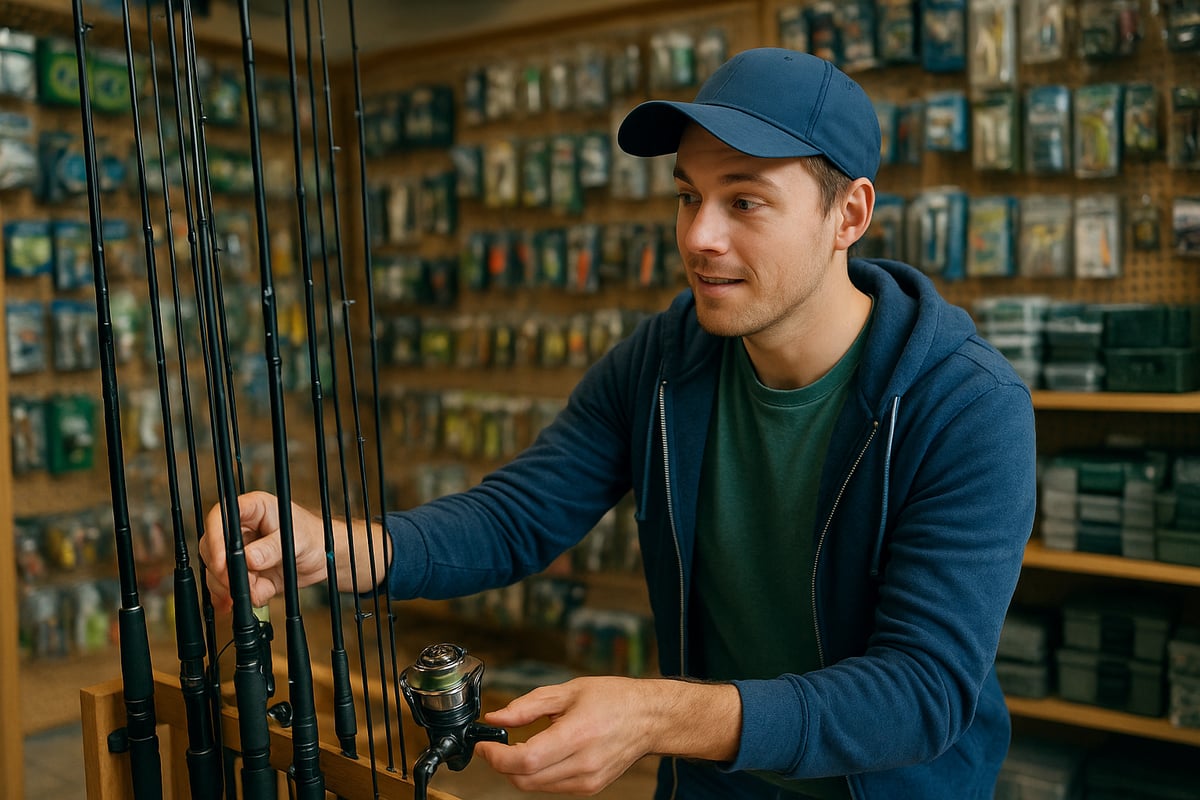
Finding reputable sources for fishing tackle for beginners is vital. Local tackle shops provide personalized advice and allow hands-on examination of gear. Staff can recommend setups suited to your region and fishing style.

Online retailers offer broader selection and often competitive prices, but check reviews and return policies before purchasing. Look for quality beginner bundles and beware of deals that seem too good to be true. Whether you shop in-store or online, prioritize reliability and customer support to ensure a smooth start.

Setting Up Your First Fishing Rig: A Beginner’s Guide

Ready to bring your fishing tackle for beginners to life? Setting up your first rig can seem daunting, but with clear steps and the right approach, you’ll be ready for the water in no time. This guide breaks down each stage so you can start fishing with confidence and keep your gear organized from day one.

Setting Up Your First Fishing Rig: A Beginner’s Guide

Unboxing and Assembling Your Gear

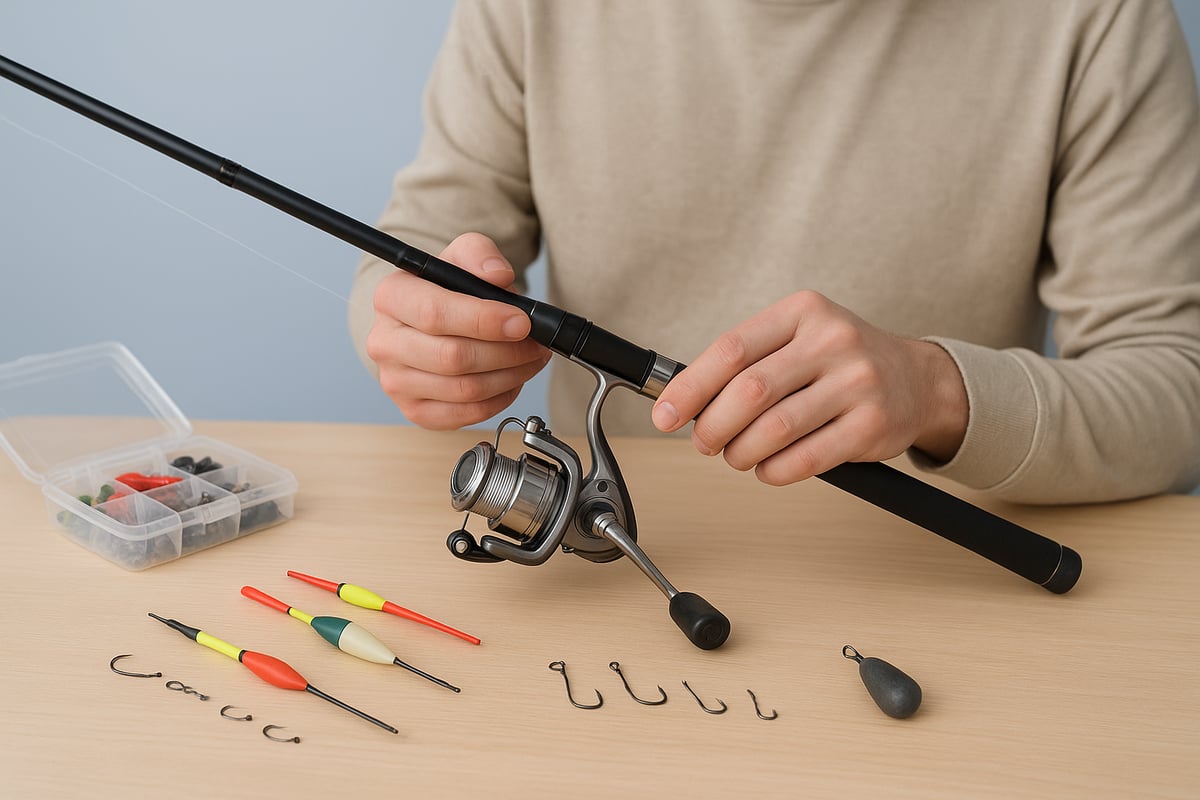
When you open your first box of fishing tackle for beginners, take a moment to lay out all the components. Identify the rod, reel, fishing line, and basic tackle items. Start by connecting the rod sections securely, making sure the guides line up.

Attach the reel to the rod’s seat, tightening it until it feels stable. Next, spool the line onto the reel, threading it through each guide from bottom to top. If you need help keeping everything tidy, explore the Fishing tackle storage boxes range for practical storage solutions.

Avoid forcing parts together or skipping guides, as these mistakes can lead to tangles or equipment damage. Take your time, and double-check each connection before moving on.

Tying Essential Fishing Knots

A solid knot is crucial for using fishing tackle for beginners effectively. Three knots stand out for ease and reliability: the improved clinch, Palomar, and loop knot.

  • Improved clinch knot: Ideal for tying hooks or lures.
  • Palomar knot: Strong and simple, great for most setups.
  • Loop knot: Provides lure movement, perfect for artificial baits.
Knot Name Use Case Strength
Improved Clinch Hooks, lures High
Palomar General connections Very High
Loop Knot Lures, movement Moderate

Practice tying each knot with your fishing tackle for beginners before heading to the water. Well-tied knots prevent lost fish and tackle.

Rigging Your Line for Success

Proper rigging is key when working with fishing tackle for beginners. Start by tying your chosen hook to the end of the line. Add a sinker about 30 centimeters above the hook to help your bait reach the right depth. If you’re using a float, attach it above the sinker to keep your bait suspended.

For a simple bobber rig:

  1. Tie the hook to the line.
  2. Add a split shot sinker.
  3. Attach the float above the sinker.

For bottom fishing, skip the float and use a heavier sinker. Always check your rig for secure knots and even weight distribution. This approach ensures your fishing tackle for beginners works efficiently in different environments.

Safety and Best Practices When Handling Tackle

Safety should always be a priority when dealing with fishing tackle for beginners. Wear sunglasses to protect your eyes from errant hooks. Use pliers to handle sharp hooks and scissors or line cutters for trimming excess line.

Store sharp items separately in your tackle box. Wash your hands after handling bait or fish. If you get a minor cut, clean it promptly and cover it with a bandage.

Remember, keeping your fishing tackle for beginners organized reduces accidents and makes your experience more enjoyable. Safe habits last a lifetime.

First Cast: Practicing in Safe Environments

Before heading to your chosen fishing spot, practice casting your fishing tackle for beginners in a park or backyard. Start with short casts to focus on accuracy, then gradually increase your distance.

Use a practice weight instead of a hook for safety. Pay attention to your stance and grip, aiming for smooth, controlled movements. Practicing in an open area helps you build confidence and muscle memory.

Regular practice ensures you’re comfortable with your fishing tackle for beginners and reduces frustration on the water. Mastering the basics now leads to greater success in your fishing adventures.

Essential Maintenance and Care for Your Tackle

Proper maintenance is the backbone of reliable fishing tackle for beginners. A little routine care will keep your gear performing smoothly and help avoid expensive replacements. Let’s explore how to clean, store, and upgrade your tackle, along with eco-friendly habits every new angler should adopt.

Essential Maintenance and Care for Your Tackle

Cleaning and Storing Your Gear

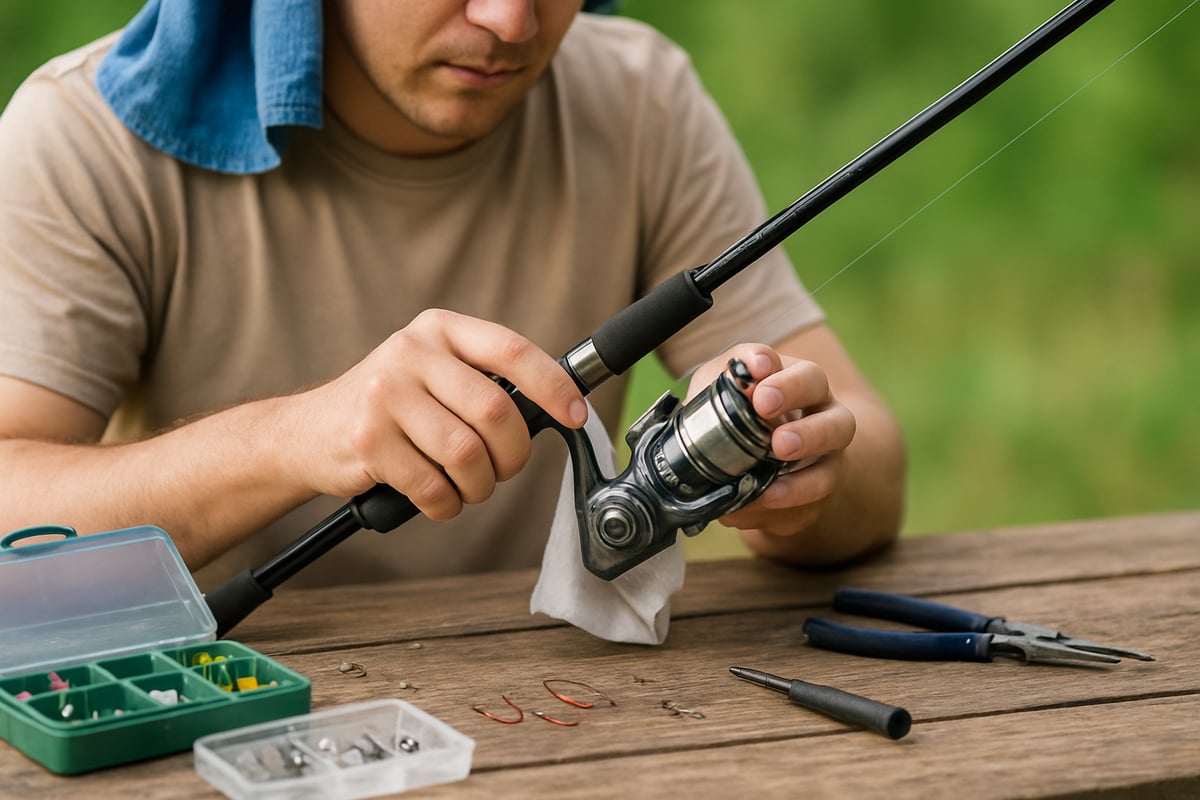
Keeping your fishing tackle for beginners in top shape starts with cleaning after every trip. Rinse rods and reels with fresh water to remove dirt and reduce corrosion, especially after saltwater use. Use a soft cloth to wipe down surfaces and dry everything thoroughly before storage.

Store rods upright in a rack or hang them to prevent warping. Reels should be loosened to relieve tension on gears. Tackle boxes must be organized and kept dry to avoid rust. For more on durable materials and gear longevity, check out the latest insights in Fishing Equipment Market Growth | CAGR 4.17% by 2034.

Preventing Common Tackle Problems

Avoiding common issues is straightforward with the right habits. Regularly inspect your fishing tackle for beginners for line tangles or fraying, and always check guides for nicks that can damage line. Keep reels lubricated using manufacturer-recommended oils.

To stop rust, dry all metal parts completely before storing and use silica gel packs in your tackle box. Address minor reel jams by cleaning and reassembling parts as instructed in the manual. Establishing these routines will keep your tackle working smoothly every outing.

When and How to Upgrade Your Tackle

As your skills grow, you’ll notice when your fishing tackle for beginners no longer meets your needs. Signs include frequent line breakage, unreliable drag on reels, or discomfort using your rod. Upgrading becomes necessary when your equipment limits your fishing style or target species.

Start by replacing only what’s essential, such as moving from a basic combo to a higher quality rod or reel. Assess your progress and fishing goals before making bigger investments. Gradually improving your setup ensures you get the best value as your experience expands.

Eco-Friendly Practices for Responsible Anglers

Caring for the environment is just as important as caring for your fishing tackle for beginners. Choose biodegradable fishing line and lead-free sinkers to reduce pollution. Dispose of old line, hooks, and plastics at designated recycling points or in proper containers.

Keep a small trash bag in your kit for waste. Support brands that prioritize eco-friendly materials and packaging. These habits help preserve waterways for future anglers and demonstrate responsible fishing from the start.

Beginner Fishing Tips and Strategies for Success in 2026

Starting your fishing journey can feel overwhelming, but with the right approach, you can quickly gain confidence and skill. This section breaks down essential strategies and practical tips, ensuring your experience with fishing tackle for beginners is both successful and enjoyable.

Understanding Fish Behavior and Seasonal Patterns

To get the most from your fishing tackle for beginners, learn how fish behave throughout the year. Fish activity changes with water temperature, weather, and season. For example, trout in New Zealand rivers are more active in spring and autumn when water is cool and oxygen levels are high. Snapper along coastal regions often feed closer to shore in warmer months.

Keep a close eye on local weather reports and fishing forecasts. Fish tend to bite more during low-light conditions, such as early morning or late evening. Understanding these patterns helps you plan trips when fish are most likely to be feeding, increasing your chances of success.

Reading Water and Locating Fish

Success with fishing tackle for beginners depends on knowing where to cast. Start by identifying features like submerged logs, rocks, weed beds, and drop-offs. These spots provide shelter and attract fish. Moving water, such as currents or eddies, often carries food and draws fish in.

Use maps and mobile apps to scout promising locations before you head out. Look for changes in water color or surface ripples, which can signal fish activity below. By consistently targeting high-potential spots, you make every cast with your fishing tackle for beginners count.

Casting Techniques for Beginners

Developing solid casting skills is crucial for anyone using fishing tackle for beginners. Start with the overhead cast, which is simple and effective for distance. The sidearm cast is useful in tight spaces, while the flipping cast allows accuracy in placing bait near structures.

Practice your casting in open areas, such as parks or backyards, before heading to the water. Focus on smooth, controlled movements rather than power. As your accuracy improves, you will be able to present your fishing tackle for beginners more naturally, which can lead to more bites.

Hooking, Playing, and Landing Your First Fish

Once you feel a bite, set the hook with a gentle yet firm upward motion. Avoid jerking too hard, as this can pull the hook out. With fishing tackle for beginners, it is important to keep steady pressure on the line while playing the fish, allowing it to tire before bringing it in.

Use a landing net or wet your hands before handling the fish to protect its slime coat. Handle fish carefully and release them quickly if you are practicing catch-and-release. Mastering these steps helps you make the most of every opportunity with your fishing tackle for beginners.

Staying Safe and Legal on the Water

Safety is a top priority when using fishing tackle for beginners. Always wear a life jacket if fishing near deep or moving water. Sun protection, including a hat, sunglasses, and sunscreen, is essential. Carry a basic first-aid kit for minor injuries.

Before fishing, check local regulations for licensing requirements and daily catch limits. These rules help maintain healthy fish populations and ensure you are fishing responsibly. By following safety and legal guidelines, you protect yourself and the environment while enjoying your fishing tackle for beginners.

Tracking Progress and Learning from Experience

Keep a fishing log or use dedicated apps to record your catches, weather, and water conditions. This habit helps you identify successful patterns and improve your skills over time. Joining local fishing clubs or online communities can connect you with other anglers and provide valuable support.

For extra guidance, explore resources like Essential fishing equipment stores to find reputable retailers and stay updated on gear recommendations. By tracking your progress and staying engaged, you will continue to grow your knowledge with fishing tackle for beginners.

Frequently Asked Questions About Beginner Fishing Tackle

Getting started with fishing tackle for beginners often comes with plenty of questions. Below, we answer the most common queries to help you make smart, confident choices on your angling journey.

How Much Should I Spend on My First Setup?

For most fishing tackle for beginners in 2026, expect to spend between $80 and $150 on a quality starter kit. This range covers a dependable rod, reel, line, and essential tackle. Prioritize reliability and versatility over brand names. Look for bundles that include basic gear, and only upgrade as your needs grow.

What’s the Easiest Tackle for Total Beginners?

The simplest option for fishing tackle for beginners is a pre-assembled spinning rod and reel combo with monofilament line. These kits are user-friendly and ideal for learning basic casting and retrieval. Choose setups labeled “ready to fish” to save time and avoid confusion. Simplicity helps build skills and confidence quickly.

Can I Use the Same Tackle for Freshwater and Saltwater?

While some fishing tackle for beginners works in both environments, saltwater demands corrosion-resistant materials. Using freshwater gear in saltwater can cause damage and reduce lifespan. Always rinse equipment after saltwater use, and check manufacturer guidelines for cross-compatibility before fishing in different waters.

How Do I Know When to Upgrade My Tackle?

Upgrade your fishing tackle for beginners when you notice consistent wear, missed catches, or feel limited by your current gear. Signs include fraying lines, stiff reels, or frequent tangles. As your technique improves or you target new species, consider gradually investing in specialized equipment to match your evolving goals.

What Are the Best Resources for Learning More?

Top resources for fishing tackle for beginners include online tutorials, local workshops, and reputable fishing forums. YouTube channels and guides like the Fishing lures, jigs and rigs guide offer hands-on demonstrations and tackle advice. Join fishing communities to exchange tips and accelerate your learning.

Should I Buy Used or New Tackle as a Beginner?

Buying new fishing tackle for beginners ensures reliability and warranty support, but quality used gear can be cost-effective. Inspect used items for rust, cracks, or missing parts before purchasing. If unsure, start with new gear for peace of mind, then explore second-hand options as you gain experience.

You’ve now got the essential knowledge to start your fishing journey with confidence, from understanding tackle basics to choosing the right setup for New Zealand’s unique waters. If you’re ready to put your new skills into practice and want gear that’s made for Kiwi conditions, why not take the next step? With Action Outdoors Limited’s reputation for top-quality, locally made fishing and marine equipment, you can trust you’ll be set for success. Explore the full range of beginner-friendly gear, get what you need, and start your adventure strong—Buy Now.

Leave a comment