跳至内容
Fishing Trace NZ: Complete Guide for 2026

Fishing Trace NZ: Complete Guide for 2026

Selecting the right fishing trace for New Zealand waters can make the difference between landing trophy fish and losing them to sharp teeth, rocky structure, or abrasion. Whether you're targeting kingfish in the Hauraki Gulf, snapper around the Poor Knights, or sharks off the Kaikoura coast, understanding trace materials, construction techniques, and local fishing conditions is essential for success. This comprehensive guide explores everything Kiwi anglers need to know about fishing trace nz options, from basic monofilament leaders to specialized wire rigs designed for the country's diverse marine environments.

Understanding Fishing Trace Materials

The foundation of any effective trace system begins with choosing appropriate materials for your target species and fishing environment. New Zealand waters present unique challenges that demand careful consideration of trace construction.

Monofilament Leader Options

Monofilament remains the most versatile choice for fishing trace nz applications, offering excellent knot strength and shock absorption properties. Standard monofilament provides memory-free performance ideal for casting applications, while fluorocarbon variants deliver superior abrasion resistance and low visibility underwater. The Asari Super Tough Trace exemplifies premium monofilament construction with enhanced durability for challenging conditions.

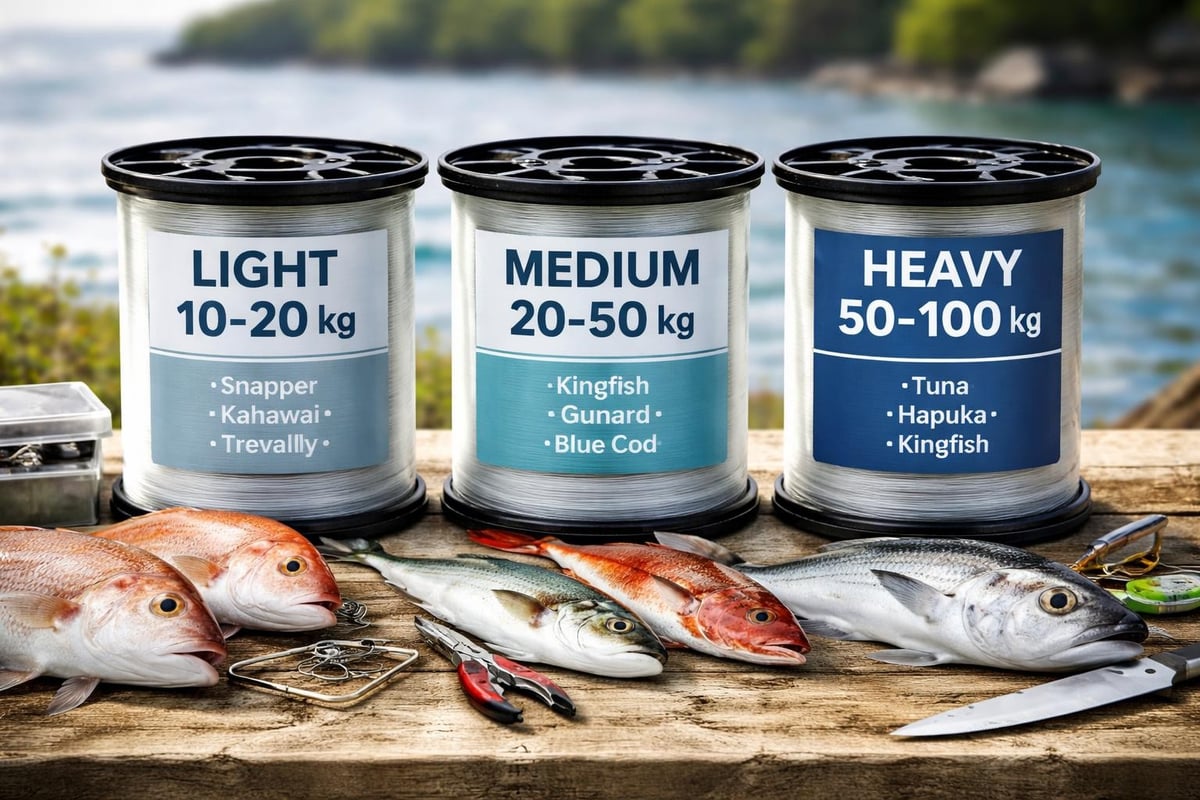
When selecting monofilament trace material, breaking strain determines suitability for different species. Light traces from 15-30lb suit school snapper and kahawai, while heavy traces from 80-200lb handle kingfish and larger predators. The relationship between line diameter and breaking strength directly impacts presentation quality and fish response.

Key monofilament characteristics include:

  • Flexibility for natural bait movement
  • Shock absorption during aggressive strikes
  • Knot strength retention across various configurations
  • UV resistance for extended lifespan
  • Abrasion resistance against reef structure
Monofilament trace materials comparison

Fluorocarbon Leader Benefits

Fluorocarbon technology represents a significant advancement in fishing trace nz development, particularly for structure fishing and wary species. The refractive index of fluorocarbon closely matches water, rendering it nearly invisible to fish while maintaining exceptional abrasion resistance. Products like Black Magic Tough Fluorocarbon demonstrate how specialized materials enhance presentation in clear water conditions.

The density of fluorocarbon causes it to sink faster than monofilament, which benefits bottom fishing applications and deep water jigging. This characteristic proves particularly valuable when fishing rocky pinnacles or targeting species holding tight to structure where vertical presentation matters.

Property Monofilament Fluorocarbon Wire
Visibility Moderate Very Low High
Abrasion Resistance Good Excellent Superior
Flexibility High Moderate Low
Shock Absorption Excellent Good Minimal
Cost per Meter Low High Moderate

Wire Trace Construction

Wire traces become essential when targeting toothy predators that can sever monofilament or fluorocarbon leaders instantly. Sharks, barracuda, and large kingfish with aggressive feeding behavior require the cutting resistance that only metal provides. The Halco Shark Trace offers ready-to-use configurations specifically designed for New Zealand's apex predators.

Single strand stainless steel wire provides maximum flexibility for lure action, though it kinks easily and loses strength after prolonged use. Multi-strand wire construction offers superior durability and resistance to kinking, making it preferable for live bait presentations where fish may twist during the fight.

Nylon-coated wire combines the best attributes of both materials, providing cutting resistance with reduced visibility. This hybrid approach works exceptionally well for kingfish that inspect baits carefully before committing to a strike.

Rigging Techniques for New Zealand Conditions

Proper trace construction determines both presentation quality and landing success rates when fishing diverse New Zealand environments. Regional techniques have evolved to address specific challenges presented by local species and conditions.

Live Bait Trace Configurations

Live bait fishing demands specialized trace setups that allow natural movement while providing adequate protection against toothy strikes. The Kingfish Live Bait Trace demonstrates professional-grade construction with appropriate hook sizing and leader strength for this demanding application.

Standard live bait trace components:

  1. Quality barrel swivel for main line connection
  2. 1.5-2 meters of 80-150lb monofilament or fluorocarbon
  3. 12/0-14/0 circle or J-hook depending on technique
  4. Optional split ring for hook attachment flexibility
  5. Crimped or knotted connections for maximum strength

Circle hooks have gained popularity for live bait fishing due to reduced gut hooking and improved hook-up ratios. The hook point orientation requires fish to turn away before setting occurs, typically resulting in secure corner-of-mouth placement that facilitates safe release practices.

Commercial Longline Trace Systems

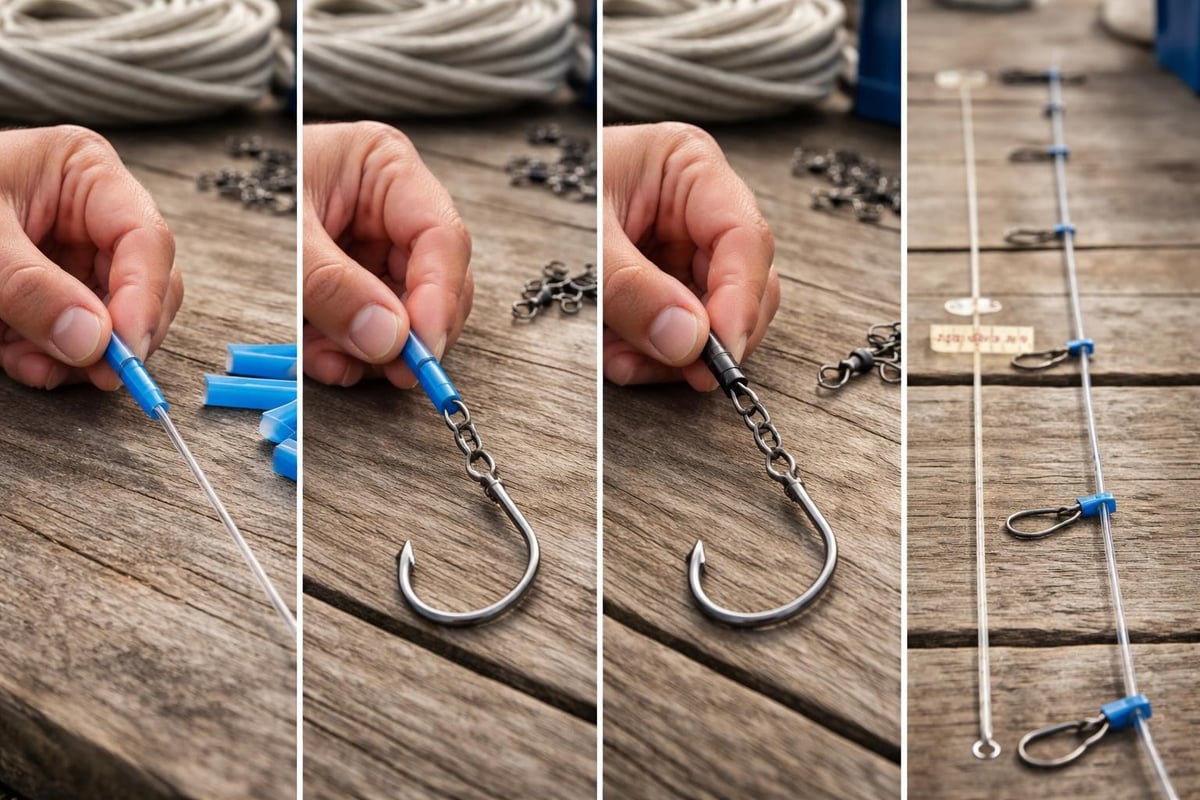
Commercial fishing operations require different trace configurations optimized for efficiency and durability across extended deployments. Longline traces with tubes prevent tangling during storage and deployment, critical factors when managing hundreds of hooks on a single mainline.

These specialized traces incorporate protective tubing that shields monofilament from abrasion while coiled for storage. The tube design allows individual traces to slide along the mainline without wrapping around adjacent traces, maintaining presentation quality throughout the soak time.

Trace spacing on commercial longlines typically ranges from 10-25 meters depending on target species and depth zones. Proper spacing prevents catch from one hook interfering with adjacent baits or caught fish.

Longline trace assembly diagram

Species-Specific Trace Requirements

Different New Zealand game fish demand tailored trace approaches based on feeding behavior, dentition, and typical habitat characteristics. Understanding these species-specific requirements optimizes both catch rates and fish welfare.

Snapper Trace Specifications

Snapper represent New Zealand's most popular recreational species, with trace requirements varying by fishing method and location. Structure fishing around reefs and pinnacles demands heavier traces (30-50lb) with superior abrasion resistance, while soft bottom fishing permits lighter configurations (15-25lb) that enhance bait presentation.

Trace length for snapper fishing typically ranges from 1-2 meters, providing adequate separation from mainline while maintaining direct contact for detecting subtle bites. Shorter traces benefit bottom bouncing techniques, while longer traces suit drift fishing applications where natural bait movement attracts strikes.

Kingfish Leader Systems

Kingfish present unique challenges that require robust trace construction capable of withstanding powerful runs and abrasive gill plates. Most successful kingfish traces utilize 80-200lb monofilament or fluorocarbon in 2-3 meter lengths, allowing fish to sound without immediate mainline exposure.

When live baiting for kingfish around structure, wire traces provide insurance against cutoffs from reef contact during extended fights. However, pure monofilament traces often generate more strikes due to superior flexibility and reduced visibility. Balancing these competing factors requires understanding local fishing pressure and fish behavior patterns.

Shark and Game Fish Traces

Large sharks and pelagic game fish demand the strongest trace materials available, typically heavy wire in 300-500lb test ranges. These traces must withstand not only teeth but also violent head shakes and prolonged battles that test every connection point.

The fishing trace nz market offers specialized shark traces with heavy-duty crimps, quality swivels rated for extreme loads, and forged hooks that resist straightening under massive pressure. Using memory-free monofilament line as shock leader material above wire traces provides additional security against unexpected equipment failure.

Local Fishing Conditions and Trace Selection

New Zealand's varied marine environments demand adaptive trace selection based on water clarity, current strength, bottom composition, and seasonal patterns. Regional knowledge informs material choices and rigging techniques.

Northern Waters Considerations

The upper North Island features warm currents, clear water, and structure-oriented species that inspect presentations carefully. These conditions favor fluorocarbon traces that balance invisibility with abrasion resistance necessary for reef fishing.

Strong tidal currents around headlands and channels require heavier trace materials that resist tangling and maintain proper bait positioning. Current strength directly influences trace diameter selection, with faster flows demanding stiffer materials that cut through water efficiently.

Southern Ocean Challenges

Colder southern waters present different challenges including aggressive species with sharp teeth and rocky bottom composition that destroys lighter traces quickly. Heavy monofilament and wire traces dominate these fisheries, where durability outweighs presentation concerns.

Depth fishing in southern regions often exceeds 100 meters, requiring traces that maintain strength under prolonged pressure and resist weakening from repeated loading cycles. Quality crimp construction becomes critical when targeting deep water species that test equipment limits.

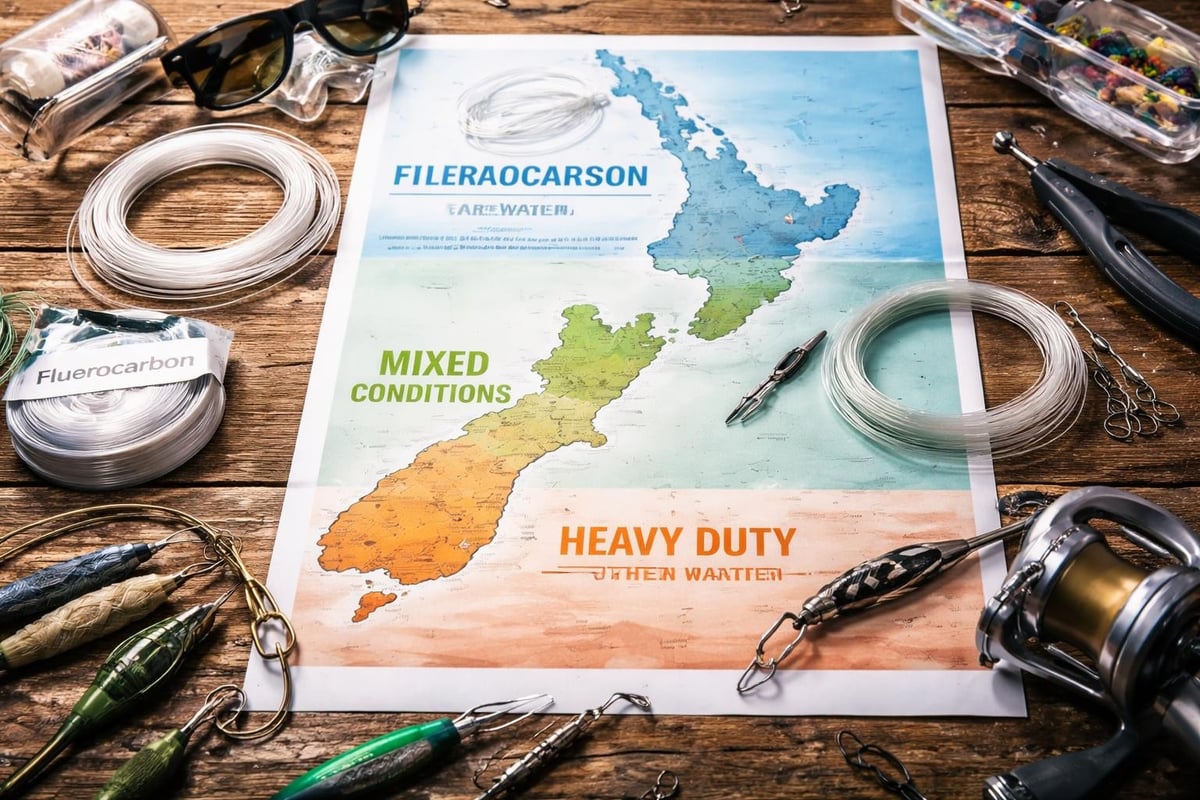
Regional trace selection map

Trace Assembly and Maintenance

Proper construction techniques and regular maintenance ensure fishing trace nz equipment performs reliably when trophy fish test your setup. Attention to detail during assembly prevents failures at critical moments.

Knot Selection and Tying

The connection points between trace and mainline, and trace and hook, represent potential failure points that demand proper knot selection. The improved Albright knot excels for joining different diameter monofilaments, while the Bristol knot provides superior strength for fluorocarbon-to-braid connections.

Recommended knots for trace fishing:

  • Improved Albright: Mainline to trace connection
  • Bristol Knot: Braid to fluorocarbon leader
  • Uni to Uni: Similar diameter monofilament joining
  • Palomar Knot: Hook to trace attachment
  • Surgeon's Loop: Creating trace loops for quick changes

Pre-wetting knots before tightening prevents heat friction that weakens monofilament and fluorocarbon materials. Saliva provides adequate lubrication, though some anglers prefer specialized knot lubricants for maximum strength retention.

Crimp Connection Standards

Crimped connections offer superior strength compared to knots when properly executed, particularly for heavy traces and wire leaders. Double crimping provides redundancy that prevents failure, with crimps positioned to distribute load evenly across the compression zone.

Quality crimping tools designed specifically for fishing applications ensure consistent compression without damaging trace material. Improper crimping crushes monofilament fibers or creates stress concentrations that fail under load. For commercial operations and serious recreational anglers, investing in professional crimping equipment pays dividends through improved reliability.

Regular Inspection Protocols

Fishing traces deteriorate through UV exposure, abrasion, and repeated loading cycles that weaken materials gradually. Establishing inspection routines before each fishing session identifies compromised traces before they cost you trophy fish.

Trace inspection checklist:

  1. Check for nicks or abrasions along entire length
  2. Examine knots for slippage or deformation
  3. Test crimps for secure attachment
  4. Verify swivel rotation remains smooth
  5. Replace any trace showing wear indicators

Maintaining a fishing trace nz inventory organized by breaking strain and material type facilitates quick replacements when damage occurs. Pre-rigging multiple traces before trips eliminates downtime and keeps you fishing productively. For comprehensive information on organizing your complete fishing setup, explore the essential fishing accessories that complement quality trace systems.

Professional vs. DIY Trace Construction

Deciding between purchasing pre-made traces or constructing custom rigs depends on fishing frequency, budget considerations, and desired customization levels. Both approaches offer distinct advantages for different angling situations.

Commercial Trace Benefits

Ready-to-use commercial traces provide consistent quality and save preparation time, particularly valuable for anglers who fish occasionally or prefer focusing effort on actual fishing rather than rigging. Manufacturers employ professional crimping equipment and quality control processes that ensure reliable performance.

Bulk purchasing commercial traces reduces per-unit costs while providing standardized configurations suitable for most fishing scenarios. This approach works well for charter operations and commercial fisheries requiring large quantities of identical traces. The online fishing tackle store at Action Outdoors offers extensive trace options for various applications.

Custom Rigging Advantages

Building custom fishing trace nz configurations allows precise tailoring to specific fishing situations and personal preferences. Component selection flexibility means choosing exactly the hook size, swivel strength, and leader length that matches your techniques.

Consideration Commercial Traces DIY Construction
Time Investment Minimal Moderate to High
Initial Cost Higher per Unit Lower Overall
Customization Limited Complete
Quality Control Professional User Dependent
Learning Curve None Moderate

Custom trace construction develops valuable skills that enable on-water repairs and modifications when fishing conditions change unexpectedly. Understanding how components interact improves overall fishing knowledge and problem-solving capabilities.

Seasonal Trace Adjustments

New Zealand's seasonal fishing patterns demand adaptive trace selection as species behavior and environmental conditions shift throughout the year. Strategic modifications optimize presentations for changing circumstances.

Summer Fishing Patterns

Warmer summer months bring increased water clarity and more selective fish behavior, favoring lighter fluorocarbon traces that maintain low visibility. Reduced visibility becomes particularly important when targeting snapper and kingfish in shallow water where fish inspect baits carefully.

Summer also concentrates baitfish schools that attract predators to specific zones, creating competitive feeding situations where presentation refinement matters less than rapid deployment. Heavier traces that sacrifice some stealth for durability allow aggressive fishing without constant retying.

Winter Conditions

Cooler winter water temperatures reduce fish metabolism and feeding aggression, requiring patient presentations with extended soak times. Traces must withstand prolonged exposure to structure without weakening, emphasizing durability over subtle presentation.

Winter fishing often targets deeper water where light penetration decreases and trace visibility matters less. This permits heavier monofilament configurations that provide superior abrasion resistance for bottom fishing around rocky structure.

Spawning Season Considerations

Many New Zealand species exhibit spawning aggregations during specific seasons, creating concentrated fishing opportunities that demand specialized trace approaches. Snapper spawning aggregations in spring and early summer gather around reefs and pinnacles where heavy traces prevent cutoffs.

Ethical fishing during spawning seasons requires traces that facilitate quick landings and gentle releases, minimizing stress on breeding populations. Circle hooks combined with appropriate leader strength enable efficient hook removal and rapid return to water.

Environmental Responsibility

Modern fishing trace nz practices incorporate environmental considerations that minimize ecological impact while maintaining fishing effectiveness. Responsible trace selection and disposal protect marine ecosystems for future generations.

Biodegradable Material Options

Traditional monofilament and wire traces persist in marine environments for decades when lost, creating entanglement hazards for wildlife. Some manufacturers now offer biodegradable monofilament alternatives that break down more rapidly, though performance characteristics may differ from conventional materials.

Minimizing trace loss through proper rigging techniques and strategic fishing decisions reduces environmental impact significantly. Using appropriate breaking strains prevents unnecessary cutoffs, while avoiding high-snag areas during adverse conditions preserves both gear and habitat.

Proper Disposal Practices

Discarded fishing line and trace material represent significant marine pollution sources that harm seabirds, marine mammals, and fish populations. Establishing collection routines for worn traces ensures proper disposal through recycling programs or waste management systems.

Many harbors and boat ramps provide dedicated fishing line recycling bins that collect monofilament for processing into useful products. Participating in these programs demonstrates environmental stewardship while removing hazardous materials from marine ecosystems.

Integration with Complete Fishing Systems

Fishing traces function as critical components within larger tackle systems that include rods, reels, mainline, and terminal tackle. Optimizing trace selection requires understanding how these elements interact to deliver effective presentations.

Mainline Compatibility

The transition point between mainline and trace represents a potential weak link that demands careful matching of materials and breaking strains. Braided mainlines paired with monofilament or fluorocarbon traces provide optimal sensitivity and shock absorption, with the trace buffering sudden loads that might break zero-stretch braid.

Maintaining appropriate breaking strain ratios ensures traces fail before mainline during snag situations, preserving expensive running line while sacrificing only the terminal tackle. Most experienced anglers configure traces at 50-80% of mainline breaking strain to achieve this protective function.

Rod and Reel Considerations

Trace performance depends partly on rod action and reel drag settings that control how force transmits through the system during fights. Softer rod actions provide additional shock absorption that protects lighter traces, while stiffer rods suit heavier traces designed for powerful hook sets.

Smooth, reliable drag systems prevent sudden loading spikes that stress trace materials beyond their limits. Quality reels with precise drag adjustment enable fine-tuning pressure application throughout fights, maximizing trace capabilities while minimizing failure risk. For comprehensive marine equipment options including quality reel systems, visit the marine equipment and boating gear section.

Advanced Techniques and Innovations

Progressive anglers continue developing specialized fishing trace nz techniques that address specific challenges and exploit emerging technologies. Staying current with these innovations provides competitive advantages on the water.

Tandem Hook Rigs

Tandem hook configurations incorporate two hooks on a single trace, increasing hooking probability with larger baits or targeting species that strike short. Proper spacing between hooks prevents tangling while covering adequate bait length.

These rigs work exceptionally well for slow-trolled live baits where kingfish may strike at the head or tail. The leading hook typically uses a larger size positioned near the bait head, while the trailing hook employs a smaller configuration near the tail section.

Breakaway Trace Systems

Innovative breakaway designs incorporate intentional weak points that separate during fights, preventing mainline loss when traces snag on structure. These systems employ lighter monofilament sections or specialized clips that release under predetermined loads.

While sacrificing some hooked fish, breakaway traces protect expensive mainline and enable continued fishing rather than losing entire rigs. The technique proves valuable when fishing extremely snaggy environments where traditional approaches result in frequent cutoffs.


Selecting and rigging proper fishing traces significantly impacts success rates across New Zealand's diverse fishing environments, from shallow reef systems to deep offshore grounds. Understanding material properties, construction techniques, and species-specific requirements enables anglers to optimize presentations while minimizing equipment failures. As New Zealand's largest fishing net manufacturer, Action Outdoors Limited provides comprehensive marine equipment including quality ropes, floats, and fishing accessories that complement professional trace systems. Whether you're outfitting commercial operations or upgrading recreational gear, their extensive inventory and New Zealand-made quality ensure you have the right equipment for challenging Kiwi waters.

上一篇文章 Sinker Moulds NZ: Complete Guide for Kiwi Anglers 2026
下一篇文章 Fishing Beads NZ: Complete Guide for Anglers in 2026

发表评论

*必填栏