Small Fishing Kits: Essential Compact Gear for 2026
Compact fishing solutions have revolutionized how anglers approach their craft, whether for recreational outings, emergency preparedness, or community-based operations. Small fishing kits provide the essential tools needed for successful fishing while maintaining portability and ease of use. For fisheries across New Zealand and the Pacific Islands, these streamlined setups offer practical advantages that align with both traditional fishing methods and modern efficiency requirements. Understanding what makes an effective small fishing kit can enhance your fishing success while reducing unnecessary equipment bulk.
Core Components of Small Fishing Kits
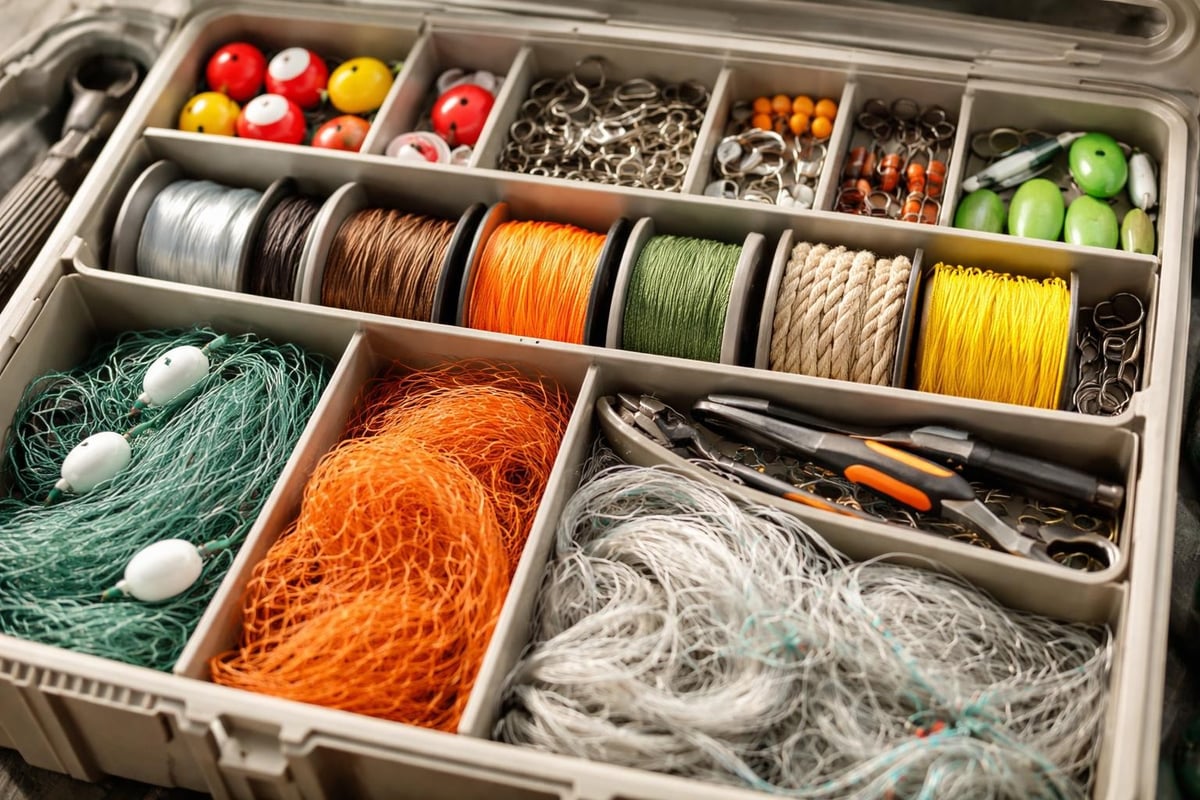
Building an effective small fishing kit requires careful selection of multipurpose items that deliver maximum functionality within minimal space. The foundation of any compact fishing setup starts with the right combination of netting materials, lines, and accessories.
Essential netting components form the backbone of small fishing kits for commercial and community applications. Quality mesh materials, properly sized for target species, ensure successful catches without requiring extensive storage space. When sourcing fishing net accessories, focus on items that serve multiple functions and can withstand harsh marine environments.
Line and Cordage Selection
The selection of appropriate lines and ropes dramatically impacts kit efficiency and storage requirements:
- Monofilament lines in multiple test weights (10-30 lb range)
- Braided cordage for durability and minimal stretch applications
- Spare leader material for quick repairs and replacements
- Marine-grade rope suitable for various netting configurations
Floats and weights complete the functional trio for netting applications. Compact float designs maximize buoyancy while minimizing storage volume. Modern synthetic floats resist degradation from UV exposure and saltwater, making them ideal for small fishing kits intended for extended deployment periods.

Specialized Small Fishing Kits for Different Applications
Different fishing scenarios demand tailored kit configurations. Understanding these variations helps anglers and fisheries optimize their compact setups for specific environments and target species.
Survival and Emergency Kits
Survival-oriented small fishing kits prioritize lightweight, durable components that function in challenging conditions. Survival fishing kits demonstrate the minimalist approach needed for emergency preparedness, where every gram counts.
Key characteristics of survival fishing configurations include:
- Compact hooks in assorted sizes (typically #6 through #12)
- Rolled monofilament line (25-50 yards of 10-15 lb test)
- Split shot weights or small lead-free sinkers
- Swivels and snap connectors for versatile rigging
- Small floats or bobbers for various presentation techniques
Storage solutions for survival kits emphasize waterproof containers that protect gear from moisture and impact. Watertight tins, compact tackle boxes, or sealed bags maintain equipment readiness during extended storage periods. According to discussions on fishing gear in survival kits, the practical effectiveness of these setups depends heavily on proper component selection and user familiarity with basic fishing techniques.
Community and Recreational Configurations
Small fishing kits designed for recreational use or community fishing programs balance portability with versatility. These setups accommodate multiple fishing methods while remaining manageable for transport to various fishing locations.
| Kit Type | Primary Components | Weight Range | Ideal Use Cases |
|---|---|---|---|
| Recreational Compact | Basic tackle, 2-3 rod setups, mesh bag | 5-8 kg | Shore fishing, kayak trips |
| Community Starter | Shared tackle, educational materials, nets | 8-12 kg | Group programs, youth fishing |
| Commercial Mini | Specialized nets, repair supplies, floats | 10-15 kg | Small-scale operations, sampling |
The rise of minimalist fishing gear reflects a broader trend toward intentional equipment selection. This philosophy aligns perfectly with small fishing kits, where every item must justify its inclusion through functionality and frequency of use.
Optimizing Storage and Organization
Effective organization transforms a collection of fishing components into a truly functional small fishing kit. Strategic storage solutions enable quick access to needed items while protecting delicate equipment from damage during transport.
Container Selection Strategies
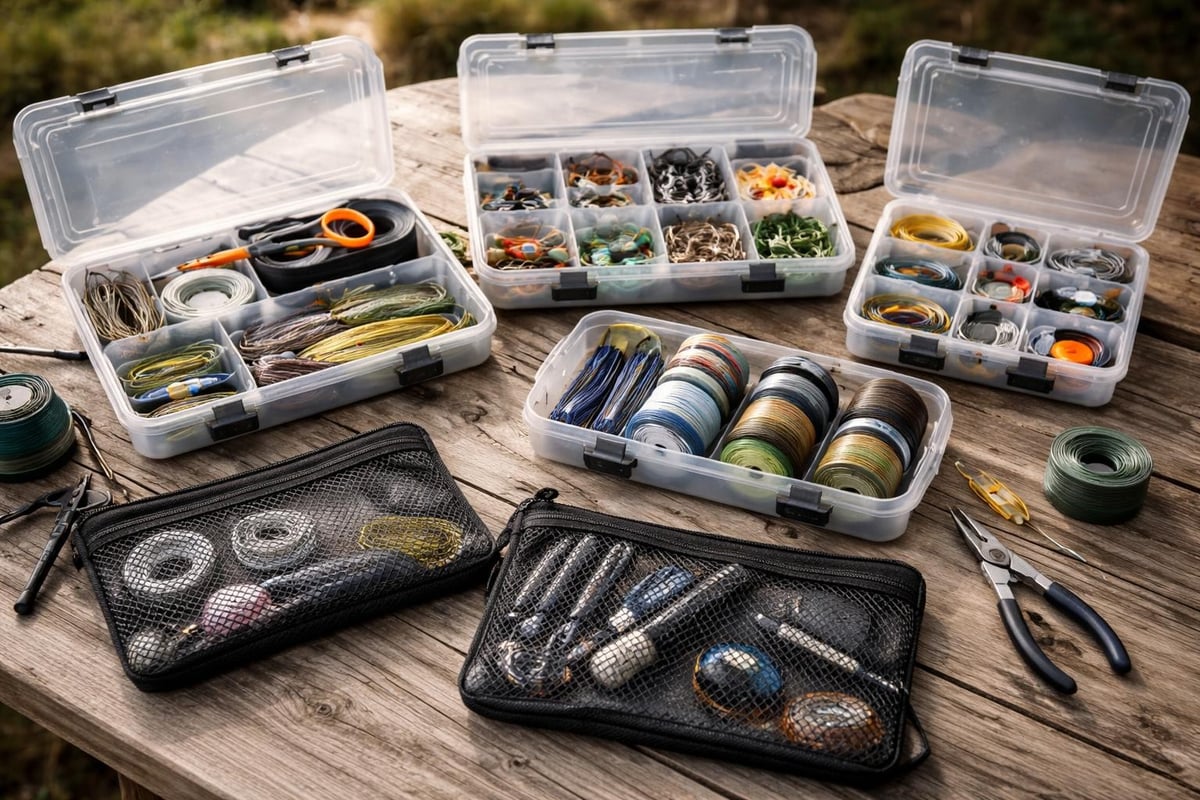
Waterproof containers serve as the first line of defense against moisture and environmental exposure. Hard-sided cases provide impact protection for fragile items like hooks and small floats, while soft-sided bags offer flexibility for irregularly shaped netting materials.
Modern small fishing kits benefit from modular storage approaches:
- Segmented tackle trays separate hooks, swivels, and weights by size
- Mesh pouches contain netting materials while allowing drainage
- Zippered compartments organize lines and leaders by test weight
- External attachment points secure bulkier items like floats and rope bundles
Visual identification systems streamline equipment selection during fishing operations. Color-coded containers, clear labeling, and logical grouping of similar items reduce time spent searching for specific components. This organizational efficiency proves particularly valuable during limited fishing windows or when weather conditions demand rapid deployment.

Weight Distribution and Balance
Proper weight distribution prevents equipment damage and facilitates comfortable transport. Position heavier items like weights and rope coils at the bottom of containers, with lighter materials like netting mesh and floats toward the top. This configuration maintains stability and prevents crushing of delicate components.
For anglers maintaining small fishing kits as part of broader equipment inventories, integration with existing float fishing kits creates comprehensive fishing solutions. The complementary nature of these systems allows seamless transitions between different fishing methods without requiring complete equipment changes.
Assembly and Customization Guidelines
Building small fishing kits from individual components offers significant advantages over pre-packaged solutions. Custom assembly ensures every item addresses specific fishing requirements while eliminating redundant or unnecessary gear.
Component Selection Process
Start with target species identification. Different fish require specific hook sizes, line strengths, and netting configurations. Pacific Island fisheries targeting reef species need different specifications than New Zealand coastal operations pursuing flounder or mullet.
The selection process follows this systematic approach:
- Identify primary target species and their typical sizes
- Determine fishing methods (netting, hook-and-line, combination approaches)
- Select appropriate mesh sizes for netting applications
- Choose line weights that match target species fighting characteristics
- Include backup components for field repairs and replacements
Budget considerations significantly influence kit composition. Resources like the complete fishing tackle kit guide provide frameworks for balancing cost and functionality. For small fishing kits, prioritize quality over quantity, as reliable components perform better and last longer than numerous inferior items.
Quality Assurance for Net Components
When incorporating netting materials into small fishing kits, quality directly impacts fishing success and longevity. Commercial fishing nets manufactured in New Zealand demonstrate the durability standards necessary for demanding marine environments.
Testing procedures validate kit readiness before deployment:
- Inspect mesh integrity for breaks, weak points, or manufacturing defects
- Verify float buoyancy under loaded conditions
- Test line breaking strength through controlled tension applications
- Check hardware functionality including swivels, clips, and connectors
Regular maintenance schedules extend the operational life of small fishing kits. Rinse all components with fresh water after saltwater exposure, dry netting materials thoroughly before storage, and replace worn items proactively rather than waiting for field failures.
Integration with Broader Fishing Operations
Small fishing kits function most effectively when integrated into comprehensive fishing strategies. These compact solutions complement larger equipment inventories and provide backup capabilities during primary equipment failures.
Commercial Applications
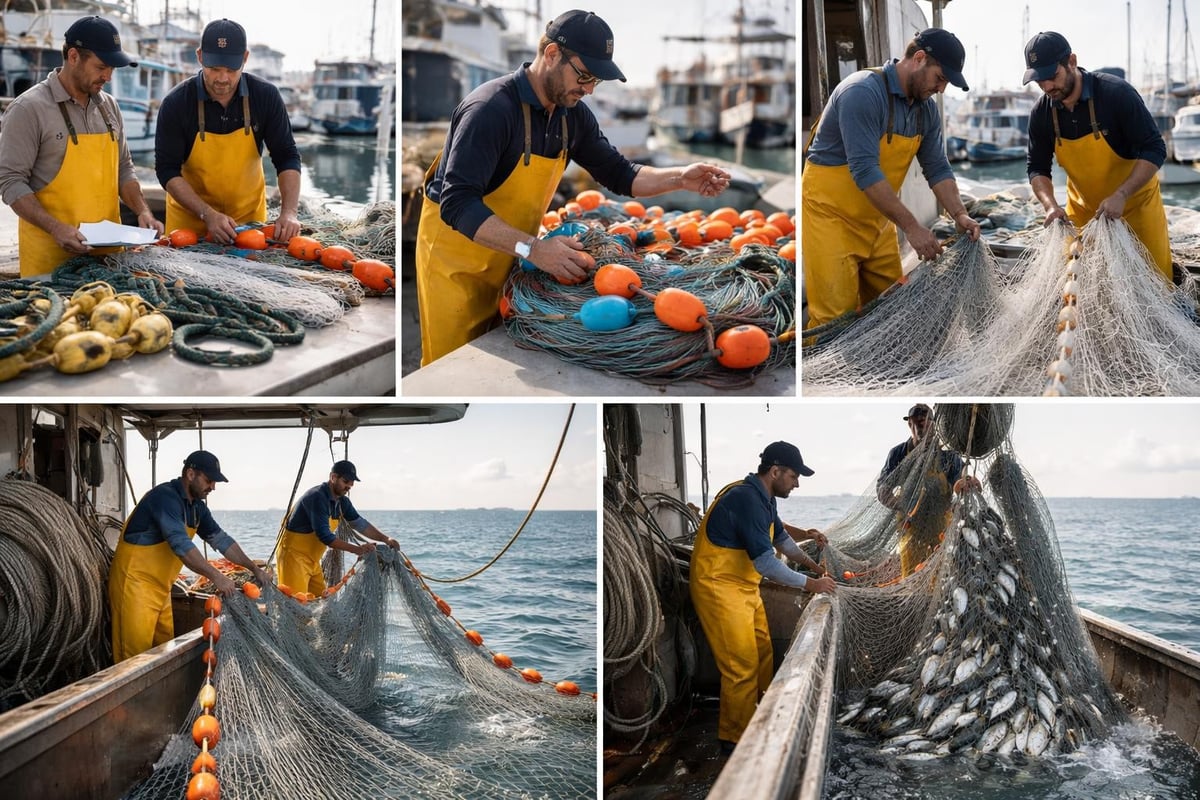
Commercial fisheries across New Zealand and Pacific Island markets utilize small fishing kits for specialized applications that don't justify full-scale net deployment. These scenarios include:
Sampling operations where small mesh configurations target specific size classes for population assessments. Compact netting solutions enable rapid deployment and retrieval without requiring extensive crew resources or vessel modifications.
Bait collection activities benefit from portable netting gear that teams can deploy quickly in productive areas. Small fishing kits configured for baitfish capture typically include fine mesh materials appropriate for species like herrings or piper, available through suppliers offering small mesh fishing nets.
Emergency backup systems ensure fishing operations continue when primary equipment sustains damage. Compact repair supplies, spare netting sections, and replacement components within small fishing kits minimize downtime and maintain productivity.
| Application Type | Kit Configuration | Deployment Time | Typical Catch Volume |
|---|---|---|---|
| Population Sampling | Fine mesh, multiple sizes | 15-30 minutes | 5-20 kg |
| Bait Collection | Targeted mesh, quick-release | 10-20 minutes | 10-30 kg |
| Backup Operations | Versatile components | 20-40 minutes | Variable |
Recreational and Educational Use
Educational programs introducing fishing to new participants benefit tremendously from well-designed small fishing kits. These setups reduce initial investment barriers while providing complete functionality for learning basic fishing techniques. Programs like those offering kid-friendly kits demonstrate how simplified equipment configurations enhance learning outcomes and participant enjoyment.
Community fishing initiatives throughout Pacific Island nations rely on accessible, affordable fishing gear. Small fishing kits assembled with locally available materials and regionally appropriate specifications support sustainable fishing practices while respecting traditional knowledge and methods.

Maintenance and Field Repair Strategies
Maintaining small fishing kits in functional condition requires systematic inspection routines and field-repairable designs. Proactive maintenance prevents equipment failures during critical fishing operations and extends overall kit longevity.
Preventive Maintenance Protocols
Post-use cleaning procedures form the foundation of effective kit maintenance. Saltwater, algae, and organic matter accelerate degradation of netting materials and metal components. Thorough rinsing with fresh water immediately after fishing operations prevents corrosion and material breakdown.
Drying protocols vary by component type:
- Netting materials require complete air drying spread flat or hung to prevent mildew
- Metal hardware benefits from dry storage with moisture-absorbing packets
- Lines and cordage should dry under slight tension to prevent kinking
- Floats need inspection for water intrusion before storage
Quarterly inspection schedules identify wear patterns before they compromise functionality. Check mesh for abrasion or tears, test float integrity, examine line for fraying, and verify hardware operation. Documentation of inspection findings helps track component lifecycle and plan replacement timing.
Field Repair Capabilities
Incorporating repair supplies within small fishing kits enables on-site fixes that prevent fishing trip interruptions. Essential repair items occupy minimal space while providing significant functional insurance.
Basic repair kit components include:
- Spare netting mesh in primary sizes used
- Netting needles and twine for mesh repairs
- Replacement floats for damaged units
- Spare line segments in common test weights
- Hardware assortment including hooks, swivels, and weights
Knowledge of net construction and repair tips proves invaluable when field conditions demand immediate equipment fixes. Simple repairs like reattaching floats, mending small mesh tears, or replacing broken swivels require minimal time investment while dramatically extending fishing capabilities.
Seasonal Adaptations and Regional Variations
Small fishing kits require periodic adjustments to remain effective across changing seasons and diverse geographic regions. Understanding these variables ensures consistent fishing success regardless of environmental conditions.
Climate-Specific Considerations
Tropical environments demand UV-resistant materials and accelerated maintenance schedules. Higher temperatures and intense sunlight degrade synthetic materials faster than temperate conditions. Small fishing kits deployed in Pacific Island fisheries benefit from regular component rotation and proactive replacement of UV-exposed elements.
Winter fishing operations in cooler New Zealand waters present different challenges. Cold temperatures affect line flexibility and float buoyancy characteristics. Small fishing kits optimized for winter use incorporate cold-weather materials that maintain performance despite temperature extremes.
Saltwater versus freshwater applications require distinct material selections. Saltwater accelerates corrosion and material degradation, necessitating more robust construction and more frequent replacement cycles. Freshwater small fishing kits can utilize lighter-weight components with extended service lives.
Species-Specific Configurations
Target species dictate specific small fishing kit configurations. Research from NOAA Fisheries on recreational angler information sources highlights how anglers increasingly seek specialized knowledge for specific fishing scenarios.
Reef fishing configurations common in Pacific Island applications require:
- Heavier line weights (20-40 lb test) for abrasion resistance
- Stronger hooks sized #2/0 through #6/0
- Specialized floats for current and wave conditions
- Mesh configurations appropriate for target reef species
Coastal netting operations targeting species like mullet or flounder utilize different specifications. These small fishing kits emphasize mesh size optimization, appropriate float spacing, and lead line configurations that maintain bottom contact. Suppliers offering specialized equipment like mullet nets provide regionally appropriate specifications for these applications.
Advanced Configuration Strategies
Experienced anglers and commercial operators develop sophisticated small fishing kit configurations that maximize versatility while maintaining compact form factors. These advanced setups incorporate lessons learned from extensive field experience and regional fishing knowledge.
Multi-Method Integration
Hybrid kits combine netting components with hook-and-line gear, creating comprehensive fishing solutions within compact packages. This integration enables opportunistic fishing across diverse scenarios without requiring equipment changes.
Strategic component selection for multi-method small fishing kits includes:
- Convertible netting systems that reconfigure for different target species
- Universal line weights suitable for both netting and rod applications
- Multipurpose floats adaptable to various deployment methods
- Combination terminal tackle serving both passive and active fishing techniques
Modular designs facilitate rapid kit reconfiguration based on immediate fishing opportunities. Separate, self-contained modules for different fishing methods snap together when comprehensive capabilities are needed, or deploy independently for specialized applications.
Technology Integration
Modern small fishing kits increasingly incorporate technological enhancements that improve fishing success without significantly increasing weight or bulk. GPS markers track productive fishing locations, while compact fish finders identify target species concentrations. These tools complement traditional netting and line fishing methods represented in specialized equipment categories.
Digital documentation systems photograph catch data, environmental conditions, and successful configurations. This information feeds continuous improvement cycles that refine small fishing kit contents based on actual performance data rather than assumptions.
For operators staying current with fishing industry developments, resources covering exciting new fishing innovations identify emerging technologies suitable for compact fishing applications. Selective adoption of proven innovations enhances small fishing kit effectiveness without compromising the portability that defines these systems.
Supply Chain and Sourcing Considerations
Assembling effective small fishing kits requires access to quality components from reliable suppliers. Supply chain considerations particularly impact operations in remote Pacific Island locations where component availability and delivery logistics present unique challenges.
Component Sourcing Strategies
Local suppliers offer advantages including reduced shipping times, easier warranty claims, and better understanding of regional fishing requirements. New Zealand-based manufacturers providing fishing net parts and supplies enable custom kit assembly with components proven in local conditions.
Bulk purchasing reduces per-unit costs for commonly used items. Community fishing programs and commercial operations benefit from volume discounts on hooks, line, and netting materials. Coordination among multiple users creates purchasing power that individual small fishing kit builders cannot achieve alone.
Quality certification ensures components meet performance standards appropriate for intended applications. Established suppliers maintain consistent quality control, reducing the risk of equipment failures during critical fishing operations.
Export and Regional Distribution
Pacific Island fisheries frequently source small fishing kit components through regional distribution networks. Understanding export regulations, shipping restrictions, and customs requirements prevents delays and ensures timely equipment availability. Suppliers experienced in Pacific Island fishing markets navigate these complexities efficiently.
Shipping logistics for small fishing kits balance cost against delivery speed. Consolidated shipments combining orders from multiple recipients reduce per-unit shipping expenses. However, time-sensitive needs may justify expedited shipping despite higher costs.
Training and Skill Development
The effectiveness of small fishing kits depends as much on user skill as equipment quality. Comprehensive training programs ensure operators extract maximum value from compact fishing configurations.
Essential Techniques
Net deployment methods vary by target species and environmental conditions. Proper technique maximizes catch efficiency while minimizing equipment stress that leads to premature failure. Training programs should cover:
- Correct casting and setting procedures for various net types
- Retrieval techniques that prevent snagging and mesh damage
- Species-specific timing and location selection
- Environmental assessment for safe operations
Knot-tying proficiency enables field repairs and custom rigging configurations. Essential knots for small fishing kit operations include improved clinch knots for terminal connections, blood knots for line joining, and sheet bends for attaching mesh sections.
Safety Protocols
Water safety awareness forms the foundation of responsible fishing operations. Small fishing kits deployed from boats, shorelines, or wading positions each present distinct safety considerations. Proper personal flotation device use, weather monitoring, and communication protocols prevent accidents and enable rapid response to emergencies.
Equipment safety extends beyond water conditions to include proper handling of sharp hooks, cutting tools, and weights. Training emphasizes safe component storage, careful extraction procedures, and first aid responses to common fishing-related injuries.
Small fishing kits represent efficient, versatile solutions for diverse fishing applications across recreational, commercial, and emergency scenarios. Whether you're outfitting community programs in Pacific Island nations, building backup systems for commercial operations, or creating compact recreational setups, selecting quality components and organizing them systematically ensures consistent fishing success. Action Outdoors Limited provides the comprehensive range of fishing nets, accessories, and marine equipment needed to build effective small fishing kits tailored to your specific requirements, backed by New Zealand manufacturing quality and extensive Pacific market experience.
发表评论