跳至内容
How to Spool a Fishing Reel Properly: Complete Guide

How to Spool a Fishing Reel Properly: Complete Guide

Learning how to spool a fishing reel properly is essential for every angler, whether you're preparing equipment for commercial fishing operations in the Pacific or simply getting ready for a weekend fishing trip. Incorrect spooling leads to line twist, reduced casting distance, and frustrating tangles that can ruin your fishing experience. The good news is that with the right technique and a few simple tools, you can spool any reel like a professional in just minutes. This comprehensive guide will walk you through the proper methods for both spinning and baitcasting reels, ensuring your equipment performs at its best when you need it most.

Understanding Reel Types and Line Requirements

Before diving into the spooling process, you need to understand the fundamental differences between reel types. Spinning reels and baitcasting reels require distinctly different approaches due to their unique spool orientations and line retrieval systems.

Spinning reels feature a fixed spool that remains stationary during casting. The line peels off in coils, which means proper spooling direction is critical to prevent line twist. Baitcasting reels, on the other hand, use a rotating spool that requires careful tension management to avoid backlash.

Choosing the Right Line

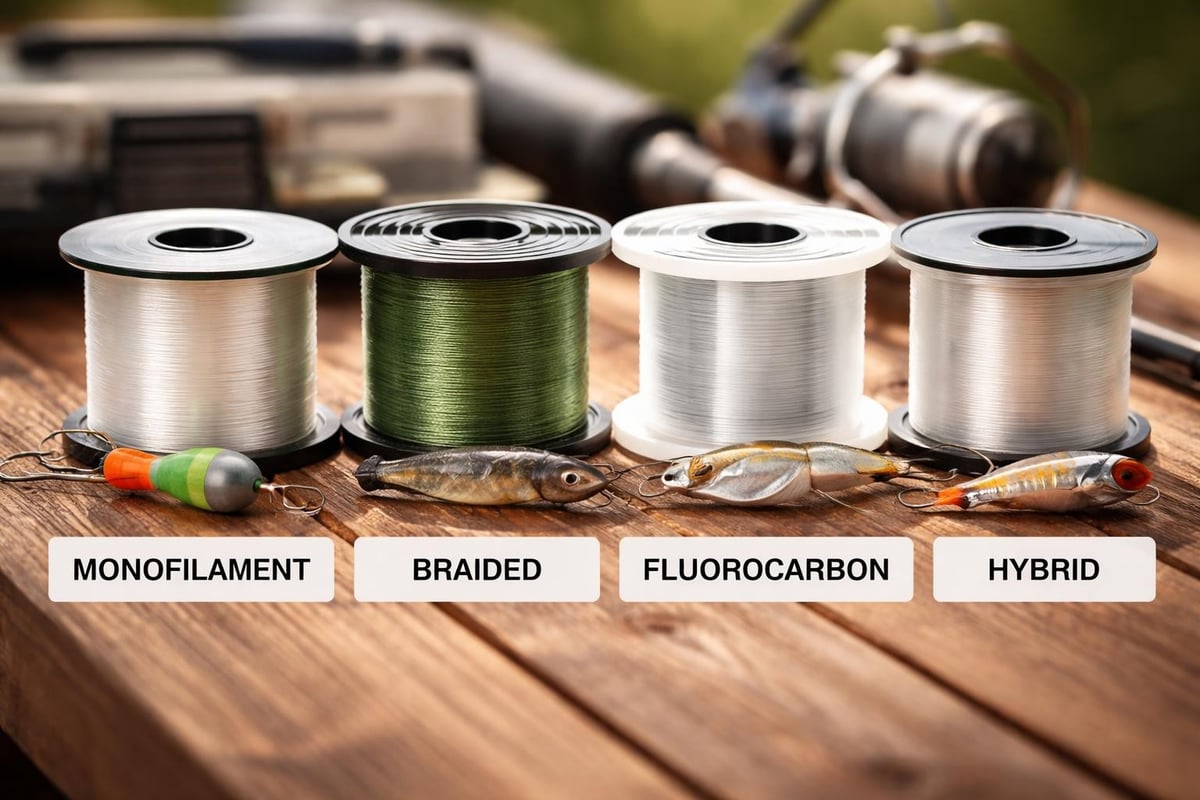
The type of line you select impacts your spooling technique and overall fishing success. Here are the primary options:

  • Monofilament: Flexible, easy to handle, and forgiving for beginners
  • Braided line: Superior strength-to-diameter ratio with zero stretch
  • Fluorocarbon: Nearly invisible underwater with excellent abrasion resistance
  • Hybrid lines: Combine benefits of multiple line types for specific applications

For commercial fishing operations across New Zealand and the Pacific Islands, braided line often provides the best value due to its durability and strength. When selecting line capacity, always refer to your reel's specifications to avoid overfilling or underfilling the spool.

Fishing line types comparison

Essential Tools and Materials

Gathering the right tools before you start makes the process significantly smoother. You don't need expensive equipment to spool a reel properly, but having these items on hand ensures professional results every time.

Required Items:

  1. Fresh fishing line appropriate for your target species
  2. Line scissors or sharp cutting tool
  3. Clean cloth or towel
  4. Pencil or dowel rod (for line spool)
  5. Electrical tape or arbor knot knowledge
  6. Helper (optional but recommended)

Many anglers overlook the importance of a clean workspace. Set up in an area where you can manage loose line without it tangling around furniture or equipment. The team at Action Outdoors Limited recommends having a dedicated space for tackle maintenance, especially if you're managing multiple reel setups.

How to Spool a Spinning Reel Properly

The spinning reel presents unique challenges because of how the line comes off the spool. Following the proper technique for spooling a spinning reel prevents the line twist that plagues many anglers.

Step-by-Step Process

Step 1: Prepare the Reel

Open your bail arm completely and thread the line through each guide on your rod, starting from the tip and working toward the reel. This ensures you're working with the correct line path from the beginning.

Step 2: Attach Line to Spool

Tie an arbor knot around the spool. This simple knot cinches down tightly and prevents line slippage during use. Trim the tag end close to the knot.

Step 3: Determine Correct Orientation

Place your line spool on the floor with the label facing up. Close the bail and turn the reel handle. If the line comes off the spool in the same direction the reel winds, you have the correct orientation. If the line twists, flip the spool over.

Step 4: Apply Tension

Have a helper hold the line spool with a pencil through the center, or use a commercially available line spooler. Apply moderate tension by pinching the line with a damp cloth as it goes onto the reel. According to FishUSA's spinning reel guide, consistent tension is the single most important factor for quality spooling.

Spooling Aspect Spinning Reel Baitcasting Reel
Spool Position Stationary Rotating
Line Direction Coils off Direct feed
Tension Level Moderate Firm
Fill Capacity 1/8" below rim 1/16" below rim

Step 5: Monitor Fill Level

Continue winding until the line sits approximately 1/8 inch below the spool rim. Overfilling causes line spills during casting, while underfilling reduces casting distance significantly.

Step 6: Test for Twist

After spooling, let out 20-30 feet of line on the ground. If it coils or twists excessively, you've spooled it incorrectly and should start over.

Spooling Baitcasting Reels: The Professional Approach

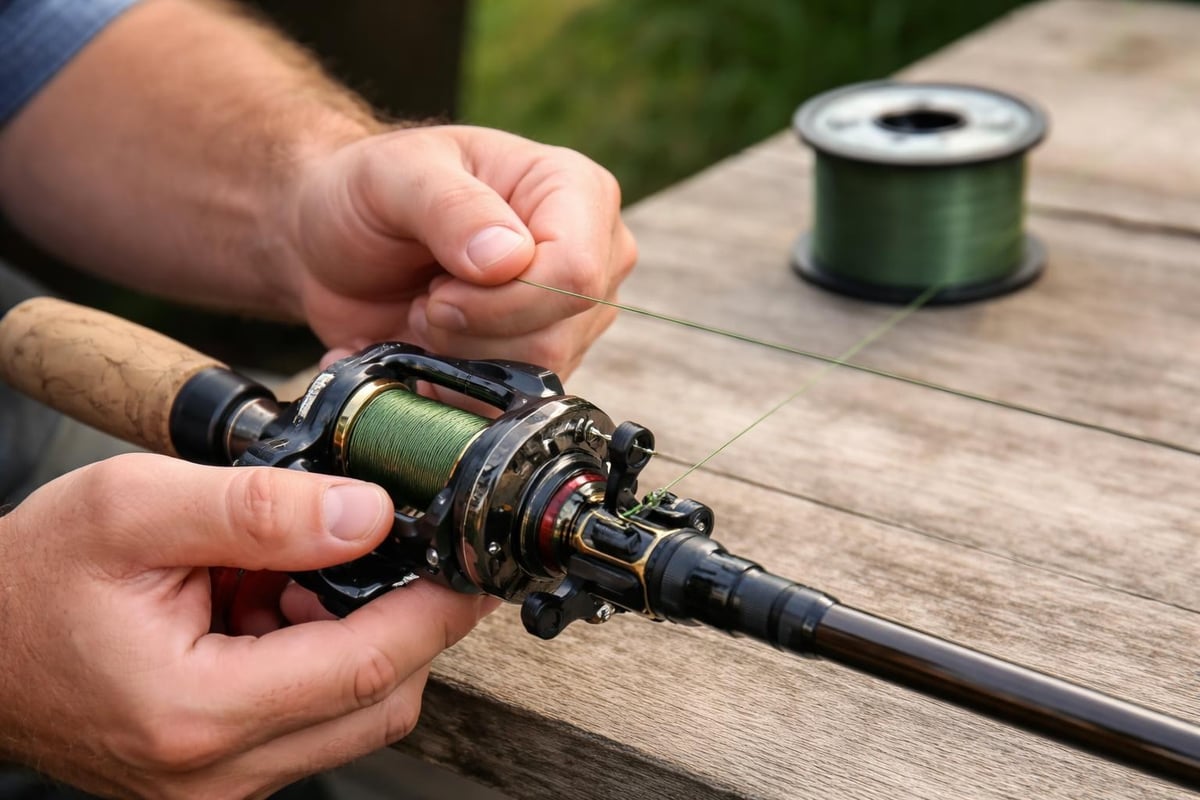
Baitcasting reels demand a different technique because the spool rotates during both casting and retrieval. Learning how to properly spool a baitcaster reel eliminates the backlash issues that frustrate many anglers.

The Straight-Line Method

Position your line spool so the line feeds directly onto the reel spool in a straight path. This might mean mounting the line spool on a pencil held by a partner, or using a line spooler device that many tackle shops provide for free.

Apply firm, consistent tension throughout the entire spooling process. Baitcasters require more tension than spinning reels because any looseness in the line can contribute to bird's nests and backlash during casting.

Wind slowly and evenly, watching the line distribute across the spool width. Most modern baitcasting reels feature a level-wind mechanism that guides the line automatically, but you should still monitor for proper distribution.

Fill the spool to within 1/16 inch of the rim. Baitcasters can handle a fuller spool than spinning reels without negative consequences. In fact, a properly filled baitcaster casts farther and more accurately.

Baitcasting reel spooling technique

Common Mistakes to Avoid

Even experienced anglers sometimes make errors when spooling reels. Recognizing these mistakes helps you achieve professional results every time you load fresh line.

Line Twist from Incorrect Orientation

This is the most common error with spinning reels. Field & Stream's comprehensive guide emphasizes checking line orientation before spooling significant amounts of line. A simple test spool of 10-15 turns tells you immediately if you have the correct setup.

Insufficient or Excessive Tension

Too little tension creates loose coils that dig into underlying layers when you hook a fish. Too much tension can damage the line or create memory issues that affect casting performance.

Improper Fill Level

Underfilling reduces casting distance by 20-30% in most cases. Overfilling causes line management problems, especially with spinning reels where excess line can jump off the spool during casting.

Prevention Strategies

  • Always test orientation before spooling more than a few turns
  • Use consistent hand pressure when applying tension
  • Measure fill level frequently during the spooling process
  • Keep line clean and free from twists before it reaches the reel

For those managing multiple reels for commercial operations, these details matter even more. The fishing equipment available through suppliers like those offering essential fishing accessories can help maintain your tackle in optimal condition.

Advanced Techniques for Specialty Applications

Commercial fishers and serious anglers often face unique spooling challenges that require advanced knowledge. Understanding how to spool a fishing reel properly extends beyond basic techniques when dealing with heavy-duty applications.

Backing Line for Expensive Lines

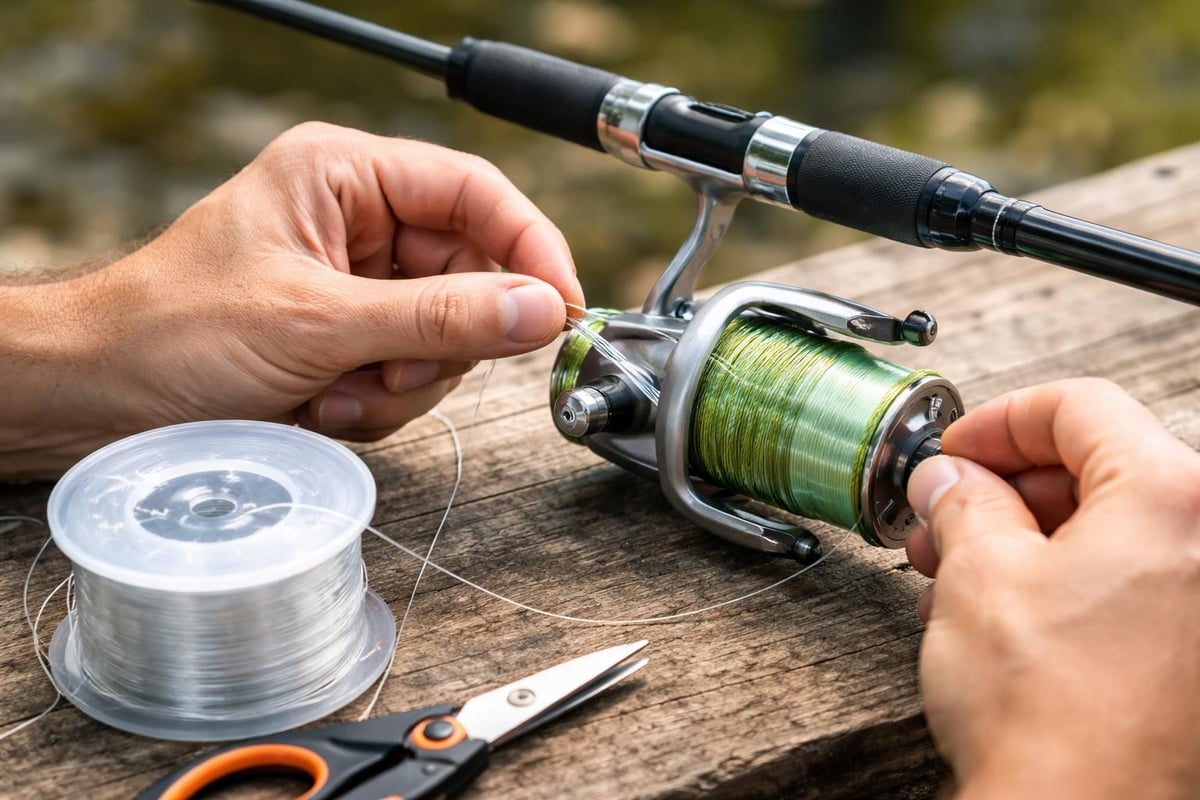
When using expensive fluorocarbon or specialty braided lines, many professionals use monofilament backing to fill the bottom portion of the spool. This approach saves money while maintaining proper spool capacity and performance.

Connect the backing to your main line using a double uni knot or similar connection. Ensure the knot passes smoothly through your guides during casting and retrieval.

Backing Line Benefits:

  • Reduces cost when using expensive lines
  • Increases effective line capacity for long runs
  • Provides cushioning for braided lines on metal spools
  • Prevents slippage on smooth aluminum spools

High-Capacity Spooling for Big Game

Large conventional reels used for tuna, marlin, and other big game fish require special attention to line distribution and tension. These reels hold hundreds of yards of heavy line that must perform flawlessly under extreme pressure.

Use a line spooler device or have two helpers maintain tension while you wind. The tension must remain absolutely consistent across the entire spool to prevent crushing of lower layers when fighting large fish.

Professional line backing technique

Maintenance and Line Replacement Schedule

Knowing how to spool a fishing reel properly includes understanding when to replace line and how to maintain your spools between replacements. Line degradation happens gradually and often goes unnoticed until you lose a trophy fish.

When to Replace Fishing Line

Line Type Freshwater Saltwater Storage Life
Monofilament Annually Every 3-6 months 2-3 years
Braided Every 2 years Annually 5+ years
Fluorocarbon Annually Every 6 months 2-3 years

Saltwater accelerates line degradation significantly. If you fish regularly in marine environments around New Zealand and the Pacific, inspect your line after every major outing for signs of wear, fraying, or discoloration.

UV exposure damages monofilament and fluorocarbon lines even when stored properly. Braided lines resist UV better but can develop weak spots from abrasion against rocks, coral, or boat hardware.

Proper Line Storage

Remove spools from direct sunlight when not in use. Many commercial operators store spare spools in sealed containers with desiccant packets to control humidity. This simple step extends line life considerably in tropical Pacific climates.

Before storing reels for extended periods, loosen the drag completely. This prevents spring fatigue and maintains consistent drag performance over time. Just as proper maintenance extends fishing net life, caring for your line and reels ensures reliable performance season after season.

Special Considerations for Different Fishing Styles

The way you fish influences how you should spool your reels. Commercial net fishing, recreational angling, and specialty techniques each present unique demands on your equipment.

Commercial Fishing Applications

Commercial operations require maximum reliability and efficiency. Spool reels with line rated well above your typical load requirements to account for wear and unexpected situations. Many commercial fishers maintain multiple pre-spooled reels to minimize downtime when line replacement becomes necessary.

Recreational Fishing Preferences

Weekend anglers can benefit from following the same careful spooling techniques used by professionals. The latest fishing innovations for 2026 include improved line materials and reel designs that make proper spooling even more critical for optimal performance.

Specialized Techniques

Fly fishing, surf casting, and deep-sea trolling each demand specific approaches to reel spooling. Fly reels typically use backing line extensively, while surf reels benefit from maximum line capacity to handle long casts and powerful runs.

Troubleshooting Common Spooling Problems

Even when following proper procedures, you might encounter issues that require troubleshooting. Understanding these problems helps you address them quickly and get back to fishing.

Line Memory Issues

Excessive line memory causes coils and tangles that interfere with casting. This problem typically results from:

  • Storing line on the reel under tension for extended periods
  • Using old line past its useful life
  • Spooling with excessive tension
  • Temperature extremes during storage

Solve memory problems by soaking monofilament in warm water before spooling, or by switching to low-memory lines like modern braided options.

Uneven Line Distribution

Baitcasting reels sometimes develop uneven line distribution despite their level-wind mechanisms. This occurs when:

  1. The level-wind guide becomes dirty or damaged
  2. You wind under inconsistent tension
  3. The reel suffers from mechanical issues

Clean your level-wind guide regularly and ensure it moves smoothly across the entire spool width. If mechanical problems persist, consult the manufacturer's specifications for proper maintenance procedures.

Spool Slippage

Line spinning on the arbor indicates your initial knot failed or you didn't apply enough tension during the first few wraps. Always ensure your arbor knot cinches down tightly, and consider adding a small piece of electrical tape over the knot for additional security with slick braided lines.

Professional Tips from Experienced Anglers

Veteran fishers have developed numerous tricks for improving spooling results and extending line life. These insights come from decades of experience on the water in challenging conditions.

The Pencil Test

Before committing to a full spool of line, wind on 10-15 turns and check for twists. If the line twists, flip your supply spool and retest. This simple check, detailed in guides like the Texas Parks and Wildlife fishing manual, saves time and prevents frustration.

Wet Line Technique

Monofilament and fluorocarbon lines spool more smoothly when dampened. Run the line through a wet cloth as you spool to reduce friction and heat buildup. This technique also helps the line bed down more compactly on the spool.

Partner System

Having a helper dramatically improves spooling quality. One person maintains consistent tension while the other operates the reel handle at a steady pace. This division of labor ensures professional results even with challenging line types.

Color Coding for Depth

Commercial fishers often use color-changing lines or add colored backing at specific depths. This visual reference system helps you know exactly how much line you've deployed, which is crucial for consistent fishing success and gear management.

For those managing fleets of equipment across Pacific fishing operations, maintaining detailed records of when each reel was spooled helps prevent unexpected failures during critical fishing periods.

Maximizing Your Fishing Success

Understanding how to spool a fishing reel properly forms the foundation of successful fishing, but it's just one component of comprehensive tackle management. Properly spooled reels cast farther, handle fish better, and provide the confidence you need when targeting trophy species.

The investment of time to spool your reels correctly pays dividends through improved performance and reduced frustration on the water. Whether you're preparing equipment for commercial operations or simply want to enjoy more productive recreational fishing, these techniques ensure your gear performs at its absolute best.

Regular maintenance, timely line replacement, and attention to detail during the spooling process separate average anglers from exceptional ones. The skills you develop through proper reel spooling translate to better overall tackle management and more fish in the boat.

Modern fishing demands reliable equipment that performs consistently in challenging conditions. By mastering the fundamentals of how to spool a fishing reel properly and applying advanced techniques when necessary, you position yourself for success whether fishing the productive waters around New Zealand or exploring remote Pacific Island locations.


Mastering proper spooling techniques ensures your reels perform reliably when it matters most, preventing the line twist and tangles that cost you valuable fishing time. Whether you're outfitting equipment for commercial operations or preparing for your next fishing adventure, having access to quality marine supplies makes all the difference. Action Outdoors Limited provides the comprehensive range of fishing and marine equipment you need to keep your gear in top condition, backed by New Zealand-made quality and expert service trusted throughout the Pacific region.

上一篇文章 The Ultimate Tackle Box Checklist for Every Angler
下一篇文章 Best Jigging Setups for Kingfish: Complete Guide 2026

发表评论

*必填栏