
Unlock the secrets to more successful fishing in 2026 by mastering your rope for fishing selection and techniques. Whether you are a seasoned angler or just starting out, the right rope can transform your safety, efficiency, and catch rates. This comprehensive guide brings you the latest expert advice on rope types, selection criteria, usage tips, maintenance routines, cutting-edge innovations, and safety best practices. Discover how modern advancements and proven methods will help you make informed choices and achieve better fishing results. Get ready to elevate every fishing trip with practical, up-to-date knowledge.
Understanding Rope Types for Fishing
Selecting the right rope for fishing in 2026 requires more than just grabbing any line off the shelf. Today’s anglers need to balance tradition, innovation, and the specific demands of their fishing environment. Understanding the options available will help you make informed choices that optimize safety, performance, and sustainability.
Natural vs. Synthetic Ropes: Pros and Cons
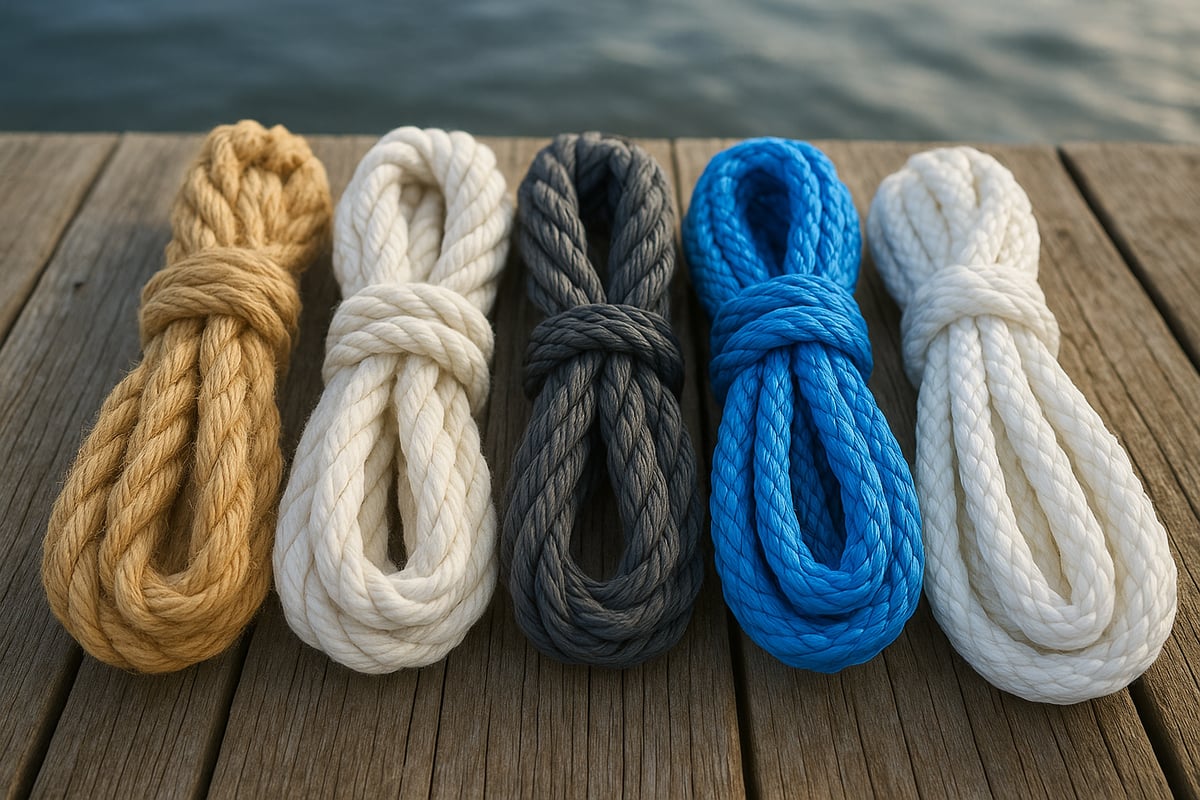
For centuries, natural fiber ropes such as manila and cotton were the gold standard for rope for fishing. These ropes are known for their grip and flexibility, making them suitable for handlines and traditional netting. However, exposure to saltwater often leads to rot and a shorter lifespan, particularly in marine conditions.
Synthetic rope for fishing, including nylon, polyester, polypropylene, and Dyneema, now dominates modern fisheries. These materials offer superior resistance to rot, UV degradation, and abrasion. For example, polypropylene is a favorite for crab and lobster pots due to its buoyancy, which helps gear stay afloat and visible. Polyester and nylon are valued for their strength and flexibility, while Dyneema stands out for its ultra-high strength-to-weight ratio.
Let’s compare some key properties:
| Material | Durability | Rot Resistance | UV Stability | Buoyancy | Stretch | Common Use Cases |
|---|---|---|---|---|---|---|
| Manila (Natural) | Moderate | Low | Moderate | Sinks | Medium | Traditional nets, handlines |
| Cotton (Natural) | Low | Low | Low | Sinks | High | Small handlines, decorative use |
| Nylon (Synthetic) | High | High | High | Sinks | High | Trawling, anchors |
| Polyester (Synthetic) | High | High | High | Sinks | Low | Mooring, longlines |
| Polypropylene | Moderate | High | Moderate | Floats | Medium | Pots, marker buoys |
| Dyneema | Very High | Very High | Very High | Floats | Very Low | Commercial longlines, winches |
Environmental considerations are increasingly important. Traditional ropes, while biodegradable, cannot compete with the longevity of synthetics. However, recent innovations include bio-based and recycled synthetic ropes, which address marine debris concerns. Industry reports from 2025 indicate that over 80% of commercial fisheries now prefer synthetic rope for fishing, citing durability and performance.
If you want to explore material options and construction types in more detail, see the Manila, nylon, and Dyneema ropes collection for an up-to-date selection.
Rope Construction and Strength Ratings
The way a rope for fishing is built directly affects its flexibility, strength, and suitability for specific tasks. Twisted ropes are made by spiraling fibers together, providing good stretch and easy splicing. This makes them suitable for handlines and general use. Braided ropes, on the other hand, weave fibers in a crisscross pattern, resulting in superior flexibility and higher breaking strength. These are common in commercial longline fisheries, where reliability is critical.
Strength ratings are vital for safety. Breaking strength refers to the maximum load a rope for fishing can handle before failing. Working load limits are set lower to incorporate a safety margin, typically one-fifth of the breaking strength. Rope diameter also matters: thicker ropes handle more weight but may be less flexible or heavier to manage.
Color coding and tracer threads are now widely used for instant identification of rope for fishing types and strength ratings. Manufacturers often provide comparative strength charts, showing, for example, that a 10mm braided Dyneema can outperform much thicker twisted nylon ropes in terms of both strength and lifespan.
When selecting rope for fishing, always check strength ratings, construction type, and whether the rope is compatible with your gear. Commercial operators often rely on high-strength braided ropes for demanding applications such as pot hauling and deep-sea anchoring. By choosing the right combination, you can ensure both safety and efficiency on the water.
How to Select the Right Rope for Your Fishing Needs
Selecting the right rope for fishing is crucial for both safety and success on the water. With so many options available, knowing what to look for can make a significant difference in your results and gear longevity.
Factors to Consider: Environment, Target Species, and Gear
When choosing rope for fishing, start by considering the environment. Saltwater conditions demand ropes with high resistance to corrosion and UV rays, such as polyester or Dyneema. In contrast, freshwater environments can tolerate a wider range of materials, but durability remains key.
Next, match your rope for fishing to the target species and fishing method. For trawling, strong, low-stretch ropes help maintain net shapes. Potting for crabs or lobsters often requires buoyant polypropylene, which floats and resists water absorption. Anchoring on rocky seabeds calls for abrasion-resistant ropes to prevent fraying.
Here’s a quick comparison to guide your selection:
| Environment | Recommended Rope Type | Key Property |
|---|---|---|
| Saltwater | Polyester, Dyneema | UV/corrosion resistance |
| Freshwater | Nylon, Polypropylene | Flexibility, buoyancy |
| Rocky Seabed | Abrasion-resistant Polyester | Durability |
Compatibility with gear is essential. Rope for fishing must work seamlessly with nets, floats, anchors, and haulers. Survey data from 2025 shows that New Zealand commercial fishers prefer braided polyester for longlines and polypropylene for potting due to their proven performance in local waters.
Budget, Longevity, and Local Availability
Budget plays a vital role in selecting rope for fishing. While premium synthetic ropes offer superior strength and lifespan, they also come at a higher cost. Entry-level options like basic polypropylene can be cost effective, but may wear out faster in demanding conditions.
The expected lifespan of rope for fishing varies widely. Polyester ropes can last several seasons if properly maintained, especially in saltwater. In contrast, natural fiber ropes may degrade quickly due to moisture and marine organisms.
When sourcing rope for fishing in 2026, consider the impact of recent supply chain disruptions. Prices have fluctuated, and availability of certain materials may be limited in some regions. Community fisheries have adapted by forming cooperatives to secure bulk orders and share resources, ensuring continued access to quality rope.
To make the most of your budget:
- Compare lifespan versus initial investment.
- Seek out local suppliers with a strong reputation.
- Ask about warranties or quality guarantees.
Choosing Quality Rope and Gear in New Zealand
For New Zealand fishers, choosing rope for fishing is easier with access to trusted local suppliers. Action Outdoors Limited stands out as a leading source for commercial and community needs, offering a broad range of ropes tailored for Pacific fisheries.
Their selection includes NZ made options, expert advice, and solutions for every fishing application. Whether you need high strength braided lines or buoyant ropes for pots, you’ll find products designed for local conditions. For those seeking specialized braided or synthetic ropes, you can explore their braided and synthetic fishing ropes for durable, high performance choices.
With quick delivery and export readiness, Action Outdoors supports both small operators and large fleets. By choosing quality rope for fishing from a reputable supplier, you safeguard your investment and improve your chances on the water.
Step-by-Step Guide: Proper Rope Setup and Usage for Fishing
Proper rope setup is essential for safe, effective fishing in any environment. This step-by-step guide will help you get the most from your rope for fishing, whether you are working solo or with a crew. Each phase focuses on best practices to maximize performance, durability, and safety for your gear and catch.
Step 1: Measuring and Cutting Rope Correctly
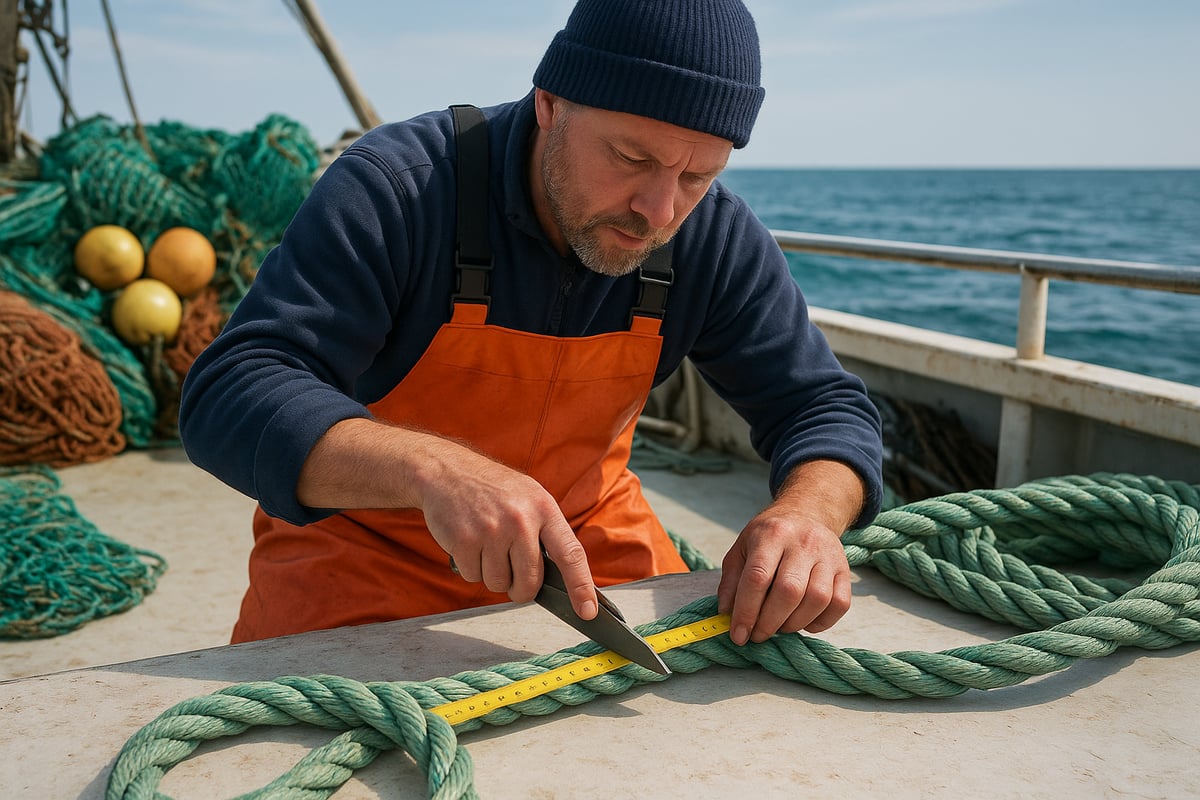
For optimal results, begin by selecting the right rope for fishing and determining the precise length required for your application. Measure twice to avoid costly mistakes. Use a sharp knife or rope-cutting tool for a clean cut, which helps prevent fraying and maintains the rope’s structural integrity.
After cutting, seal the ends immediately. Heat sealing is recommended for synthetic ropes, while whipping works well for natural fibers. This step is vital to keep your rope for fishing in top condition and ready for immediate use.
- Use measuring tape for accuracy
- Cut on a flat, stable surface
- Seal ends before storage or use
Accurate preparation ensures your rope lasts longer and performs reliably during demanding fishing operations.
Step 2: Tying Essential Fishing Knots
Mastering knots is fundamental for anyone using rope for fishing. The right knot secures gear, prevents loss, and maintains the line’s strength. Focus on reliable knots like the bowline, sheet bend, double fisherman’s, and anchor hitch.
Each knot serves a specific purpose. For example, the bowline is ideal for attaching ropes to floats or rings, while the double fisherman’s knot excels at joining two ropes. Always practice knots before heading out, and test their security under load.
If you want detailed, step-by-step visuals and strength comparisons, the Strongest rope knots guide offers expert advice tailored for fishing applications.
- Learn at least three essential knots
- Practice tying and untying with wet and dry rope
- Test knots under tension before use
These techniques help you manage rope for fishing with confidence and efficiency.
Step 3: Attaching Rope to Nets, Pots, and Gear
Attaching rope for fishing to nets, pots, or other equipment requires secure, abrasion-resistant connections. Use splices, thimbles, or shackles where possible to distribute stress evenly and extend the lifespan of both rope and gear.
Inspect all attachment points for signs of wear before each trip. Reinforce high-friction areas with protective sleeves or tape to prevent chafing. When rigging commercial pots or nets, double-check all knots and hardware to avoid failures at sea.
- Use stainless steel or galvanized hardware
- Add chafe protection at contact points
- Label or color-code ropes for quick identification
Careful setup here reduces gear loss and boosts operational safety.
Step 4: Deploying and Retrieving Rope Safely
Smooth deployment and retrieval protect your rope for fishing from tangles, snags, and damage. Lay out rope in neat coils before use. During deployment, feed rope steadily off the deck, avoiding sudden jerks that could cause knots or kinks.
When retrieving, use gloves or a hauler to minimize rope burns. For longlines and heavy gear, mechanized winches can save time and prevent injuries. Always keep an eye out for obstacles in the water and deck hazards that could snag or trap rope.
- Coil rope in large loops for easy handling
- Assign a clear area for rope management on deck
- Use protective equipment to prevent injuries
Consistent handling routines help preserve rope quality and ensure smooth operations.
Step 5: Storing Rope for Maximum Lifespan
Proper storage is critical to extending the working life of your rope for fishing. After use, rinse rope with fresh water to remove salt, mud, or organic debris. Allow it to dry completely before storage to prevent mildew and fiber breakdown.
Store coiled rope in a cool, shaded area, away from direct sunlight. Mesh bags are excellent for storing damp rope on boats, as they promote airflow and speed up drying. Avoid stacking heavy objects on stored rope, which can cause flat spots or internal damage.
- Hang coils on wide pegs or racks
- Rotate stored rope periodically
- Inspect for signs of UV or chemical damage
These habits keep your rope for fishing strong, safe, and ready for the next season.
Maintenance and Care: Extending the Life of Your Fishing Rope
Maintaining your rope for fishing is essential for safety, reliability, and longevity. Proper care helps prevent unexpected failures and ensures your equipment performs in demanding marine environments. In this section, we guide you through inspection, cleaning, repair, and storage routines to maximize the value of your investment.
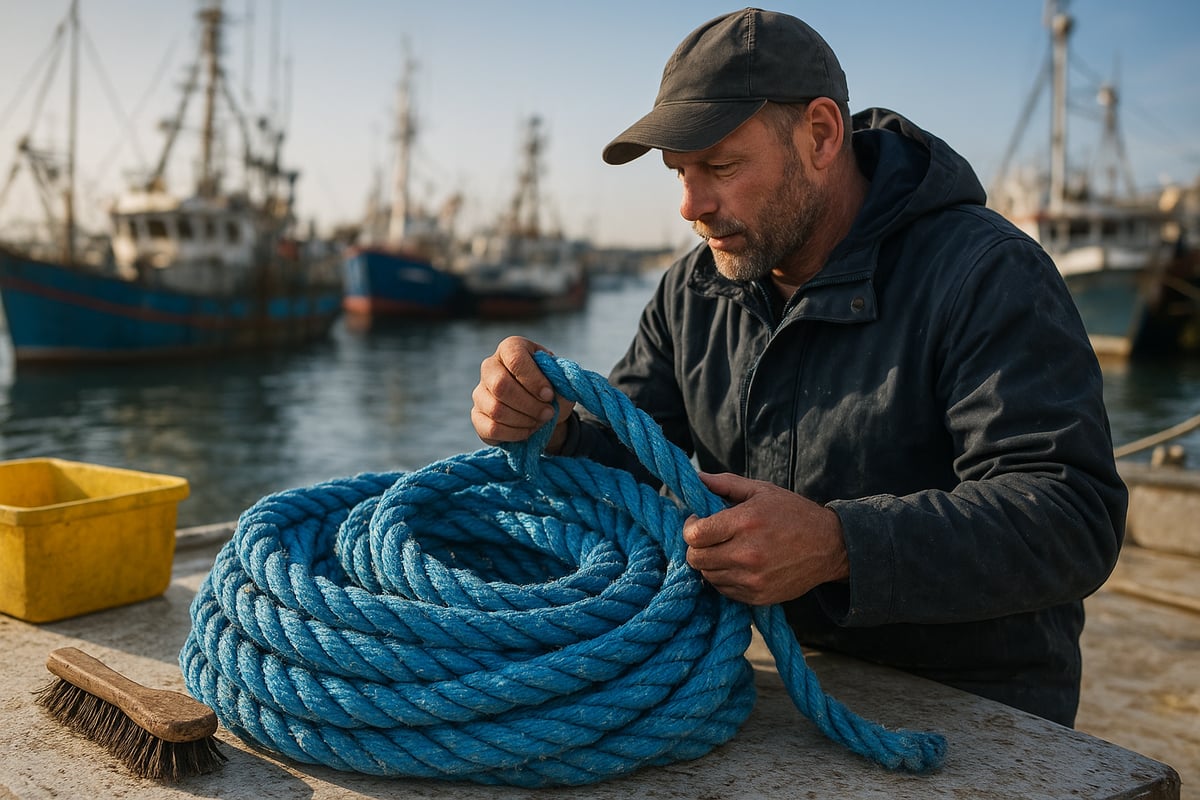
Inspection and Cleaning Techniques
Regular inspection is the first defense against rope for fishing failure. Before and after each trip, examine your rope visually and by touch.
- Look for frayed fibers, cuts, or flattened areas.
- Check for discoloration, which can indicate UV damage.
- Run your hand along the length to detect stiffness or hard spots.
Cleaning is equally important, especially after exposure to saltwater, mud, or organic debris. Rinse your rope for fishing thoroughly with fresh water after each use. For deeper cleaning:
- Soak in a mild detergent solution.
- Scrub gently with a soft brush if needed.
- Rinse well and hang to dry in a shaded, ventilated area.
Routine maintenance not only extends the lifespan of rope for fishing but also improves safety. For a full range of cleaning tools and replacement cordage, explore Fishing net parts and supplies.
Repairing and Replacing Damaged Rope
Even with diligent care, rope for fishing can suffer wear or accidental cuts. Deciding when to repair or replace is crucial for safety.
- Minor surface frays can often be addressed with end-whipping or heat sealing.
- For localized damage, cut away the affected section and splice the ends using proper marine techniques.
- If more than 10% of the rope’s diameter is compromised, replacement is recommended.
Basic repair tools include marlinspikes, whipping twine, and heat sources for synthetic rope. DIY splicing can restore integrity for minor issues, but always adhere to safety margins set by manufacturers.
Incident reports from 2025 highlight that most failures occur due to unnoticed abrasion or overloading. Establish a monthly check and document any repairs to maintain a reliable rope for fishing inventory. Never ignore persistent stiffness, severe discoloration, or visible inner core damage—these are clear signs for replacement.
Storage and Handling Best Practices
Proper storage and handling dramatically extend the life of rope for fishing. Avoid kinks and knots by coiling rope loosely after every use. Store in a dry, shaded area to prevent mildew and UV degradation.
Consider these storage tips:
- Use mesh bags for wet rope on boats to encourage air flow.
- Hang coils on dedicated hooks or racks.
- Rotate stored rope regularly to avoid pressure points.
During the off-season, clean and dry each rope for fishing thoroughly before storing in a sealed container away from direct sunlight. Avoid stacking heavy gear on top of rope to prevent internal fiber damage.
Studies show that well-stored rope for fishing can last twice as long as neglected lines. Following these best practices ensures your equipment remains ready for every trip, keeping safety and efficiency at the forefront.
Innovations and Trends in Fishing Rope for 2026
The year 2026 is bringing a wave of innovation to rope for fishing, with new materials and smart features transforming the way anglers and commercial operators approach their work. Modern advancements are not only improving performance and safety but also setting new standards for sustainability and traceability.
High-Tech Materials and Smart Rope Solutions
The evolution of rope for fishing is powered by high-tech materials like Dyneema, bio-based synthetics, and advanced recycled fibers. Dyneema, renowned for its exceptional strength-to-weight ratio, is now a preferred choice for demanding offshore operations. Bio-based synthetics, made from renewable resources, are gaining traction as fisheries seek to reduce their carbon footprint.
Recycled materials are also making an impact. Manufacturers are producing rope for fishing using recovered ocean plastics and discarded gear, supporting circular economy goals. Smart ropes equipped with RFID tags and color-coded tracers are enabling real-time gear identification and enhanced fleet management. Some commercial vessels are even testing ropes with embedded sensors that monitor tension and wear, improving safety and maintenance scheduling.
These innovations reflect a shift toward smarter, lighter, and more durable rope for fishing, helping both small-scale and industrial operators meet modern challenges.
Sustainability and Environmental Impact
Sustainability is shaping every aspect of rope for fishing design. The industry is embracing biodegradable and recyclable ropes to combat marine pollution and ghost gear. New Zealand and Pacific fisheries are introducing regulations that encourage or require the use of eco-friendly materials. Pilot projects are underway, using ropes that break down naturally if lost at sea, reducing long-term environmental harm.
Research on the properties of recycled fishing gear materials shows that glass fiber reinforced polypropylene filaments from old nets can match or even exceed the durability of some traditional ropes. This innovation is allowing fisheries to close the loop, making rope for fishing that is both high-performing and environmentally responsible.
Community-led recycling programs, public education, and robust product labeling are further supporting the transition to sustainable rope for fishing solutions.
Market Trends and Predictions
The global market for rope for fishing is set for significant growth through 2026 and beyond. Rising demand for premium synthetic ropes, increased investment in smart technologies, and stricter environmental rules are all shaping industry dynamics.
According to the Synthetic Rope Market Growth Forecast, the synthetic rope sector will reach over $3 billion by 2029, driven in part by the needs of commercial and recreational fisheries. Climate change is also influencing the selection of rope for fishing, as higher temperatures and UV exposure demand materials with superior resistance and longevity.
Industry experts predict that by 2026, most new rope for fishing will feature some combination of high-performance fibers, eco-friendly attributes, and digital tracking capabilities. Anglers and fleet managers alike are encouraged to stay informed and adapt to these trends for safer, more efficient, and sustainable fishing operations.
Safety, Regulations, and Best Practices for Using Rope in Fishing
Using rope for fishing safely and legally is essential for every angler and crew member. The right knowledge can prevent injuries, protect the environment, and ensure compliance with strict regulations. Mastering these best practices helps safeguard both people and marine resources.
Understanding Legal Requirements and Industry Standards
Compliance with local laws is a critical part of using rope for fishing. New Zealand and Pacific fisheries regulate not only catch limits but also the types of rope and gear used. These rules help protect marine life, prevent ghost gear, and promote sustainable practices.
Rope for fishing must meet certain strength and durability standards. Commercial operators often refer to certification systems like ISO or NZS, which specify requirements for rope construction, breaking load, and UV protection. Using uncertified or substandard rope can result in fines or even vessel detainment.
For up-to-date guidelines, consult the New Zealand Fishing Regulations, which outline permitted gear, labeling, and disposal rules. In addition, vessel operators should be familiar with maritime equipment standards to ensure all rope for fishing meets safety codes.
Stay alert for regulatory updates, as rules may change in response to environmental concerns or new technology. Keeping your operation compliant is not just about avoiding penalties, but also about supporting the long-term health of fisheries.
Preventing Accidents and Injuries
Handling rope for fishing presents several hazards. Common risks include entanglement, snapback from tensioned lines, and rope burns. Accidents can happen quickly, especially in rough weather or high-pressure situations.
Personal protective equipment (PPE) is essential. Gloves, non-slip boots, and protective eyewear help prevent injuries. Crews should always inspect rope for fishing before use, checking for signs of wear, fraying, or weakness.
Key safety tips:
- Keep work areas organized and free of loose coils.
- Use proper lifting techniques to avoid strain.
- Stand clear of tensioned lines and moving winches.
- Communicate clearly with team members during deployment and retrieval.
Regular safety drills and clear signage reinforce safe behavior. Analyzing incident reports from 2025 shows that most rope for fishing accidents are preventable with training and vigilance. Prioritize safety to protect your team and maximize fishing efficiency.
Responsible Rope Disposal and Recycling
Disposing of rope for fishing responsibly is vital for marine conservation. Discarded ropes can entangle wildlife or contribute to ghost fishing. Many regions now require that old or damaged rope for fishing be recycled or disposed of through approved programs.
Look for local rope recycling initiatives or gear return schemes. Some suppliers accept used rope for fishing and process it into new products or safe waste streams. Always remove floats, metal fittings, and contaminants before recycling.
Practical steps for responsible disposal include:
- Cutting rope into short lengths to prevent reuse as ghost gear.
- Storing old rope for fishing in secure containers until collection.
- Participating in community clean-up or recycling events.
Following these practices aligns with environmental regulations and demonstrates commitment to sustainable fishing. Proper disposal also helps avoid legal issues and preserves the reputation of your operation.
Training and Education for Anglers and Crews
Ongoing training is key to mastering rope for fishing. Regular workshops, safety briefings, and online courses keep crews up to date with the latest techniques and regulations. Well-trained teams are more efficient and less likely to experience accidents.
Crew members should practice essential knots, rope inspection, and emergency response procedures. Encourage participation in community events or industry seminars focused on rope for fishing safety. Many organizations offer certification programs, covering everything from knot tying to rope maintenance.
Accessing updated resources ensures everyone understands their responsibilities. Invest in education to build a skilled, safety-conscious team ready for the evolving demands of modern fisheries.
Now that you have a solid understanding of the different rope types, expert selection tips, and maintenance strategies, you’re well equipped to make choices that can truly elevate your fishing experience in 2026. Reliable rope isn’t just a detail—it’s a crucial part of keeping your gear safe and maximizing every trip’s success. If you’re ready to invest in quality, New Zealand made ropes designed for both commercial and community fishing, take a look at the latest offerings and secure the best value for your needs with Best deals on ropes.