

Global demand for wholesale fishing accessories is set to reach new highs in 2026, driven by booming recreational and commercial fishing markets worldwide. As innovation reshapes gear and eco-friendly trends gain momentum, the wholesale fishing accessories sector presents unmatched opportunities for growth and profit.
This guide delivers expert insights into the latest trends, essential product categories, and sourcing strategies that matter most. Whether you are an established wholesaler or new to the market, you will find step-by-step guidance to help you build a thriving business and outperform the competition in the evolving 2026 landscape.
The 2026 Wholesale Fishing Accessories Market: Trends & Opportunities
The global wholesale fishing accessories market is entering a period of dynamic expansion as we approach 2026. Market analysts project significant growth, driven by rising popularity of recreational and commercial fishing across continents. Sustainability, digital transformation, and evolving regulations are reshaping sourcing and sales strategies for distributors worldwide. Understanding these trends is essential for businesses aiming to thrive in the competitive landscape of wholesale fishing accessories.
Market Growth & Demand Drivers
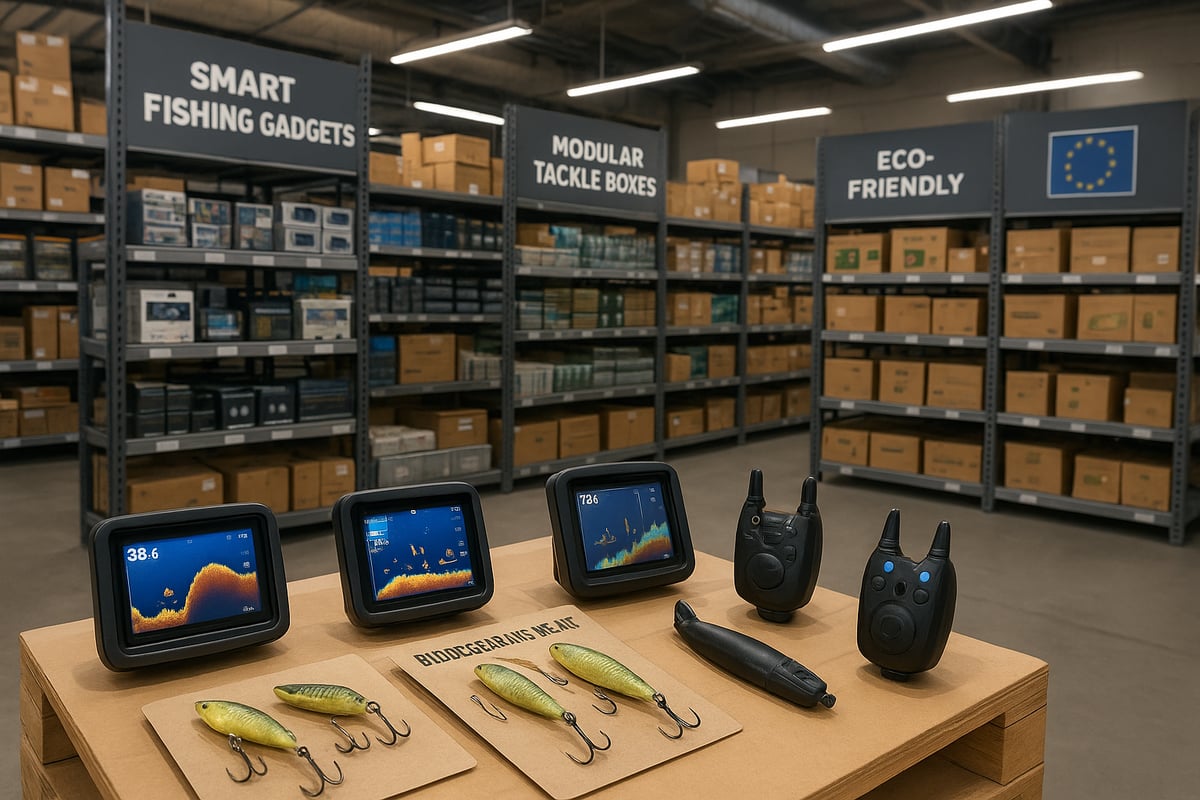
The value of the global wholesale fishing accessories market is set to surge by 2026, reflecting robust demand from both recreational anglers and commercial fleets. According to the Global Fishing Gear Market Forecast 2026–2035, the sector is fueled by increasing participation in fishing activities, especially in Asia-Pacific, North America, and Europe.
Sustainability is now a top priority, with buyers seeking eco-friendly materials and packaging. Biodegradable tackle and recycled plastics are gaining traction as regulations and consumer preferences shift toward greener options. Online B2B marketplaces are also transforming procurement, making it easier for wholesalers to reach new clients and scale operations efficiently.
Government regulations and fishing quotas are influencing product selection and sourcing. For example, demand for compliant, species-specific gear is rising in key regions. Companies that adapt quickly to these factors are well positioned to lead in the wholesale fishing accessories market.
Emerging Product Innovations
Innovation is reshaping the landscape of wholesale fishing accessories. Smart gear, such as Bluetooth-enabled bite alarms, digital fish finders, and app-integrated solutions, is becoming mainstream. These products offer enhanced functionality and appeal to tech-savvy buyers seeking a competitive edge.
Material science is advancing rapidly. Corrosion-resistant alloys, UV-protected plastics, and recycled components are now standard in many accessory lines. Wholesalers are responding with modular and multi-functional products that maximize space and versatility, such as tackle boxes equipped with IoT tracking capabilities—a notable example being the 2025 release of modular systems for large fleets.
Customization and branding are also on the rise, especially for commercial clients. Branded lures or tailored gear sets help fleets distinguish themselves in a crowded market. To remain competitive in wholesale fishing accessories, suppliers must monitor these trends and incorporate innovative solutions into their product portfolios.
Key Challenges & Solutions
Despite the growth, wholesale fishing accessories suppliers face notable challenges. Fluctuating raw material prices can impact margins and create uncertainty. Counterfeiting and quality control remain concerns, especially when sourcing from global networks.
Inventory management is critical, particularly in navigating seasonal spikes and ensuring timely fulfillment. Wholesalers are increasingly adopting supplier audits, robust inventory management systems, and quality certifications to address these pain points. Implementing these solutions not only protects brand reputation but also builds trust with buyers and streamlines operations.
Staying proactive and informed is the key to overcoming obstacles in the wholesale fishing accessories sector as the market evolves in 2026.
Essential Categories of Wholesale Fishing Accessories
The 2026 market for wholesale fishing accessories is more dynamic and diverse than ever. To remain competitive, wholesalers must understand the full range of essential product categories, from terminal tackle to advanced storage solutions. Each category offers unique innovations, eco-friendly upgrades, and evolving buyer preferences, making it vital to keep product offerings both comprehensive and current.
Terminal Tackle: Hooks, Sinkers, Swivels, and Leaders
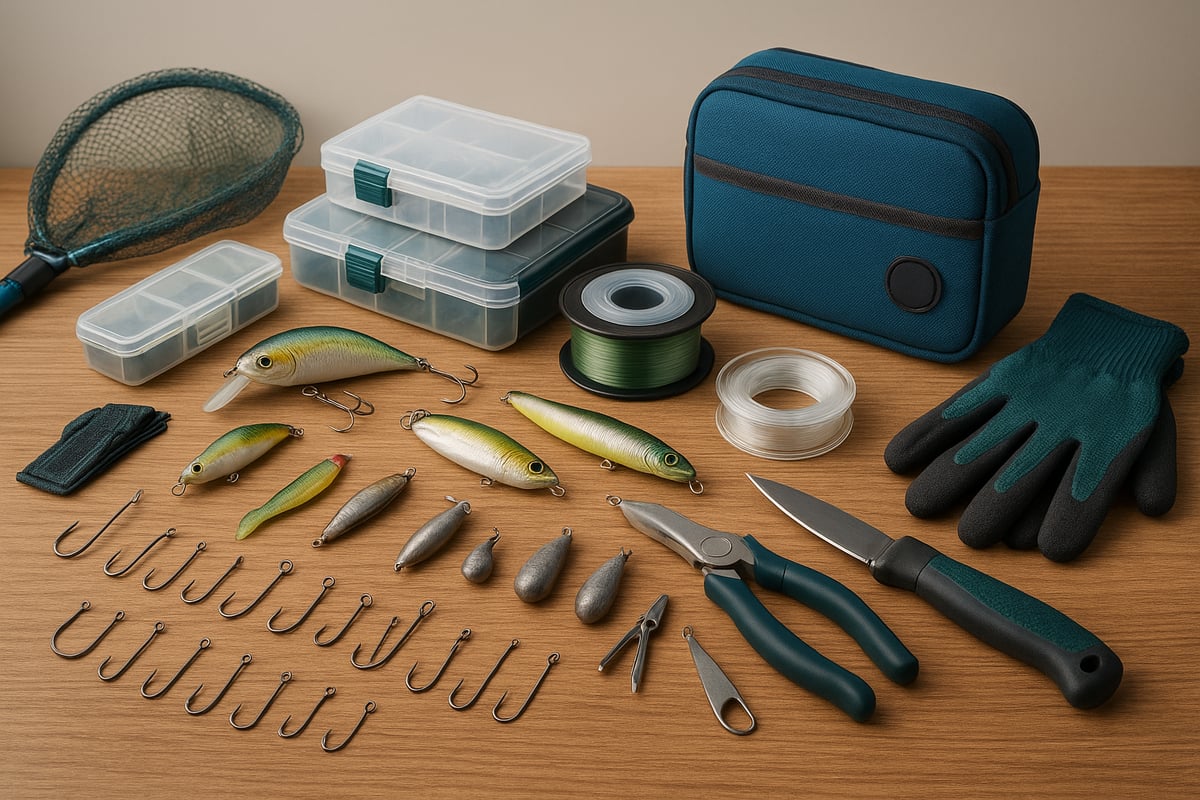
Terminal tackle remains the backbone of wholesale fishing accessories, driving consistent demand across recreational and commercial sectors. For 2026, corrosion-resistant hooks and eco-friendly sinkers are leading the market, reflecting both innovation and regulatory changes. Bulk buyers now prefer packaging that is both compact and recyclable, streamlining storage and transport.
Recent years have seen a surge in circle hooks, especially for commercial longlining, due to their improved catch rates and reduced bycatch. Wholesalers should stock a variety of sizes and finishes, with options for both saltwater and freshwater applications. Offering branded and unbranded bulk packs of terminal tackle can meet the diverse needs of retail and fleet clients. Staying attuned to material innovations and packaging trends will help wholesalers maximize their impact in the wholesale fishing accessories sector.
Fishing Lines & Leaders
Fishing lines and leaders are fundamental to any wholesale fishing accessories lineup. The most popular materials for 2026 include monofilament, fluorocarbon, and braided lines, each offering distinct advantages. Monofilament is valued for its versatility, fluorocarbon for its invisibility and abrasion resistance, while braided lines are prized for strength and sensitivity.
Wholesalers should provide a range of bulk spool sizes to cater to both high-volume commercial buyers and smaller retail outlets. Advances in knot strength and UV resistance continue to drive product differentiation. Private label opportunities are expanding, allowing wholesalers to build brand loyalty and capture premium margins. Top-selling leader brands are now focusing on enhanced abrasion resistance and easy-to-use packaging, ensuring continued demand for reliable and innovative wholesale fishing accessories.
Nets, Traps, and Cast Nets
Nets, traps, and cast nets represent a crucial segment within wholesale fishing accessories, with demand driven by both regulatory compliance and species-specific targeting. Popular net types include gill nets, trawl nets, cast nets, and specialized crab pots. Regional fishing regulations dictate mesh sizes and approved materials, making compliance a top consideration for wholesalers.
Buyers increasingly seek ready-to-use nets with custom options for different fisheries. The Pacific markets, for instance, have seen a notable rise in species-specific net requests. For a comprehensive overview of wholesale fishing nets and their options, visit Fishing Nets Overview and Options. Staying informed about local laws and offering tailored solutions will position wholesalers as trusted partners in the evolving wholesale fishing accessories market.
Lures, Baits, and Jigs
Lures, baits, and jigs are among the most innovative and fast-moving wholesale fishing accessories categories. Soft plastics, hard baits, metal jigs, and live bait containers all remain in high demand. Recent trends include biodegradable lures and scent-infused baits, responding to both environmental concerns and angler preferences for enhanced effectiveness.
Packaging and branding are critical for wholesalers, with clear labeling and eco-friendly materials gaining favor. The best-selling lure designs for saltwater fishing in 2025 focused on durability, lifelike motion, and unique color patterns. By offering a diverse selection, wholesalers can meet the evolving needs of both independent shops and larger chains while reinforcing the value of comprehensive wholesale fishing accessories.
Storage, Tools, and Accessories
No wholesale fishing accessories range is complete without robust storage, tools, and safety gear. Tackle boxes have evolved into modular, waterproof solutions, catering to the needs of kayak anglers and commercial operators alike. Multi-use tools like pliers, precision knives, and fish handling gloves are essential for both safety and convenience.
Wholesalers should also prioritize safety accessories, such as life vests, first-aid kits, and signaling devices. The growth in waterproof storage for kayak fishing reflects the broader trend toward specialized, high-performance gear. By offering a full suite of storage and tool options, wholesalers can address every aspect of the fishing experience, ensuring their wholesale fishing accessories inventory stands out in a crowded market.
How to Source Wholesale Fishing Accessories: Step-by-Step Guide
Sourcing wholesale fishing accessories in 2026 requires a strategic, stepwise approach. The right process helps you build a reliable supply chain, secure competitive pricing, and ensure consistent quality for your business. Follow these five essential steps to confidently navigate the evolving marketplace.

Step 1: Identify Your Target Market & Product Range
Begin by defining your ideal customers for wholesale fishing accessories. Are you targeting commercial fishing fleets, retail stores, online shops, or export markets? Understanding your buyers lets you select the right accessory categories and product specifications.
Analyze regional trends and demand. For example, commercial fleets in the Pacific Islands might require robust nets and traps, while retailers in New Zealand may prefer a diverse range of lures and eco-friendly tackle. Tailor your product mix to local fishing practices, seasonal patterns, and regulatory requirements.
Use market research and competitor analysis to validate demand. Consider customer feedback and sales data from previous years. By aligning your selection of wholesale fishing accessories with your target market, you set the foundation for a profitable sourcing strategy.
Step 2: Research and Vet Suppliers
Finding dependable suppliers is crucial when sourcing wholesale fishing accessories. Look for partners with proven reliability, compliance certifications, and flexible minimum order quantities. Assess their reputation through references and online reviews.
Explore different sourcing channels, such as trade shows, online B2B platforms, and direct manufacturer contacts. For a broad selection and inspiration, review resources like the Online Fishing Tackle Store, which showcases diverse accessory types available for wholesale.
Request product samples to evaluate quality and consistency. Develop a supplier audit checklist for 2026, including criteria like production capacity, lead times, and sustainability practices. Thorough vetting ensures you collaborate with suppliers who deliver consistent value in wholesale fishing accessories.
Step 3: Negotiate Pricing, Terms, and Logistics
Negotiating favorable pricing and logistics is key to success with wholesale fishing accessories. Understand bulk pricing models, volume discounts, and payment terms such as net 30, letters of credit, or escrow services.
Clarify shipping options, including FOB (Free On Board), CIF (Cost, Insurance, Freight), and direct-to-warehouse delivery. Calculate the landed cost per unit, factoring in shipping, insurance, and customs duties. Use a table to compare cost scenarios for importing from Asia-Pacific versus local suppliers.
| Pricing Model | Shipping Term | Payment Option | Notes |
|---|---|---|---|
| Bulk Discount | FOB | Net 30 | Lower per-unit cost |
| Volume Tier | CIF | Letter of Credit | Higher upfront security |
| Direct Import | DDP | Escrow | Simplified delivery |
Document all agreements and maintain transparent communication. These steps will help you secure the best deals for your wholesale fishing accessories and streamline your supply chain.
Step 4: Quality Assurance and Compliance
Quality assurance is non-negotiable when sourcing wholesale fishing accessories. Set up inspection protocols, both in-house and via third-party testing, to verify that products meet your standards.
Ensure all accessories comply with destination country regulations, such as EU REACH for imported lures or mesh size laws for nets. Request certificates of compliance and maintain a record of supplier audits.
Implement a quality feedback loop to catch issues early, minimizing returns and enhancing customer satisfaction. By prioritizing quality and regulatory compliance, you protect your brand reputation and reduce costly disruptions in the wholesale fishing accessories market.
Step 5: Manage Inventory and Fulfillment
Effective inventory management is essential for wholesale fishing accessories businesses. Choose a system that tracks SKUs, reorder points, and real-time stock levels. Cloud-based inventory software can simplify multi-channel sales and keep your fulfillment process agile.
Decide between drop-shipping and warehousing based on your business model, order volume, and customer expectations. Prepare for seasonal demand spikes by forecasting sales and coordinating with suppliers well in advance.
Regularly review inventory turnover and adjust purchasing strategies to minimize overstock and stockouts. With proactive management, you can deliver consistent service and maximize profitability in the fast-moving wholesale fishing accessories sector.
Pricing Strategies & Profit Margins in Wholesale Fishing Accessories
Setting the right pricing strategies is crucial for success in the wholesale fishing accessories market. As competition intensifies for 2026, understanding your cost structure and profit drivers can make the difference between thriving and merely surviving. This section explores the essential steps for pricing, with a focus on maximizing returns while maintaining competitiveness in the wholesale fishing accessories sector.
Understanding Cost Structures
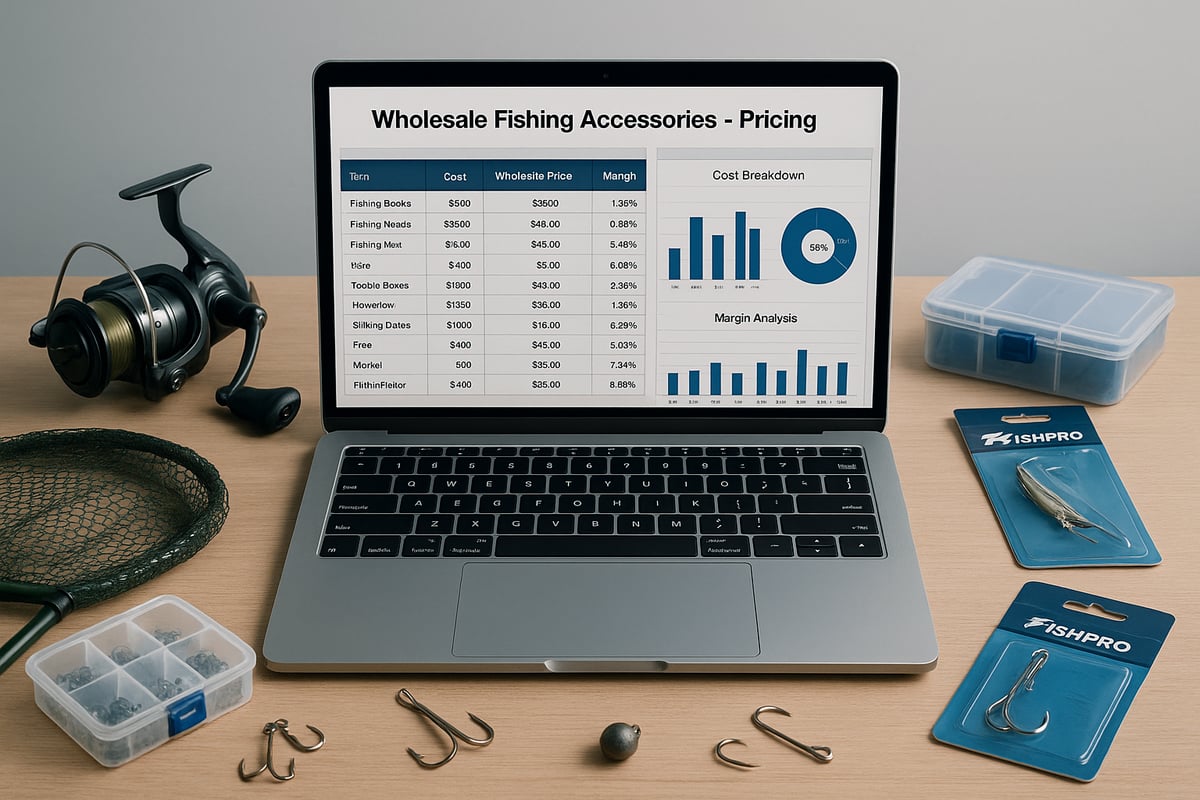
A clear grasp of your cost structure is the foundation for profitable pricing in wholesale fishing accessories. Direct costs include manufacturing, raw materials, packaging, and shipping. Indirect costs cover marketing, storage, insurance, and customs duties. Each component impacts your bottom line.
Consider the following breakdown:
| Cost Type | Examples |
|---|---|
| Direct Costs | Materials, labor, packaging, freight |
| Indirect Costs | Marketing, warehousing, insurance, duties |
For instance, calculating the landed cost per unit for imported nets involves summing manufacturing, shipping, import taxes, and storage fees. Overlooking hidden expenses can erode profits quickly. Regularly review all cost drivers to ensure your wholesale fishing accessories are priced to cover both visible and hidden costs.
Setting Competitive Wholesale Prices
To remain competitive in the wholesale fishing accessories market, benchmark your prices against industry averages and direct competitors. Use market research to identify prevailing price points for similar products. Volume-based pricing tiers can help attract larger buyers, while dynamic pricing strategies let you adjust for peak seasons or sudden demand shifts.
A typical pricing matrix may look like:
| Order Quantity | Price per Unit | Discount (%) |
|---|---|---|
| 100–499 | $2.50 | 0 |
| 500–999 | $2.30 | 8 |
| 1,000+ | $2.10 | 16 |
According to the Fishing Tackle Market Size and Share Report, growth in recreational fishing and eco-friendly materials is fueling competition, making precise pricing strategies even more vital. Analyze your cost base, factor in current market trends, and leverage data when setting wholesale fishing accessories prices.
Maximizing Profit Margins
Boosting margins in wholesale fishing accessories often comes down to value-added services and operational efficiency. Offer custom branding, private labeling, or bundled kits to differentiate your offering and justify premium pricing. Negotiate better terms with suppliers and take advantage of early payment discounts.
Consider logistics: optimizing shipping routes and automating inventory systems can reduce overhead. Implementing cloud-based inventory management ensures you are always stocked for peak seasons without overcommitting resources.
A case study highlights a wholesaler who increased margins by launching exclusive product lines and leveraging tools like Quality Performance Knives & Tools to enhance their accessory bundle value. By continually refining processes and offerings, your wholesale fishing accessories business can achieve sustainable profit growth.
Building a Resilient Wholesale Fishing Accessories Business
Building a resilient wholesale fishing accessories business in 2026 requires more than stocking the latest gear. Success hinges on a strategic approach, spanning branding, digital transformation, customer loyalty, risk management, and sustainability. Each area is vital for long-term growth and profit in this evolving market.
Branding and Positioning in a Competitive Market
Strong branding sets your wholesale fishing accessories business apart in a crowded marketplace. Start by defining your unique value proposition. Are you the go-to source for sustainable gear, or do you offer exclusive product lines for commercial fleets?
Build trust by securing relevant certifications, such as MSC or Fair Trade, and offering clear warranties. Transparent sourcing is another key factor, as buyers increasingly demand traceability. For example, some wholesalers have captured niche segments by specializing in eco-friendly or region-specific products.
Highlight your business strengths through professional catalogs, targeted messaging, and testimonials. As the Fishing Equipment Market Growth Analysis shows, the market is expanding rapidly, making it essential to position yourself as a leader committed to quality and innovation.
Digital Transformation: E-commerce & Online B2B Sales
Embracing digital transformation is non-negotiable for wholesale fishing accessories suppliers in 2026. Launch a dedicated e-commerce platform or integrate with leading B2B marketplaces to reach buyers worldwide.
Leverage online catalogs, real-time inventory, and automated order processing to streamline operations. Invest in digital marketing strategies like SEO, targeted email campaigns, and content marketing to attract new business. According to industry research, the shift to digital channels has accelerated, with wholesalers reporting significant sales growth after optimizing their online presence.
Consider implementing secure payment gateways and offering virtual product demos to enhance buyer confidence. Digital tools not only increase efficiency but also provide valuable data for refining your product mix and pricing.
Customer Relationship Management & Retention
Long-term success in wholesale fishing accessories depends on strong customer relationships. Offer personalized service, such as tailored product recommendations and flexible order options.
Implement a robust CRM system to track orders, preferences, and feedback. Launch loyalty programs or exclusive promotions to reward repeat buyers. After-sales support, including quick resolution of issues and proactive communication, builds trust and encourages referrals.
Regularly collect and act on customer feedback. This not only improves your service but also helps you anticipate shifts in demand and stay ahead of competitors. Satisfied clients are more likely to become brand advocates, driving organic growth in your wholesale fishing accessories business.
Risk Management & Business Continuity Planning
Effective risk management safeguards your wholesale fishing accessories operation from supply chain disruptions, regulatory changes, and market volatility. Diversify your supplier base to reduce dependency on any single source.
Secure insurance coverage for inventory and shipments to mitigate potential losses. Stay informed about regulatory updates, especially regarding import/export laws and environmental standards. Develop contingency plans for scenarios like global shipping delays or sudden demand spikes.
Case studies show that wholesalers who invest in business continuity planning are better equipped to adapt and recover during market upheavals. Regular risk assessments and flexible logistics strategies help maintain steady operations, even in uncertain times.
Sustainability and Social Responsibility
Sustainability is rapidly becoming a differentiator in wholesale fishing accessories. Source products made from eco-friendly materials and partner with suppliers who follow responsible fishing practices.
Pursue certifications like MSC or Fair Trade to validate your commitment. Adopt eco-conscious packaging and promote sustainable product lines in your marketing.
Supporting local communities or conservation initiatives strengthens your brand reputation. As buyers increasingly seek ethical partners, prioritizing sustainability not only benefits the environment but also drives long-term business growth in the wholesale fishing accessories sector.
As you explore the evolving wholesale fishing accessories market for 2026, it's clear that sourcing the right products and partnering with a trusted supplier can make all the difference for your business. With new trends like eco-friendly materials, smart gear innovations, and the growing demand in Pacific markets, staying ahead means working with a proven leader. Action Outdoors Limited offers unmatched expertise and a comprehensive range of fishing and marine equipment, all with reliable New Zealand-made quality. If you're ready to take your wholesale business to the next level, I encourage you to Buy Now and experience the difference for yourself.