
Are you ready to unlock new opportunities as the wholesale fishing products industry transforms in 2026?
This comprehensive guide will equip you with expert strategies, the latest trends, and actionable insights to help you excel in the evolving market. Whether you are a wholesaler or retailer, staying ahead requires understanding what drives demand, how to source top products, and ways to optimize your business for growth.
Explore market trends, product selection, sourcing solutions, inventory management, compliance, and future-proofing tips. Discover proven steps to thrive and maximize your success with wholesale fishing products in the coming year.
Understanding the 2026 Wholesale Fishing Products Market
The wholesale fishing products market in 2026 is on the threshold of major transformation. As recreational fishing booms and new technologies emerge, wholesalers and retailers face shifting demands, new growth drivers, and evolving regulations. Understanding these dynamics is crucial for anyone looking to succeed in the competitive fishing supply landscape.

Key Industry Trends and Growth Drivers
The global wholesale fishing products market is experiencing robust expansion. Post-pandemic, recreational fishing participation has surged, fueling wholesale demand worldwide. According to the Fishing Gear Market Size Trends Report 2026–2035, the fishing equipment sector is projected to exceed $16 billion by 2026.
Key trends include:
- Heightened demand for eco-friendly and sustainable products
- Rapid digital transformation with e-commerce and online B2B platforms
- Expansion in Asia-Pacific, North America, and Pacific Island markets
- Rising interest in specialty and niche fishing gear
- Climate change impacting gear requirements and product innovation
Wholesalers who monitor these trends can better position their wholesale fishing products for growth and market leadership.
Shifting Consumer Preferences and Buyer Demands
Consumer expectations for wholesale fishing products are evolving rapidly. Buyers now seek high-quality, durable, and innovative gear that enhances their fishing experience. Multi-purpose and compact equipment is increasingly popular, as are smart fishing technologies such as digital fish finders and app-integrated gear.
Notably, 40% of buyers prioritize sustainability, reflecting a shift toward eco-conscious purchasing. There is also a growing preference for locally made and ethically sourced products. Customization and personalization, such as branded lures or rods, are on the rise, offering wholesalers new avenues for differentiation and value creation.
Competitive Landscape and Key Players
The competitive landscape for wholesale fishing products is shaped by both major international brands and agile regional suppliers. Leading manufacturers set benchmarks for quality and innovation, while local suppliers often outpace imports in meeting specific community needs.
Recent mergers and acquisitions are reshaping global supply chains, creating opportunities for new entrants and niche suppliers. Benchmarking against top-performing companies is essential to stay competitive. Case studies reveal that local suppliers can achieve faster turnaround times and tailored solutions, helping them secure market share in their regions.
Regulatory, Environmental, and Trade Considerations
Regulation is a defining factor in the wholesale fishing products market. International standards cover fishing gear safety, environmental impact, and trade practices. Environmental requirements for nets, plastics, and fishing lines are tightening, with certifications such as ISO and MSC eco-labels becoming industry norms.
Import and export restrictions, tariffs, and documentation requirements vary by region. New Zealand, for example, enforces strict net regulations to ensure sustainability. Supply chain disruptions and geopolitical factors also play a significant role, requiring wholesalers to stay agile and compliant with evolving rules.
Market Challenges and Opportunities
The wholesale fishing products market faces several challenges, including fluctuating raw material costs, supply chain volatility, and the threat of counterfeit goods. Seasonality and changing fishing patterns further complicate inventory management.
However, there are significant opportunities for growth:
- Custom product offerings and value-added services
- Digital marketing and online sales channels
- Investment in inventory technology, with 25% of wholesalers adopting advanced systems
Strategies to mitigate risks include diversifying suppliers, leveraging technology, and focusing on product authenticity. Wholesalers who adapt quickly to market shifts will be best positioned to capitalize on emerging trends and secure long-term success.
Selecting the Right Wholesale Fishing Products for 2026
Choosing the right wholesale fishing products for 2026 requires a data-driven approach, attention to new trends, and a clear understanding of market shifts. As the industry evolves, wholesalers and retailers must carefully evaluate product categories, quality, sustainability, customization, and pricing strategies to stay ahead.
Core Product Categories and Best-Sellers
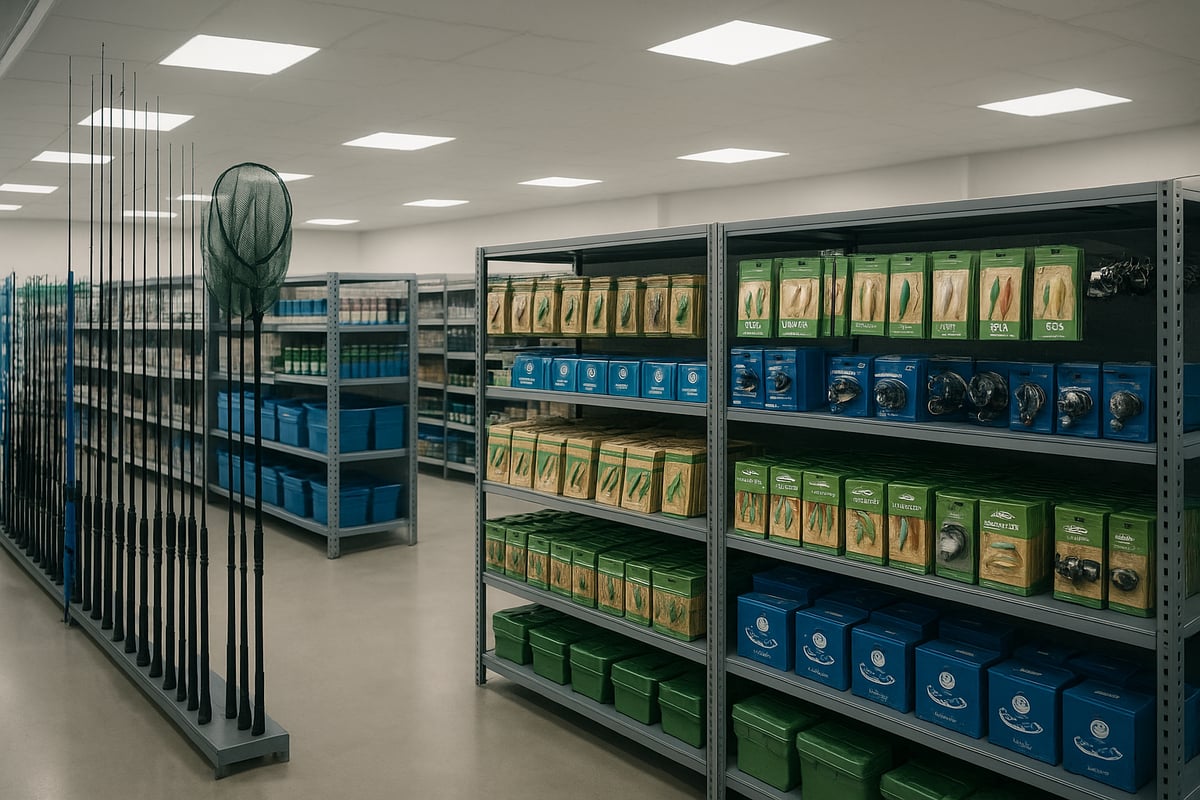
Understanding which wholesale fishing products lead the market is crucial for maximizing turnover. The core categories include nets, rods, reels, tackle, lures, and lines. Demand is shifting toward innovative and eco-friendly options, like biodegradable lures and collapsible nets, with regional preferences influencing best-seller lists.
| Category | Trend for 2026 | Margin Potential | Regional Hotspot |
|---|---|---|---|
| Nets | Collapsible, eco | High | Pacific Islands |
| Rods & Reels | Lightweight, smart | Medium | North America |
| Lures & Tackle | Biodegradable | High | Asia-Pacific |
| Lines | Durable, traceable | Medium | Global |
Recent data highlights a surge in eco-friendly tackle and specialty gear. For a practical overview of top-performing nets and related products, visit the Commercial Fishing Nets Collection. Prioritizing these categories ensures your wholesale fishing products align with 2026 market demand.
Evaluating Quality, Durability, and Innovation
Quality and durability set leading wholesale fishing products apart. Top wholesalers verify product certifications, perform rigorous testing, and seek innovations such as corrosion-resistant materials or lightweight composites.
Key indicators of quality include:
- Certified manufacturing processes
- Robust material construction
- Positive customer reviews and minimal returns
Poor-quality gear can harm your brand and reduce repeat business. In fact, 60% of buyers are willing to pay more for proven durability. Vetting new suppliers, requesting product samples, and reviewing third-party assessments are essential steps in maintaining a high standard for wholesale fishing products.
Sourcing Sustainable and Ethical Fishing Gear
Sustainability is a defining trend for wholesale fishing products in 2026. Eco-friendly materials like recycled plastics and biodegradable nets are in high demand. Look for certifications such as FSC, MSC, or ISO 14001 to ensure products meet global standards.
Transparency in sourcing and ethical labor practices matter to buyers. Brands that offer traceable supply chains and ethical credentials experience 35% year-over-year growth in sustainable gear sales. By prioritizing sustainable wholesale fishing products, you meet evolving buyer expectations and future-proof your business.
Customization and Private Label Opportunities
Customization unlocks new opportunities in the wholesale fishing products market. Retailers increasingly seek custom-branded gear to differentiate themselves. Private label and white label models each offer unique benefits: private label allows exclusive branding, while white label provides speed and flexibility.
Working closely with manufacturers enables you to offer exclusive designs, such as personalized nets or lures. Minimum order quantities and setup costs are considerations, but the payoff is higher margins and customer loyalty. In 2026, personalization will continue to drive value within wholesale fishing products.
Balancing Price, Value, and Profit Margins
Achieving profitability with wholesale fishing products requires careful pricing strategies. Negotiate favorable terms with suppliers and calculate landed costs accurately. Bundling products, such as pairing slow-moving items with best-sellers, can increase average order value.
Average wholesale markup rates remain competitive, so dynamic pricing tools are invaluable for managing both price-sensitive and premium segments. By leveraging technology and clear communication, you can maintain healthy profit margins while meeting the diverse needs of wholesale fishing products buyers.
Sourcing and Partnering with Reliable Suppliers
Finding and partnering with the right suppliers is essential for success in the wholesale fishing products market. Reliable sourcing ensures consistent quality, competitive pricing, and business growth. As the industry evolves, strategic partnerships and robust vetting processes will set your business apart.
Identifying and Vetting Top Suppliers
Selecting trustworthy suppliers is the foundation of any wholesale fishing products business. Begin by conducting thorough research using supplier directories, industry networks, and references. Review supplier ratings, trade history, and request samples to assess quality. Platforms like Online Fishing Tackle Store offer curated wholesale options and supplier information for fishing tackle and gear.
Key vetting steps include:
- Reviewing certifications and compliance documents
- Checking communication responsiveness
- Requesting product samples for evaluation
- Conducting site visits or virtual audits
Remember, 80% of successful wholesalers use multi-step verification before partnering.
Building Strong, Long-Term Partnerships
Long-term relationships with suppliers are crucial for stability in wholesale fishing products operations. Start by establishing clear expectations regarding product quality, delivery timelines, and payment terms. Transparent communication fosters trust and helps resolve issues quickly.
Best practices include:
- Regular check-ins and performance reviews
- Sharing market insights for joint growth
- Negotiating favorable terms and flexible agreements
Leveraging supplier expertise can spark innovation and streamline product development. Wholesalers with strong partnerships often experience fewer supply disruptions and better negotiation leverage.
Navigating International Sourcing and Logistics
Importing wholesale fishing products introduces complexities such as customs, documentation, and shipping logistics. Decide whether to import directly or work with local distributors based on volume, lead times, and market needs.
Essential considerations:
- Understanding import/export regulations and tariffs
- Selecting reliable freight forwarders and insurance providers
- Tracking average lead times to plan inventory
For example, Pacific Islands businesses often balance direct imports with regional distributors to optimize costs and reduce shipping delays. Always review international documentation requirements to avoid costly holdups.
Supplier Diversification and Risk Management
Relying on a single supplier for wholesale fishing products increases exposure to disruptions. Diversify your sourcing across multiple suppliers and regions to ensure continuity and agility.
Risk management strategies:
- Develop backup supplier relationships
- Monitor geopolitical and supply chain risks
- Use inventory management systems for real-time tracking
After the COVID-19 pandemic, 45% of wholesalers increased supplier diversity to better navigate volatility. Diversification not only safeguards supply but also opens doors to new product innovations and pricing advantages.
Action Outdoors Limited: NZ’s Trusted Fishing Net Manufacturer
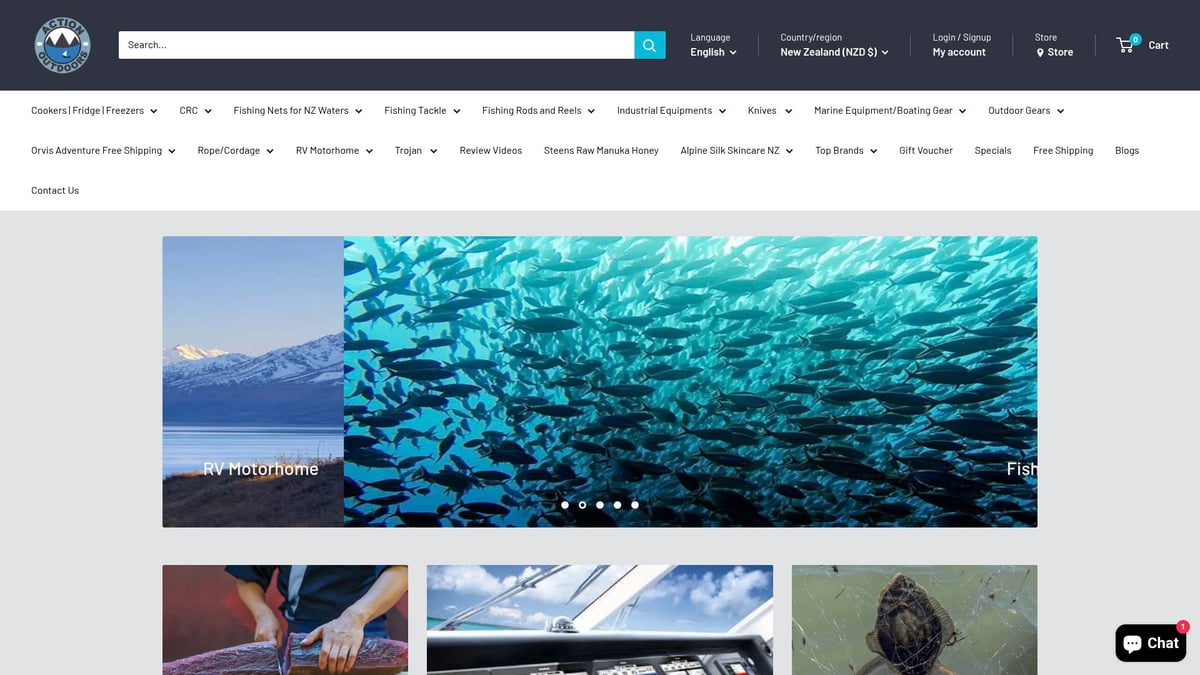
Action Outdoors Limited stands out as a premier source for wholesale fishing products in the Pacific and beyond. With over 350,000 meters of fishing nets produced annually, they support both commercial and community fisheries. Their commitment to New Zealand-made quality, fast turnaround, and export-ready solutions makes them a reliable partner for wholesalers seeking high-quality fishing nets and marine equipment.
Inventory Management and Wholesale Operations Excellence
Operational excellence is the backbone of success in the wholesale fishing products industry. Managing inventory, optimizing warehouses, and ensuring compliance are vital for profitability and growth. As the market evolves, wholesalers must adopt forward-thinking strategies to stay ahead.

Forecasting Demand and Managing Seasonality
Accurate demand forecasting is essential for wholesale fishing products businesses. Leveraging historical sales data and predictive analytics helps anticipate peaks during fishing tournaments or holiday seasons.
Using demand planning software and ERP systems, wholesalers can adjust stock levels to match seasonal trends. For example, increasing inventory before peak fishing months prevents stockouts, while reducing stock after the season minimizes excess. Deloitte reported a 20% reduction in inventory costs for companies that improved forecasting.
Adapting to seasonality ensures that wholesale fishing products are always available when customers need them most.
Efficient Warehousing and Fulfillment Strategies
Optimizing warehouse operations directly impacts the efficiency of wholesale fishing products distribution. A well-organized layout, clear labeling, and designated zones for high-turnover items reduce picking times.
Automation technologies like RFID and barcode scanning streamline inventory tracking. Cross-docking can speed up order fulfillment by moving products directly from receiving to shipping. According to Logistics Management, RFID adoption results in 15% faster order processing.
Choosing between in-house and outsourced fulfillment depends on order volume and business goals. Efficient processes ensure that wholesale fishing products reach buyers quickly and in perfect condition.
Minimizing Losses and Maximizing Turnover
Reducing dead stock and increasing turnover are top priorities for wholesale fishing products suppliers. Implementing FIFO (First-In, First-Out) or LIFO (Last-In, First-Out) inventory methods minimizes obsolescence and spoilage.
Discounting slow-moving items or bundling them with best-sellers can clear excess stock. Regular cycle counts help identify discrepancies and prevent theft or damage. Tracking average turnover rates enables data-driven decisions for replenishment.
Effective loss prevention and turnover strategies ensure that capital is not tied up in unsold wholesale fishing products and that inventory remains fresh.
Leveraging Technology for Operations
Embracing technology is a game changer in managing wholesale fishing products. Inventory management software provides real-time stock visibility and automates reordering, reducing manual errors.
Integration with e-commerce and B2B platforms allows seamless order processing and data sharing across locations. Cloud-based solutions support multi-warehouse operations and remote access. Data analytics tools identify trends and forecast demand, supporting smarter purchasing decisions.
With 60% of wholesalers reporting increased efficiency from tech adoption, leveraging digital solutions is essential for staying competitive in the wholesale fishing products market.
Compliance, Safety, and Product Traceability
Meeting compliance standards is non-negotiable for wholesale fishing products suppliers. Adhering to local and international safety regulations, proper product labeling, and complete documentation are critical.
Digital traceability systems enable tracking of eco-certified products from manufacturer to end user. Having robust recall management procedures protects brand reputation and ensures swift action if needed. According to recent surveys, 70% of buyers check for compliance before purchasing.
Strong compliance, safety, and traceability protocols build trust and ensure the long-term success of wholesale fishing products businesses.
Marketing and Selling Wholesale Fishing Products in 2026
Establishing a competitive edge in the wholesale fishing products sector in 2026 requires a robust marketing and sales strategy. The market is rapidly evolving, with digital transformation and shifting buyer expectations shaping the way wholesalers connect with retailers and commercial buyers. By leveraging multiple sales channels, advanced marketing tactics, and relationship-building strategies, you can position your wholesale fishing products business for sustained growth and profitability.
B2B Sales Channels and Distribution Strategies
Wholesale fishing products sales are increasingly driven by a mix of direct, distributor, and online marketplace channels. Expanding your reach through digital B2B platforms, such as Alibaba or TradeIndia, can connect you with international buyers and streamline bulk orders. Building a network of regional distributors remains vital for local market penetration, especially in high-growth regions.
Hybrid sales models, blending online and offline approaches, are gaining traction. According to Global Sports Fishing Equipment Market to Reach $15.4 Billion by 2026, the sector’s growth is accelerating, making it crucial to negotiate favorable distribution agreements that protect your margins and ensure consistent supply. Evaluate which channels align best with your target markets and product categories.
Digital Marketing and Online Presence
A strong digital presence is essential for marketing wholesale fishing products in 2026. Build a professional, easy-to-navigate website tailored to wholesale buyers, featuring clear product information, pricing, and ordering processes. Implement SEO strategies to improve visibility for key terms related to wholesale fishing products and attract qualified leads.
Social media platforms, such as LinkedIn, Facebook, and Instagram, are valuable for B2B outreach and showcasing new product launches. Email marketing remains an effective way to nurture relationships and inform buyers about promotions or new stock. Consider case studies or video testimonials to build credibility and drive engagement.
Trade Shows, Industry Events, and Networking
Participating in major trade shows and industry events is a proven way to market wholesale fishing products and build valuable connections. Events like ICAST and the Pacific Fishing Expo attract wholesalers, retailers, and industry influencers from around the globe.
Exhibiting at these events offers high ROI by generating leads and fostering direct interactions with potential buyers. Networking strategies, such as attending industry seminars or joining professional associations, can further expand your reach. Post-pandemic, a blend of virtual and in-person events ensures maximum exposure and flexibility for busy buyers.
Building Trust and Long-Term Customer Relationships
Trust is the cornerstone of success in wholesale fishing products. Transparent communication, reliable delivery, and consistent product quality set you apart from competitors. Offering value-added services, such as product training or after-sales support, demonstrates commitment to your clients’ success.
Implement loyalty programs and volume discounts to reward repeat buyers and encourage larger orders. Collecting and acting on customer feedback helps refine your offerings and build loyalty. Strong support systems lead to higher retention rates, which are essential for long-term profitability in the wholesale fishing products market.
Adapting to Market Changes and Future-Proofing Sales
The wholesale fishing products landscape is dynamic, requiring agility and continuous improvement. Monitor market trends, competitor activity, and regulatory changes to anticipate shifts in demand. Invest in new product development, especially in areas like smart fishing gear or sustainable materials, to stay ahead of buyer preferences.
Empower your sales team with ongoing training and tools for rapid pivots. Diversify your product lines and sales channels to reduce risk and capture emerging opportunities. By remaining proactive and adaptable, your wholesale fishing products business will be well-positioned for sustained growth in 2026 and beyond.
Future Trends Shaping Wholesale Fishing Products
The landscape for wholesale fishing products is evolving rapidly as new technologies, eco-innovations, and distribution models transform the industry. Staying ahead of these trends will be key for wholesalers seeking growth and resilience in 2026.
Emerging Technologies and Smart Fishing Gear
Technology is revolutionizing wholesale fishing products through smart, connected gear. IoT-enabled devices, such as digital fish finders and app-synced rods, are gaining traction among both recreational and commercial buyers.
Wearable accessories and AI-powered analytics are making fishing more efficient and data-driven. For example, smart tackle boxes can now track inventory and location, simplifying management for retailers.
These innovations are driving a 25% CAGR in the smart fishing gear segment, opening up new revenue streams for forward-thinking wholesalers. Embracing these products will be essential for staying competitive in the wholesale fishing products market.
Sustainability and Eco-Innovation
Sustainability is shaping the future of wholesale fishing products. Manufacturers are prioritizing biodegradable and recycled materials to reduce environmental impact. Circular economy initiatives and eco-friendly packaging are now top priorities for buyers and regulators alike.
Brands leading in eco-innovation are capturing market share by offering marine-degradable gear, with forecasts predicting strong growth through 2032. For an in-depth look at this trend, review the Marine-Degradable Fishing Gear Market Forecasts to 2032.
Wholesalers who source sustainable products and align with these innovations will be well positioned to meet rising consumer and regulatory demands in the wholesale fishing products sector.
Evolving Regulations and Compliance Requirements
Regulatory changes are set to impact wholesale fishing products globally. Updates to international standards are increasing documentation and traceability requirements, especially for eco-certified gear.
For instance, the Pacific Islands have introduced new net certification rules to promote sustainability and protect local fisheries. Trade agreements and tariffs are also shifting, requiring wholesalers to adapt quickly.
Preparing for stricter compliance is crucial. Those who invest in traceability and quality controls will maintain access to key markets and build trust with buyers, ensuring their wholesale fishing products remain competitive.
The Future of Wholesale Distribution Models
Wholesale fishing products distribution is evolving as direct-to-consumer (DTC) and online B2B marketplaces expand. Hybrid models, which blend physical and digital channels, are gaining momentum and increasing efficiency.
Automation and robotics are transforming warehousing, streamlining fulfillment, and reducing costs for wholesalers. As 35% of companies invest in DTC channels, traditional wholesalers must adapt to these changes.
Embracing new distribution models and technologies will help wholesalers future-proof their operations, ensuring they continue to thrive in the dynamic wholesale fishing products market.
As we’ve explored, navigating the wholesale fishing products market in 2026 means staying ahead on quality, sustainability, and trusted partnerships. Whether you’re looking to stock up on ready to use nets, source innovative marine equipment, or ensure fast, reliable supply for your business, working with a leader like Action Outdoors Limited gives you that competitive edge. Their New Zealand made products and export ready solutions are tailored for serious wholesalers who want proven results. Ready to take your wholesale strategy to the next level? Buy Now and set your business up for success in the year ahead.