Imagine landing your dream rod, rare lure, or collectible reel at a price that feels like a true catch. The secret lies in mastering the fishing auction game, where knowledge and timing can turn any bidder into a winner.
This comprehensive guide reveals proven strategies and practical tips designed for both newcomers and seasoned anglers eager to succeed in the 2026 fishing auction marketplace. From understanding auction basics to identifying valuable lots and applying expert bidding tactics, you will discover how to maximize your success.
Dive in to uncover trends, insider insights, and actionable advice that will help you turn every fishing auction opportunity into a rewarding experience.
Understanding Fishing Auctions in 2026
Fishing auctions have evolved into dynamic marketplaces where anglers, collectors, and enthusiasts can access gear and collectibles, often at competitive prices. Understanding the structure, processes, and latest trends is essential for success in any fishing auction environment.

What Are Fishing Auctions?
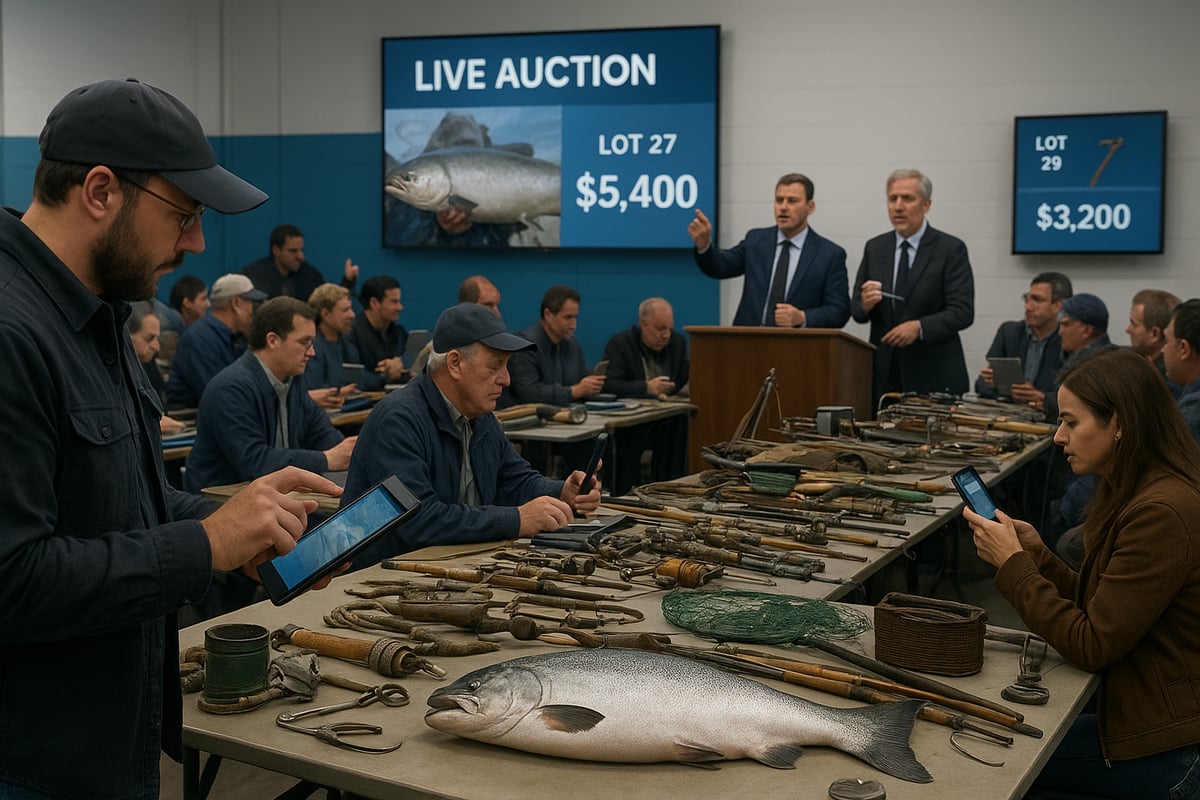
A fishing auction is a marketplace where fishing-related items are sold to the highest bidder within a set timeframe. These events can take various forms, including live in-person auctions, online-only platforms, hybrid models blending both, and silent auctions where bids are placed privately.
There are notable differences between fishing tackle, gear, and collectible auctions. Tackle and gear auctions focus on equipment for practical use, while collectible auctions target rare or vintage items prized by enthusiasts. Key players in any fishing auction include auction houses, sellers, buyers, and online platforms that facilitate bidding. For example, HiBid and eBay both host regular fishing auction events, offering everything from rods to collectible lures.
How Fishing Auctions Work Today
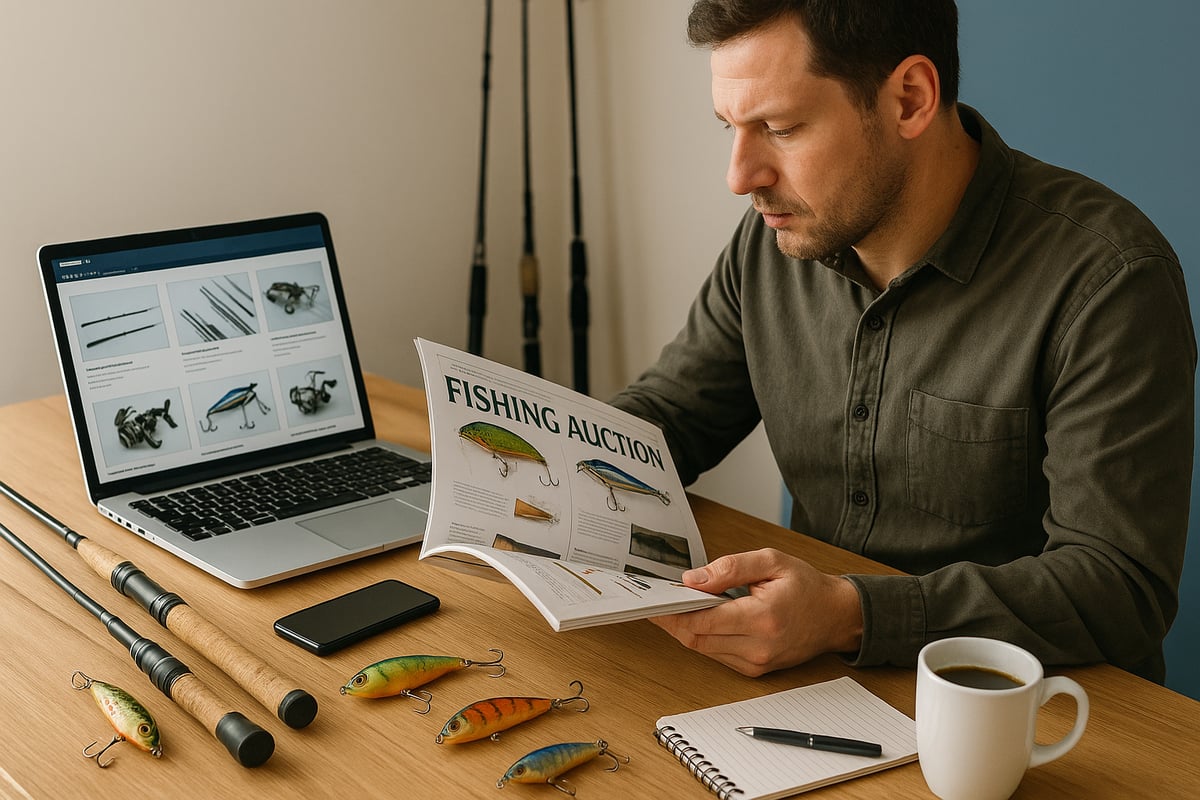
Participating in a fishing auction today typically starts with registration and identity verification, ensuring a secure bidding environment. Auction houses provide detailed catalogues with lot descriptions, high-quality images, and condition reports to help bidders make informed choices.
Bidding formats vary, including timed online sales, live in-person events, absentee bids placed in advance, and proxy bidding where the system automatically increases your bid up to a set maximum. After the auction, winning bidders complete payment and arrange for collection or shipping of their items. Recent HiBid fishing auction results showcase a wide range of realized prices, reflecting both demand and item rarity.
Key Trends Shaping 2026 Auctions
The fishing auction landscape in 2026 is shaped by several notable trends. Online-only and hybrid auctions have surged in popularity, giving buyers from around the world access to unique lots. Enhanced digital cataloguing now features high-resolution images and videos, making remote evaluation easier and more accurate.
Artificial intelligence is increasingly used for lot authentication and providing personalized bidding recommendations. According to the Fishing Gear Market Size Trends Report 2026–2035, the global fishing gear market continues to grow, fueling more auction listings and attracting international participants. Platforms like eBay have reported over 1,900 fishing auction lots available at any given time, reflecting this expansion.
Types of Items Commonly Auctioned
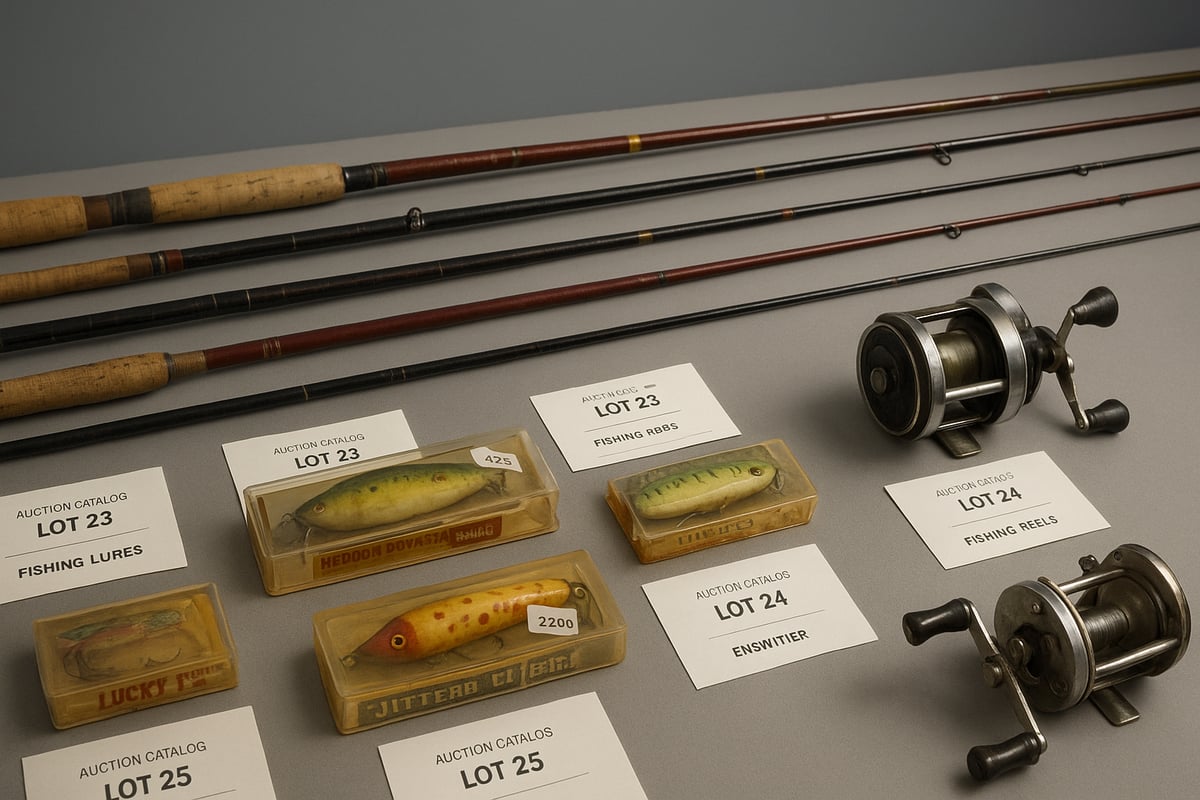
A fishing auction offers a broad range of items, catering to both practical anglers and collectors. New and used fishing tackle, such as rods, reels, and nets, are frequently available. Vintage and collectible lures, especially those in original packaging, are highly sought after.
Bulk lots, like tackle boxes filled with assorted lures, provide opportunities for value purchases. Branded gear from companies such as Shimano, Daiwa, and Penn often attract competitive bidding. Specialized equipment for saltwater, freshwater, and carp fishing also appears regularly in fishing auction catalogues.
Auction Fees, Terms, and Buyer Protections
Understanding the fee structure is crucial before participating in a fishing auction. Most auctions charge a buyer's premium—a percentage added to the final bid price. Return policies and guarantees vary by platform, with some offering free returns or requiring items to be sold by authorized sellers for added security.
Shipping options may include local pickup, domestic delivery, or international shipping, each with its own cost considerations. Reputable fishing auction platforms also provide dispute resolution services and fraud prevention measures. For example, eBay's buyer protection and HiBid's auction notices help ensure transparency and safeguard buyers' interests.
Preparing for a Fishing Auction: Pre-Auction Strategies
Getting ready for a fishing auction involves more than just browsing lots. Smart preparation sets you up for success, whether you are chasing that rare collectible reel or stocking up on bulk tackle. Here is how to lay the groundwork for a winning experience.

Researching Auction Platforms and Events
Start your fishing auction journey by exploring the main platforms available. Compare sites like eBay, HiBid, and local auctioneers for their selection, reputation, and event schedules. Many platforms offer previews of upcoming lots and email notifications for new auctions.
Pay attention to seller ratings and feedback scores, as these indicate reliability. Subscribing to mailing lists gives you early access to featured and hot auctions. If you are interested in bulk lots, reviewing bulk fishing gear buying tips can help you spot opportunities for value purchases.
Setting Your Budget and Goals
Before the fishing auction begins, set clear spending limits. Calculate your maximum bid per item and overall budget, accounting for buyer's premiums and shipping. Knowing these numbers helps you avoid overspending during the heat of bidding.
Decide which items are must-haves versus those that would be nice to win. Research price history from completed fishing auction sales to benchmark your bids. For example, noting previous realized prices, such as $241 for a filled tackle box, helps you set realistic expectations.
Analyzing Lot Descriptions and Condition Reports
Careful reading of lot descriptions is crucial in any fishing auction. Check for details about authenticity, included components, and overall condition. High-quality images and video walkthroughs provide visual confirmation, making it easier to spot missing parts or signs of wear.
Watch for red flags like vague descriptions, missing details, or listings marked "Not Specified." If anything is unclear, contact the auctioneer for clarification or request additional photos. Detailed analysis reduces the risk of surprises when your item arrives.
Understanding Auction Rules and Terms
Each fishing auction platform has unique rules, so familiarize yourself with registration requirements, accepted payment methods, and bidding increments. Some sites ask for ID verification before you can place a bid.
Review the auction’s return, refund, and shipping policies. For example, eBay offers filters for new, used, and returnable items, allowing you to tailor your bidding strategy. Knowing these terms ahead of time helps you avoid misunderstandings and ensures a smoother transaction.
Building a Winning Auction Strategy
Decide early how you will approach the fishing auction. Will you place absentee bids, participate live, or use last-second bidding tactics? Setting up watchlists and notifications for your favorite lots keeps you organized as the auction progresses.
Plan for the possibility of multiple auctions or lots closing at the same time. Use reminders for closing times and staggered lot endings to avoid missing out. Tools like eBay’s watchlist and bid tracking can streamline your bidding process and improve your odds of success.
Organizing Your Auction Day Setup
On fishing auction day, preparation is key. Ensure your internet connection is stable, and have backup devices ready in case of technical issues. Create a distraction-free environment so you can focus entirely on the bidding process.
Prepare your payment information for a fast checkout. Real-time bidding, especially as lots close on platforms like HiBid, requires attention and quick action. Staying organized and ready allows you to react swiftly when the right deal appears.
Spotting Value: Evaluating Fishing Auction Lots
Unlocking value at a fishing auction requires more than luck. Successful bidders know how to evaluate lots, spot hidden gems, and avoid costly mistakes. Whether you are after vintage collectibles or modern gear, understanding the essentials of lot evaluation will set you apart from the crowd.

Identifying High-Value Gear and Collectibles
Not every item at a fishing auction holds equal value. Begin by researching popular brands and rare models, especially vintage lures and discontinued rods. Items in original packaging or with certificates of authenticity tend to fetch higher prices.
Check auction catalogs for limited-edition pieces and compare current listings to recently sold lots. For rods, knowing which brands are in demand can be a game changer. For more insight, see this guide to the best fishing rods to buy in NZ. This can help you identify which rods might command top dollar at your next fishing auction.
Assessing Condition and Authenticity
Condition is critical when evaluating any fishing auction lot. Examine high-resolution images for signs of wear, repairs, or missing parts. Pay attention to whether reels have original handles and if rods have been professionally restored.
Request additional photos or documentation if anything seems unclear. Authenticity also matters, especially for collectibles. Look for provenance, receipts, or certificates that confirm the item's story. Use auction filters to separate new from used gear and always verify details before bidding at a fishing auction.
Calculating True Cost and Potential Resale Value
Winning a fishing auction lot is just the first step. Calculate the true cost by adding the hammer price, buyer’s premium, shipping fees, and any restoration expenses. For used gear, factor in cleaning or repair costs.
Estimate the resale value by reviewing price trends for similar items. Consider whether buying in bulk, such as tackle boxes filled with lures, offers better value than single pieces. Market demand for certain categories, like vintage reels, can also influence your bidding strategy at a fishing auction.
Example Table: Cost Calculation
| Item Type | Hammer Price | Buyer’s Premium | Shipping | Total Cost |
|---|---|---|---|---|
| Vintage Rod | $80 | $12 (15%) | $20 | $112 |
| Bulk Lure Lot | $150 | $22.50 (15%) | $25 | $197.50 |
Avoiding Common Pitfalls and Scams
Fishing auction platforms are not immune to scams. Watch for shill bidding, fake listings, or sellers with poor reputations. Always verify auction legitimacy and read the fine print for hidden fees or restrictive return policies.
Stick to secure payment methods and use buyer protection programs whenever possible. Look for “authorized seller” badges or return policy filters to minimize risk. If something seems too good to be true, take a step back and reassess before committing at a fishing auction.
Tools and Resources for Lot Evaluation
Leverage available tools to make smarter decisions at any fishing auction. Use auction archives and price tracking tools to review historical sales data. Join collector forums and social media groups for advice on brands or specific lots.
Expert blogs and video reviews can offer valuable product insights. Take advantage of platform filters to search by brand, material, or condition. By combining research and community input, you can confidently spot value and maximize your success at a fishing auction.
Bidding Like a Pro: Auction Day Tactics
Mastering the art of bidding in a fishing auction is the key to scoring top gear and rare collectibles. The right tactics can make the difference between winning your dream lot and walking away empty-handed. With real-time competition and evolving technology, staying sharp and prepared is essential for every fishing auction participant.

Timing Your Bids for Maximum Impact
Timing is everything in a fishing auction. Understanding when to place your bid can dramatically increase your chances of success. Most online fishing auction platforms use either a “soft close” or a “hard close.” A soft close extends the auction time if bids come in at the last second, while a hard close ends exactly at the scheduled time.
Many seasoned bidders employ “sniping,” placing their bid at the very last possible moment to minimize competition. This tactic works especially well in auctions with a hard close. To dive deeper into the strategy, explore this Auction Sniping Strategies resource.
Consider using proxy bidding tools, which automatically raise your bid up to your maximum limit. Monitor lot activity closely, and keep your fishing auction watchlist updated for real-time bidding.
Reading the Auction Room and Online Dynamics
Success in a fishing auction often hinges on reading the room, whether you are bidding in person or online. Watch for patterns in other bidders’ behavior. Some may bid aggressively from the start, while others wait for the final moments.
Look for sudden jumps in bid increments, which can signal a bidding war. Pay attention to hot lots and featured items, as these often attract more competition. In a live fishing auction, observe body language and listen for hesitation or confidence in the crowd. Online, track the bid history and see how quickly bids are coming in.
Adapting your approach on the fly will help you stay ahead during any fishing auction session.
Managing Multiple Lots and Simultaneous Auctions
Juggling several lots in a fishing auction requires careful planning. Prioritize your target items and identify backup choices in case you miss out on your top pick. Stagger your bids to avoid exceeding your budget across multiple lots.
Use watchlists and alerts to keep track of closing times, especially when auctions overlap. If permitted, delegate bidding to a trusted partner or use multiple devices for simultaneous participation. For example, you might bid on both eBay and HiBid at the same time during a fishing auction event.
Staying organized ensures you do not miss out on valuable fishing auction opportunities.
Handling Auction Day Stress and Decision Fatigue
Auction day can be intense, especially during a high-stakes fishing auction. Stay focused on your pre-set goals and keep your maximum bid limits in mind. Avoid emotional bidding, often called “auction fever,” which can push you beyond your budget.
Take breaks between lots to reset and reassess your fishing auction strategy. Keep snacks and water nearby for longer sessions. Setting alarms for high-priority lots can help you stay alert and ready to act at the right moment.
Managing stress ensures you make clear decisions and maximize your fishing auction results.
Securing Your Wins and Post-Auction Steps
Once the gavel falls, winning a fishing auction lot is just the beginning. Immediately confirm your successful bids and review the itemized invoice. Complete payment promptly to avoid any chance of forfeiting your win.
Coordinate shipping or arrange for local pickup based on the auction house’s procedures. Leave feedback or reviews for the seller or auctioneer to build your reputation within the fishing auction community.
By following these steps, you ensure a smooth post-auction process and pave the way for future fishing auction success.
Troubleshooting Common Auction Day Issues
Technical glitches can occur during any fishing auction, so prepare in advance. Ensure your internet connection is stable, and have a backup device ready. If you encounter a problem, contact auction support immediately for assistance.
Document any disputes or discrepancies as soon as they arise. Know your rights regarding returns or refunds, especially with high-value fishing auction lots. Familiarize yourself with the help center resources of platforms like HiBid and eBay.
By staying proactive, you can handle unexpected issues and protect your fishing auction investments.
Navigating the Evolving Fishing Auction Marketplace
The fishing auction landscape in 2026 is more dynamic than ever. Staying ahead means understanding new technologies, global trends, environmental priorities, and the evolving community. Let’s explore how you can thrive in this shifting marketplace.
Emerging Technologies in Fishing Auctions
Technology is transforming every aspect of the fishing auction experience. AI-driven bidding assistants, advanced search filters, and virtual reality previews are now standard features on leading platforms. These innovations make it easier to evaluate lots and place strategic bids from anywhere.
For instance, AI tools analyze your past bidding history and suggest lots that match your preferences. High-resolution video and even 3D visualizations let you inspect rods, reels, and lures in detail before you commit. Blockchain authentication is also gaining traction, especially for rare collectibles.
If you want to stay on top of new product releases and innovations, explore the Fishing Rods Market Trends and Tech Developments report for insights on future-ready gear and emerging fishing auction categories.
Globalization and Cross-Border Bidding
The fishing auction scene has become truly global. Online platforms now connect bidders and sellers from every continent, making it possible to acquire rare or region-specific items that were once out of reach.
This global reach brings both opportunity and complexity. Bidders must navigate customs rules, international shipping fees, and currency conversions. Many platforms now offer clear shipping calculators and guidance on taxes, helping you estimate true costs before you bid.
International bidders often use location filters to target auctions in specific countries or regions. This cross-border participation increases competition and can drive up prices for highly coveted lots. Staying informed about international market trends gives you a critical edge at any fishing auction.
Environmental and Sustainability Considerations
Sustainability is an increasingly important theme in the fishing auction world. Many bidders now prioritize used or vintage gear, reducing waste and supporting a circular economy. Bulk lots of pre-owned tackle, for example, encourage reuse rather than disposal.
Auction houses are responding with eco-friendly packaging and carbon-neutral shipping options. Some events even donate proceeds to conservation efforts or support local fisheries. As you assess lots, consider the environmental impact of your purchases and look for auctions that align with your values.
For those interested in specialized or eco-friendly gear, learning about 10 types of fishing nets can help you identify sustainable options and unique finds in fishing auction catalogs.
Community and Social Aspects of Fishing Auctions
The fishing auction community is more connected than ever. Online forums, live chat rooms, and collector groups provide invaluable spaces for sharing insights, tracking rare finds, and celebrating auction wins.
These communities offer support for both novice and seasoned bidders. Many collectors share real-time updates on hot lots, post reviews, and help authenticate gear. Networking with other enthusiasts can lead to private sales or group buys, expanding your access to exclusive items.
Participating in community discussions also helps you stay alert to scams, shill bidding, and other risks. Engaged members are quick to flag suspicious listings, making the fishing auction marketplace safer for everyone.
Market Data and Auction Analytics
Data-driven decision-making is a game changer in the fishing auction marketplace. Platforms now provide detailed analytics, including past realized prices, trending brands, and category performance.
Savvy bidders use these insights to set realistic budgets, spot undervalued lots, and time their bids for maximum impact. Historical price charts and auction archives reveal patterns in demand for vintage reels, discontinued rods, or branded gear.
Table: Example Auction Analytics Tools
| Tool | Use Case |
|---|---|
| Price archives | Track historical sales |
| Brand filters | Compare top manufacturers |
| Lot alerts | Monitor specific item trends |
Leveraging analytics helps you make informed choices in every fishing auction you enter.
Legal and Ethical Issues in Fishing Auctions
Navigating the legal landscape of the fishing auction world is essential for both buyers and sellers. Compliance with local and international laws ensures the legitimacy of each transaction. For example, certain gear may be subject to import restrictions or protected species regulations.
Ethical sourcing and provenance verification are also critical, particularly for high-value collectibles. Reputable auction houses clearly outline terms regarding authenticity, restricted items, and buyer protections.
Always review auction terms and consult with platform support if you have questions. Staying informed about legal and ethical standards will protect your investments and maintain your reputation in the fishing auction community.
Expert Tips for Consistent Auction Success
Consistent success in any fishing auction comes from a blend of preparation, networking, and adaptability. Whether you are growing your collection or searching for high-performance gear, these expert tips will help you stand out and win more often.
Building Relationships with Auctioneers and Sellers
Building strong relationships with auctioneers and reputable sellers can give you a major edge in any fishing auction. Regular communication opens doors to insider information about upcoming lots and early previews.
- Introduce yourself at live or online auctions
- Ask insightful questions about lots you are interested in
- Express genuine interest in the seller’s offerings
Long-term buyers often get priority notifications about rare or high-value lots. Establishing trust can also lead to more accurate lot descriptions and even private offers. Networking is not just about winning, but about becoming a respected member of the fishing auction community.
Leveraging Collector Communities and Forums
Connecting with fellow enthusiasts in collector forums and online groups adds tremendous value to your fishing auction experience. These communities are goldmines for advice, sharing wins and losses, and learning about exclusive sales.
- Join social media groups focused on fishing auctions
- Participate in forum discussions and share your insights
- Collaborate on group buys for bulk lots or rare items
Through these channels, you can access private auctions and benefit from collective wisdom. The camaraderie and shared stories in these groups make the fishing auction process not only more informed, but more enjoyable.
Continuous Learning and Market Monitoring
To stay competitive in the fishing auction landscape, adopt a mindset of continuous learning. Monitoring market trends, attending webinars, and reading expert blogs keep you ahead of the curve.
- Track realized prices for your favorite brands and categories
- Attend virtual previews and auction workshops
- Follow auction news updates for trend analysis
Keeping up with new product releases and shifts in demand helps you spot undervalued lots before others do. The fishing auction market evolves rapidly, so staying informed is a key part of consistent success.
Developing a Long-Term Collection or Gear Strategy
Setting clear collection or gear goals will guide your decisions at every fishing auction. Decide whether you are collecting vintage lures, high-end rods, or building an arsenal for different fishing styles.
- Track value appreciation of rare items over time
- Rotate inventory by reselling or upgrading gear
- Research discontinued models for future resale potential
Understanding the mechanics and authenticity of reels is essential for collectors. Before bidding on reels, consult resources like the Fishing reel repair parts guide to assess real value and avoid costly repairs. A strategic approach ensures your fishing auction wins align with long-term goals.
Avoiding Burnout and Maintaining Auction Enjoyment
It is easy to get caught up in the thrill of the fishing auction chase, but maintaining balance is vital. Set realistic expectations and celebrate every win, no matter how small.
- Take breaks between auction seasons or major events
- Mix up your participation with themed or charity auctions
- Balance bidding with actual fishing trips for renewed motivation
Remember, the fun of a fishing auction lies in the hunt as much as the prize. Enjoy the journey and avoid burnout by pacing your involvement.
Adapting to Changing Auction Landscapes
The fishing auction world is always evolving, with new platforms, technologies, and bidding formats emerging regularly. Flexibility is your greatest asset.
- Experiment with AI-driven bidding tools and virtual previews
- Adjust your strategies as market conditions change
- Embrace innovation while relying on proven tactics
Trying out features like VR previews or advanced filtering can unlock new opportunities. By staying adaptable, you ensure continued success no matter how the fishing auction environment shifts.
After exploring the ins and outs of fishing auctions—from spotting valuable gear to mastering your bidding strategy—you’re ready to put your new skills to the test. If you want to make the most of your auction wins or need reliable, quality fishing equipment for your next adventure, Action Outdoors Limited has you covered. With their extensive range of New Zealand made fishing nets and marine supplies, you can trust you’re getting the best for both commercial and community needs. Ready to upgrade your gear or stock up after your auction success? Buy Now and experience dependable service with quick turnaround times.