
Email

The world of bulk fishing is rapidly evolving, with 2026 set to bring new strategies, innovative gear, and heightened focus on efficiency. To truly excel in bulk fishing this year, you need more than just experience; success depends on strategic planning, the best equipment, and staying informed about the latest trends. This comprehensive guide will walk you through essential knowledge, gear choices, step-by-step techniques, advanced tactics, sustainability practices, and troubleshooting tips. Ready to maximize your catch and streamline your operations? Dive in and discover how to master bulk fishing for 2026 success.
Bulk fishing has become the backbone of modern commercial and community fisheries, especially as global demand for seafood rises. In 2026, the term bulk fishing refers to the coordinated capture of large quantities of fish in a single operation, using specialized gear and techniques designed for efficiency and scale. This approach supports food security, drives export economies, and sustains coastal livelihoods across the Pacific and beyond.
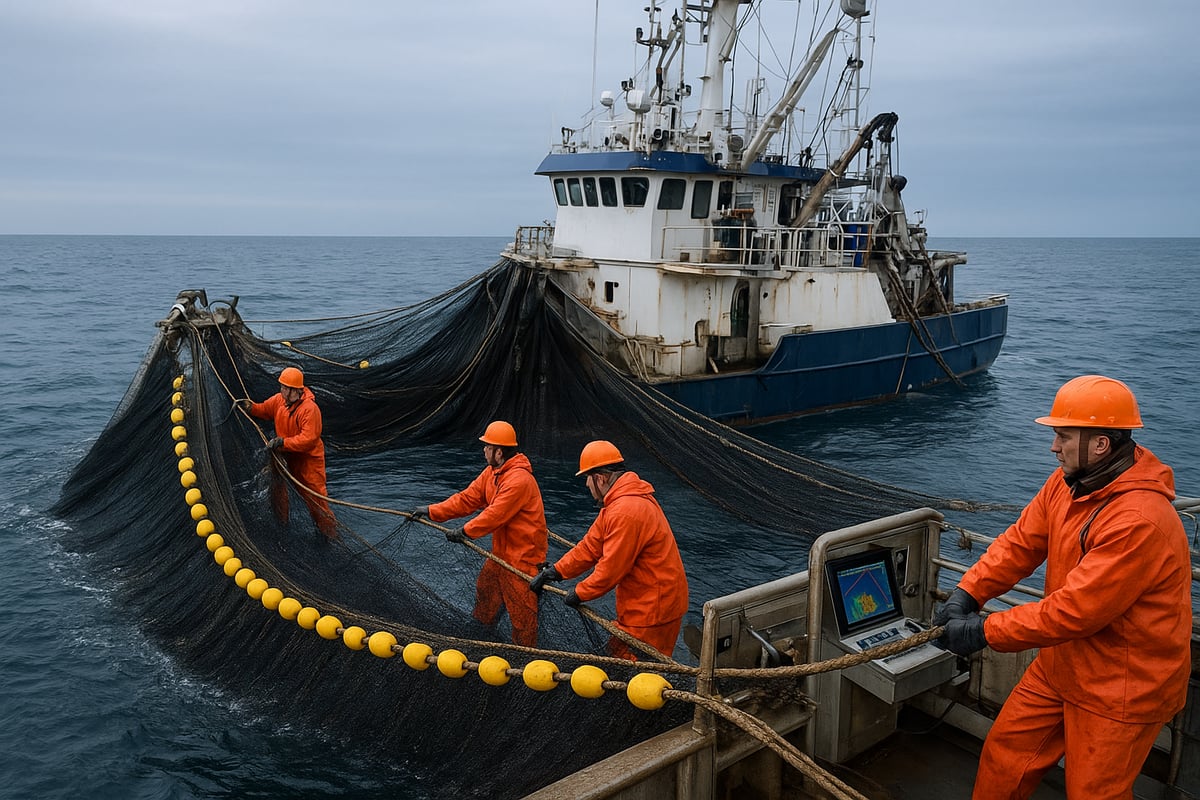
Bulk fishing encompasses several core methods, each suited to different environments and target species. Netting remains the most widely used technique, with gill nets, trawl nets, and purse seines enabling efficient harvests of pelagic and demersal fish. Longlining involves setting out extensive lines with baited hooks to capture species like tuna and swordfish. Seining surrounds fish schools with a wall of net before drawing them in, while trap fishing uses stationary cages for species such as lobster and crab. For a deeper dive into the diversity and selection of nets in bulk fishing, the Types of Fishing Nets Guide provides practical insights.
Advancements in technology and evolving regulations are rapidly shaping bulk fishing in 2026. Modern vessels are equipped with sonar, GPS, and real-time data analytics to locate fish schools with precision. Automated net haulers and digital logbooks streamline operations and improve reporting accuracy. At the same time, governments are tightening controls on quotas, gear specifications, and reporting to ensure sustainability and compliance, requiring operators to stay informed and adaptable.
The main goals of bulk fishing are to maximize yield, maintain sustainability, and operate efficiently. Compared to traditional rod-and-line or artisanal methods, bulk fishing can deliver exponentially higher volumes per trip, supporting large-scale food supply chains. For example, New Zealand’s commercial fleets have shifted from manual techniques to purse seining, resulting in consistent hauls and reduced labor costs.
| Bulk Fishing | Traditional Fishing |
|---|---|
| High-volume catch | Low-volume, selective catch |
| Advanced gear, tech | Simple rods, minimal tech |
| Team coordination | Solo or small group |
| Strict regulations | Fewer compliance demands |
The Pacific region exemplifies the shift, with data showing a 20% increase in demand for high-volume bulk fishing solutions since 2024. However, misconceptions persist. Some believe bulk fishing always causes overfishing, but modern practices increasingly prioritize selective gear and bycatch reduction. Terminology is also evolving, with terms like “industrial-scale harvest” and “community bulk fishing” now common in fisheries management.
Species most often targeted by bulk fishing include sardines, mackerel, hoki, snapper, and squid. The choice of species depends on local market demand, migration patterns, and regulatory quotas. By understanding these key concepts, fishers and stakeholders can navigate the complexities of bulk fishing and adapt to the fast-changing landscape of 2026.
Selecting the right gear is the foundation of bulk fishing success in 2026. As fisheries face higher demand and stricter regulations, having reliable equipment is more critical than ever. Each piece, from nets to safety gear, plays a role in maximizing yield, efficiency, and sustainability.
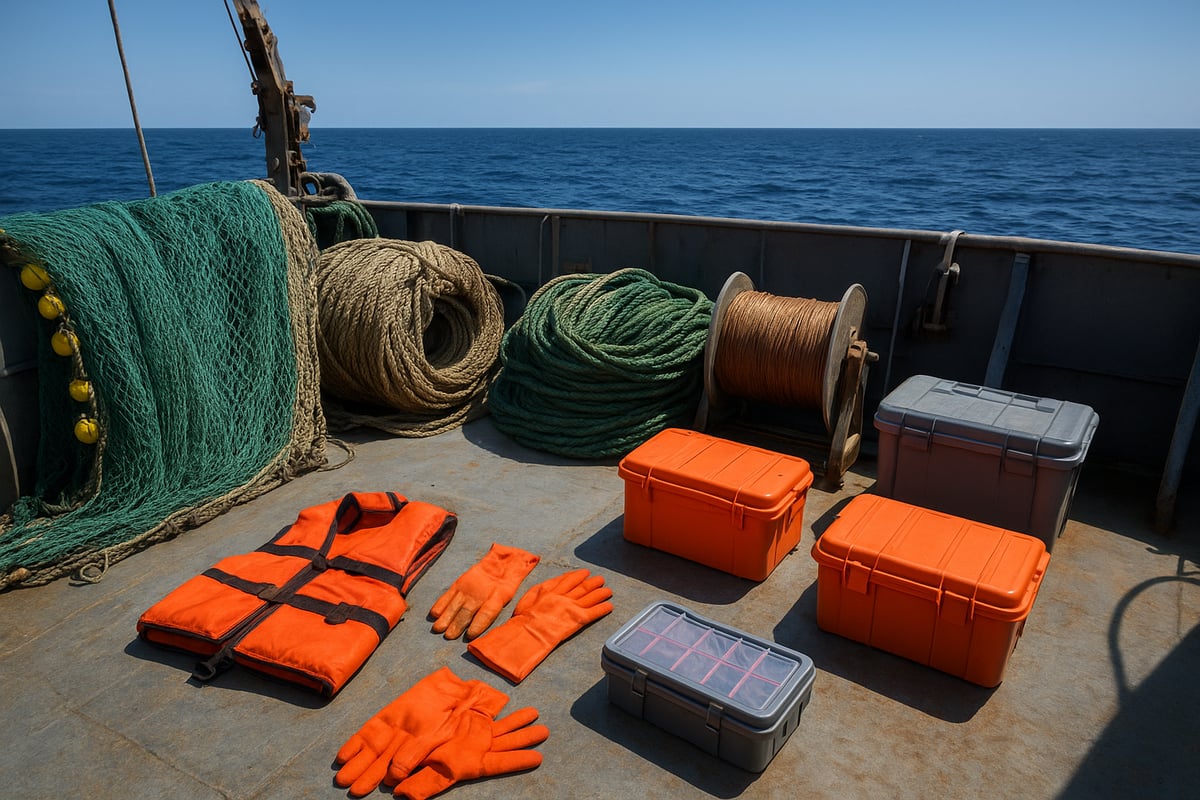
Choosing the right net is at the heart of every bulk fishing operation. Options include gill nets, trawl nets, purse seines, and custom-made designs, each suited for specific environments and species. For example, purse seines excel in capturing schooling pelagic fish, while trawl nets are favored for groundfish.
When selecting nets, consider mesh size, material durability, and the target species. Mesh size is especially important, as it influences both catch rates and bycatch. For a detailed look at how mesh size impacts bulk fishing outcomes, see Fishing Net Mesh Size Explained.
Regular net maintenance extends gear lifespan and ensures optimal performance. Simple routines, such as rinsing with fresh water, inspecting for tears, and timely repairs, can significantly reduce downtime. Pacific and New Zealand fisheries have demonstrated that high-quality nets not only improve efficiency but also help lower bycatch, supporting sustainable bulk fishing practices.
In bulk fishing, line choice directly impacts operational efficiency. Monofilament lines are popular for their stretch and invisibility, while braided lines offer superior strength and abrasion resistance. Bulk spools, like Sufix Superior Bulk Spools and Diamond Braid Gen III, keep crews ready for long trips and reduce the need for frequent resupply.
Key specs to evaluate include tensile strength, resistance to cuts, and visibility in water. Stronger lines reduce the risk of losing valuable hauls, and abrasion resistance is crucial for fishing near rocky bottoms or debris.
Proper storage is vital for line longevity. Store bulk spools in a cool, dry place, away from sunlight, and always check for signs of wear before use. These best practices ensure that your bulk fishing gear is always prepared for the next trip.
Quality terminal tackle is essential for bulk fishing reliability. Hooks, swivels, and crimps must withstand heavy loads and repeated use. Commercial suppliers now offer corrosion-resistant and high-test tackle innovations tailored for 2026 requirements.
Floats, weights, and buoys are equally important, helping manage nets and lines for precise placement and easy recovery. An efficient accessory checklist should include sharp knives, durable pliers, organized storage, and tackle management systems.
Successful bulk fishing operations often use pre-assembled accessory kits, streamlining workflow and reducing errors. Staying updated on the latest tackle innovations can give your team a competitive edge.
Safety is non-negotiable in bulk fishing. Essential gear includes cut-resistant gloves, sturdy gaffs, first aid kits, and life jackets for all crew members. These basics help prevent accidents and enable prompt response to onboard emergencies.
Organized storage is just as important. Use waterproof containers, modular tackle boxes, and net racks to keep gear accessible and protected from harsh marine environments. Well-planned workspaces reduce clutter and improve efficiency during hauls.
Recent data from Pacific fisheries show that crews using proper safety protocols and advanced storage solutions experience fewer injuries and less downtime. Investing in safety and organization is a smart strategy for sustainable bulk fishing success.
Mastering the bulk fishing process in 2026 means more than just casting nets. It requires detailed preparation, precise execution, and adaptive strategies at every phase. Below, we break down each step for a smooth, productive haul.
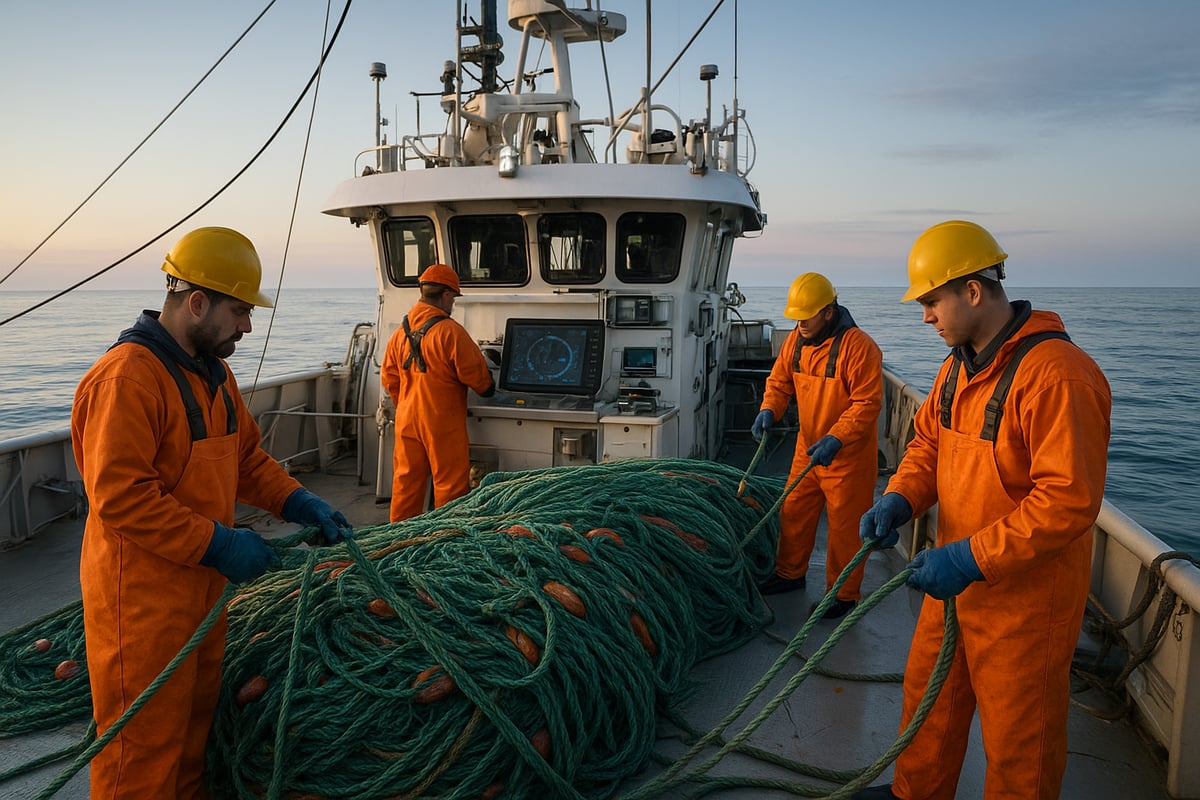
Every successful bulk fishing operation starts before you leave the dock. Careful planning reduces risks and sets the stage for a productive outing.
Start with route and location scouting. Use modern sonar, GPS, and analyze historical catch data to pinpoint optimal fishing grounds. Check weather and tide forecasts for safe and efficient timing. Equipment inspection is essential: thoroughly examine nets, lines, tackle, and all safety gear.
Be sure to review regulatory requirements. Secure necessary permits, verify quotas, and prepare for reporting obligations. This upfront diligence keeps your bulk fishing compliant and efficient.
Pre-Trip Checklist:
Proper planning ensures you arrive ready, maximizing your bulk fishing yield and minimizing downtime.
Once on location, setting up gear correctly is critical for bulk fishing efficiency. Begin by rigging nets and lines according to your target species and local conditions. Organize your workspace for smooth workflow and safety.
Follow a chronological order:
To minimize bycatch and gear loss, use selective net designs and maintain clear communication among crew members. Retrieval markers make finding and collecting gear easier.
For in-depth guides on deploying nets for species like flounder, including legal and best practice insights, see this resource on Flounder Nets and Bulk Fishing Info.
By focusing on precise setup and deployment, you enhance bulk fishing productivity and reduce operational headaches.
During bulk fishing, continuous monitoring and timely adjustments are the difference between average and exceptional results. Use real-time sonar and onboard sensors to track net positions and fish activity. Combine this tech with manual checks for best accuracy.
Stay flexible. Adjust net placement or line tension as conditions change. Effective teamwork is vital—clear communication ensures everyone is aligned and reacts quickly to evolving situations.
Key tactics for maximizing your haul:
For multi-day trips, data-driven decision-making can significantly increase bulk fishing output. Timely adjustments help avoid gear loss and ensure a higher quality catch.
Retrieving your gear safely and efficiently is crucial in bulk fishing. Use mechanical winches or haulers to lift heavy nets and lines, reducing crew fatigue and injury risk. Once onboard, sort the catch immediately to separate target species from bycatch.
Organize the sorting area for speed and safety. Quick identification and handling of non-target species help comply with regulations and protect marine ecosystems.
Preservation is the next priority. Store fish on ice or in live wells to maintain freshness and product value. Rapid processing, such as gutting or filleting, should follow best practices to meet market standards.
Quality Control Measures:
By streamlining retrieval and preservation, you protect the value of your bulk fishing harvest and support sustainability.
Bulk fishing operations in 2026 demand more than traditional approaches. To stay competitive and efficient, crews must embrace new strategies and advanced tools. The following sections present actionable insights, proven tactics, and the latest innovations shaping bulk fishing for the coming year.
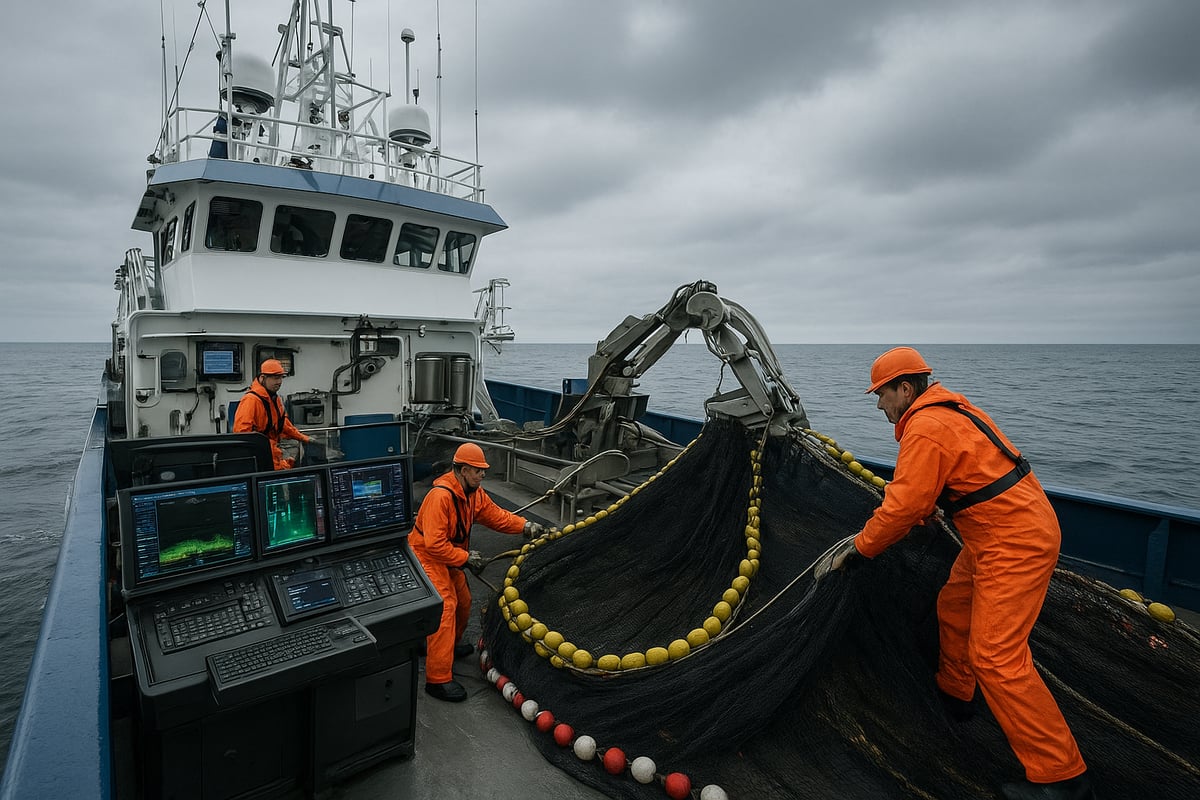
Bulk fishing in 2026 is driven by rapid advancements in technology. Modern fleets now rely on high-precision sonar, advanced fish finders, and automated net haulers to increase efficiency. These tools enable operators to pinpoint schools of fish and deploy equipment with minimal waste.
Digital logbooks and catch tracking apps streamline reporting and compliance, reducing paperwork and human error. Onboard sensors monitor gear performance and environmental conditions in real time, allowing crews to make swift adjustments. Data analytics, integrated with GPS and historical catch patterns, help identify the most productive locations, maximizing bulk fishing yields.
For example, Pacific commercial fleets that adopted these innovations reported up to 18 percent higher catch rates within a single season. The EU fisheries control system revamp highlights how digitalization is transforming both regulations and operational standards, pushing bulk fishing toward greater accountability and efficiency.
Crews embracing these technologies not only improve their bottom line but also position themselves for future regulatory changes and market demands.
Bulk fishing success in 2026 hinges on cohesive teamwork and effective training. Every crew member must understand their role, from gear setup to catch processing. Training programs, especially those focused on new equipment and digital platforms, ensure all hands can operate efficiently and safely.
Communication tools such as waterproof radios, wireless headsets, and visual signaling devices keep everyone connected, even during noisy hauls. Regular drills and briefings reinforce safety protocols and minimize errors.
Real-world cases show that well-trained crews reduce downtime, handle emergencies swiftly, and consistently achieve larger hauls. Task rotation helps prevent fatigue and maintains high alertness throughout long shifts. By fostering a culture of ongoing learning and collaboration, bulk fishing teams can adapt to evolving challenges and optimize every trip.
Adapting bulk fishing methods to seasonal changes and target species is vital for optimal results. Each species exhibits distinct behaviors, such as migration, feeding, and spawning, which affect their availability and catchability.
For example, Pacific mackerel require different net mesh sizes and deployment techniques than snapper, especially during peak migration periods. Adjusting gear and methods not only increases catch rates but also minimizes bycatch. Studying seasonal catch trends allows crews to plan trips around high-yield windows, maximizing efficiency.
A simple comparison table can help illustrate gear modifications for two common species:
| Species | Peak Season | Net Mesh Size | Gear Adjustment |
|---|---|---|---|
| Pacific Mackerel | Spring | 30-40 mm | Deeper set, faster tow |
| Snapper | Summer | 50-60 mm | Shallower set, slower tow |
By tailoring bulk fishing strategies to species and season, crews ensure sustainable harvests and consistent profitability.
Efficient bulk fishing should always prioritize sustainability. Selective fishing methods, such as using nets with escape panels and bycatch reduction devices, help target only the desired species. Real-time monitoring systems alert crews to unintended catches, allowing immediate adjustments.
Compliance with local and international regulations is essential. Many successful New Zealand fisheries have adopted gear modifications that significantly reduce bycatch, resulting in healthier ecosystems and continued access to lucrative quotas. Regular crew training on bycatch handling and rapid release techniques further enhances outcomes.
Long-term, these strategies boost the reputation and longevity of bulk fishing operations. Prioritizing environmental stewardship not only meets regulatory demands but also appeals to markets increasingly focused on traceability and responsible sourcing.
Sustainability and regulation have become central pillars for bulk fishing as we approach 2026. With growing demand and environmental concerns, the industry is under pressure to adopt responsible practices while maximizing efficiency. For commercial and community fisheries alike, understanding and aligning with evolving standards is crucial for long-term success.
New Zealand and Pacific regions have introduced stricter bulk fishing regulations for 2026. Key updates include tighter quota controls, mandatory electronic reporting, and updated legal specifications for nets and other gear. These changes are designed to protect fish stocks and ensure that bulk fishing remains viable. For those operating in international waters, the fishing opportunities for 2026 set by the EU Council also shape quota and compliance requirements, making it essential to monitor both local and global policies.
Best practices in bulk fishing now focus on sustainable harvesting, responsible gear selection, and minimizing environmental impact. Using the right nets not only improves efficiency but also reduces bycatch and supports ecosystem health. Many fisheries are turning to specialized solutions, such as custom made fishing nets for mullet, to target specific species with minimal waste. Adhering to legal mesh sizes and using escape panels further supports sustainable outcomes.
Collaboration between commercial operators, community groups, and regulators is increasingly important. Quota sharing, data pooling, and co-management initiatives help balance economic needs with conservation goals. Statistics from recent years show that regions adopting collaborative models have seen a measurable improvement in fish stock recovery and overall catch quality. These approaches are becoming a blueprint for bulk fishing operations across the Pacific.
Looking ahead, future trends in bulk fishing point toward greater emphasis on traceability and eco-labeling. Consumers and markets are demanding proof of sustainable sourcing, which is driving investment in digital logbooks and real-time tracking systems. Regulatory bodies are expected to introduce more rigorous certification standards, making compliance both a legal and market advantage. By staying proactive and embracing these best practices, bulk fishing professionals can secure their operations and contribute to the health of marine resources.
Bulk fishing in 2026 is defined by a careful balance of productivity, compliance, and stewardship. By keeping up with regulations, adopting sustainable gear, and working collaboratively, the industry can meet both current demands and future challenges.
Bulk fishing in 2026 presents unique challenges that can impact efficiency, safety, and profitability. Whether you operate in the Pacific or New Zealand, addressing these issues quickly is essential for maintaining high catch rates and ensuring smooth operations.
Equipment reliability is critical for bulk fishing success. Common failures include net tears, line breakage, and malfunctioning tackle, which can halt operations and reduce yield. To minimize downtime, crews should conduct regular inspections before each trip and after every haul.
Implementing a robust maintenance schedule is key. Crews should follow expert fishing gear maintenance tips to extend the lifespan of nets and lines. Keep repair kits onboard with spare netting, strong adhesives, and replacement hooks to enable quick fixes at sea.
Track the most frequent issues in a logbook. This helps identify patterns and prioritize preventive action, ensuring that bulk fishing operations remain efficient and cost-effective.
Weather unpredictability is a constant challenge in bulk fishing. Rough seas, high winds, and shifting currents can damage gear and threaten crew safety. Always analyze up-to-date weather and tide forecasts before departure, and use onboard monitoring tools for real-time updates.
Prepare contingency plans, such as alternative fishing routes and safe harbors. Training the crew in emergency protocols and rapid gear retrieval can prevent accidents and equipment loss.
By staying vigilant and flexible, commercial fisheries can adapt their bulk fishing strategies to changing conditions, safeguarding both their catch and their crew.
Supply chain disruptions can leave crews without essential gear, risking costly delays. Bulk fishing operations should maintain an inventory management system, tracking stock levels of nets, lines, and tackle.
Build relationships with multiple suppliers to reduce dependence on single sources. When possible, invest in versatile gear that can serve multiple functions. For critical items like nets, refer to net maintenance and longevity guides to maximize their usable life.
Being proactive with ordering and storage ensures that bulk fishing activities continue smoothly, even during market fluctuations.
Long shifts and heavy workloads are common in bulk fishing, increasing the risk of fatigue-related accidents. Schedule regular breaks and rotate tasks among crew members to reduce strain.
Equip the vessel with essential safety gear, including gloves, first aid kits, and life jackets. Organize safety drills so that everyone is prepared for emergencies. Maintain clear walkways and secure storage for tools and catch to prevent injuries.
An alert, well-rested crew is vital for safe and productive bulk fishing operations, minimizing downtime and enhancing overall performance.
Low catch rates can result from gear issues, poor planning, or environmental changes. Analyze catch data and environmental trends to identify potential causes. Adapt your bulk fishing approach by adjusting net mesh size, targeting different species, or exploring new locations.
Utilize sonar and fish finders to pinpoint productive areas. Collaborate with other fisheries to share insights on migration patterns and seasonal shifts. By staying flexible and data-driven, crews can overcome setbacks and maintain profitability in bulk fishing.
After exploring the latest strategies and must-have gear for successful bulk fishing in 2026, you’re now set to take your fishing game to the next level. The right equipment makes all the difference—whether you’re supplying your community or running a commercial operation, quality nets and marine gear ensure efficiency and bigger hauls. If you’re ready to upgrade your setup with durable, New Zealand-made products trusted across the Pacific, now is the perfect time to act. Visit Action Outdoors Limited and Buy Now to equip yourself for a productive and profitable bulk fishing season.
Shop related products at Action Outdoors: Fishing Nets · Marine Electronics · Fishing Lures
Leave a comment