跳至内容
Sinker Moulds NZ: Complete Guide for Kiwi Anglers 2026

Sinker Moulds NZ: Complete Guide for Kiwi Anglers 2026

For anglers across New Zealand, creating custom sinkers has become an essential skill that combines cost savings with practical fishing advantages. Sinker moulds NZ enthusiasts rely on provide the foundation for crafting weights perfectly suited to local conditions, from shallow harbors to deep offshore reefs. Whether you're targeting snapper in the Hauraki Gulf or dropping baits for blue cod around the South Island, having the right sinker shapes and sizes makes a measurable difference in your fishing success. The ability to produce your own tackle not only reduces expenses but also ensures you always have the exact weight configuration needed for changing conditions.

Understanding Sinker Moulds for New Zealand Fishing

Sinker moulds represent a practical investment for any serious angler. These tools allow you to transform scrap lead or purchased ingots into functional fishing weights at a fraction of retail prices. The average sinker mould pays for itself within 10-15 casting sessions, making it particularly valuable for those who fish regularly or lose tackle in snaggy environments.

Types of Sinker Moulds Available

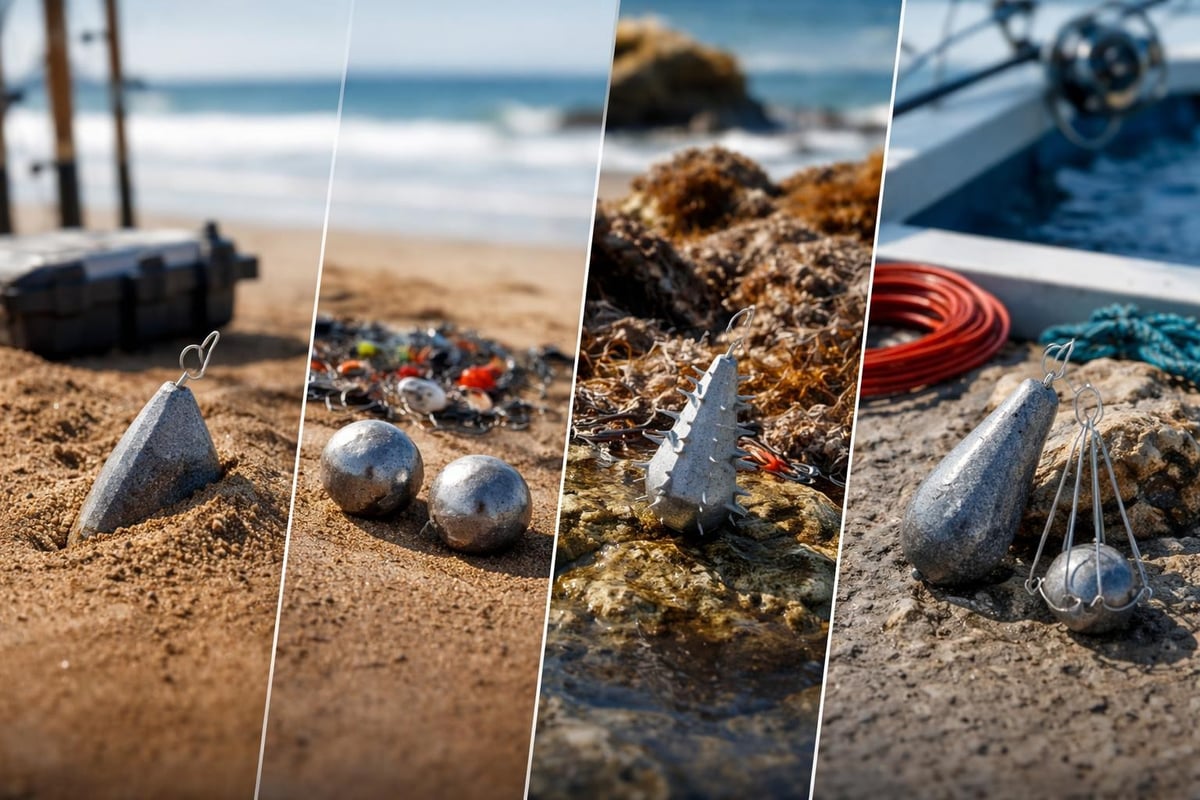
The New Zealand market offers several distinct categories of moulds, each designed for specific fishing applications:

  • Pyramid moulds create weights that hold bottom in strong currents
  • Ball sinker moulds produce rounded weights ideal for slow retrieval presentations
  • Reef sinker moulds make elongated designs perfect for deep-water fishing
  • Bomb sinker moulds form teardrop shapes that minimize snags in rocky terrain
  • Breakaway moulds enable specialized surfcasting configurations with wire attachments

Commercial operations and dedicated recreational fishers often maintain multiple mould types to address varying conditions throughout the fishing year.

Different sinker mould types

Material Construction and Durability

Quality sinker moulds NZ suppliers stock are typically manufactured from aluminum or steel. Aluminum moulds heat and cool more quickly, reducing production time between casts. They're lightweight and resistant to corrosion in marine environments. Steel moulds, while heavier, offer superior longevity and maintain dimensional accuracy even after thousands of pours.

Material Heat Cycle Lifespan Weight Cost
Aluminum Fast 2,000-5,000 casts Light Moderate
Steel Moderate 10,000+ casts Heavy Higher
Brass Fast 3,000-7,000 casts Medium Premium

The Pro Hunter Pyramid & Ball Sinker Mould demonstrates the cost-efficiency available when investing in dual-purpose designs that accommodate multiple weight configurations.

Selecting the Right Mould Configuration

Choosing appropriate sinker moulds depends on your primary fishing methods and target species. New Zealand's diverse fishing environments require different approaches, from gentle estuary flats to turbulent coastal points.

Combo Moulds Versus Single-Purpose Designs

Combo moulds maximize versatility by incorporating multiple cavity sizes within one unit. These designs prove particularly valuable for anglers who fish varied locations or pursue different species throughout the season. The Pro Hunter Reef Sinker Mould 32oz exemplifies specialized equipment designed for deep-water applications where heavier weights become necessary.

Single-purpose moulds offer advantages in production volume. When you need 50 identical 3-ounce pyramid sinkers for an upcoming fishing trip, a dedicated mould streamlines the casting process without requiring cavity adjustments or temperature variations between different weight sizes.

Size Range Considerations

Most sinker moulds NZ anglers purchase produce weights ranging from 1 ounce to 8 ounces, covering the majority of recreational fishing scenarios. Specialized deep-water moulds extend this range to 32 ounces or more for commercial applications and extreme-depth fishing.

Consider these common applications when selecting size ranges:

  1. Harbor and estuary fishing: 1-3 ounce weights
  2. Coastal rock and beach fishing: 3-6 ounce weights
  3. Offshore reef fishing: 6-12 ounce weights
  4. Deep-water commercial fishing: 12-32 ounce weights
  5. Surfcasting in heavy conditions: 4-8 ounce weights

The essential fishing accessories guide provides additional context for building a comprehensive tackle-making setup.

Safety Protocols for Lead Melting

Working with molten lead requires strict adherence to safety procedures. Lead melts at approximately 327 degrees Celsius, creating serious burn risks and potential toxic fume exposure without proper precautions.

Essential Safety Equipment

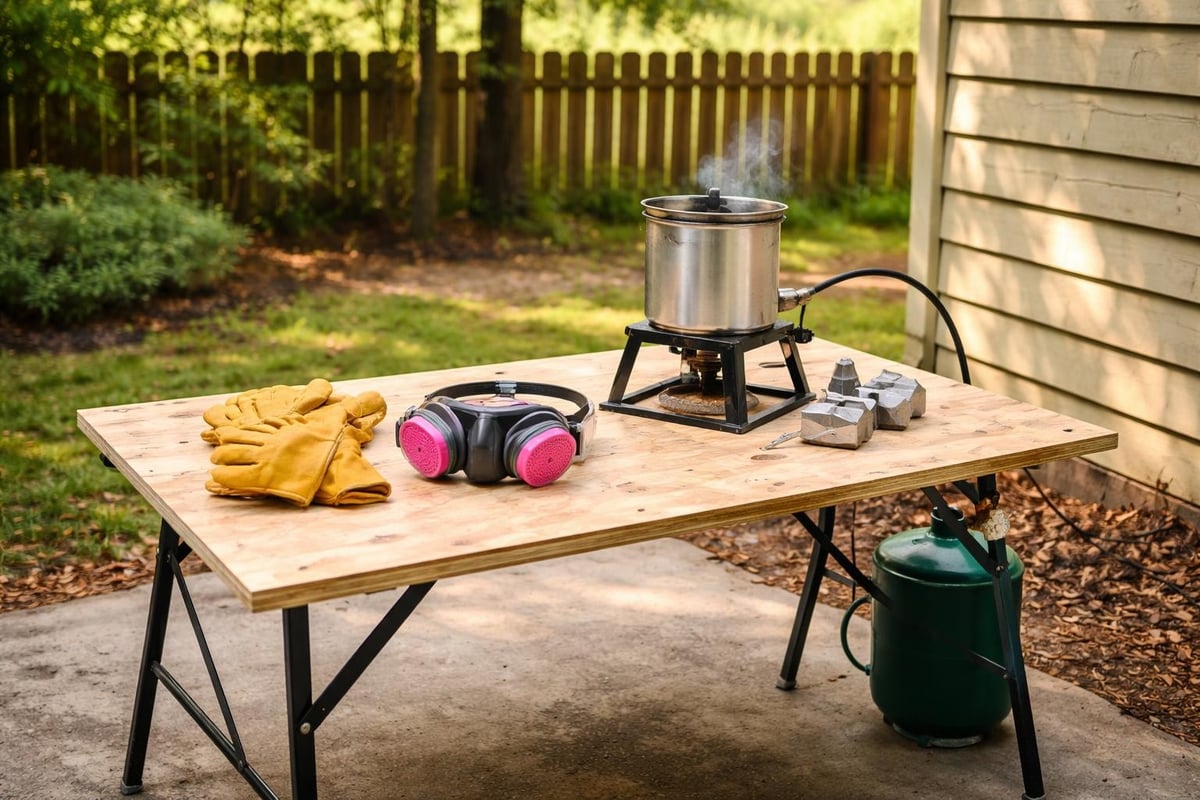
Before attempting to cast sinkers, assemble the following protective gear:

  • Heat-resistant gloves rated for temperatures exceeding 400 degrees Celsius
  • Safety glasses with side shields to protect against splashing metal
  • Long-sleeved natural fiber clothing that won't melt if contacted by hot lead
  • Respirator or outdoor ventilation to avoid inhaling lead fumes
  • Fire extinguisher rated for metal fires within arm's reach
  • First aid supplies including burn treatment materials

Never attempt lead casting in enclosed spaces or near flammable materials. Work on non-combustible surfaces with adequate clearance from structures and vegetation.

Lead casting safety setup

Temperature Management and Pour Techniques

Maintaining consistent lead temperature produces superior sinker quality. Too hot, and the lead creates surface irregularities; too cool, and it fails to fill intricate mould details completely. Most experienced casters aim for temperatures between 340-370 degrees Celsius.

The Gillies Sinker Mould - Bomb Combo includes manufacturer specifications and detailed tips for achieving optimal results through proper temperature control.

Production Techniques and Quality Optimization

Efficient sinker production requires developing consistent techniques that minimize defects while maximizing output speed. Professional tackle makers can produce 60-80 quality sinkers per hour once systems are established.

Mould Preparation and Maintenance

Clean moulds produce the best results. Before each casting session:

  1. Inspect mould cavities for residue or damage
  2. Apply light coating of mould release agent if necessary
  3. Pre-heat moulds to approximately 150 degrees Celsius
  4. Test-pour one sinker to verify temperature and flow
  5. Adjust heat source based on initial results

Between production runs, store moulds in dry environments to prevent corrosion. Remove any lead buildup using brass brushes rather than steel tools that might damage cavity surfaces.

Wire Eye Installation Methods

Most fishing sinkers require integrated wire eyes for line attachment. Three primary methods exist for incorporating these features:

  • Pre-insertion: Place wire in mould before pouring (requires precise positioning)
  • Hot insertion: Push wire into lead immediately after pouring while still molten
  • Drilling: Create holes in cooled sinkers and install wire eyes with epoxy

Pre-insertion creates the strongest bonds but demands careful alignment. Hot insertion offers speed advantages but requires practice to achieve consistent results without wire displacement.

Method Strength Speed Skill Required Best For
Pre-insertion Excellent Moderate Advanced Production runs
Hot insertion Good Fast Intermediate Quick replacement
Drilling Moderate Slow Beginner Custom modifications

Market Overview: Where to Find Quality Moulds

The New Zealand market offers sinker moulds through multiple channels, each with distinct advantages for different buyer types. Understanding these options helps optimize both initial investment and long-term supply chains.

Retail Fishing Tackle Suppliers

Established retailers stock proven mould designs that have demonstrated performance in local conditions. The Pro-Hunter Sinker Mould – Multi Assorted represents the type of versatile equipment commonly available through dedicated fishing outlets.

These suppliers provide immediate availability and often include staff expertise for selecting appropriate moulds for specific applications. For comprehensive marine equipment needs beyond tackle making, organizations like Action Outdoors Limited offer extensive ranges suitable for both commercial and recreational fishers.

Online Marketplaces and Specialty Manufacturers

Digital platforms expand access to specialized moulds that might not stock in physical stores. The Pro Hunter Reef Sinker Mould Combo illustrates the variety available through focused online retailers serving the fishing community.

Online purchasing requires careful attention to specifications since you cannot physically inspect moulds before purchase. Review product dimensions, cavity sizes, and material specifications thoroughly. Customer reviews provide valuable insights into long-term performance and potential issues.

Direct Import Considerations

Some anglers import moulds directly from overseas manufacturers to access designs unavailable locally or achieve cost savings on bulk orders. This approach introduces several considerations:

  • Shipping costs often offset price advantages on smaller orders
  • Warranty claims and returns become complicated across international borders
  • Lead times extend significantly compared to local suppliers
  • Metric versus imperial measurements may create confusion

For most recreational anglers, domestic suppliers provide better overall value when factoring total acquisition costs and support availability.

Advanced Techniques for Custom Sinker Design

Experienced tackle makers often modify standard moulds or create entirely custom configurations for specialized fishing applications. These techniques separate hobbyists from serious sinker craftsmen.

Mould Modification Methods

Aluminum moulds particularly lend themselves to user modifications. Common alterations include:

  1. Deepening cavities to increase weight capacity
  2. Adding texture through strategic filing or drilling
  3. Creating hybrid shapes by combining portions of different moulds
  4. Installing custom wire configurations for specific rigging needs

Exercise extreme caution when modifying moulds, as changes can compromise structural integrity or create unsafe pouring conditions. Start with inexpensive moulds when experimenting with new techniques.

Paint and Coating Applications

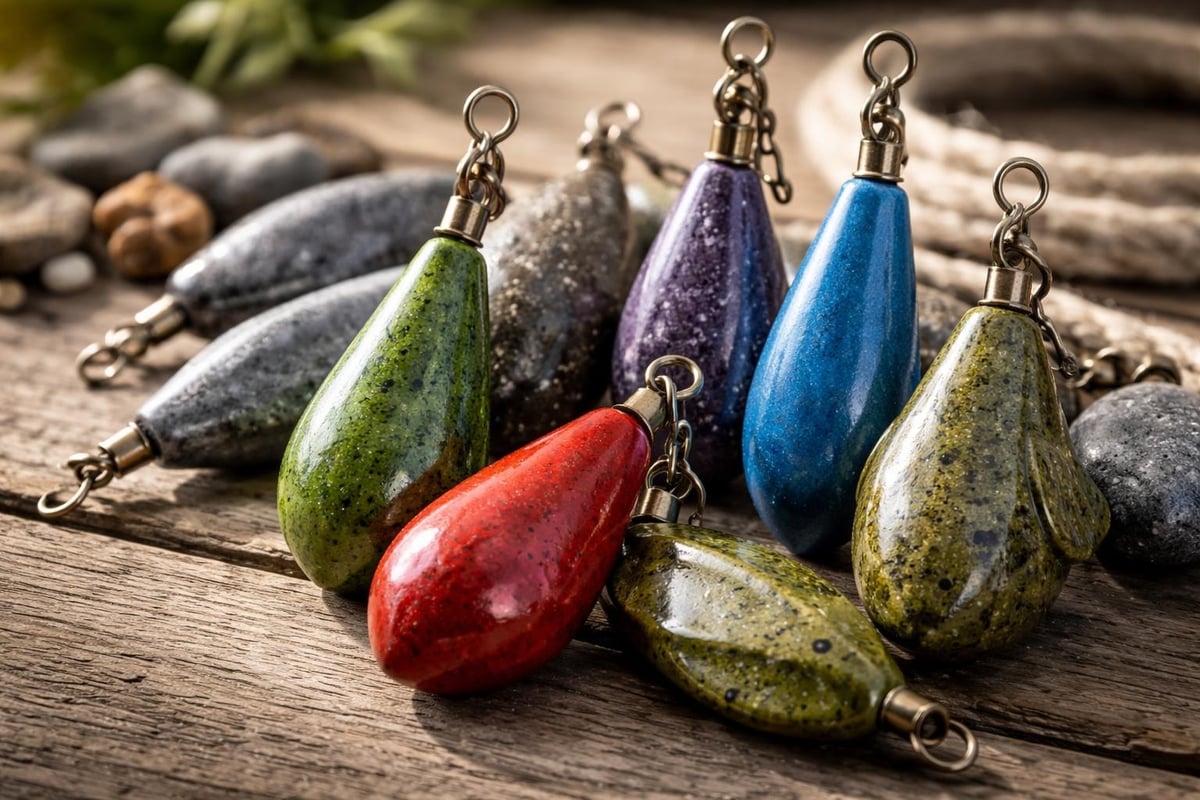
While traditional lead sinkers function effectively without coatings, adding paint serves both practical and regulatory purposes. Colored sinkers improve visibility for depth assessment and help identify different weights quickly in tackle boxes.

Sinker finishing techniques

Environmental regulations in some fisheries encourage or require non-toxic coatings that prevent lead exposure to aquatic environments. Powder coating provides durable finishes that withstand repeated bottom contact better than traditional paints.

The process involves:

  • Thoroughly cleaning cooled sinkers to remove residue
  • Applying primer formulated for lead adhesion
  • Adding topcoat in selected colors
  • Curing according to product specifications
  • Testing finished sinkers to verify coating durability

Environmental and Regulatory Considerations

Lead use in fishing tackle faces increasing scrutiny across New Zealand waterways. Understanding current regulations and emerging alternatives helps anglers remain compliant while protecting aquatic ecosystems.

Current Lead Sinker Regulations

As of 2026, New Zealand maintains specific restrictions on lead tackle in certain waterways, particularly those supporting waterfowl populations. Check regional council regulations before casting sinkers in unfamiliar locations, as rules vary significantly between jurisdictions.

Some areas prohibit lead sinkers below specified weights, while others ban lead entirely regardless of size. Penalties for violations can include substantial fines and confiscation of fishing equipment.

Alternative Materials and Future Trends

The fishing industry continues developing lead alternatives that maintain performance while reducing environmental impact. Current options include:

  • Tungsten: Denser than lead, allowing smaller profiles for equivalent weights
  • Brass: Environmentally safer but significantly more expensive
  • Steel: Cost-effective but less dense, requiring larger sizes
  • Bismuth alloys: Non-toxic performance approaching lead characteristics

Sinker moulds NZ manufacturers increasingly offer now accommodate these alternative materials, though melting points and flow characteristics differ from traditional lead. Tungsten requires specialized equipment due to its extremely high melting point of 3,422 degrees Celsius, making it impractical for home casting.

Troubleshooting Common Casting Issues

Even experienced sinker makers encounter occasional production problems. Recognizing symptoms and implementing corrections quickly maintains efficiency and quality standards.

Surface Defects and Their Solutions

Problem Cause Solution
Rough texture Lead temperature too high Reduce heat by 15-20 degrees
Incomplete filling Lead temperature too low Increase heat incrementally
Air pockets Inadequate venting Drill small vent holes in mould
Surface oxidation Extended exposure to air Add flux to molten lead
Mould sticking Insufficient release agent Apply mould release before each pour

Porous sinkers result from moisture contamination in lead or moulds. Always ensure materials are completely dry before melting, as even small amounts of water can cause violent reactions when contacted by molten metal.

Wire Eye Displacement Problems

Maintaining precise wire positioning challenges many beginners. The wire must remain centered in the cavity while molten lead flows around it. Solutions include:

  • Creating simple jigs that hold wires at correct angles
  • Using heavier gauge wire that resists displacement
  • Pre-heating wires to reduce thermal shock effects
  • Employing two-stage pouring techniques for critical alignments

Practice with scrap lead until achieving consistent results before committing to production runs with premium materials.

Cost Analysis and Return on Investment

Understanding the economics of sinker production helps anglers make informed decisions about equipment investments and production scale.

Initial Setup Costs

A basic sinker-making operation requires modest capital investment:

  • Quality mould (single or combo design): $40-$120
  • Lead melting pot or furnace: $80-$200
  • Safety equipment: $50-$100
  • Wire and miscellaneous supplies: $30-$60
  • Lead stock (10kg): $40-$80

Total initial investment: $240-$560

This range positions sinker casting as accessible to most anglers while offering sufficient quality for reliable results.

Per-Unit Production Costs

Material costs for individual sinkers depend primarily on lead prices and weight specifications. Based on 2026 New Zealand market rates:

  • Lead cost per kilogram: $8-$12
  • Average 4-ounce (113g) sinker material cost: $0.90-$1.35
  • Wire eye: $0.05-$0.10
  • Paint/coating (optional): $0.10-$0.20

Total per-sinker cost: $1.05-$1.65

Compare this to retail prices of $4-$7 for equivalent commercial sinkers. The savings become substantial for anglers who fish frequently or lose tackle in challenging environments.

Break-Even Analysis

With average savings of $3-$5 per sinker, a $400 initial investment breaks even after producing approximately 80-130 sinkers. For anglers using 10-15 sinkers per fishing session, this represents 6-13 trips-typically achievable within a single season for dedicated fishers.

Commercial operations or fishing guides realize returns even faster. A charter captain running 100 trips annually and averaging 20 sinker losses per trip saves $6,000-$10,000 yearly through in-house production.

Integrating Sinker Production with Broader Tackle Systems

Custom sinker casting represents one component of comprehensive tackle preparation strategies. Serious anglers often develop complete self-sufficiency in terminal tackle production and maintenance.

Complementary Tackle-Making Skills

Sinker production pairs naturally with other DIY tackle capabilities:

  1. Hook sharpening and modification for improved penetration
  2. Leader construction using specialized knots and connections
  3. Lure building and customization for local baitfish patterns
  4. Net repair and maintenance to extend equipment lifespan
  5. Rod building and repair for optimized fishing systems

The fish net handbook provides comprehensive information about maintaining netting equipment, which complements tackle-making skills for complete self-sufficiency.

Storage and Organization Systems

Efficient sinker storage accelerates pre-trip preparation and protects your investment. Organize weights by:

  • Type: Pyramid, ball, reef, bomb configurations separated
  • Weight: Sequential arrangement from lightest to heaviest
  • Coating status: Painted versus bare lead separation
  • Condition: New production versus used/damaged items requiring refurbishment

Tackle boxes with adjustable compartments accommodate various sinker sizes while preventing tangling of wire eyes. Label sections clearly to enable quick identification during early morning departure preparations.

The surfcasting tackle box demonstrates professional organization approaches that maintain tackle readiness for immediate deployment.

Scaling Production for Commercial Applications

Commercial fishing operations and tackle retailers require substantially higher production volumes than recreational anglers. Scaling sinker manufacturing introduces distinct considerations around efficiency, quality control, and safety compliance.

Production Line Development

High-volume operations typically employ multiple moulds operated simultaneously. Three-mould rotations allow continuous production where one mould pours while two others cool, creating consistent output without quality-compromising shortcuts.

Dedicated workspace organization becomes critical at commercial scales:

  • Clearly defined zones for melting, pouring, cooling, and finishing
  • Adequate ventilation systems meeting occupational safety standards
  • Quality control checkpoints at multiple production stages
  • Inventory management systems tracking material flow and finished goods

Batch Consistency and Quality Assurance

Commercial customers expect uniform product specifications across production runs. Implementing standardized procedures ensures consistency:

  • Maintain detailed temperature logs throughout each session
  • Weigh sample sinkers from each batch to verify specifications
  • Conduct periodic strength tests on wire eye attachments
  • Document any variations from standard procedures
  • Retain samples from each production run for reference

These protocols protect business reputation while providing accountability if customer issues arise.


Creating your own fishing sinkers through quality moulds delivers both economic advantages and tackle perfectly suited to New Zealand conditions. Whether you're pursuing occasional recreational fishing or operating commercial ventures, the ability to produce custom weights enhances your effectiveness on the water while reducing long-term costs. As New Zealand's largest fishing net manufacturer and comprehensive marine equipment supplier, Action Outdoors Limited understands the importance of reliable, cost-effective tackle solutions. Explore their extensive range of fishing equipment and accessories to complement your tackle-making capabilities with quality nets, ropes, floats, and specialized gear backed by New Zealand-made quality and dependable service.

上一篇文章 Terminal Tackle NZ: Complete Guide for Fishing Success
下一篇文章 Fishing Trace NZ: Complete Guide for 2026

发表评论

*必填栏