
Email

As the fishing industry rapidly adapts to new challenges, having the right net can determine your success for the season ahead. Are you prepared for what 2026 will bring?
This handbook is your trusted companion for everything related to fish net co, offering expert guidance to commercial operators and passionate anglers alike.
Inside, you will explore the latest in net technology, updated regulations, sustainability trends, and practical tips designed to maximize your efficiency and catch rates. Get ready to elevate your fishing strategy with step-by-step advice tailored for the future.
As the fishing industry enters a new era, the evolution of fish net co solutions is transforming how commercial and recreational fishers approach their work. The journey from traditional materials to high-tech innovations reflects both the growing global demand and the urgent need for sustainable practices.
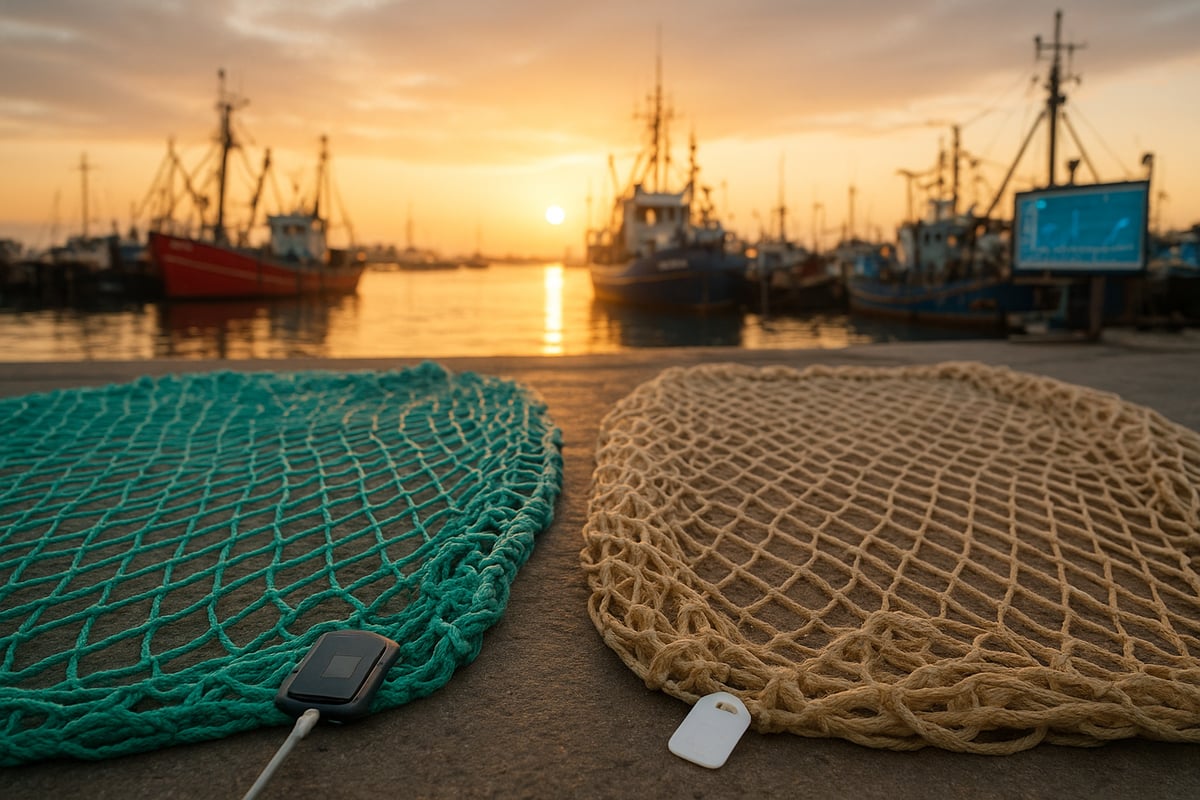
For generations, fishing nets were woven from natural fibers like cotton, hemp, or jute. While these materials were readily available, they lacked durability and often degraded quickly in marine environments. The introduction of synthetic options such as nylon and polyethylene in the mid-20th century marked a turning point for fish net co products, offering stronger, longer-lasting nets.
The last decade has witnessed an acceleration in automation and digital monitoring, directly influencing net design. Smart sensors, RFID tagging, and real-time data collection are now integral features, enabling precise catch management and reducing bycatch. According to a 2024 industry report, there has been a 35% increase in synthetic net adoption since 2020, highlighting the shift toward advanced materials.
Sustainability concerns and international regulations have also played a critical role. The rise of knotless nets, for example, is a response to the need for minimizing fish injury and improving product quality. Global demand for sustainable seafood has driven fish net co manufacturers to innovate rapidly, balancing efficiency with environmental responsibility.
To explore more about these advancements, NOAA's Technology Week highlights advanced fishing technologies shaping the modern fishing sector.
The evolution of materials is at the heart of fish net co innovation. Recent years have seen the introduction of biodegradable polymers and nets made from recycled plastics, addressing concerns over marine pollution and ghost nets. These new materials combine strength with environmental benefits, ensuring nets last through multiple seasons yet break down safely if lost.
Smart nets are another major leap forward. Embedded sensors now allow real-time monitoring of net position, catch volume, and even species identification. In the Asia-Pacific region, pilot projects are testing RFID-tagged nets for enhanced traceability and reduced loss. Durability improvements, including advanced coatings for UV protection and abrasion resistance, extend the lifespan of modern nets.
Fish net co offerings now cater to a wide range of needs, from lightweight, flexible options for artisanal fishers to heavy-duty, high-tech solutions for commercial fleets. The emphasis is on maximizing efficiency while minimizing negative impacts on marine ecosystems.
Environmental stewardship is central to the future of fish net co products. Regulations in many regions now require the reduction of ghost nets—lost or abandoned nets that continue to trap marine life. Eco-certifications and traceability systems are becoming standard, allowing fisheries to demonstrate responsible practices and gain access to premium markets.
The European Union’s 2025 directive mandates recycling for all commercial fishing nets, setting a new benchmark for sustainability. According to the FAO, an estimated 640,000 tons of fishing gear are lost or abandoned each year, making proactive management essential.
Fish net co leaders are adopting closed-loop recycling programs, designing nets for easier recovery and reuse. These initiatives, combined with ongoing innovation in materials and monitoring technology, are helping to build a more sustainable fishing future. As new regulations and consumer preferences shape the industry, companies that prioritize eco-friendly solutions will be best positioned for long-term success.
Selecting the ideal fish net co product for your needs is essential to maximize catch rates and comply with evolving industry standards. With so many options and innovations available, understanding the differences and choosing wisely can make a significant impact on your fishing success.
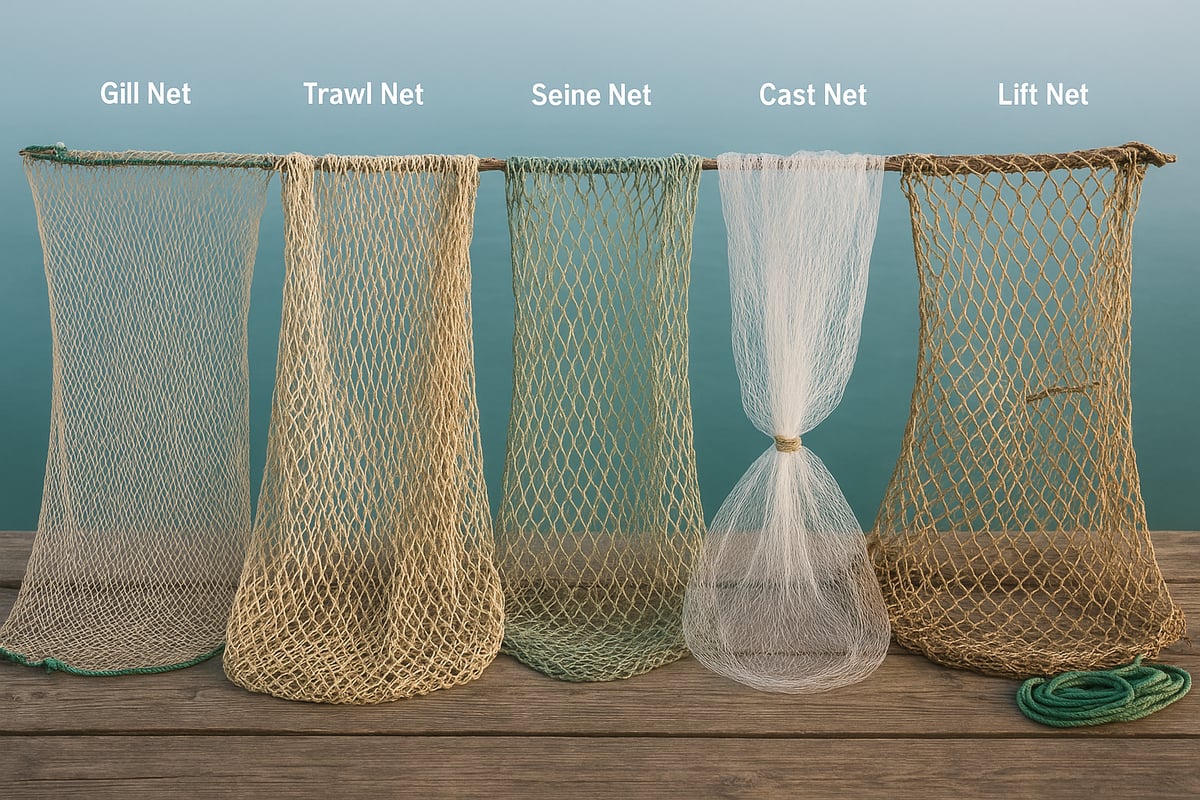
Understanding the main categories of fish net co products is the first step in making an informed choice. The most common types include gill nets, trawl nets, seine nets, cast nets, and lift nets. Each serves a unique purpose, with designs tailored to specific species and fishing methods.
For example, gill nets are widely used for targeting salmon, as their mesh size can be adjusted for selectivity. Trawl nets are preferred in deep-sea environments, capturing larger volumes of fish at various depths. Cast nets excel in shallow, coastal areas for quick, manual catches, while seine nets are ideal for encircling schools near the surface. Lift nets, often used in freshwater, are effective for catching smaller species.
If you want a detailed comparison, the Types of Fishing Nets Explained guide provides an excellent overview of the major designs, helping you identify which fish net co product aligns with your fishing goals.
Several critical factors should guide your choice of fish net co equipment. Material is a primary consideration. Nylon offers strength and durability, polyethylene is lightweight and affordable, and biodegradable options are increasingly favored for sustainability.
You’ll also want to weigh knotless versus knotted construction. Knotless nets reduce fish injury and improve handling, while knotted nets can offer extra robustness. Mesh size, depth, and length all impact selectivity and efficiency—smaller mesh targets smaller species, while larger mesh reduces bycatch.
Floatation and sink rates are equally important for maintaining net position. Finally, consider the balance between strength and flexibility, as different fisheries and target species demand unique performance characteristics from your fish net co.
Choosing the right fish net co solution also depends on the environment where you operate. Saltwater nets need resistance to corrosion and UV exposure, while freshwater nets are often optimized for lighter weight and flexibility.
Coastal fishing typically requires nets that handle surf, debris, and variable currents, whereas river environments demand maneuverability and quick deployment. Deep-sea fisheries prioritize robustness to withstand pressure and abrasion. According to a 2025 survey, 60% of Pacific fishers prefer environment-specific nets, highlighting the importance of matching your fish net co to local conditions.
Consider seasonal weather patterns, water clarity, and the likelihood of encountering obstacles when selecting your net. This attention to detail ensures both efficiency and longevity in your fishing operations.
Evaluating the total cost of ownership is crucial when purchasing fish net co products. While synthetic nets like nylon may have higher upfront costs, they often last up to five years with proper care, reducing replacement expenses over time.
Durability is affected by resistance to abrasion, chemicals, and UV degradation. Maintenance requirements vary by material—nylon nets should be rinsed after each use, while biodegradable nets require specific storage conditions. Assess the trade-off between initial investment and ongoing upkeep before making your decision.
A practical approach is to compare expected lifespan with maintenance demands. For instance, a slightly more expensive net with superior durability may offer better value for commercial operations using fish net co on a daily basis.
Staying compliant with local and international regulations is non-negotiable for any fish net co user. Standards govern mesh sizes, permissible net types, and labeling for traceability. Some regions require registration and catch reporting for all deployed nets.
Certification programs, such as New Zealand’s 2026 net certification initiative, help ensure your equipment meets industry benchmarks. Look for eco-labels and compliance marks when sourcing new nets. These not only demonstrate responsibility but also facilitate access to premium markets.
By prioritizing certified fish net co products, you reduce legal risks and support sustainable fishing practices. Always stay informed about new rules and certification updates in your region.
Proper maintenance is crucial for getting the most out of your fish net co investment. Consistent care not only extends the life of your nets but also ensures compliance with current regulations. In 2026, evolving materials and technologies require updated routines for cleaning, repair, and responsible disposal.
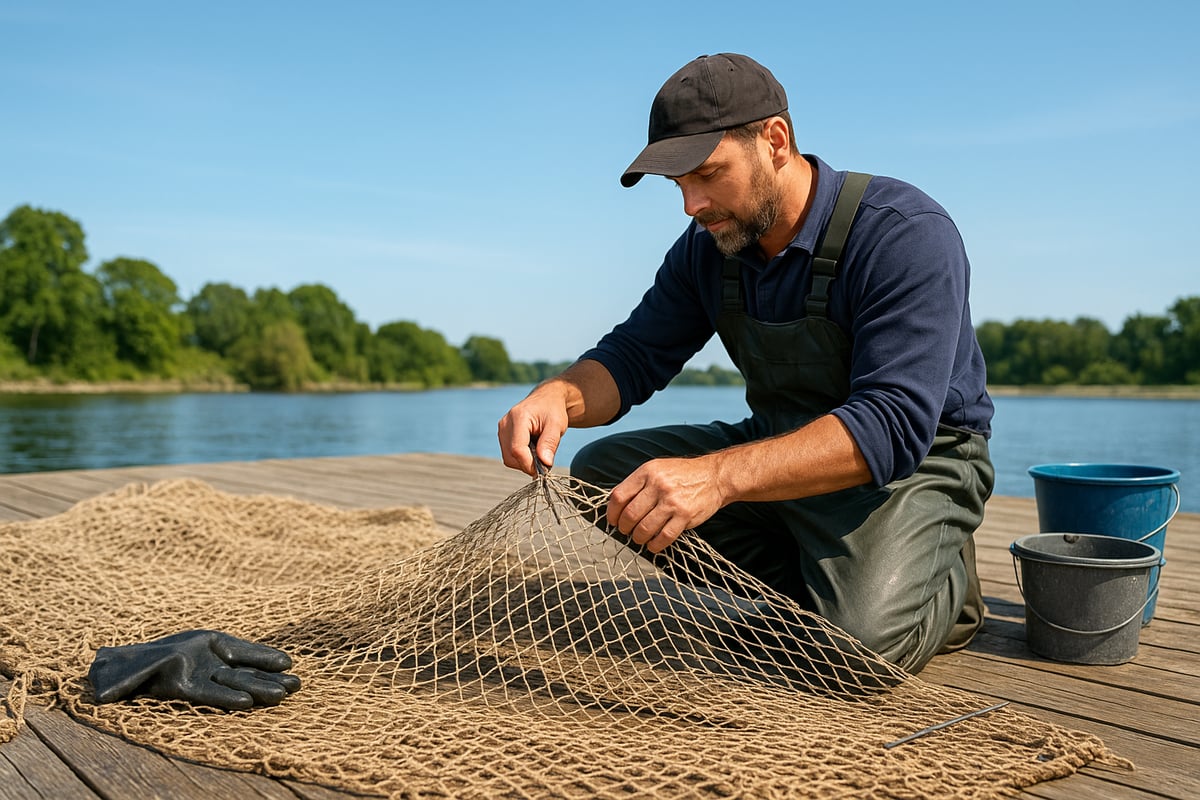
Keeping your fish net co products clean is the foundation of effective maintenance. After each use, rinse nets thoroughly with fresh water to remove salt, mud, and organic debris. This step prevents buildup that can cause premature wear or attract marine organisms.
Drying nets completely before storage is essential. Hang them in a well-ventilated, shaded area to avoid mold and rot. Direct sunlight can degrade materials, so choose UV-protected spaces when possible. If you use synthetic or biodegradable nets, follow manufacturer instructions for drying and storage.
For long-term storage, fold nets loosely and place them in a cool, dry environment. Avoid compressing them into tight spaces, as this can damage the mesh structure. Using labeled storage bins or net bags helps with organization and quick identification, which is especially valuable for busy fish net co operations.
Regular inspections are vital for identifying damage early. Focus on high-stress areas, such as knots, seams, and attachment points. Look for fraying, broken mesh, or weakened cords, and address issues before they worsen.
Carry a basic repair kit with needles, twine, and replacement floats when on the water. Mending holes promptly prevents small problems from becoming costly failures. For more extensive repairs, consult guides or video tutorials to ensure proper technique. Many fish net co users rely on Fishing Net Accessories and Parts for quality tools and replacement components.
Schedule detailed inspections at the start and end of each season. Keep a maintenance log to track repairs and replacements. This record helps with compliance and ensures your fish net co assets remain reliable.
Advances in technology offer new ways to protect your fish net co equipment. Anti-fouling coatings can be applied to reduce barnacle and algae growth, significantly decreasing cleaning frequency and extending net lifespan.
Digital monitoring tools, such as mobile apps and RFID tags, track net deployment and retrieval. These systems alert you to potential damage, allowing for quick intervention. Some smart nets even provide real-time data on environmental exposure, helping you optimize maintenance schedules.
Embracing technology also streamlines documentation. Automated reminders for scheduled inspections and repairs support a proactive approach. By integrating these solutions, fish net co professionals maximize efficiency and reduce costly downtime.
Responsible fish net co practices include proper disposal and recycling of old nets. Abandoned or poorly maintained nets can become ghost nets, posing risks to marine life and navigation. Always follow local recycling programs or manufacturer take-back schemes when retiring nets.
Regular maintenance reduces the risk of accidental wildlife entanglement. Inspect your nets for trapped debris and ensure they are securely stored when not in use. A 2025 study found that consistent upkeep lowers the chance of ghost net formation by 40 percent.
Promoting a culture of safety and environmental stewardship protects both your investment and the ecosystem. By prioritizing these best practices, fish net co users contribute to a more sustainable and ethical fishing industry.
The landscape of fisheries management is rapidly changing. For anyone involved with fish net co operations, understanding evolving regulations and ethical standards is crucial to ensure compliance and long-term success. This section breaks down the latest legal frameworks, reporting protocols, sustainability initiatives, enforcement actions, and ethical considerations shaping the use of fish net co products worldwide.
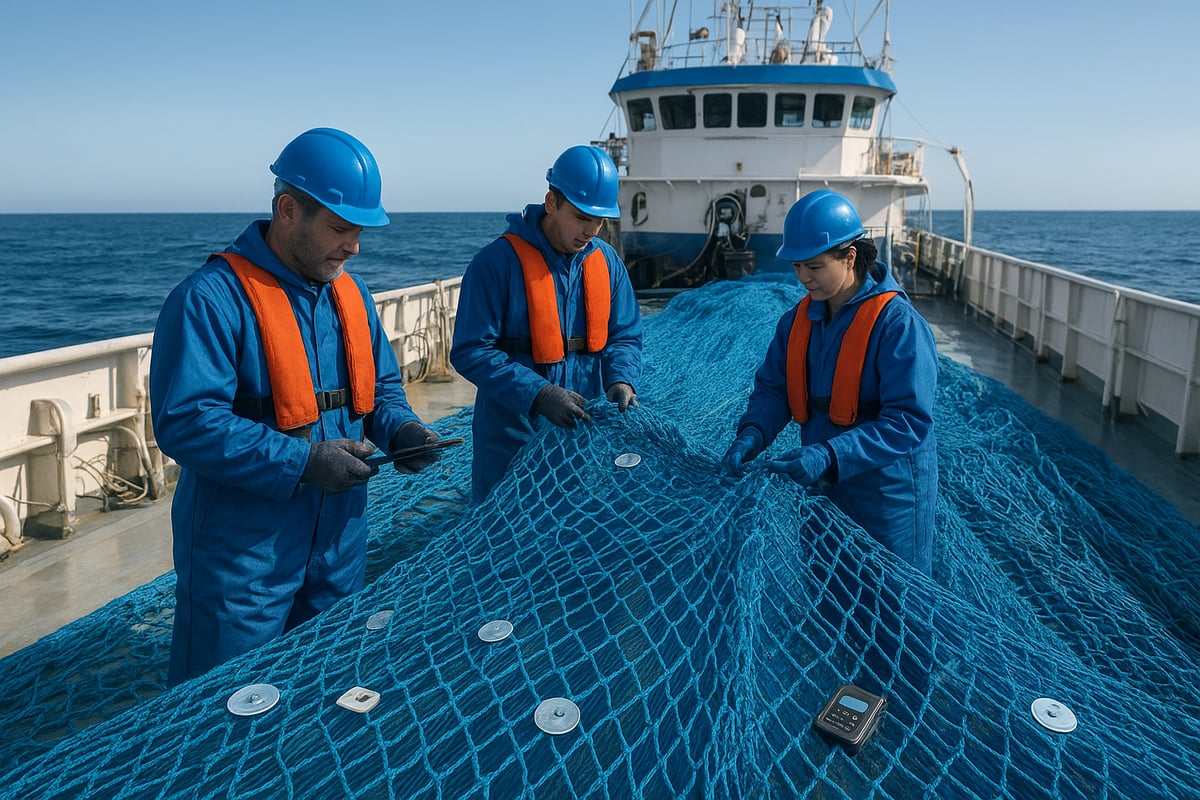
Global fisheries are governed by a mix of international, regional, and national laws. Organizations like the FAO, NOAA, and the EU set standards for mesh sizes, net types, and seasonal restrictions to protect marine resources. For example, Pacific Island nations restrict certain nets to safeguard reefs and local species.
In 2026, the EU introduced new quotas and mesh size regulations, directly impacting fish net co users. Staying up to date is essential, and resources like the European Commission's 2026 fishing quotas and regulations provide authoritative details on Total Allowable Catches and legal requirements.
Regulatory compliance is not optional for fish net co operators. Adhering to these laws helps maintain market access and ensures the sustainability of fisheries.
Traceability is now a cornerstone of responsible fish net co operations. Most major markets require digital catch logs, net registration, and transparent record-keeping. As of 2026, 85% of commercial nets must be traceable to enter key international markets.
Fish net co users benefit from adopting digital systems that track net deployment, retrieval, and maintenance. These tools support compliance and simplify the reporting process. Accurate records also protect against legal disputes and enable better resource management.
Reporting requirements often include:
Embracing these systems is vital for any fish net co business aiming for long-term success.
Sustainability is at the heart of modern fish net co practices. Certification schemes like the Marine Stewardship Council (MSC) and Friend of the Sea set benchmarks for eco-friendly operations. These programs encourage reduced bycatch, habitat protection, and transparent sourcing.
Community-based initiatives are also growing. For instance, in Oceania, net exchange programs help fish net co users upgrade to compliant gear while reducing environmental impact. By joining these efforts, operators not only meet regulatory demands but also build trust with consumers and trade partners.
Key benefits of sustainable initiatives for fish net co include:
Strict enforcement backs up fish net co regulations worldwide. Authorities impose fines, seize vessels, and suspend licenses to deter illegal practices. In 2025, there was a major crackdown on illegal drift nets in the Indian Ocean, resulting in significant penalties for non-compliant operators.
A summary of potential penalties:
| Violation Type | Example Penalty |
|---|---|
| Illegal net use | Fines up to $100,000 |
| Unreported catches | License suspension |
| Ghost net incidents | Vessel seizure |
For fish net co users, understanding enforcement mechanisms is critical. Proactive compliance minimizes risks and protects business operations.
Operating a fish net co business involves more than just following the law. Ethical fishing means reducing bycatch, protecting endangered species, and supporting local communities. With 70% of consumers in 2024 preferring ethically sourced seafood, responsible practices are now a market expectation.
Fish net co operators should invest in selective gear, participate in local stewardship programs, and ensure their supply chains are transparent. Ethical conduct not only preserves ocean health but also secures long-term profitability and public trust.
By prioritizing both compliance and social responsibility, fish net co businesses can thrive in a rapidly evolving industry.
Getting the most from your fish net co investment in 2026 means following a precise setup and usage process. Whether you are a seasoned professional or a first-time user, these steps help ensure safety, efficiency, and compliance every time you deploy your net.
Before heading out, inspect your fish net co net for any visible damage such as frayed lines or broken floats. Gather all necessary equipment, including gloves, life vests, and communication tools.
| Essential Gear Checklist | Ready? |
|---|---|
| Fish net co net | ✔ |
| Floats and weights | ✔ |
| Gloves and safety gear | ✔ |
| Repair kit | ✔ |
| First aid kit | ✔ |
Confirm that your vessel meets safety regulations. Always brief your team on emergency procedures. Watching Fish Net Review Videos can provide practical tips for new equipment and setups.
Selecting the right location is critical for a successful catch. Use digital mapping tools and sonar to identify areas where your target species are abundant.
Check real-time weather updates and tidal charts to optimize your deployment. The fish net co process benefits from accurate data, helping you avoid rough conditions and maximize efficiency.
Time your net deployment to coincide with peak feeding periods for your chosen species. This careful planning increases your likelihood of a productive haul.
Proper deployment is essential for both catch rates and net longevity. For fish net co nets, follow these best practices:
Common mistakes include improper anchoring and uneven spreading. For detailed visual demonstrations, refer to Fish Net Review Videos, which showcase various deployment techniques for different net types.
Always monitor for obstacles and debris during deployment to protect your net.
Once your fish net co net is in the water, actively monitor both the gear and the environment. Smart nets equipped with real-time sensors can provide instant feedback on catch rates and net position.
Adjust your net’s placement if you notice low activity or changing currents. Utilizing high-tech monitoring, as detailed by the Environmental Defense Fund on the high-tech future of fishing, can boost efficiency and sustainability.
Quick responses to environmental changes help protect your net and improve your yield.
Retrieve your fish net co net carefully to prevent damage to both the mesh and the catch. Use slow, steady hauling methods to reduce stress on the net and minimize loss.
Once on board, remove fish humanely and sort your catch promptly. Record all data required by local regulations, including bycatch details.
Release non-target species quickly and safely. Prioritizing responsible handling supports both sustainability and regulatory compliance.
After use, rinse your fish net co net thoroughly with fresh water to remove salt, mud, and debris. Hang the net in a cool, shaded area to dry completely, preventing mold and rot.
Store your net in a UV-protected space to extend its lifespan. Log each use and any maintenance performed in a digital or physical record.
Accurate documentation ensures compliance with reporting requirements and helps you track net condition over time. Well-maintained nets from fish net co can last for years with proper care.
The future of the fishing industry is being shaped by technological leaps, sustainability goals, and evolving regulations. For fish net co professionals, staying ahead means understanding how these trends are transforming nets, catch methods, and global best practices.
Artificial intelligence and the Internet of Things are revolutionizing how fish net co operators work. Smart nets now feature embedded sensors that track net health, location, and even predict catch volumes in real time. AI algorithms help reduce bycatch by identifying species before retrieval, allowing for more sustainable practices.
Recent pilot projects in New Zealand and Japan have shown that these intelligent systems can boost efficiency while protecting marine ecosystems. As digital monitoring becomes standard, integrating advanced tech into daily fishing routines will be essential for maximizing yield and compliance.
Sustainability is at the core of fish net co innovation. Closed-loop recycling systems are gaining traction, turning end-of-life nets into new products and reducing ocean waste. The European Union’s 2025 initiative is expected to recycle 200,000 tons of nets annually, setting a benchmark for the industry.
Manufacturers and fisheries are partnering to streamline collection and processing. For example, Commercial Fishing Nets in New Zealand highlights how regional initiatives are also promoting durable, recyclable net options for commercial operations.
Customization is the new standard for fish net co. Thanks to 3D printing and on-demand services, commercial fleets can order nets tailored to their specific needs. This includes mesh sizes optimized for target species, specialty materials for unique environments, and rapid prototyping for experimental designs.
On-demand manufacturing reduces waste and shortens lead times, giving operators a competitive edge. These advancements make it easier to adapt to shifting regulations or market demands without overhauling entire inventories.
Policy frameworks are shaping the future of fish net co technology. International agreements aim to reduce ghost nets and fund sustainable R&D. Regulatory bodies like the FAO and NOAA are introducing new rules on traceability, net composition, and digital reporting.
For example, NOAA's proposed changes to net gear regulations in U.S. Caribbean waters demonstrate the importance of staying informed about evolving requirements. Collaboration between governments, manufacturers, and fishers is driving innovation and ensuring supply chains remain responsible.
Looking ahead, fish net co experts anticipate rapid changes. Next-generation materials such as graphene and bio-based polymers will enhance durability and eco-friendliness. Regulatory shifts are likely to push for even greater transparency and ethical sourcing.
Balancing efficiency, sustainability, and social responsibility will define the industry’s trajectory. By embracing innovation and global collaboration, operators can be ready for whatever the future holds.
As you look ahead to 2026 and consider everything from changing regulations to smart net technology, having the right gear is more important than ever. Whether you’re running a commercial operation or heading out for a weekend of fishing with family and friends, quality and reliability make all the difference. At Action Outdoors Limited, you’ll find expertly crafted, New Zealand made fishing nets and marine equipment designed to meet the evolving needs of Pacific fisheries. If you’re ready to upgrade your setup or ensure you have the best tools for the job, you can Buy Now and be prepared for a successful season.
Leave a comment