
Email

The right angler equipment can make the difference between a successful fishing expedition and a frustrating day on the water. Whether you're operating a commercial fishing vessel in the Pacific, managing a community fishery, or enjoying recreational fishing in New Zealand's pristine waters, understanding the full spectrum of available equipment is essential. Modern fishing demands more than just a rod and reel-it requires a comprehensive understanding of nets, lines, flotation devices, and specialized gear designed for specific fishing methods and target species.
The world of angler equipment extends far beyond the basic rod and reel combination most people envision. Professional anglers and commercial operators require specialized tools designed for durability, efficiency, and specific fishing applications.
Fishing nets represent one of the most critical components of commercial and recreational angler equipment. Different fishing methods require specific net configurations, mesh sizes, and materials. Set nets, drag nets, and gillnets each serve distinct purposes in targeting various species. Understanding fishing net sizes helps anglers match their equipment to their target catch, ensuring both efficiency and compliance with local regulations.
Key net types include:
The quality of netting material directly impacts durability and catch success. Modern nets utilize advanced synthetic materials that resist UV degradation, saltwater corrosion, and the physical stress of repeated use in demanding marine environments.
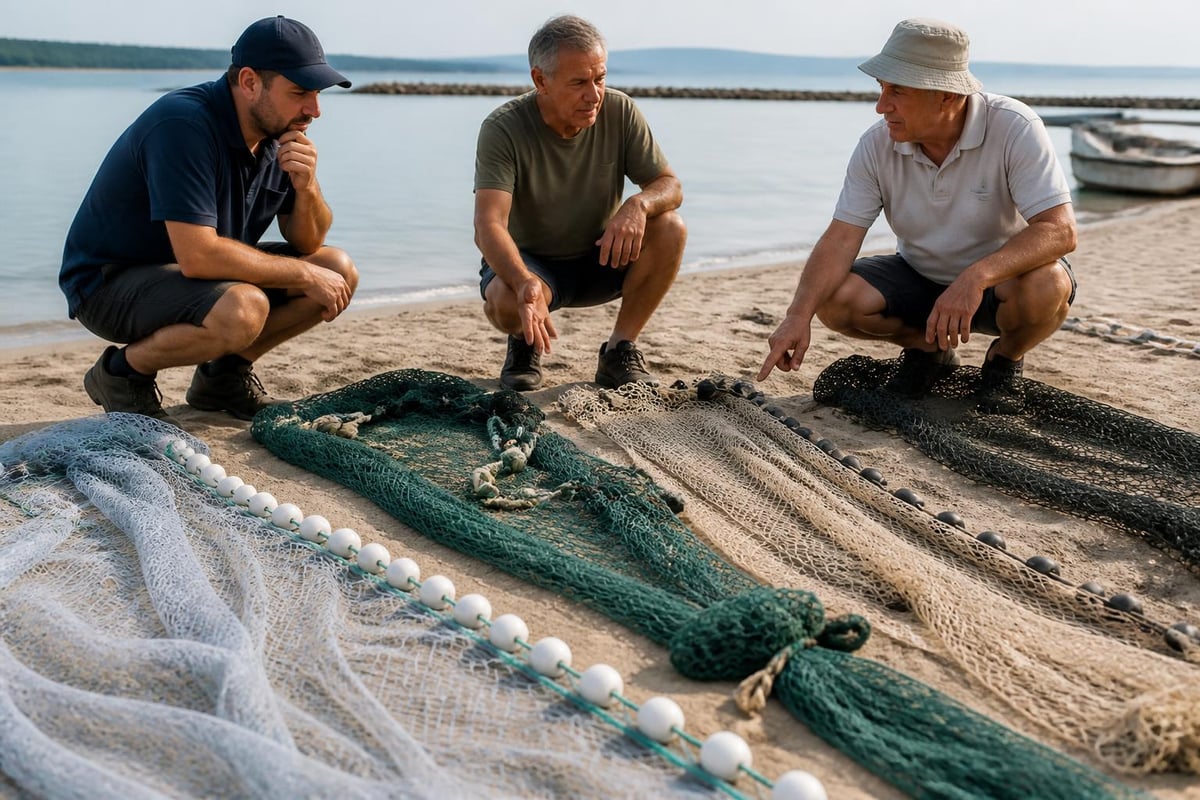
Ropes constitute essential angler equipment for securing nets, anchoring vessels, and managing catches. The selection of appropriate rope material affects safety, longevity, and operational efficiency. Different rope materials offer varying characteristics in terms of strength, stretch, water resistance, and handling properties.
| Rope Type | Primary Benefit | Best Application |
|---|---|---|
| Nylon | High strength and elasticity | Anchor lines and mooring |
| Polyester | UV resistance and low stretch | Net hauling and rigging |
| Polypropylene | Floatation and cost-effectiveness | Surface markers and buoys |
| Manila | Natural fiber with good grip | Traditional fishing applications |
Professional anglers recognize that rope selection impacts both operational safety and equipment longevity. Synthetic ropes have largely replaced natural fibers in commercial applications due to their superior strength-to-weight ratios and resistance to environmental degradation.
Various fishing methods require specialized angler equipment tailored to specific techniques and target species. Understanding these distinctions helps anglers invest in the right tools for their intended applications.
Trolling represents a productive fishing method that requires specific angler equipment to control depth and lure presentation. Downriggers, lead weights, and specialized release mechanisms allow anglers to position baits at precise depths where target species feed. Trolling weights come in various configurations designed for different water conditions and vessel speeds.
Effective trolling setups include:
Commercial net fishing requires comprehensive angler equipment beyond just the nets themselves. Floats, sinkers, anchors, and retrieval systems all contribute to operational efficiency. The integration of these components creates functional fishing systems capable of targeting specific species in defined environments.
Modern net systems incorporate technological advances such as GPS markers, radio beacons, and automated hauling equipment. These innovations improve safety, increase catch efficiency, and reduce the physical demands on fishing crews.
Beyond primary fishing tools, successful anglers rely on numerous support items that enhance safety, efficiency, and catch quality. This category of angler equipment often receives less attention but proves equally important in practical applications.
Buoys and floats serve multiple critical functions in fishing operations. They mark net positions, suspend fishing gear at optimal depths, and provide visual references for navigation and equipment recovery. Commercial operations require durable flotation devices capable of withstanding harsh marine conditions for extended periods.
Applications for flotation equipment:
Proper storage extends the lifespan of angler equipment and ensures readiness for deployment. Nets require careful storage to prevent tangling and material degradation. Ropes need protection from UV exposure when not in use. Specialized storage systems designed for marine environments address these challenges while maximizing space efficiency on vessels and in shore facilities.
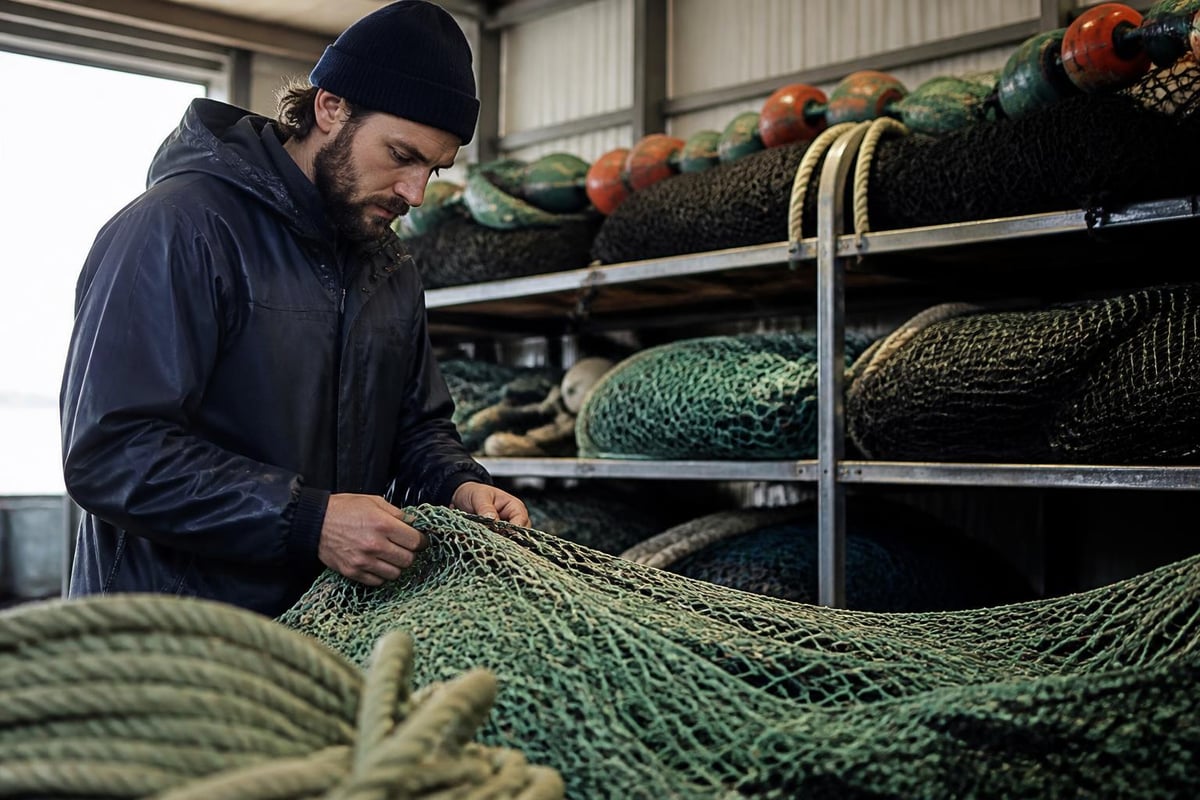
Investment in quality angler equipment pays dividends through improved performance, reduced replacement costs, and enhanced safety. Distinguishing between economy-grade and professional-grade equipment requires understanding construction methods, material specifications, and manufacturer reputation.
The construction quality of angler equipment directly correlates with operational lifespan and reliability. Professional-grade nets feature reinforced edges, properly knotted mesh, and UV-stabilized materials. Ropes manufactured to marine specifications resist saltwater degradation and maintain strength under load.
New Zealand-made fishing equipment often meets higher quality standards due to stringent manufacturing oversight and proximity to demanding commercial fishing operations. Local manufacturers understand the specific challenges faced by Pacific fisheries and design their products accordingly.
Selecting appropriate angler equipment requires careful consideration of intended use, target species, and operating environment. Equipment suitable for shallow coastal waters may prove inadequate for deep-sea applications. Similarly, gear designed for temperate waters might deteriorate rapidly in tropical conditions.
| Consideration | Impact on Equipment Selection | Key Factors |
|---|---|---|
| Target Species | Mesh size, net strength, hook size | Species behavior and size range |
| Water Depth | Line strength, float capacity, weight | Operating depth requirements |
| Environment | Material UV resistance, corrosion protection | Tropical vs. temperate conditions |
| Regulations | Mesh restrictions, gear limitations | Local and regional fishing laws |
The beginner angler tips provided by wildlife departments offer valuable guidance for those new to equipment selection, though commercial operators require more specialized knowledge.
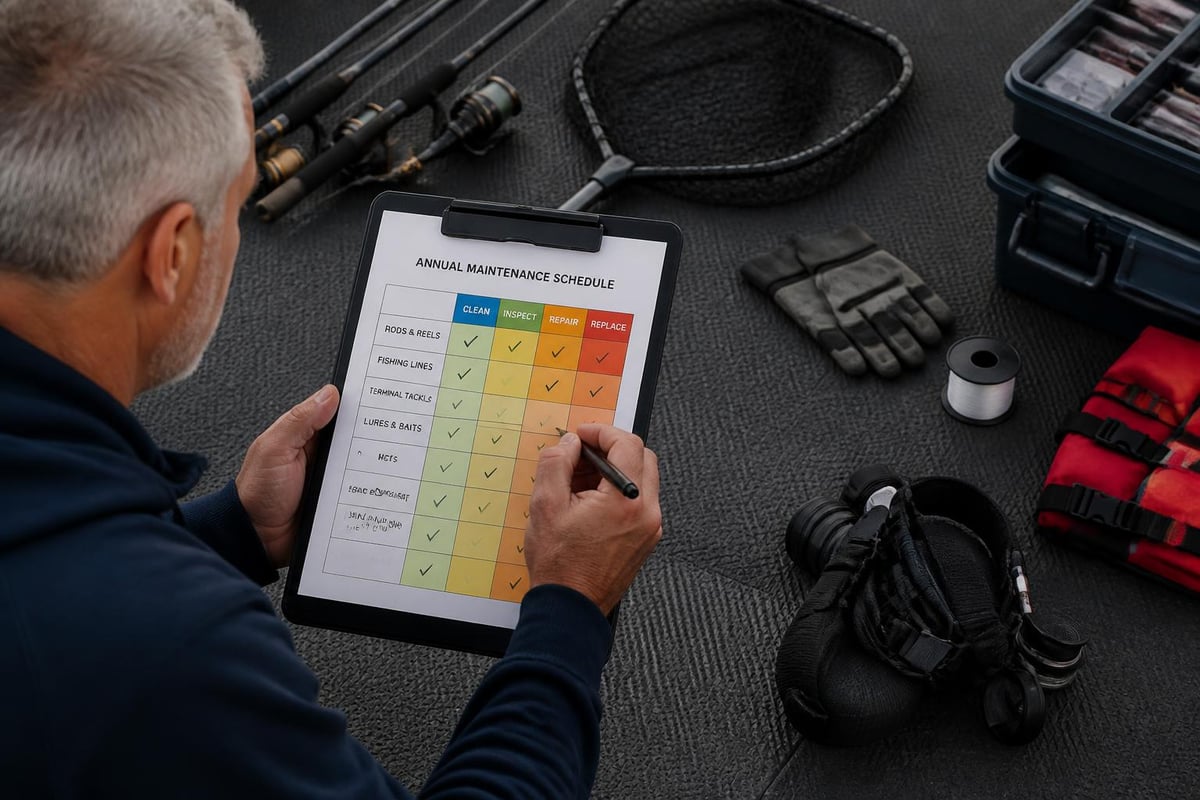
Proper maintenance extends equipment life and ensures reliable performance when needed. Angler equipment faces harsh conditions including saltwater exposure, UV radiation, and physical stress. Systematic maintenance programs address these challenges and prevent premature failure.
Regular cleaning removes salt deposits, organic matter, and debris that accelerate material degradation. Inspection routines identify wear, damage, and potential failure points before they compromise operations. Establishing maintenance schedules based on usage intensity ensures equipment remains in optimal condition.
Essential maintenance tasks:
Knowing when to repair versus replace angler equipment requires balancing cost, safety, and reliability considerations. Minor net repairs can extend service life significantly, while severely damaged gear may compromise catch success or safety. Maintaining spare parts inventory ensures minimal downtime when repairs become necessary.
Professional fishing operations benefit from establishing relationships with reliable equipment suppliers who understand commercial requirements. Action Outdoors Limited provides comprehensive support for Pacific Island fisheries through quality products and dependable service.
Commercial fishing operations require robust angler equipment designed for intensive use and maximum efficiency. The scale and frequency of commercial fishing demand equipment that balances initial investment against long-term operational costs and reliability.
Commercial fisheries utilize specialized netting manufactured to exacting specifications. These nets must withstand repeated deployment cycles, handle significant catch volumes, and maintain structural integrity under stress. Understanding the gearing up for fishing process helps operators appreciate the comprehensive nature of commercial fishing preparation.
The specifications for commercial angler equipment include:
Modern commercial operations employ integrated systems where individual pieces of angler equipment work together as cohesive units. These systems combine nets, lines, flotation devices, and retrieval mechanisms into efficient fishing platforms. The integration improves operational efficiency while reducing labor requirements and safety risks.
Successful system integration requires careful planning and equipment compatibility. Components must work together seamlessly, from net deployment through catch retrieval and processing. Marine equipment and boating gear suppliers offer comprehensive product ranges that facilitate system integration.
Angler equipment selection for Pacific Island fisheries must account for unique environmental conditions, target species, and operational constraints. Tropical waters, coral reef environments, and specific fish populations create distinct requirements compared to temperate fishing regions.
Tropical marine environments accelerate equipment degradation through intense UV exposure, elevated water temperatures, and aggressive marine growth. Angler equipment for Pacific applications requires enhanced UV stabilization, antifouling properties, and materials selected for tropical performance.
Pacific-specific considerations:
Island-based fishing operations face unique logistical challenges in equipment procurement, maintenance, and replacement. Limited local inventory and extended shipping times require careful planning and equipment redundancy. Establishing reliable supply relationships with manufacturers and distributors proves essential for operational continuity.
Quality assurance becomes particularly important when equipment replacement involves significant delays. New Zealand manufacturers serving Pacific markets understand these challenges and design their products for maximum reliability and longevity in demanding applications.
Modern angler equipment inventories must include safety gear and comply with evolving regulations. Professional operations prioritize crew safety through proper equipment, training, and operational protocols. Regulatory compliance ensures continued operating privileges and supports sustainable fishery management.
Beyond fishing-specific equipment, vessels require comprehensive safety gear including personal flotation devices, communication equipment, emergency signaling devices, and first aid supplies. The basic fishing equipment needed by recreational anglers represents a starting point, but commercial operations require significantly more extensive safety provisions.
Fishing regulations increasingly specify acceptable angler equipment types, mesh sizes, and operational methods. Compliance requires staying current with evolving rules and ensuring equipment meets all applicable standards. Regulatory compliance protects both fishing privileges and marine resources for future generations.
| Equipment Type | Common Regulations | Compliance Considerations |
|---|---|---|
| Fishing Nets | Minimum mesh sizes, maximum lengths | Species-specific restrictions |
| Lines and Ropes | Biodegradable materials, strength ratings | Environmental impact standards |
| Markers and Buoys | Visibility requirements, identification | Navigation safety regulations |
| Catch Containers | Size limits, species separation | Quality and traceability standards |
The angler equipment industry continues evolving through material science advances, technological integration, and environmental considerations. Understanding emerging trends helps operators make informed investment decisions and prepare for future requirements.
Environmental awareness drives development of more sustainable angler equipment options. Biodegradable materials, recycled content, and reduced environmental impact represent growing priorities. Equipment manufacturers increasingly focus on lifecycle environmental costs alongside traditional performance metrics.
GPS tracking, electronic monitoring, and automated systems increasingly integrate with traditional angler equipment. These technologies improve efficiency, enhance catch documentation, and support regulatory compliance. Smart fishing systems represent the future of commercial operations, combining proven equipment with modern technology.
The trusted information sources utilized by anglers continue expanding as technology enables better communication and knowledge sharing across the fishing community.
Selecting and maintaining the right angler equipment ensures fishing success while protecting your investment and supporting sustainable practices. From comprehensive netting systems to specialized ropes and flotation devices, quality equipment delivers reliable performance in demanding marine environments. As New Zealand's largest fishing net manufacturer, Action Outdoors Limited supplies commercial and community fisheries across the Pacific with over 350,000 meters of ready-to-use fishing nets annually, backed by New Zealand-made quality and dependable service. Whether you're operating commercial fisheries or community operations, our comprehensive range of fishing and marine equipment provides the reliability and performance your operations demand.
Leave a comment