
Email

The right fishing accessories can transform an average fishing experience into a successful and efficient operation. Whether you're managing a commercial fishing fleet in the Pacific, running a community fishery, or enjoying recreational fishing adventures, having access to quality fishing accessories for sale ensures you're prepared for any challenge on the water. In 2026, the fishing industry continues to evolve with new materials, improved designs, and enhanced durability standards that benefit both professional and hobbyist anglers. Understanding which accessories deliver real value and performance helps you make informed purchasing decisions that protect your investment and improve your catch rates.
Modern fishing operations require more than just rods and reels. The range of fishing accessories for sale has expanded significantly to meet diverse needs across commercial, community, and recreational sectors.
Fishing nets remain the cornerstone of commercial fishing operations throughout New Zealand and the Pacific Islands. Quality nets must withstand harsh marine environments while maintaining their structural integrity season after season.
Key net accessories include:
Commercial fisheries require reliable netting solutions that can handle large volumes while minimizing damage to catch. Action Outdoors' fishing nets are manufactured in New Zealand with specifications designed for Pacific conditions, ensuring durability and performance across various fishing methods.
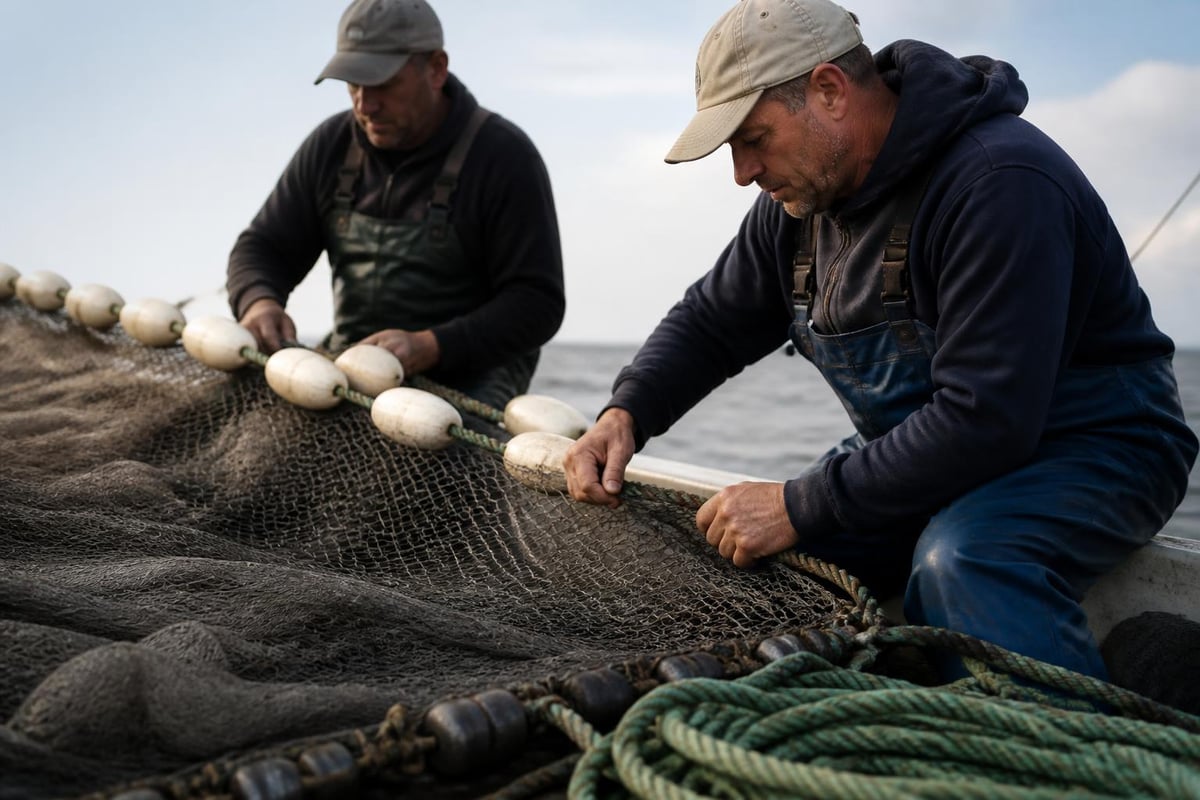
No fishing operation is complete without quality rope. From mooring lines to trawl warps, the right rope material makes a critical difference in safety and efficiency.
Different rope types serve specific purposes:
| Rope Type | Best Use | Key Advantage |
|---|---|---|
| Nylon | Anchor lines, towing | Superior strength and elasticity |
| Polyester | Mooring, general purpose | UV resistance, low stretch |
| Manila | Traditional applications | Natural fiber, good grip |
| Polypropylene | Floating applications | Lightweight, water resistant |
Understanding rope material properties helps fishers select the right line for their specific application. Each material offers distinct advantages depending on water conditions, load requirements, and environmental factors.
Precise depth control separates successful fishing trips from disappointing outings. Trolling weights and downrigger accessories enable anglers to target specific depths where fish congregate.
Popular weight options include:
Downrigger lead fishing trolling weights provide the consistency needed for commercial operations that depend on repeatable results. Professional fishers appreciate weights that maintain their effectiveness across multiple seasons without significant degradation.
Not all fishing accessories deliver equal performance. Identifying quality products requires attention to materials, manufacturing standards, and real-world testing results.
The marine environment tests every component relentlessly. Salt water, UV exposure, and mechanical stress combine to break down inferior products quickly.
Look for accessories featuring:
Premium materials cost more initially but deliver superior long-term value through extended service life and reduced replacement frequency. When evaluating fishing accessories for sale, calculate total cost of ownership rather than just purchase price.
Production quality varies significantly across manufacturers. New Zealand-made fishing accessories often exceed minimum standards due to strict regulatory requirements and industry expectations.
Key manufacturing considerations include:
Action Outdoors Limited produces over 350,000 meters of ready-to-use fishing nets annually, demonstrating the scale and consistency required for commercial operations. This production capacity ensures product availability while maintaining quality standards.
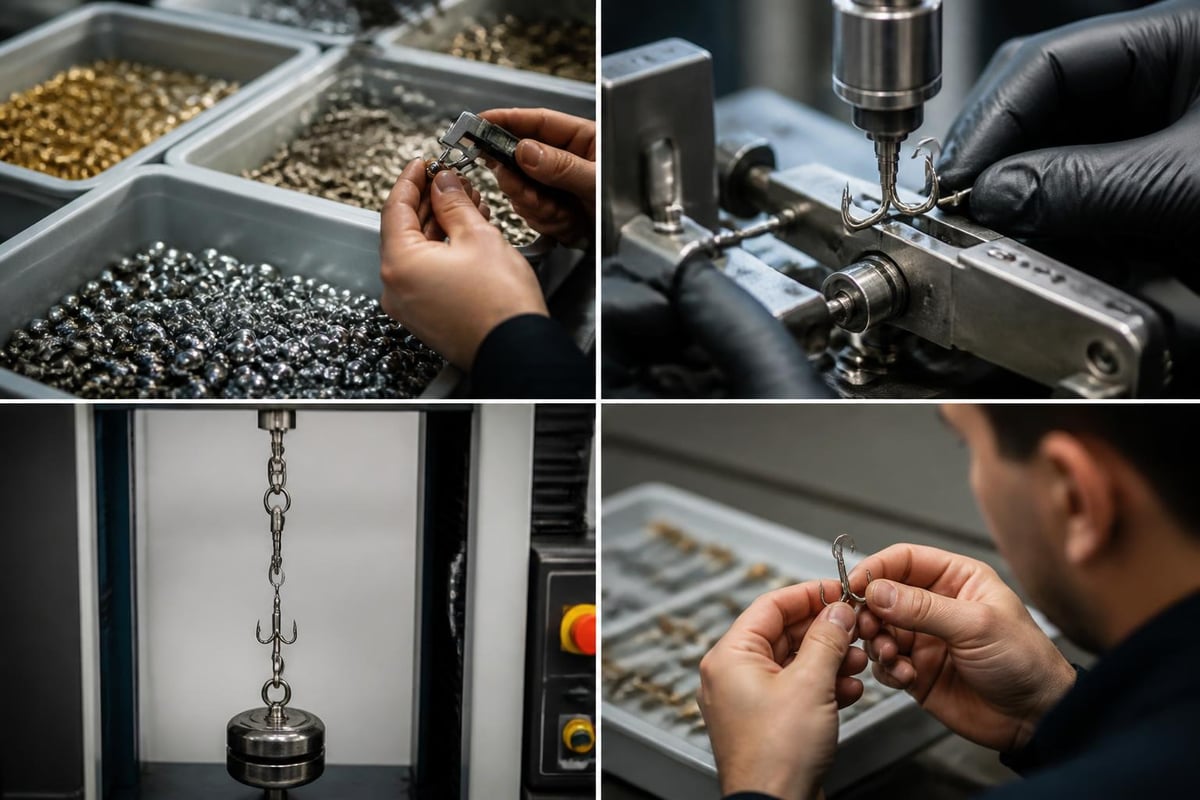
Various fishing techniques demand specific accessories optimized for their unique requirements. Understanding these specialized needs helps fishers build complete systems that work efficiently.
Commercial fisheries require accessories that withstand intensive daily use while delivering consistent results. The comprehensive guide to fishing gear emphasizes how professional-grade equipment differs from recreational alternatives.
Essential commercial accessories:
Commercial operators benefit from establishing relationships with suppliers who understand their volume requirements and delivery schedules. Quick turnaround times prevent costly downtime when equipment needs replacement.
Community fishing programs across the Pacific Islands serve vital nutritional and cultural roles. These operations need durable, affordable accessories that community members can maintain locally.
Community fishing priorities include:
Supporting community fisheries strengthens food security and preserves traditional knowledge. Suppliers serving these markets must balance quality with affordability while ensuring product availability.
Recreational anglers seek accessories that enhance their fishing experience without overwhelming them with unnecessary complexity. The Anglers.com fishing accessories section showcases products designed for weekend fishers and serious sport fishing enthusiasts.
Sport fishing accessories often emphasize:
Exploring small fishing kits reveals how manufacturers package essential accessories for convenience and mobility. These compact solutions appeal to anglers who fish from kayaks, small boats, or remote shoreline locations.
The fishing industry continues innovating with new materials, designs, and technologies that improve performance and sustainability. Staying informed about these developments helps buyers make forward-thinking purchasing decisions.
Environmental consciousness increasingly influences product development. Manufacturers explore biodegradable options, recycled materials, and production methods that minimize ecological impact.
Sustainability trends include:
These innovations address growing concerns about marine pollution while maintaining the performance standards commercial and recreational fishers demand. The latest fishing innovations for 2026 demonstrate how technology and sustainability converge in modern fishing equipment.
Electronic integration transforms traditional fishing accessories into connected systems that provide real-time data and automated adjustments.
| Technology | Application | Benefit |
|---|---|---|
| GPS tracking | Net location monitoring | Recovery assistance, loss prevention |
| Depth sensors | Automated downrigger control | Precision depth maintenance |
| Load monitors | Rope and line stress tracking | Safety alerts, maintenance scheduling |
| Catch counters | Net harvest monitoring | Data collection, quota management |
While these advanced features add cost, they deliver measurable improvements in efficiency and safety for operations that can justify the investment. Traditional accessories remain essential, but smart enhancements provide competitive advantages.
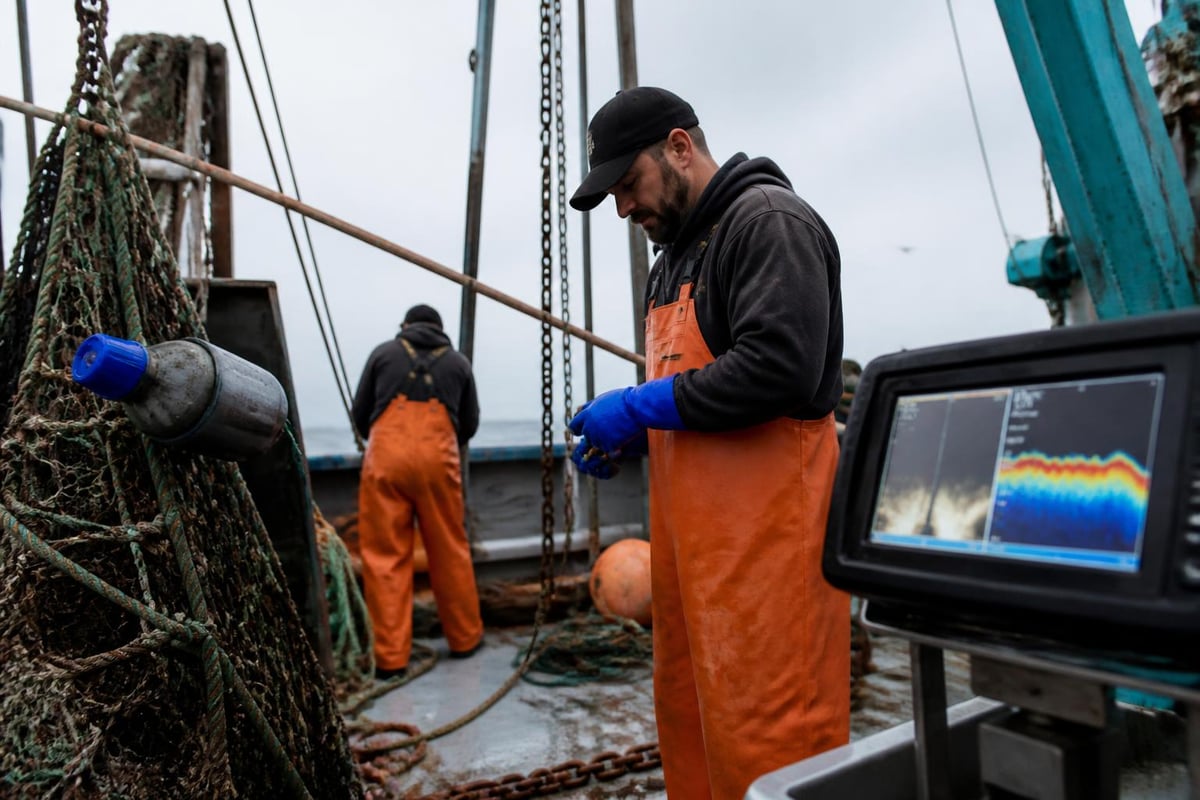
Smart purchasing requires evaluating multiple factors beyond product specifications. Successful buyers develop systematic approaches that ensure they get appropriate quality at fair prices.
Commercial operations must balance having sufficient inventory against storage limitations and capital constraints.
Inventory planning strategies:
Buying fishing accessories for sale in appropriate quantities reduces per-unit costs while avoiding excess inventory that ties up capital. Suppliers offering flexible ordering accommodate varying operational scales.
The supplier relationship matters as much as product quality. Dependable suppliers provide consistent availability, technical support, and responsive customer service.
Evaluate potential suppliers based on:
Marine equipment suppliers serving New Zealand and Pacific markets understand the logistical challenges of island fishing operations. Geographic expertise ensures appropriate product selection and realistic delivery expectations.
Proper maintenance significantly extends accessory lifespan while maintaining performance and safety. Establishing routine care procedures protects your investment.
Salt water aggressively attacks fishing equipment. Regular cleaning removes corrosive deposits that accelerate deterioration.
Essential maintenance steps:
Nets require particular attention to prevent mesh damage and material degradation. Proper net care includes careful handling during deployment and retrieval, regular inspection for tears or weak spots, and appropriate storage between fishing seasons.
Maintaining repair capabilities minimizes downtime and extends equipment life. Basic repair skills and appropriate spare parts keep operations running smoothly.
Build repair capacity by:
The ultimate guide to bottom fishing gear includes maintenance recommendations specific to bottom fishing applications, where abrasion and snags create unique wear patterns.
Understanding the true cost of fishing accessories requires looking beyond initial purchase prices to total ownership costs over the equipment's service life.
Cheap accessories often prove expensive when frequent replacement and performance failures are factored into the equation.
| Cost Factor | Budget Option | Premium Option |
|---|---|---|
| Purchase price | Lower | Higher |
| Expected lifespan | 1-2 seasons | 5-10 seasons |
| Maintenance requirements | Frequent, intensive | Minimal, routine |
| Performance consistency | Variable | Reliable |
| Total cost per season | Higher | Lower |
Professional operations increasingly favor quality products that deliver predictable performance and extended service life. The premium pricing reflects superior materials, manufacturing quality, and engineering that translates to better value.
Fishing operations experience seasonal variations that affect equipment needs and cash flow. Strategic planning aligns purchases with operational requirements and budget availability.
Consider these timing factors:
Spreading purchases across the year smooths cash flow while ensuring necessary equipment availability. Review fishing accessories for sale during off-season periods when suppliers may offer promotional pricing on select items.
Pacific Island fishing operations face unique challenges that influence accessory selection and purchasing decisions. Geographic isolation, climate factors, and infrastructure limitations all play significant roles.
Remote island locations require careful planning around shipping schedules, transit times, and logistics costs. These factors significantly impact total product costs and availability.
Logistics considerations include:
New Zealand suppliers serving Pacific markets understand these challenges and design shipping solutions that minimize complications. Established logistics networks ensure reliable delivery despite distance and geographic barriers.
Tropical Pacific conditions test fishing equipment differently than temperate regions. Higher UV exposure, elevated temperatures, and intense storm systems require accessories built for these specific challenges.
Environmental adaptation requires:
Products designed for Pacific conditions incorporate these specifications from the development stage. Generic accessories designed for other regions may fail prematurely in tropical marine environments.
Long-term success in fishing depends partly on establishing strong relationships with reliable equipment suppliers who understand your specific needs.
Effective supplier relationships involve two-way communication where both parties share information that improves outcomes.
Best practices for supplier communication:
Suppliers value customers who engage constructively and provide insights that help improve products and services. This collaborative approach benefits the entire fishing industry.
Consistent business with quality suppliers often yields additional benefits beyond product availability and competitive pricing.
Potential loyalty advantages include:
Action Outdoors Limited works closely with commercial fishing operations throughout the Pacific, developing relationships that support long-term success for both supplier and customer. This partnership approach creates value beyond transactional purchasing.
Fishing operations must comply with various regulations affecting equipment specifications and safety requirements. Understanding these obligations ensures legal operation and protects crew safety.
Many jurisdictions mandate specific safety equipment aboard fishing vessels. These requirements influence accessory purchasing decisions and inventory needs.
Common safety requirements include:
While not traditional fishing accessories, these safety items represent necessary purchases that compete for budget resources. Comprehensive marine equipment suppliers offer both fishing accessories and required safety gear, simplifying procurement.
Fishing practices face increasing environmental scrutiny, with regulations affecting net specifications, bycatch reduction, and gear marking requirements.
Stay compliant by:
Regulatory compliance protects fishing rights while supporting sustainable fisheries management. Proactive compliance avoids penalties and operational disruptions.
The right combination of quality fishing accessories supports successful operations whether you're running a commercial fleet, serving a community fishery, or pursuing recreational fishing adventures. Prioritizing durability, appropriate specifications, and supplier reliability ensures your equipment performs when it matters most. Action Outdoors Limited manufactures New Zealand's finest fishing nets and marine equipment, backed by quick turnaround times and dependable service for commercial and community fisheries throughout the Pacific. Visit our comprehensive catalogue to discover fishing accessories for sale that meet your specific needs with proven quality and performance.
Leave a comment