
Email

The fishing industry continues to evolve with advanced equipment and safety standards that support both commercial operations and recreational anglers. Fishing sporting goods encompass a vast range of products designed to enhance efficiency, safety, and success on the water. From commercial-grade nets to specialized tackle, understanding the landscape of available equipment helps fisheries and individuals make informed purchasing decisions. According to recent market analysis, the U.S. fishing goods market is projected to reach $10.95 billion by 2030, reflecting growing participation in fishing activities and technological advancements across the sector.
The modern fishing equipment market offers specialized products for different fishing methods and environments. Commercial fisheries require durable, high-volume solutions, while recreational anglers prioritize versatility and portability.
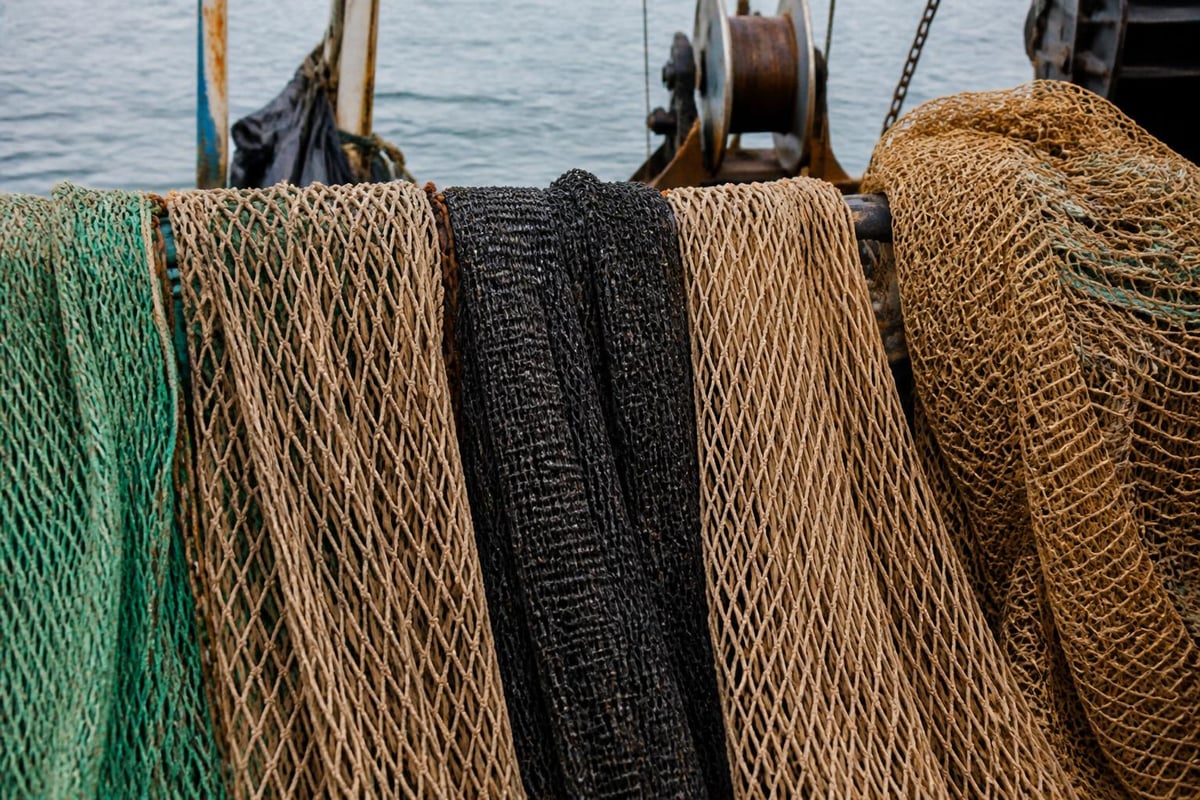
Commercial fishing nets represent the cornerstone of large-scale fishing operations. These fishing sporting goods require precision manufacturing to meet regulatory standards and operational demands. Quality netting materials determine catch efficiency, durability, and environmental compliance.
Key considerations for fishing nets include:
Understanding fishing net sizes helps operators select appropriate equipment for their target species and fishing zones. New Zealand-made nets offer exceptional quality control, with manufacturers producing ready-to-use products that meet Pacific region standards.
High-strength ropes serve multiple functions in fishing operations, from securing vessels to handling heavy catches. The selection of rope materials directly impacts safety and operational efficiency.
| Rope Type | Primary Use | Key Advantage | Typical Application |
|---|---|---|---|
| Manila | Mooring, hauling | Natural grip, biodegradable | Traditional vessel operations |
| Nylon | Anchor lines, towing | High stretch, shock absorption | Heavy-duty anchoring |
| Polyester | Running rigging | Low stretch, UV resistant | Precision fishing applications |
| Polypropylene | Floatation lines | Lightweight, floats | Surface operations |
Natural fiber ropes like manila offer excellent handling characteristics for marine environments, while synthetic options provide superior strength-to-weight ratios.
Fishing sporting goods in the tackle category continue to benefit from innovation in materials science and design. The fishing lures market demonstrates significant growth potential, with specialized products catering to specific fishing conditions and target species.
Terminal tackle components include:
Commercial operations often require bulk quantities of standardized tackle, while recreational anglers experiment with diverse options to match changing conditions.
Safety remains paramount in fishing operations. The CDC identifies numerous onboard hazards that proper equipment and protocols can mitigate. Fishing sporting goods dedicated to safety protect crew members and ensure regulatory compliance.
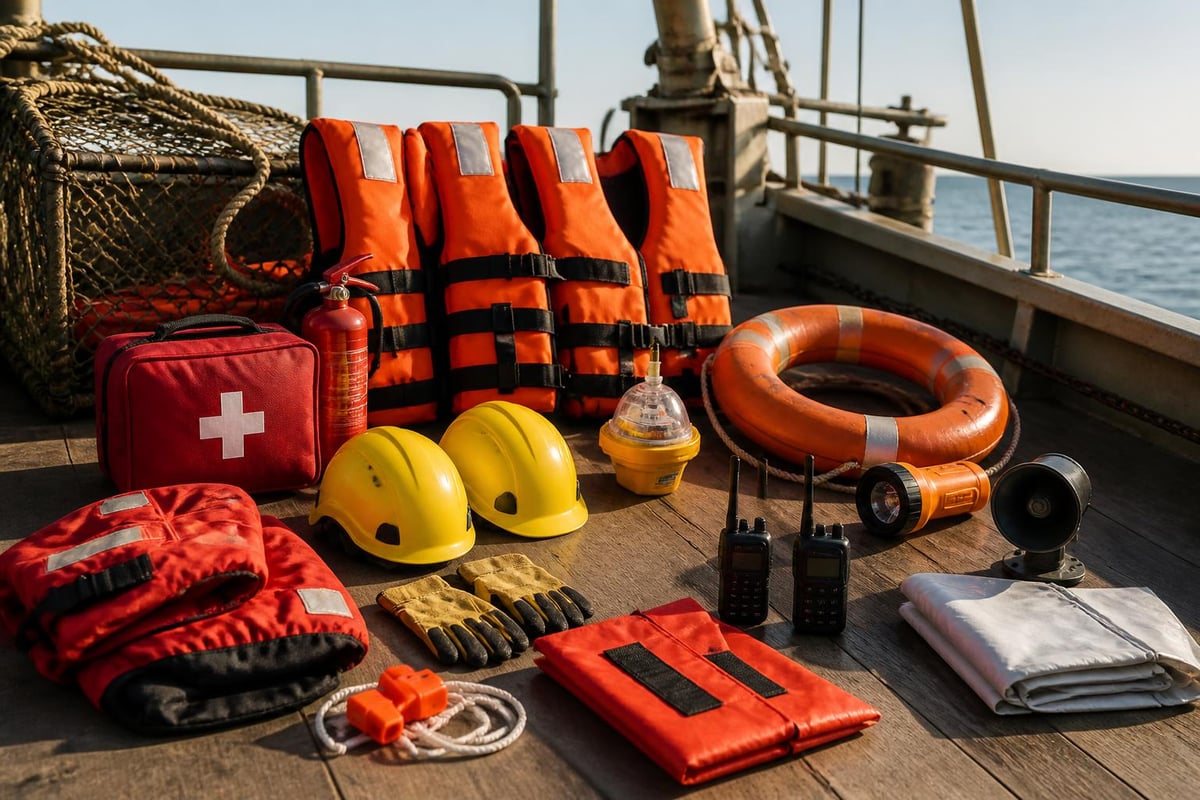
Modern fishing operations demand comprehensive safety gear. Personal flotation devices, weather-appropriate clothing, and specialized hand protection reduce injury rates and improve comfort during extended operations.
Essential safety fishing sporting goods include:
The FAO provides comprehensive safety guidelines that inform equipment standards worldwide. Compliance with these recommendations protects personnel while meeting insurance and regulatory requirements.
Beyond personal gear, vessel-mounted fishing sporting goods enhance overall safety. Fire suppression systems, navigation lights, and emergency signaling devices represent mandatory equipment in most jurisdictions.
Different fishing techniques require specific equipment configurations. Understanding these distinctions helps operations invest in appropriate fishing sporting goods that maximize efficiency.
Large-scale net fishing demands robust equipment capable of handling significant loads. Purse seines, trawl nets, and gillnets each require specialized supporting equipment including hydraulic systems, net drums, and retrieval mechanisms.
Marine equipment designed for commercial applications must withstand continuous use in harsh saltwater environments. Corrosion-resistant materials and reinforced construction extend service life and reduce downtime.
Trolling operations utilize different fishing sporting goods compared to net fishing. Downriggers, outriggers, and specialized weights position baits at precise depths. Downrigger weights provide the mass necessary to maintain lure position in varying current conditions.
Longline fishing requires miles of mainline, thousands of hooks, and systematic deployment mechanisms. Automation in modern longline systems improves efficiency while reducing crew fatigue.
While commercial operations focus on volume and efficiency, recreational fishing sporting goods emphasize versatility and user experience. Rod and reel combinations, portable tackle boxes, and compact storage solutions cater to mobile anglers.
The recreational sector drives innovation in lightweight materials and multifunctional designs. Carbon fiber rods, sealed drag systems, and waterproof electronics represent premium options in this segment.
Understanding market dynamics helps businesses and consumers make strategic purchasing decisions. Recent economic pressures have influenced consumer behavior across the sporting goods sector.
The sporting goods industry faces headwinds from multiple directions. A 9% decline in U.S. sporting goods transactions during Q4 reflects broader economic concerns including tariff impacts and inflation pressures. These factors affect pricing strategies and inventory management across the fishing sporting goods category.
Supply chain disruptions continue to influence product availability and lead times. Manufacturers who maintain local production capabilities can respond more quickly to market demands and reduce exposure to international shipping delays.
Despite near-term challenges, the long-term outlook for fishing sporting goods remains positive. The global sports fishing equipment market is forecast to exceed $18 billion by 2032, driven by increased participation rates and technological innovation.
Key growth drivers include:
Regional manufacturers serving Pacific markets benefit from proximity to growing fisheries and established distribution networks. New Zealand's reputation for quality marine products positions local suppliers advantageously in these markets.
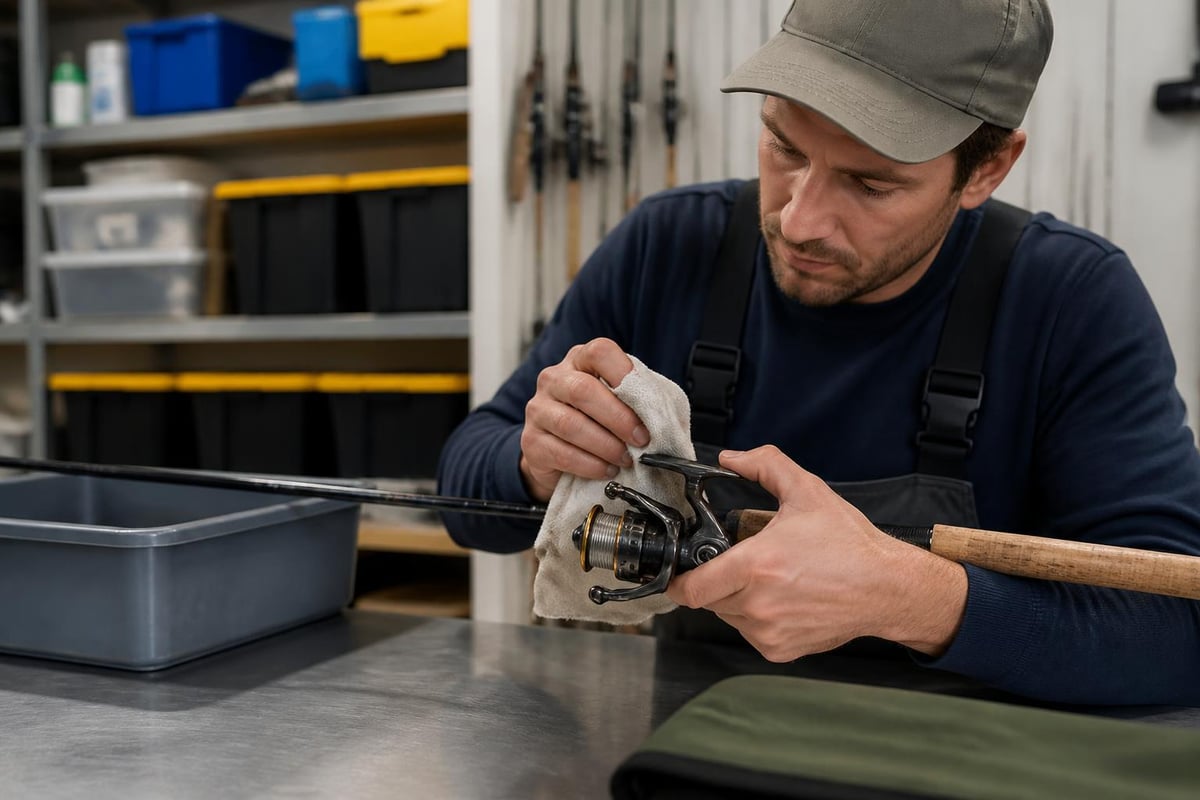
Proper care extends the service life of fishing sporting goods and ensures reliable performance. Saltwater environments accelerate corrosion and material degradation, making maintenance protocols essential.
Regular cleaning removes salt deposits, biological materials, and contaminants that compromise equipment integrity. Fresh water rinses after each use represent the minimum standard for saltwater fishing gear.
| Equipment Type | Cleaning Method | Storage Requirement | Inspection Frequency |
|---|---|---|---|
| Nets | Fresh water spray, hang dry | Cool, dry location with air circulation | Before each deployment |
| Ropes | Rinse, dry completely | Coiled loosely, protected from UV | Monthly |
| Metal hardware | Rinse, dry, apply corrosion inhibitor | Climate-controlled when possible | Weekly during use |
| Electronics | Damp cloth, avoid water ingress | Sealed containers with desiccant | Per manufacturer specs |
Dedicated storage facilities protect fishing sporting goods from environmental damage. UV exposure degrades synthetic materials, while moisture promotes rust and mold growth. Climate-controlled storage represents the ideal, though well-ventilated covered areas provide adequate protection for most equipment.
Cost-effective operations balance repair investments against replacement expenses. Nets with localized damage often justify repair through professional or in-house services. Extensive damage or material degradation typically warrants complete replacement.
Economic analysis should consider:
Establishing relationships with reliable suppliers ensures quick access to replacement fishing sporting goods when repair proves impractical.
Modern fishing operations increasingly prioritize environmental stewardship. Fishing sporting goods selection influences ecosystem impacts through material choices, catch selectivity, and end-of-life disposal.
Equipment choices directly affect fishing sustainability. Selective gear reduces bycatch, while proper sizing protects juvenile populations. The NOAA provides guidelines for responsible fishing that inform equipment selection and operational practices.
Biodegradable materials in certain fishing sporting goods reduce environmental persistence if equipment is lost at sea. Natural fiber ropes, for instance, decompose over time rather than contributing to persistent marine debris.
Recreational and some commercial operations incorporate catch and release protocols. Best practices for catch and release emphasize gear selection that minimizes fish injury and stress.
Circle hooks reduce deep hooking incidents, while barbless options facilitate quick release. Knotless landing nets protect fish slime coats better than traditional knotted mesh. These fishing sporting goods support conservation goals while maintaining angling enjoyment.
Identifying quality fishing sporting goods requires understanding manufacturing standards and performance specifications. Commercial operations cannot afford equipment failures during critical fishing seasons.
Premium fishing sporting goods exhibit consistent construction, appropriate materials for intended use, and clear specification documentation. New Zealand manufacturers maintain rigorous quality control systems that ensure product reliability.
Quality markers include:
Established manufacturers provide technical support and product guidance based on decades of industry experience. This expertise helps customers select optimal fishing sporting goods for their specific applications.
Supplier relationships determine equipment availability and support quality. Reliable suppliers maintain adequate inventory, offer quick turnaround on standard products, and provide custom manufacturing when required.
Pacific Island fisheries benefit from suppliers who understand regional conditions and regulatory environments. Online fishing tackle stores with export capabilities streamline procurement for remote operations.
Fishing sporting goods often integrate with wider marine and industrial equipment systems. Comprehensive suppliers offering multiple product categories simplify procurement and logistics.
Operations requiring fishing nets, marine ropes, industrial slings, and RV equipment benefit from consolidated suppliers. Single-source procurement reduces administrative overhead and often provides volume pricing advantages.
Industrial equipment suppliers serving fishing operations understand the demanding nature of marine environments. Products meeting fishing industry standards typically exceed requirements for less demanding applications.
A comprehensive safety checklist approach coordinates equipment across categories. Personal protective equipment, vessel safety gear, and emergency supplies work together as an integrated safety system.
Fishing sporting goods suppliers with broad product ranges can provide complete safety solutions rather than requiring multiple vendor relationships. This consolidation ensures compatibility and simplifies inventory management.
Selecting appropriate fishing sporting goods requires understanding operational requirements, safety standards, and quality indicators across multiple equipment categories. From commercial-grade nets to specialized tackle and essential safety equipment, the right gear enhances efficiency while protecting personnel and marine resources. Whether you're outfitting a commercial fishery or upgrading recreational equipment, working with experienced suppliers ensures access to reliable products backed by technical expertise. Action Outdoors Limited manufactures premium fishing nets and supplies comprehensive marine equipment to fisheries across the Pacific, combining New Zealand quality with responsive service for operations of all sizes.
Leave a comment