
Email

Selecting the right marine fishing shop can make the difference between a successful fishing operation and frustrating setbacks. Whether you're outfitting a commercial fishing vessel, setting up community fisheries operations, or expanding your existing marine equipment inventory, understanding what separates exceptional suppliers from average ones is essential for operations throughout the Pacific region. This comprehensive guide explores the critical factors that define quality marine fishing shops, from product selection and manufacturing standards to regulatory compliance and customer service excellence.
The marine fishing industry has evolved significantly over recent years, with specialized shops adapting to changing regulations, technological advances, and environmental considerations. A professional marine fishing shop serves as more than just a retail outlet. It functions as a critical partner in fishing operations, providing expert guidance on equipment selection, regulatory compliance, and proper gear maintenance.
Modern fishing operations require suppliers who understand the complexities of different fishing methods, target species, and regional conditions. The best marine fishing shops maintain deep knowledge about their products, from the mesh sizes appropriate for specific fish species to the rope strengths needed for various applications. This expertise proves invaluable when selecting equipment that must perform reliably in challenging marine environments.
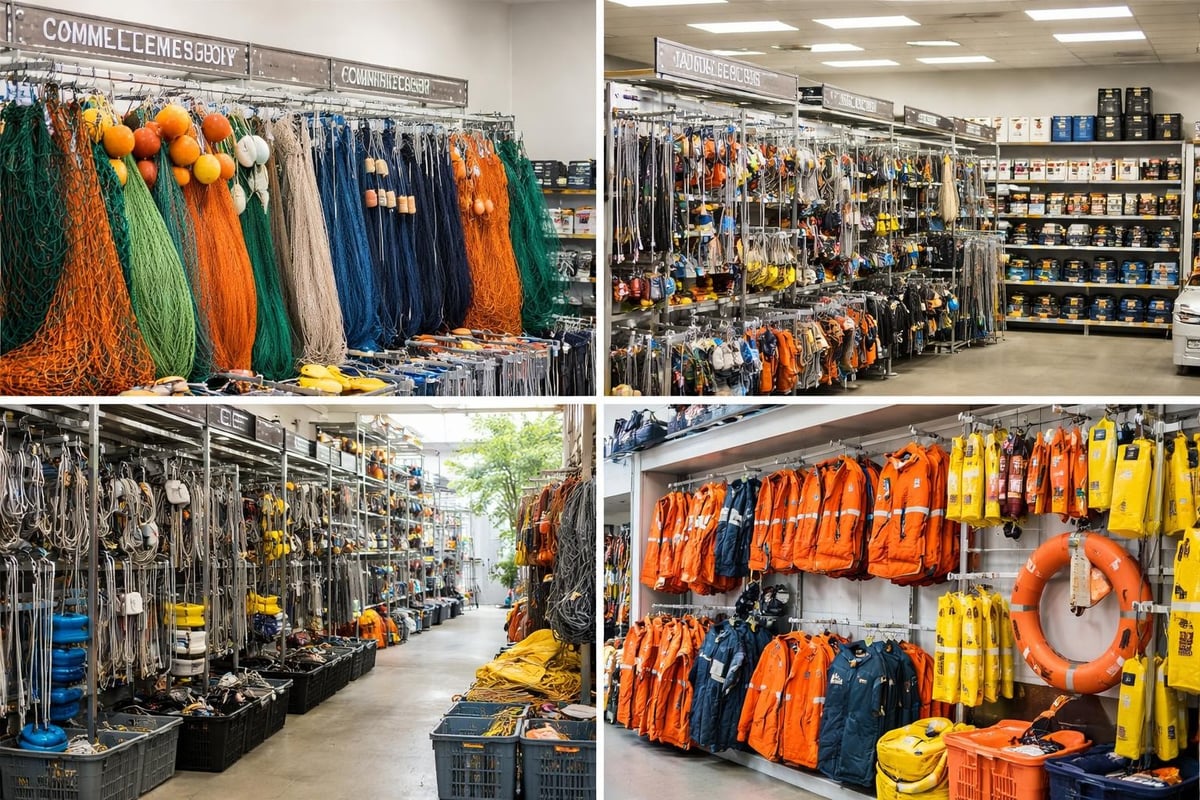
A comprehensive marine fishing shop typically organizes inventory into several essential categories:
The breadth of product selection directly correlates with a shop's ability to serve diverse customer needs. Shops specializing in commercial operations might stock commercial fishing nets in various configurations, while those serving recreational markets focus on smaller-scale equipment and accessories.
Manufacturing quality separates exceptional marine fishing shops from mediocre suppliers. The fishing equipment you purchase must withstand harsh saltwater conditions, repeated use, and significant stress loads. Products manufactured to inferior standards lead to equipment failures, lost catches, and potential safety hazards.
When evaluating a marine fishing shop, investigate their manufacturing processes and quality control measures. Shops that produce their own equipment or maintain close relationships with manufacturers typically offer superior product knowledge and quality assurance. New Zealand-made fishing nets, for example, have earned recognition throughout the Pacific region for their durability and craftsmanship.
| Manufacturing Aspect | Why It Matters | What to Look For |
|---|---|---|
| Production capacity | Ensures consistent supply | Annual output exceeding 300,000 meters |
| Quality control | Reduces defect rates | Documented inspection processes |
| Customization options | Meets specific needs | Ability to modify standard designs |
| Turnaround times | Minimizes operational delays | Stated production schedules |
The best suppliers maintain significant production capabilities, allowing them to handle both standard orders and custom requests efficiently. A marine fishing shop with substantial manufacturing capacity can respond quickly to urgent needs while maintaining consistent quality across all products.
Different fishing techniques require specialized equipment, and a knowledgeable marine fishing shop understands these distinctions thoroughly. Understanding the relationship between fishing methods and appropriate gear helps ensure operational success.
Finfish netting varies considerably based on target species:
Each species presents unique challenges requiring specific net designs, mesh sizes, and construction techniques. A quality marine fishing shop provides detailed specifications and guidance on selecting appropriate equipment for your target species.
Fishing conditions vary significantly across different regions, affecting equipment requirements. Pacific Island operations face different challenges than New Zealand coastal fishing or North American marine environments. Temperature, water clarity, current strength, and bottom composition all influence equipment selection.
Marine fishing shops serving multiple regions should understand these geographic variations and stock appropriate equipment. Fishing nets for Pacific Islands may require different specifications than those designed for cooler temperate waters.
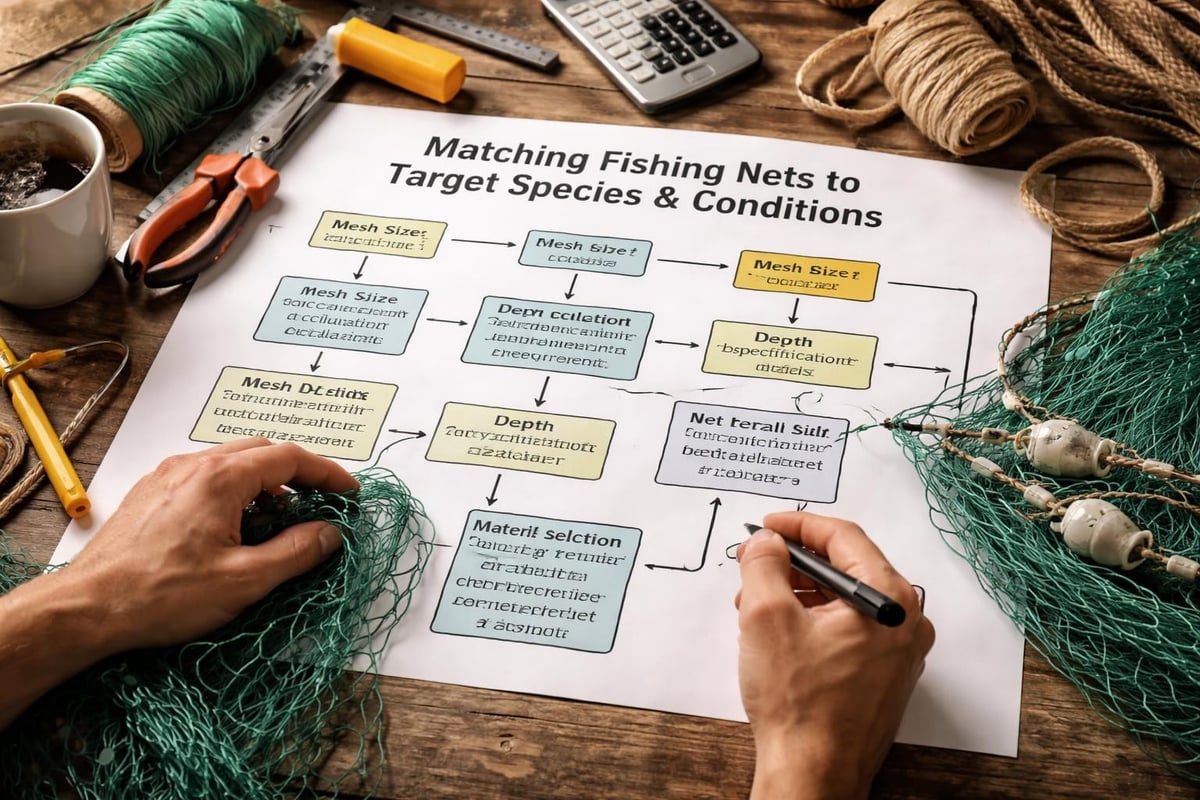
Understanding and adhering to fishing regulations represents a critical responsibility for any marine fishing shop. Regulations govern everything from net specifications to fishing seasons, and compliance requirements vary significantly by jurisdiction.
While Maine's fishing regulations and California's marine fishing regulations establish frameworks in their respective regions, New Zealand and Pacific Island nations maintain their own comprehensive regulatory systems. Staying informed about New Zealand fishing rules ensures your equipment meets current legal requirements.
A responsible marine fishing shop stays current with regulatory changes and helps customers understand how these requirements affect their equipment choices. This knowledge protects fishers from costly violations while supporting sustainable fishing practices.
The relationship between a marine fishing shop and its customers extends beyond simple product transactions. Exceptional suppliers provide comprehensive support services that enhance the customer experience and ensure long-term success.
These services prove particularly valuable for commercial operations where equipment performance directly impacts profitability. Access to expert advice helps avoid costly mistakes and optimizes fishing efficiency.
Staff expertise distinguishes superior marine fishing shops from basic retail operations. Knowledgeable staff can explain the differences between various net constructions, recommend appropriate accessories, and troubleshoot performance issues. This expertise becomes invaluable when selecting specialized equipment like eel fyke nets or cast nets.
Comprehensive inventory separates full-service marine fishing shops from limited suppliers. Operations requiring multiple equipment types benefit significantly from single-source suppliers who maintain extensive product ranges.
A well-stocked marine fishing shop should offer:
Netting products spanning multiple applications:
Marine hardware and rigging:
Complementary equipment:
The U.S. fishing goods market demonstrates growing consumer demand for comprehensive product selections, a trend reflected in Pacific markets as well.
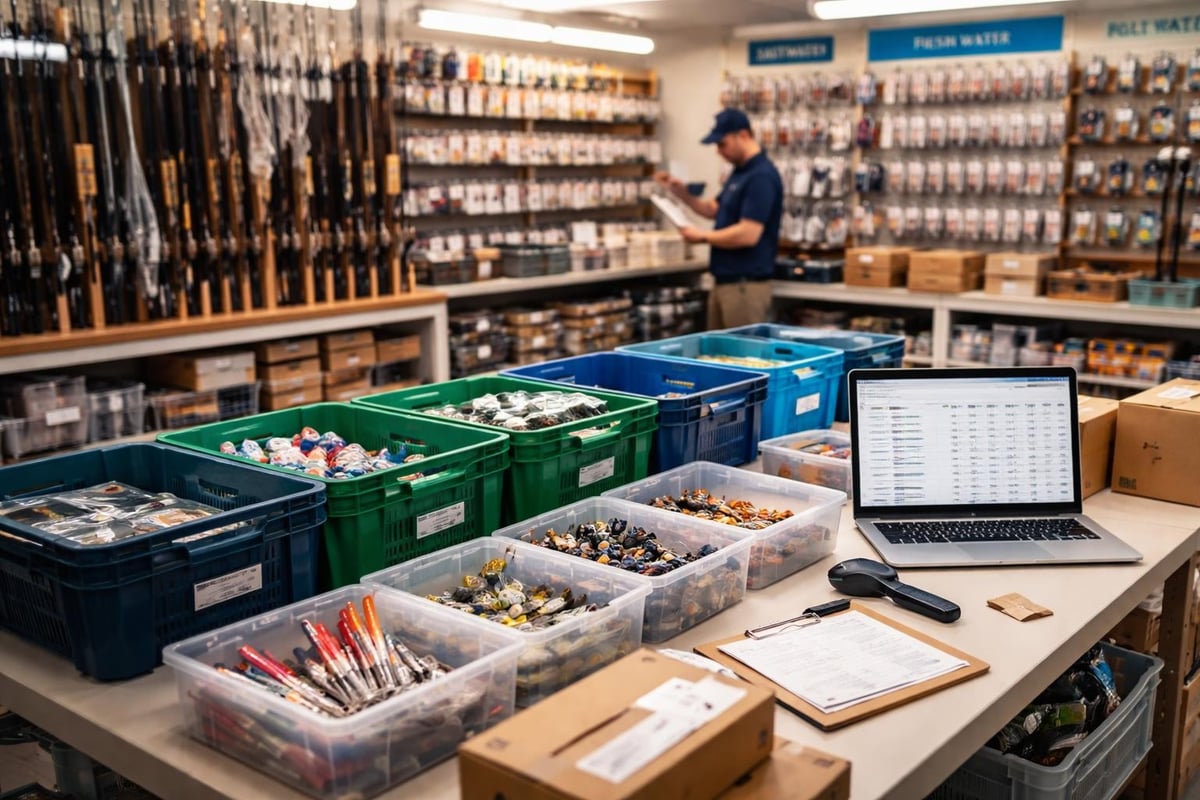
Material selection fundamentally determines equipment performance and longevity. A reputable marine fishing shop sources high-quality materials that withstand the demanding marine environment.
| Material Aspect | Impact on Performance | Quality Indicators |
|---|---|---|
| Net mesh material | UV resistance, strength | Monofilament vs. multifilament specifications |
| Rope construction | Load capacity, abrasion resistance | Fiber type, twist pattern, diameter consistency |
| Float materials | Buoyancy retention, impact resistance | Density ratings, shell thickness |
| Hardware metals | Corrosion resistance | Stainless steel grade, galvanization quality |
Marine environments accelerate material degradation through constant moisture exposure, salt corrosion, and UV radiation. Equipment constructed from inferior materials requires frequent replacement, ultimately costing more than investing in quality products initially.
Fishing operations often require equipment modifications or completely custom solutions. The ability to accommodate these needs represents significant value in a marine fishing shop partnership.
Specialized fishing operations may need:
Shops with in-house manufacturing capabilities, like those producing fishing net parts and supplies, can typically accommodate custom requests more efficiently than retailers dependent on third-party manufacturers. Quick turnaround times on custom orders minimize operational disruptions.
Cost considerations influence every equipment purchase, but focusing solely on initial price often leads to poor long-term value. A professional marine fishing shop should offer transparent pricing that reflects quality and service levels.
Compare total cost of ownership rather than just purchase price. Equipment requiring frequent replacement or extensive repairs ultimately costs more than durable products with higher initial prices. The latest fishing equipment picks for 2026 reflect this balance between innovation and value.
For operations across the Pacific region, supply chain reliability determines operational continuity. A dependable marine fishing shop maintains consistent inventory levels and can efficiently ship products to remote locations.
Operations in Pacific Island nations particularly benefit from suppliers experienced in export logistics. Understanding customs requirements, documentation needs, and shipping timelines ensures equipment arrives when needed.
The marine fishing industry continues evolving with new technologies, materials, and techniques. Progressive marine fishing shops stay current with these developments and incorporate innovations that benefit customers.
Material innovations improving performance:
Design improvements increasing efficiency:
Staying informed about new fishing innovations helps operations maintain competitive advantages while adopting proven technologies that enhance productivity.
Sustainable fishing practices have moved from optional considerations to essential operating principles. A responsible marine fishing shop supports these efforts through product selection and guidance.
The marine ecosystem faces increasing pressures, and concerns about climate change impacts on fish populations highlight the importance of sustainable practices. Equipment choices significantly impact fishing sustainability, making supplier guidance valuable.
Before establishing a relationship with a marine fishing shop, investigate their credentials, experience, and reputation within the industry. This due diligence protects your investment and ensures reliable long-term partnership.
Business fundamentals:
Customer feedback:
Technical expertise:
Working with essential fishing equipment suppliers who demonstrate excellence across these criteria ensures productive long-term relationships.
Comprehensive marine fishing shops often extend beyond fishing equipment alone, providing related products that support broader operational needs. This diversification offers convenience and potential cost savings through consolidated purchasing.
The ability to source multiple product categories from a single supplier streamlines procurement, reduces shipping costs, and simplifies vendor management. These efficiency gains prove particularly valuable for commercial operations managing complex equipment inventories.
The most successful fishing operations develop strong partnerships with their marine fishing shop suppliers. These relationships deliver ongoing benefits beyond individual transactions.
Strong supplier relationships provide:
Investing time in building these relationships pays dividends through improved service, better pricing, and enhanced support. Communication, consistent business, and mutual respect form the foundation of productive long-term partnerships.
Choosing the right marine fishing shop requires balancing multiple factors including product quality, pricing, service levels, and specialized capabilities. Create a systematic evaluation process to ensure your selection aligns with operational requirements.
Develop a weighted scoring system considering:
This structured approach ensures objective evaluation rather than decisions based solely on single factors like price or convenience.
Selecting the right marine fishing shop significantly impacts fishing operation success through equipment quality, expert support, and reliable service. Whether you're outfitting commercial vessels, community fisheries, or specialized operations, partnering with experienced suppliers ensures access to quality equipment and knowledgeable guidance. Action Outdoors Limited has served fishing operations throughout New Zealand and the Pacific Islands for years, manufacturing over 350,000 meters of ready-to-use fishing nets annually while maintaining the quality standards and comprehensive product selection that serious fishing operations demand.
Leave a comment