
Email

Cast netting remains one of the most effective methods for catching live bait in both freshwater and saltwater environments. For anglers, commercial fishers, and subsistence harvesters across the Pacific region, understanding the basic gear cast net and its proper use is essential for successful fishing operations. Whether you're targeting mullet in New Zealand coastal waters or gathering bait for tuna fishing expeditions, mastering this fundamental fishing tool can significantly improve your catch rates and reduce time spent preparing for the main fishing event.
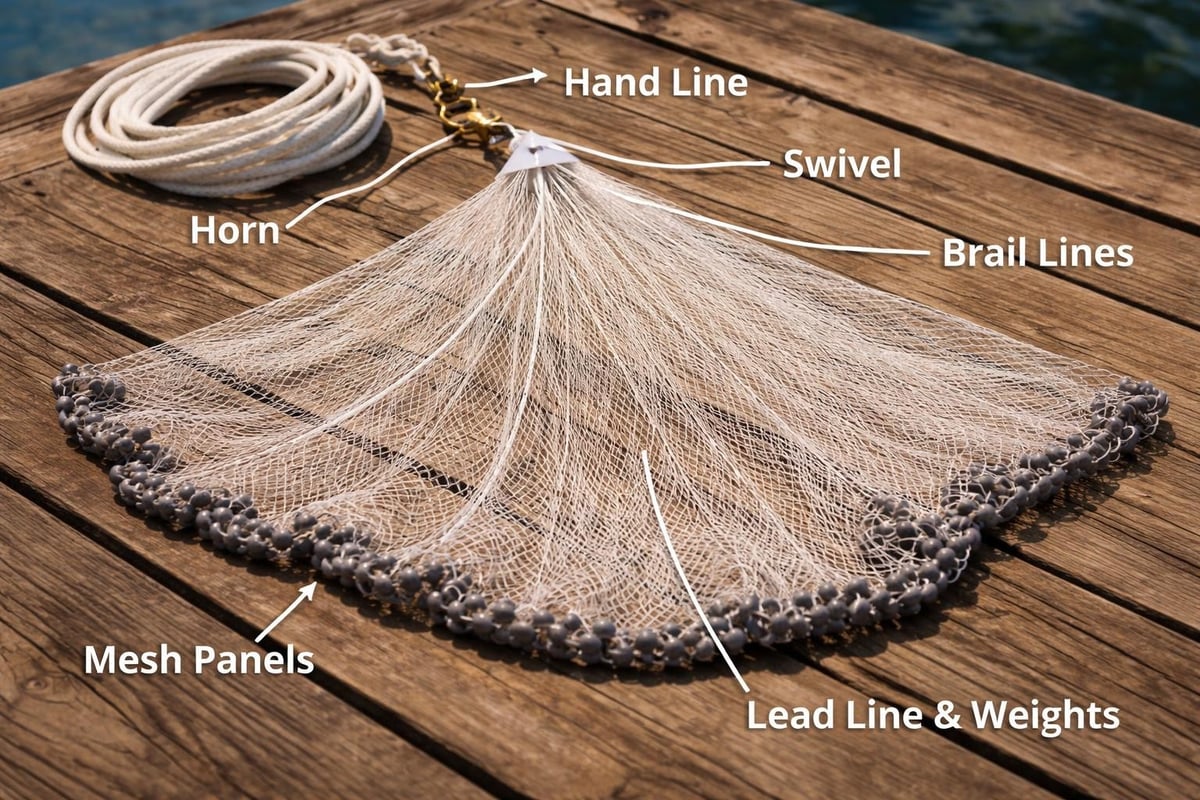
The basic gear cast net consists of several critical components that work together to trap fish effectively. At the center, you'll find the hand line, which connects to a swivel mechanism that prevents tangling during the throw and retrieval process. The horn, brail lines, lead line, and net mesh form the core structure that determines the net's performance characteristics.
The mesh panel itself creates the catching surface, with mesh size varying based on target species. Smaller mesh openings of 10-15mm work well for whitebait and smaller baitfish, while larger 20-30mm meshes suit mullet and herring. The lead line runs along the perimeter, providing the weight necessary to sink the net quickly and trap fish beneath its circular spread.
Key components include:
The radius of a basic gear cast net typically ranges from 1.2 to 2.4 meters, with larger nets covering more area but requiring greater strength and skill to throw effectively. New Zealand fishers often prefer mid-range sizes around 1.8 meters for versatility across different fishing situations.
Choosing an appropriate basic gear cast net depends on multiple factors including target species, fishing environment, and user experience level. Different net materials and mesh configurations affect durability, casting ease, and catching efficiency. Monofilament nets offer superior strength-to-weight ratios and resist rotting in saltwater environments, making them popular among Pacific Island fisheries.
| Material Type | Advantages | Best Applications | Lifespan |
|---|---|---|---|
| Monofilament | Lightweight, rot-resistant, strong | Saltwater, frequent use | 2-4 years |
| Nylon multifilament | Softer, easier to throw, economical | Freshwater, beginners | 1-3 years |
| Polyethylene | Highly durable, UV resistant | Commercial operations | 3-5 years |
Action Outdoors Limited manufactures cast nets using premium materials suited for demanding Pacific conditions, ensuring consistent performance across hundreds of throws. The company's fishing net expertise extends to custom configurations for specific regional fishing requirements.
Matching mesh size to target species prevents escapement while ensuring legal compliance. A basic gear cast net with 10mm mesh captures tiny baitfish but may be prohibited in certain waterways. Conversely, 40mm mesh allows smaller fish to escape while targeting larger bait species.
Recommended mesh sizes:
Understanding fishing regulations in your area prevents costly violations and supports sustainable fisheries management.
Proper throwing technique separates successful cast netters from frustrated beginners. Learning to throw a cast net requires practice and attention to body mechanics, but mastering the fundamentals yields consistent results. The basic gear cast net must open fully into a circular shape to maximize coverage area and trap efficiency.
This technique works well for nets up to 1.8 meters in radius and provides excellent control for new users. Start by coiling the hand line in your non-dominant hand, leaving approximately one meter of slack. Drape half the net over your dominant shoulder while gathering the remaining weighted edge in your throwing hand.
Step forward with your dominant foot while rotating your upper body away from the target area. As you pivot back toward the water, release the gathered lead line with a smooth, sweeping motion. Your shoulder should drop the draped section simultaneously, allowing the net to unfold completely before hitting the water surface.
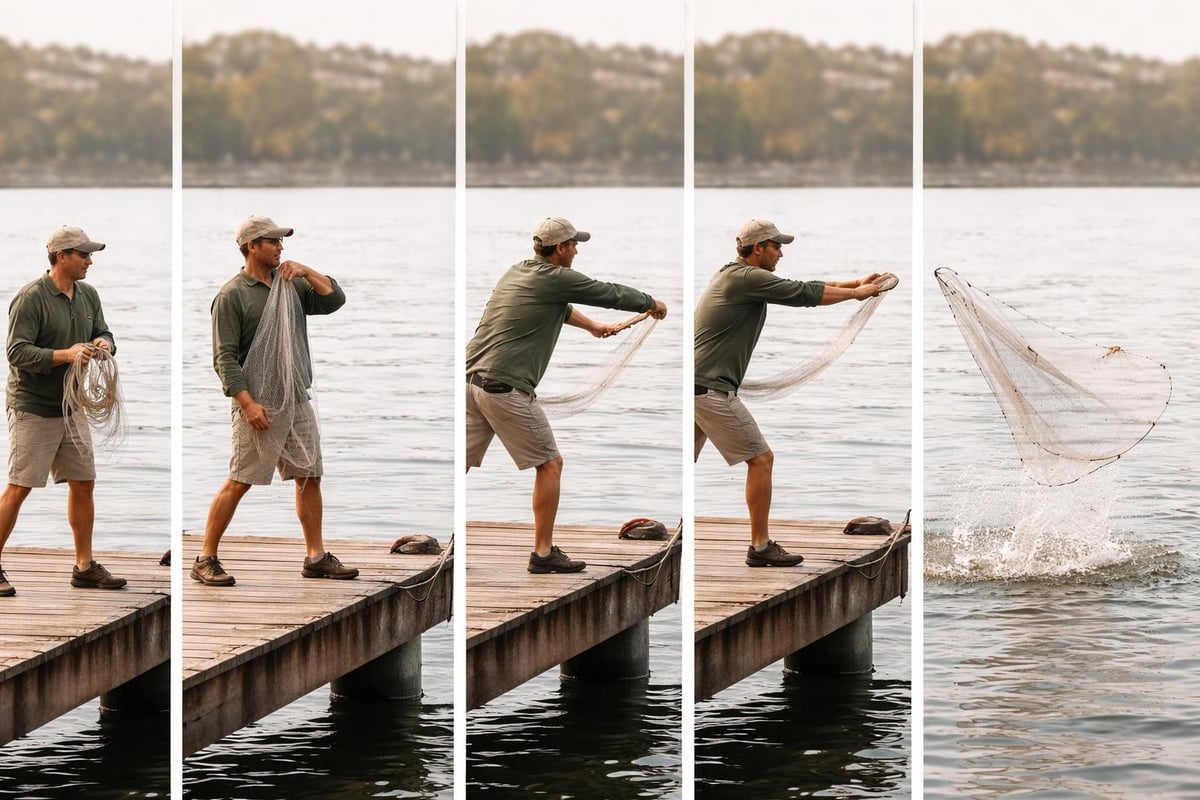
Experienced fishers using basic gear cast nets exceeding two meters often employ the overhead or between-the-legs method for maximum spread. These techniques generate greater centrifugal force, opening larger nets completely even in windy conditions common around Pacific coastlines.
Technique progression steps:
Various casting methods suit different situations, from shallow flats to deeper harbors. Adapting your approach based on water depth, current strength, and target fish behavior improves catch consistency.
Understanding jurisdictional requirements for basic gear cast net use protects anglers from violations while supporting conservation efforts. Different regions impose varying restrictions on mesh sizes, net dimensions, and permissible fishing locations. Massachusetts regulations exemplify comprehensive cast net governance, including permit requirements and seasonal restrictions.
Many jurisdictions require specific permits for cast net fishing, separate from standard recreational fishing licenses. Pennsylvania's cast net permit system restricts use to designated waterways and mandates compliance with net specifications. New Zealand maintains different rules for recreational versus commercial operations, with Action Outdoors Limited supplying compliant equipment for both categories.
| Jurisdiction | Permit Required | Max Net Size | Mesh Restrictions | Notable Prohibitions |
|---|---|---|---|---|
| New Zealand | Varies by region | 4m radius | Species-specific | Protected areas |
| Florida | Recreational license | 4.3m radius | Min 3/8" stretch | Nearshore species |
| California | Sport license | 3m radius | Varies by zone | Certain waterways |
Some areas prohibit cast net use entirely to protect vulnerable fish populations or spawning grounds. Florida's comprehensive net regulations detail statewide specifications and soaking requirements that govern commercial and recreational operations. Pacific Island nations often implement seasonal closures protecting traditional fishing rights and breeding cycles.
Responsible basic gear cast net users research local regulations before fishing unfamiliar waters. Consulting regional fisheries departments and respecting traditional fishing grounds maintains access for future generations while preserving marine ecosystems.
Proper maintenance extends basic gear cast net lifespan significantly, protecting your investment in quality fishing equipment. Saltwater, sand, and UV exposure degrade net materials progressively, but simple care routines prevent premature failure. Rinsing your net thoroughly after each use removes corrosive salt crystals and organic matter that accelerate deterioration.
Fresh water rinsing should occur immediately after returning from saltwater fishing trips. Spread the net completely to identify and remove trapped debris, seaweed, or shell fragments. Pay special attention to the lead line area where sand and small stones accumulate, potentially damaging mesh fibers through abrasion.
Essential maintenance steps:
Hanging the basic gear cast net to dry prevents mildew growth and maintains mesh integrity. Avoid leaving nets bunched in boat compartments or tackle boxes where moisture creates ideal conditions for rot and odor development.
Small holes in monofilament nets can be repaired using specialized netting needles and matching twine. Learning basic net mending skills saves money and prevents minor damage from expanding into costly replacements. Action Outdoors Limited provides comprehensive fishing equipment support including repair materials and instructional resources.
Inspecting your basic gear cast net regularly identifies wear patterns before catastrophic failure occurs during important fishing trips. Check swivel connections for corrosion, examine brail lines for fraying, and verify lead line weight distribution remains uniform around the perimeter.
Successful cast netting extends beyond throwing technique to include strategic location selection and timing considerations. Understanding fish behavior patterns, tidal movements, and environmental conditions dramatically improves basic gear cast net effectiveness. Experienced netters study water surfaces for feeding activity, baitfish schools, and predator presence that indicates productive fishing zones.
Current edges, depth transitions, and structure create natural congregation points for baitfish. A basic gear cast net deployed along these features contacts more fish per throw than random casts in open water. Morning and evening feeding periods typically produce better results as baitfish move into shallower areas seeking food.
Prime casting locations include:
Water clarity affects visibility and fish wariness. Slightly turbid conditions often produce better results than crystal-clear water where fish detect net movement earlier. Wind ripples on the surface also reduce fish awareness of approaching nets.
Different cast net types excel in specific conditions, but basic gear cast nets with moderate weight perform consistently across varied situations. Spring and fall migrations concentrate baitfish species, creating exceptional netting opportunities for prepared anglers. Pacific waters around New Zealand experience distinct seasonal patterns affecting mullet, pilchard, and anchovy abundance.
Incoming tides push baitfish into harbors and estuaries, positioning them within easy reach of shore-based netters. Understanding your local tidal cycle and fishing during optimal windows maximizes basic gear cast net productivity while minimizing wasted effort during slack periods.
Commercial operations throughout the Pacific region rely on basic gear cast nets for efficient bait collection supporting larger fishing enterprises. Tuna longliners, charter operators, and aquaculture facilities use cast nets to maintain fresh bait supplies essential for profitable operations. The durability and reliability of professionally manufactured nets directly impact business viability and operational costs.
Commercial bait operations using basic gear cast nets must balance collection efficiency with sustainable harvest practices. Targeting abundant species while avoiding overexploitation ensures continued availability for future operations. Many Pacific Island communities integrate traditional fishing knowledge with modern netting techniques, maintaining cultural practices while meeting contemporary market demands.
| Operation Type | Daily Bait Requirement | Preferred Net Size | Common Target Species |
|---|---|---|---|
| Charter fishing | 20-50kg | 2.0-2.5m radius | Pilchards, mullet |
| Commercial longlining | 100-300kg | 2.5-3.0m radius | Mackerel, squid |
| Aquaculture feed | 50-150kg | 1.8-2.2m radius | Anchovies, herrings |
Action Outdoors Limited supports commercial operators with marine equipment solutions designed for demanding daily use. The company's manufacturing capacity and rapid turnaround times ensure fishing operations maintain adequate equipment inventories without extended downtime.
Commercial-grade basic gear cast nets incorporate reinforced construction techniques and premium materials exceeding recreational specifications. Double-stitched seams, stainless steel swivels, and UV-stabilized mesh withstand intensive use across multiple seasons. Investing in quality equipment reduces replacement frequency and maintains consistent operational performance.
Professional fishers evaluate basic gear cast net performance based on throws per failure, maintenance requirements, and catch efficiency metrics. New Zealand-made nets from established manufacturers provide documented quality assurance and consistent specifications critical for commercial budgeting and planning.
Becoming proficient with a basic gear cast net requires dedicated practice and progressive skill building. Beginners should start with smaller nets in controlled environments before advancing to larger equipment in challenging conditions. Many successful netters spend hours practicing on land, developing muscle memory and perfecting release timing without the pressure of live fishing situations.
Start your basic gear cast net journey with a 1.5-meter radius net featuring moderate lead weight. This size provides manageable weight while offering sufficient coverage for learning proper technique. Practice achieving consistent circular spreads before worrying about casting distance or subtle refinements.
Skill progression timeline:
Video analysis helps identify technical flaws invisible during actual throwing. Recording practice sessions from multiple angles reveals body position errors, premature releases, and inconsistent momentum generation that limit net performance.
Rushing the release represents the most common error among developing casters. Proper basic gear cast net technique requires smooth, controlled motion rather than explosive force. Maintaining relaxed shoulders and allowing centrifugal force to open the net produces superior results compared to muscling throws with excessive tension.
Inadequate lead line organization creates tangling and incomplete spreads. Systematically arranging the weighted edge before each throw ensures smooth deployment and eliminates frustrating equipment failures during critical fishing moments. Experienced netters develop personal organization systems matching their individual throwing styles and physical characteristics.
Responsible basic gear cast net use supports sustainable fisheries management and ecosystem health. Selective harvesting, adherence to size limits, and awareness of spawning seasons protect fish populations for future generations. Careful bait handling and immediate release of non-target species minimizes stress and mortality among incidentally captured fish.
Modern basic gear cast net designs incorporate features reducing unintended captures. Appropriate mesh sizing allows juvenile fish and protected species to escape while retaining target baitfish. Deploying nets in known baitfish concentration areas rather than indiscriminate casting reduces encounters with non-target organisms.
Sustainable practices include:
Pacific Island communities have practiced sustainable cast netting for generations, integrating conservation principles with subsistence fishing. Modern practitioners benefit from adopting these time-tested approaches while incorporating contemporary scientific understanding of fish population dynamics.
Basic gear cast net fishing represents one of the most selective and environmentally friendly bait collection methods available. Unlike trawls or seines that disturb bottom habitats and capture massive volumes of marine life, cast nets target specific schools with minimal collateral impact. This selectivity aligns with growing environmental awareness among recreational and commercial fishing communities.
Participating in citizen science programs and reporting unusual catches contributes valuable data supporting fisheries management decisions. Many regional authorities track baitfish population trends through angler reporting, using this information to adjust regulations and protect vulnerable species. Action Outdoors Limited supports these conservation efforts through education and promotion of responsible fishing practices.
Mastering the basic gear cast net opens opportunities for more successful fishing across recreational and commercial applications while supporting sustainable harvest practices. Whether you're gathering bait for weekend fishing trips or supplying commercial operations across the Pacific, quality equipment and proper technique make all the difference. Action Outdoors Limited manufactures premium fishing nets and comprehensive marine supplies designed for demanding New Zealand and Pacific Island conditions, backed by decades of manufacturing expertise and commitment to customer success. Explore their complete range of fishing solutions and equipment at Action Outdoors Limited to elevate your fishing operations with New Zealand-made quality.
Shop related products at Action Outdoors: Fishing Nets · Fishing Lures · Fishing Line
Leave a comment