
Unlock record-breaking catches with the right bottom fishing gear in 2026. Whether you are a seasoned angler or just starting out, bottom fishing remains a proven and adaptable method for landing prized fish in any environment.
Bottom fishing gear is the backbone of successful trips, offering reliability and versatility for all skill levels. In this guide, you will discover expert insights into selecting, using, and optimizing your setup for the year’s best results.
Get ready for a complete breakdown of essential gear, the latest innovations for 2026, species-specific setups, pro strategies, and maintenance tips. With this knowledge, you will confidently tackle any fishing challenge and turn every outing into a potential record-breaker.
Dive in now and unlock the secrets to maximizing your bottom fishing gear for unmatched success this season.
Understanding Bottom Fishing: Basics & Benefits
Unlocking the world beneath the surface starts with understanding what makes bottom fishing so enduring. Whether you are new to angling or a seasoned pro, mastering bottom fishing gear opens up opportunities for impressive catches and unforgettable experiences. Let us break down the essentials, benefits, science, and 2026 trends shaping this time-tested technique.
What is Bottom Fishing?
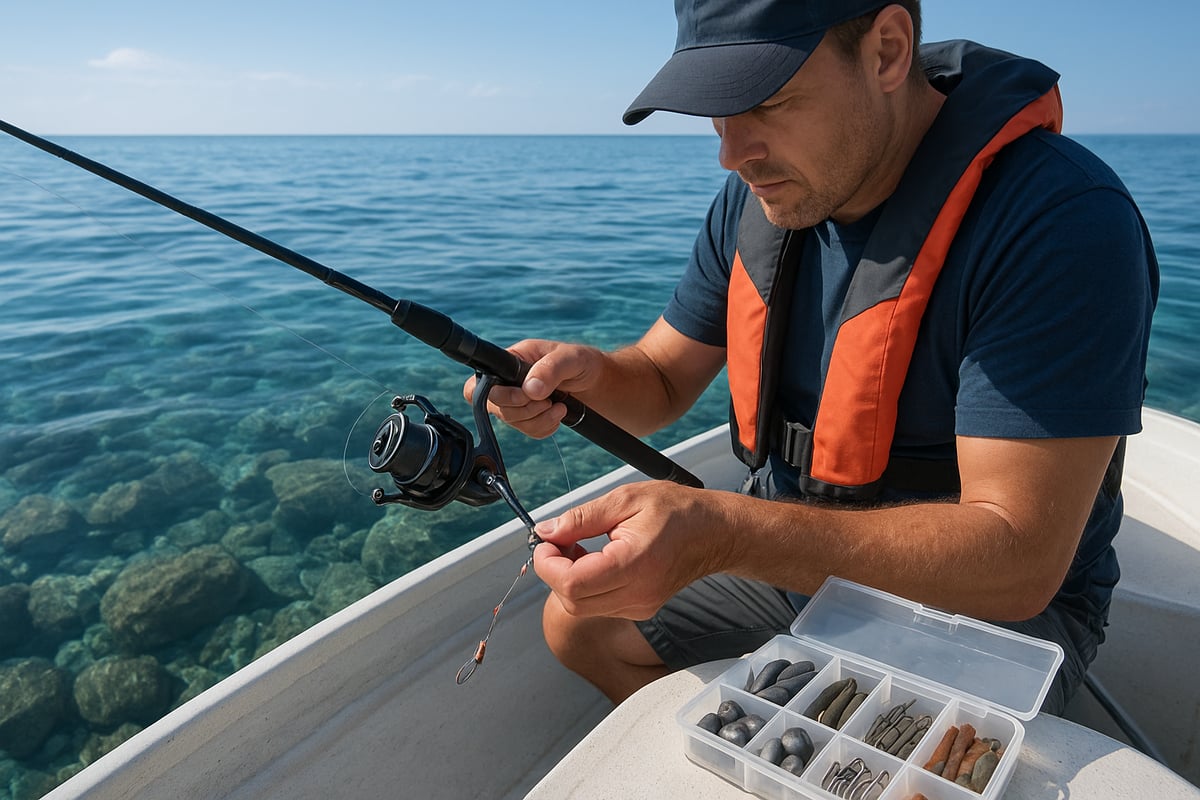
Bottom fishing is a technique where anglers present bait or lures directly on or near the seafloor to target fish that dwell at the bottom. This method is popular in both freshwater and saltwater, from lakes and rivers to offshore drop-offs. Anglers use bottom fishing gear to reach species like cod, halibut, snapper, and grouper, which often stay near structure or the substrate.
Core techniques include dropping weighted rigs or lures, maintaining contact with the bottom, and monitoring for subtle bites. Essential gear includes robust rods, reels, strong lines, and various sinkers and hooks. Because of its versatility, bottom fishing appeals to anglers at every skill level.
Key Advantages of Bottom Fishing
Bottom fishing offers several compelling advantages. First, it provides high catch rates for prized demersal species, making each outing more productive. Both beginners and experienced anglers can enjoy success with the right bottom fishing gear, thanks to its straightforward learning curve.
This method is adaptable to many environments, such as lakes, rivers, estuaries, and oceans. It is also suitable for both shore and boat fishing, expanding access for all enthusiasts. Compared to other fishing styles, bottom fishing is often more cost-effective, requiring fewer specialized tools for effective results. These benefits make it a go-to choice for any angler.
The Science Behind Success: How Gear Impacts Results
The effectiveness of your bottom fishing gear directly impacts your chances of landing fish. Matching your tackle to the depth, current, and species targeted ensures better bait presentation and fewer lost fish. Recent advancements in tackle, like ultra-sensitive rods and abrasion-resistant lines, have led to a significant boost in efficiency.
Industry data shows that modern jigs and rigs can increase strike rates by up to 30 percent. Quality tackle not only improves hook-up rates but also reduces the risk of gear failure during intense fights. Investing in well-matched, reliable bottom fishing gear is crucial for minimizing frustration and maximizing results each trip.
2026 Trends Shaping Bottom Fishing
The bottom fishing landscape is evolving rapidly in 2026. New materials, such as corrosion-resistant alloys and advanced composites, deliver lighter yet stronger rods and reels. Smart technology is making waves, with sonar-linked reels and digital bite alarms enhancing precision and convenience. For a deeper dive into these innovations, see AI-Powered Fishing Rods and Reels.
Eco-friendly tackle options, including biodegradable lines and lead-free sinkers, are gaining momentum among sustainability-minded anglers. Species-specific gear bundles are becoming more popular, offering tailored solutions for targeted fishing adventures. These trends reflect a growing demand for efficiency, customization, and responsible angling practices.
Essential Bottom Fishing Gear for 2026
Choosing the right bottom fishing gear in 2026 is crucial for maximizing your success on the water. The right combination of rods, reels, lines, tackle, and accessories can make the difference between an average day and a record-breaking catch.
Rods: Choosing the Right Backbone
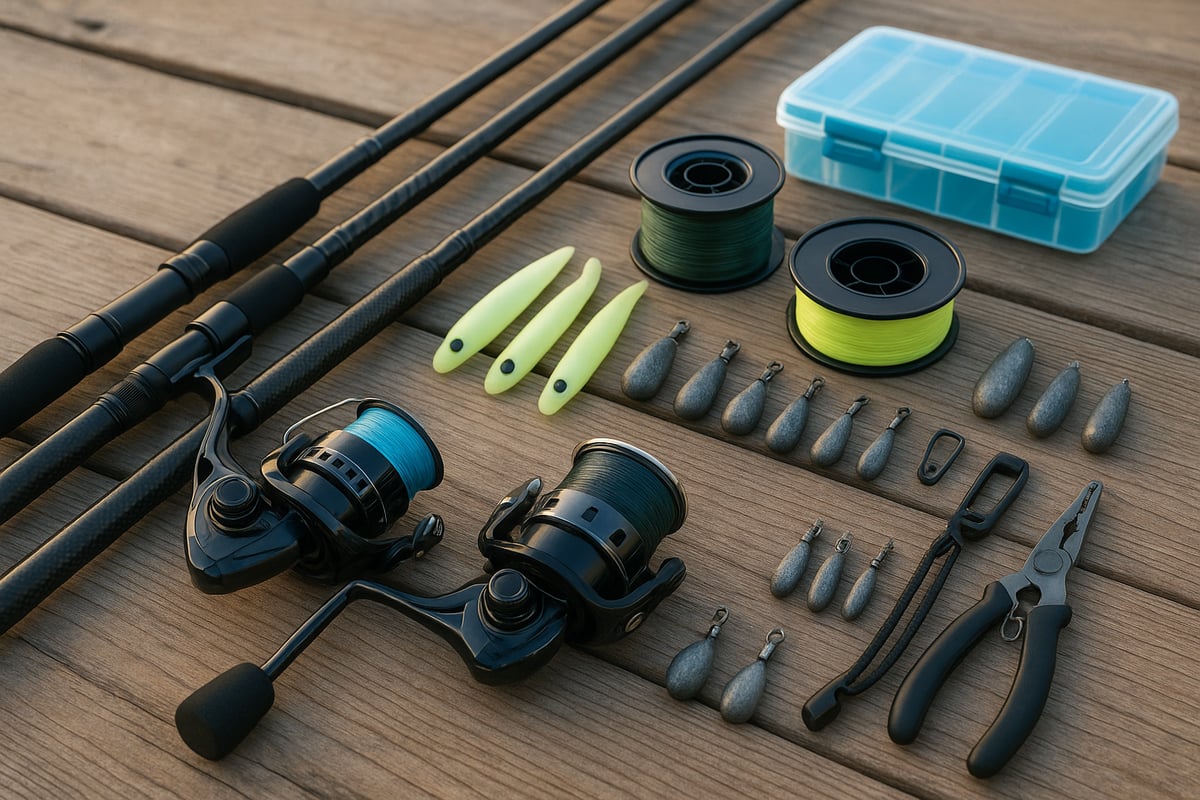
Selecting the best rod is the foundation of any bottom fishing gear setup. Spinning rods offer versatility and ease of use, making them a favorite among beginners. Conventional rods, on the other hand, provide greater power and control for targeting larger species and fishing in deep water.
Rod length and power rating should match your fishing environment. For deep-sea adventures, a 7’6” heavy-action rod delivers the strength needed to battle giants like halibut or cod. Inshore or freshwater anglers may prefer medium-power rods in the 6’6” to 7’ range for sensitivity.
Material innovation is a hallmark of 2026 bottom fishing gear. Carbon fiber and composite blends offer a balance of strength and lightweight sensitivity. Ergonomic grips reduce fatigue during long sessions, while anti-corrosion guides extend rod life in harsh conditions.
According to recent data, 2026 models provide up to 20% more sensitivity than those from 2023. This improvement allows anglers to detect subtle bites and react quickly, increasing overall success.
Reels: Power, Capacity, and Precision
Your reel must complement your rod and fishing style to create a balanced bottom fishing gear system. Spinning reels are user-friendly and ideal for lighter setups, while baitcasting reels excel in power and accuracy for heavy-duty applications.
Key features to look for include gear ratios optimized for bottom fishing (lower ratios provide more torque for hauling big fish), high line capacity for deep drops, and durable sealed drag systems that withstand saltwater exposure. For targeting trophy species like halibut, choose reels rated for 30lb+ drag.
Digital advancements in 2026 bring line counters and Bluetooth connectivity, allowing anglers to monitor line out and receive bite notifications on their smartphones. For a comprehensive overview of reel types and innovations, consult the Essential fishing reels guide.
A well-chosen reel ensures smooth operation, reliable performance, and maximizes your bottom fishing gear’s effectiveness in any environment.
Lines: Strength, Stealth, and Stretch
The right fishing line is a critical component of modern bottom fishing gear. Monofilament lines offer stretch and forgiveness, making them suitable for beginners. Braided lines, now 15% thinner for the same strength in 2026, provide superior sensitivity and abrasion resistance, ideal for deep or rocky bottoms. Fluorocarbon lines excel in stealth, virtually disappearing underwater to fool wary fish.
Selecting the optimal pound-test depends on your target species. For cod or snapper, 20–40lb test is common, while larger species may require up to 80lb. Consider water clarity and structure when choosing line color and type.
Knot compatibility is vital to prevent slippage or breakage. Test knots before each trip and match line type to the demands of your bottom fishing gear setup for the best results.
Terminal Tackle: Hooks, Sinkers, and Swivels
Terminal tackle forms the business end of your bottom fishing gear. Circle hooks promote conservation by hooking fish in the corner of the mouth, while J-hooks may increase hookup rates for certain species. Choose hook size based on bait and target fish.
Sinkers are essential for reaching the bottom and holding position. Bank, pyramid, and egg sinkers each have unique advantages, from anchoring in current to gliding over sandy flats. Eco-friendly, lead-free sinkers are gaining popularity in 2026 for their reduced environmental impact.
Swivels prevent line twist and help minimize break-offs. Pre-tied rigs and weighted setups enhance efficiency, letting you adapt your bottom fishing gear to changing conditions quickly.
Lures and Baits: Matching the Hatch
Effective lures and baits are central to any bottom fishing gear arsenal. Natural baits like squid, cut fish, or shrimp remain top choices for many demersal species. Artificial options have evolved in 2026, with glow-in-the-dark jigs and scented soft plastics increasing catch rates by 18% in field tests.
Select lures that mimic local prey for your target species. For example, snapper respond well to scented baits, while halibut may prefer larger, flashy jigs. Proper rigging of live or cut bait ensures natural presentation.
Storing bait and lures in airtight containers preserves freshness, keeping your bottom fishing gear ready for action throughout the day.
Accessories and Safety Gear
The right accessories elevate your bottom fishing gear setup. Advanced fish finders and sonar units help pinpoint productive spots. Gaffs and landing nets simplify handling large catches, while rod holders and bait buckets keep your workspace organized.
Tackle storage solutions, such as modular boxes, protect gear from corrosion and tangling. For safety, essentials like life jackets, gloves, and a first aid kit are non-negotiable, especially in offshore conditions.
Maintenance tools like line clippers and hook removers round out a complete bottom fishing gear kit, ensuring every trip is safe, efficient, and enjoyable.
Species-Specific Bottom Fishing Setups
Unlocking the full potential of bottom fishing gear means tailoring your setup to the species you target and the waters you fish. Matching your rods, reels, lines, and rigs to each scenario ensures you maximize catch rates and enjoy a more efficient angling experience.
Cod, Halibut, and Deepwater Giants
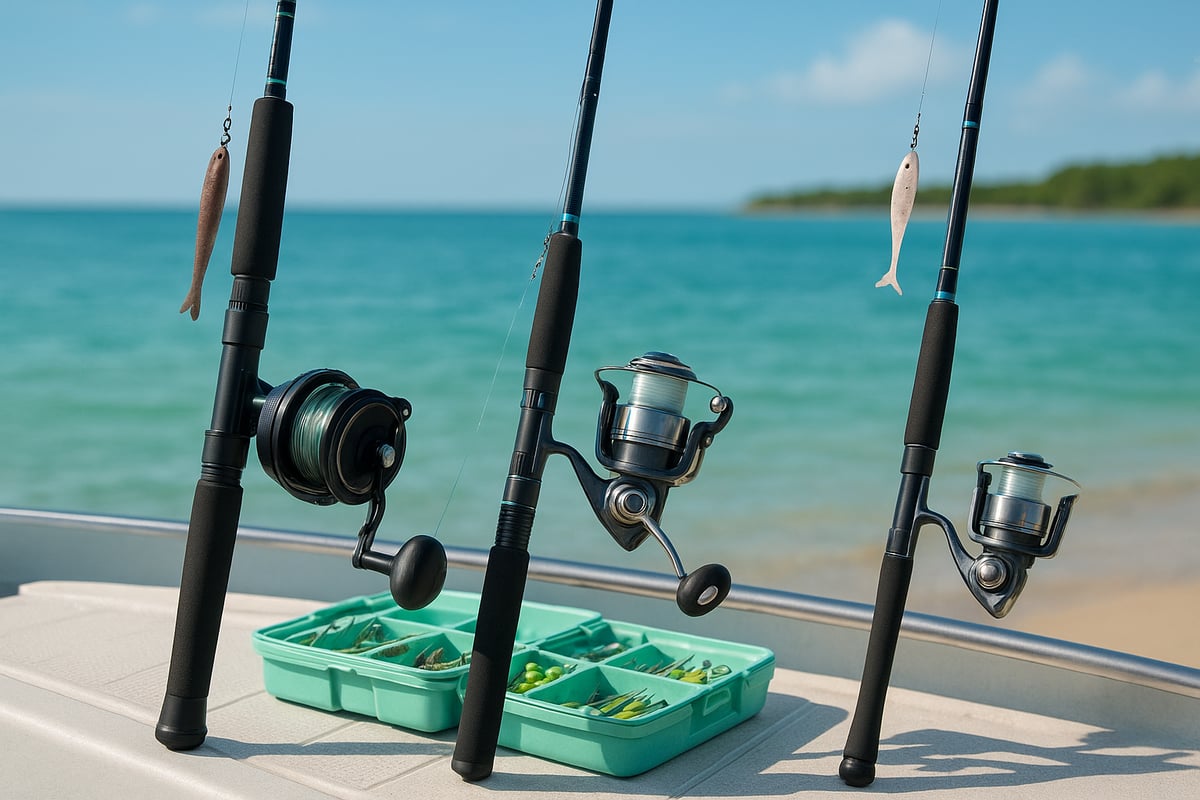
Targeting cod, halibut, and other deepwater giants requires the most robust bottom fishing gear available. Opt for heavy-duty rods rated for at least 30 pounds, paired with high-capacity reels that offer smooth, sealed drag systems. Choose braided lines in the 50–80 lb range for superior strength and minimal stretch, which is crucial for deep drops and hauling up large fish from strong currents. For an extra edge, explore braided fishing lines for strength that deliver reliability and sensitivity in extreme conditions.
Weighted rigs, such as dropper loops or chicken rigs, ensure your bait—cut fish or squid—reaches the seafloor quickly. In depths exceeding 200 meters, electronic reels can save energy and time, especially for repeated drops. Pacific halibut anglers often prefer setups with glow-in-the-dark beads or skirts to attract attention in low-light environments.
Investing in high-quality bottom fishing gear for these species reduces lost fish and increases your chances of landing a trophy catch.
Snapper, Grouper, and Reef Dwellers
Snapper, grouper, and similar reef dwellers thrive in rocky, structured habitats. Medium-action rods, paired with reels offering moderate drag and smooth retrieval, deliver the perfect balance of sensitivity and control. For these species, bottom fishing gear should include 20–30 lb fluorocarbon leaders, which offer stealth and abrasion resistance against sharp rocks and coral.
Effective rigs often feature circle hooks for conservation and improved hookup rates. Use jigs or soft plastics that mimic local prey, and adjust the weight of your sinkers to keep baits close to the bottom without snagging. Natural baits, such as squid or pilchards, account for 70 percent of snapper catches, so always have fresh options ready.
When rigging for rocky bottoms, consider pre-tied rigs for efficiency and quick swaps. This approach helps you adapt your bottom fishing gear on the fly as conditions change.
Flatfish and Flounder
Flatfish and flounder demand finesse and precision. Light spinning rods with sensitive tips let you detect subtle bites, while 8–15 lb mainline and small hooks keep presentations delicate. Choose subtle, scented baits—shrimp or soft plastics—to draw in these bottom-hugging species, especially in estuaries and sandy flats.
Drifting techniques let you cover more ground, increasing your odds of finding active fish. Use egg sinkers for a natural bait movement. When fishing in clear water, opt for low-visibility lines to avoid spooking wary flounder. This targeted approach ensures your bottom fishing gear works efficiently for these elusive fish.
Catfish and Freshwater Bottom Species
Freshwater bottom fishing gear should be sturdy enough to handle the powerful runs of big catfish, carp, or drum. Medium to heavy-action rods, paired with reels featuring smooth drag and ample line capacity, are essential. Use 20–40 lb monofilament or braided line, depending on the size of your target.
Slip sinker rigs with live or cut bait excel in rivers and lakes, allowing catfish to take the bait without feeling resistance. Bank anglers benefit from rod holders for hands-free fishing and quick response to bites. Channel catfish are often found along river bottoms, so position your setup where current meets structure for best results.
Adjust your bottom fishing gear as needed for changing water conditions or species, ensuring consistent success.
Adapting Gear for Different Water Bodies
Bottom fishing gear must adapt to the unique challenges of lakes, rivers, and oceans. In lakes, lighter tackle and smaller sinkers are often sufficient, while rivers may require heavier weights and abrasion-resistant lines to combat current and snags. Ocean fishing typically calls for modular rod systems and portable setups, especially for kayak or shore-based anglers.
Consider tackle that is easy to transport and assemble, such as telescopic rods or compact tackle boxes. Adjust your rigging to match water clarity, depth, and available structure. This flexibility ensures your bottom fishing gear remains effective wherever your adventures take you.
Pro Tips for Customizing Your Setup
Customize your bottom fishing gear by swapping out components to match local conditions. Fine-tune drag settings for each species and use high-quality terminal tackle for greater durability. Experiment with attractants and scent enhancers to boost your bait’s appeal, especially in pressured waters.
Regularly inspect and upgrade your bottom fishing gear to maintain peak performance and maximize your time on the water.
Step-by-Step: Setting Up for Bottom Fishing Success
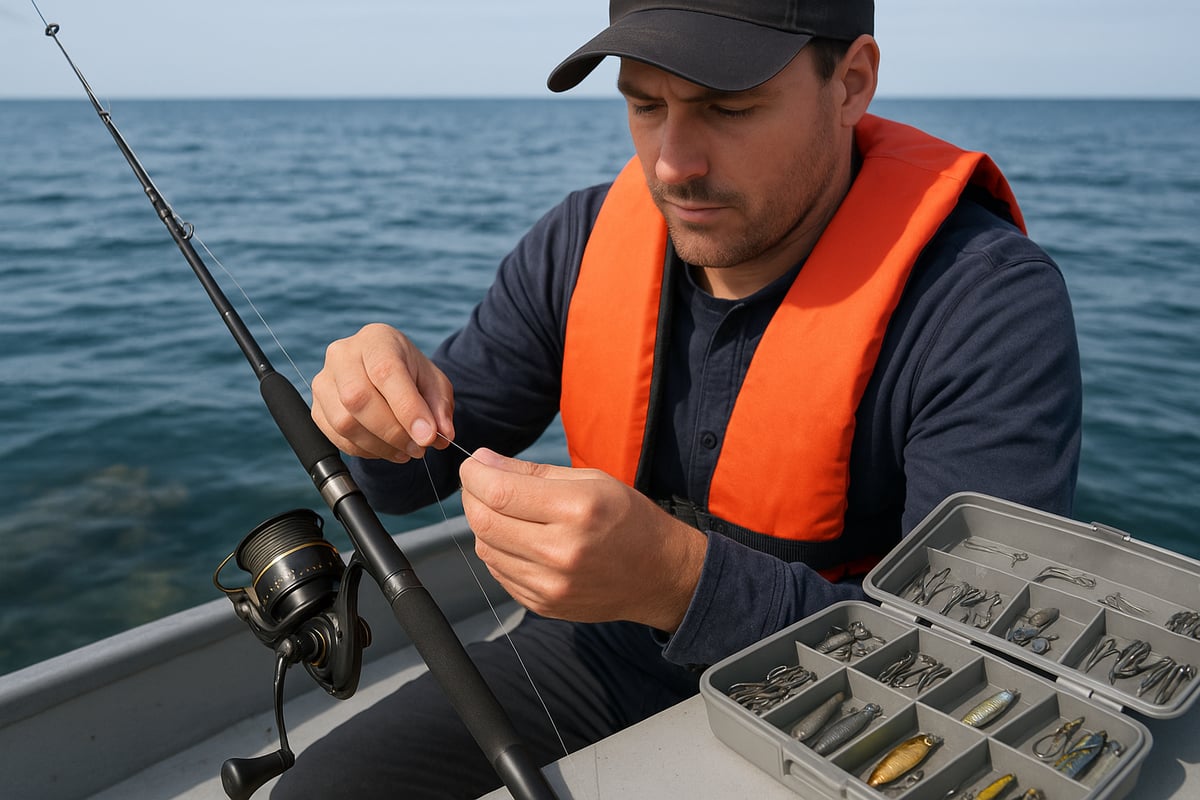
Setting up for success with bottom fishing gear requires a structured approach. By following these five steps, anglers of all levels can optimize their setup, increase catch rates, and enjoy a safer, more effective fishing experience.
Step 1: Selecting the Right Location
Choosing the right spot is the foundation for maximizing your bottom fishing gear. Productive locations include reefs, wrecks, drop-offs, and underwater structures where bottom-dwelling species congregate.
Modern fish finders and sonar are invaluable for pinpointing these areas. Studies show that 80% of bottom fish are found near structure, making research essential. Check local regulations, as some zones have restrictions or special rules for bottom fishing.
Pay attention to tides, weather, and water clarity. These factors influence fish activity and gear selection. Accessibility is also key—whether you are fishing from shore, a pier, or a boat, ensure safe access to your chosen spot.
Step 2: Assembling Your Gear
Pairing the right components is critical for optimal bottom fishing gear performance. Start by matching your rod and reel for balance and comfort. Spool the reel with your chosen line, whether it is braid for strength or fluorocarbon for stealth.
Tie secure knots to attach leaders, hooks, and sinkers. Double-check connections to minimize the risk of losing fish. Prepare your lures or bait in advance, keeping them fresh and easily accessible.
Organize your tackle for efficiency. Use storage boxes with labeled compartments for hooks, sinkers, and swivels. This not only saves time but ensures you have everything you need within reach when the bite is on.
Step 3: Rigging for Conditions and Species
Adapting your bottom fishing gear to the environment and target species is essential. Choose rigs based on water depth, current, and the fish you are after. Heavier sinkers are necessary in strong currents, while lighter setups work well in calm water.
Select leader length and hook size according to fish size and water clarity. For example, use a Carolina rig for sandy bottoms or a dropper loop for rocky terrain.
Experiment with different rigs to match the feeding habits of your target species. Adjust your setup as conditions change to maximize your chances of success.
Step 4: Deploying and Monitoring Your Line
Deploying your line with the right technique can make a significant difference. Decide between casting or vertical drops, depending on your location and target area. Manage slack carefully to maintain contact with your bait and detect subtle bites.
Use rod holders for hands-free fishing, or hold the rod to feel every movement. Monitor your electronics for real-time feedback on fish activity and bottom structure.
Set the hook decisively when you detect a bite, adjusting your approach for each species. Consistent monitoring ensures you respond quickly, reducing missed opportunities and making the most of your bottom fishing gear.
Step 5: Landing, Handling, and Releasing Fish
Landing fish safely is the final step in responsible bottom fishing gear use. Use nets or gaffs for secure handling, and always support the fish’s body to minimize injury. Proper handling techniques are crucial for both conservation and personal safety.
Dehook and measure your catch promptly, following local regulations for size and bag limits. For undersized or protected species, employ best practices for catch and release to ensure their survival. For detailed guidance, consult Catch and Release Best Practices.
Record your catches for personal records or regulatory compliance. Practicing ethical fishing not only preserves fish populations but also enhances your reputation as a responsible angler.
Innovations and Trends in Bottom Fishing Gear for 2026
The landscape of bottom fishing gear in 2026 is evolving rapidly, thanks to technology, materials science, and the needs of modern anglers. These innovations are transforming both how gear is used and what results anglers can expect. Whether you are a seasoned pro or just starting out, understanding these trends is essential for making smart choices that maximize your success.
Smart Technology and Digital Tools
Smart technology is reshaping bottom fishing gear, making every trip more efficient and data-driven. Reels now come equipped with Bluetooth connectivity, providing real-time updates on line depth and drag settings directly to your smartphone. Digital line counters take the guesswork out of deep drops, while GPS integration helps you return to productive spots with ease.
Many anglers are adopting automated bite alarms that send instant notifications to your mobile device. These digital advancements not only streamline the fishing process but also help improve catch rates by allowing you to react faster. Integrating smart tech into bottom fishing gear is quickly becoming the standard for those seeking a competitive edge.
Materials and Sustainability
Material innovation is at the heart of next-generation bottom fishing gear. Advanced composites, such as carbon fiber blends, make rods lighter and more sensitive without sacrificing strength. Reels and terminal tackle utilize corrosion-resistant alloys, improving longevity and reliability in harsh saltwater environments.
Eco-conscious anglers are driving demand for lead-free sinkers and biodegradable lures. According to recent industry data, sales of eco-friendly gear have risen by 40% since 2023. For a deeper look at sustainable tackle, visit this resource on biodegradable fishing lines and tackle. Choosing sustainable bottom fishing gear ensures you are protecting the environment while staying on the cutting edge of angling technology.
Customization and Modularity
Customization is a defining feature of modern bottom fishing gear. Anglers can now personalize their setups with interchangeable rod tips, modular reel handles, and quick-swap tackle systems. This flexibility allows users to adapt instantly to changing conditions, target species, or fishing locations.
Modular tackle storage and build-your-own rig kits are becoming increasingly popular. These innovations simplify preparation, letting you spend more time fishing and less time re-rigging. The trend toward customization ensures every angler can optimize their bottom fishing gear for maximum performance.
Species-Specific Gear Kits
Species-specific gear kits are revolutionizing how anglers approach bottom fishing gear selection. These pre-matched combos include rods, reels, lines, and tackle tailored for target species like cod, snapper, or halibut. Tackle boxes are curated with essential components, reducing guesswork for both new and experienced anglers.
Subscription boxes are also gaining traction, providing seasonal gear updates and keeping your setup fresh. Industry data shows that these kits can boost first-time angler success by 25 percent. Investing in a species-specific kit ensures your bottom fishing gear is always ready for your chosen quarry.
The Rise of Community and Social Angling
The bottom fishing gear market is being shaped by a vibrant community of anglers who share knowledge and experiences online. Forums and gear review platforms help users make informed decisions about new products. Live-streamed tutorials and competitions are making expert advice more accessible than ever.
Collaborative catch data and social sharing drive trends and influence gear development. By staying connected with the angling community, you can discover the latest bottom fishing gear innovations and gain insights that lead to bigger, better catches.
Maintenance, Troubleshooting, and Longevity of Your Gear
Keeping your bottom fishing gear in top shape is crucial for consistent success on the water. Regular maintenance, troubleshooting, and smart storage strategies ensure your investment lasts for years. Let’s break down the steps every angler should follow to maximize performance and lifespan.
Cleaning and Care Best Practices
Proper cleaning is the foundation of bottom fishing gear longevity. After every trip, rinse rods, reels, and tackle with fresh water, especially if you’ve been in saltwater. Salt and debris can quickly corrode metal parts and weaken lines.
Dry all gear thoroughly before storage to prevent rust and mildew. Periodically, lubricate reel bearings and moving parts. Inspect lines for nicks, replace worn hooks, and check guides for damage. Using rod sleeves and tackle boxes helps keep everything secure and untangled.
A regular maintenance routine can extend bottom fishing gear life by up to 40 percent. For more in-depth advice, check out these Fishing Gear Maintenance Tips. Consistent care ensures your bottom fishing gear is always ready for action.
Troubleshooting Common Gear Problems
Even the best bottom fishing gear can encounter issues. Line twists, tangles, and breakage are frequent complaints. To fix these, cut away damaged sections and re-tie fresh knots. Replace worn or rusted hooks, guides, and reel parts promptly.
If your drag system feels sticky or unresponsive, clean and lubricate it according to manufacturer guidelines. For stuck reels or jammed handles, disassemble gently and clear out any grit or salt deposits. Carry a small emergency kit with spare parts and tools for quick fixes on the water.
By addressing minor problems early, you prevent larger failures and keep your bottom fishing gear performing at its peak.
Upgrading and Replacing Gear
Over time, bottom fishing gear will show signs of wear. Frayed lines, cracked rod blanks, and reels that no longer hold smooth drag are all indicators it’s time to upgrade. Consider whether to invest in new gear or look for refurbished options from reputable sources.
Researching trusted brands and reading reviews helps you find reliable replacements. Sometimes, upgrading just one component, like switching to a carbon fiber rod or a high-capacity reel, can make a significant difference.
Stay alert for innovations in bottom fishing gear, especially as 2026 models introduce new materials and features that boost durability and performance.
Storage and Off-Season Preparation
Storing bottom fishing gear correctly preserves its condition between trips and seasons. Always clean and dry every piece before putting it away. Organize tackle by type and check for any rust, mildew, or damage.
Use climate-controlled spaces if possible, and consider specialized solutions like fishing tackle storage solutions to keep everything sorted and protected. Storing rods in sleeves and reels in padded cases prevents accidental knocks and scratches.
Before each season, inspect all bottom fishing gear for issues, replace anything worn, and restock tackle boxes to ensure you’re ready to hit the water without delays.
Budgeting and Getting the Best Value
Maximizing your investment in bottom fishing gear requires a smart budgeting approach. Weigh price against performance when selecting new equipment. Take advantage of seasonal sales, bundle deals, and manufacturer warranties to stretch your budget further.
Buying gear kits can save up to 15 percent on average, especially for beginners and pros building out a comprehensive setup. Use service plans for expensive reels or rods to safeguard your purchase.
By planning and comparing options, you ensure every dollar spent on bottom fishing gear delivers lasting value and dependable results.
Now that you’ve explored the latest gear innovations, species-specific setups, and expert strategies for bottom fishing success in 2026, it’s time to put that knowledge into action. You deserve equipment that matches your ambition, whether you’re targeting giants offshore or mastering local waters. Action Outdoors Limited offers New Zealand-made quality, fast turnaround, and an unmatched selection of ready-to-use fishing gear—so you can focus on landing your next big catch with confidence. Why wait to upgrade your tackle and boost your results?
Buy Now
and get ready for your most successful bottom fishing season yet.