
Email

Selecting the right fishing line can make the difference between a successful catch and a frustrating day on the water. For anglers across New Zealand, braided fishing line has emerged as a top choice for both commercial and recreational applications. Whether you're targeting kingfish off the Northland coast, jigging for snapper in the Hauraki Gulf, or setting nets for butterfish in southern waters, understanding the unique properties of braid fishing line nz options helps optimize your fishing results. This comprehensive guide explores everything from construction methods to practical applications, ensuring you make informed decisions for your specific fishing needs.
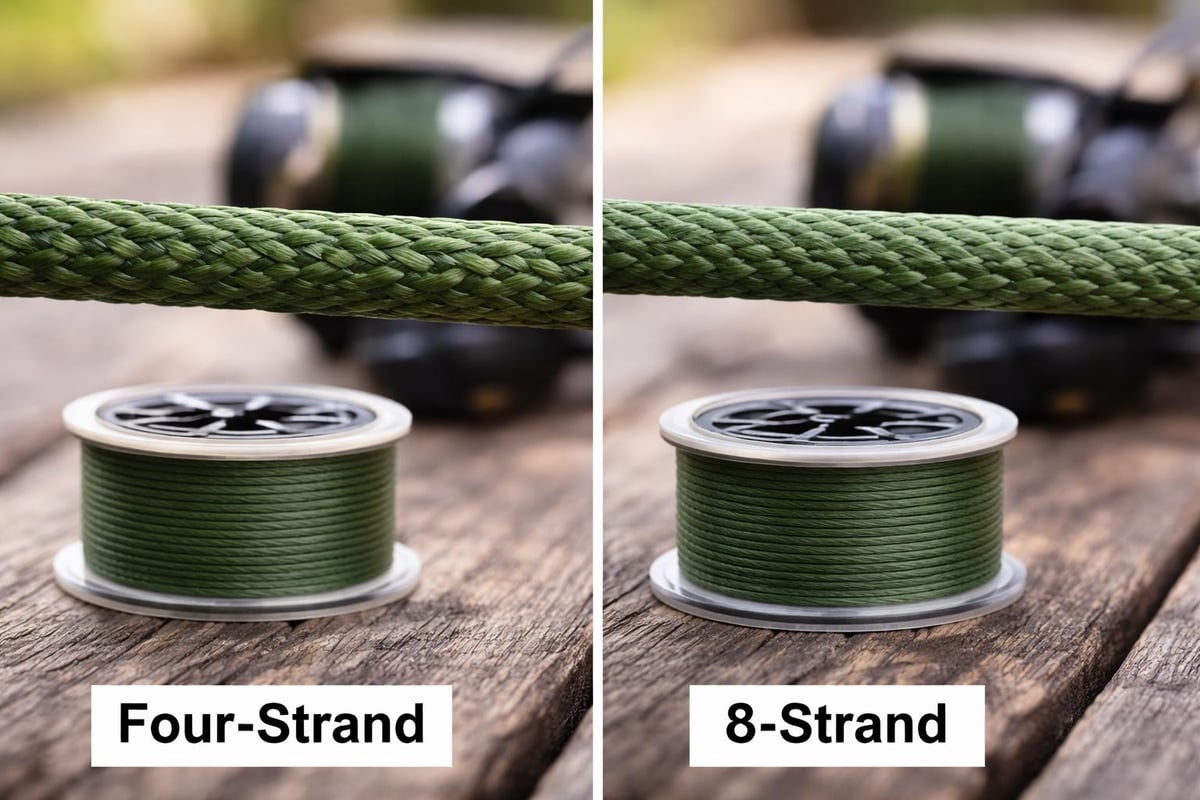
Braided fishing lines represent a significant technological advancement over traditional monofilament options. Modern braid consists of multiple ultra-thin polyethylene (PE) fibers woven together in various configurations, typically ranging from four to eight strands.
The manufacturing process involves braiding these individual fibers into a cohesive line that delivers exceptional strength relative to its diameter. Four-strand braids offer a cost-effective option with good performance for general fishing applications. Eight-strand configurations provide superior smoothness, casting distance, and abrasion resistance, making them ideal for targeting larger species in New Zealand waters.
Braided lines utilize high-modulus polyethylene fibers, including materials like Spectra and Dyneema. These synthetic fibers offer remarkable tensile strength while maintaining minimal diameter, creating a strength-to-diameter ratio that far exceeds monofilament alternatives.
According to Berkley Fishing's comprehensive line guide, braided lines provide virtually zero stretch, translating every movement directly to your rod tip. This characteristic makes braid particularly valuable for detecting subtle bites, setting hooks at distance, and maintaining precise control during retrieval.
The fiber density and weaving pattern significantly impact performance characteristics:
New Zealand's diverse fishing environment demands equipment that performs across varied conditions. Braided line delivers several critical advantages that make it particularly suitable for local waters.
The most compelling benefit of braid fishing line nz options is their exceptional strength-to-diameter ratio. A 20-pound test braid typically measures the same diameter as 6-pound monofilament, allowing anglers to spool significantly more line or use smaller diameter options for improved action and reduced water resistance.
This thin diameter combined with zero stretch creates unparalleled sensitivity. Every tap, nibble, or structure contact transmits directly through the line, enabling precise presentation control and instant hook sets even at considerable depths.
| Line Type | Diameter (0.3mm) | Breaking Strain | Stretch Factor |
|---|---|---|---|
| Braid | 20-30 lb | High | <3% |
| Monofilament | 6-8 lb | Medium | 15-30% |
| Fluorocarbon | 8-10 lb | Medium-High | 10-15% |
The reduced diameter and minimal memory characteristics of braided lines enable significantly longer casts compared to monofilament. This advantage proves particularly valuable when targeting species that require distance, such as kingfish around offshore structures or kahawai feeding beyond surf zones.
For commercial operations setting fishing nets for butterfish or other target species, understanding line characteristics complements net deployment strategies and overall fishing efficiency.
Quality braided lines resist UV degradation better than monofilament and maintain their breaking strength over extended periods. When properly maintained, a spool of braid fishing line nz anglers choose can last multiple seasons, offering better long-term value despite higher initial costs.
The abrasion resistance varies by construction method and coating. Eight-strand braids typically handle rough structures better than four-strand options, making them ideal for rocky reef environments common throughout New Zealand coastal waters.
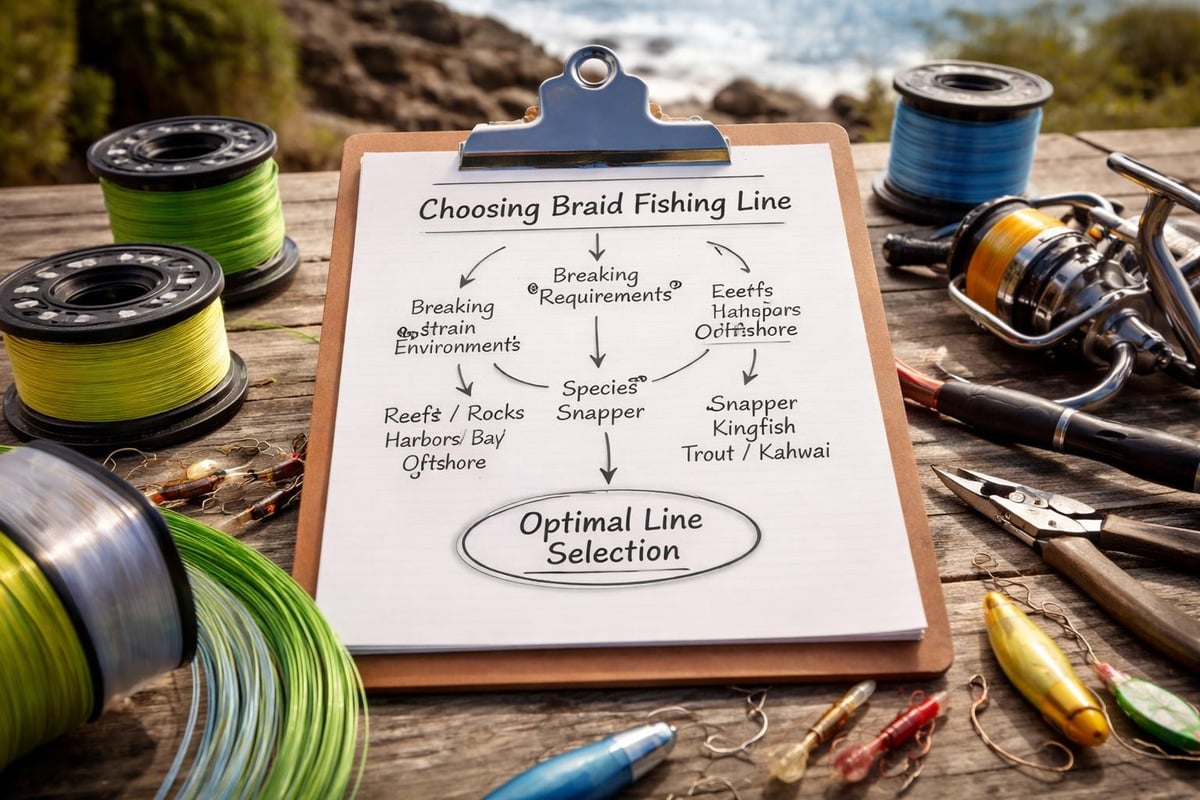
Choosing appropriate braid fishing line nz products requires matching line characteristics to specific fishing applications and target species. Several factors influence optimal selection.
New Zealand waters host species ranging from small kahawai to massive marlin, requiring diverse breaking strain options. Consider these guidelines when selecting line strength:
Light applications (10-20 lb test):
Medium applications (20-40 lb test):
Heavy applications (50-80+ lb test):
Braided lines come in various color options, each offering specific advantages. High-visibility colors like yellow, chartreuse, or multi-color patterns help anglers track line position, depth, and movement. These prove valuable for vertical jigging or monitoring commercial fishing net deployment.
Low-visibility options in green, gray, or blue reduce spooking in clear water conditions. Many experienced anglers use high-visibility braid as main line with a fluorocarbon or monofilament leader for the best of both approaches.
Different fishing methods benefit from braided line characteristics in unique ways. Understanding these applications helps maximize effectiveness across various scenarios.
The zero-stretch property of braid fishing line nz products makes them ideal for soft baiting and jigging applications. Every rod movement translates directly to lure action, creating realistic presentations that trigger strikes from finicky fish.
When working soft plastics along bottom structure or jigging metal lures through the water column, braid provides instant feedback about lure position, bottom contact, and fish strikes. This sensitivity proves particularly valuable in deeper waters where monofilament stretch would dampen feel and delay hook sets.
Kingfish represent one of New Zealand's premier sportfish, and live baiting with braided line offers distinct advantages. The thin diameter allows live baits to swim naturally without excessive resistance, while the zero stretch ensures solid hook penetration when these powerful fish strike.
Comparing different line types helps anglers understand trade-offs. Resources like this comparison of braid, fluorocarbon, and monofilament provide valuable context for making informed decisions based on specific fishing scenarios.
For commercial operators and community fishers using set nets, understanding line properties complements effective net management. While nets themselves use specialized mesh materials available through suppliers like Action Outdoors' fishing net accessories, the anchor lines, float lines, and retrieval systems often incorporate braided materials for strength and durability.
The low stretch characteristic of braid ensures nets maintain position in current, while the thin diameter reduces water resistance that could cause net drift or damage.
Proper maintenance significantly extends the lifespan and performance of braid fishing line nz anglers rely on throughout the season. Implementing these practices ensures consistent results.
Before each fishing trip:
After saltwater exposure:
Wind knots represent the most frequent challenge with braided lines. These occur when loose coils wrap around the main line during casting. Proper spooling tension, appropriate line diameter for reel size, and controlled casting technique minimize this issue.
When wind knots do form, carefully work them out rather than pulling tight, which creates permanent weak spots. If a section develops multiple knots or shows significant fraying, cut it off and re-rig rather than risk losing fish to line failure.
Experienced anglers employ specialized techniques that leverage braid's unique properties while mitigating potential disadvantages. These methods enhance overall fishing effectiveness.
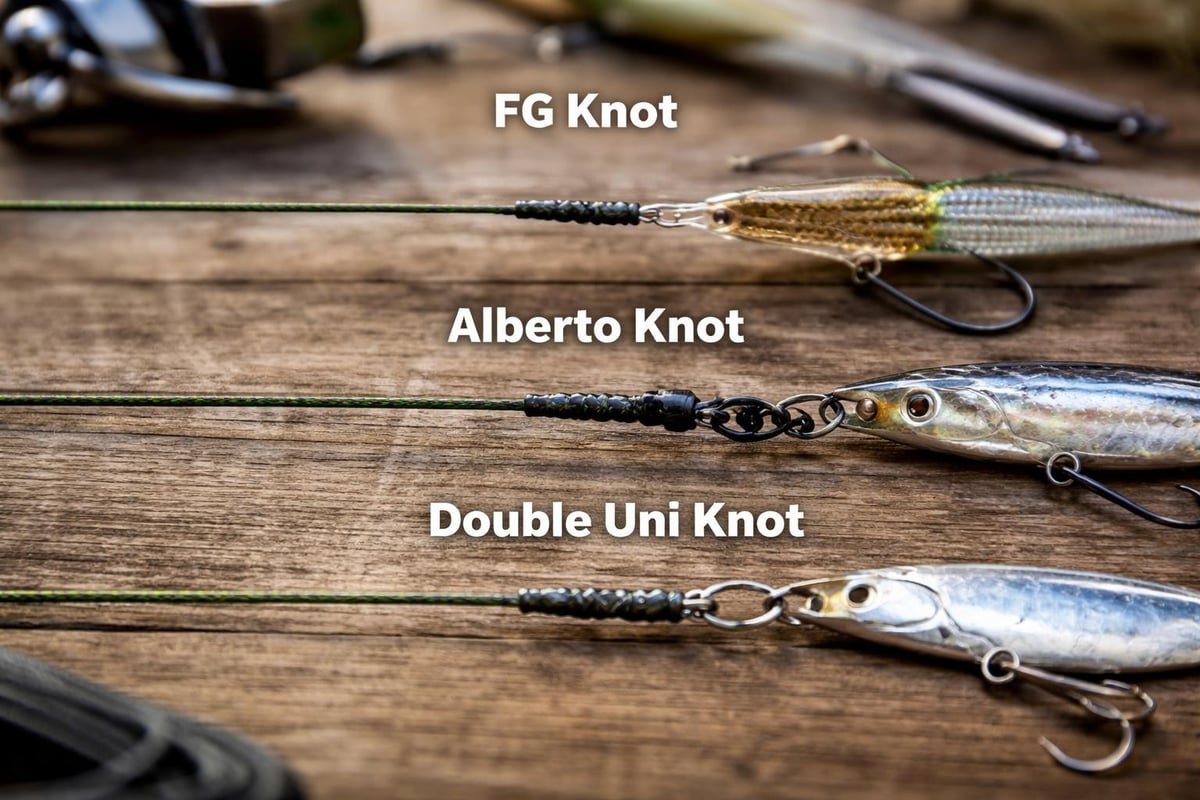
Attaching appropriate leaders to braided main line addresses visibility concerns and provides shock absorption when needed. Fluorocarbon leaders offer near-invisibility in clear water, while monofilament leaders provide stretch that cushions sudden runs from powerful fish.
Connection methods include:
For detailed guidance on knot construction and fishing equipment setup, exploring resources about fishing rod brands provides complementary information for complete system optimization.
Multi-color braided lines change hue every 10 meters, enabling precise depth control without electronic equipment. This feature proves invaluable for targeting species at specific depths or maintaining consistent presentation when vertical jigging.
Products like those detailed at Smartfox's Rainbow Braid page demonstrate how color changes help anglers replicate successful patterns and maintain optimal lure position throughout the water column.
Several braided line products have established strong reputations among New Zealand anglers. Understanding their distinctive characteristics helps match products to specific needs.
High-end eight-strand braids deliver maximum performance for demanding applications. The Shimano OCEA 8 Braid exemplifies this category with X-Filament technology that creates exceptionally smooth casting and reduced guide friction. These premium options suit serious anglers targeting kingfish, tuna, and other challenging species where equipment performance directly impacts success rates.
Certain braided lines target specific fishing methods. The Varivas Avani Eging Max Power X8 focuses on squid fishing with dense weave construction and specialized coatings that enhance sensitivity for detecting subtle squid takes. Color markers help track line movement, critical when working lures in the erratic patterns that trigger strikes.
Four-strand braids like the Meanfish 4X Braid provide solid performance at accessible price points. While not as smooth as eight-strand alternatives, these lines deliver excellent strength and durability for general fishing applications, making them popular among recreational anglers and those new to braided lines.
As with all fishing equipment, using braid fishing line nz products responsibly protects marine ecosystems and ensures sustainable fisheries for future generations.
Braided line's exceptional durability becomes problematic when lost or discarded in marine environments. The material resists breakdown and can entangle marine life for years. Always:
Preventing line loss protects both marine life and fishing productivity. Regular maintenance catches wear before failure occurs, while appropriate breaking strain selection reduces the likelihood of fish breaking off with attached line and hooks.
For commercial operators using fishing nets for Pacific Island markets, implementing comprehensive gear management protocols ensures equipment longevity while minimizing environmental impact across fisheries.
Even experienced anglers encounter occasional difficulties with braided lines. Recognizing and addressing these issues maintains fishing effectiveness.
Unlike monofilament, braid doesn't have memory, but it can develop twist from lure rotation or improper spooling. This manifests as tight coils and increased wind knots. Solutions include:
The thin diameter and lack of stretch in braid can create issues if overfilled on reels or cinched too tightly under load. Back the drag off slightly compared to monofilament settings, and avoid filling spools completely to the rim, which can cause line to dig into itself under pressure.
When fishing ultra-clear conditions where braid visibility concerns fish, longer leaders provide the solution. Some anglers run 6-8 feet of fluorocarbon leader in gin-clear water, accepting the trade-off of slightly reduced sensitivity for improved stealth.
Understanding when benefits outweigh limitations comes from experience and adapting techniques to conditions. Articles explaining why anglers choose braided fishing line provide additional context for making these tactical decisions.
Maximizing braid fishing line nz performance requires considering how it interacts with other equipment components. A systems approach ensures all elements work harmoniously.
Braided line pairs best with rods featuring appropriately sized guides. The thin diameter can cut into soft guide materials under pressure, making ceramic or quality titanium guides essential for regular braid use. Rod action should complement braid's characteristics - moderate-fast to fast actions work well for most applications.
Reel selection matters equally. Quality drag systems handle braid's zero-stretch properties better, while smooth retrieval mechanisms prevent the line dig-in that can occur with cheaper models. Baitcasting reels require careful brake adjustment to prevent backlashes with lightweight, thin-diameter braid.
Beyond rods and reels, other tackle components warrant attention when using braided lines. Sharp, quality hooks penetrate better with instant hook sets, while appropriate terminal tackle ensures reliable connections. For those also using fishing nets for flounder or other species, understanding how different equipment types complement each other creates more versatile fishing capabilities.
Different seasons and conditions throughout New Zealand call for adjusted approaches to braid fishing line nz applications.
Warm water months bring increased fish activity and clearer water conditions. Lighter breaking strains with longer fluorocarbon leaders work well for spooky summer snapper and kingfish. The sensitivity of braid helps detect subtle takes when fish feed cautiously in bright conditions.
Offshore game fishing peaks during summer, where heavy braid proves essential for handling powerful species. The thin diameter allows adequate line capacity on big game reels while maintaining the strength needed for extended battles.
Cooler months often bring reduced visibility from plankton blooms and runoff, making braid's visibility less concerning. Heavier breaking strains handle larger winter fish feeding aggressively before spawning. Deep water presentations benefit from braid's sensitivity, as fish often hold deeper and bite more delicately in cold water.
New Zealand's rapidly changing weather requires adaptable approaches. Having multiple spools with different breaking strains and colors allows quick adjustments as conditions shift. Many serious anglers maintain dedicated setups for specific applications rather than constantly re-rigging.
Evaluating whether braid fishing line nz options suit your needs depends on fishing frequency, target species, and budget considerations.
Weekend anglers targeting general species benefit from mid-range four-strand braids that offer significant advantages over monofilament without premium pricing. The extended lifespan of quality braid often makes it cost-effective despite higher initial investment compared to monofilament.
Anglers fishing weekly or targeting challenging species should invest in premium eight-strand options. The performance advantages directly translate to improved catch rates and fishing enjoyment. For those pursuing multiple species and methods, maintaining several spools with appropriate breaking strains optimizes results.
Commercial fishers require cost-effective, reliable equipment that performs consistently under demanding conditions. Bulk purchasing quality four-strand braid provides the durability needed for daily use while managing operational costs. Proper maintenance extends service life, making premium options viable when amortized across extensive use.
Those involved in commercial netting can explore comprehensive equipment options through suppliers offering fishing net parts and supplies alongside fishing line solutions.
The fishing line industry continues advancing, with several emerging technologies poised to enhance braid fishing line nz products in coming years.
Research into ultra-high molecular weight polyethylene variants promises even stronger fibers with improved abrasion resistance. Some manufacturers experiment with hybrid constructions incorporating different fiber types within single braids, optimizing multiple performance characteristics simultaneously.
Advanced coating formulas reduce water absorption while improving casting distance and knot strength. Environmentally friendly treatments that maintain performance without harmful chemicals represent an important development direction as sustainability concerns grow across all fishing equipment categories.
Emerging concepts include integrated sensors that monitor line condition, load, and environmental factors. While currently experimental, such technologies could eventually help anglers optimize presentation depth, detect structure, and prevent equipment failure before it occurs.
Selecting and using braid fishing line effectively enhances fishing success across New Zealand's diverse waters, from inshore reefs to offshore game fishing grounds. Understanding construction methods, maintenance requirements, and application-specific strategies ensures you extract maximum value from this advanced line technology. Whether you're setting nets commercially, pursuing sport fish recreationally, or supplying fishing operations across the Pacific, having access to quality equipment and expert knowledge makes the difference. Action Outdoors Limited provides comprehensive fishing and marine solutions backed by New Zealand manufacturing excellence, supporting anglers and commercial operators with dependable products and service built on decades of industry experience.
Leave a comment