
Email

Finding the cheapest cast net that actually performs well requires understanding what separates truly affordable options from poorly constructed nets that waste your money. Whether you're a recreational angler catching bait for weekend fishing trips or a commercial operator managing tight budgets, the right cast net balances cost with durability and functionality. This comprehensive guide examines budget-friendly cast net options, construction features that impact both price and performance, and strategic purchasing decisions that maximize value without compromising your fishing success.
The cheapest cast net on the market isn't always the best investment when you factor in longevity, catch efficiency, and replacement costs. Price points range dramatically from entry-level options under $30 to professional-grade nets exceeding $200, but the correlation between cost and quality isn't always straightforward.
Budget cast nets typically feature monofilament construction with plastic weights and basic stitching. These nets work adequately for occasional use in calm waters, but their limitations become apparent quickly. Mid-range options incorporate superior materials like braided nylon or polyethylene with lead weights, offering better sink rates and durability. Understanding these material differences helps you identify where manufacturers cut costs and where those savings impact performance.
The materials used in cast net construction directly impact both initial cost and long-term value. Monofilament netting represents the most economical option, providing adequate performance for anglers targeting small baitfish in protected waters. However, monofilament tangles more easily than braided alternatives and deteriorates faster under UV exposure.
Key material considerations include:
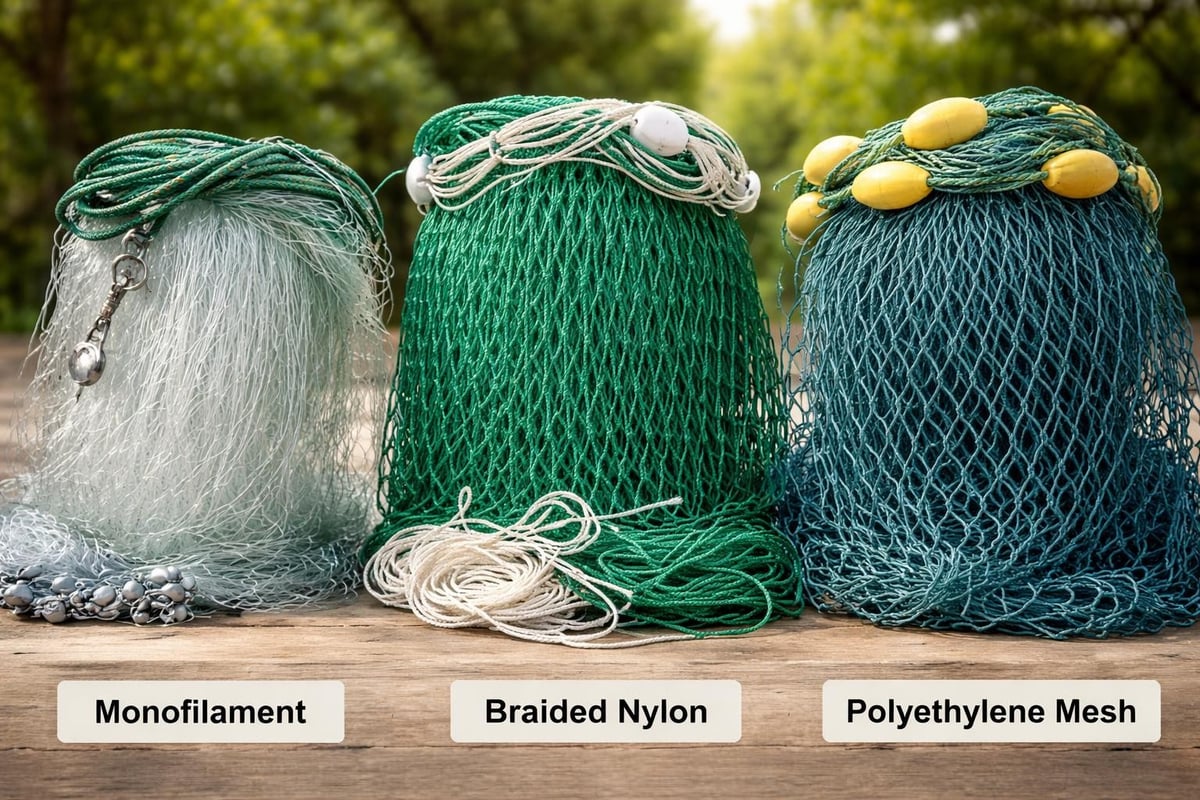
When evaluating the cheapest cast net options, examine the weight distribution system carefully. Evenly spaced lead weights create consistent circular spreads, while irregularly placed plastic weights cause uneven sinking patterns that reduce catch rates. According to comprehensive cast net guides, proper weight distribution matters more than total net weight for achieving effective spreads.
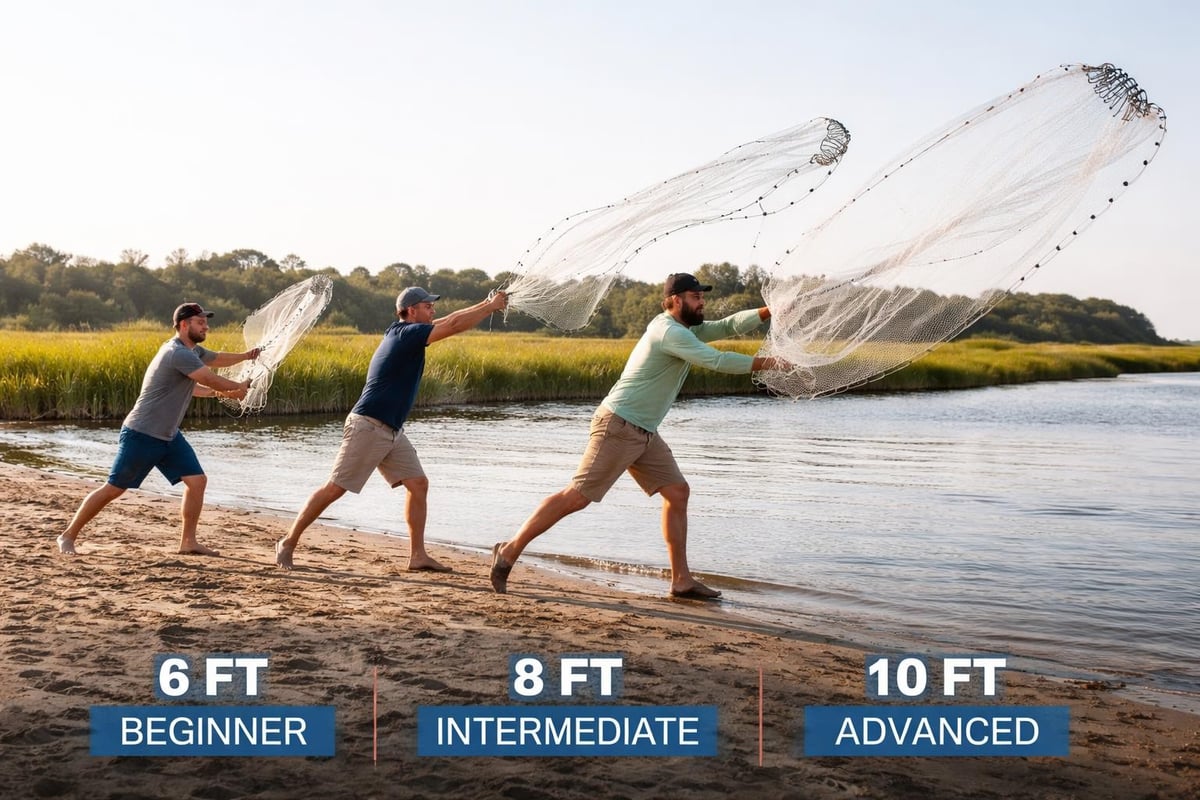
Selecting the appropriate size represents one of the most critical decisions when purchasing an affordable cast net. Larger nets cost more due to increased material requirements, but they also demand greater physical strength and skill to throw effectively. Beginners often waste money purchasing nets that exceed their throwing capabilities.
| Net Radius | Skill Level | Target Species | Typical Price Range |
|---|---|---|---|
| 4-6 feet | Beginner | Small baitfish | $25-$45 |
| 6-8 feet | Intermediate | Medium baitfish, shrimp | $40-$75 |
| 8-10 feet | Advanced | Large baitfish, mullet | $70-$120 |
| 10-12 feet | Expert | Commercial applications | $100-$200+ |
The relationship between mesh size and target species directly influences both catching success and net cost. Smaller mesh sizes require more material and labor to produce, increasing costs proportionally. A 3/8-inch mesh captures tiny baitfish effectively but costs considerably more than a 1-inch mesh designed for larger species.
Understanding mesh specifications helps you avoid paying for features you don't need. The cheapest cast net with appropriate mesh for your target species outperforms an expensive net with incorrect mesh sizing. Mesh size is measured as the distance between knots when stretched, which fishing equipment experts recommend matching precisely to your intended catch.
For New Zealand and Pacific waters where mullet, pilchards, and kahawai bait are common targets, mesh sizes between 1/2 inch and 3/4 inch provide optimal results. Smaller mesh increases both initial cost and maintenance time due to fouling, while larger mesh allows target species to escape through the webbing.
Mesh sizing guidelines:
The market offers numerous budget-friendly cast net manufacturers, each with distinct quality levels and value propositions. Imported nets from Asia generally represent the absolute cheapest cast net options available, with prices sometimes under $20 for basic 4-foot models. However, these imports frequently suffer from inconsistent quality control, weak stitching, and inadequate weight distribution.
Domestic manufacturers like Action Outdoors Limited produce competitively priced nets that balance affordability with reliable construction. New Zealand-made fishing nets benefit from stringent quality standards and materials designed for harsh marine environments. While the initial price point may exceed the cheapest imports, the cost-per-use calculation often favors locally manufactured options due to extended service life.
Where you purchase your cast net significantly impacts final cost. Big-box retail stores typically mark up fishing equipment 40-60% above wholesale prices to cover overhead and marketing expenses. Direct purchasing from manufacturers or specialized fishing equipment suppliers often yields 20-30% savings on identical products.
Online marketplaces provide price transparency that helps identify genuinely affordable options versus artificially discounted products with inflated original prices. When researching fishing equipment stores, compare specifications carefully since product descriptions sometimes omit critical details about mesh type, weight composition, and construction methods.
Even when seeking the cheapest cast net possible, certain construction features directly impact safety and effectiveness. Compromising on these elements leads to frustration, poor catches, and potential replacement costs that negate initial savings.
The handline represents your physical connection to the net and must withstand sudden loads when retrieving heavy catches. Budget nets sometimes feature thin, untreated rope that chafes hands and weakens quickly. Quality handlines use braided nylon or polyethylene at least 1/4 inch thick, with comfortable wrist loops that prevent accidental release.
Non-negotiable quality features:
The horn or bridle system that connects the handline to the net body must distribute stress evenly across the mesh. Cheaply constructed nets often fail at this junction point, rendering the entire net useless. Examining this connection point before purchase reveals significant differences in construction quality across price points.
Cast net regulations vary by location and can affect which budget options remain legal for your fishing activities. Many jurisdictions restrict maximum net sizes, mesh dimensions, or prohibit cast nets entirely in certain waters. The cheapest cast net becomes worthless if it violates local regulations and results in confiscation or fines.
According to comprehensive fishing net guidelines, researching local regulations before purchase prevents costly mistakes. New Zealand fisheries regulations specify different requirements for recreational versus commercial use, with distinct rules for freshwater and marine environments. Pacific Island nations each maintain unique cast net regulations that commercial suppliers must understand thoroughly.
Proper maintenance transforms even the cheapest cast net into a long-lasting fishing tool. Budget nets require more careful handling than premium alternatives due to lighter-weight materials and less robust construction. Implementing systematic cleaning and storage practices dramatically extends service life and improves cost-effectiveness.
After each fishing session, thoroughly rinse your cast net with fresh water to remove salt, sand, and organic debris. Salt crystals embed in mesh fibers and accelerate deterioration through abrasion and chemical degradation. Even monofilament nets, which inherently resist rot, benefit from regular freshwater rinsing that prevents buildup.
| Maintenance Task | Frequency | Impact on Lifespan |
|---|---|---|
| Freshwater rinse | After each use | +40% lifespan |
| Complete inspection | Weekly | Identifies damage early |
| UV protectant spray | Monthly | +25% material life |
| Repair small holes | Immediately | Prevents expansion |
| Proper storage | Always | +50% lifespan |
Learning basic net repair saves money and extends the utility of affordable cast nets. Small tears and holes inevitably develop during normal use, but prompt repairs prevent minor damage from expanding into major failures. The materials needed for basic repairs cost under $20 and handle dozens of fixes.
Nylon twine matching your net's mesh size allows you to re-tie damaged sections using simple fisherman's knots. Detailed net maintenance resources provide step-by-step instructions for common repair scenarios. For budget nets with monofilament construction, keeping spare monofilament line and a darning needle enables field repairs that keep you fishing rather than heading home early.
Storage practices matter as much as cleaning for preserving budget nets. Never store wet nets in enclosed spaces where mildew develops. Instead, hang nets loosely in ventilated areas away from direct sunlight. UV exposure gradually weakens nylon and polyethylene fibers, reducing breaking strength over time. A shaded storage location adds months or years to net lifespan without any cost.
The cheapest cast net in your tackle box delivers zero value if you can't throw it effectively. Poor throwing technique reduces spread diameter, creates tangles, and increases wear on net components. Conversely, proper technique maximizes catching efficiency regardless of net quality.
Mastering the basic pancake throw requires practice but yields consistent results. This technique involves coiling the handline, gathering the net properly, and using rotational momentum to achieve circular spreads. Expert throwing tutorials demonstrate the sequential steps that transform beginners into competent net throwers.
Progressive learning approach:
Physical conditioning improves throwing performance significantly. Cast net throwing engages shoulders, core, and legs in coordinated movements. Building strength and flexibility in these areas allows you to handle larger nets effectively, expanding your catching capabilities without purchasing multiple specialized nets.
Timing your cast net purchase strategically can yield substantial savings. Fishing equipment retailers typically discount inventory during off-season periods, with clearance sales occurring in late autumn and winter months. The cheapest cast net prices often appear when demand drops and retailers reduce stock levels.
Used cast nets represent another avenue for budget-conscious anglers. Online marketplaces, fishing forums, and local tackle shops occasionally offer pre-owned nets at 40-60% discounts compared to new equivalents. However, purchasing used nets requires careful inspection since damage may not be immediately apparent.
When considering used cast nets, examine the mesh systematically for weak spots, repairs, and general deterioration. Hold sections up to light to identify thin areas where fibers have worn excessively. Check weight attachment points for looseness or corrosion that indicates imminent failure.
The handline condition provides insight into overall net care. Frayed, discolored, or stiff handlines suggest poor maintenance practices that likely affected the entire net. Request information about the net's age, usage frequency, and storage conditions to assess remaining service life accurately.
Used net inspection checklist:
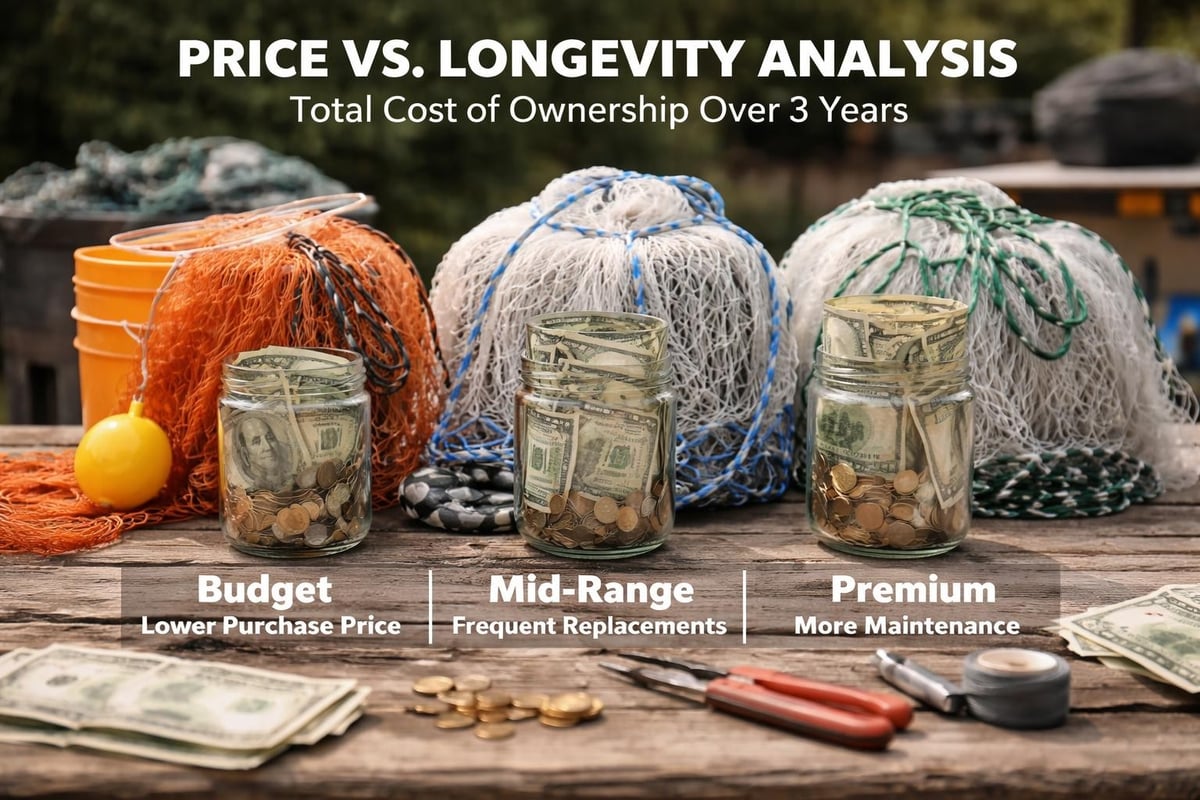
Determining true value in budget cast nets requires comprehensive analysis beyond simple price comparison. The cheapest cast net based solely on purchase price may cost significantly more over its useful life when factoring replacement frequency, repair requirements, and catching effectiveness.
Calculate cost-per-fishing-trip by estimating realistic net lifespan. A $40 net lasting two seasons with weekly use costs approximately $0.40 per trip. A $25 net requiring replacement after one season costs $0.48 per trip despite the lower initial investment. This perspective shifts purchasing decisions toward quality and durability rather than minimum upfront cost.
| Price Point | Expected Lifespan | Trips Per Year | Cost Per Trip |
|---|---|---|---|
| $25 budget | 1 season (25 trips) | 25 | $1.00 |
| $45 mid-range | 2 seasons (50 trips) | 25 | $0.90 |
| $75 quality | 4 seasons (100 trips) | 25 | $0.75 |
| $120 premium | 6+ seasons (150+ trips) | 25 | $0.80 |
Consider your fishing frequency and intensity when selecting budget nets. Occasional recreational anglers making 5-10 fishing trips annually achieve excellent value from basic entry-level nets. Commercial bait suppliers or dedicated anglers fishing multiple times weekly benefit from investing in mid-range options that withstand intensive use.
Fishing guides, commercial operators, and fishing clubs often need multiple cast nets for staff, clients, or members. Wholesale purchasing from manufacturers delivers the cheapest cast net pricing through volume discounts and eliminated retail markups. Manufacturers typically offer 15-30% discounts on orders exceeding minimum quantities.
Action Outdoors Limited specializes in supplying commercial and community fisheries throughout the Pacific region with competitively priced, New Zealand-manufactured nets. Their production capacity of over 350,000 meters of fishing nets annually enables competitive wholesale pricing while maintaining quality standards. Wholesale fishing accessories provide access to professional-grade equipment at budget-friendly prices for qualifying purchasers.
Group purchasing arrangements allow individual anglers to access wholesale pricing by coordinating orders with friends, club members, or online communities. Pooling requirements to meet minimum order quantities distributes shipping costs and unlocks volume discounts that individual purchases cannot achieve.
Wholesale purchasing benefits:
Cast nets represent just one approach to affordable bait collection and fishing. Alternative net types sometimes provide better value depending on your specific fishing scenarios and target species. Dip nets, seine nets, and lift nets each offer distinct advantages in particular situations.
Seine nets operated by two people effectively harvest baitfish in shallow waters at costs comparable to cast nets. While seines require coordination between operators, they cover larger areas and work well in situations where cast nets struggle, such as heavy vegetation or rocky bottoms. Understanding when alternative methods provide better results prevents unnecessary cast net purchases.
Combination approaches using multiple net types strategically expand your fishing capabilities while managing equipment costs. A modest cast net supplemented by an inexpensive dip net addresses different fishing scenarios without requiring premium cast nets sized for every possible situation. This diversified approach often delivers better overall value than purchasing a single expensive cast net attempting to serve all purposes.
Geographic location significantly impacts cast net accessibility and final delivered cost. Remote Pacific Island communities often face limited local inventory and substantial shipping charges that inflate total equipment costs. Understanding regional distribution channels helps identify the genuinely cheapest cast net options after accounting for delivery expenses.
New Zealand-based manufacturers shipping throughout the Pacific region provide reliable supply chains with established freight relationships. These arrangements often yield lower shipping costs compared to distant international suppliers despite potentially higher base prices. Additionally, regional manufacturers better understand local fishing conditions and regulations, ensuring products match actual requirements.
When comparing prices across suppliers, always calculate total delivered cost including shipping, duties, and currency conversion fees. A net listed at 20% less from an overseas supplier may cost more after adding international shipping charges and import duties. Domestic or regional suppliers frequently provide superior total value despite higher nominal prices.
Finding the cheapest cast net that delivers reliable performance requires balancing initial cost against durability, functionality, and long-term value. By understanding material construction, sizing requirements, maintenance practices, and strategic purchasing approaches, anglers at all levels can acquire effective cast nets without overspending. For anglers throughout New Zealand and the Pacific region seeking quality fishing nets backed by local manufacturing expertise and competitive pricing, Action Outoors Limited offers comprehensive solutions with quick turnaround times and dependable service for both individual and commercial fishing needs.
Shop related products at Action Outdoors: Fishing Nets · Fishing Lures · Fishing Line
Leave a comment