
Email

The world of fish tackle and marine equipment encompasses far more than basic rods and reels. From commercial fishing operations hauling thousands of meters of netting across Pacific waters to recreational anglers seeking the perfect setup for coastal fishing, understanding the full spectrum of tackle and marine gear has become essential for success on the water. This comprehensive guide explores the equipment, best practices, and innovations shaping the industry in 2026, with particular focus on the commercial-grade solutions that keep fisheries productive and sustainable.
Fish tackle and marine gear represents a complex ecosystem of interconnected products designed to work together seamlessly. At the foundation of any fishing operation, whether commercial or recreational, lies a carefully selected array of equipment that must withstand harsh saltwater environments while delivering consistent performance.
The primary categories within fish tackle and marine equipment serve distinct purposes:
Commercial operations require industrial-grade versions of these components, manufactured to specifications that ensure longevity under constant use. A quality 3-strand rope, for example, must resist UV degradation, maintain strength when wet, and resist abrasion from contact with boat hardware and rough surfaces.
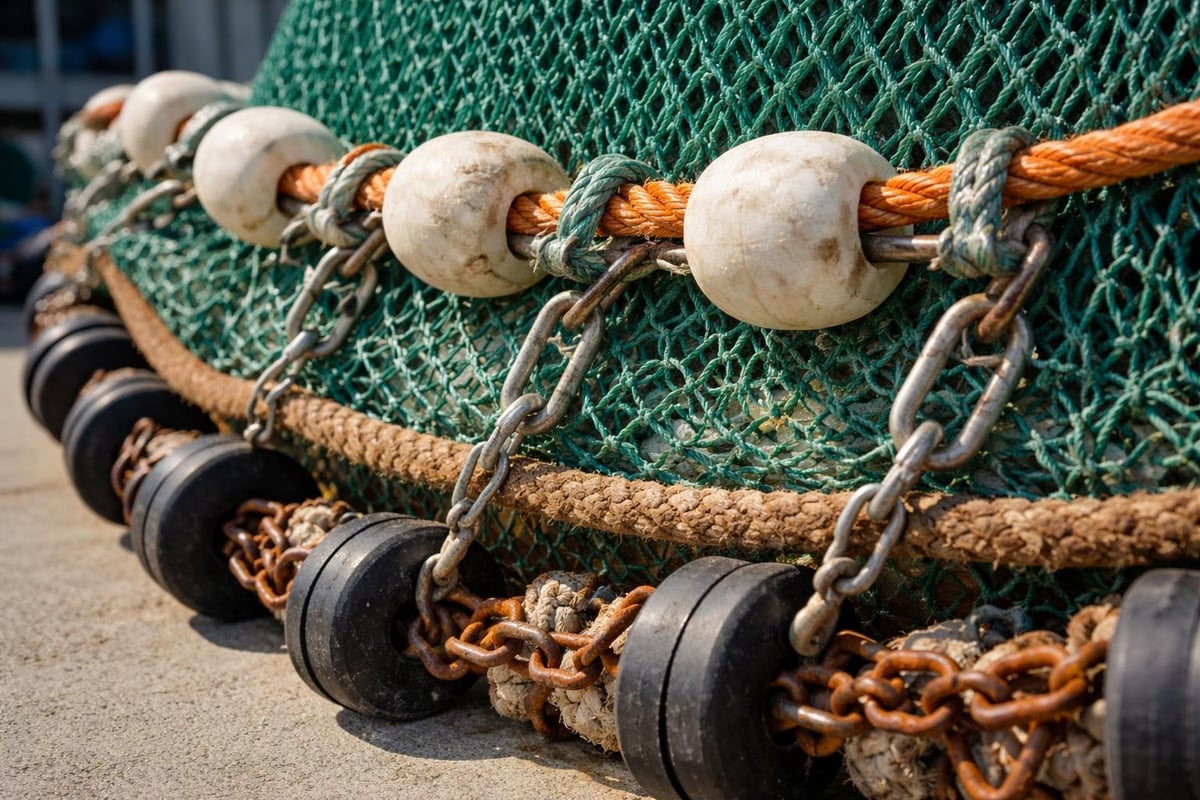
The evolution of fish tackle and marine products has accelerated dramatically over the past decade. Modern synthetic materials outperform traditional natural fibers in nearly every measurable category, from breaking strength to weather resistance.
| Material Type | Primary Applications | Key Advantages | Typical Lifespan |
|---|---|---|---|
| Polyethylene | Net mesh, float lines | UV resistance, lightweight | 3-5 years |
| Polypropylene | General rope, cordage | Cost-effective, buoyant | 2-4 years |
| Nylon | High-strength applications | Superior strength, elasticity | 4-7 years |
| Stainless steel | Hardware, clips, shackles | Corrosion resistance | 10+ years |
The selection of appropriate materials directly impacts operational efficiency and replacement costs. Commercial fisheries operating in Pacific Island markets particularly benefit from materials engineered for tropical marine conditions, where intense sunlight and warm saltwater accelerate degradation.
The production of commercial fishing nets represents one of the most specialized sectors within fish tackle and marine manufacturing. Modern net fabrication combines traditional knotting techniques with advanced materials science to create products that balance strength, flexibility, and durability.
Professional net manufacturers employ several construction approaches, each suited to specific fishing applications. The latest fishing innovations have refined these traditional methods with improved materials and precision engineering.
Knotted nets remain the standard for heavy-duty commercial applications, offering superior strength at junction points. The knots distribute load across multiple strands, preventing catastrophic failure if individual fibers break.
Knotless nets provide advantages in specific scenarios, particularly where fish quality preservation matters. These nets reduce scale damage and allow for easier cleaning and maintenance.
Twisted and braided configurations serve specialized purposes, from shellfish harvesting to aquaculture containment. The mesh size, measured in millimeters or inches, determines target species selectivity and compliance with fisheries regulations.
Understanding mesh regulations has become increasingly critical as fisheries management evolves. Different jurisdictions mandate specific mesh sizes to protect juvenile fish populations and maintain sustainable harvest levels. The responsible fishing practices outlined by marine sanctuaries emphasize gear selection as a cornerstone of environmental stewardship.
Commercial operators must maintain multiple net configurations to comply with seasonal restrictions and species-specific regulations. This requirement makes working with manufacturers capable of producing custom specifications essential for operational flexibility.
Fish tackle and marine operations depend heavily on rope systems that perform multiple critical functions. From mooring vessels to setting longlines, the right rope selection prevents equipment loss and ensures crew safety.
Professional-grade marine rope must meet demanding performance criteria:
The distinction between working load limits and breaking strength represents a critical safety consideration. Responsible operators never exceed 20% of a rope's rated breaking strength during normal operations, reserving the remaining capacity for unexpected loads and aging-related strength loss.
Within gillnet and seine net configurations, float lines and ground ropes work in opposition to maintain proper net geometry in the water column. Float lines incorporate buoyant elements at regular intervals, while ground ropes include weighting to keep the net's lower edge properly positioned.
The ratio of floatation to weight determines net behavior in current and wind conditions. Experienced fishers adjust these ratios seasonally and based on target species behavior patterns. A well-balanced net maintains consistent catching efficiency while minimizing fuel consumption during deployment and retrieval.
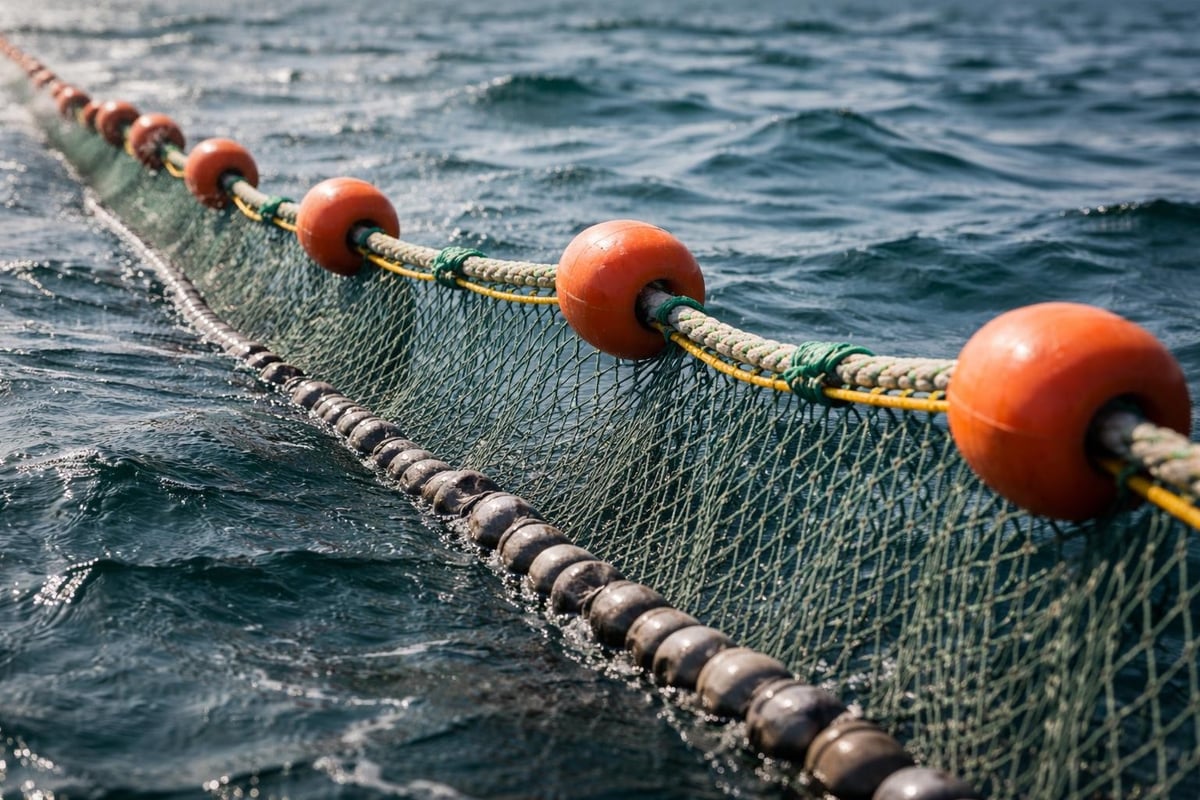
The connecting elements within fish tackle and marine systems often receive insufficient attention despite their critical importance. A stainless steel snap clip failure can result in lost gear worth thousands of dollars and potentially endanger vessel operations.
Saltwater's corrosive properties demand careful hardware material selection. While various grades of stainless steel dominate marine applications, not all stainless formulations provide equivalent performance.
The incremental cost difference between 304 and 316 stainless steel hardware rarely justifies the performance compromise in serious marine applications. Commercial operators increasingly specify 316-grade exclusively to standardize inventory and eliminate premature failures.
Fish tackle and marine equipment requirements vary dramatically across fishing methodologies. Each approach demands specific gear configurations optimized for target species, water conditions, and vessel capabilities.
Gillnet fisheries require precise mesh sizing and net height calculations based on target species dimensions. The net must present an effectively invisible barrier that entangles fish attempting to swim through the mesh. According to fishing information resources, proper gillnet deployment considers current patterns, seabed topography, and species migration routes.
Trammel nets employ a three-layer configuration with fine-mesh inner panels and larger-mesh outer panels, creating pockets that trap fish more securely than single-wall gillnets. This design excels in mixed-species fisheries where size selectivity matters less than overall catch efficiency.
Purse seine fishing represents the most equipment-intensive methodology within commercial fish tackle and marine operations. A complete purse seine outfit includes:
The coordination required for successful purse seine operations makes this methodology unsuitable for small-scale fisheries. However, for schooling species like tuna and mackerel, purse seining achieves unmatched efficiency.
Longline fishing takes a fundamentally different approach to fish tackle and marine equipment, replacing nets with thousands of baited hooks deployed along miles of mainline. This methodology requires:
Mainline materials with minimal stretch to maintain hook positioning Branch lines (gangions) connecting individual hooks to the mainline Bait storage and preservation systems Automated baiting equipment for large-scale operations Radio beacons for gear location and retrieval
Longline fishing offers superior size selectivity compared to net-based methods, as hook sizes naturally target specific size classes. This characteristic makes longlining increasingly popular in fisheries with strict bycatch reduction requirements.
The operational lifespan of fish tackle and marine equipment depends heavily on proper maintenance protocols. Saltwater, UV radiation, and mechanical stress combine to degrade even the highest-quality gear over time.
| Equipment Type | Recommended Maintenance | Frequency | Expected Lifespan |
|---|---|---|---|
| Fishing nets | Freshwater rinse, hang dry, inspect for damage | After each use | 2-5 years |
| Synthetic rope | Rinse, inspect for abrasion, re-splice as needed | Weekly | 3-7 years |
| Metal hardware | Rinse, lubricate moving parts, inspect for corrosion | Weekly | 5-15 years |
| Floats | Check for cracks, ensure proper inflation | Monthly | 5-10 years |
Establishing systematic maintenance schedules prevents unexpected equipment failures during critical fishing windows. Many commercial operators maintain detailed logs tracking individual net sections, allowing predictive replacement before catastrophic failure occurs.
The economics of fish tackle and marine equipment management require balancing repair costs against replacement expenses. Small damaged sections within nets can be cut out and replaced with new mesh panels, extending overall net life significantly. However, widespread damage or structural weakening from age generally justifies complete replacement.
Learning basic net mending skills provides substantial cost savings for commercial operations. The best scientific information regarding fisheries equipment suggests that in-house repair capabilities reduce operational costs by 15-25% compared to relying exclusively on commercial repair services.
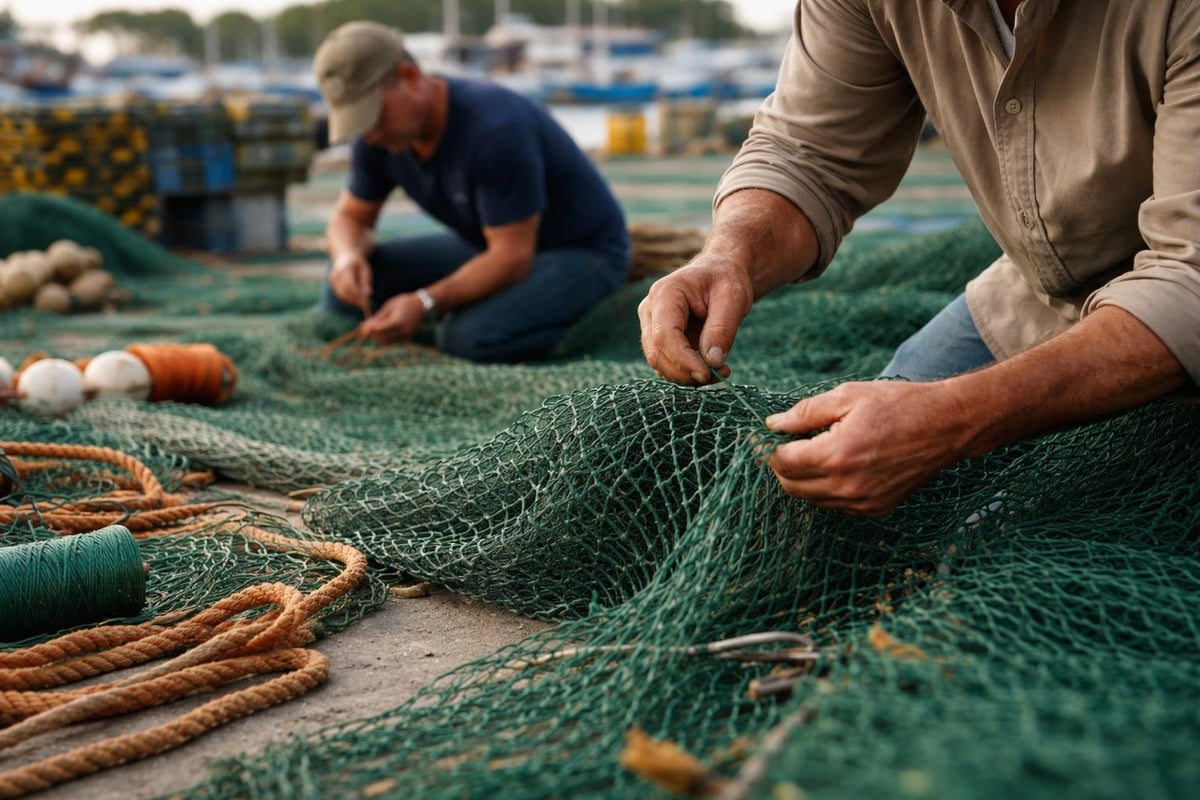
The fish tackle and marine industry continues evolving through technological advancement and materials innovation. Several trends are reshaping equipment capabilities and operational methodologies heading into the latter half of 2026.
Modern fish tackle and marine equipment increasingly incorporates electronic monitoring and control systems. GPS-enabled gear tracking prevents loss and assists recovery efforts. Depth sensors integrated into float lines provide real-time net position data, allowing operators to optimize deployment depths for target species.
Temperature and salinity sensors help identify productive fishing zones, while acoustic fish finders integrated with net systems maximize catch efficiency. The must-have fishing equipment for 2026 reflects this technology integration trend.
Environmental concerns are driving innovation in biodegradable and reduced-impact fishing gear materials. While fully biodegradable nets remain impractical for commercial applications due to strength and durability requirements, hybrid approaches incorporating biodegradable components show promise.
Research into bio-based polymer alternatives to petroleum-derived synthetics could transform fish tackle and marine manufacturing within the next decade. These materials aim to match or exceed conventional synthetic performance while reducing environmental persistence if gear is lost at sea.
Fish tackle and marine equipment requirements vary significantly across geographic regions. Pacific Island fisheries operate in unique conditions that influence equipment selection and performance expectations.
The warm, clear waters of Pacific Island regions present specific challenges for fishing equipment:
Increased UV exposure from intense tropical sunlight accelerates material degradation Higher water temperatures reduce material strength and accelerate biological growth on submerged gear Coral reef environments create abrasion hazards requiring more robust gear construction Remote operations necessitate exceptional equipment reliability due to limited repair infrastructure
Suppliers serving Pacific Island markets must provide equipment specifications matched to these demanding conditions. The essential fishing equipment suppliers recognized by industry professionals consistently demonstrate understanding of regional requirements.
New Zealand manufacturers supplying Pacific Island fisheries must ensure products meet international quality standards while remaining cost-effective for developing markets. This balance requires efficient production methods and material sourcing strategies that maintain quality without excessive pricing.
Export-ready fish tackle and marine equipment includes appropriate packaging for long-distance shipping, clear multilingual documentation, and compatibility with varied vessel configurations common across Pacific Island fleets. Understanding the fishing tackle landscape across different regions helps manufacturers tailor products appropriately.
Establishing reliable fish tackle and marine equipment supply chains represents a strategic priority for commercial fishing operations. Equipment availability directly impacts fishing season productivity and profitability.
When evaluating fish tackle and marine suppliers, commercial operations should assess:
Manufacturing capacity and ability to fulfill large orders within required timeframes Quality control processes ensuring consistent product specifications Technical support availability for equipment selection and problem-solving Inventory depth allowing rapid fulfillment of replacement orders Custom manufacturing capabilities for specialized requirements
Building relationships with manufacturers rather than retailers often provides advantages in pricing, customization options, and priority fulfillment during peak demand periods. Direct manufacturer relationships also facilitate feedback loops that drive product improvements benefiting both parties.
Efficient fish tackle and marine equipment inventory balances having adequate supplies against capital tied up in unused gear. Seasonal fishing operations can implement just-in-time ordering for predictable needs while maintaining safety stock of critical components prone to unexpected failure.
Cooperative purchasing arrangements among multiple vessels or fishing cooperatives increase negotiating leverage and reduce per-unit costs through volume discounts. These arrangements work particularly well for standardized items like cray pot mesh and common rope sizes where operations can share inventory.
The robust nature of commercial fish tackle and marine equipment creates significant safety hazards if not properly managed. Fishing consistently ranks among the most dangerous occupations globally, with equipment-related incidents contributing substantially to injury and fatality statistics.
Understanding load dynamics prevents the most common equipment-related accidents. When rope or net systems fail under load, the sudden energy release can cause serious injury. Establishing and enforcing working load limits with appropriate safety factors provides the primary defense against load-related failures.
Crew training should emphasize:
The comprehensive recreational fishing overview demonstrates that even small-scale operations require safety awareness, with commercial operations facing exponentially greater risks from scaled-up equipment and forces.
Fish tackle and marine equipment performs differently in various weather conditions. High winds increase loads on deployed nets and moored vessels, while rough seas make gear handling more hazardous and physically demanding. Experienced operators adjust deployment strategies based on weather forecasts and real-time conditions.
Establishing weather thresholds beyond which operations cease protects both crew and equipment. While economic pressures may tempt pushing limits, the costs of weather-related equipment loss and potential crew injury far exceed revenue from marginal fishing conditions.
The fish tackle and marine industry benefits from various quality standards and certification programs that help buyers identify reliable suppliers and products meeting performance requirements.
Several bodies establish specifications for fishing equipment:
International Organization for Standardization (ISO) publishes standards for synthetic fiber ropes, nets, and related marine equipment American Society for Testing and Materials (ASTM) maintains specifications for rope, cordage, and webbing materials National Marine Fisheries Service provides guidelines for gear modifications reducing bycatch Regional fisheries management organizations establish gear specifications for specific fisheries
Products manufactured to recognized standards provide assurance of minimum performance characteristics and quality control during production. Certification documentation becomes particularly important in export markets where buyers cannot easily inspect manufacturer facilities.
Professional net manufacturers implement multi-stage quality control processes ensuring consistent product specifications. These processes include:
Operations producing hundreds of thousands of meters of netting annually, like major New Zealand manufacturers, require systematic quality management to maintain reputation and customer satisfaction. The expertise gained through high-volume production translates directly to product reliability.
Understanding the total cost of ownership for fish tackle and marine equipment requires looking beyond initial purchase prices to consider operational lifespan, maintenance requirements, and replacement frequency.
Higher-quality fish tackle and marine products command premium pricing but typically deliver superior total value through extended service life and reduced failure rates. A detailed cost comparison reveals:
| Quality Tier | Initial Cost | Expected Lifespan | Annual Cost | Failure Risk |
|---|---|---|---|---|
| Budget | $1,000 | 18 months | $667 | High |
| Mid-range | $1,800 | 36 months | $600 | Moderate |
| Premium | $2,800 | 60 months | $560 | Low |
This simplified analysis demonstrates how premium products often provide the lowest annual costs while simultaneously reducing operational disruptions from unexpected failures. The analysis becomes more compelling when factoring in lost fishing time and emergency replacement costs at premium prices.
Large-scale commercial operations benefit substantially from volume purchasing arrangements. Manufacturers can offer significant discounts on bulk orders since production efficiencies improve with longer runs of identical specifications. The savings typically range from 15-30% compared to small-quantity pricing.
Coordinating equipment purchases with seasonal preparation timing further optimizes costs, as manufacturers offer additional incentives during slower production periods. Strategic buyers plan annual equipment needs well in advance, placing orders during off-peak months to maximize pricing advantages.
The comprehensive world of fish tackle and marine equipment encompasses far more than most people realize, from precision-engineered nets and ropes to specialized hardware designed for harsh saltwater environments. Success in commercial fishing operations depends on selecting quality equipment matched to specific applications, implementing proper maintenance protocols, and working with reliable suppliers who understand the unique demands of Pacific fisheries. Whether you're outfitting a commercial vessel or maintaining existing gear, Action Outdoors Limited provides the expertise, manufacturing capacity, and New Zealand-made quality that professional fishing operations depend on throughout the Pacific region.
Leave a comment