
Email

Understanding fishing equipment price variations has become increasingly important for both commercial operators and recreational anglers in 2026. With global market shifts, manufacturing innovations, and changing consumer demands, knowing what drives costs helps buyers make informed purchasing decisions. Whether you're outfitting a commercial fishing operation in the Pacific or selecting gear for weekend expeditions, price awareness ensures value without compromising quality.
The global fishing equipment market continues to evolve rapidly, with fishing equipment trends showing significant variation across product categories and regions. In 2026, the industry reflects both traditional manufacturing approaches and cutting-edge innovations that influence final retail costs.
Commercial fishing operations face distinct pricing pressures compared to recreational buyers. Large-scale purchases of nets, ropes, and marine equipment require careful budget planning and supplier relationships. The Pacific region, including New Zealand and surrounding island nations, represents a substantial market segment where quality and durability directly impact long-term operational costs.
Geographic location significantly affects fishing equipment price structures. Manufacturing hubs, import regulations, and shipping logistics all contribute to final costs. New Zealand-made products often command premium prices due to superior quality standards and local labor costs, yet they frequently offer better value through extended lifespans and reduced replacement frequency.
Key pricing factors by region include:
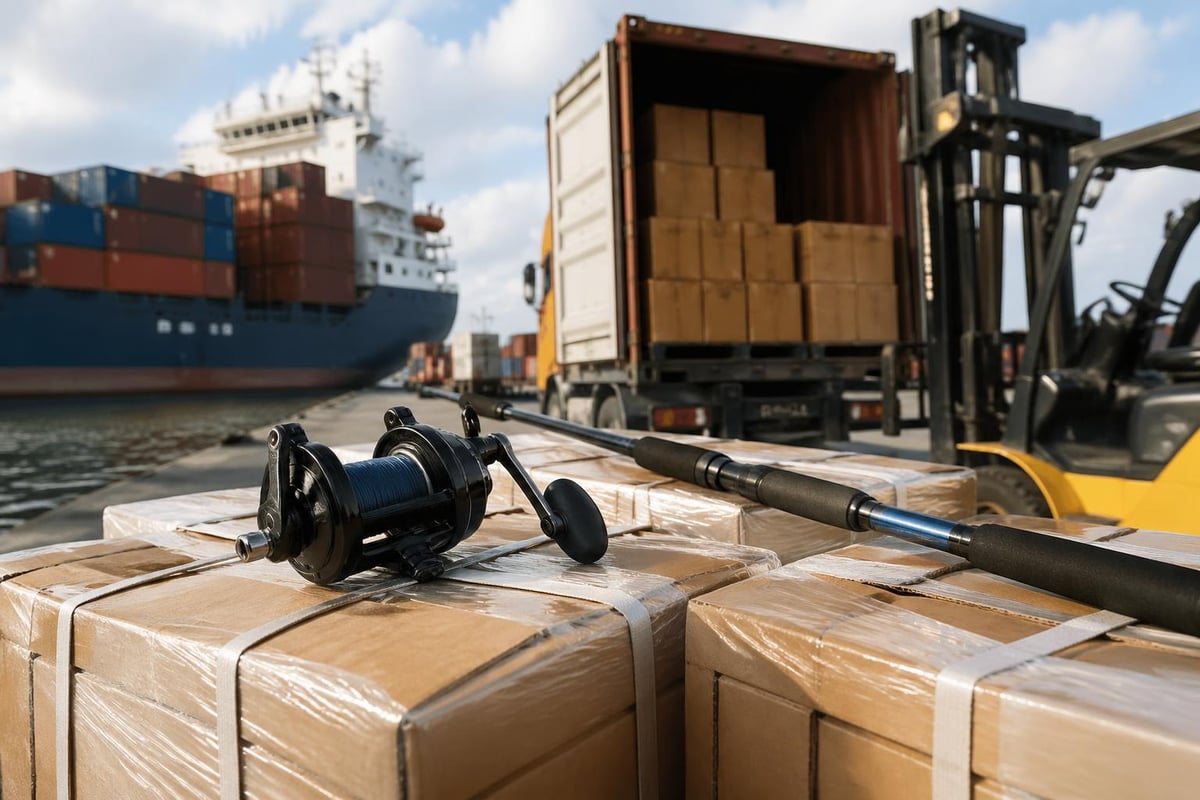
Different fishing equipment categories exhibit vastly different price points based on materials, manufacturing complexity, and intended use. Understanding these segments helps buyers allocate budgets effectively and identify where cost savings or quality investments make sense.
Commercial fishing nets represent one of the most variable product categories in terms of fishing equipment price. Factors such as mesh size, net length, material quality, and construction method all influence costs. Commercial-grade fishing nets designed for intensive use require robust materials that withstand saltwater exposure and heavy loads.
| Net Type | Typical Length | Price Range Factor | Durability Rating |
|---|---|---|---|
| Snapper Nets | 20-60 meters | Medium-High | Excellent |
| Mullet Nets | 20-60 meters | Medium | Very Good |
| Herring Nets | 15-40 meters | Low-Medium | Good |
| Butterfish Nets | 20-60 meters | Medium-High | Excellent |
Specialized nets like eel fyke nets command higher prices due to their unique construction requirements. The investment typically pays off through increased catch efficiency and reduced replacement frequency.
Rope materials significantly impact pricing structures. Different rope materials offer varying strength-to-weight ratios, UV resistance, and longevity characteristics. Manila, polyester, and nylon each serve specific applications with corresponding price points.
High-strength synthetic ropes generally cost more initially but deliver superior performance in demanding marine environments. Commercial operators often find that premium rope investments reduce downtime and improve operational safety.
Global economic conditions create ripple effects throughout the fishing equipment industry. Understanding these broader forces helps buyers anticipate price movements and time purchases strategically.
Trade policies substantially affect fishing equipment price structures across international markets. Recent analysis shows how tariffs impact fishing gear prices, with protective measures potentially adding 10-25% to imported goods. These costs ultimately transfer to end users unless alternative sourcing strategies exist.
New Zealand manufacturers benefit from local production capabilities that bypass certain international tariff structures. Products exported to Pacific Island markets often avoid excessive duty charges due to regional trade agreements.
Petroleum-based synthetic materials fluctuate with global oil prices, directly impacting netting and rope production costs. Natural fibers face different pressures related to agricultural yields and processing capacity. In 2026, material supply chains have stabilized compared to previous years, though regional variations persist.
Material cost influences include:
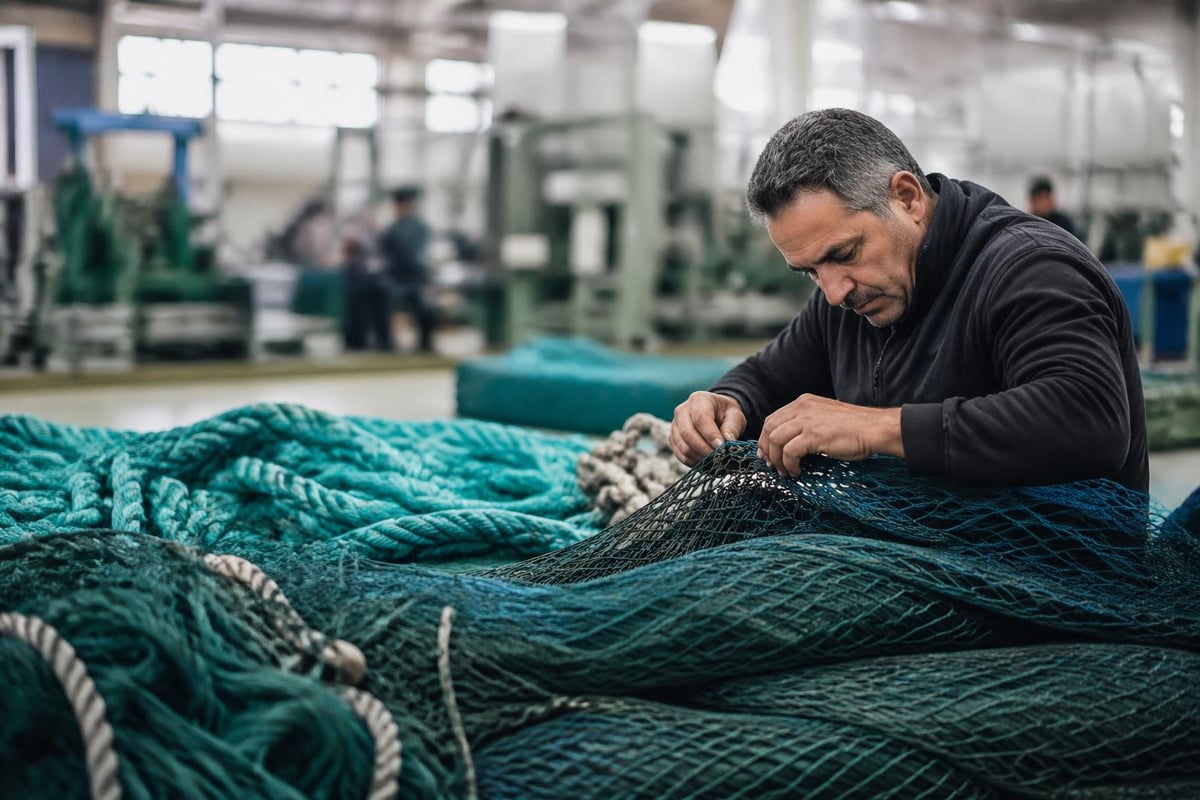
The fishing equipment price landscape differs dramatically between commercial and recreational segments. Each market serves distinct needs with corresponding quality requirements and volume considerations.
Commercial fisheries require equipment that withstands daily use in challenging conditions. The global fishing equipment market analysis reveals substantial investment in commercial-grade products that prioritize durability over initial cost savings.
Professional operators typically purchase in bulk, accessing volume discounts that significantly reduce per-unit costs. A commercial fishing operation might invest $15,000-$50,000 annually in nets, ropes, and related equipment, depending on fleet size and fishing methods employed.
Weekend anglers and hobby fishers focus on different value propositions. Small fishing kits serve casual users who prioritize convenience and portability over industrial strength. These products occupy lower price brackets while still delivering adequate performance for occasional use.
The recreational segment shows more price sensitivity, with consumers comparing options across multiple retailers and brands. Seasonal promotions and package deals significantly influence purchasing decisions in this market.
Not all fishing equipment price points reflect proportional quality differences. Educated buyers recognize value markers that justify premium costs versus superficial features that add expense without functional benefit.
Premium materials justify higher prices through measurable performance advantages. UV-stabilized nylon resists degradation from sun exposure, extending net lifespan by 40-60% compared to untreated alternatives. Similarly, double-knot construction techniques increase strength while adding manufacturing complexity and cost.
| Quality Factor | Budget Option | Premium Option | Price Difference | Value Proposition |
|---|---|---|---|---|
| Material Grade | Standard nylon | UV-stabilized nylon | +25-35% | 50% longer lifespan |
| Knot Type | Single knot | Double knot | +15-20% | 40% higher strength |
| Mesh Uniformity | Variable | Precision-cut | +20-30% | Better catch rates |
| Edge Reinforcement | Basic | Multi-layer | +10-15% | Reduced tearing |
Products manufactured under rigorous quality control protocols typically command higher prices but deliver consistent performance. New Zealand's reputation for manufacturing excellence means locally-made fishing nets often exceed minimum specifications, providing added security for commercial operations where equipment failure causes significant revenue loss.
Smart buyers optimize fishing equipment price-to-value ratios through strategic planning and informed decision-making. Several approaches help maximize investment returns while maintaining operational effectiveness.
Commercial operators benefit substantially from bulk ordering. A fishing cooperative purchasing nets for multiple vessels can negotiate 20-35% discounts compared to individual retail prices. This approach requires coordination and upfront capital but delivers significant long-term savings.
Seasonal timing also affects pricing. Many suppliers offer promotional pricing during off-peak periods, allowing forward-thinking buyers to stock equipment when demand drops.
Effective bulk purchasing considerations:
Initial fishing equipment price represents only one component of true ownership costs. Maintenance requirements, replacement frequency, and operational efficiency all contribute to total investment. A cheaper net requiring replacement every 18 months costs more over five years than a premium option lasting four years.
Fishing innovations in 2026 include materials and designs that reduce long-term costs through improved durability and performance. These technologies often carry higher upfront prices but deliver superior value across their service life.
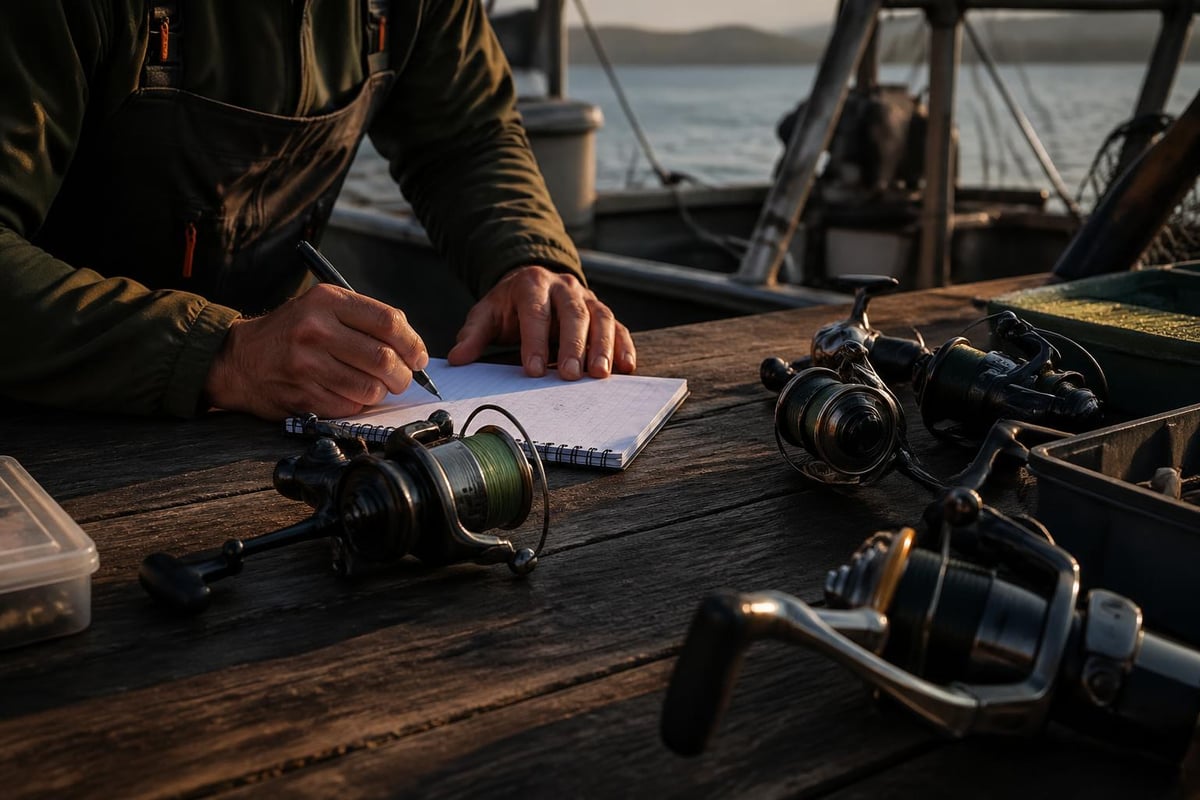
Certain fishing equipment categories require additional attention due to unique pricing factors and specialized applications. Understanding these nuances helps buyers make appropriate selections for specific fishing methods and target species.
Bottom fishing gear includes specialized weights, lines, and terminal tackle designed for deep-water applications. These products must withstand significant pressure and abrasion, requiring robust materials that increase manufacturing costs. Downrigger weights and trolling equipment represent significant investments for serious anglers and commercial operators.
Lead-based weights face regulatory scrutiny in some jurisdictions, pushing prices higher for compliant alternatives. Non-toxic materials often cost 30-50% more than traditional lead options while delivering comparable performance.
Customized fishing nets tailored to specific vessels or fishing conditions command premium prices due to specialized manufacturing processes. However, these products often deliver superior results that justify additional expense. Custom net configurations improve catch efficiency while reducing bycatch, benefiting both operations and environmental stewardship.
Understanding projected market movements helps buyers time purchases and plan budgets effectively. The fishing equipment market forecast through 2035 suggests continued growth with moderate price appreciation across most categories.
Smart fishing equipment incorporating sensors and tracking technology represents a growing market segment. These innovations add substantial costs but provide data-driven insights that improve operational efficiency. In 2026, electronic monitoring systems for commercial nets range from $500 to $5,000 depending on capabilities and integration requirements.
Traditional equipment without electronic features maintains price stability, serving markets where proven performance outweighs technological advancement.
Environmental regulations increasingly influence fishing equipment price structures. Biodegradable materials and eco-friendly manufacturing processes typically increase production costs by 15-25%. However, regulatory compliance becomes mandatory in many jurisdictions, making these investments unavoidable.
Forward-thinking manufacturers invest in sustainable practices that minimize long-term environmental impact while maintaining product performance. These efforts often translate to modest price premiums that conscious consumers willingly accept.
Choosing reliable suppliers affects both immediate fishing equipment price and long-term satisfaction. Established manufacturers with proven track records often justify premium pricing through superior customer service, product consistency, and warranty support.
Reputable suppliers maintain transparent pricing structures and detailed product specifications. They provide technical support, replacement parts availability, and clear warranty terms. Action Outdoors Limited exemplifies this approach, combining manufacturing expertise with comprehensive product knowledge and responsive customer service.
When comparing suppliers, consider:
Loyal customers often access preferential pricing and priority service during high-demand periods. Establishing relationships with manufacturers rather than intermediaries eliminates markup layers, reducing effective fishing equipment price while maintaining quality standards.
Direct manufacturer relationships also enable custom product development and modification requests that meet specific operational requirements unavailable through generic retail channels.
The Pacific region presents unique pricing dynamics due to geographic dispersion, shipping logistics, and local market conditions. Fishing nets designed for Pacific Islands markets account for transportation challenges and local fishing practices.
Freight costs to remote Pacific locations substantially affect final fishing equipment price. Air freight expedites delivery but adds 50-200% to base costs, while sea freight offers economy at the expense of extended lead times. Volume shipments reduce per-unit transportation expenses, making bulk orders particularly attractive for island communities.
Regional distribution networks help minimize logistics costs. New Zealand's proximity to Pacific markets provides advantages over more distant manufacturing centers, particularly for products requiring quick replenishment or emergency replacement.
Pacific Island fishing traditions influence equipment specifications and corresponding prices. Nets designed for specific local species and fishing methods require customization that affects manufacturing costs. Suppliers familiar with regional requirements streamline production while maintaining appropriate pricing.
Higher fishing equipment price points require clear justification based on performance advantages and economic returns. Commercial operators analyze investment payback periods and profit contributions to validate equipment purchases.
Premium nets capturing 20% more fish per deployment justify price premiums through increased revenue generation. Similarly, durable equipment reducing replacement frequency delivers measurable cost savings that accumulate over multiple seasons.
Calculating return on investment involves:
Equipment failure during critical fishing seasons causes revenue loss far exceeding the price difference between budget and premium options. Reliable, well-manufactured products reduce operational risk, providing insurance value that justifies higher initial investment.
Commercial operators increasingly recognize that fishing equipment price represents risk management rather than mere expense. This perspective shift drives quality-focused purchasing decisions across the industry.
Understanding the factors that influence fishing equipment price empowers buyers to make strategic decisions balancing cost, quality, and performance. Whether you're equipping a commercial fishing fleet or preparing for recreational expeditions, informed purchasing delivers superior long-term value. Action Outdoors Limited manufactures premium fishing nets and marine equipment designed for New Zealand and Pacific Island markets, combining local quality with competitive pricing and dependable service. Our extensive product range and manufacturing expertise help commercial and recreational customers find the right equipment solutions for their specific needs and budgets.
Leave a comment