
Email

The fishing equipment industry continues to demonstrate robust growth, with manufacturers and retailers capitalizing on increased interest in recreational and commercial fishing across the Pacific and beyond. Whether you operate a retail storefront, manage an e-commerce platform, or manufacture specialized gear, understanding how to effectively sell fishing equipment requires strategic planning, market knowledge, and adaptability to evolving consumer preferences. This comprehensive guide explores proven strategies for successfully marketing and selling fishing gear in 2026's competitive landscape.
The global fishing equipment sector has experienced significant expansion, with the fishing equipment market projected to reach substantial growth through the remainder of this decade. This upward trajectory reflects not only recreational fishing's enduring popularity but also the commercial sector's ongoing demand for reliable, high-quality gear.
Key market drivers include:
According to Statista's comprehensive market analysis, revenue forecasts indicate steady consumer spending on fishing equipment, with notable growth in specific product categories including nets, ropes, and specialized tackle.
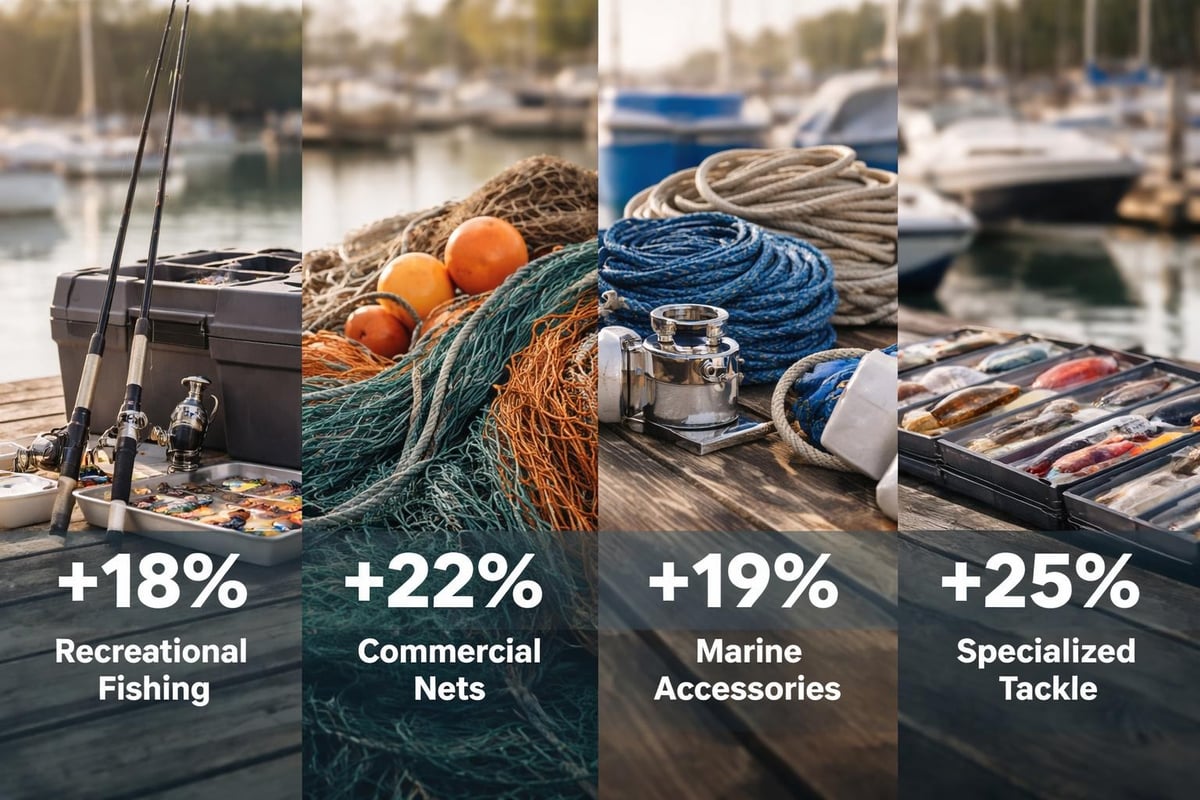
For businesses serving New Zealand and Pacific Island communities, understanding regional preferences becomes essential. Commercial fisheries throughout the Pacific require durable, ready-to-use equipment that withstands harsh marine environments. Community fisheries often prioritize value without compromising quality, making locally manufactured options particularly attractive.
The emphasis on New Zealand-made products resonates strongly with Pacific customers who value quick turnaround times and reliable supply chains. When you sell fishing equipment to these markets, emphasizing local manufacturing capabilities and regional expertise provides significant competitive advantages.
Successful fishing equipment sales begin with clearly defining your customer segments. Different buyers have distinct needs, purchasing behaviors, and decision-making criteria.
| Customer Type | Primary Needs | Purchase Drivers | Typical Order Size |
|---|---|---|---|
| Commercial Fisheries | Durability, bulk quantities, reliability | ROI, supplier consistency, warranty | Large, recurring |
| Community Cooperatives | Value pricing, proven performance | Group consensus, community benefit | Medium, seasonal |
| Recreational Anglers | Performance, innovation, variety | Brand reputation, peer recommendations | Small, frequent |
| Retail Distributors | Margin potential, turnover rates | Market demand, supplier terms | Large, regular |
Each segment requires tailored marketing approaches and sales strategies. Commercial operators typically value technical specifications and long-term supplier relationships, while recreational customers respond to product demonstrations and seasonal promotions.
Determining which fishing equipment to stock represents one of your most critical business decisions. A well-curated inventory balances market demand with storage capacity and capital investment.
When you sell fishing equipment, certain categories form the foundation of a comprehensive offering:
Nets and netting materials constitute essential inventory for commercial and subsistence fishing operations. Ready-to-use nets manufactured to specific dimensions eliminate preparation time for operators. Specializing in fishing nets designed for Pacific markets addresses a consistent demand across the region.
Ropes and cordage serve multiple purposes from mooring to net repair. Stocking high-strength options in manila, nylon, and polyester ensures you meet diverse customer requirements.
Marine equipment and accessories including floats, weights, slings, and hardware complete fishing setups. These complementary products increase average transaction values and establish your business as a comprehensive supplier.
The fishing industry continuously evolves, introducing new technologies and improved designs. Keeping inventory fresh with innovative fishing equipment for 2026 positions your business as forward-thinking and customer-focused.
Monitor industry publications, attend trade shows, and maintain relationships with manufacturers to identify emerging trends before they reach mass market adoption. Early adoption of promising innovations differentiates your inventory from competitors.
Pricing directly impacts both sales volume and profitability when you sell fishing equipment. Effective pricing strategies consider multiple factors beyond simple cost-plus calculations.
Competitive pricing analysis requires regular monitoring of both local and online competitors. However, competing solely on price erodes margins and devalues quality differentiators. Instead, justify premium pricing through superior service, local availability, and product knowledge.
Volume discounting structures attract commercial buyers making large purchases. Tiered pricing encourages larger orders while maintaining healthy margins on smaller transactions. Clear communication of volume thresholds and corresponding discounts simplifies purchasing decisions for bulk buyers.
Seasonal pricing adjustments capitalize on peak fishing seasons when demand intensifies. Strategic promotions during slower periods maintain cash flow and reduce inventory carrying costs.
Consider these pricing approaches:
Modern businesses that sell fishing equipment successfully leverage multiple sales channels to maximize market reach and customer convenience.
Online sales continue expanding across all product categories. Shopify's comprehensive guide to selling fishing equipment online outlines essential steps for establishing digital storefronts. Key considerations include professional product photography, detailed specifications, and streamlined checkout processes.
Multi-channel selling strategies enable businesses to reach customers across marketplaces, social media platforms, and dedicated websites simultaneously. This approach increases visibility while diversifying revenue streams.
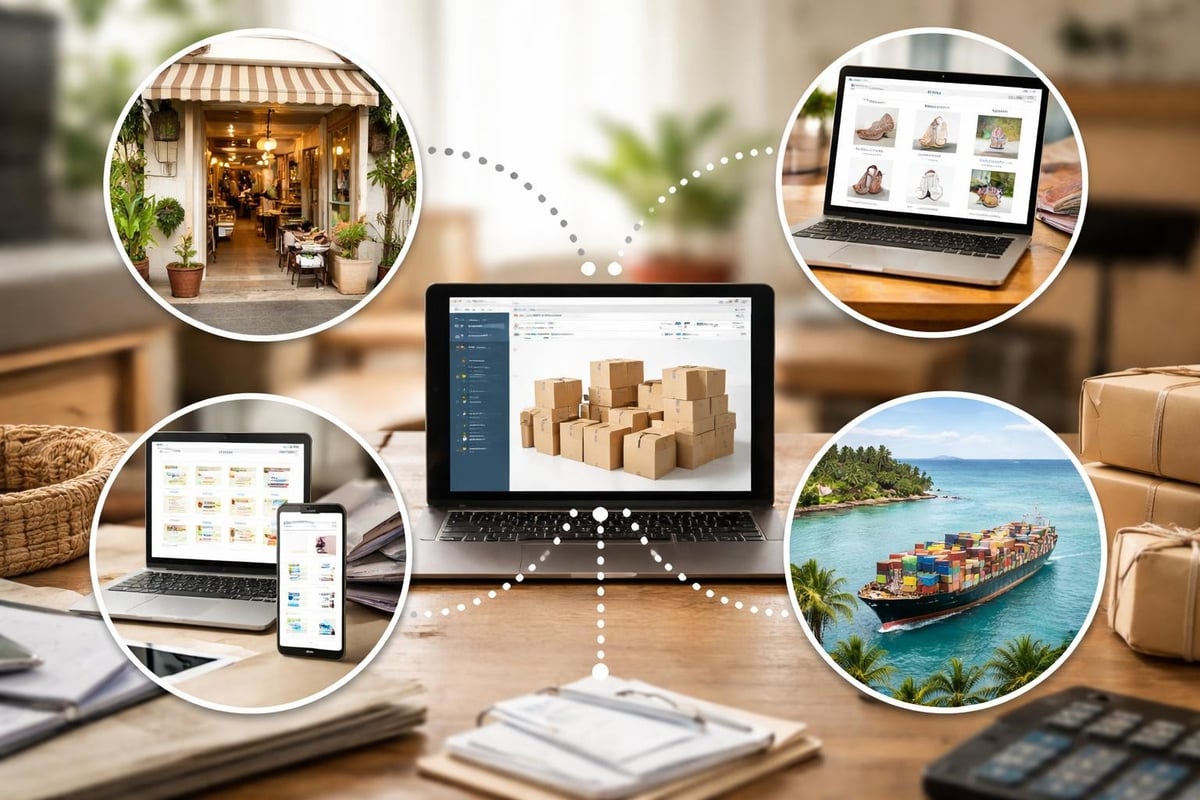
Despite e-commerce growth, physical locations remain valuable for fishing equipment sales. Customers appreciate hands-on product evaluation, immediate availability, and face-to-face expert consultation. Retail spaces also serve as distribution hubs for online orders and local delivery services.
Establishing relationships with commercial fisheries and cooperatives generates substantial recurring revenue. These B2B relationships thrive on consistent quality, reliable delivery schedules, and responsive customer service. Regular site visits, technical support, and customized solutions strengthen long-term partnerships.
When you sell fishing equipment online, establishing transaction security builds customer confidence. Buyers purchasing high-value commercial equipment particularly value protection mechanisms that ensure safe exchanges.
Secure transaction platforms for fishing gear provide third-party verification that protects both buyers and sellers. These services prove especially valuable for international transactions common in Pacific trade.
Transparent policies regarding:
These elements reduce purchase hesitation and demonstrate professional business practices.
Effective marketing connects your products with customers actively seeking fishing solutions. A comprehensive marketing approach combines traditional methods with digital strategies.
Providing valuable information positions your business as an industry authority. Educational content attracts potential customers researching fishing techniques, equipment selection, and maintenance procedures.
Topics that resonate with fishing equipment buyers include:
Publishing insights about fishing innovations to explore in 2026 demonstrates your commitment to staying current with industry developments.
Visual platforms naturally suit fishing equipment marketing. High-quality images of products in action, customer catches, and behind-the-scenes manufacturing processes generate engagement and build community.
User-generated content from satisfied customers provides authentic social proof. Encouraging customers to share their experiences with your equipment creates organic marketing that reaches extended networks.
Segmented email lists enable targeted communication based on customer type, purchase history, and stated interests. Commercial clients appreciate technical bulletins and bulk purchase opportunities, while recreational anglers respond to seasonal promotions and new product announcements.
Businesses that manufacture their own fishing equipment possess unique competitive advantages. Direct control over production enables customization, quality assurance, and rapid response to market demands.
Manufacturing expertise allows continuous product refinement based on customer feedback and field performance. When you sell fishing equipment you produce, direct knowledge of materials, construction methods, and performance characteristics enhances customer consultations.
Producing over 350,000 meters of ready-to-use fishing nets annually establishes credibility with commercial buyers who require dependable suppliers capable of handling large-scale orders.
Manufacturing capabilities enable custom configurations that address unique fishing scenarios. Commercial operations often require nets with specific mesh sizes, dimensions, or materials based on target species and local regulations.
Technical articles explaining durability and efficiency considerations for mesh selection educate customers while showcasing manufacturing expertise.
Superior customer service differentiates successful fishing equipment businesses in competitive markets. Knowledgeable staff, responsive communication, and problem-solving commitment build lasting customer relationships.
Helping customers select appropriate equipment for their specific needs reduces returns and increases satisfaction. Understanding fishing methods, target species, environmental conditions, and budget constraints enables accurate recommendations.
Maintaining comprehensive product knowledge through ongoing training ensures staff provide accurate information and confident guidance.
Customer relationships extend beyond initial transactions. Providing setup assistance, usage guidance, and troubleshooting support demonstrates commitment to customer success.
Post-purchase services that enhance customer retention:
Businesses established in fishing equipment naturally extend into related categories. Diversification increases revenue potential while providing convenient one-stop shopping for customers.
Marine equipment and boating gear complement fishing product lines. Anchors, fenders, navigation lights, and safety equipment appeal to the same customer base.
Many fishing enthusiasts travel to remote locations, creating demand for RV accessories and camping equipment. Expanding inventory to serve this adjacent market captures additional spending from existing customers.
Ropes, netting, and hardware used in fishing often have industrial applications. Industrial equipment offerings attract commercial customers from construction, agriculture, and transportation sectors.
Serving Pacific Island nations requires understanding unique logistical and regulatory requirements. Successful export operations balance competitive pricing with reliable delivery.

Efficient shipping arrangements minimize costs and delivery times. Consolidating orders, optimizing packaging, and maintaining relationships with freight forwarders streamline international shipments.
Ready-to-use products eliminate customer preparation requirements, adding value that justifies shipping costs. Bulk orders from community cooperatives improve shipping economics through consolidated shipments.
Export documentation, customs requirements, and import regulations vary across Pacific nations. Staying current with requirements prevents delays and ensures smooth transactions. Providing complete documentation with shipments demonstrates professionalism and facilitates customs clearance.
Tracking key performance indicators guides business decisions and identifies improvement opportunities when you sell fishing equipment.
| Metric | Target Range | Improvement Actions |
|---|---|---|
| Customer Acquisition Cost | 15-25% of first purchase | Optimize marketing channels, improve conversion rates |
| Average Order Value | Increasing quarterly | Bundle products, suggest complementary items |
| Customer Retention Rate | Above 60% annually | Enhance service, implement loyalty programs |
| Inventory Turnover | 4-8 times annually | Adjust purchasing, promote slow-moving items |
| Gross Profit Margin | 35-50% category dependent | Negotiate supplier terms, optimize pricing |
Regular analysis of these metrics reveals trends, validates strategies, and highlights areas requiring attention. Comparing performance across customer segments identifies which groups drive profitability and deserve targeted marketing investment.
Systematic feedback collection provides insights that quantitative metrics cannot capture. Post-purchase surveys, review requests, and direct conversations reveal customer satisfaction levels and improvement opportunities.
Acting on feedback demonstrates customer-centricity and often generates product development ideas. When customers see their suggestions implemented, loyalty strengthens and word-of-mouth recommendations increase.
Allied Market Research highlights factors driving demand in the fishing equipment sector, including sustainability concerns and technological integration. Businesses that anticipate and respond to these trends position themselves for continued growth.
Emerging trends shaping fishing equipment sales:
Monitoring industry developments and remaining flexible in business approaches enables rapid response to emerging opportunities. Early adoption of beneficial trends provides first-mover advantages before markets saturate.
Strong community relationships enhance reputation and generate referrals when you sell fishing equipment to local and regional customers. Participating in fishing events, sponsoring tournaments, and supporting conservation initiatives demonstrate commitment beyond profit.
Educational workshops teaching fishing techniques, equipment maintenance, or sustainable practices position your business as a community resource. These events create personal connections that translate into customer loyalty and advocacy.
Collaborating with fishing clubs, charter operations, and marine education programs extends your reach into relevant networks. These partnerships often generate bulk purchase opportunities while strengthening community presence.
Successfully selling fishing equipment in 2026 requires balancing traditional retail fundamentals with modern e-commerce strategies, all while maintaining focus on quality products and exceptional customer service. Whether you're targeting commercial fisheries, recreational anglers, or Pacific Island communities, understanding market dynamics and customer needs drives sustainable growth. Action Outdoors Limited combines New Zealand manufacturing expertise with comprehensive product selection and dependable service, providing fishing and marine equipment solutions backed by decades of industry experience and commitment to Pacific markets.
Shop related products at Action Outdoors: Fishing Nets · Rope & Twine · Camping Gear
Leave a comment