
Email

New Zealand's diverse marine and freshwater environments offer exceptional fishing opportunities, and soft plastic lures have revolutionized how anglers approach these waters. From the rocky coastlines targeting snapper and kingfish to inland lakes pursuing trophy trout, soft plastic lures nz anglers use have become essential tackle. These versatile baits mimic natural prey with remarkable realism, combining lifelike movement with scent attraction that triggers aggressive strikes. Understanding how to select, rig, and fish these lures effectively separates successful anglers from those who struggle. Whether you're a commercial fisher, recreational enthusiast, or community fishing group, mastering soft plastics opens new possibilities on the water.
Soft plastic lures represent a significant advancement in fishing technology, offering advantages traditional hard lures cannot match. These flexible baits replicate baitfish, crustaceans, and other prey items through carefully engineered shapes and materials.
The primary appeal lies in their realistic action. When retrieved or jigged, quality soft plastics produce subtle vibrations and tail movements that closely mimic struggling prey. This natural presentation proves especially effective in New Zealand's pressured fisheries where species have learned to avoid obvious artificial lures.
Modern soft plastic lures nz manufacturers produce utilize advanced polymer blends designed for specific fishing conditions. These materials provide the right balance between durability and flexibility, ensuring lures maintain their action through multiple fish catches.
Key material characteristics include:
Fish & Game New Zealand's research on scented soft baits highlights how these technologies impact catch rates. Scent-impregnated plastics release amino acids and other attractants that trigger feeding responses, particularly beneficial when targeting cautious fish.
Choosing the correct size directly impacts success rates. New Zealand waters demand versatility, as conditions and target species vary dramatically between locations.
| Lure Length | Primary Species | Common Applications |
|---|---|---|
| 2-3 inches | Trout, kahawai | Freshwater lakes, shallow estuaries |
| 3-5 inches | Snapper, gurnard | Inshore reefs, harbours |
| 5-7 inches | Kingfish, john dory | Deep reefs, current zones |
| 7+ inches | Large kingfish, hapuku | Big game offshore fishing |
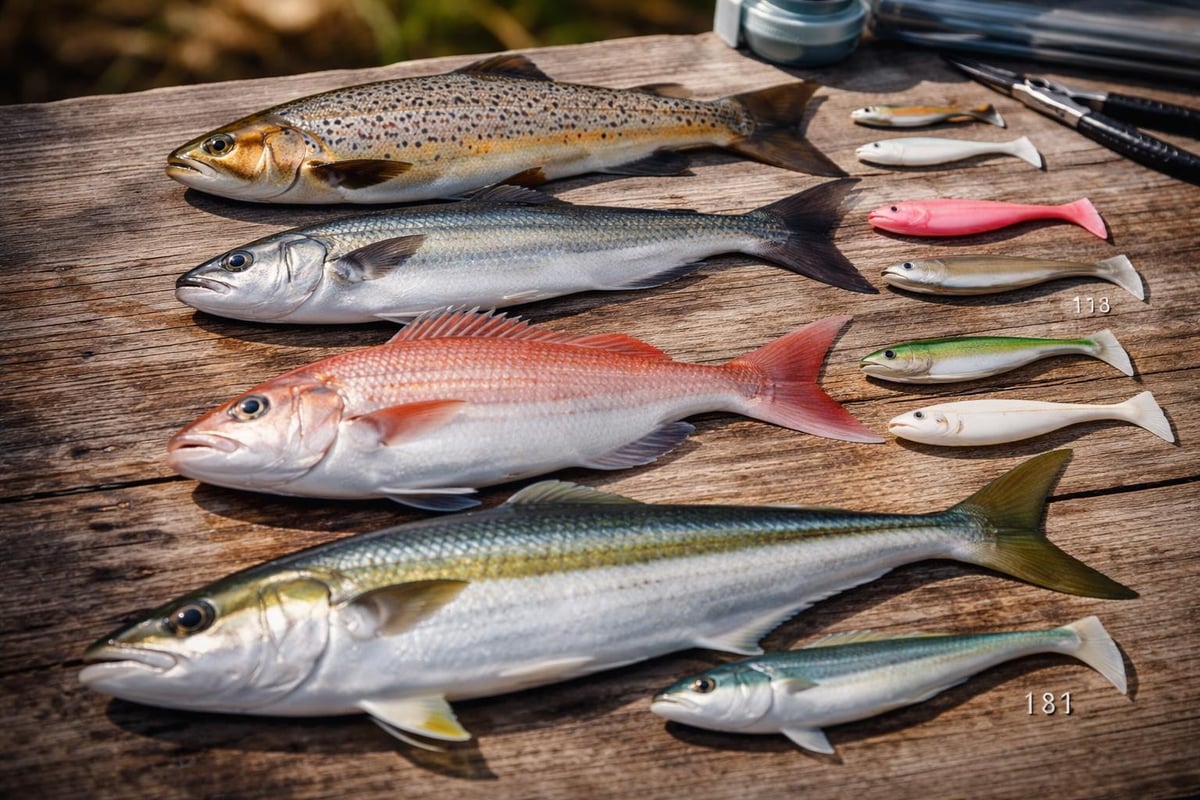
Proper rigging transforms a piece of soft plastic into an effective fish-catching tool. New Zealand anglers employ several proven methods depending on conditions and target species.
The most popular approach combines soft plastics with weighted jig heads. This system allows precise depth control and natural presentation. When selecting jig heads, match the weight to fishing depth and current strength.
Weight selection guidelines:
Thread the soft plastic onto the jig head hook, ensuring it sits straight. A crooked lure spins unnaturally and reduces strikes. The hook point should exit the plastic's back at approximately one-third the body length from the head.
For fishing around structure where snags pose challenges, the Texas rig excels. This setup positions the hook point within the plastic body, dramatically reducing hang-ups while maintaining hookup potential.
Insert a bullet weight onto your line before tying on an offset worm hook. Thread the hook point into the lure head, push it through approximately half an inch, then exit the plastic. Rotate the hook 180 degrees and embed the point back into the body, creating a streamlined, snag-resistant presentation.
Sometimes fish want slowly falling or suspending baits. Rigging soft plastic lures nz style without additional weight allows the plastic's natural buoyancy to control descent rate. This technique works exceptionally well for trout in clear water conditions, as discussed in Fish & Game's boat fishing guide.
Use wide-gap hooks sized appropriately to your plastic. Cast beyond likely holding areas and allow the lure to sink on controlled slack line, watching for line movement indicating strikes during the fall.
How you work soft plastics matters as much as what you fish with. Different retrieve styles appeal to various species and adapt to changing conditions.
This fundamental method imitates wounded baitfish and proves deadly on snapper, gurnard, and other bottom-feeders. Lower your lure to the seafloor, feeling for contact. Lift your rod tip sharply one to two feet, creating upward movement, then allow the lure to flutter back down on semi-slack line.
Most strikes occur during the descent phase. Maintain contact through the rod tip, feeling for sudden weight or line movement. Set the hook immediately when you detect anything unusual.
Targeting kingfish, kahawai, or trevally requires maintaining lures in the strike zone with consistent movement. Cast your soft plastic and begin a steady retrieve, varying speed until you find what triggers responses.
Speed variation strategies:
When fishing innovative options like flashing soft baits, adjust your retrieve to maximize the built-in attractors these specialized lures offer.
Different target species respond to specific soft plastic styles and presentations. Tailoring your approach increases success dramatically.
New Zealand's favorite table fish readily attack properly presented soft plastics. Focus on reef edges, channel margins, and structural elements during tide movement. Snapper prefer lures worked near the bottom with pronounced vertical action.
Popular soft plastic options include paddle-tail designs in 3-5 inch sizes, natural colors like white pearl, motoroil, and pink for turbid water. When targeting snapper around complex structure, slightly oversize your tackle to prevent being busted off in the rocks.
Soft plastic lures nz trout anglers favor include small minnow imitations and grub-style baits. Berkley Gulp products excel in freshwater environments, combining scent technology with proven shapes.
Fish these near weed edges, drop-offs, and around structure where trout ambush prey. Ultra-light jig heads (1/16 to 1/8 ounce) paired with natural colors produce consistent results. Clear water demands subtle presentations and natural hues, while stained water allows brighter attractors.
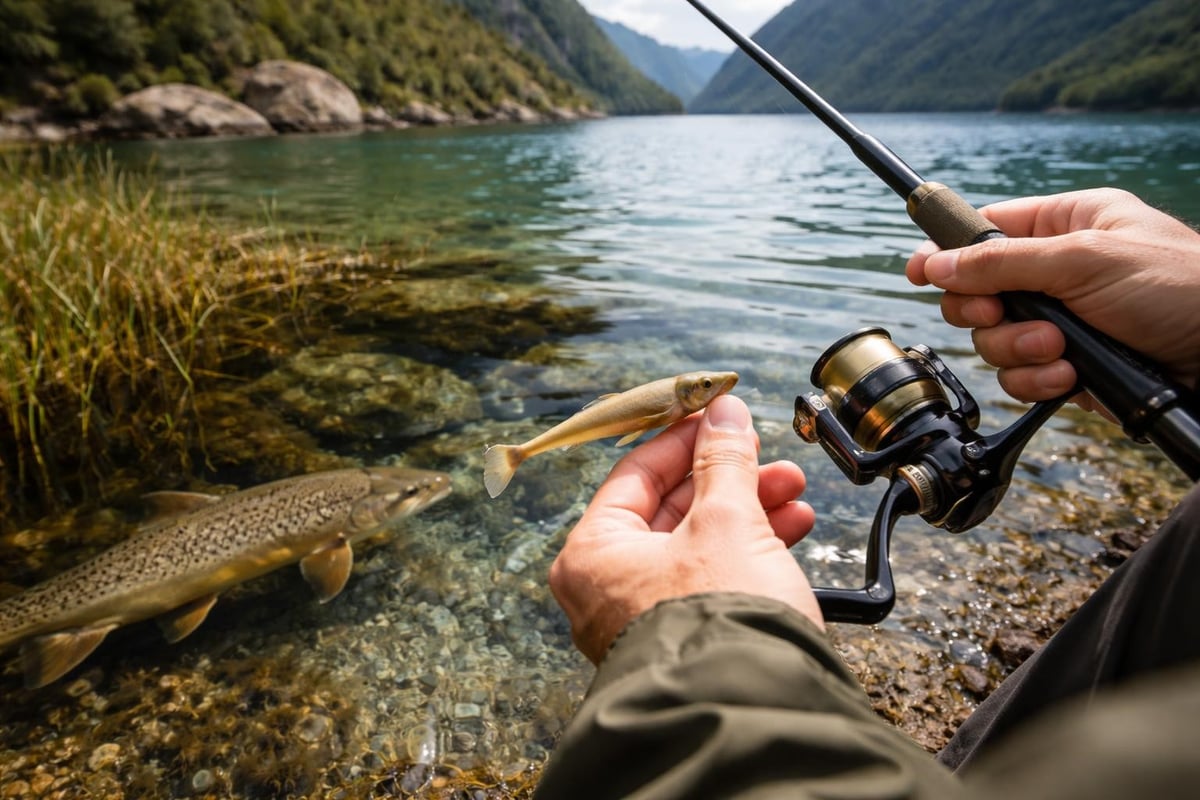
Large predators require robust soft plastics capable of withstanding violent strikes and powerful runs. Seven to ten-inch paddle tails in dark colors (black, purple, red) prove most effective.
| Technique | Depth Range | Best Conditions |
|---|---|---|
| Vertical jigging | 20-50 meters | Deep reefs, pinnacles |
| Slow pitch | 15-40 meters | Current edges, drop-offs |
| Cast and burn | Surface-15 meters | Schooling fish, bird activity |
| Mechanical jigging | 30-100 meters | Deep water structures |
Match your tackle to the fight ahead. Heavy jig heads (2-6 ounces) and strong hooks prevent losing trophy fish. When equipping your boat for these battles, having quality marine equipment from trusted suppliers ensures you're prepared for anything.
Choosing the right color dramatically affects productivity. Water clarity, light conditions, and forage species all influence optimal choices.
Transparent water demands natural presentations. Fish see details clearly, making realistic colors essential. Opt for translucent plastics in whites, clears with silver flake, and subtle browns or greens matching local baitfish.
During bright conditions, reduce lure visibility by selecting smaller sizes and understated colors. Overcast days or dawn/dusk periods allow slightly brighter options.
Dirty water reduces visibility, requiring high-contrast or vibrant colors. Chartreuse, pink, orange, and white show up well in limited visibility. Some anglers prefer two-tone combinations creating visible silhouettes.
Visibility enhancement techniques:
Observing local baitfish provides valuable intelligence. If pilchards dominate, select silver and blue soft plastics. Where piper or yellow-eyed mullet prevail, green and gold patterns excel. Bottom-dwelling species like crabs or shrimp justify brown, orange, and tan selections.
The range of lures and fishing equipment available today includes options for every scenario, from crystal-clear lakes to muddy harbours.
Quality varies significantly between manufacturers. Established brands consistently deliver superior performance through better materials and design.
Daiwa's Bait Junkie range represents top-tier soft plastic lures nz specialists rely on. These products feature Japanese engineering and materials testing, resulting in exceptional durability and action. The 3-inch and 4-inch models prove versatile across species.
Berkley Gulp technology revolutionized scented soft plastics, releasing 400 times more scent than standard plastics. This enhanced attraction draws fish from greater distances, particularly valuable in low-visibility conditions or when targeting finicky feeders.
Not every fishing situation demands premium products. House brands and value options allow anglers to stock tackle boxes economically, especially important when fishing snaggy terrain where lure loss rates increase.
These products work effectively when presentation matters more than subtle material differences. Focus on proper rigging and retrieve rather than brand names for consistent results.
Innovation continues driving soft plastic development. Flashing LED-equipped baits, biodegradable materials, and ultra-realistic swimbaits push boundaries. While not necessary for success, these specialty products offer advantages in specific scenarios.
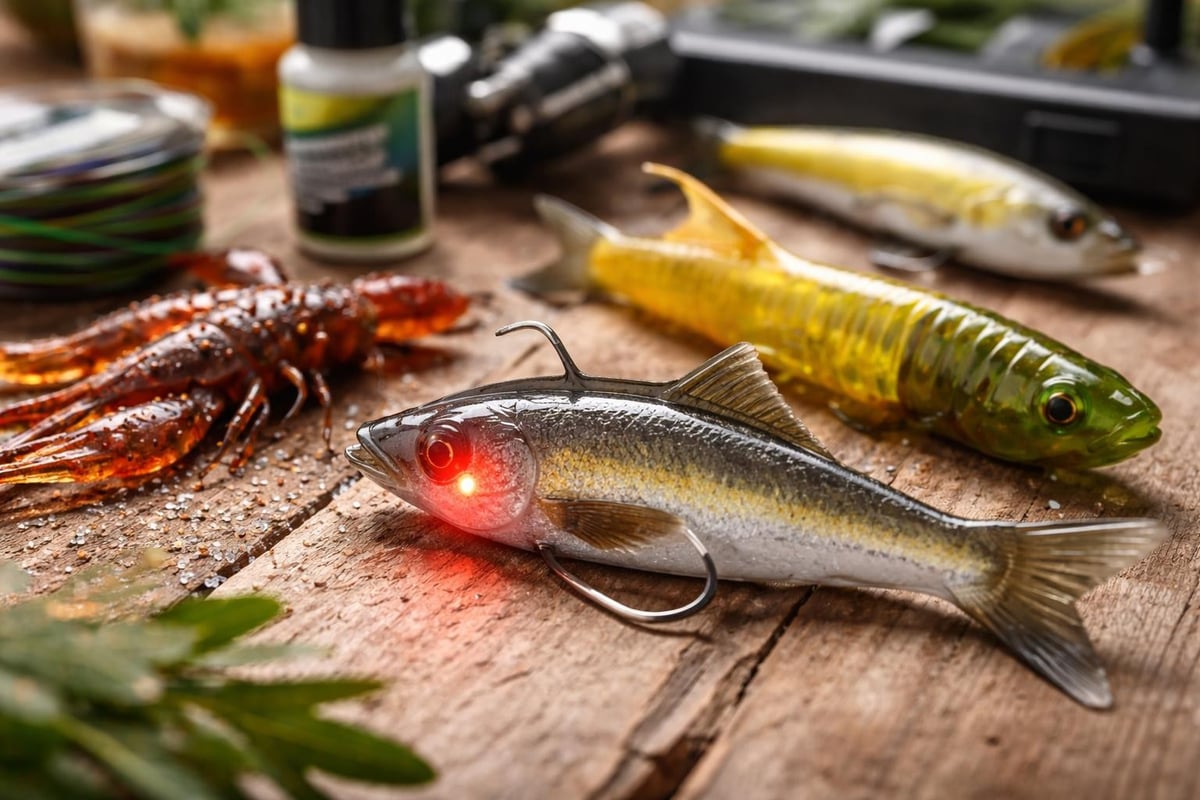
Proper care extends soft plastic life and maintains effectiveness. Simple habits prevent common problems.
Soft plastics deteriorate when stored incorrectly. Different plastic formulations react chemically when touching, causing melting and color bleeding. Store each color separately in individual compartments or sealed bags.
Heat accelerates degradation. Keep tackle boxes out of direct sunlight and hot vehicles. Cool, dark storage preserves scent treatments and material integrity longest.
Efficient organization saves time and frustration on the water. Categorize soft plastic lures nz anglers accumulate by size, then color within each size category. Label compartments clearly for quick selection during active fishing.
Organization strategies:
Torn or damaged soft plastics remain fishable with minor repairs. Superglue repairs small tears effectively. Partially damaged lures can be cut down for smaller presentations.
Some anglers enhance older plastics by adding fresh scent products or dipping them in attractants. While not as effective as new scent-impregnated products, this extends utility.
Soft plastics contribute to marine pollution when lost or discarded. Responsible anglers minimize environmental impact through conscious practices.
Several manufacturers now produce biodegradable soft plastics breaking down naturally in aquatic environments. While typically more expensive, these products reduce long-term environmental damage from lost lures.
Performance generally matches traditional plastics, making them viable alternatives for conservation-minded anglers. As demand increases, prices continue dropping toward conventional options.
Preventing losses protects both your wallet and the environment. Use appropriate tackle strength for conditions. When snagged, point your rod directly at the snag and pull steadily rather than jerking, which often breaks line above the lure.
Loss prevention tactics:
Never discard damaged soft plastics in waterways. Even small pieces harm wildlife through ingestion. Collect unusable lures and dispose of them in proper waste receptacles. Some tackle shops operate recycling programs for soft plastics.
When upgrading your fishing setup or exploring essential fishing accessories, consider environmentally responsible options that support sustainable fishing practices.
Once fundamentals become second nature, advanced methods unlock new potential in challenging scenarios.
Modifying soft plastics tailors them to unique conditions. Trimming tail sections alters action and fall rate. Adding or removing weight changes depth zones. Combining different lure parts creates custom profiles unavailable commercially.
Some anglers inject additional scent into unscented plastics or enhance factory scents. Garlic, anise, and fish oil show proven effectiveness. Experiment with modifications on less expensive lures before customizing premium products.
Successful soft plastic fishing requires understanding where fish position themselves. Current breaks, depth changes, temperature boundaries, and structure all concentrate gamefish. Electronics help locate these features, but experienced anglers read surface clues.
Visible current lines, color changes, bird activity, and bait schools indicate productive zones. Position your boat to present lures naturally through these areas, allowing current and lure weight to maintain contact with strike zones.
Fish behavior changes throughout the year, demanding presentation modifications. Winter fish become lethargic, preferring slower presentations and smaller profiles. Summer aggression allows faster retrieves and larger lures.
Spawning periods create opportunities and restrictions. Understand regulations regarding fishing during spawning seasons, respecting closed areas and protected species. When legal, targeting pre-spawn and post-spawn fish with appropriate soft plastic lures nz regulations allow produces memorable catches.
Soft plastics complement other fishing methods rather than replacing them. Versatile anglers combine techniques for maximum effectiveness.
When soft plastics stop producing, switching to hard-bodied lures, metal jigs, or surface poppers often triggers fresh strikes. Fish become conditioned to specific presentations, making variety essential.
Carry multiple rod setups rigged differently. This allows rapid technique changes without re-rigging, maximizing time in productive zones during brief feeding windows.
Some situations benefit from mixing approaches. Use soft plastics to locate active fish, then switch to live or cut bait for selective feeders. Conversely, when bait fishing slows, casting soft plastics covers more water efficiently.
Commercial operations targeting multiple species benefit from this flexibility. Quick adaptability to changing conditions maximizes productivity across varied fishing scenarios.
For those involved in commercial or community fishing operations, soft plastics serve valuable scouting functions. Before deploying nets, casting lures identifies bait concentrations and predator activity. This intelligence improves net placement decisions and catch efficiency.
Quality equipment from experienced fishing gear manufacturers ensures all aspects of your operation run smoothly, from nets to complementary tackle.
Mastering soft plastic lures opens exceptional opportunities across New Zealand's diverse fisheries, whether pursuing trophy trout in pristine lakes or targeting snapper along rocky coastlines. Success comes from understanding lure selection, rigging fundamentals, retrieval techniques, and species-specific approaches. While Action Outdoors Limited specializes in manufacturing premium fishing nets and marine equipment, we recognize that complete fishing success requires quality gear across all categories. Explore our comprehensive range of New Zealand-made fishing equipment and accessories at Action Outdoors Limited to ensure your next fishing adventure is properly equipped for success.
Leave a comment