
Email

New Zealand's diverse fishing environments demand specialized equipment that can handle everything from tranquil alpine streams to challenging coastal waters. Whether you're targeting trout in the backcountry, kahawai from the surf, or snapper from a boat, the right spinning rod makes all the difference between a frustrating day and a successful fishing adventure. Understanding how to select, use, and maintain spinning rods nz anglers rely on ensures you're prepared for the unique conditions found throughout the country's remarkable fishing destinations.
Spinning rods represent the most versatile fishing tool available to New Zealand anglers, offering exceptional casting accuracy and fish-fighting capabilities across multiple species and environments. These rods pair with spinning reels mounted underneath the rod, creating a balanced system that allows for precise lure presentation and effortless line management.
The basic anatomy of spinning rods nz fishers use includes several critical components. The blank forms the rod's backbone, typically constructed from graphite, fiberglass, or composite materials. The guides run along the underside of the rod, directing line from the reel to the tip. The reel seat secures your spinning reel in place, while the handle provides comfortable grip during extended fishing sessions.
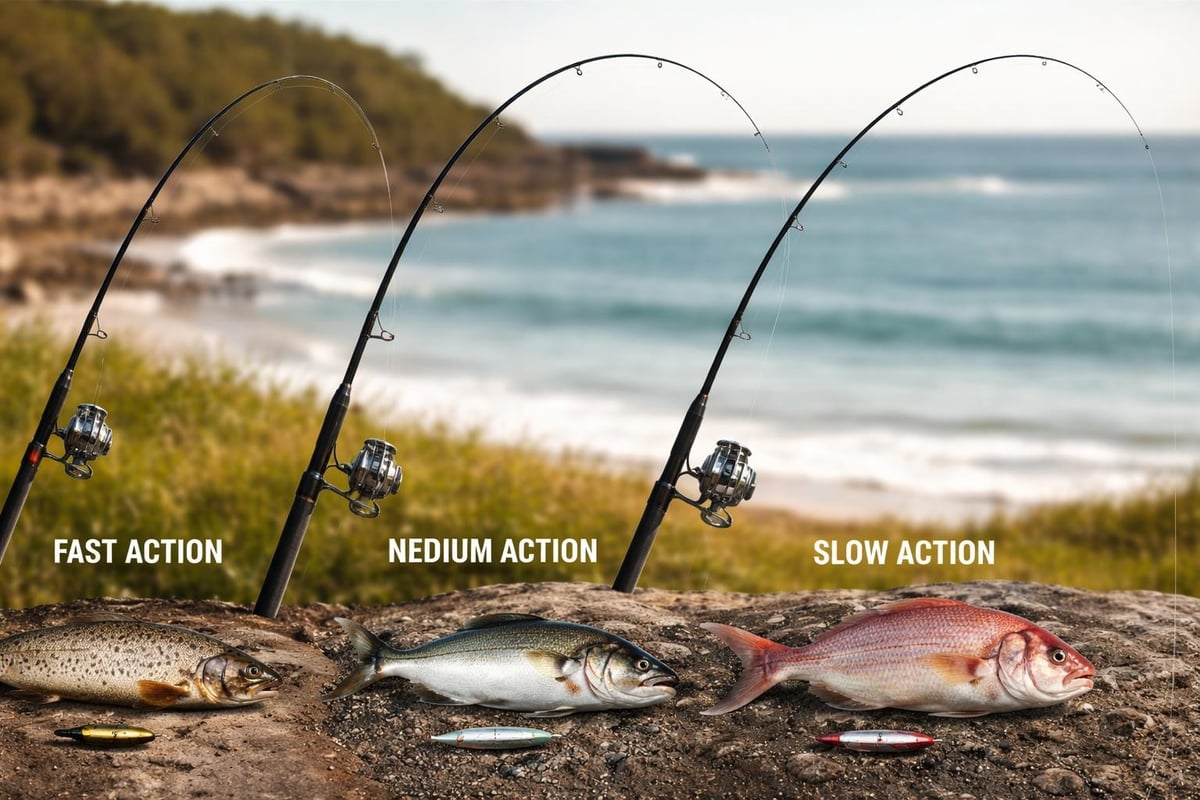
Rod action describes where the rod bends along its length when pressure is applied. Fast action rods bend primarily in the top third, providing maximum sensitivity and powerful hooksets. Medium action rods bend in the upper half, offering a balance between sensitivity and forgiveness. Slow action rods bend throughout their entire length, creating a parabolic curve ideal for fighting fish on light lines.
Power ratings indicate the rod's resistance to bending under load:
Length significantly impacts casting distance, accuracy, and fish-fighting leverage. Shorter rods (5-6 feet) excel in tight spaces like overgrown streams or kayak fishing. Medium-length rods (6-7 feet) provide versatility for most New Zealand fishing situations. Longer rods (7-9 feet) maximize casting distance from beaches and provide superior line control when fighting fish.
When choosing the right rod for New Zealand fishing, consider your primary fishing environment. Alpine streams demand lightweight, shorter rods that navigate overhanging vegetation. Coastal surf fishing requires longer rods that punch lures through wind and reach productive water beyond the break zone.
| Species | Recommended Length | Power Rating | Line Weight | Typical Lures |
|---|---|---|---|---|
| Rainbow Trout | 6-7 feet | Light-Medium | 4-8 lb | Spinners, soft plastics |
| Brown Trout | 6.5-7.5 feet | Medium | 6-10 lb | Hardbody lures, spoons |
| Kahawai | 7-8 feet | Medium | 8-15 lb | Metal slices, poppers |
| Snapper | 7-8.5 feet | Medium-Heavy | 12-20 lb | Soft baits, jigs |
| Kingfish | 7.5-8.5 feet | Heavy | 20-30 lb | Large jigs, stickbaits |
The versatility of spinning rods nz anglers prefer becomes evident when considering the range of techniques they support. From delicate presentations with unweighted soft plastics to aggressive working of topwater lures, a properly matched spinning rod handles diverse fishing scenarios with confidence.
Modern spinning rod construction utilizes advanced materials that balance strength, weight, and sensitivity. Graphite (carbon fiber) rods dominate the high-performance segment, offering exceptional sensitivity and reduced weight. These rods transmit subtle bites directly to your hand, crucial when fishing for wary species in clear New Zealand waters.
Fiberglass rods provide superior durability and forgiveness, making them ideal for beginners or situations where rod survival matters more than ultimate sensitivity. The slower action of fiberglass naturally cushions hooksets, reducing the chance of pulling hooks from soft-mouthed fish.
Composite construction combines graphite and fiberglass, creating rods that offer balanced performance across multiple criteria. These rods appeal to anglers seeking one versatile rod for varied fishing situations.
Manufacturing quality impacts long-term performance and reliability. Premium rods feature:
When exploring different rod types and brands available in New Zealand, examine these construction details carefully. A well-built rod provides years of reliable service, while inferior construction leads to premature failure.
Spinning rods nz fishermen deploy support numerous fishing techniques, each requiring specific rod characteristics for optimal performance. Understanding these techniques helps match your rod selection to your preferred fishing style.
Spin fishing in New Zealand's freshwater environments demands precision and finesse. When targeting trout in rivers and streams, short casts to specific holding areas produce better results than blind casting. A 6.5-7 foot medium-light rod allows accurate placement of spinners and small hard-body lures into pockets behind rocks and beneath overhanging banks.
Lake fishing for trout requires different tactics. Longer casts from shore benefit from 7-7.5 foot rods that load deeply during the cast, propelling lures to maximum distance. When trolling lures behind a boat, medium action rods absorb the strike impact, preventing pulled hooks while providing adequate backbone for landing fish.
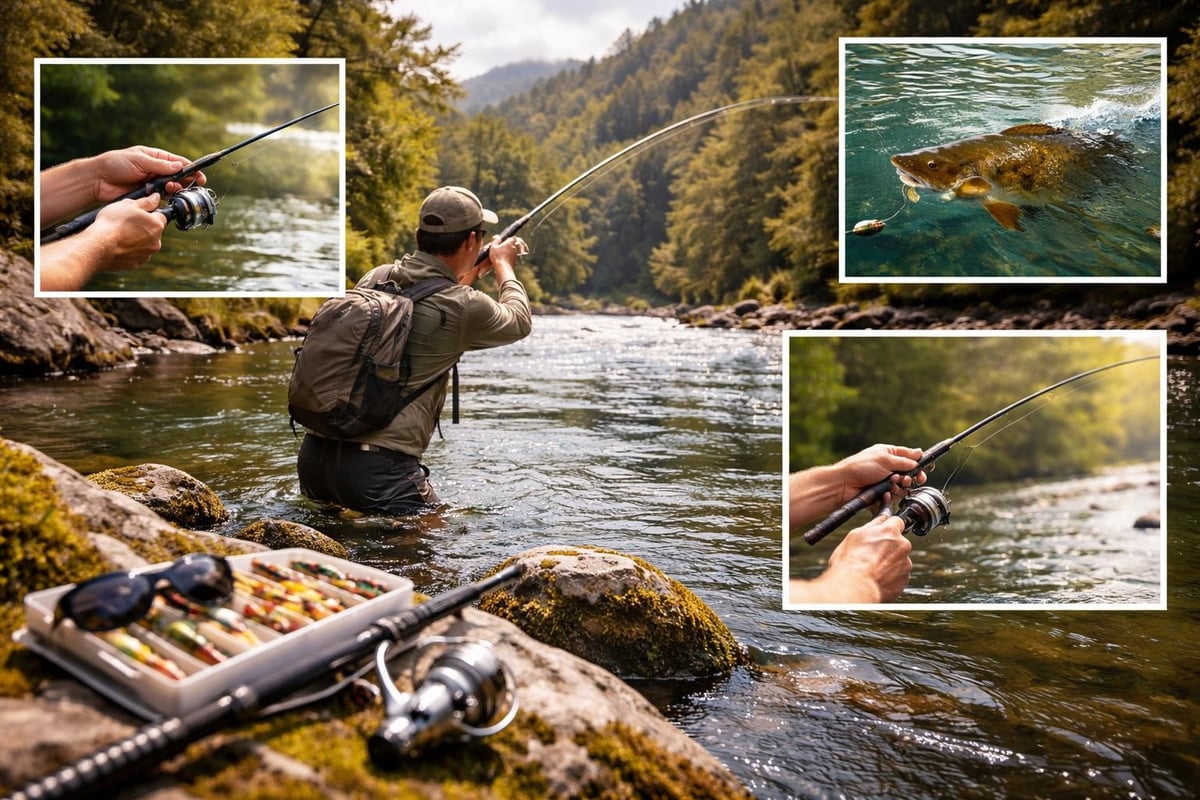
Coastal fishing presents unique challenges requiring robust equipment. Surf casting from beaches demands rods 8-9 feet long with sufficient power to punch metal slices through onshore winds. The extended length provides leverage when fighting fish in breaking waves and surf.
Boat-based fishing for snapper and similar species works best with 7-8 foot rods offering medium to medium-heavy power. These rods handle the weight of larger soft baits and jigs while providing sensitivity to detect subtle bites on the bottom. Mechanical jigging techniques especially benefit from specialized spinning rods designed for repetitive vertical jigging motions.
Estuary and harbor fishing requires versatility. A 7 foot medium power rod handles everything from casting small soft plastics for flounder to working larger lures for kingfish patrolling drop-offs.
Proper maintenance extends rod lifespan and ensures reliable performance when it matters most. Saltwater exposure accelerates corrosion and deterioration, making post-fishing care essential for spinning rods nz anglers use in coastal environments.
After each saltwater session:
Storage practices significantly impact rod condition. Store rods vertically or in horizontal racks that support the entire length. Avoid leaning rods against walls, which can create permanent bends in the blank. For multi-piece rods, store sections in their protective tube when not in use.
Regular inspection identifies problems before they cause failures. Check guides for:
The reel seat requires periodic checking to ensure the locking mechanism functions smoothly. Corrosion can seize reel seat threads, making reel removal difficult. Apply light lubrication to threads annually to maintain smooth operation.
Spinning rod prices in New Zealand range from budget-friendly options under $100 to premium models exceeding $500. Understanding where your investment delivers genuine value helps make informed purchasing decisions.
Entry-level rods ($50-150) provide basic functionality suitable for occasional anglers or those learning the sport. These rods typically feature fiberglass or lower-modulus graphite blanks with standard components. While lacking the refinement of premium rods, they perform adequately for recreational fishing.
Mid-range rods ($150-300) represent the sweet spot for most anglers. These rods incorporate quality graphite blanks, durable guides, and reliable components. The best fishing rod brands offer excellent options in this price bracket, delivering performance that satisfies demanding anglers without breaking the budget.
Premium rods ($300-500+) feature cutting-edge materials, refined actions, and superior components. These rods appeal to serious anglers who fish frequently and demand maximum performance. The weight savings, increased sensitivity, and refined actions justify the investment for dedicated fishermen.
| Price Range | Blank Material | Guide Quality | Best For | Expected Lifespan |
|---|---|---|---|---|
| $50-100 | Fiberglass | Basic | Beginners, kids | 2-4 years |
| $100-200 | Low-mod graphite | Standard | Casual anglers | 3-6 years |
| $200-350 | High-mod graphite | Quality | Regular anglers | 5-10 years |
| $350-500+ | Premium graphite | Premium | Serious anglers | 10+ years |
When evaluating spinning rods nz retailers stock, consider total cost of ownership rather than just initial price. A quality rod lasting ten years represents better value than replacing cheap rods every two years.
The rod forms just one component of an integrated fishing system. Optimal performance requires thoughtful pairing with appropriate reels, line, and terminal tackle.
Match reel size to rod specifications for proper balance. A heavy reel on a light rod creates an unbalanced system causing arm fatigue. Conversely, a tiny reel on a heavy rod looks ridiculous and performs poorly.
General reel sizing guidelines:
Quality spinning reels feature smooth drags, reliable bail mechanisms, and corrosion-resistant construction. The drag system's smoothness becomes critical when fighting fish on light lines where sudden jerks mean lost fish.
Line choice impacts casting distance, sensitivity, and fish-landing success. Three primary line types serve different purposes:
Monofilament offers stretch that cushions hooksets and forgives mistakes. Its buoyancy keeps topwater lures floating naturally. Budget-friendly monofilament suits most recreational fishing applications.
Fluorocarbon provides near-invisibility underwater, crucial in clear New Zealand streams and lakes. Its density sinks lures quickly and transmits bites with minimal stretch. Use fluorocarbon as leader material or mainline when stealth matters.
Braid delivers zero-stretch sensitivity and incredible strength-to-diameter ratios. Braid's thin diameter slices through wind and water, extending casting distance. Pair braid mainline with fluorocarbon leaders for optimal performance in many situations.
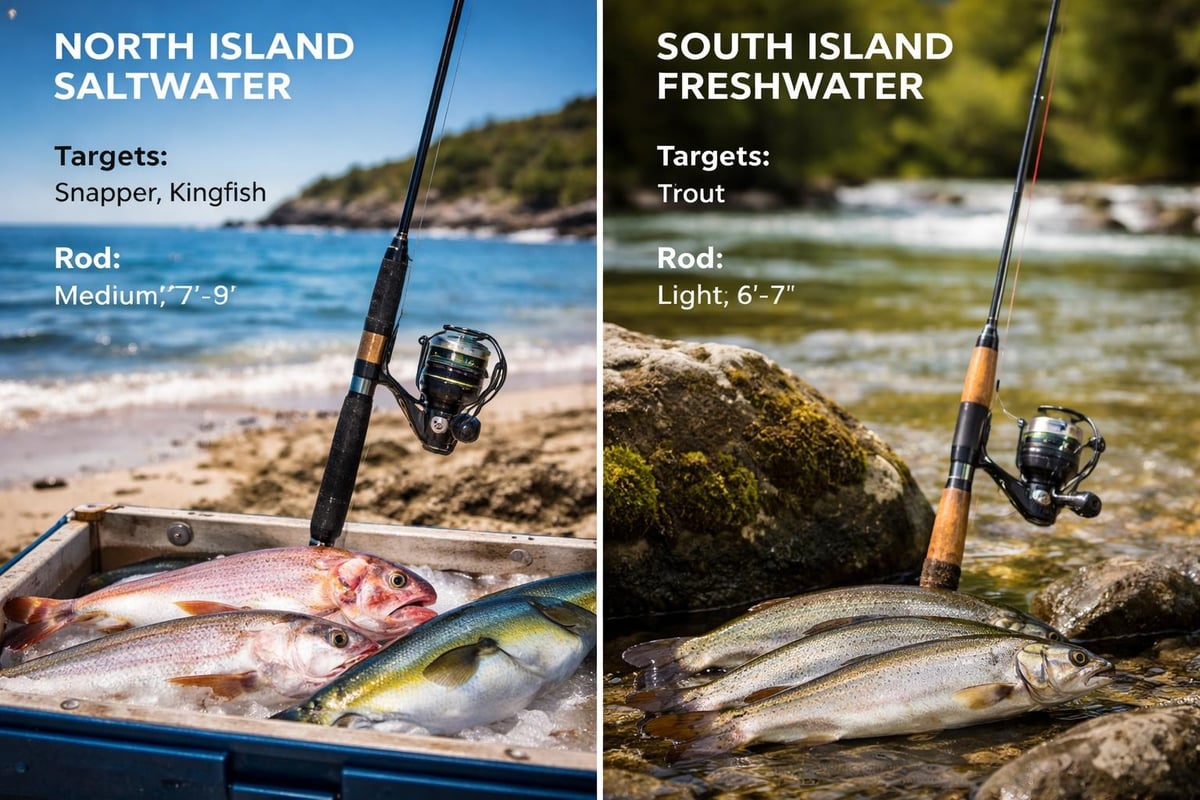
New Zealand's regions present distinct fishing challenges requiring adapted approaches. North Island anglers targeting kingfish and snapper from boats need different spinning rods nz than South Island backcountry fishermen pursuing wild browns in mountain streams.
Coastal waters around Auckland, Tauranga, and Northland offer world-class saltwater fishing. Longer, more powerful rods handle the larger lures and stronger fish common in these productive waters. Corrosion resistance becomes paramount given the heavy saltwater exposure.
Rotorua's lakes demand specialized approaches for trophy trout. Harling (trolling) techniques benefit from rods with softer tips that absorb the trolling impact while maintaining sufficient backbone for landing heavy fish.
The South Island's renowned trout fisheries present sight-fishing opportunities in gin-clear waters. Lighter rods with subtle actions allow delicate presentations that don't spook wary fish. Shorter rods navigate the tight confines of bush-lined streams more effectively than longer models.
Fiordland's challenging conditions require robust rods capable of handling large sea-run browns and salmon. The combination of heavy fish and swift currents demands rods with substantial power reserves.
Beyond basic specifications, experienced anglers consider nuanced factors when selecting spinning rods nz suppliers offer. These refinements separate adequate performance from exceptional results.
Modern rod tapers utilize computer modeling to optimize performance characteristics. Fast-taper designs concentrate flex in the tip section, providing crisp loading during casts and immediate power transmission during hooksets. Progressive tapers distribute flex more evenly throughout the blank, creating smoother casting strokes and more forgiving fish-fighting characteristics.
Blank wall thickness varies along the rod's length, with thinner walls in low-stress areas reducing weight while maintaining strength where needed. Premium manufacturers invest heavily in taper optimization, producing rods that feel lively in hand while delivering consistent performance.
Guide count and placement dramatically affect casting performance and line management. Too few guides allow excessive line sag between guides, reducing casting distance and accuracy. Too many guides add weight and create friction points. Optimal guide placement balances these factors based on rod length and intended use.
Guide material evolution continues advancing. Traditional ceramic inserts work well for monofilament but can groove when used with braid. Modern alternatives like silicon carbide, Alconite, and Titanium oxide resist grooving while offering ultra-smooth surfaces that minimize friction.
New Zealand's fishing seasons influence optimal spinning rod selection. Summer's low, clear water conditions favor finesse approaches with lighter rods. Winter's higher flows and colored water allow heavier tackle and more aggressive presentations.
Summer fishing (December-February) benefits from light to medium-light rods that delicately present small lures to selective fish. Water temperatures peak during summer, increasing fish metabolism and feeding activity. Subtle presentations with appropriately matched spinning rods nz anglers select for summer conditions produce consistent results.
Autumn fishing (March-May) sees transitioning conditions as fish prepare for winter. Medium power rods handle the larger lures often productive during autumn. Brown trout become particularly aggressive before spawning, responding well to substantial offerings worked with rods offering sufficient backbone.
Winter fishing (June-August) challenges anglers with cold water and slower fish metabolism. Patient presentations with precisely controlled lure speeds require sensitive rod tips that telegraph subtle bites. Longer rods help keep lines off the water during cold mornings when ice forms in guides.
Spring fishing (September-November) brings renewed activity as water temperatures rise. Versatile medium-power rods handle varied conditions encountered during spring's unpredictable weather patterns. Fresh-run fish respond to both subtle and aggressive approaches, rewarding anglers carrying appropriate tackle.
Even quality spinning rods nz fishers trust can develop problems affecting performance. Recognizing and addressing issues maintains optimal functionality.
Excessive line twist causes frustrating tangles and reduces casting distance. Spinning reels naturally impart some twist, but problems escalate when using certain lures or retrieval techniques. Reduce line twist by:
Reduced sensitivity makes detecting subtle bites difficult. Check for:
Diminished casting distance indicates potential problems. Investigate:
Spinning rods function as part of comprehensive fishing systems encompassing nets, tackle storage, and support equipment. Action Outdoors Limited supplies the complete range of fishing and marine equipment New Zealand anglers need for successful outings. From quality nets for landing prize catches to robust ropes and marine accessories, integrated equipment systems ensure every fishing component works together seamlessly.
Proper landing nets complement spinning rod capabilities, allowing safe fish handling without gear damage. Choose net sizes appropriate to target species, with mesh that won't tangle lures or damage fish. Storing tackle in organized systems reduces time searching for equipment and increases productive fishing time.
Transport and protection equipment safeguards your investment. Quality rod tubes protect blanks during vehicle transport and prevent damage when hiking to remote locations. Rod racks in boats keep rods secure while under way and readily accessible when fish appear.
Selecting the right spinning rods nz anglers need requires understanding your target species, preferred fishing environments, and budget constraints. Whether pursuing trophy trout in backcountry streams or battling kingfish from coastal waters, matching rod specifications to your fishing style delivers optimal results. For comprehensive fishing and marine equipment beyond rods, including quality nets, ropes, and accessories manufactured to New Zealand's demanding standards, explore the extensive range at Action Outdoors Limited. Their expertise in fishing equipment and commitment to quality ensures you have the complete system needed for successful fishing adventures across New Zealand's remarkable waters.
Leave a comment