
Unlock the secret to landing bigger catches in 2026 by choosing the right gear for your next trip. Many anglers miss out on the best results simply because they overlook the importance of selecting the perfect cast net.
This expert guide is designed to help you confidently buy cast nets that match your fishing goals, skill level, and local regulations. Our step-by-step approach will empower you to maximize your success on the water.
Explore cast net basics, essential buying factors, top brands, expert usage tips, and the latest 2026 trends. Take control of your fishing experience with advice trusted by professionals.
Understanding Cast Nets: Types, Uses, and Benefits
Cast nets have played a vital role in fishing traditions for centuries. Today, anglers who want to buy cast nets can benefit from a wide range of designs, materials, and features. Understanding the basics is the first step toward making the right purchase for 2026.
What is a Cast Net?
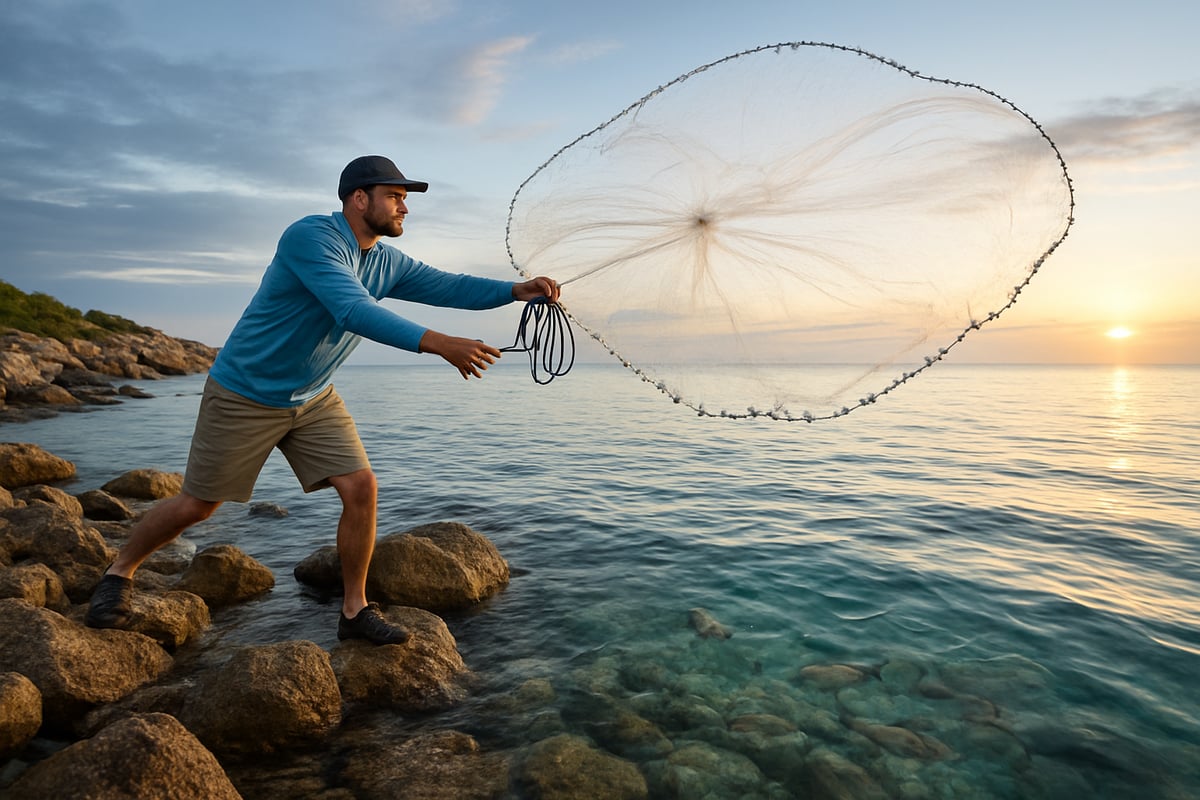
A cast net is a circular net with weighted edges, designed for throwing by hand to capture fish. Its origins date back thousands of years, with ancient cultures perfecting the technique for efficient harvests. When you buy cast nets, you are tapping into a proven method that uses a quick toss and a rapid sink to trap fish or bait in shallow water. Common targets include mullet, shrimp, and sardines.
Main Types of Cast Nets
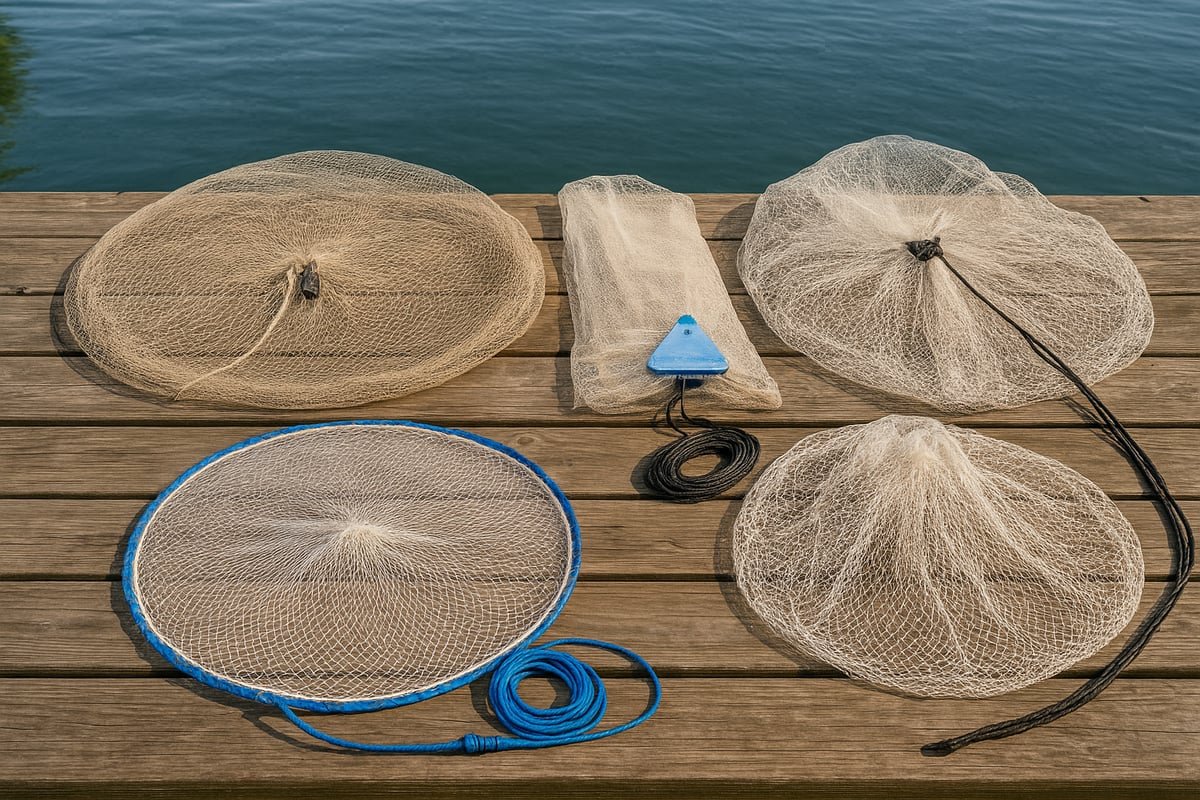
When you buy cast nets, you will encounter options like monofilament and multifilament nets. Monofilament nets are almost invisible underwater, perfect for clear conditions, while multifilament nets are more durable in rough environments. Cast nets come in circular (panel) and traditional round shapes. Most are hand-thrown, but mechanical assist nets are also available for those seeking easier use.
Key Benefits of Using Cast Nets
Many fishers buy cast nets for their efficiency. With a single throw, you can capture a large amount of bait or small fish. Cast nets are cost-effective for both recreational and commercial users, reducing the need for expensive tackle or bait purchases. They also have a lower environmental impact compared to other gear, since unwanted species can be released quickly and safely.
Typical Applications and Legal Considerations
People buy cast nets for recreational, subsistence, and commercial fishing. Applications range from catching live bait for sport fishing to harvesting food for families or communities. Before using a net, always check regional regulations on mesh size, restricted areas, and licensing. To learn more about different types and uses, see this guide on cast net types and fishing uses. Following local rules ensures responsible and legal fishing in 2026.
Cast Net Construction and Materials
Cast nets are often made from nylon, polyethylene, or monofilament. Nylon offers flexibility and strength, while monofilament provides stealth in the water. Durability is key—look for reinforced seams and easy-to-repair designs. The weights around the edge, often lead or steel, determine how fast the net sinks and how well it performs in various water conditions.
Factors Affecting Performance
Mesh size directly influences which fish you can catch with your net. Smaller mesh is best for baitfish, while larger mesh targets bigger species. The net’s radius affects how far and wide you can cast, and rope length impacts retrieval speed. Choose your net carefully to match your skill and local fishing conditions for the best results.
Key Factors to Consider When Buying a Cast Net
Choosing to buy cast nets is a significant step toward a successful fishing experience. The right net can make a noticeable difference in catch rates, efficiency, and overall satisfaction. To help you make an informed decision, let us break down the essential factors every angler should consider before making a purchase.
Mesh Size and Target Species
Mesh size is one of the most critical specifications when you buy cast nets. The mesh determines which species you can legally and effectively catch. For instance, small mesh (1/4 inch) is ideal for shrimp and small baitfish, while larger mesh (1/2 inch or more) is better for mullet or similar species.
Selecting the correct mesh size not only improves catch rates but also helps reduce bycatch, supporting sustainable fishing. Always check local regulations to ensure your chosen mesh size is compliant.
Net Size and Weight
When you buy cast nets, net diameter and weight should match your skill level and fishing environment. Beginners often start with smaller nets (4 to 6 feet radius) for easier handling, while experienced anglers might prefer larger nets (up to 10 feet) for greater coverage.
Consider the weight system, as well. Lead weights are common for rapid sinking, but some prefer steel for environmental reasons. Heavier nets sink faster but require more strength to throw effectively.
Material Quality and Durability
Material selection is crucial when you buy cast nets, especially if you fish regularly or in saltwater. Common materials include monofilament, nylon, and polyethylene. Monofilament nets are popular for their invisibility underwater, but nylon offers excellent durability and repairability.
Look for UV-resistant coatings and corrosion-resistant components to ensure your net lasts through many seasons. Inspect knots and seams, as these areas often show early signs of wear.
Throwing Mechanism and User Experience
The method used to throw your net impacts both efficiency and comfort. Hand-thrown nets are traditional and favored by many, but newer mechanical assist designs provide extra support for beginners or those casting larger nets.
Ergonomic features such as padded wrist straps, easy-grip ropes, and tangle-free retrieval systems enhance the overall experience. Testing a net before purchase, if possible, can help identify which features suit your needs best.
Price vs. Performance
When you buy cast nets, balancing your budget with net performance is key. Recreational users may find mid-range models sufficient, while commercial fishers often invest in premium nets for longevity and reliability.
Price ranges in 2026 vary widely, starting around $40 for basic models and exceeding $200 for advanced, professional-grade nets. Consider expected lifespan, replacement costs, and warranty coverage when assessing the true value.
Brand Reputation and Warranty
Brand reputation matters when you buy cast nets. Established brands are known for reliability, consistent quality, and responsive customer service. Always check warranty terms, as a solid warranty signals manufacturer confidence and protects your investment.
Look for brands with positive user reviews, transparent product information, and accessible after-sales support. Leading brands in 2026 continue to innovate, offering improved materials and enhanced user features.
Where to Buy: Online vs. In-store
Deciding where to buy cast nets is another important step. Online marketplaces offer convenience, broader selections, and access to specialty collections like American and Japanese style cast nets, where you can compare different models and styles.
In-store purchases allow hands-on inspection and immediate feedback from staff, which is valuable for beginners. Consider shipping times, return policies, and the ability to access expert advice when choosing your buying channel.
Step-by-Step Guide: How to Choose the Right Cast Net in 2026
Choosing the perfect cast net in 2026 is a process that rewards careful planning and attention to detail. By following these seven actionable steps, you will be well-equipped to buy cast nets that fit your fishing style, legal requirements, and long-term needs. Let’s break down the process for maximum success.
Step 1: Define Your Fishing Goals and Target Species
Begin by clarifying your main fishing objectives. Are you casting for live bait, targeting mullet for food, or planning commercial use? Each scenario requires a different approach when you buy cast nets.
Identify the primary species in your local waters and consider their average size. This will help you determine the mesh size, net diameter, and overall design best suited to your needs.
- Ask yourself: Will you fish in shallow estuaries, deep rivers, or coastal areas?
- Consider the species’ behavior, such as schooling patterns or preferred habitats.
By outlining your goals, you ensure each feature of the net aligns with your intended catch.
Step 2: Check Local Regulations and Restrictions
Before you buy cast nets, thoroughly research local fishing regulations. Many regions set rules on mesh size, net diameter, and permitted fishing zones. These restrictions protect fish populations and ensure sustainable practices.
- Consult state or national authorities for up-to-date requirements.
- Review licensing or permit obligations for 2026.
- Verify any seasonal closures or restricted areas.
For detailed, up-to-date rules in your area, consult resources like the U.S. Cast Net Regulations by State. Staying informed keeps your fishing legal and responsible.
Step 3: Select the Appropriate Net Size and Mesh
Once legal parameters are clear, match your net size and mesh to your target species and skill level. When you buy cast nets, remember that larger nets can capture more fish but may be harder to throw.
- For small baitfish, opt for a fine mesh (1/4 to 3/8 inch).
- For mullet or larger species, a mesh of 1/2 inch or more is suitable.
- Beginners benefit from smaller nets (4–6 feet radius), while experienced users may prefer 8 feet or larger.
Always balance coverage area with ease of handling for the best results.
Step 4: Evaluate Material and Build Quality
Material selection is crucial when you buy cast nets. High-quality nylon or polyethylene nets offer strength, flexibility, and resistance to abrasion. Monofilament nets are less visible underwater, which can improve catch rates.
Examine the knots, seams, and weighted lines for durability. Corrosion-resistant components are essential for saltwater use. Well-constructed nets last longer, saving you money over time.
- Inspect for reinforced stitching and smooth, snag-free mesh.
- Check the distribution and type of weights.
- Consider UV protection for longevity in sunny climates.
A durable net pays dividends through consistent performance.
Step 5: Assess Throwing Mechanism and Handling
Ease of use is a major factor for both beginners and seasoned anglers looking to buy cast nets. Hand-thrown nets dominate recreational fishing, but mechanical assist options are gaining popularity for their user-friendly features.
- Test the net’s rope length and retrieval system for comfort.
- Look for ergonomic grips, tangle-free designs, and balanced weighting.
- Evaluate how easily the net opens and sinks.
A comfortable throwing mechanism reduces fatigue and boosts your casting accuracy, especially over long sessions.
Step 6: Compare Brands, Reviews, and Price Points
Before making your final decision to buy cast nets, research reputable brands and read user reviews. Leading manufacturers often offer innovations in design, durability, and warranty coverage.
- Compare price ranges for recreational and commercial models.
- Assess included warranties and after-sales support.
- Analyze user feedback for real-world insights on performance.
Balancing cost with quality ensures you get the best value for your investment in 2026.
Step 7: Make the Purchase and Prepare for Use
Once you have chosen the ideal net, purchase from a trusted supplier with a clear return policy. Upon arrival, pre-soak the net to remove manufacturing residues and test it in a safe area before your first fishing trip.
- Review the supplier’s instructions for setup and care.
- Practice your throwing technique to ensure a smooth spread.
- Inspect for any defects or shipping damage.
Proper preparation ensures your new cast net delivers optimal performance from day one.
Top Cast Net Brands and Models for 2026
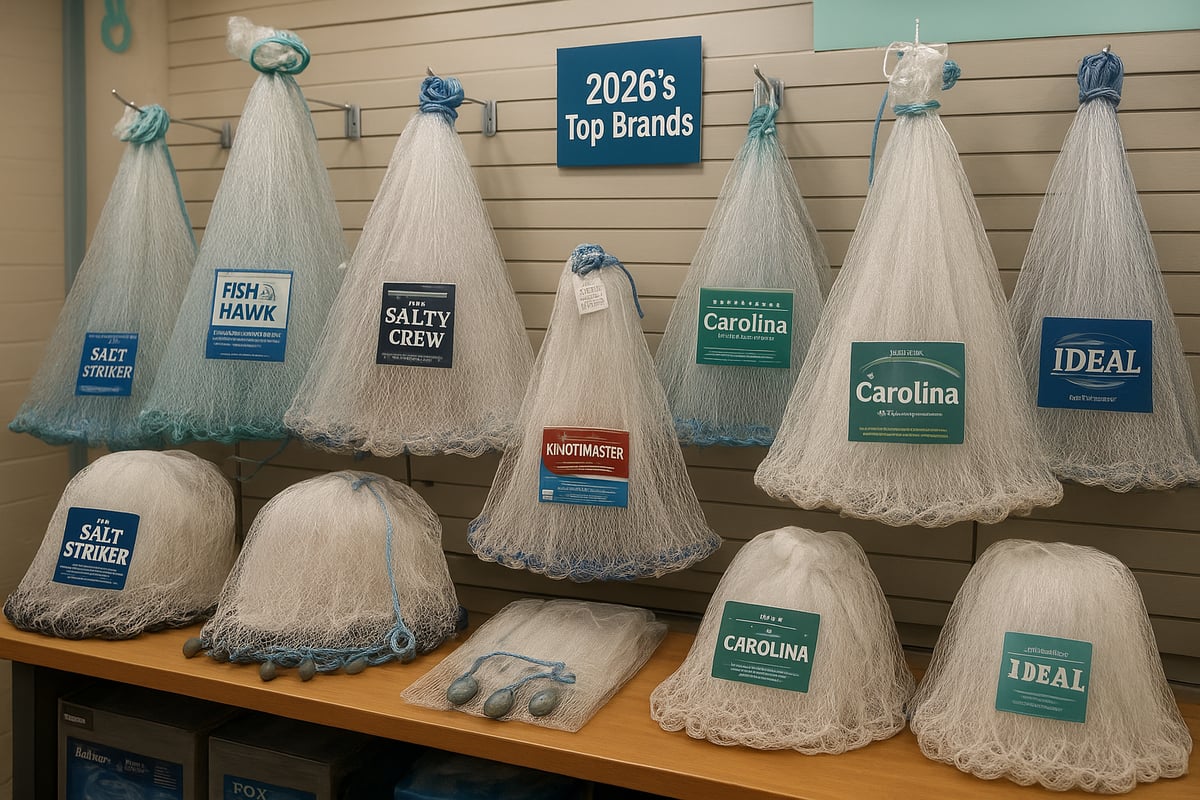
Choosing the right brand is crucial when you want to buy cast nets that deliver consistent results. The 2026 market features both trusted names and innovative newcomers, each offering unique strengths. Understanding which brands lead the pack helps you avoid costly mistakes and ensures your investment pays off on the water.
Leading Brands to Watch in 2026
When anglers set out to buy cast nets this year, several brands stand out for their reliability and cutting-edge features. Established manufacturers like Betts, Fitec, and Action Outdoors continue to dominate, while emerging brands focus on eco-friendly materials and smart net technologies.
These brands are known for rigorous quality control and responsive customer service. In 2026, many have introduced enhancements such as reinforced seams and advanced sinking systems. Customer feedback consistently praises their durability and performance, making them top choices for both beginners and pros.
Best Cast Nets for Beginners
If you are new and ready to buy cast nets, look for models that prioritize ease of use and affordability. Entry-level options from brands like Fitec and Joy Fish are designed with smaller radii and lightweight materials, making them easier to throw and retrieve.
Popular beginner models often feature color-coded hand lines, soft mesh for quick learning, and accessible price points. High user ratings highlight their forgiving nature, which helps new anglers achieve successful casts without frustration. These nets are perfect for learning fundamental techniques while still landing quality bait.
Best Cast Nets for Experienced Anglers
Experienced fishers who buy cast nets demand advanced features for challenging conditions. Premium models from Action Outdoors and Betts offer larger radii, heavy-duty monofilament, and pro-grade construction. Reinforced panels and precision-weighted leads provide better spread and faster sinking.
These nets are favored by commercial users and tournament anglers who require maximum efficiency. Experienced users appreciate the balance between robust build quality and smooth handling, which translates into bigger catches and reliable performance in diverse environments.
Innovative Cast Net Technologies in 2026
The decision to buy cast nets in 2026 comes with exciting new technologies. Smart nets now integrate sensors for tracking deployment and catch rates, while some brands have released biodegradable mesh for eco-conscious anglers. Sustainable manufacturing processes are gaining traction, reducing the environmental impact of each net.
Key innovations include:
- Integrated digital tracking for catch reporting
- Rapid-deploy frames for faster casting
- UV-resistant, eco-friendly materials for longevity
- Modular repair kits for field maintenance
These advancements make modern cast nets smarter, greener, and more effective than ever before.
Price Comparison and Value Analysis
When you buy cast nets, understanding price versus value is essential. The table below summarizes typical 2026 price ranges and what each tier offers:
| Price Range | Features | Target User |
|---|---|---|
| $30–$70 | Basic mesh, small radius, entry-level | Beginners |
| $70–$150 | Enhanced materials, mid-size, warranties | Recreational anglers |
| $150–$300+ | Pro features, large radius, advanced tech | Commercial/Expert |
Higher-priced nets deliver superior durability, advanced tech, and longer warranties. Savvy buyers match their choice to their fishing style and expected usage.
User Reviews and Real-World Performance
Before you buy cast nets, it pays to consult real user experiences. Verified reviewers praise top brands for consistent spread, fast sinking, and minimal tangling. Common complaints focus on mesh durability and weight distribution, especially in cheaper models.
For in-depth comparisons, check out Cast net review videos. These resources showcase side-by-side performance, helping you make an informed decision. By learning from other anglers’ successes and challenges, you can select a net that matches your needs and maximizes your catch.
Expert Tips for Maximizing Cast Net Success
Unlocking the full potential of your fishing experience starts with mastering the right techniques and maintaining your gear. To truly maximize your results when you buy cast nets, it’s crucial to focus on skill, care, and adaptability. Below, find expert strategies to help you cast farther, catch more, and enjoy every outing.
Proper Cast Net Throwing Techniques
Perfecting your technique is the first step to success when you buy cast nets. Start by holding the net with both hands, ensuring the weights hang evenly. Coil the hand line neatly to avoid tangling.
Follow these steps for an optimal throw:
- Drape part of the net over your lead hand.
- Use a smooth, circular motion to launch the net outward.
- Release at the right moment so the net spreads fully.
Avoid jerky movements, as they can cause the net to bunch up. With practice, you will achieve a consistent, wide spread, maximizing your chances of a great catch.
Maintenance and Care for Longevity
To extend the lifespan of your investment, it’s essential to regularly maintain your net after you buy cast nets. Always rinse the net thoroughly with fresh water after each use, especially if fishing in saltwater.
Dry the net completely before storage to prevent mold and material breakdown. Store your net loosely coiled in a cool, dry place. If you notice small tears or missing weights, repair or replace them promptly to ensure optimal performance.
A well-maintained net not only lasts longer but also continues to perform reliably on every trip.
Adapting to Different Water Conditions
When you buy cast nets, adaptability is key. Shallow water calls for a smaller radius net to avoid snagging, while deeper water may require a heavier net to reach the bottom quickly.
In fast-moving water, cast slightly upstream and allow the current to help spread the net. For saltwater, select materials resistant to corrosion, whereas freshwater nets can focus more on flexibility.
Adjusting your technique for specific environments ensures you make the most of your gear, no matter the conditions.
Safety Considerations and Best Practices
Safety should always come first when you buy cast nets. Be mindful of your surroundings, especially when casting from a boat or near other anglers. Wear gloves to protect your hands from rope burns and lead weights.
Stay updated on local regulations, as rules on net size and mesh can change frequently. For anglers in Florida, the Florida Fish and Wildlife Conservation Commission: Gear Specifications page is an excellent resource to ensure compliance and safe operation.
Careful preparation and adherence to rules help prevent accidents and fines.
Troubleshooting Common Issues
Even seasoned anglers encounter occasional challenges after they buy cast nets. Common problems include tangling, incomplete spreads, and slow sinking rates.
Here is a quick troubleshooting table:
| Problem | Solution |
|---|---|
| Net tangles | Recoil line neatly, shake out |
| Poor spread | Adjust throwing technique |
| Slow sinking | Check weights, add if needed |
If persistent issues arise, check for wear or regulatory changes that may impact your gear. Stay informed via resources like NOAA Fisheries: Proposed Net Gear Regulations to avoid compliance problems and keep your net performing well.
Learning from the Pros: 2026 Success Stories
Many top anglers attribute their impressive hauls to a combination of practice and the decision to buy cast nets suited to their needs. Tournament winners often highlight the value of regular maintenance and adapting to local water conditions.
Case studies show that small tweaks, such as upgrading to UV-resistant netting or refining throwing technique, can lead to record catches. Draw inspiration from these stories and let expert habits guide your approach for consistent, successful outings.
2026 Trends: What’s New in Cast Nets and Fishing Regulations
The world of fishing is evolving rapidly, and if you plan to buy cast nets in 2026, understanding the latest trends is essential. Innovations in materials, technology, and regulations are shaping how anglers and professionals select their gear. Staying informed helps you make smarter choices and ensures your fishing practices remain sustainable and legal.
Emerging Materials and Eco-Friendly Designs
In 2026, sustainability is at the forefront of fishing gear innovation. Many manufacturers now offer cast nets made from biodegradable fibers or recycled plastics. These new materials are designed to minimize environmental impact if lost or discarded, while maintaining strength and flexibility.
Eco-friendly nets also feature lead-free weights, reducing the risk of water contamination. As you buy cast nets, look for options labeled as environmentally responsible or certified by recognized organizations.
- Biodegradable netting for reduced waste
- Recycled and upcycled materials
- Lead-free and non-toxic weight systems
Choosing green products supports conservation efforts and helps protect aquatic habitats for future generations.
Smart Nets and Digital Integration
Technology is transforming the way anglers buy cast nets and use them on the water. In 2026, smart nets equipped with sensors and Bluetooth connectivity are increasingly common. These devices can track deployment, measure spread, and sync with mobile apps to log catches automatically.
Key features include:
- Real-time catch data and GPS tagging
- App-based tutorials for improved technique
- Compatibility with digital catch reporting systems
With these advancements, both recreational and commercial fishers can optimize efficiency and comply with reporting requirements more easily.
Regulatory Changes Impacting Cast Net Use
Regulations around cast net use are evolving to promote sustainable fisheries. In many regions, new rules specify mesh sizes, allowable net radii, and reporting protocols. For example, the United States has updated its small-mesh multispecies fishery specifications, which directly affect legal catch limits and net configurations. For more details on these changes, consult NOAA Fisheries: 2024-2026 Small-Mesh Multispecies Specifications.
Before you buy cast nets, always check your local guidelines. Proper compliance ensures your fishing activities remain legal and supports the sustainability of fish stocks.
Market Growth and Popularity
Interest in cast net fishing continues to rise in 2026. Sales data show increased demand among both recreational and commercial users, especially in coastal regions. The variety of cast nets available has expanded, offering more choices for every skill level and fishing style.
Comparing key market data:
| Sector | Growth Rate | Popular Features |
|---|---|---|
| Recreational | +8% | Lightweight, easy to throw |
| Commercial | +5% | Durable, large-diameter |
The decision to buy cast nets is now influenced by both technological improvements and the desire for sustainable fishing gear.
Community and Social Impact
Cast net fishing plays a vital role in supporting local communities and food security. In many areas, it provides a reliable source of income and nutrition. Modern initiatives focus on teaching responsible fishing practices and promoting conservation.
Community programs often:
- Distribute eco-friendly nets
- Educate on local regulations
- Encourage catch-and-release for non-target species
When you buy cast nets from reputable sources, you help strengthen these social efforts and contribute to the well-being of fishing communities worldwide.
Now that you know what it takes to choose the perfect cast net for your fishing adventures in 2026, why not take the next step and put these insights into action? With Action Outdoors Limited's reputation for quality and reliability, you can trust that you're getting top notch equipment made right here in New Zealand. Whether you're gearing up for a big catch or simply want to enjoy more successful days on the water, finding the right net can make all the difference. Ready to get started? Buy Now and experience the difference expertise makes.