
Email

Curious about how cast net prices will impact your fishing adventures in 2026? Staying informed can help you save money while ensuring you select the right equipment for your needs.
This essential handbook is designed to demystify cast net prices, providing you with current insights, practical strategies, and expert advice for every level of buyer.
You will gain the knowledge to make smart choices, sidestep common mistakes, and spot real value in the cast net market. Inside, you will discover the latest price trends, key factors that affect costs, comparisons of net types, top places to shop, and tips for getting the most for your investment.
As the market evolves, understanding cast net prices matters more than ever. Ready to secure the best deal? Read on for actionable advice.
Understanding cast net prices in 2026 is essential for making informed buying decisions. The market has experienced notable shifts in recent years, impacting both casual anglers and commercial fishers. By examining recent trends, underlying factors, and expert forecasts, you can navigate the evolving landscape with confidence.
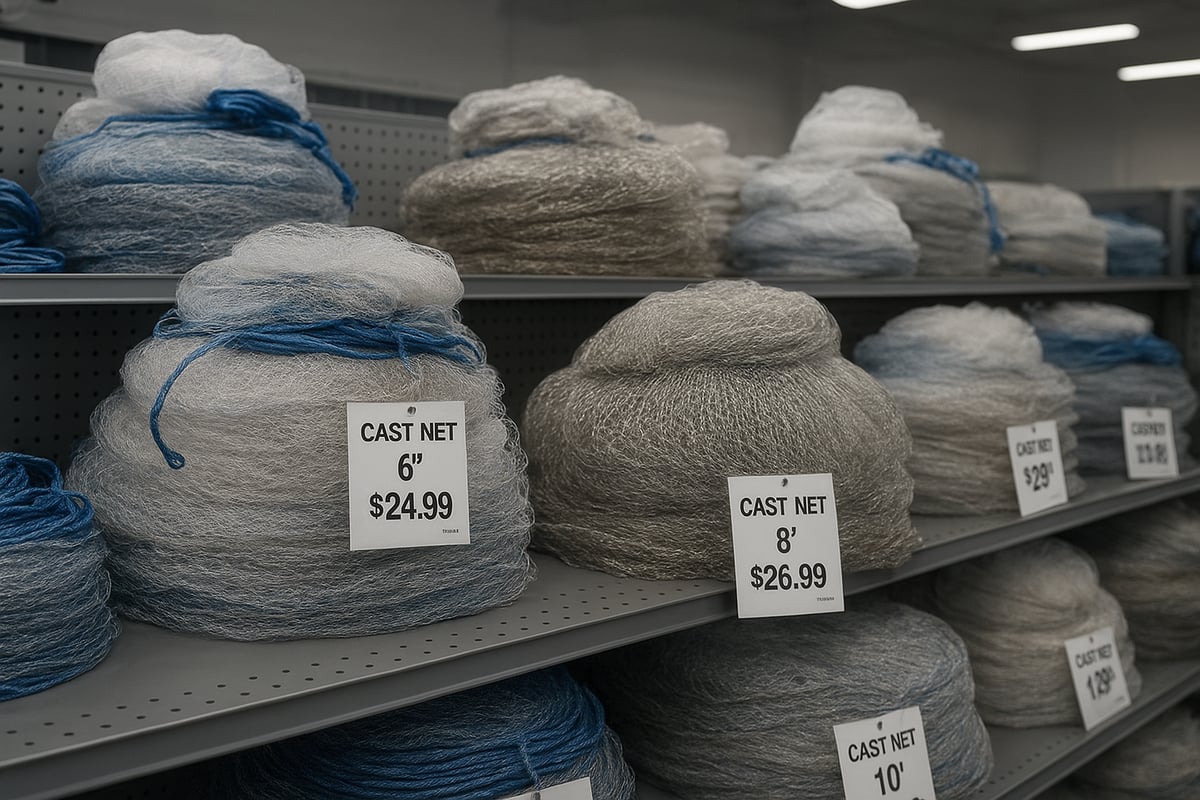
From 2024 to 2026, cast net prices have seen an average increase of 8%. This rise is attributed to broader economic factors, such as inflation and ongoing supply chain disruptions. For example, supply shortages in 2025 led to a temporary spike in retail prices across many regions.
A quick comparison of average retail prices:
| Year | Avg. Price (USD) | % Change |
|---|---|---|
| 2024 | $110 | — |
| 2025 | $117 | +6.4% |
| 2026 | $119 | +1.7% |
These numbers reflect a steady upward trend. For deeper insights into the components driving these changes, you can refer to Fishing Nets Prices Explained, which breaks down material and market influences.
Several elements directly impact cast net prices. Raw material costs, such as nylon and monofilament, have risen due to increased demand and global shortages. Labor expenses also climbed as manufacturers adapted to new safety protocols and higher wages.
Import and export tariffs, particularly on goods shipped across continents, added extra costs. Shipping delays in 2025 caused a surge in prices, with some nets experiencing a 10% premium during peak disruption. These factors combined to create a volatile pricing environment, making it crucial to monitor the market closely.
Regional differences play a significant role in cast net prices. In New Zealand, Australia, and the US, local brands often command higher prices due to stricter quality standards and limited production runs. For example, nets manufactured in New Zealand average 15% higher than imported alternatives.
Imported nets may offer cost savings but sometimes lack the durability and compliance found in locally made products. Pacific markets, with their unique fishing traditions, also influence pricing through specialized designs and materials. Understanding these distinctions helps buyers weigh cost against quality.
Cast net prices are not static throughout the year. Off-season months typically bring discounts, while peak fishing seasons see price surges. Retailers frequently offer holiday sales, clearance events, and online promotions to attract buyers.
Black Friday deals, for instance, can provide up to 20% off select cast net models. Savvy shoppers track these events to maximize savings. Online platforms often bundle accessories or offer exclusive discounts, making timing an important consideration in your purchasing strategy.
Experts anticipate that cast net prices will continue to rise modestly in 2026. Advances in net technology and potential regulatory changes may contribute to higher production costs. However, increased competition and improved supply chains could moderate these increases.
Data-driven projections suggest a 3-5% price rise by the end of 2026. Buyers should watch for announcements from major manufacturers regarding innovations or new compliance standards, as these can signal upcoming price adjustments. Staying informed enables you to make timely and cost-effective purchases.
Understanding the key factors that influence cast net prices is essential for making informed decisions in 2026. Each aspect, from the materials used to the brand's reputation, plays a distinct role in determining what you pay at checkout. Let us break down the main elements that affect the cost and value of your next cast net purchase.

Material quality is one of the most significant drivers of cast net prices. Monofilament nets, known for their clarity and minimal visibility in water, often cost more than multifilament options. Mesh size also plays a role—smaller mesh nets require more material and labor, which increases costs.
Construction methods matter too. Hand-tied nets, crafted with precision and care, generally command a premium over machine-made models. For example, premium monofilament nets can be up to 25 percent more expensive than basic multifilament versions.
Quick Comparison Table:
| Material | Average Price Increase | Durability |
|---|---|---|
| Monofilament | +25% | High |
| Multifilament | Base | Moderate |
Choosing higher quality materials and construction methods will impact cast net prices but also improves long-term performance.
The size and weight of a cast net significantly influence its price. Larger nets, such as 12-foot models, require more material and time to produce, resulting in higher costs. Heavier nets, designed for deeper or rougher waters, use more lead or weighted lines, further increasing the price.
For instance, a 12-foot net is typically about 30 percent more expensive than a 6-foot net. When comparing cast net prices, always consider the intended fishing environment and the amount of gear required.
Key factors:
Bigger and heavier nets usually mean a higher investment but can yield better results for experienced fishers.
Brand reputation and after-sales support directly impact cast net prices. Established brands often charge more, reflecting their commitment to quality, customer service, and warranty coverage. Most top brands provide warranties ranging from one to two years, which is factored into the price.
When evaluating options, consider not only the upfront cost but also the brand's standing in the market. For more details on how brand reputation and manufacturing processes affect pricing, see Understanding the Cost of Fishing Nets.
Investing in a reputable brand can reduce the frequency of replacements and provide greater peace of mind.
Accessories and custom features are another factor influencing cast net prices. Many nets are sold with added items such as buckets, repair kits, or instructional guides. These extras can make a purchase more attractive but also increase the total cost.
Custom options—like specific colors, reinforced seams, or specialized lead lines—may add 10 to 20 percent to the base price. When shopping, assess whether these features align with your needs and budget.
Common accessories:
Consider which extras provide real value for your fishing situation.
Meeting local fishing regulations can also affect cast net prices. Nets that comply with specific standards, such as mesh size or material requirements, may be more expensive due to additional testing or certification processes.
Commercial or customary use certifications further increase costs. However, choosing a compliant net ensures you avoid legal issues and fish responsibly in your region.
Always check local guidelines before purchasing to ensure your net meets all necessary requirements.
Understanding cast net prices in 2026 starts with knowing the different types of nets available and how their features influence cost. Each net variety is designed for specific fishing needs, and these distinctions play a major role in pricing. Let’s break down the main categories and what you can expect to pay.
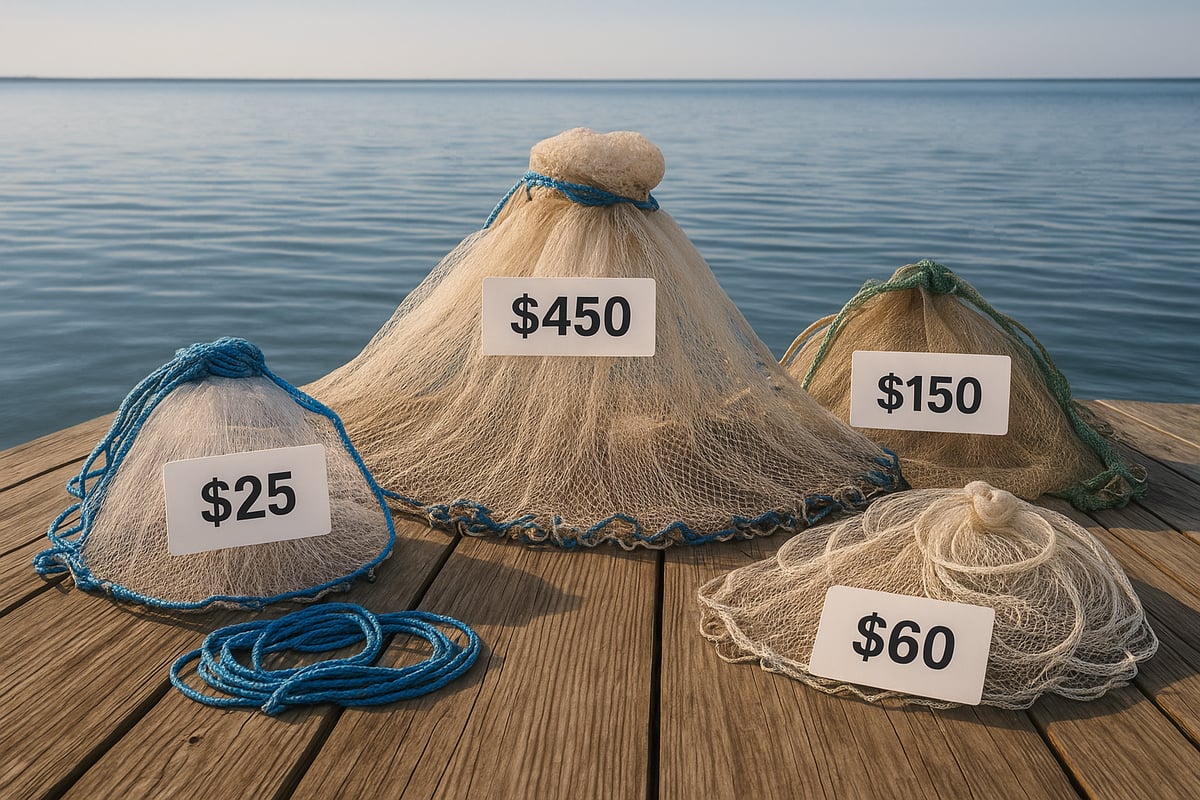
The purpose and build of a net have a direct impact on cast net prices. Bait nets are generally smaller, lighter, and made for casual or recreational use. Most start around $40 and are ideal for catching live bait. In contrast, commercial cast nets are larger, constructed to withstand heavy-duty use, and often exceed $200.
The jump in price reflects not only increased size but also reinforced seams, higher quality materials, and robust lead lines. For a deeper dive into how net type affects cost, check out the Types of fishing nets explained resource. Whether you need a simple bait net or a heavy-duty commercial model, understanding these distinctions helps you budget wisely.
The method of construction is another key driver behind cast net prices. Hand-tied nets are crafted with attention to detail, requiring skilled labor and more time. This artisanal approach results in a price premium, with hand-tied nets typically costing 15 to 25 percent more than their machine-made counterparts.
Machine-made nets, produced in higher volumes, are more budget-friendly but may lack the durability and customization found in hand-tied options. Buyers seeking long-term value or specialized features often choose hand-tied nets despite the higher cost.
Material choice plays a significant role in determining cast net prices. Monofilament nets are popular for their clarity in the water, making them less visible to fish. However, the advanced materials and manufacturing processes push their prices higher compared to multifilament nets.
Multifilament nets, while typically more affordable, may not offer the same performance or lifespan. For example, premium monofilament models can command a 25 percent higher price, reflecting both their quality and effectiveness in various fishing conditions.
For anglers with unique requirements, specialty and custom cast nets are available. These may feature custom mesh sizes, weighted lines tailored for specific water depths, or reinforced seams for challenging environments. Such additions contribute to higher cast net prices, with custom models often ranging from $250 to over $300.
Niche applications, such as shallow water or deep drop fishing, require specialized designs that add to the overall cost. Investing in a custom net ensures optimal performance but comes with a notable price increase.
To provide a clear overview of cast net prices, see the table below summarizing average costs by type, size, and material, based on leading retailers and manufacturers:
| Net Type | Size (ft) | Material | Average Price (USD) |
|---|---|---|---|
| Bait Net | 4–6 | Multifilament | $40–$70 |
| Bait Net | 4–6 | Monofilament | $60–$90 |
| Commercial Net | 8–12 | Monofilament | $200–$300+ |
| Hand-Tied Specialty | 8–12 | Monofilament | $250–$350 |
| Custom/Deep Water Net | 10–12 | Reinforced | $300–$400 |
These ranges reflect the diversity in cast net prices and help you identify the best fit for your budget and fishing needs.
Choosing where to purchase your cast net has a direct impact on cast net prices, selection, and overall buying experience. Whether you shop online, visit local stores, or explore secondhand options, each channel offers unique advantages and considerations. Understanding these can help you make the most informed decision for your fishing needs.
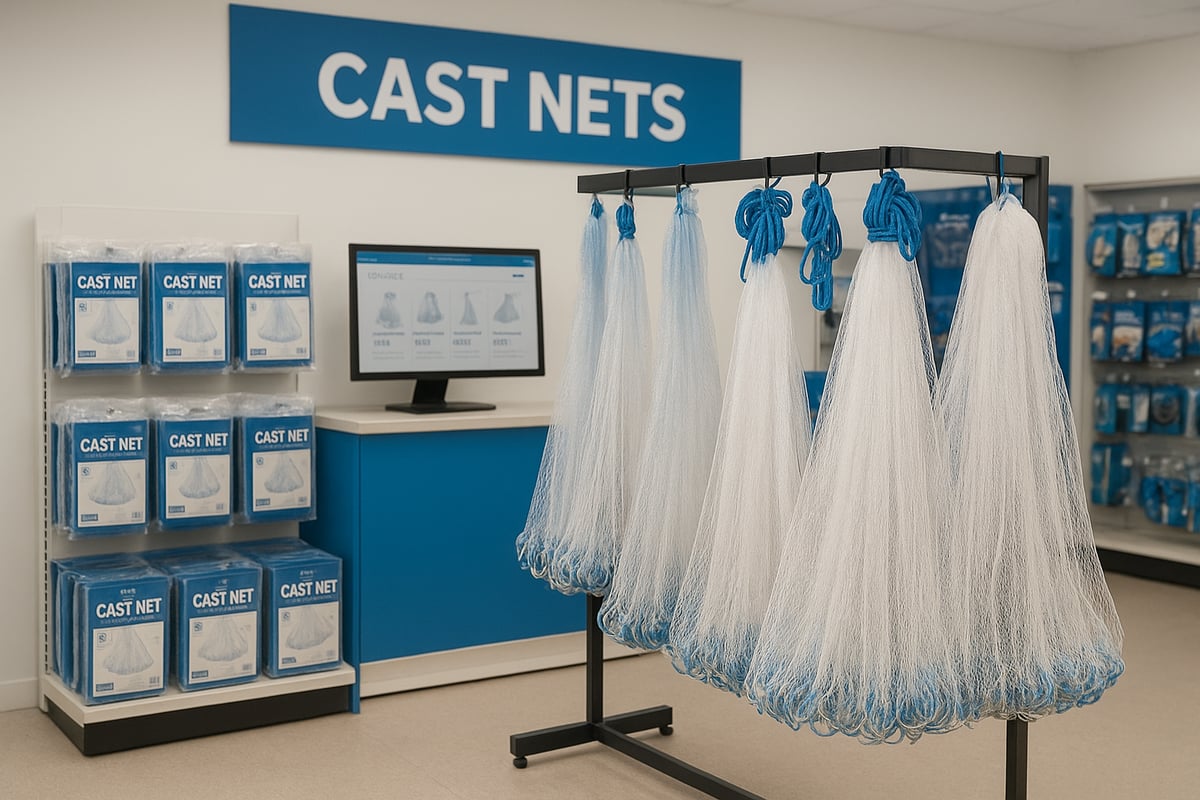
Online shopping continues to shape cast net prices in 2026, offering unmatched convenience and a broad selection. Major e-commerce platforms and specialty fishing websites frequently feature exclusive deals, bundle savings, and seasonal discounts. This competitive environment often results in lower cast net prices compared to traditional stores, especially when factoring in online-only promotions.
Buyers benefit from easy price comparison, access to user reviews, and detailed product information. For those wanting deeper insight into value and performance, Cast net review videos provide in-depth analysis to help you evaluate quality versus price. Keep in mind, shipping fees and delivery times may affect final costs, so always review total expenses before committing to a purchase.
Visiting a local fishing store offers hands-on experience when assessing cast net prices and quality. In-person shopping allows you to inspect materials, test weight, and consult with knowledgeable staff. Many specialty retailers provide in-store demos, letting you try before you buy and ask questions about specific models.
Prices at local stores can be slightly higher than online, reflecting personalized service and immediate product availability. However, regional promotions, loyalty discounts, and bundled accessory offers can offset these differences. For buyers who value expert advice and instant gratification, local retailers remain a trusted option in the cast net market.
Purchasing directly from manufacturers is an effective way to manage cast net prices, especially for bulk orders or custom specifications. Manufacturers sometimes offer lower prices by cutting out intermediaries, and buyers may benefit from direct support, better warranty terms, and access to customization options.
Bulk pricing can be particularly advantageous for commercial buyers or fishing clubs. Direct purchases also mean you can request unique features or designs that might not be available elsewhere. Always confirm warranty details and after-sales service before finalizing your order to ensure long-term satisfaction.
For those seeking the lowest cast net prices, secondhand and community marketplaces present attractive opportunities. Pre-owned nets are typically listed at 30 to 50 percent below retail, making them a budget-friendly option. However, buyers should carefully inspect nets for wear, damage, or missing accessories to avoid potential pitfalls.
When considering used gear, check for authenticity and ask about prior use. Community forums and local classifieds often provide valuable leads, but buying from reputable sellers is key. With proper evaluation, secondhand markets can deliver significant savings without compromising on essential performance.
Selecting the right cast net for your needs and budget requires a careful, step-by-step approach. By understanding how cast net prices relate to your fishing habits, you can avoid unnecessary expenses and maximize value.
Begin by evaluating your primary fishing targets and environments. Are you catching baitfish in shallow estuaries, or targeting larger species offshore? Your answer directly influences the size, weight, and material best suited for your needs.
For example, smaller nets are ideal for light bait collection, while larger, heavier nets excel in deeper or more challenging waters. Reviewing product ranges, such as those in this Japanese style cast nets overview, helps illustrate how design and dimensions affect cast net prices. Consider your experience level as well. Beginners may prefer easier-to-throw options, while seasoned anglers can handle advanced models.
Establish a clear budget before shopping. Consider not just the upfront cost, but also expenses for accessories, repairs, and maintenance over time. Comparing cast net prices across brands and models helps you avoid being swayed by flashy marketing or unnecessarily premium features.
Avoid the allure of ultra-cheap products, as these may lead to higher replacement costs. A practical approach is to invest in a mid-range net that balances durability and affordability. Planning for total cost of ownership ensures you get lasting value rather than short-lived savings.
When comparing cast net prices, look past the sticker amount. Assess the net’s build quality, mesh durability, and warranty coverage. Well-constructed nets from reputable brands often outlast generic alternatives, reducing the frequency of replacements.
Check for after-sales support and customer service, which can be invaluable if repairs are needed. Sometimes, spending a bit more upfront for a trusted brand means fewer headaches and better fishing performance in the long run.
Research is key when navigating the range of cast net prices on the market. Take time to read verified buyer reviews and expert guides, which often highlight real-world performance, durability, and potential issues.
Look for patterns in feedback, such as repeated mentions of seams coming loose or positive notes on ease of use. Comparing several products side by side helps you spot red flags and identify standout features that justify a price difference.
Smart shoppers know that cast net prices can vary widely depending on timing and supplier. Take advantage of seasonal sales, loyalty programs, and bulk purchase discounts. Many retailers offer price matching or exclusive newsletter deals for subscribers.
If you are buying multiple nets or shopping with friends, ask for a group discount. Staying patient and flexible with your purchase timing often leads to significant savings, letting you get the best net without breaking your budget.
Regular maintenance is key to maximizing the lifespan and value of your cast net investment. Neglecting care can lead to premature wear, affecting both performance and cast net prices over time. By following expert tips, you can ensure your gear remains reliable and cost-effective for years.
After every fishing trip, rinse your cast net thoroughly with fresh water to remove salt, sand, and debris. Saltwater, in particular, can corrode lead lines and weaken mesh fibers if left untreated. Always allow your net to air dry completely before storage to prevent mold or rot.
Use a cool, shaded area to dry the net, spreading it out to avoid tangling. Store your cast net in a breathable container, not a sealed plastic bag, to promote airflow. Proper cleaning and storage directly impact cast net prices, as well-maintained nets retain their value and last much longer.
Even with careful use, small tears or damaged weights can occur. Address minor issues immediately with a repair kit, which typically includes replacement twine, needles, and spare sinkers. For significant damage, consult a professional repair service to ensure structural integrity.
Consider upgrading components, such as switching to a reinforced lead line or higher-quality mesh panels, to extend your net’s service life. Regular repairs and timely upgrades help maintain optimal performance and keep cast net prices manageable, reducing the frequency of full replacements.
Warranties vary by manufacturer, but most reputable brands offer coverage for defects in materials and workmanship. Review warranty terms before purchasing, noting what is included and the process for making a claim.
Keep records of your purchase and any maintenance performed, as these may be required if you need to file a warranty claim. Understanding warranty coverage can protect you from unexpected expenses, making cast net prices more predictable over the long term.
Investing in routine maintenance may seem like an added expense, but it delivers significant savings over the lifespan of your net. Well-maintained nets often last three to five years longer than neglected ones, resulting in up to 40 percent savings compared to frequent replacements.
A recent Fishing Nets Market Analysis highlights how proper care directly influences equipment longevity and overall market pricing trends. By prioritizing upkeep, you not only extend the life of your net but also achieve greater value relative to cast net prices.
Now that you have a clear understanding of cast net pricing trends, what drives costs, and how to spot real value, you’re ready to make an informed choice for your next fishing adventure. Whether you’re looking for quality New Zealand-made nets or reliable gear for your community, we know how important it is to get the best value while ensuring dependable performance. If you’re eager to secure the right cast net for your needs, take the next step with confidence and Buy Now.
Leave a comment