
Email

Selecting the right fishing line nz anglers use can make the difference between a successful catch and a frustrating day on the water. Whether you're operating a commercial vessel in the Pacific, managing community fisheries, or enjoying recreational fishing, understanding the nuances of fishing line selection, maintenance, and regulatory compliance is essential. New Zealand's diverse marine environments demand specific line characteristics, from the shallow coastal waters to deep-sea fishing grounds. This comprehensive guide explores everything you need to know about fishing line options, legal requirements, and best practices for 2026.
The fishing line nz market offers three primary categories, each designed for specific applications and conditions. Selecting the appropriate line type depends on your fishing method, target species, and environmental factors.
Monofilament remains the most popular choice among New Zealand anglers due to its versatility and affordability. This single-strand nylon line offers excellent knot strength and manageable memory, making it ideal for beginners and professionals alike.
Key advantages include:
Monofilament works exceptionally well for set line fishing and recreational applications where some stretch is beneficial. The regulations on line fishing permit specific configurations, and monofilament's compliance with marking requirements makes it a practical choice.
Braided lines have gained significant traction in commercial fishing operations throughout New Zealand and the Pacific region. These lines consist of multiple fiber strands woven together, creating exceptional strength-to-diameter ratios.
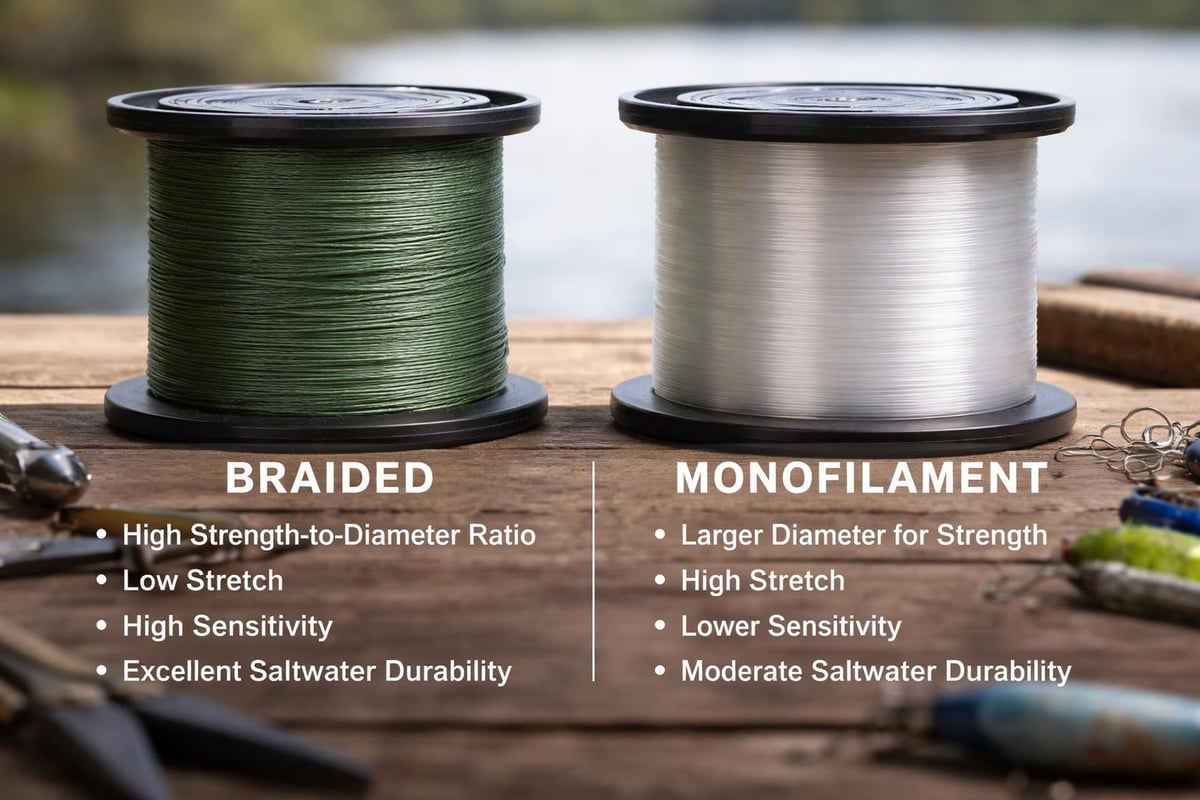
Commercial fisheries appreciate braided line for deep-water applications where sensitivity and minimal stretch are critical. The lack of elasticity provides direct connection to catches, enabling faster response times when fishing at significant depths.
| Line Type | Stretch | Diameter (20lb) | Visibility | Durability |
|---|---|---|---|---|
| Monofilament | 15-30% | 0.40mm | Low | Moderate |
| Braided | 3-5% | 0.23mm | High | Excellent |
| Fluorocarbon | 8-12% | 0.38mm | Very Low | Good |
Fluorocarbon has become the fishing line nz professionals trust for leader material and specialized applications. Its refractive index closely matches water, making it nearly invisible to fish.
This material excels in clear water situations common around New Zealand's coastline. While more expensive than monofilament, fluorocarbon's abrasion resistance and UV stability justify the investment for serious anglers targeting wary species.
Understanding New Zealand's fishing regulations is mandatory for all operators, whether commercial or recreational. The fishing line nz regulations encompass hook limits, line marking requirements, and area-specific restrictions.
Set line fishing involves specific rules that operators must follow. According to the MPI guidelines on fishing gear, recreational fishers can use up to 25 hooks per set line, with a maximum of two set lines per person.
Compliance requirements include:
Commercial operations face different requirements, with regulations varying based on fishing zones and target species. Action Outdoors Limited supplies marine equipment and boating gear that meets all regulatory standards for Pacific fisheries.
The environmental impact of fishing methods extends beyond catch limits to include line disposal and marine mammal protection. Proper line management prevents ghost fishing and protects marine ecosystems.
Lost or discarded fishing line poses significant threats to marine life. Responsible operators implement line recovery programs and use biodegradable options where practical. The fishing line nz industry continues developing more environmentally friendly materials without compromising performance.
Matching line strength to your target species and fishing conditions ensures optimal performance. The relationship between breaking strain, diameter, and application determines success rates in various scenarios.
Breaking strain indicates the maximum force a line can withstand before failure. New Zealand waters host species ranging from small snapper to massive marlin, requiring vastly different line strengths.
The fishing line nz commercial operators select typically falls in the heavy to extra heavy range, with high-strength ropes complementing netting systems for maximum efficiency.
Thinner lines offer less water resistance and improved casting distance, while thicker lines provide better abrasion resistance. The trade-off between these factors depends on fishing environment and technique.
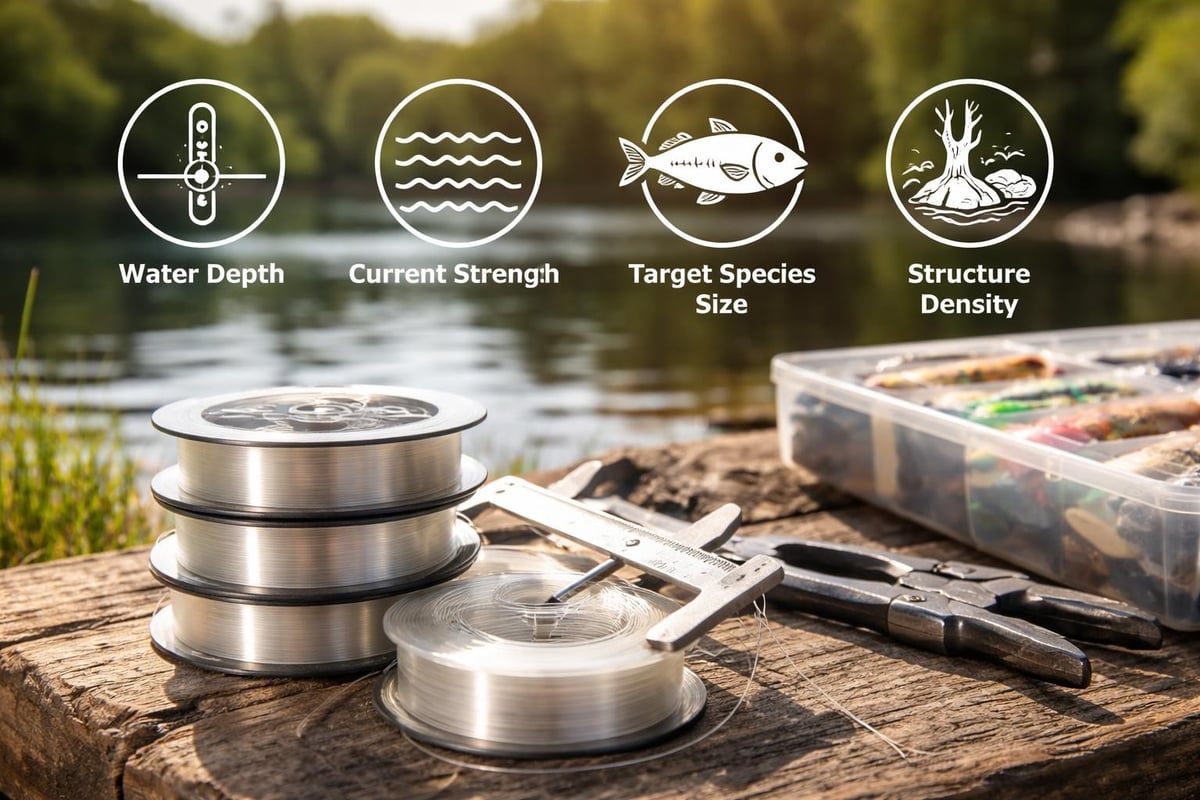
Deep-water commercial fishing benefits from thin-diameter braided lines that cut through currents efficiently. Shallow reef fishing around rocky structures requires thicker, more abrasion-resistant options to prevent breakage.
Proper maintenance extends fishing line lifespan and maintains performance characteristics. The harsh saltwater environment and UV exposure common in New Zealand waters accelerate line degradation without appropriate care.
Regular inspection identifies weak spots before they cause lost catches. Implement systematic checking procedures as part of routine equipment maintenance.
Inspection checklist:
The fishing line nz professionals use undergoes frequent inspection cycles, especially in commercial operations where equipment failure translates directly to lost revenue. Action Outdoors Limited's fishing nets and marine supplies include complementary products designed for integrated system maintenance.
Correct storage prevents premature degradation and maintains line properties. Environmental factors like temperature, humidity, and light exposure all affect line condition.
Store spools in cool, dark locations away from direct sunlight. UV radiation breaks down polymer structures in all line types, reducing breaking strain and increasing brittleness. Original packaging often provides adequate protection if kept in appropriate conditions.
| Storage Factor | Optimal Condition | Degradation Risk |
|---|---|---|
| Temperature | 10-20°C | High heat causes memory |
| Humidity | 40-60% | Excess moisture weakens fibers |
| UV Exposure | Complete darkness | Direct sun degrades rapidly |
| Duration | Rotate yearly | Old line loses strength |
Commercial operators maintaining large inventories should implement first-in-first-out rotation systems to ensure fresh line deployment.
The strongest fishing line nz anglers purchase becomes the weakest link with improper knots. Knot strength typically ranges from 65% to 95% of line breaking strain, depending on knot type and tying quality.
Different knots serve specific purposes in fishing applications. Mastering a core set of reliable knots ensures consistent performance across various situations.
Palomar Knot: Achieves 95% knot strength, ideal for braided lines and terminal tackle connections. The simple structure makes it reliable even in challenging conditions.
Improved Clinch Knot: Traditional choice for monofilament, offering 90% strength retention. Best suited for hooks, swivels, and lures in light to medium applications.
FG Knot: The premium choice for connecting braided main line to fluorocarbon leaders. While complex to master, it provides exceptional strength and smooth profile through rod guides.
Before deploying fishing line nz commercial operations use, verify knot strength through controlled testing. This quality assurance step prevents failures during critical fishing operations.
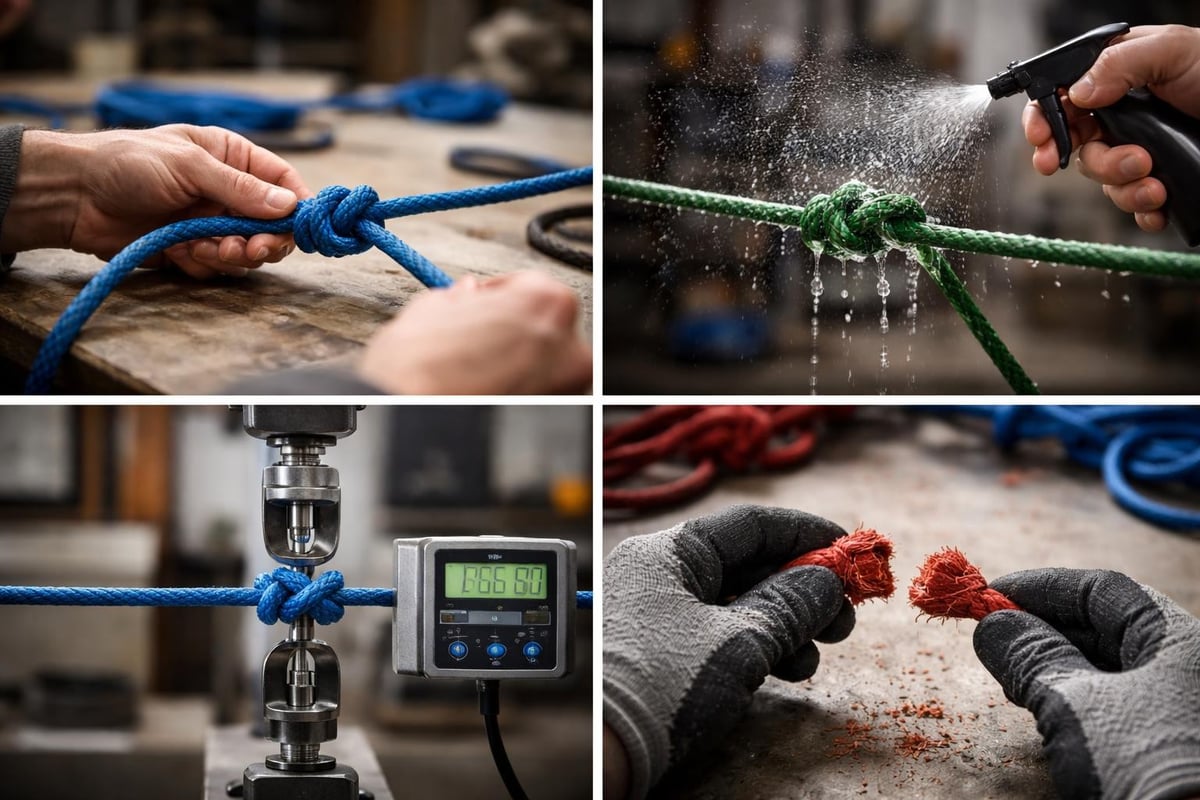
Pull test each knot type with graduated weights, documenting the breaking point. This data establishes baseline performance and identifies technique improvements needed. According to MPI fishing rules, maintaining equipment in proper working order remains the operator's responsibility.
Target species characteristics influence optimal line selection. New Zealand's diverse fisheries require tailored approaches based on fish behavior, habitat, and size.
Snapper, kahawai, and john dory dominate inshore catches throughout New Zealand. These species inhabit reef structures, requiring abrasion-resistant line with moderate stretch for hook-setting.
Monofilament in the 12-20kg range handles most inshore applications effectively. The stretch characteristic helps prevent hook pulls during the aggressive runs common with these species. Fluorocarbon leaders increase catch rates in clear water conditions where line visibility spooks cautious fish.
Hapuku, bass, and marlin require substantially different tackle specifications. The fishing line nz deep-water specialists deploy must handle extreme pressures and powerful runs while maintaining sensitivity.
Braided main lines in 30-80kg range connected to heavy monofilament or fluorocarbon leaders provide the ideal combination. The thin diameter cuts through water efficiently while the leader section offers shock absorption during fights.
Commercial operations require fishing line nz systems integrated with netting, floats, and handling equipment. The comprehensive approach ensures efficiency and regulatory compliance across Pacific fisheries.
Long line fishing represents a primary commercial method throughout New Zealand and Pacific waters. These systems deploy hundreds of baited hooks on branch lines attached to a main line extending for kilometers.
Professional long line operations demand exceptional main line strength and durability. The fishing line nz commercial fleets use typically features braided construction in heavy test ratings, capable of handling cumulative loads from multiple hooked fish.
Action Outdoors Limited manufactures fishing nets and related equipment that complement long line systems, providing complete solutions for Pacific fisheries operations.
Modern commercial fishing combines line and net systems for maximum efficiency. Understanding how fishing line nz products integrate with netting infrastructure optimizes catch rates while minimizing environmental impact.
System integration considerations:
The expertise Action Outdoors Limited developed through manufacturing over 350,000 meters of fishing nets annually translates directly to comprehensive system design assistance.
Identifying quality fishing line nz products requires understanding manufacturing standards and performance indicators. Not all lines marketed for New Zealand conditions meet the demands of local waters.
Premium fishing lines exhibit consistent diameter throughout the spool, uniform color without variations, and smooth surface finish. These indicators reflect manufacturing precision and quality control.
Quality assessment factors:
New Zealand-made products from reputable manufacturers often provide superior quality assurance and local support. Action Outdoors Limited's commitment to New Zealand-made quality ensures products meet the specific demands of Pacific fishing operations.
The cheapest fishing line nz retailers offer rarely provides the best value. Calculate true cost by factoring replacement frequency, lost catches, and time spent re-rigging.
| Price Point | Replacement Frequency | Catch Loss Risk | Annual Cost |
|---|---|---|---|
| Budget | Every 2 months | High | $240 |
| Mid-range | Every 6 months | Moderate | $200 |
| Premium | Annually | Low | $180 |
Premium lines often deliver lower total cost of ownership despite higher initial prices. This calculation becomes even more significant in commercial operations where equipment failure directly impacts revenue.
The fishing line nz industry continues evolving with new materials and technologies emerging. Staying informed about developments helps operators maintain competitive advantages.
Environmental concerns drive innovation in biodegradable and eco-friendly line materials. Research into plant-based polymers and accelerated decomposition additives aims to reduce ghost fishing impacts.
These developments align with broader sustainability initiatives across New Zealand's fishing industry. Organizations like LegaSea advocate for responsible fishing practices, including proper line disposal and recovery programs.
Emerging technologies integrate sensors into fishing line to monitor load, depth, and environmental conditions. These innovations provide real-time data improving catch efficiency and equipment management.
While still in early adoption phases, smart line systems show promise for commercial applications where data-driven decision making optimizes operations. The fishing line nz commercial sector will likely see increased integration of these technologies through the next decade.
New Zealand's seasonal variations affect fishing line performance and selection. Understanding these impacts ensures optimal results throughout the year.
Water and air temperature influence line characteristics significantly. Monofilament becomes stiffer in cold conditions, affecting handling and knot performance. Braided lines maintain more consistent properties across temperature ranges.
Summer fishing in warm northern waters requires lines resistant to thermal degradation. Winter fishing in southern regions demands lines maintaining flexibility in cold conditions. The fishing line nz anglers select should match seasonal deployment plans.
New Zealand's weather patterns create challenging conditions requiring robust equipment. Strong currents, wave action, and storm events test fishing line durability.
Heavy weather demands increased line strength margins and enhanced abrasion resistance. Commercial operators typically upgrade line specifications for winter fishing when conditions intensify. Following guidance from organizations like Fish & Game New Zealand ensures compliance with seasonal regulations.
Selecting and maintaining the right fishing line nz conditions demand requires understanding product types, regulatory requirements, and application-specific needs. Whether you're operating commercial fishing systems across the Pacific or managing community fisheries, quality equipment and proper maintenance practices deliver consistent results. Action Outdoors Limited provides comprehensive fishing and marine equipment solutions, from premium fishing lines to complete netting systems, all backed by New Zealand manufacturing quality and expert support. Explore the full range of fishing and marine supplies at Action Outdoors Limited and discover how professional-grade equipment enhances your fishing operations.
Shop related products at Action Outdoors: Fishing Nets · Fishing Lures · Fishing Line
Leave a comment