

Imagine standing by the water in 2026, ready to fish with the latest tools, expert insights, and every essential item at your fingertips. As fishing evolves, understanding your fishing needs becomes more important than ever for a successful and enjoyable outing.
This guide is designed to help anglers of all levels navigate the changing landscape of fishing. You will find practical advice on the newest equipment, smart fishing technologies, up-to-date regulations, and sustainable practices.
Explore step-by-step tips, expert recommendations, and future-focused strategies to elevate your fishing experience. Let this comprehensive handbook prepare you for every challenge and opportunity the next season brings.
Essential Fishing Gear for 2026
Staying ahead of your fishing needs in 2026 requires more than just enthusiasm. The right gear, combined with the latest innovations, can transform the way you fish. Whether you are a weekend angler or a dedicated competitor, understanding what to bring to the water is crucial for success.
Must-Have Rods and Reels
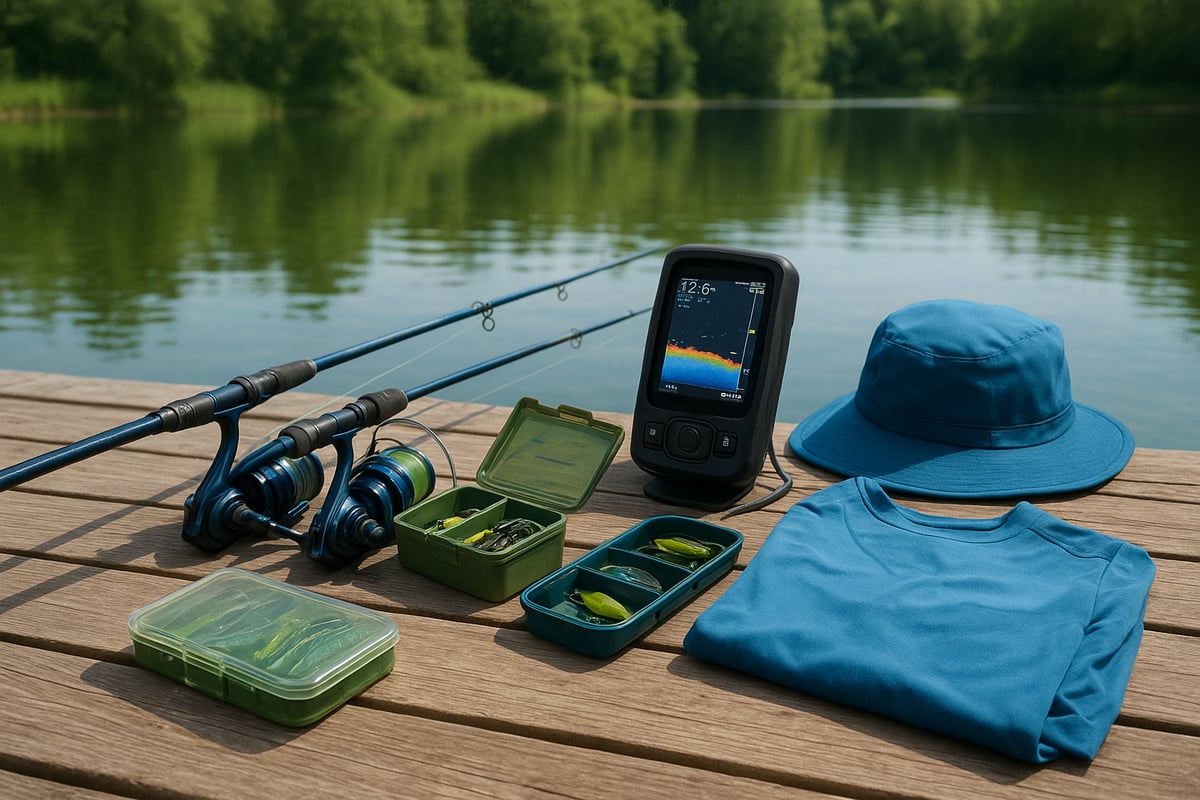
Choosing rods and reels that meet your fishing needs in 2026 means looking for versatility and performance. Spinning, baitcasting, and telescopic rods remain top choices, but material advancements set this era apart.
Manufacturers are now using carbon fiber and graphene composites, resulting in lighter yet stronger gear. For example, Shimano’s 2026 AI-tuned rods automatically adjust tension based on your target species and casting style.
Matching the right rod and reel to your fishing environment is vital, as is considering the species you pursue. According to Angling International, 68% of anglers upgrade rods every 2-3 years, reflecting the rapid pace of innovation in fishing needs.
Advanced Fishing Lines and Leaders
Selecting the right lines and leaders is essential to fulfill your fishing needs, especially with the options available for 2026. Braided, fluorocarbon, and monofilament lines each offer unique strengths and weaknesses.
New abrasion-resistant and biodegradable lines are on the rise, promoting eco-friendly fishing. Berkley’s biodegradable line is an example of innovation meeting sustainability. When choosing a line, knot strength and diameter must align with your fishing needs to ensure reliability in demanding conditions.
A recent survey found that 45% of anglers prefer braided lines for saltwater fishing in 2025, highlighting a shift toward durability and performance.
Lures, Baits, and Tackle Innovations
The world of lures and baits is evolving rapidly to keep up with modern fishing needs. Smart lures now incorporate sensors and LED technology, helping anglers attract fish with precision.
Biodegradable baits are increasingly required by regulations, especially in sensitive waters. Organizing tackle efficiently is critical for quick access and gear protection.
Rapala’s smart lure series exemplifies the trend toward high-tech gear. Interestingly, artificial lures now account for 60% of lure sales, according to Statista (2025), showing their growing importance in meeting anglers’ fishing needs.
Electronics & Smart Fishing Tech
Technology is reshaping fishing needs in ways never seen before. Fish finders equipped with AI and GPS mapping deliver real-time underwater data, enhancing your ability to locate fish.
Wearable devices now track catches, monitor weather, and sync with mobile apps for instant fishing reports. The Deeper Smart Sonar 2026 is a standout, offering advanced depth analysis and wireless connectivity.
Competitive anglers are embracing these advancements, with 72% regularly using smart tech. Integrating electronics into your fishing needs strategy provides a distinct edge in both planning and execution.
Apparel, Safety, and Comfort Gear
Meeting your fishing needs means prioritizing comfort and safety alongside performance. UV-protective clothing and temperature-regulating fabrics guard against harsh weather.
Essential gear includes life vests, breathable waders, and water-resistant footwear. Safety gadgets, such as personal locator beacons and compact emergency kits, are now widely adopted.
Simms solarflex gear is a popular choice for sun protection and breathability. Remember, comfortable and safe anglers perform better, making these items central to your fishing needs.
Storage, Transport, and Maintenance Solutions
Efficient storage is the backbone of modern fishing needs. Collapsible storage, modular tackle bags, and rod racks keep gear organized and ready.
Maintenance tools and cleaning products are vital for extending the lifespan of your equipment. For practical organization ideas, see these Essential fishing tackle storage tips to optimize your system and protect your investment.
Selecting the Right Fishing Equipment for Your Needs
Choosing the right gear is crucial for meeting your fishing needs and ensuring a rewarding experience in 2026. With evolving environments, species, budgets, and sustainability concerns, making informed decisions is more important than ever. This section provides a step-by-step approach to help you select the best equipment for your unique fishing needs.
Assessing Your Fishing Environment
Start by evaluating the environments where your fishing needs will take you. Freshwater and saltwater locations require different rod, reel, and material choices. If you fish from shore, a boat, or kayak, consider portability and corrosion resistance. Fly fishing demands specialized rods and lines, while local climate and seasonal changes influence gear durability.
For example, saltwater reels with advanced anti-corrosion coatings are essential for coastal anglers. Data shows that 55% of gear damage results from environmental exposure, highlighting the need to match your equipment to your fishing needs and surroundings.
Matching Equipment to Target Species
Identifying the species you aim to catch is central to meeting your fishing needs. Each fish requires specific rod power, reel size, and line strength. Popular species in 2026, such as snapper and trout, have distinct requirements. Snapper demand heavier rods and robust lines, while trout can be pursued with lighter setups.
Properly aligning your gear with target species increases success rates. Matching your equipment thoughtfully to your fishing needs ensures you are prepared for any challenge the water presents.
Budgeting and Value for Money
Addressing your fishing needs also means finding the right balance between quality, durability, and price. Invest in premium gear for frequently used items, while budget options may suffice for occasional needs. Consider warranties and after-sales support, as these can enhance long-term value.
A recent survey reveals that 62% of anglers prioritize longevity over upfront cost when evaluating their fishing needs. Make informed choices by weighing cost against performance and expected lifespan.
| Factor | Budget Gear | Premium Gear |
|---|---|---|
| Price | Lower | Higher |
| Durability | Moderate | High |
| Warranty | Limited | Extended |
| Best for | Occasional Anglers | Frequent Anglers |
Sustainability and Eco-Friendly Choices
Meeting your fishing needs responsibly means considering the environmental impact of your equipment. Look for rods, lines, and tackle made from recycled or biodegradable materials. Reduce single-use plastics in your tackle box and seek certifications such as EcoLabel or BlueSign for eco-friendly products.
For example, Patagonia’s recycled waders set a benchmark for sustainable fishing needs. Eco-conscious decisions not only protect waterways but also reflect the growing importance of sustainability in angling communities.
Action Outdoors: Your One-Stop Shop for Fishing Needs
When it comes to fulfilling your fishing needs, Action Outdoors Limited stands out as New Zealand’s largest fishing net manufacturer and a trusted supplier of fishing and marine equipment. Their comprehensive range covers everything from rods and reels to tackle, ropes, floats, and modern fishing net solutions, supporting both commercial and recreational anglers.
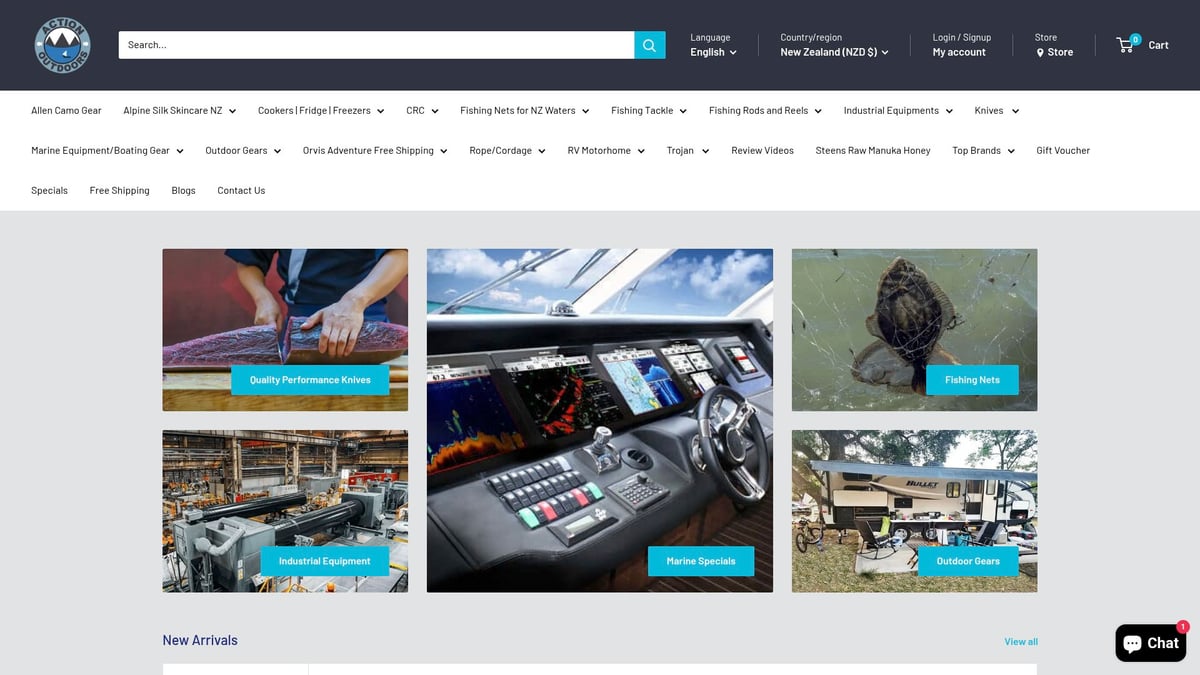
With deep specialist knowledge of New Zealand waters, custom net options, and a focus on quality, Action Outdoors delivers quick turnaround and export-ready products. For anglers, boaters, and professionals, this is the go-to source for reliable, locally made gear that meets every fishing need.
The Latest Fishing Techniques & Strategies
Staying ahead of the curve with the right fishing needs is crucial for anglers aiming to succeed in 2026. As fishing evolves, mastering the latest techniques and strategies ensures you are ready to adapt, conserve, and maximize every catch. This section explores the most effective methods, smart tech, sustainable practices, adaptability, and rising trends shaping modern angling.
Modern Casting and Retrieval Methods
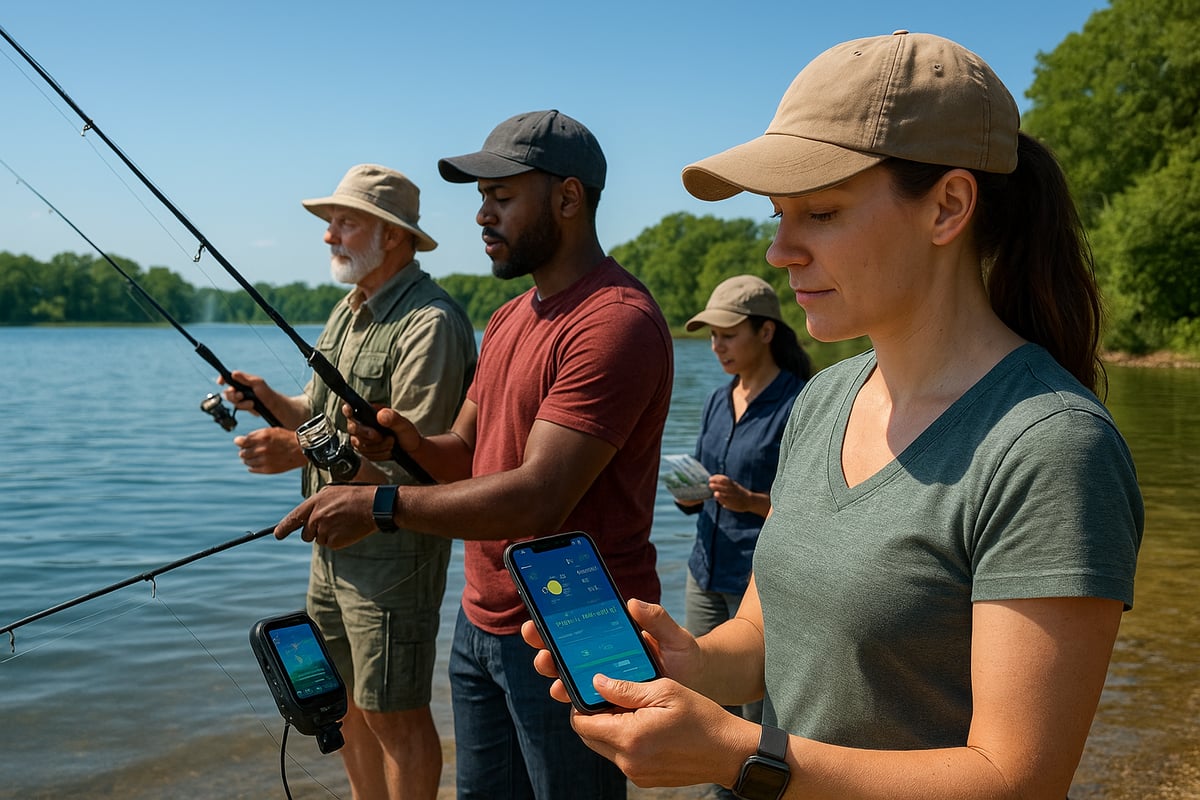
Understanding and perfecting casting and retrieval methods is a core part of meeting your fishing needs in 2026. Anglers now have access to telescopic rods, lightweight reels, and ergonomic grips that support a range of techniques.
Here is a quick comparison of popular casting methods:
| Method | Best For | Key Benefit |
|---|---|---|
| Overhead | Distance casting | Long, accurate throws |
| Sidearm | Low clearance areas | Reduced wind impact |
| Pitching | Short-range targets | Quiet lure entry |
| Flipping | Heavy cover | Precise bait delivery |
Adapting these methods to new rod technologies, such as AI-tuned models, helps reduce fatigue and improve accuracy. Integrating the right casting method into your fishing needs can make the difference between a good day and a great one.
Smart Fishing with Technology
Technology is transforming fishing needs, making every trip more informed and productive. Smart fish finders, wearable weather trackers, and mobile apps provide real-time data and analytics for precise location scouting and catch tracking.
For example, using sonar and GPS-enabled devices, anglers can identify underwater structures and fish movement patterns. Data-driven apps like Fishbrain offer predictive insights, while cloud-connected reels track every cast and retrieve.
Stay updated with Upcoming Smart Fishing Gear Breakthroughs for 2026 for the latest innovations set to reshape fishing needs, from AI-powered lures to app-integrated tackle management.
Sustainable and Ethical Fishing Practices
Sustainability is now a central part of fishing needs, reflecting growing awareness of ecological impact. Ethical anglers focus on catch and release, use barbless hooks, and adopt fish-friendly handling to reduce harm.
Minimizing bycatch, respecting bag limits, and choosing biodegradable lures are essential. The use of circle hooks, now up 30% since 2020, highlights a commitment to conservation.
Making these practices part of your fishing needs not only protects fish populations but also ensures the sport’s future for generations to come.
Adaptive Tactics for Changing Conditions
Adapting your fishing needs to weather, tides, and water temperature is key to consistent success. Conditions can change rapidly, demanding flexibility in lure choice, presentation, and technique.
Consider these adaptive tactics:
- Switch lures when water clarity shifts.
- Adjust retrieval speed as temperatures rise or fall.
- Monitor real-time weather data to reposition.
Responding to climate patterns like El Niño or La Niña with a flexible approach ensures your fishing needs are always met, whatever nature brings.
Community and Competitive Angling Trends
The social aspect of fishing needs is stronger than ever, with group tournaments, local events, and online communities connecting anglers worldwide. Participation in competitive angling has risen by 20% since 2023, driven by both in-person and virtual competitions.
Social media platforms allow sharing of strategies, trip highlights, and conservation tips. Virtual fishing tournaments in 2026 offer new ways to compete and learn.
Embracing these trends as part of your fishing needs helps you stay engaged, motivated, and continually improving your skills.
Navigating Fishing Regulations and Licensing in 2026
Staying informed about fishing regulations is crucial as you plan your fishing needs for 2026. The regulatory landscape is evolving, with digital licensing, conservation laws, and international rules shaping the way anglers approach their favorite waters. Understanding these changes ensures you stay compliant, protect fish stocks, and get the most from your fishing needs.
Key Licensing Updates and Requirements
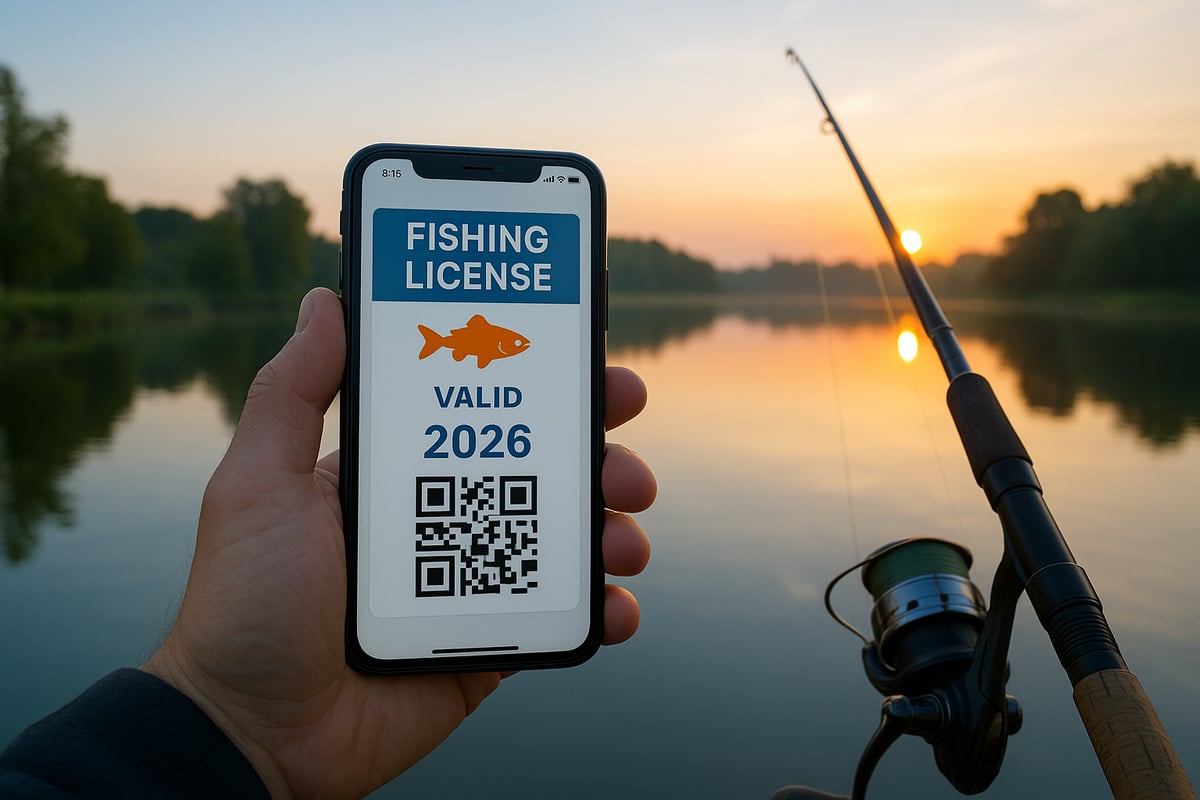
In 2026, national and regional fishing licenses continue to shift toward digital formats. Most jurisdictions now offer both online and in-person licensing, but digital adoption is rapidly increasing. By 2025, 85% of fishing licenses were issued digitally, making it easier than ever to fulfill your fishing needs without paper forms.
Recent regulatory changes have also expanded angler access across many regions. For example, new updates highlighted in the Interior Expands Hunting and Fishing Access at Refuges and Hatcheries provide additional opportunities and clarify requirements for 2026. Always verify local laws for age limits, residency status, and special endorsements required for your fishing needs.
New Conservation Laws and Quotas
Conservation laws are becoming more robust to ensure long-term sustainability. In 2026, expect stricter bag limits, size restrictions, and protections for vulnerable species. Many regions have introduced new marine reserves and no-take zones, directly impacting your fishing needs and where you can fish.
For example, snapper quotas in New Zealand have been adjusted to support population recovery. Anglers must stay updated on these quotas and understand how they relate to their fishing needs, as regulations may change seasonally or by location. These measures are designed to keep fisheries healthy for future generations.
Compliance Tips and Avoiding Fines
Compliance is a critical aspect of meeting your fishing needs responsibly. Accurate record-keeping, proper tagging, and timely reporting are now standard requirements in many regions. Mobile apps make it easier to track catches and maintain digital proof, reducing the risk of fines.
With unlicensed fishing fines up 15% in 2025, it’s essential to have your documentation ready. Before heading out, ensure all permits align with your fishing needs and local regulations. This preparation helps you avoid costly mistakes and supports sustainable fisheries.
International Travel and Cross-Border Fishing Rules
If your fishing needs include international destinations, be aware of new travel-related rules. In 2026, many countries require advance permits, and some have introduced digital visitor licenses to streamline the process. Import and export rules for fishing gear and catches are also being updated.
For example, the Pacific Islands have introduced new visitor fishing permits that must be secured before arrival. Research rules in your destination country to ensure your fishing needs are met without legal complications. Awareness and preparation support both compliance and global sustainability.
Sustainable Fishing: Protecting Our Waters for the Future
Sustainable fishing is more important than ever as we look ahead to 2026. Meeting your fishing needs means thinking beyond just gear and focusing on practices that protect aquatic ecosystems. This section explores the challenges of overfishing, innovative solutions, responsible angler habits, and how you can help preserve our waters for generations to come.
Understanding the Impact of Overfishing
Overfishing remains a critical issue affecting global fisheries. According to the Food and Agriculture Organization, 34% of the world’s fisheries are now classified as overfished, putting immense pressure on fish populations and aquatic habitats. When you consider your fishing needs, understanding these trends is essential for making responsible choices.
Species like cod have faced severe depletion, but targeted recovery efforts have shown that sustainable management can lead to population rebounds. Local ecosystems suffer when overfishing disrupts the balance, impacting both fish stocks and the broader environment. Staying informed helps anglers make better decisions and support sustainable fishing.
Innovations in Sustainable Fishing Gear
Meeting modern fishing needs goes hand in hand with using gear that minimizes environmental impact. Recent innovations include selective nets that reduce bycatch, biodegradable fishing lines, and devices designed to protect non-target species. For example, turtle excluder devices in commercial nets are helping reduce accidental captures.
Many of these advancements will be showcased at events like the New Product Showcase at ICAST 2026, where the latest sustainable gear will be presented. Choosing the right equipment is not just about performance, but also about protecting our waters for future generations.
Responsible Angler Behaviors
Responsible angling is a vital part of meeting your fishing needs while preserving aquatic environments. Simple actions make a difference:
- Dispose of fishing lines, hooks, and packaging properly.
- Use barbless hooks and practice gentle catch-and-release techniques.
- Respect local wildlife and avoid disturbing sensitive habitats.
Community involvement is also growing, with 67% of anglers participating in conservation activities like clean-up events. Adopting these habits ensures that future anglers can enjoy the same experiences while supporting healthy fisheries.
Supporting Conservation Organizations and Initiatives
Supporting conservation organizations is crucial for sustainable fishing. Groups such as Trout Unlimited and the Marine Stewardship Council lead efforts in habitat restoration, sustainable certification, and public education. Anglers can contribute by:
- Donating or volunteering for conservation projects.
- Participating in citizen science, such as fish tagging programs.
- Staying engaged with regulatory updates, like those discussed by the Wildlife Commission Accepting Public Comments for 2026-27 Rules Changes.
By aligning your fishing needs with these initiatives, you help drive positive change and ensure vibrant fisheries for years to come.
Expert Tips for a Successful Fishing Trip in 2026
A successful day on the water starts long before your first cast. Whether you are new to angling or a seasoned veteran, understanding your fishing needs in 2026 means planning ahead, adapting on the fly, and making safety a top priority. Let’s explore the expert strategies that will help you get the most from every trip.
Planning and Preparation Checklist
Preparation is the backbone of a memorable fishing trip. Start by researching your destination, species in season, and local regulations. Make a checklist tailored to your fishing needs, including:
- Rods, reels, and extra lines
- Weather-appropriate clothing and safety gear
- Valid licenses and permits
- First aid kit and emergency contacts
- Backup batteries and navigation tools
Inspect all equipment before you go. If you notice any issues, consult a fishing reel repair guide to ensure your gear is in peak condition. A thorough checklist minimizes surprises and maximizes time spent fishing.
Reading Water and Weather Conditions
Interpreting the environment is essential to meeting your fishing needs. Analyze water clarity, current speed, and structure—look for submerged logs, weed beds, and drop-offs where fish hide. Use weather forecasts and mobile apps to monitor wind direction, barometric pressure, and impending storms.
For example, casting with the wind at your back improves distance and accuracy. Watch for sudden changes in pressure, as these often signal increased fish activity. Experienced anglers know that 70% of catch success is tied to understanding these conditions.
Maximizing Catch Rates with Pro Techniques
Elevate your results by refining your approach. Timing your outings to align with peak feeding periods—such as dawn, dusk, or just before a weather shift—can dramatically increase success. Adjust lure retrieval speed and bait choice to match fish behavior and local forage.
Technique Table:
| Pro Technique | Best Use Case | Benefit |
|---|---|---|
| Match the hatch | Fly fishing, streams | Mimics natural prey |
| Fast retrieve | Predatory fish | Triggers reaction strikes |
| Slow jigging | Deep water species | Entices hesitant fish |
Mastering the right knots is also vital. For reliable connections, explore the strongest rope knots for anglers to cover your fishing needs in any scenario.
Essential Safety and Emergency Preparedness
No matter how well you plan, safety must always be at the forefront of your fishing needs. Wear a life vest in all water conditions, and pack a personal locator beacon (PLB) for remote trips. Keep emergency contacts accessible and have a waterproof first aid kit on hand.
Follow these safety guidelines:
- Check the weather before departure and monitor it regularly
- Inform someone of your itinerary and expected return time
- Carry signaling devices, like whistles or flares
Responding quickly to injuries, gear loss, or rapid weather changes is easier when you are prepared. Remember, the foundation of every great fishing trip is putting safety first.
As you look ahead to your next fishing adventure, having the right equipment and expert guidance can truly make all the difference. We’ve covered the latest gear, smart technology, and practical tips to help you succeed in 2026—now it’s time to put this knowledge into action. Whether you’re gearing up for local waters or planning an export-ready trip, you deserve quality products and reliable service you can trust. If you’re ready to upgrade your fishing essentials and experience the best New Zealand-made gear, take the next step and Buy Now.