
Email

When you decide to buy fishing accessories, the choices can feel overwhelming. From nets and floats to specialized ropes and marine equipment, each component plays a critical role in fishing success. Whether you're outfitting a commercial fishing operation in the Pacific or preparing for recreational fishing adventures, understanding what to buy and why makes all the difference. The right accessories improve catch rates, enhance safety, and reduce long-term costs through durability and performance.
The term "fishing accessories" encompasses a broad spectrum of equipment designed to support various fishing methods and environments. Breaking down these categories helps identify what you need most.
Fishing nets represent one of the most critical investments for commercial operations. When you buy fishing accessories for netting systems, consider mesh size, net depth, material composition, and intended species. Different fisheries require different specifications. Understanding fishing net sizes ensures you select appropriate mesh dimensions for target catch while complying with regional regulations.
Key netting components include:
Quality rope serves multiple purposes in fishing operations, from securing nets to mooring vessels. The best rope materials vary based on application, with nylon offering excellent strength and elasticity, while polyester provides superior UV resistance and minimal stretch.
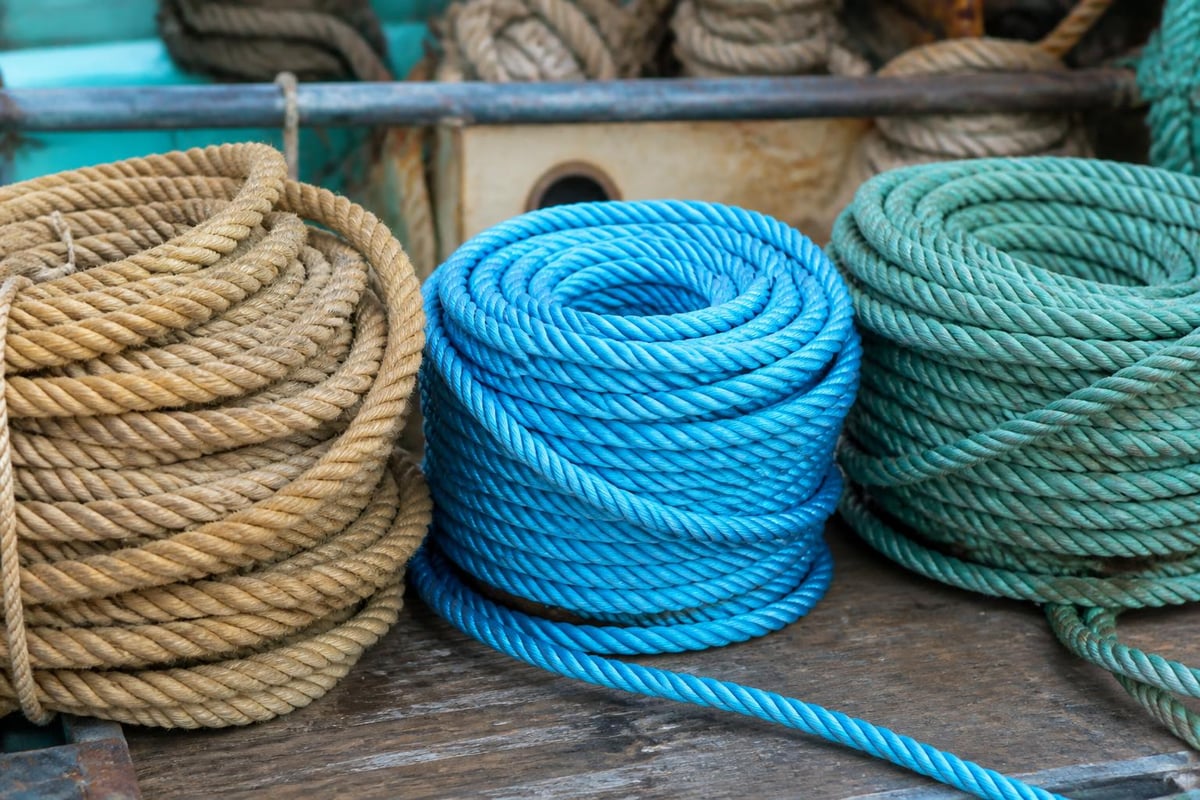
| Rope Type | Best Applications | Key Advantages | Considerations |
|---|---|---|---|
| Nylon | Anchor lines, mooring | High strength, shock absorption | Stretches when wet |
| Polyester | Net construction, rigging | UV resistant, low stretch | Higher cost |
| Manila | Traditional applications | Natural fiber, good grip | Degrades in water |
| Polypropylene | Surface floats, buoy lines | Floats, cost-effective | Lower strength |
Quality assessment separates equipment that lasts years from gear that fails during critical moments. Commercial fisheries particularly need accessories that withstand harsh marine environments and intensive use.
Marine-grade materials resist saltwater corrosion, UV degradation, and mechanical stress. When you buy fishing accessories, verify material certifications and manufacturing standards. New Zealand-made products often meet stringent quality benchmarks, ensuring reliability for Pacific fishing conditions.
Premium fishing accessories feature reinforced stitching, corrosion-resistant hardware, and materials tested for breaking strength. These specifications directly impact safety and operational efficiency.
Established manufacturers with decades of experience typically offer superior products and customer support. Companies specializing in fishing equipment understand industry needs better than general suppliers. Local manufacturers provide advantages in turnaround times, customization options, and regional expertise.
Evaluation criteria include:
Commercial fishing operations require systematic approaches when purchasing accessories. Planning prevents equipment shortages during peak seasons and ensures compatibility across your fleet.
Begin by auditing current inventory to identify worn equipment, missing components, and upcoming needs. Calculate replacement schedules based on usage patterns and environmental conditions. Pacific Island fisheries, for example, experience different wear patterns than temperate zone operations.
Seasonal demand fluctuations affect when you should buy fishing accessories. Purchasing before peak seasons ensures availability and may offer better pricing through advance orders. Bulk purchasing from specialized marine equipment suppliers provides economies of scale for commercial operations.
Smart budgeting balances immediate needs with long-term value. While premium accessories cost more upfront, they often deliver lower total ownership costs through extended lifespan and reduced replacement frequency.
| Purchase Approach | Initial Cost | Replacement Frequency | Long-term Value |
|---|---|---|---|
| Budget-tier gear | Low | High (6-12 months) | Poor - frequent replacement |
| Mid-range quality | Moderate | Medium (1-2 years) | Good - balanced investment |
| Premium equipment | High | Low (3-5+ years) | Excellent - minimal replacement |
| New Zealand-made | Moderate-High | Low (3-6 years) | Superior - durability + support |
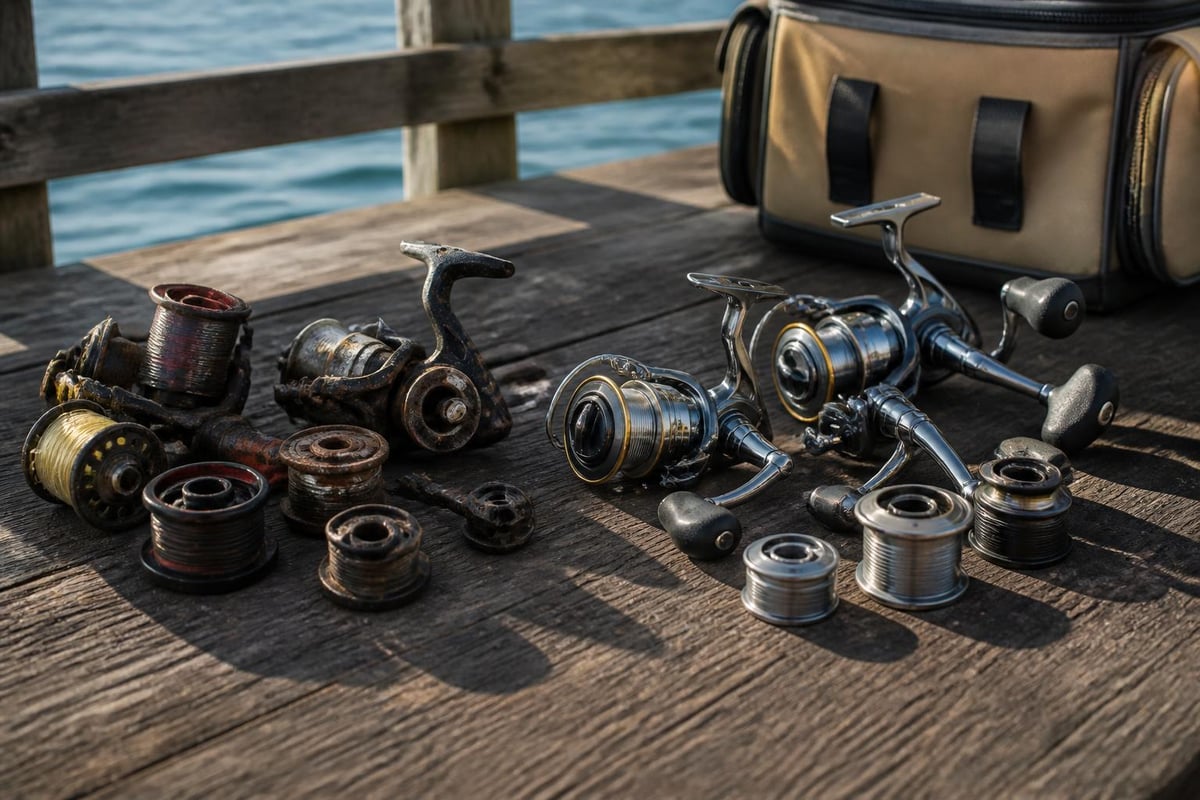
Different fishing techniques demand specific accessories. Understanding these requirements prevents purchasing incompatible or inadequate equipment.
Commercial netting requires comprehensive accessory packages. Beyond the nets themselves, operations need float systems, weight distribution components, and handling equipment. When you buy fishing accessories for commercial netting, consider the complete system rather than individual components.
Fishing nets designed for Pacific Island markets account for regional species, water conditions, and traditional fishing methods. Customization options ensure nets match specific operational requirements.
Line fishing accessories include downrigger weights, swivels, leaders, and terminal tackle. Trolling operations particularly benefit from quality weights that maintain proper depth control and resist corrosion in saltwater environments.
Essential trolling accessories:
Recreational anglers buy fishing accessories with different priorities than commercial operations. Portability, versatility, and ease of use matter more than industrial durability. However, quality remains important for safety and performance. Retailers like West Marine and Tackle Warehouse offer extensive selections for recreational needs, though commercial-grade options provide superior longevity.
Proper maintenance extends accessory lifespan and maintains performance standards. Establishing maintenance protocols protects your investment and prevents unexpected failures.
Regular inspections identify wear before it causes equipment failure. Create checklists for different accessory types, focusing on stress points, connection hardware, and material degradation.
Weekly inspection items:
Saltwater accelerates deterioration in fishing accessories. Thorough freshwater rinsing after each use removes salt crystals and organic matter. Proper drying prevents mold and mildew growth, particularly important for natural fiber ropes and netting.
Storage conditions significantly impact longevity. UV-protected, well-ventilated storage areas preserve material integrity. Coiling ropes properly prevents kinking, while netting should hang without creases or compression.
Where you buy fishing accessories affects product quality, pricing, and ongoing support. Multiple channels exist, each with distinct advantages and limitations.
Purchasing directly from manufacturers like Action Outdoors eliminates middleman markups while providing access to customization, technical expertise, and faster turnaround times. Manufacturers understand their products thoroughly and can recommend optimal configurations for specific applications.
Direct relationships also facilitate warranty claims, custom orders, and bulk pricing negotiations. For Pacific Island markets, working with New Zealand manufacturers offers proximity advantages in shipping times and regional knowledge.
Online retailers provide convenience and broad selection. Platforms like Overton's and Jann's Netcraft cater to various fishing styles with comprehensive inventories. However, commercial operations may find recreational-focused retailers lack industrial-grade options or bulk purchasing capabilities.
Online fishing tackle stores specializing in commercial gear better serve professional needs with appropriate product ranges and quantity options.
Local suppliers offer immediate availability and face-to-face consultation. Examining products physically before purchase reduces uncertainty, particularly for unfamiliar items. Established relationships with local distributors provide reliability and emergency supply access when equipment fails unexpectedly.
When you buy fishing accessories, regulatory compliance protects operations from legal issues while ensuring crew safety. Different regions maintain specific requirements for fishing equipment.
Many jurisdictions regulate minimum mesh sizes to prevent juvenile fish capture. Purchasing compliant nets from the start avoids costly replacements and potential fines. Manufacturers familiar with regional regulations can verify compliance before production.
Documentation proving compliance becomes critical during inspections. Retain specifications, certifications, and purchase records demonstrating regulatory adherence.
Beyond catching equipment, fishing operations need safety accessories including flotation devices, emergency signals, and first aid supplies. Comprehensive safety equipment procurement ensures crew protection and regulatory compliance.
Required safety accessories typically include:
Contemporary fishing accessories increasingly incorporate technology for enhanced performance and efficiency. While traditional equipment remains effective, technological additions provide competitive advantages.
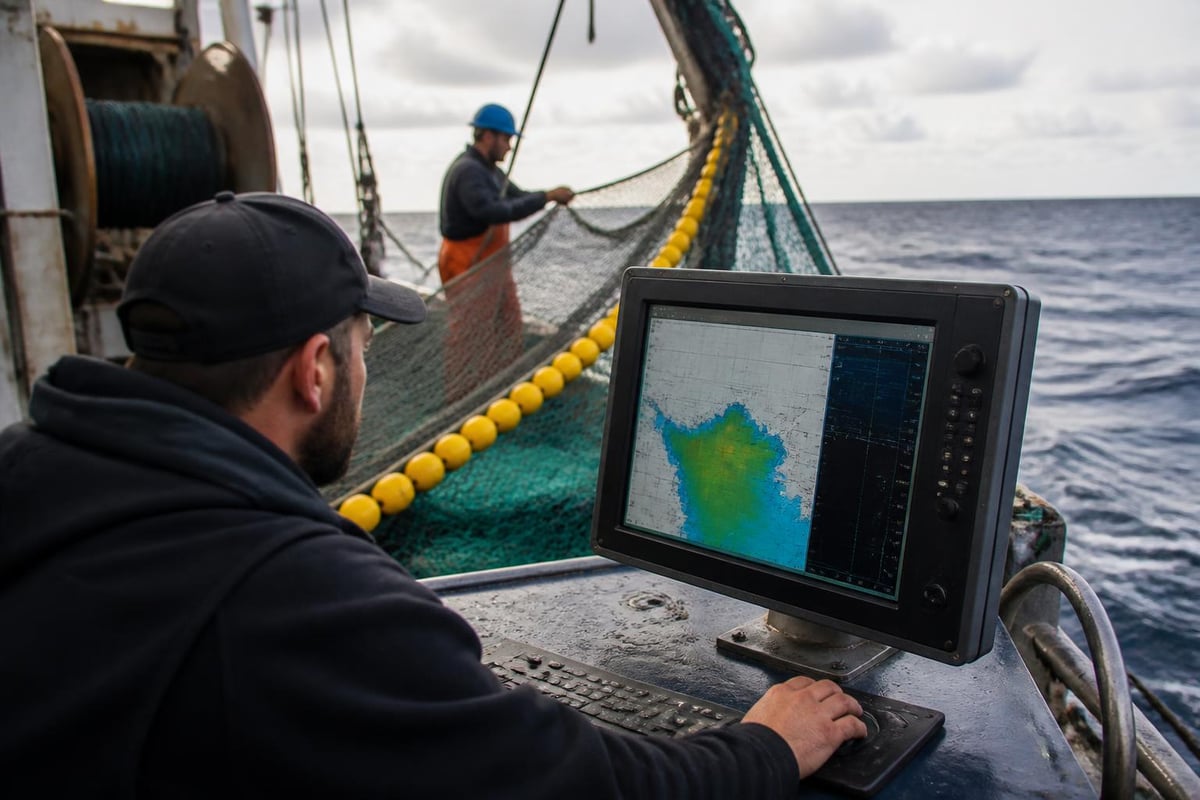
GPS-enabled floats track net positions, preventing loss and facilitating recovery. Electronic depth sensors optimize net deployment, while temperature monitoring identifies productive fishing zones. When you buy fishing accessories with integrated electronics, ensure compatibility with existing systems and verify waterproof ratings.
Material science advances produce stronger, lighter fishing accessories. High-performance synthetic fibers exceed natural materials in strength-to-weight ratios while resisting environmental degradation. Specialized coatings enhance UV resistance and reduce biofouling on submerged components.
Strategic timing when you buy fishing accessories maximizes value and ensures availability during critical periods.
Order accessories well before peak fishing seasons to avoid supply shortages and rushed shipping. Lead times vary by product complexity and manufacturer capacity. Custom net orders, for instance, may require several weeks from order to delivery.
Early ordering also allows thorough equipment testing before full deployment. Identifying issues during low-pressure periods permits corrections without impacting productive fishing time.
Off-season purchasing may offer pricing advantages as suppliers clear inventory or offer promotions. Equipment maintenance and upgrades during slow periods keep crews productive and vessels ready for immediate deployment when seasons open.
Networking with other fishing operations provides insights into timing strategies and supplier reliability. Industry associations and fishing cooperatives often negotiate group purchasing arrangements, reducing costs for members.
Pacific Island fishing communities have unique requirements when they buy fishing accessories. Climate, species diversity, and traditional methods influence optimal equipment selections.
Tropical conditions accelerate UV degradation and biological growth on fishing gear. Accessories for Pacific markets require enhanced UV stabilization and anti-fouling properties. Material selection accounts for constant warm water exposure and intense sunlight.
Many Pacific fishing communities blend traditional knowledge with modern equipment. Accessories that adapt to traditional methods while incorporating contemporary materials and construction techniques find ready acceptance. Consultation with end users ensures cultural appropriateness and practical functionality.
Export-ready fishing accessories meet international shipping requirements and arrive in usable condition despite long transit times. Packaging protects products from moisture, compression, and handling damage. Documentation accuracy prevents customs delays that could strand time-sensitive shipments.
Successful commercial operations develop lasting relationships with accessory suppliers. These partnerships deliver benefits beyond individual transactions.
Regular communication keeps suppliers informed about product performance, emerging needs, and operational challenges. This feedback helps manufacturers improve products and develop solutions for common issues. Suppliers value customers who provide detailed usage reports and constructive criticism.
Established relationships facilitate custom orders tailored to specific requirements. Manufacturers invest in customization for reliable customers, knowing the partnership justifies tooling costs and production adjustments. Custom fishing nets, specialized rope configurations, and modified equipment deliver competitive advantages unavailable through standard products.
Long-term customers often receive priority treatment during supply constraints and emergency situations. When critical equipment fails, established suppliers expedite replacement orders and provide technical support to minimize downtime. This reliability proves invaluable during peak fishing periods when delays directly impact revenue.
Before committing to large purchases, testing fishing accessories under actual conditions validates manufacturer claims and ensures suitability.
Initial orders of new products or suppliers should be small-scale trials. Field testing reveals performance characteristics, durability, and compatibility with existing equipment. Successful trials justify larger commitments, while disappointing results limit financial exposure.
Establish measurable criteria for accessory performance. Track failure rates, lifespan under specific conditions, and maintenance requirements. Documentation creates objective bases for supplier evaluations and purchasing decisions.
| Evaluation Metric | Measurement Method | Acceptable Range | Decision Point |
|---|---|---|---|
| Material strength | Tensile testing | 95-105% of specification | Reject if below 95% |
| UV degradation | 6-month exposure test | Less than 15% strength loss | Reject if over 20% loss |
| Corrosion resistance | Saltwater immersion | Minimal surface oxidation | Reject if structural corrosion |
| Operational lifespan | Field usage tracking | Minimum 2 seasons | Reject if fails within 1 season |
Choosing to buy fishing accessories involves balancing immediate needs with long-term value, understanding technical specifications, and building relationships with reliable suppliers. Quality equipment tailored to your specific fishing methods delivers superior performance and extended service life compared to generic alternatives. Whether outfitting commercial operations or upgrading recreational gear, informed purchasing decisions protect investments and enhance fishing success. Action Outdoors Limited produces over 350,000 meters of ready-to-use fishing nets annually and offers comprehensive marine equipment solutions designed for Pacific fishing conditions, backed by New Zealand quality standards and expert technical support.
Leave a comment