
As anglers look ahead to 2026, the humble fish keep net is transforming with new designs and responsible angling standards. Whether you are a seasoned competitor or a weekend hobbyist, choosing the right fish keep net can make a big difference in catch care and success. This guide will walk you through everything you need to know, from modern net types and selection criteria to practical usage, fish welfare, and the latest regulations. Discover how best practices can help you fish responsibly and confidently for years to come.
Understanding Fish Keep Nets: Types and Uses
Selecting the right fish keep net is vital for any angler aiming for success and sustainability in 2026. As fishing methods and regulations evolve, understanding the types, uses, and innovations of fish keep nets helps you fish responsibly and efficiently. In this section, we break down what a fish keep net is, explore the main types available, and show how they are used across different angling environments today.
What is a Fish Keep Net?
A fish keep net is a specialized net designed to hold live fish temporarily in water during recreational or competitive angling. Unlike landing nets, which are used to scoop fish from the water, or bait nets, which handle small baitfish, the fish keep net provides a safe, controlled environment for your catch until release or weigh-in.
The primary function of a fish keep net is to maintain fish health and minimize stress by allowing continuous water flow. This is crucial for catch-and-release practices, as well as for tournaments where fish must be kept alive for official measurement. The structure of a fish keep net is typically elongated, allowing it to rest along the bottom and provide enough space for multiple fish.
Main Types of Fish Keep Nets
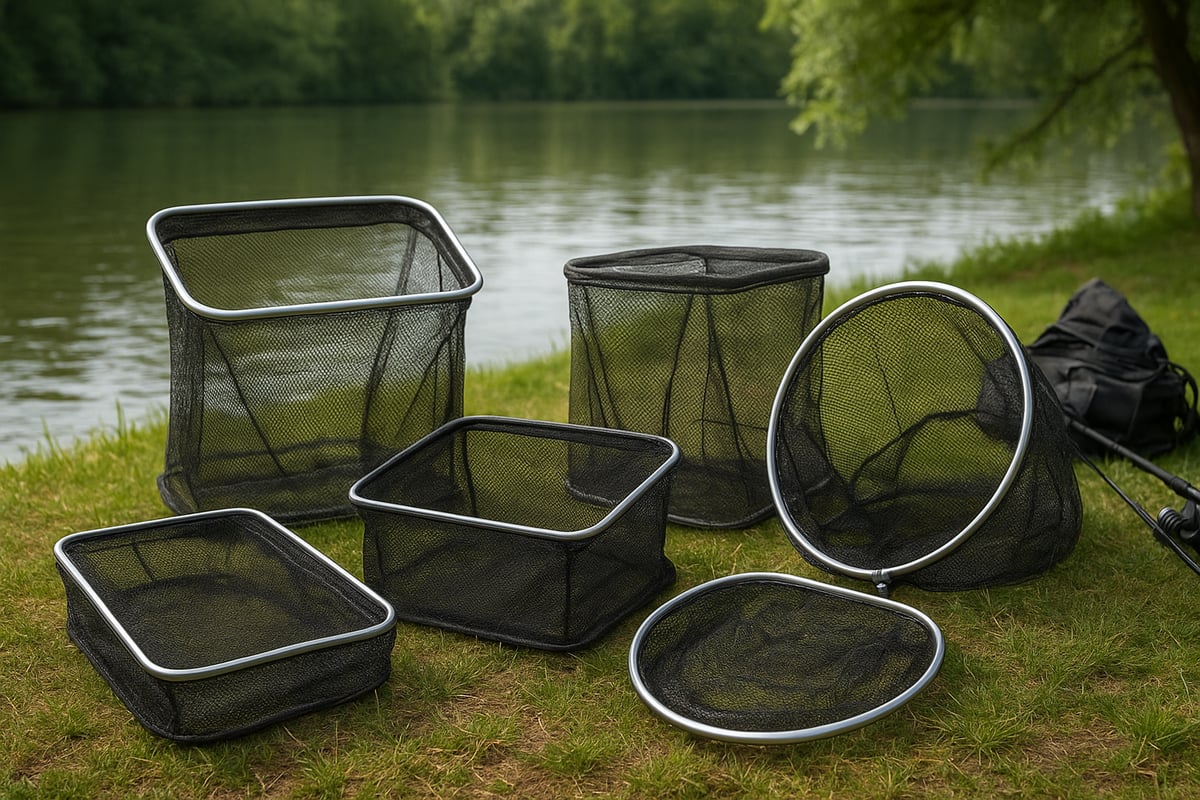
There are several main types of fish keep net, each suited to specific fishing scenarios and personal preferences. The most common designs include rectangular, circular, collapsible, and basket-style nets.
Rectangular nets are preferred for match fishing because they lay flat on the lakebed, giving fish more room and reducing stress. Circular nets are often used for coarse fishing due to their simple design and ease of placement. Collapsible nets are gaining popularity for their portability, making them ideal for mobile anglers or those with limited storage space. Basket-style nets, though less common, offer vertical storage and are favored in some commercial settings.
Materials play a significant role in net performance. Most modern fish keep net products use nylon mesh, valued for its durability and fish safety. Rubber-coated meshes are increasingly popular as they reduce scale loss and tangling. Frames are typically made from lightweight metals like aluminum or steel, ensuring strength without excess weight.
Here is a quick comparison:
| Type | Material | Best Use | Trend |
|---|---|---|---|
| Rectangular | Nylon/Rubber | Match fishing | Stable |
| Circular | Nylon | Coarse fishing | Classic |
| Collapsible | Nylon/Rubber | Portability needs | Rising |
| Basket-style | Metal/Nylon | Commercial fisheries | Niche |
Competitor data shows nylon is the most widely used mesh, while collapsible designs are trending for their convenience. For a comprehensive overview of types, uses, and maintenance, consult the Essential fish net handbook.
Applications in Modern Angling
The fish keep net is an essential tool across various fishing environments, including rivers, lakes, and commercial fisheries. In match fishing tournaments, anglers rely on long, durable nets to safely hold carp, bream, or tench before weigh-in. For recreational catch-and-release, a fish keep net allows fish to recover in oxygen-rich water before being set free.
Anglers targeting smaller species, such as minnows or shrimps, opt for shorter nets with finer mesh. In commercial fisheries, basket-style or larger capacity nets are used to store live bait or sort catches by size. Typical product specifications from leading brands include opening diameters ranging from 9 to 28 centimeters and lengths from 3 to over 12 feet. Mesh size is another important factor, with finer mesh providing better protection for delicate fish while allowing ample water flow.
Proper use of a fish keep net not only improves angling efficiency but also supports fish welfare and regulatory compliance. As new standards and best practices emerge, choosing the right net for your target species and environment remains a top priority for responsible anglers.
Choosing the Right Keep Net for 2026
Selecting the ideal fish keep net for 2026 is more complex than ever, given advances in materials, evolving regulations, and a growing emphasis on fish welfare. Modern anglers must balance durability, practicality, and environmental responsibility when making their choice.

Key Selection Criteria
When evaluating a fish keep net, focus on factors that ensure both performance and fish safety. Durability is paramount. Look for nets constructed with reinforced frames, such as stainless steel or coated alloy, and robust mesh that resists tears even after repeated use.
Mesh size is another critical criterion. Fine mesh helps prevent fin and scale damage, while facilitating water flow for oxygenation. Material choices include traditional nylon, popular for its strength and light weight, and newer options like rubber-coated mesh, which minimize injury and are easier to clean. Competitor analysis consistently shows that nylon mesh paired with steel circle frames provides the best balance of longevity and user-friendliness.
Frame strength and load-bearing capacity should match your target species. For large carp or multiple catches, opt for a net with a sturdy, reinforced structure. A quick-reference table can help compare the main attributes:
| Feature | Nylon Mesh Net | Rubber-Coated Net | Metal Frame Net |
|---|---|---|---|
| Durability | High | High | Highest |
| Fish Safety | Moderate | High | Moderate |
| Portability | High | Moderate | Moderate |
Stay informed about new trends in net technology and sustainable materials by reviewing trends in fishing nets and aquaculture cages, which highlight innovations shaping the fish keep net market.
Size, Shape, and Capacity Considerations
Choosing the right size and shape for your fish keep net depends on your fishing style and target species. Nets come in varied lengths, from compact 3-foot models to expansive 12-foot options. Diameter ranges typically span 9 to 28 cm, allowing for flexibility in storing anything from minnows to large carp.
For match fishing or competitions, longer nets are preferred to accommodate multiple fish without crowding. Shorter nets suit anglers targeting smaller species or fishing in confined spots. Always ensure your fish keep net offers enough space for each fish, reducing stress and injury risk.
Consider practical scenarios: a 3-foot, 12 cm diameter net works well for small lakeside catches, while a 10-foot, 25 cm diameter net is ideal for carp or bream during tournaments. Capacity is equally important. Never exceed the recommended load, as overcrowding can harm both fish and the net itself. Competitor statistics reveal that most popular nets for coarse fishing fall between 8 and 10 feet in length, balancing portability with capacity.
Portability and Storage Features
Modern anglers value portability as much as performance. Collapsible fish keep net designs have soared in popularity, offering easy transport and convenient storage. These nets fold down compactly, fitting into fishing backpacks or car trunks without hassle.
Rigid nets, though sturdy, can be cumbersome during travel or when fishing at remote locations. Foldable and telescopic frames are ideal for those who move frequently between spots. Most collapsible fish keep net models use quick-release joints and lightweight materials, ensuring a balance between strength and mobility.
When space is at a premium, such as for urban anglers or those with limited storage at home, a collapsible fish keep net is a practical investment. Competitor reviews consistently favor these models for their seamless setup and breakdown, making them the go-to choice for 2026.
Environmental Impact and Fish Welfare
Responsible angling in 2026 means choosing a fish keep net that prioritizes both environmental impact and fish welfare. Eco-friendly materials, such as biodegradable or recycled mesh, are becoming more common and are favored by conservation-minded anglers.
Fish-safe mesh, designed to minimize abrasions and fin damage, is essential for catch-and-release practices. Proper water flow through the net ensures that fish remain well oxygenated, reducing stress and mortality rates. Regulatory bodies are increasingly mandating the use of fine mesh and low-impact materials in fish keep net designs.
Trends in fish keep net regulations show a move toward stricter standards for mesh size and net construction, all aimed at improving fish welfare. When selecting your next fish keep net, look for models that meet or exceed these evolving requirements for a more sustainable angling experience.
Proper Usage: Step-by-Step Guide to Using a Fish Keep Net
Using a fish keep net properly is essential for fish welfare, angler success, and compliance with current standards. This guide walks you through each stage, from setup to safe release, ensuring every use of your fish keep net meets 2026’s expectations for responsible angling.
Step 1: Preparing Your Keep Net
Before each outing, inspect your fish keep net thoroughly. Check the mesh for holes or fraying, and examine the frame for bends or rust. A compromised net can harm fish or fail during use.
Make sure your fish keep net is clean and free from debris. Untangle any knots and assemble it securely. This step prevents accidental escapes and ensures smooth operation throughout your session.
For additional preparation tips and the latest updates on angling equipment, visit Latest fishing and marine news for practical insights from industry experts.
Step 2: Placement in Water
Select a spot with enough depth to fully submerge your fish keep net, allowing fish to swim upright. Avoid areas with strong currents, heavy weeds, or rocky bottoms, as these can stress or injure fish.
Position your fish keep net so water flows gently through it, providing oxygen and maintaining fish comfort. In shallow or stagnant spots, reposition as needed to keep fish healthy.
If using multiple nets, ensure they are spaced apart to prevent crowding and tangling. Proper placement is vital for both fish safety and ease of retrieval.
Step 3: Introducing Fish to the Net
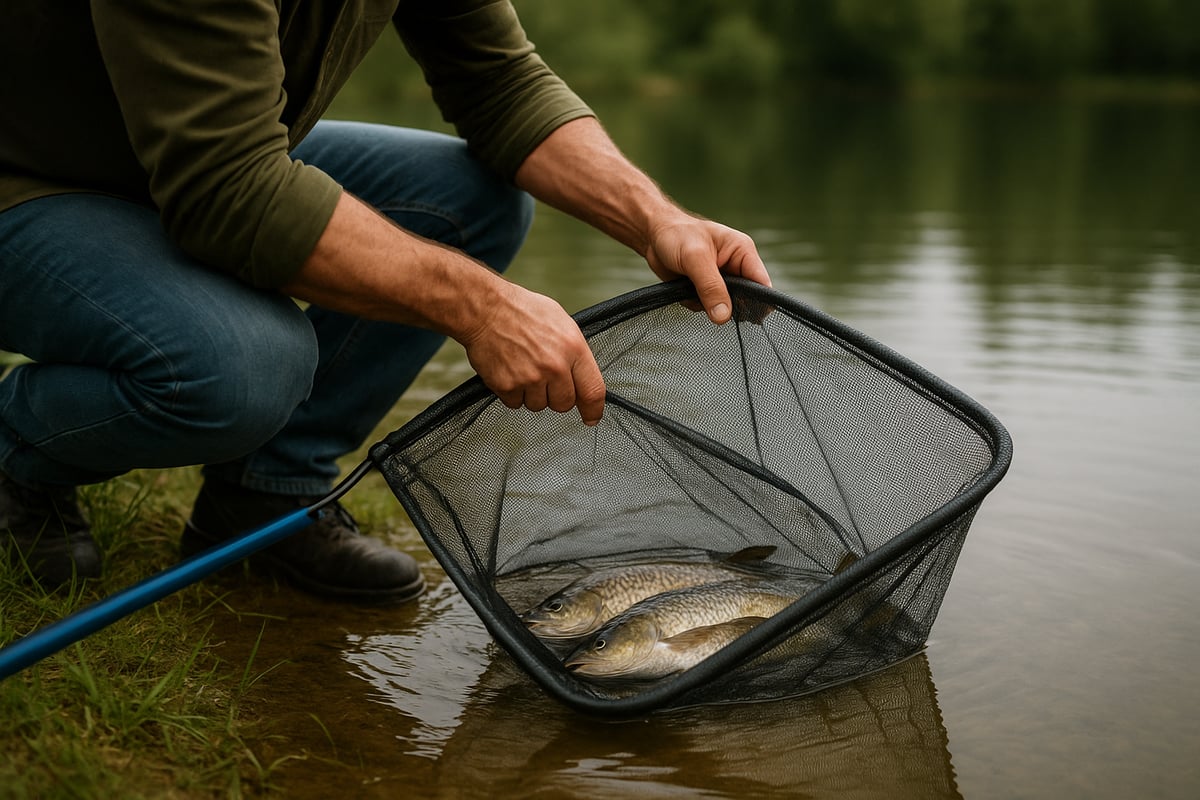
When transferring fish, handle them gently and limit air exposure to a few seconds. Always place fish headfirst into your fish keep net to help them orient naturally and reduce stress.
Use a landing net for initial capture, then slide the fish smoothly into your fish keep net. Avoid dropping or tossing fish, as this can cause injury or shock.
For species with delicate scales or fins, wet your hands or gloves before handling to minimize slime loss and protect their natural defenses.
Step 4: Monitoring and Care During Use
Regularly monitor the condition of fish inside your fish keep net. Check for signs of stress, such as rapid gill movement or floating, and adjust the net’s position if needed to improve water flow.
Do not overcrowd your fish keep net. Follow recommended capacity guidelines, such as one large fish per compartment or a few smaller fish per section. Overcrowding increases stress and risk of injury.
- Inspect water quality in and around the net. If water becomes murky or oxygen levels drop, move your fish keep net to a cleaner spot.
- Watch for entanglement or unusual behavior, intervening promptly to prevent harm.
- During long sessions, periodically lift the net slightly to refresh water but avoid exposing fish to air unnecessarily.
A well-monitored fish keep net ensures high survival rates and supports ethical angling practices.
Step 5: Safe Removal and Release
When it’s time to remove fish, do so gently and support their bodies fully. Lift the fish keep net slowly from the water, allowing excess water to drain before handling the fish.
For catch-and-release, revive each fish by holding it upright in the water until it swims off under its own power. Use wet hands or soft, fish-safe gloves to minimize slime removal and scale damage.
Release fish one at a time, avoiding crowding at the net’s opening. This reduces stress and improves post-release survival.
Common Mistakes to Avoid
Many anglers make avoidable errors when using a fish keep net. Here’s a quick reference table:
| Mistake | Why It’s Harmful |
|---|---|
| Overcrowding | Causes stress and injury |
| Poor placement | Reduces oxygen, increases risk |
| Rough handling | Damages scales and slime |
| Leaving unattended | Fish may suffocate or escape |
By steering clear of these pitfalls, you’ll maximize the benefits of your fish keep net and uphold modern angling standards.
Maintenance and Longevity: Caring for Your Keep Net
Proper maintenance of your fish keep net is essential for ensuring its effectiveness, longevity, and the safety of the fish you handle. Regular care not only protects your investment but also upholds ethical angling standards. Let us explore the key steps to keep your fish keep net in excellent condition for years to come.
Cleaning and Disinfection
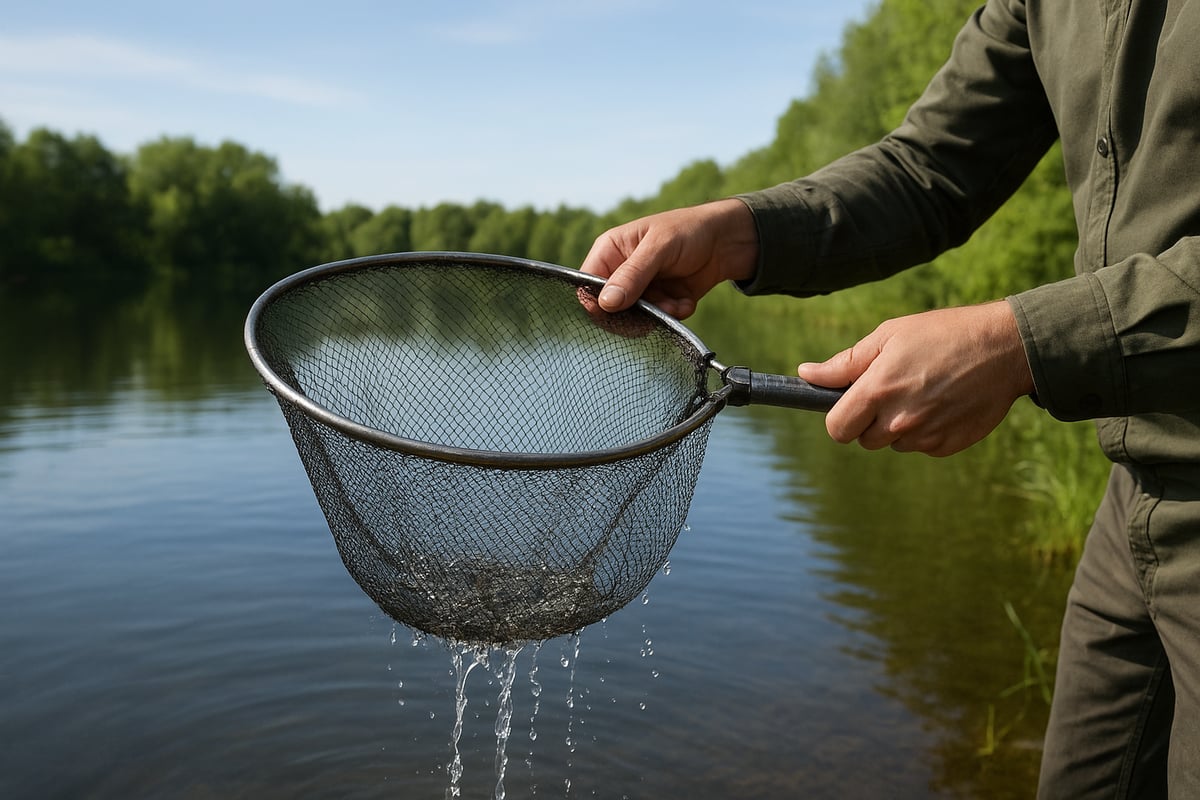
After each fishing session, thoroughly clean your fish keep net to remove mud, algae, and fish slime. Start by rinsing the net with fresh water, ensuring all debris is flushed from the mesh and frame.
- Use a soft brush for stubborn particles, focusing on seams and corners.
- Apply a mild, fish-safe disinfectant periodically to reduce disease risk between fishing trips.
- Avoid harsh chemicals, as they can weaken net materials and harm aquatic environments.
By incorporating regular cleaning into your routine, you safeguard both the fish keep net and the fish, minimizing cross-contamination and ensuring compliance with best practice guidelines.
Drying and Storage
Once your fish keep net is clean, it is crucial to dry it thoroughly before storage. Excess moisture can lead to mold growth, unpleasant odors, and material degradation.
- Hang the net in a well-ventilated, shaded area to air dry fully.
- Never store a damp fish keep net in a confined space or sealed bag.
- Store the net in a cool, dry place, away from direct sunlight to prevent UV damage.
Proper drying and storage not only extend the lifespan of your fish keep net but also maintain its structural integrity for every outing.
Inspecting for Wear and Tear
Consistent inspection is key to detecting early signs of damage and preventing failure during use. Before and after each trip, examine your fish keep net carefully.
- Check the mesh for holes, fraying, or weakened areas.
- Inspect seams and stitching, ensuring there are no splits or loose threads.
- Assess the frame for bends, rust, or corrosion, especially in steel circle models.
Promptly repairing minor issues or replacing your fish keep net when necessary preserves fish safety and ensures reliable performance on the water.
Best Practices for Extending Net Life
Adopting best practices can dramatically increase the service life of your fish keep net. Avoid dragging the net across rough surfaces, as abrasion can damage both mesh and frame. Always follow manufacturer care instructions for cleaning agents and drying methods.
Investing in high-quality nets, such as those with nylon mesh and reinforced frames, pays off over time. Recent innovative trawl net development demonstrates how advanced materials and designs contribute to durability and fish welfare. By staying informed and proactive, you ensure your fish keep net remains a reliable tool for responsible angling.
Fish Welfare, Ethics, and Regulations in 2026
As we enter 2026, the role of the fish keep net in angling is evolving rapidly. Regulatory bodies and angling communities worldwide are driving higher standards for fish welfare, ethical practices, and environmental responsibility. Understanding these changes is essential for every modern angler who relies on a fish keep net, whether for competitive events or recreational outings.
Evolving Fish Welfare Standards
The fish keep net has become a focal point in updated welfare regulations. In 2026, new guidelines emphasize the use of fish-friendly mesh materials that minimize injury and stress. Regulatory authorities are now requiring anglers to use nets with specific mesh sizes to protect delicate species and to ensure adequate water flow for oxygenation.
Maximum holding times for fish in nets are now common. Many organizations mandate that fish should not remain in a fish keep net beyond a set period, often under two hours, to reduce stress and mortality rates. There are also species-specific rules, with some fish requiring separate compartments or nets to prevent aggression or overcrowding.
Manufacturers have responded by releasing fish keep net models with soft, fine mesh and rounded frames. This innovation supports compliance and aligns with the growing ethical focus on fish care. Anglers should be proactive, selecting nets that meet or exceed these standards for responsible practice.
Responsible Angling Practices
Responsible use of a fish keep net is about more than following the rules. Modern best practices encourage anglers to minimize fish handling and avoid unnecessary retention. When a fish must be held, gentle transfer with wet hands or a soft landing net reduces scale loss and stress.
Regular monitoring of fish inside the net is essential. Overcrowding should be avoided, following manufacturer or competition guidelines. Anglers should position their fish keep net in well-oxygenated water, away from strong currents or debris, to promote fish health and comfort. Every step, from net selection to release, reflects the angler’s commitment to ethical fishing.
Legal Requirements and Compliance
Legal frameworks in 2026 are more comprehensive than ever, and compliance is non-negotiable. Regulations now cover licensing, reporting, inspection protocols, and allowable net types. For example, the EU 2026 fishing quotas agreement sets strict quotas and net standards to protect fisheries and habitats.
Regional laws may specify permitted mesh sizes, fish species, and even the duration fish can be kept. Anglers in the United States, for instance, can refer to Connecticut fishing net regulations for state-specific restrictions. Always check local guidelines before using any fish keep net to avoid penalties and contribute to sustainable angling.
Environmental Impact and Conservation
The environmental impact of fish keep net use is now a critical consideration. Eco-friendly materials, such as biodegradable mesh and non-toxic coatings, are becoming industry standards. These innovations help prevent pollution and reduce the risk of disease transmission between water bodies.
Proper use of a fish keep net supports conservation by allowing selective retention and safe release. Anglers are encouraged to adopt nets that facilitate water flow and oxygenation, helping maintain fish health during temporary holding. Sustainable practices today ensure thriving fish populations for future generations.
Community and Competition Guidelines
Competitive angling events in 2026 have adopted strict rules for fish keep net use. Regulations often dictate net type, maximum fish limits, and time restrictions for holding. These guidelines are designed to ensure fair play and prioritize fish welfare throughout the event.
Community standards encourage all participants to uphold ethical practices, reinforcing a culture of responsible and sustainable angling.
Advanced Tips and Innovations for 2026 Anglers
Anglers in 2026 are witnessing a rapid transformation in the world of fish keep net technology and best practices. Staying informed about the newest advancements, customization options, and professional strategies can help you maximize your angling success while ensuring ethical standards. This section explores the cutting edge of fish keep net innovation, tailored to both recreational and competitive anglers.
Latest Technological Advancements
The fish keep net industry is embracing technology like never before. In 2026, manufacturers are introducing lightweight alloy frames, which offer exceptional durability without adding unnecessary weight. Anglers are also seeing the rise of anti-bacterial coated meshes, designed to minimize disease transmission and enhance fish welfare.
Smart nets with integrated sensors are another breakthrough. These sensors can monitor water quality and alert you if oxygen levels drop, ensuring your fish remain healthy during long sessions. Competitor data shows rubber-coated and collapsible fish keep net models are now favored for their ease of cleaning and portability. These innovations collectively make modern nets more efficient and safer for both fish and anglers.
Customization and Specialized Nets
Customization is at the forefront of fish keep net design in 2026. Anglers can now order nets tailored to specific species, such as carp or crayfish, and even select mesh sizes that comply with the latest regulations. Modular features allow you to adjust net length or attach extra compartments for different fishing scenarios.
Branding is also popular, especially among match anglers and clubs looking for a professional edge. For example, a fish keep net designed for competition might include quick-release frames and personalized logos. These options provide flexibility and a sense of ownership, empowering anglers to adapt their gear to any environment or event.
Integrating Accessories and Upgrades
Accessories and upgrades can dramatically improve the functionality of your fish keep net. Many anglers are adding flotation aids to keep nets stable in moving water or reinforced frames for handling larger catches. Quick-dry mesh and detachable rod holders are other popular enhancements.
Compatibility with other fishing equipment is vital. When choosing add-ons, consider how they integrate with your existing setup. For more insights into thoughtful gear selection, see this guide on how to choose boat trailer rollers, which demonstrates the importance of matching accessories to specific needs. These practices ensure your fish keep net is always ready for action.
| Accessory | Benefit | Compatibility |
|---|---|---|
| Flotation Aids | Stability in water | Most modern nets |
| Reinforced Frames | Increased load capacity | Heavy-duty nets |
| Quick-dry Mesh | Faster cleaning and drying | Collapsible models |
| Rod Holders | Hands-free convenience | Modular nets |
Pro Tips from Experienced Anglers
Seasoned anglers know that success with a fish keep net goes beyond the equipment itself. Always position your net in areas with steady water flow for optimal oxygenation. Adapt your net placement based on weather and fish behavior, and never exceed recommended capacities to protect fish health.
Stay updated on regulations, as rules regarding mesh size and holding times can change rapidly. Many professionals recommend carrying a backup fish keep net for tournaments or challenging conditions. By following these advanced tips, you can boost your efficiency, uphold ethical standards, and enjoy a more rewarding angling experience.
As you look ahead to your next fishing adventure, remember that the right keep net can make all the difference for both your catch and the health of the fish. With so many options and new features emerging for 2026, it’s important to choose quality equipment that’s built to last and designed with fish welfare in mind. If you’re ready to upgrade your gear or simply want to ensure you’re best prepared for the season, explore the trusted range from New Zealand’s leading fishing net experts. Take the next step and Buy Now for a smarter, more responsible angling experience.