
Email

Whether you're outfitting a commercial fishing operation in the Pacific or preparing for recreational fishing adventures, having the right fisherman supplies can make the difference between a successful catch and a disappointing outing. The fishing industry has evolved significantly, with innovations in materials, design, and manufacturing processes creating more durable and efficient equipment than ever before. For commercial fisheries across New Zealand and Pacific Island nations, understanding which supplies are essential and how to maintain them ensures both profitability and safety on the water.
The foundation of any successful fishing venture starts with quality fisherman supplies that can withstand harsh marine conditions. Commercial operations require robust equipment capable of handling daily use in saltwater environments, while recreational fishers benefit from versatile gear suited to various fishing methods.
Commercial fishing nets represent one of the most critical investments for any fishing operation. Modern nets come in various configurations designed for specific fishing methods and target species. Gill nets, seine nets, and trawl nets each serve distinct purposes and require different specifications in terms of mesh size, twine thickness, and overall construction.
When selecting fishing nets, consider these key factors:
New Zealand-made fishing nets offer exceptional quality standards, with manufacturers producing ready-to-use nets that meet international commercial fishing requirements. These nets often feature superior construction techniques that extend operational lifespan and reduce downtime for repairs.
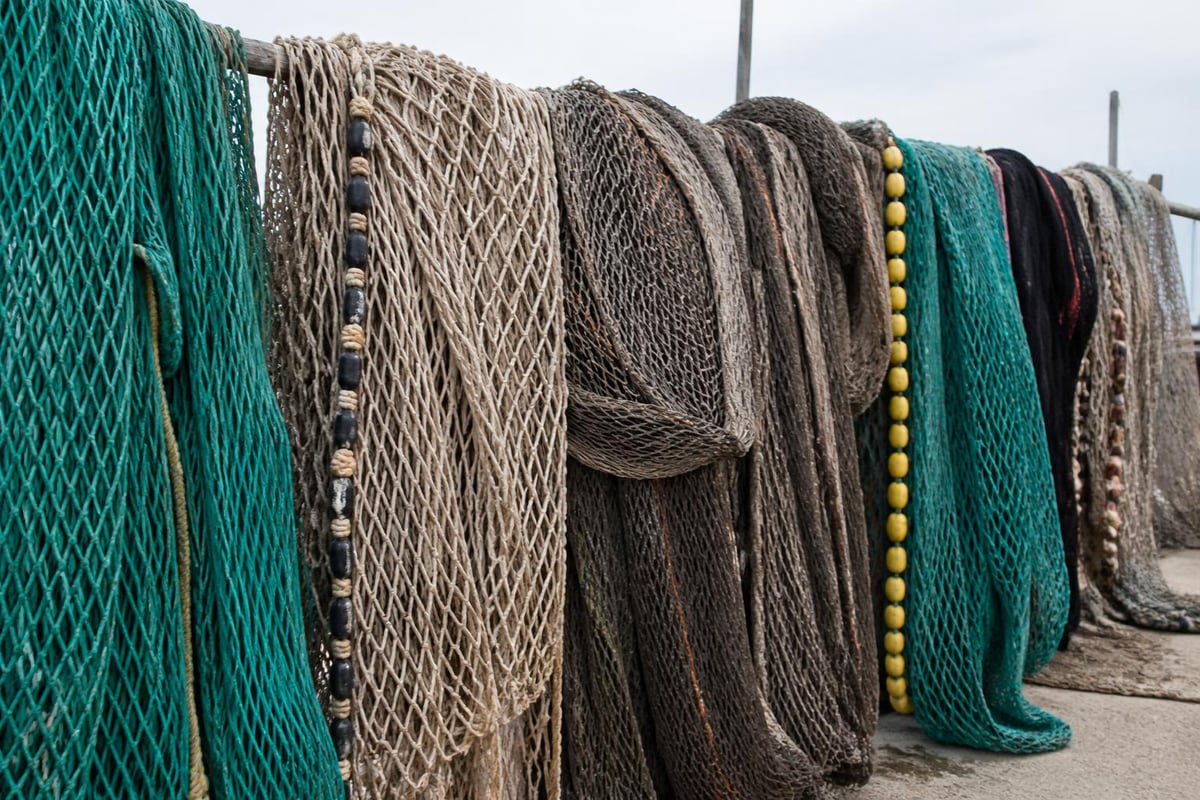
Marine-grade ropes serve countless functions in fishing operations, from mooring and anchoring to hauling nets and securing cargo. The right rope selection depends on specific applications, with different materials offering distinct advantages.
| Rope Type | Best Applications | Key Benefits | Limitations |
|---|---|---|---|
| Nylon | Anchor lines, mooring | High strength, shock absorption | Susceptible to UV degradation |
| Polypropylene | Floating lines, safety gear | Floats, economical | Lower strength-to-weight ratio |
| Polyester | Running rigging, sheets | UV resistant, minimal stretch | Higher cost |
| HMPE (Dyneema) | High-performance applications | Exceptional strength, lightweight | Premium pricing |
Commercial fisheries typically maintain extensive inventories of various rope types to ensure they have appropriate options for every situation. Proper rope storage and maintenance extends service life considerably, protecting your investment in these essential fisherman supplies.
Visibility and proper net deployment require quality floats and marking equipment. These seemingly simple fisherman supplies play crucial roles in operational efficiency and safety.
Fishing floats come in numerous sizes and materials, each designed for specific applications. Hard plastic floats offer durability and consistent buoyancy, while foam floats provide cost-effective solutions for certain net configurations. The float-to-weight ratio directly impacts how nets perform in water, affecting catch rates and ease of retrieval.
Modern float technology includes:
Proper float spacing along net lines ensures optimal net presentation in the water column, whether you're targeting surface-feeding species or bottom-dwellers. Many commercial operations work closely with suppliers to develop custom float configurations that maximize efficiency for their specific fishing methods.
Investment in quality fisherman supplies means nothing without proper maintenance protocols. The marine environment aggressively attacks fishing equipment, making regular care essential for longevity and performance.
Regular cleaning removes salt, organic matter, and debris that accelerate equipment deterioration. Maintaining your fishing equipment should follow a systematic approach that addresses all components after each fishing trip or at scheduled intervals for commercial operations.
Daily maintenance tasks include:
For those interested in the latest innovations, exciting new fishing innovations offer modern solutions that complement traditional maintenance practices. The saltwater fishing environment presents unique challenges, and fishing gear maintenance tips for saltwater anglers provides specialized guidance for operations in marine conditions.
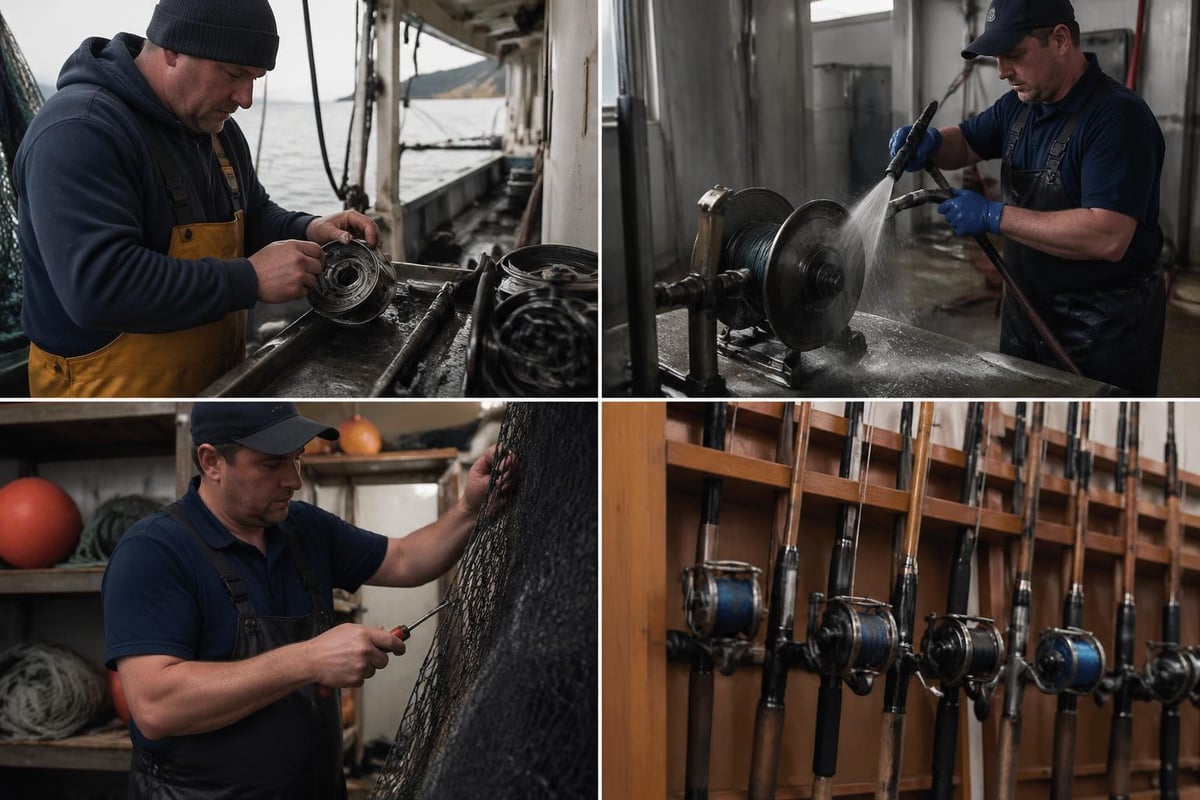
Proper storage protects fisherman supplies from environmental damage during periods of non-use. Commercial operations benefit from dedicated storage facilities that control temperature, humidity, and UV exposure.
Essential storage practices include:
According to essential fishing gear maintenance tips, proper storage can double the operational life of many fishing supplies. This translates to significant cost savings for commercial operations and recreational fishers alike.
Beyond the primary equipment, numerous specialized tools enhance fishing operations and ensure efficient workflows.
Net repair capabilities separate successful commercial operations from those plagued by downtime. Every fishing vessel or shore-based operation should maintain comprehensive repair kits containing needles, twine, mesh gauges, and cutting tools appropriate to their net types.
Professional-grade mending supplies include:
Learning proper net mending techniques represents a valuable skill that pays dividends throughout a fishing career. Many experienced fishers can complete field repairs that keep operations running until more comprehensive maintenance can be performed.
Material handling equipment ensures safe and efficient fish processing and net management. Heavy-duty slings distribute loads evenly, preventing damage to both catches and equipment. Stainless steel or galvanized hooks resist corrosion while providing secure attachment points for lifting operations.
For commercial operations, investing in quality handling equipment reduces workplace injuries and improves operational efficiency. The time saved through proper equipment selection often justifies the initial investment within a single fishing season.
Bottom fishing requires specific fisherman supplies designed to withstand contact with reefs, rocks, and ocean floor structures. This demanding fishing method tests equipment durability and proper selection is critical. Exploring bottom fishing gear options reveals specialized equipment that maximizes success in challenging conditions.
Bottom fishing lines must resist abrasion while maintaining sufficient strength for target species. Weighted systems keep gear positioned correctly despite currents and tidal movements. Lead weights, concrete anchors, and specialized sinkers all serve distinct purposes depending on bottom composition and fishing depths.
Modern weight systems often incorporate:
Not every fishing operation requires industrial-scale equipment. Recreational fishers and small-scale commercial operations benefit from portable fisherman supplies that deliver performance without excessive bulk. Understanding small fishing kits helps those seeking efficient, space-saving solutions for various fishing scenarios.
Portable fishing gear allows anglers to pursue opportunities wherever they arise. Compact nets, collapsible rods, and modular tackle systems provide full functionality while occupying minimal space during transport and storage.
Benefits of portable configurations include:
Pacific Island fisheries particularly value portable equipment that can be easily transported between islands and stored in limited spaces. The combination of durability and compactness makes these fisherman supplies ideal for distributed fishing operations serving multiple communities.
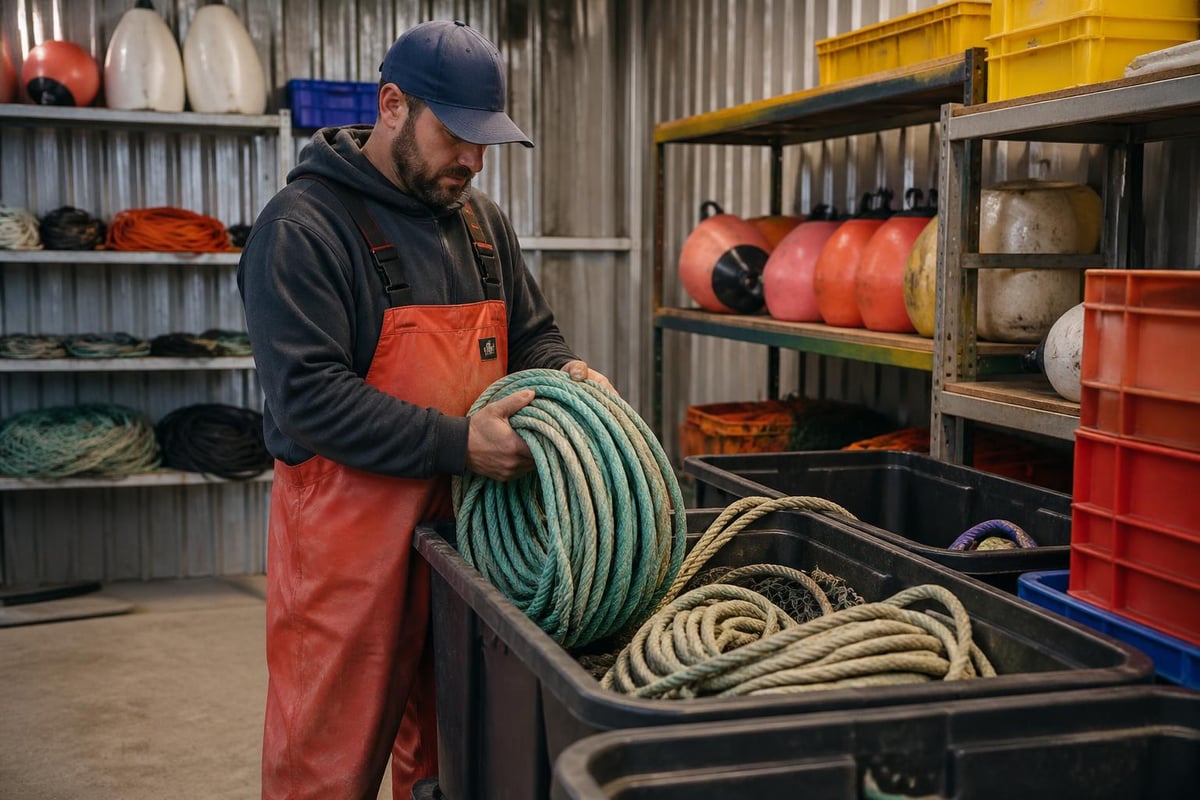
Modern fishing operations must prioritize safety alongside productivity. Essential safety-related fisherman supplies protect crew members and ensure regulatory compliance across international fishing zones.
Marine safety gear extends beyond traditional life jackets to include specialized equipment for various fishing activities. Cut-resistant gloves protect hands during net handling, while non-slip footwear prevents falls on wet decks. High-visibility clothing ensures crew members remain visible during night operations or adverse weather conditions.
Compliance requirements vary by jurisdiction, but common safety equipment includes:
Commercial fishing operations serving Pacific markets must understand and comply with regulations in each fishing zone they operate within. Maintaining current safety certifications and equipment inspections demonstrates professionalism and protects against liability issues.
Starting a fishing operation or upgrading existing fisherman supplies requires careful planning and budgeting. The must-have fishing equipment for 2026 reflects current industry standards and emerging technologies that improve efficiency.
Initial equipment purchases should focus on versatile, durable items that support multiple fishing methods. As operations grow and specialize, additional fisherman supplies can be added to optimize specific techniques or target species.
| Priority Level | Equipment Category | Estimated Investment | Lifespan Expectation |
|---|---|---|---|
| Essential | Primary fishing nets | High | 3-5 years with maintenance |
| Essential | Rope and line inventory | Moderate | 2-4 years depending on use |
| Essential | Basic floats and weights | Moderate | 5-7 years |
| Important | Repair and maintenance supplies | Low | Consumable/ongoing |
| Important | Storage and organization systems | Moderate | 10+ years |
| Optional | Specialized gear for niche applications | Variable | 3-8 years |
Working with established suppliers helps new operations avoid costly mistakes in equipment selection. Experienced manufacturers understand regional fishing conditions and can recommend appropriate specifications for local species and fishing methods.
Different fishing seasons demand specific fisherman supplies optimized for prevailing conditions. Commercial operations benefit from maintaining seasonal equipment rotations that maximize efficiency year-round.
Storm season preparations require heavier gear with greater breaking strength and enhanced visibility features. Calmer weather periods allow lighter, more efficient equipment that reduces fuel consumption and crew fatigue. Understanding seasonal patterns helps fishing operations plan equipment purchases and maintenance schedules effectively.
The relationship between proper gear maintenance and seasonal transitions cannot be overstated. Equipment stored during off-seasons requires thorough cleaning and inspection before return to service, preventing failures during critical fishing periods.
Establishing reliable sources for fisherman supplies ensures consistent equipment availability and quality. Commercial operations particularly benefit from long-term supplier relationships that provide priority service, technical support, and favorable pricing structures.
Quality suppliers offer more than product sales. Technical expertise, rapid response to urgent needs, and understanding of specific fishing applications distinguish exceptional suppliers from basic retailers. Look for suppliers who:
New Zealand manufacturers have built strong reputations for producing fisherman supplies that meet international standards while offering competitive pricing. The combination of quality craftsmanship and efficient production creates value for fishing operations throughout the Pacific region.
Versatile fisherman supplies that serve multiple functions reduce overall equipment costs and simplify inventory management. Cross-functional ropes, adjustable net configurations, and modular float systems provide flexibility that single-purpose items cannot match.
Efficiency improvements from multi-purpose equipment include:
Commercial fisheries operating across multiple fishing zones particularly value equipment versatility. The ability to reconfigure gear for different species or methods without major equipment changes improves profitability and operational flexibility.
The fishing industry continues evolving, with innovations in materials science and manufacturing creating superior fisherman supplies. Biodegradable fishing gear reduces environmental impact, while smart sensors integrated into nets provide real-time catch data. Understanding emerging trends helps operations plan strategic equipment investments that maintain competitive advantages.
Advanced materials offer:
Staying informed about equipment innovations positions fishing operations to capitalize on efficiency improvements and regulatory changes favoring sustainable practices. The intersection of traditional fishing knowledge and modern technology creates opportunities for those willing to adapt and invest in quality fisherman supplies.
Selecting and maintaining quality fisherman supplies forms the foundation of successful fishing operations, whether commercial or recreational. From durable fishing nets and marine-grade ropes to specialized maintenance equipment and safety gear, the right supplies ensure efficiency, profitability, and crew safety on the water. When you're ready to upgrade your fishing operation with New Zealand-made quality equipment, Action Outdoors Limited offers comprehensive solutions backed by decades of manufacturing expertise and ready-to-export products serving fisheries throughout the Pacific region.
Shop related products at Action Outdoors: Fishing Nets · Fishing Lures · Sinkers
Leave a comment