
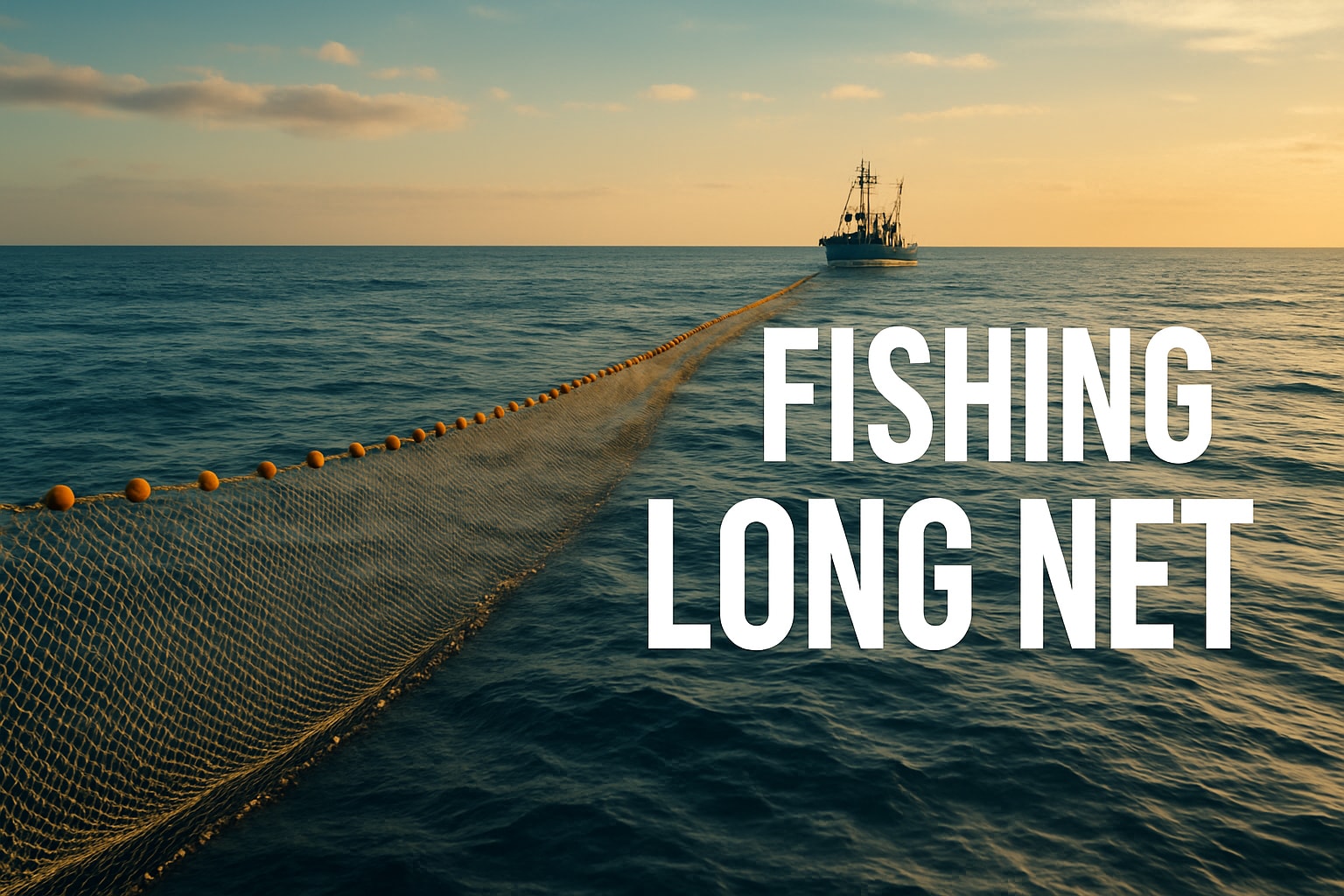
In 2026, the popularity of fishing long net techniques is soaring among both seasoned anglers and newcomers. Many are drawn by the impressive catch rates and the evolving technology that is making this method more effective than ever.
This guide delivers a comprehensive, expert-led overview of fishing long net essentials. You will discover the fundamentals, learn how to select the right equipment, master step-by-step setup, and explore advanced techniques. The article also covers legal, ethical, and maintenance considerations to ensure you fish responsibly.
Ready to elevate your skills and results? Dive in to access the latest insights and pro strategies for fishing long net success.
Understanding Long Net Fishing: Fundamentals & Benefits
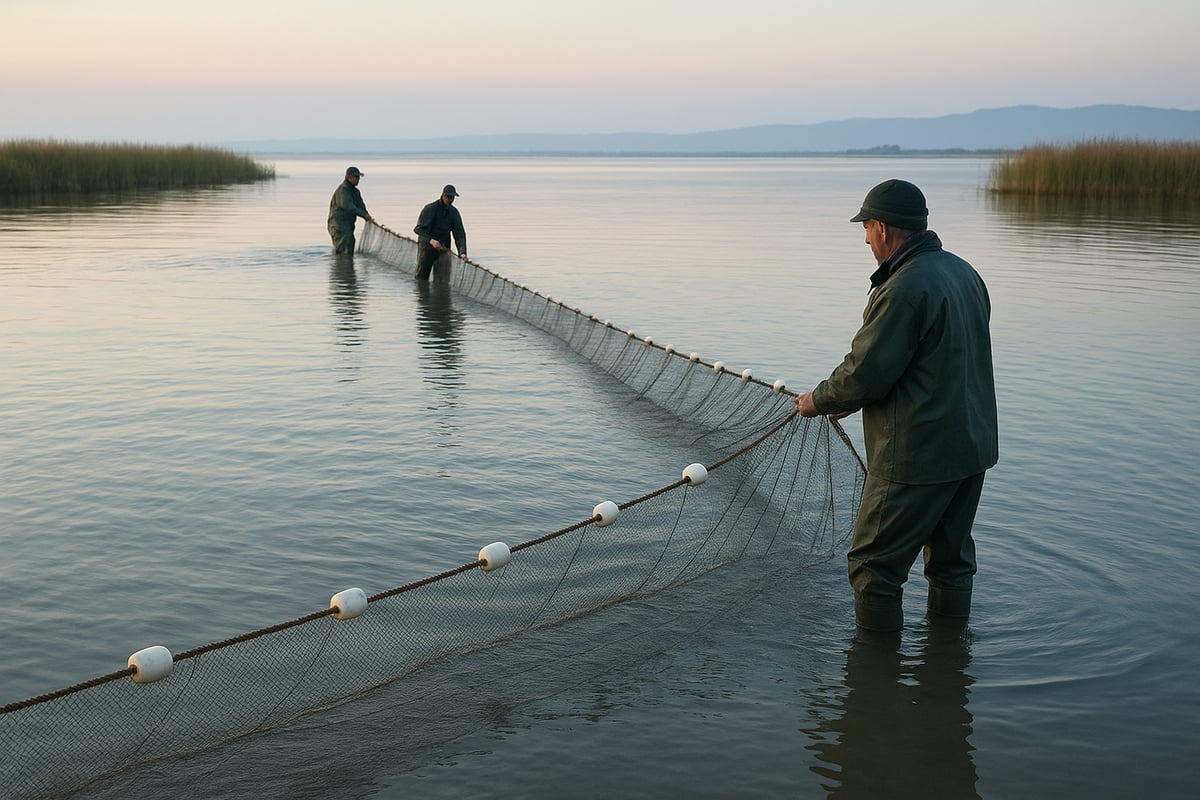
Long net fishing has deep roots, blending tradition with modern innovation. At its core, fishing long net involves deploying an extended net horizontally through water to capture fish as they swim. Unlike cast or gill nets, long nets are designed for larger coverage and are commonly used in rivers, lakes, and along coastal zones. Historically, communities worldwide have relied on fishing long net techniques to target species like mullet, herring, and perch. Today, both traditional hand-pulled and motor-assisted methods are in use, showing the adaptability of this technique.
What Is Long Net Fishing?
Fishing long net is a method where a lengthy net, often several tens of meters or more, is set either from the shore or a boat and used to encircle or sweep fish into its mesh. Unlike smaller cast nets, which are thrown by hand, or gill nets, which trap fish by their gills, long nets are versatile for both shallow and deeper environments. This approach is especially popular in areas with broad, open water where fish schools move in patterns. Common targets include schooling fish, but species selection varies by habitat. From traditional community harvests to modern commercial applications, fishing long net remains a cornerstone of sustainable fisheries.
Key Benefits of Long Net Fishing
One of the top advantages of fishing long net is its impressive catch efficiency. A single deployment can cover a vast area, making it ideal for both commercial operators and community groups. With proper mesh selection and technique, bycatch can be minimized, helping to protect non-target species. Fishing long net can be performed solo with the right setup, but it also scales well for group efforts, boosting productivity. Compared to other gear, it is often more affordable and durable, offering a cost-effective solution for regular fishing needs.
Types of Long Nets & Their Uses
Fishing long net comes in several forms, each suited to specific environments and target species. The main types are:
| Net Type | Best Use | Example Species | Material Options |
|---|---|---|---|
| Seine | Shallow waters | Mullet, smelt | Nylon, polyester |
| Trammel | Mixed habitats | Perch, bass | Nylon, natural fiber |
| Drag | Open/coastal areas | Herring, sprat | Polyester, blends |
Mesh size plays a crucial role in catch selectivity, with larger mesh allowing small fish to escape. Materials like nylon offer strength and durability, while natural fibers are more eco-friendly. For a deeper dive into net types, materials, and the latest innovations, refer to the Essential fishing net handbook.
How Long Net Fishing Compares to Other Methods
When compared to rod and reel, traps, or cast nets, fishing long net stands out for its efficiency and catch rates. While rod and reel fishing is skill-intensive and best for individual sport, long nets can harvest large quantities with less effort. Labor requirements are moderate, especially for group operations. In terms of environmental impact, using the correct mesh and techniques makes fishing long net more selective, reducing unwanted bycatch. Recent data from fisheries management agencies demonstrate that, when applied responsibly, long netting can be both productive and sustainable.
Essential Equipment for Long Net Fishing in 2026
Selecting the right equipment is crucial for a successful fishing long net experience. With new technology and materials emerging in 2026, anglers have more options than ever to optimize their setup, improve efficiency, and ensure safety on every trip.

Core Components of a Long Net Setup
A standard fishing long net setup consists of several key elements, each designed to maximize catch and durability. The net body is usually crafted from tough materials like nylon or polyester, with mesh size and length tailored to your target species. Floats keep the upper edge buoyant, while sinkers ensure the net sinks evenly. Ropes, leads, and anchors provide stability, especially in moving water. Handling poles or retrieval tools make deployment and collection easier, reducing manual strain. For storage and transport, specialized bags and reels help keep gear organized and protected from the elements.
Latest Innovations & Materials
2026 brings advanced netting fibers that offer greater strength and eco-friendliness for any fishing long net. Modern nets feature anti-fouling coatings and quick-dry finishes, which help prevent algae buildup and speed up cleaning. Telescopic and collapsible handles are popular for their portability and ease of use, especially when fishing in remote locations. Some high-end nets now integrate smart tags or sensors to track deployment patterns and environmental data, giving anglers a technological edge. Recent products showcase a blend of durability, lightweight construction, and sustainable materials.
Choosing the Right Long Net for Your Needs
When selecting your fishing long net, start by evaluating your fishing location and target species. Mesh size and net length should comply with local regulations and match your catch goals. Assess the quality of construction—look for reinforced seams and durable materials. Compare prices and research supplier reputation through user reviews and field tests. Practical examples include using larger mesh for bigger fish in open water or smaller, fine mesh for shallow, species-rich zones. Choosing the right net ensures both productive catches and longevity of your investment.
Must-Have Accessories & Safety Gear
To make every fishing long net outing safe and efficient, invest in essential accessories. Gloves and waders protect your hands and legs from sharp fins and cold water. Buoyancy aids and life jackets are vital for personal safety, especially in deeper or unpredictable conditions. Always carry a first aid kit and a means of emergency communication. For night fishing, reliable lighting and reflective gear are indispensable. Storage bags and cleaning kits help maintain your equipment, while specialized accessories can be found through fishing net accessories and gear retailers, ensuring you are fully prepared.
Step-by-Step Guide: Setting Up and Deploying a Long Net
Setting up a successful fishing long net session requires careful planning, attention to detail, and a clear understanding of each step. This guide breaks down the process so you can achieve efficient, sustainable results every time you fish.
Preparing for Your Fishing Trip
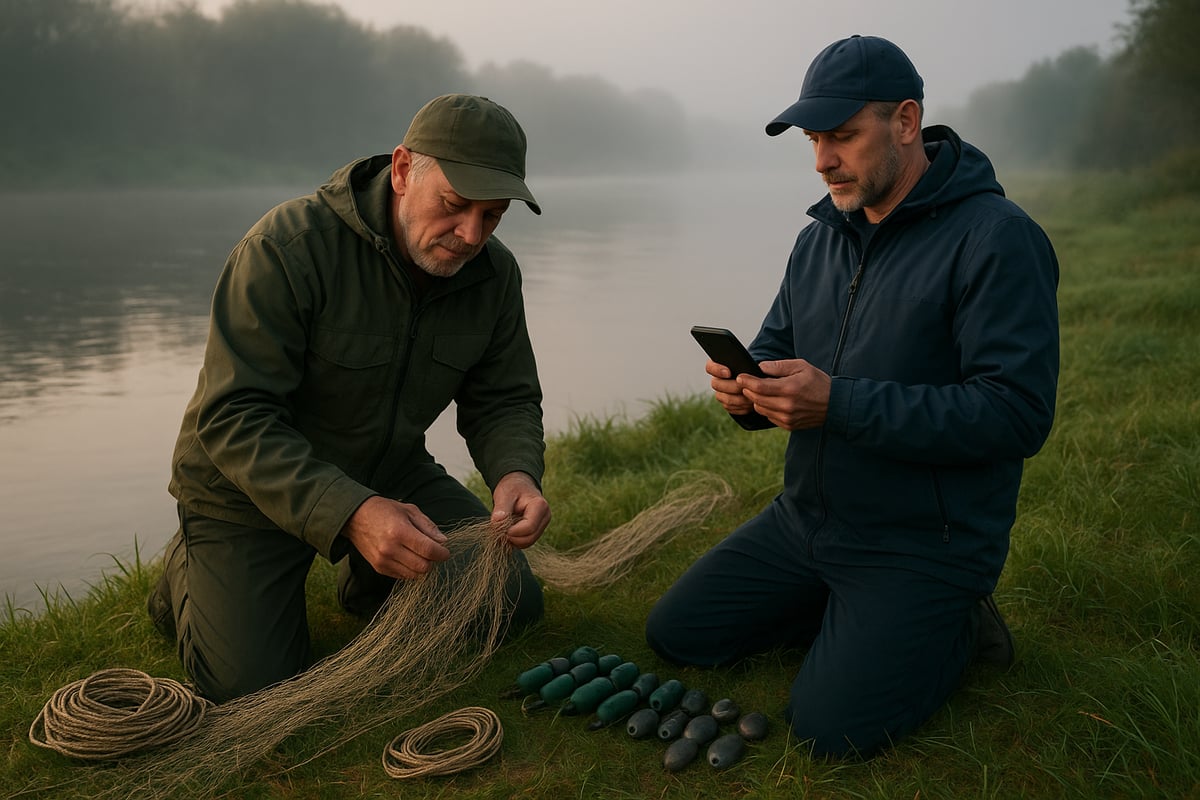
Before setting out with your fishing long net, preparation is key. Start by checking weather forecasts and water conditions, as sudden changes can affect both safety and catch rates. Inspect your net for damage, looking for holes or frayed lines. Repair any issues before packing.
Create a checklist of essential gear:
- Fishing long net (clean and mended)
- Floats, sinkers, ropes, anchors
- Handling poles, gloves, waders
- First aid kit and emergency communication device
Verify that you have all required permits and that your equipment follows local regulations. A pre-trip safety checklist, such as confirming life jackets are on board and reviewing emergency procedures, helps ensure a smooth outing. Taking these steps reduces the risk of accidents and maximizes your fishing long net efficiency.
Site Selection & Assessment
Choosing the right location for your fishing long net is crucial. Productive sites often feature moderate currents, suitable depths, and signs of fish activity like surface ripples or bird presence. Use local maps, sonar devices, or advice from seasoned anglers to identify promising spots.
Avoid restricted or protected zones to stay compliant with laws. Assess the area for underwater obstacles, such as rocks, logs, or vegetation, which could snag your net. Observe fish behavior, noting feeding patterns and migration routes.
Successful fishing long net sessions often result from combining technology and local knowledge. By carefully assessing the site, you can increase your chances of a substantial and sustainable catch.
Net Assembly and Layout
Assembling your fishing long net correctly prevents tangles and ensures smooth deployment. Unroll the net fully on flat ground, stretching it gently to remove twists. Attach floats evenly along the top line and sinkers along the bottom, securing anchor points at both ends.
Coordinate with your team if working with a large net. Assign roles for handling sections, holding anchor points, and monitoring gear. Common mistakes include uneven float spacing or knots in the mesh, which can reduce net effectiveness.
A step-by-step approach to assembly helps maintain order:
- Lay out all net components.
- Inspect for damage before assembly.
- Attach floats and sinkers.
- Confirm anchor and rope security.
Proper assembly is the foundation of a productive fishing long net operation.
Deploying the Long Net: Step-by-Step
Deploying your fishing long net involves precision and timing. Begin by anchoring one end of the net securely onshore or to a boat. Gradually release the net into the water while walking, boating, or swimming it out, depending on your environment.
Shape the net based on your target species and water conditions. Common shapes include straight lines, semicircles, or gentle curves. Monitor net placement, adjusting for wind, current, or obstacles as needed. Effective deployment relies on teamwork and clear communication.
For additional insight into optimizing net layout, reviewing methods for estimating purse seine net geometry can help refine your fishing long net strategy and improve your overall catch.
Retrieving and Handling the Catch
Retrieving your fishing long net must be coordinated to minimize fish escape. Gradually haul in the net, keeping tension even along its length. Use landing nets or baskets to collect large catches efficiently.
Sort the catch immediately, releasing bycatch safely and quickly. Handle fish gently to reduce stress and injury. Clean the net of debris after each haul to maintain its condition.
A successful fishing long net session concludes with proper retrieval, ethical handling, and careful attention to both your catch and equipment. These final steps help ensure sustainable practices and prepare your gear for the next trip.
Advanced Long Net Fishing Techniques for 2026
Mastering advanced techniques is essential for anyone looking to elevate their fishing long net skills in 2026. The right strategies can dramatically improve catch rates, reduce bycatch, and ensure safety, whether you fish alone or with a team. Below, we break down the most effective approaches for modern long net fishers.
Reading Water and Fish Behavior
Success with fishing long net techniques begins with understanding water dynamics and fish patterns. Study tidal movements, temperature changes, and current flow before deploying your net. Early morning and dusk often bring schools of fish closer to shore, making these prime times for netting.
- Observe surface ripples and bird activity for clues about fish location.
- Use sonar or depth finders if available for precise placement.
- Monitor light levels, as some species are more active in low light.
By aligning your fishing long net deployment with fish migration and feeding behaviors, you maximize efficiency and minimize empty hauls.
Teamwork and Communication Strategies
Fishing long net operations are more effective and safer when everyone knows their role. Assign clear tasks, such as net deployment, monitoring, and retrieval. Use hand signals or waterproof radios for clear communication, especially in noisy or windy conditions.
- Designate a team leader to coordinate movements.
- Practice synchronized actions for smooth net handling.
- Establish emergency signals for quick response.
With well-organized teamwork, you can deploy even the largest fishing long net efficiently, reducing tangles and maximizing your catch potential.
Maximizing Catch Efficiency
To get the most from your fishing long net, time your deployments to coincide with peak fish activity. Adjust the net’s depth and tension based on the species you are targeting and the water’s current.
- Rotate fishing sites to avoid depleting local stocks.
- Use attractants or decoys where regulations permit to draw fish.
- Regularly check and reposition the net to follow fish movement.
Strategic planning and adaptability ensure your fishing long net yields the highest catch with minimal effort.
Minimizing Bycatch and Environmental Impact
Responsible fishing long net practices reduce bycatch and help protect marine environments. Select the correct mesh size for your target species, and retrieve the net promptly to release non-target fish unharmed.
- Avoid deploying nets in sensitive habitats or during spawning seasons.
- Use rapid retrieval and sorting to minimize stress on bycatch.
- Participate in conservation programs and stay informed about sustainable netting techniques.
For more on how synthetic fishing nets affect the environment and the importance of recycling, see this study on environmental impacts of synthetic fishing nets.
Night and Low-Visibility Netting
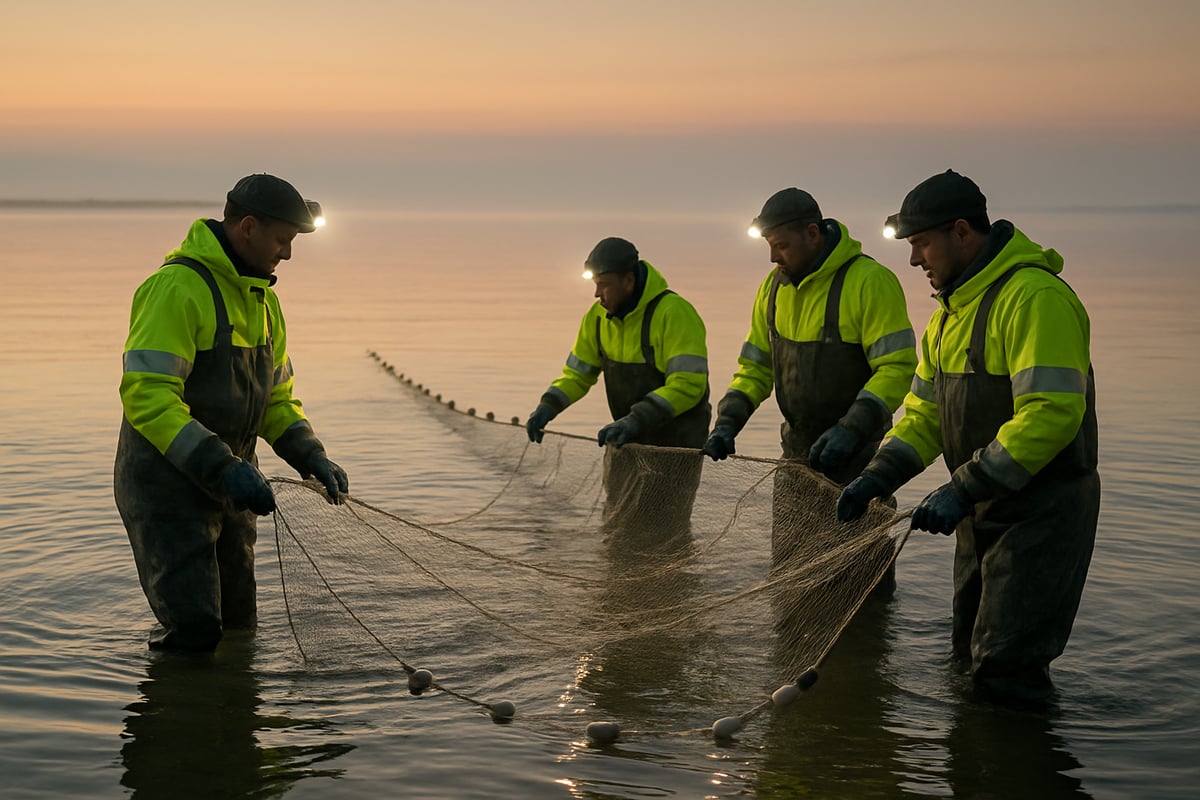
Night fishing with a fishing long net offers unique opportunities but requires extra precautions. Use headlamps, waterproof flashlights, and reflective gear to enhance visibility. Mark net ends with glow sticks or LEDs to prevent accidents.
- Always fish with a partner or team for safety.
- Keep a first aid kit and emergency communication device on hand.
- Move slowly and stay aware of your surroundings.
Proper lighting and safety protocols ensure productive and safe night sessions with your fishing long net.
Troubleshooting Common Problems
Even with preparation, challenges may arise during fishing long net sessions. Tangled nets, snagged anchors, or sudden weather changes can disrupt your plans.
- Carry a repair kit for quick fixes to netting or floats.
- Have backup ropes and anchors for unexpected snags.
- If weather shifts rapidly, retrieve your fishing long net promptly and regroup.
Regular practice and readiness for common issues keep your fishing long net operations smooth and stress-free.
Legal, Ethical, and Environmental Considerations
Staying informed about legal, ethical, and environmental responsibilities is essential for anyone using a fishing long net. This section provides a clear overview of what every angler and commercial operator needs to know to fish responsibly in 2026.
Understanding Regulations and Permits
Before deploying a fishing long net, it is vital to know the latest regulations in your region. Many areas require specific licenses or permits for long net use, and these can differ based on location, target species, and season. Some regions impose mesh size restrictions or limit the number of nets to protect fish populations.
Failure to comply with these rules can result in hefty fines or confiscation of equipment. Always check with your local fisheries authority for up-to-date information and guidance. Responsible use of a fishing long net not only keeps you legal but also supports sustainable fisheries for future generations.
Ethical Fishing Practices
Ethical use of a fishing long net goes beyond following the law. Responsible anglers set personal catch limits and avoid overharvesting, even when regulations allow larger takes. Respecting closed seasons, protected areas, and community norms helps maintain fish stocks and local traditions.
Participating in community-based management programs can foster a sense of stewardship. By practicing ethical fishing long net methods, you help ensure that aquatic resources remain abundant and healthy for everyone.
Environmental Impact and Conservation
Using a fishing long net can affect aquatic habitats, so minimizing disturbance is crucial. Opt for appropriate mesh sizes to reduce bycatch and avoid sensitive breeding grounds. Quick retrieval and sorting of the catch further limit harm to non-target species.
Recent research highlights how innovative net designs and sustainable practices can reduce ecosystem impacts, similar to findings in deep-water longline fishing impact. Joining local conservation programs and following best practices make a real difference in preserving fish populations and their habitats.
Reporting and Record-Keeping
Accurate record-keeping is a cornerstone of responsible fishing long net use. Logging your catch with digital tools or mobile apps helps track trends and supports scientific research. Many authorities encourage or require sharing this data to monitor fish stocks and enforce regulations.
Transparent reporting builds trust with regulators and the community. Positive examples show that consistent record-keeping leads to better resource management and more sustainable fishing opportunities.
Maintenance, Storage & Longevity of Long Nets
Maintaining your fishing long net is essential for consistent performance and longevity. Regular upkeep not only extends the life of your gear but also ensures each trip is safe and productive. By following expert-backed cleaning, storage, and repair practices, you can keep your equipment in top condition season after season.
Proper Cleaning and Drying Techniques
Clean your fishing long net thoroughly after every use to prevent residue buildup, salt corrosion, and odors. Begin by rinsing the net in fresh water, removing all debris, mud, and plant matter.
- Use a soft brush for stubborn spots.
- Avoid harsh chemicals; mild soap is sufficient.
- Rinse repeatedly until the water runs clear.
After cleaning, hang the net in a shaded, well-ventilated area. Avoid direct sunlight, which can weaken synthetic fibers over time. Ensure the net is completely dry before storage to prevent mold and rot. Establishing a consistent cleaning routine helps preserve net strength and flexibility.
Storage Solutions for Maximum Lifespan
Proper storage is vital for maximizing your fishing long net's lifespan. Always store nets in a cool, dry, and ventilated space.
- Use net bags, reels, or racks to keep nets organized.
- Avoid stacking heavy objects on top of the net.
- Protect from rodents and insects with sealed containers.
If storing for an extended period, check that the net is clean and dry. Exposure to sunlight should be minimized, as UV rays can degrade both synthetic and natural fibers. Well-organized storage not only prevents damage but also streamlines your next outing.
Repairing and Upgrading Your Net
Regular inspection and timely repairs are crucial for maintaining your fishing long net's effectiveness. Common damage points include torn mesh, frayed ropes, and worn floats or sinkers.
- Keep a repair kit handy with needles, twine, and patch material.
- Replace damaged floats and leads as needed.
- Upgrade mesh or hardware for improved performance.
For step-by-step guidance and specialized tools, explore net construction and mending tips to keep your net in prime condition. Addressing small issues early helps avoid costly replacements and lost catches.
Off-Season Care and Inspections
Before storing your fishing long net for the off-season, conduct a thorough inspection. Look for wear, weak spots, and any missed repairs.
- Clean and dry the net completely.
- Record maintenance and repairs in a logbook.
- Schedule periodic checks throughout storage.
Plan potential upgrades for the next season, such as new floats or advanced coatings. Proper off-season care ensures your net is ready for action when fishing resumes, safeguarding your investment and catch rates.
As you’ve seen throughout this guide, long net fishing opens up a world of opportunity—whether you’re looking to boost your catch, enjoy time with friends, or put fresh fish on the table for your loved ones. Having the right gear is essential for success, and choosing nets built for New Zealand conditions really makes a difference. If you’re ready to put these expert tips into practice and experience the satisfaction of a reliable, bountiful harvest, explore the best selection of durable, ready-to-use fishing nets to help you feed your family. Discover your perfect fit here: Feed the Family