
Fishing nets have played a crucial role in sustaining communities and economies for centuries. From handwoven designs used in ancient traditions to today’s high-tech solutions, their impact is seen in every corner of the world.
In 2026, innovations continue to shape fishnets for fishing, making them more specialized, efficient, and sustainable than ever before. The right choice can mean the difference between a successful catch and a missed opportunity.
This expert guide will help you navigate the latest in fishnets for fishing, covering types, selection tips, step-by-step usage, maintenance, and the trends shaping their future.
Types of Fishnets for Fishing in 2026
Selecting the right fishnets for fishing is crucial for maximizing catch, efficiency, and sustainability. In 2026, the landscape of fishing nets has evolved remarkably, blending time-honored techniques with cutting-edge innovation. Understanding the variety and application of these nets is the first step toward making informed choices for any fishing operation.
Traditional vs. Modern Fishnets
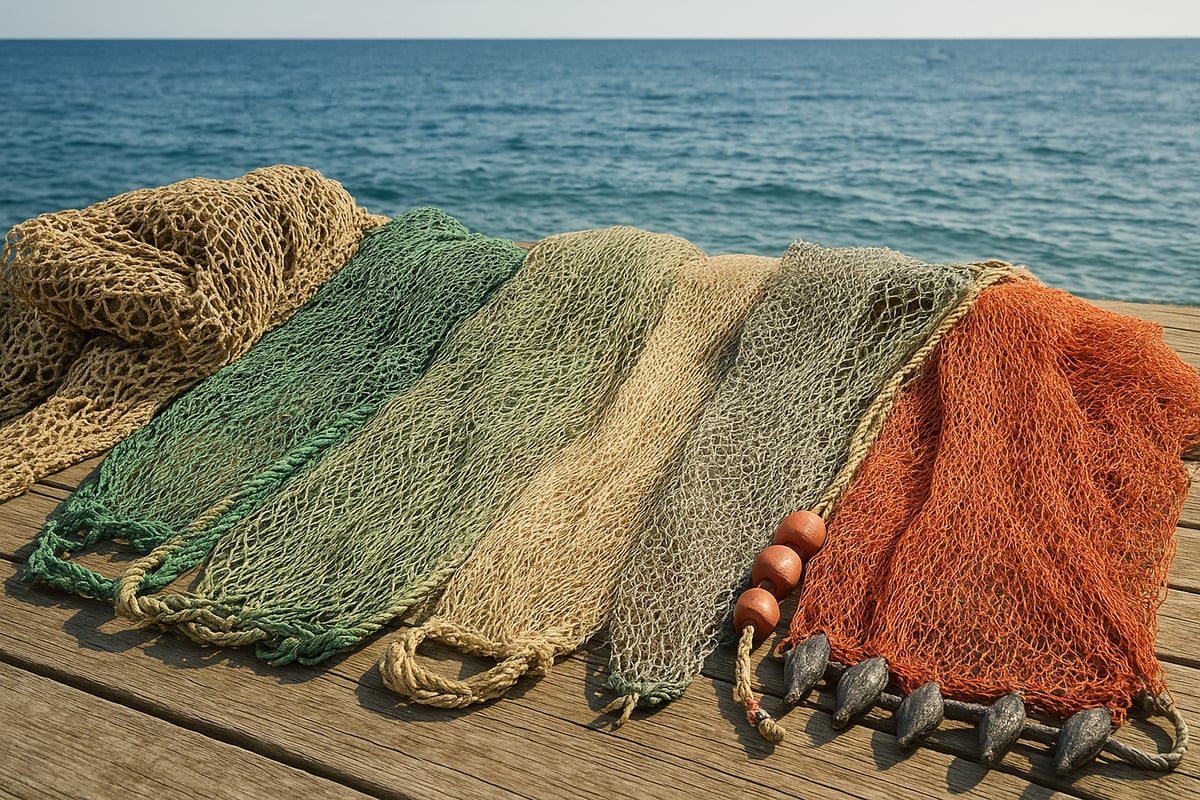
Fishnets for fishing have transformed from handcrafted, natural-fiber creations to precision-engineered tools made with advanced synthetics. Hand-knotted nets, once dominant in artisanal fisheries, have seen a resurgence in communities that value cultural heritage, such as Māori customary fisheries in New Zealand.
In contrast, commercial operations often rely on machine-made and synthetic nets for their superior durability and efficiency. For example, purse seines used in global fisheries are now constructed from high-strength polymers, dramatically reducing maintenance needs. Today, over 70 percent of commercial catch in the Pacific utilizes synthetic fishnets for fishing, emphasizing the shift toward reliability and scale.
Common Fishnet Types and Their Uses
There are several main types of fishnets for fishing, each designed for specific environments and target species. These include:
- Gill nets: Used in coastal waters to entangle fish by their gills.
- Seine nets: Ideal for surrounding schools of fish like sardines.
- Trawl nets: Deployed from boats for deep-sea species, accounting for about 40 percent of the global marine catch.
- Cast nets: Thrown by hand for small-scale or bait fishing in shallow water.
- Lift nets: Lowered and raised vertically to catch fish attracted to the surface.
- Fyke nets: Funnel-shaped, used in rivers and estuaries for species like eels.
Choosing the right net is critical, as species and habitat demand tailored solutions. For a deeper dive into the variety and best uses of each, see the 10 Types of Fishing Nets Explained guide.
Materials and Construction Innovations
Recent years have brought remarkable advances in the construction of fishnets for fishing. The most popular materials now include nylon, polyethylene, and ultra-strong Dyneema fibers. Many nets are designed with knotless mesh for reduced drag and compliance with mesh size regulations, which helps protect juvenile fish.
Biodegradable options are gaining traction, especially in New Zealand snapper fisheries, where environmental impact is closely monitored. Anti-fouling coatings and UV-resistant fibers further extend net lifespan. The choice of material directly affects how long fishnets for fishing last and their environmental footprint.
Specialty Nets for Pacific and NZ Fisheries
Specialty fishnets for fishing play a vital role in Pacific and New Zealand fisheries, where unique species and cultural practices shape net design. Custom nets are crafted for snapper, hoki, tuna, and mullet, reflecting both ecological needs and community traditions.
Cultural considerations are especially prominent in customary Māori and Pacific island fishing, with nets tailored for lagoon and shallow-water use. Notably, Action Outdoors produces over 350,000 meters of netting each year for these markets, offering bespoke solutions for local conditions. Custom netting ensures fishnets for fishing meet both performance and cultural requirements.
Legal and Environmental Considerations
Regulations around fishnets for fishing are strict, focusing on net size, mesh dimensions, and bycatch reduction. For instance, the New Zealand government enforces mesh size rules for snapper nets to promote sustainability. Many fisheries now require certified bycatch reduction devices and eco-labels, reinforcing responsible practices.
Compliance not only protects marine ecosystems but also ensures the long-term viability of fishnets for fishing in global markets.
How to Choose the Right Fishnet for Your Needs
Selecting the ideal fishnets for fishing is crucial for achieving successful results, whether you are a recreational angler or a commercial operator. The right net choice can maximize efficiency, ensure compliance with regulations, and protect marine ecosystems. Below, we break down the key factors to consider when choosing fishnets for fishing in 2026.
Assessing Your Fishing Environment
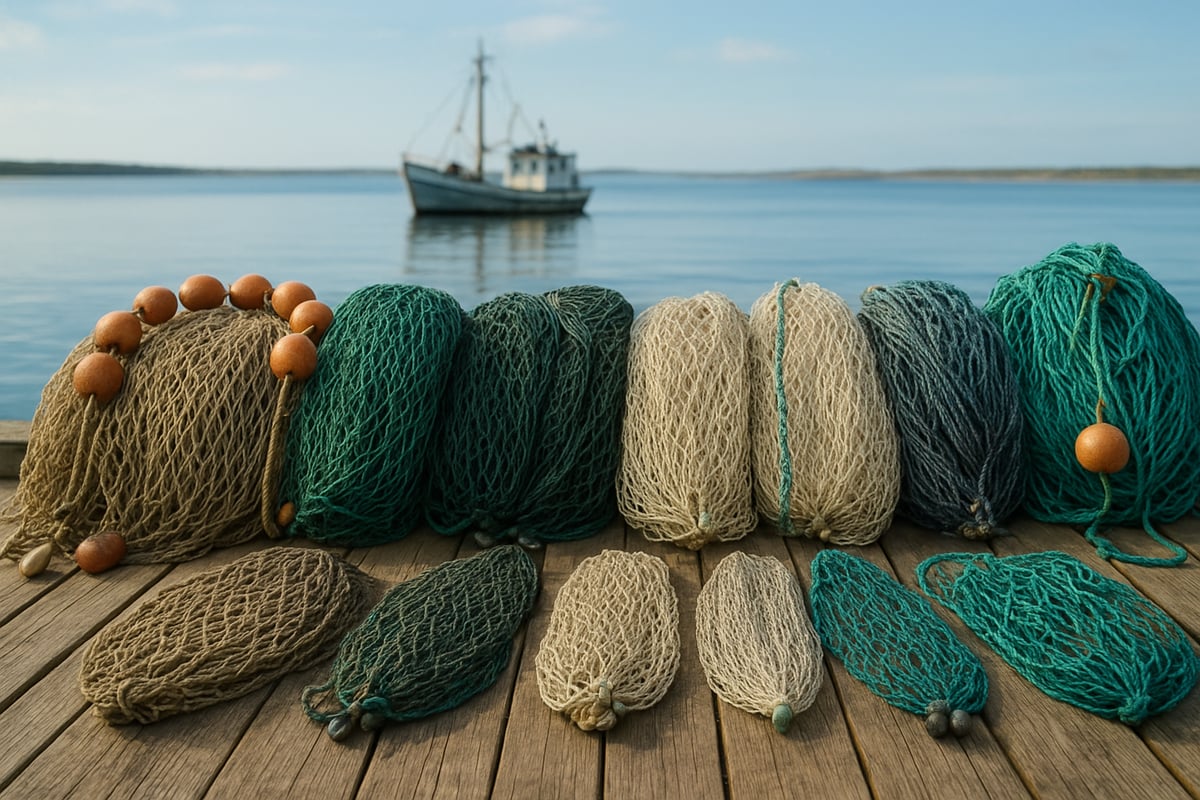
Before selecting fishnets for fishing, evaluate your fishing environment carefully. Freshwater and saltwater settings demand different net types, as saltwater environments require materials with higher resistance to corrosion and UV exposure.
Consider whether you will be fishing from shore, a small boat, or deep-sea vessels. Shallow estuaries often call for lightweight and easily maneuverable nets, while offshore trawling operations need robust, large-scale nets that can withstand strong currents and heavy catches.
For a comprehensive overview of factors to consider, including environment-specific advice, see the Essential Fish Net Guide 2026.
Target Species and Net Selection
Selecting fishnets for fishing begins with identifying your target species. The mesh size, net type, and construction should match the fish you intend to catch. For example, small-mesh gill nets are effective for mullet, while larger seine nets are better suited for sardines or trevally.
Species-specific regulations often dictate allowable mesh sizes to minimize bycatch and protect juvenile fish. Always consult local fisheries guidelines to ensure your chosen net complies with the law and reduces unintended catch.
Matching your net to the species and local environment increases your catch rate and supports sustainable fishing practices.
Net Size, Depth, and Length Factors
Determining the proper dimensions for fishnets for fishing is essential for both efficiency and ease of use. Calculate the optimal length, depth, and mesh size based on your target catch and available manpower.
Commercial operations may use nets exceeding 200 meters in length for pelagic species, while smaller operations benefit from more manageable sizes for transport and deployment. Larger nets can increase your catch volume but may require additional equipment or crew for handling.
Always balance net size with your operational capacity to maintain safety and efficiency on the water.
Durability, Maintenance, and Cost Considerations
When choosing fishnets for fishing, factor in the durability and maintenance needs of your gear. Upfront costs for quality materials such as Dyneema or high-grade nylon may be higher, but these nets often offer a longer lifespan and greater resistance to wear.
Routine maintenance, including cleaning and repair, extends the life of your nets. For instance, Dyneema nets can last up to five years with proper care, providing better value over time compared to cheaper alternatives that require frequent replacement.
Evaluate the total cost of ownership, including potential repairs and downtime, to make an informed decision.
Action Outdoors: Your NZ Fishnet Experts
Action Outdoors is New Zealand’s largest manufacturer of fishnets for fishing, producing over 350,000 meters of netting annually for a wide range of fisheries. They offer custom net design and ready-to-use solutions tailored to local species and diverse fishing environments.
Their product line includes nets for commercial, community, and recreational use, along with essential accessories such as ropes and floats. Trusted by professionals and community fishers alike, Action Outdoors delivers quality, innovation, and reliable service to support the evolving needs of the fishing sector.
Step-by-Step Guide: Using Fishnets Effectively
Successfully using fishnets for fishing requires careful preparation, strategic deployment, attentive monitoring, and efficient catch handling. By following a methodical approach, anglers and commercial operators can maximize yields, minimize damage, and ensure the longevity of their gear.
Preparing Your Net for Use
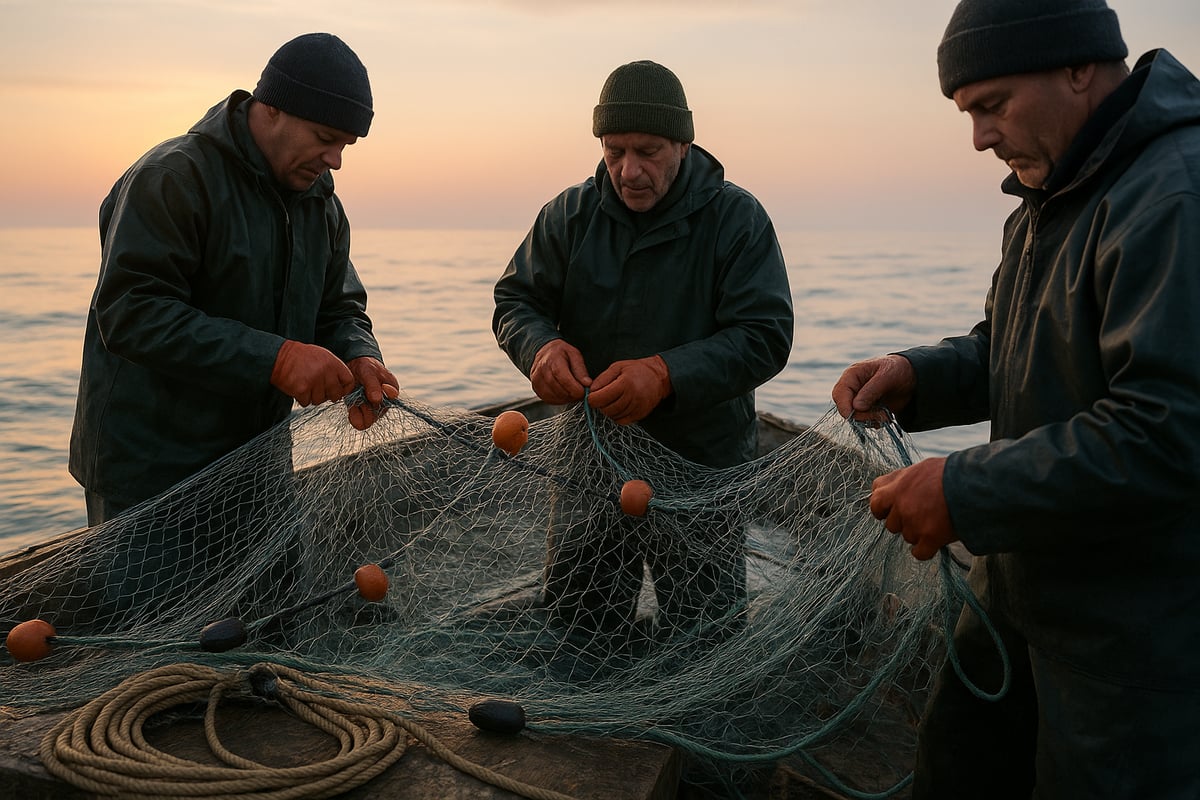
Proper preparation is crucial for effective results with fishnets for fishing. Start by laying out your net and inspecting it thoroughly for any signs of damage, such as frayed mesh, broken knots, or tangled sections. Addressing small issues before deployment will help prevent larger problems out on the water.
Attach essential accessories like floats, weights, and ropes according to your net’s design and the species you’re targeting. For instance, floats keep the net buoyant, while lead lines ensure it sinks to the appropriate depth. If you’re using new synthetic fishnets for fishing, soak them in freshwater to soften the fibers and reduce initial stiffness, making deployment smoother.
A pre-use checklist can help:
- Inspect mesh for holes or weak spots
- Untangle knots and folds
- Attach floats, weights, and ropes securely
- Soak synthetic nets if new or stiff
For those needing replacement floats, weights, or repair kits, you can find a comprehensive selection of Fishing Net Accessories and Parts to keep your fishnets for fishing in top condition.
Setting the Net: Techniques by Net Type
Deploying fishnets for fishing requires adapting techniques based on net type and fishing environment. For shore-based fishing, wading into shallow water and anchoring the net at both ends is common. Use stakes to secure the net and keep it upright, ensuring the mesh remains open to capture fish.
Boat-based deployment, such as trawling or purse seining, involves coordinated teamwork. Lower the net gradually from the stern, allowing floats to spread it across the water surface while lead lines sink it to the desired depth. Depth control is essential, especially when targeting specific species that inhabit certain water layers.
For example, effective seine net deployment includes:
- Positioning the net parallel to the shoreline or current.
- Unfurling the net evenly while moving the boat or walking along the shore.
- Monitoring float and weight lines to avoid tangling.
- Anchoring or closing the net to encircle the target fish.
Efficient net setting can improve catch rates by up to 30 percent, especially when fishnets for fishing are tailored to local conditions and species.
Monitoring and Retrieving the Net
Once deployed, monitoring fishnets for fishing is essential to ensure an optimal haul and prevent gear loss. The time you leave your net in the water depends on net type and target species. Gill nets may be left overnight, while cast nets or lift nets require shorter set times.
Watch for signs of activity, such as float movement or increased tension on ropes, which may indicate fish have been caught. In tidal estuaries, for example, checking your net during slack tide reduces the risk of excessive debris or bycatch.
When retrieving fishnets for fishing, do so carefully to avoid tearing the mesh or losing your catch. Lift the net slowly, keeping tension even across the float and lead lines. If resistance increases, check for snags or heavy catches. Remove the net gradually and lay it out for easy access during catch handling.
Regular monitoring helps maximize efficiency and preserves the quality of both your net and your catch.
Handling and Processing the Catch
Handling fish caught in fishnets for fishing requires efficiency and care to preserve fish quality and support sustainability. Begin by removing fish gently from the net, working methodically to avoid damaging the mesh or harming the catch. Use dehookers or specialized tools to speed up the process and reduce injury to fish.
Sort the catch by species and size, following local regulations and best practices for bycatch release. Many fisheries require immediate release of undersized or protected species. Respect these rules to support resource sustainability.
For on-board storage, keep fish cool and covered to maintain freshness. Ice chests or insulated bins are effective, especially during long fishing sessions. If you use bycatch reduction devices, implement them at this stage to further improve selectivity.
Efficient processing ensures your fishnets for fishing yield the best possible results while supporting responsible fisheries management.
Troubleshooting Common Netting Issues
Even with preparation, issues can arise with fishnets for fishing. Tangling, snagging, and net tears are frequent challenges that can disrupt fishing operations. Marine debris and biofouling, like algae or barnacles, can also affect net performance and longevity.
Quick solutions include:
| Issue | Solution | Tools Needed |
|---|---|---|
| Tangled net | Lay net flat and untangle section by section | Hands, patience |
| Snagged net | Gently reverse retrieval, clear snags | Gloves, knife (if needed) |
| Net tears | Patch with matching twine or mesh | Net needle, twine, scissors |
| Biofouling | Rinse and brush off debris immediately | Soft brush, clean water |
Carry an emergency net mending kit with needles, mesh patches, and spare twine for field repairs. Regular attention and swift troubleshooting will keep your fishnets for fishing operational and maximize their service life.
Maintaining and Repairing Fishnets for Longevity
Proper care is essential to ensure your fishnets for fishing remain effective and long lasting. Regular maintenance not only preserves net strength but also safeguards your investment and supports sustainable fishing practices. By following best practices for cleaning, inspecting, repairing, and storing your gear, you can maximize both performance and lifespan.
Cleaning and Drying Nets
Thorough cleaning is the first step to extending the life of your fishnets for fishing. Always rinse nets with fresh water after each use, especially if you've been in saltwater, to remove salt, sand, and organic debris. This prevents salt crystals from damaging fibers over time.
After rinsing, hang the nets in an open, shaded area to air dry. Avoid direct sunlight for extended periods, as UV rays can weaken both synthetic and natural materials. For large trawl nets, spread them loosely across a frame or dock to ensure even drying and prevent mold growth.
- Rinse nets immediately after use
- Avoid harsh detergents or chemicals
- Never store wet nets in sealed containers
Routine cleaning like this keeps your fishnets for fishing strong and ready for every trip.
Inspecting for Damage and Wear
Regular inspection is critical for maintaining the effectiveness of your fishnets for fishing. Before and after each outing, check for holes, frayed sections, and weakened knots. Pay special attention to high stress areas, such as corners, seams, and the lead line.
Use a simple checklist to streamline your inspection process:
| Area | What to Look For |
|---|---|
| Mesh | Holes, stretched mesh |
| Lead line | Fraying, corrosion |
| Floats | Cracks, loss of buoyancy |
| Knots | Looseness, unraveling |
By detecting wear early, you double the lifespan of your fishnets for fishing and avoid costly replacements.
Repair Techniques and Tools
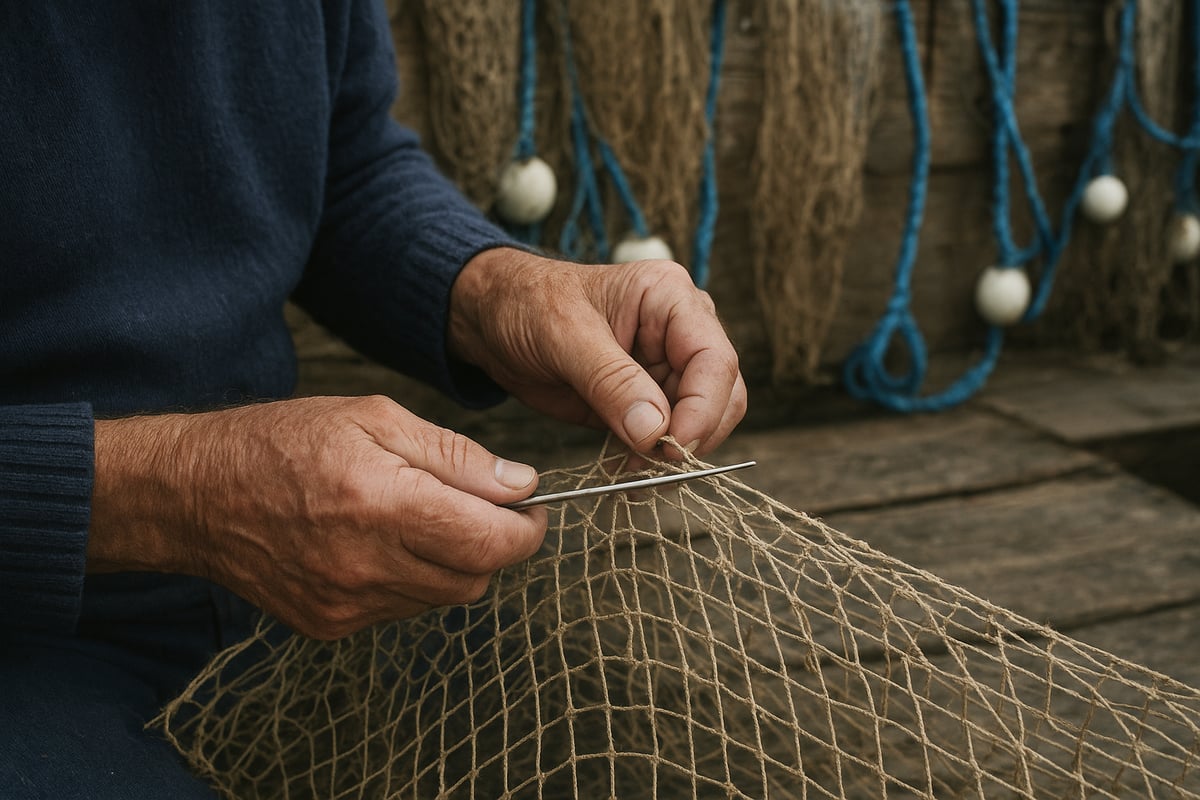
Timely repairs are essential for keeping your fishnets for fishing in peak condition. Minor holes can be patched quickly with matching twine or mesh, using a net needle and mesh gauge for accuracy. For larger tears, cut out damaged sections and splice in new mesh, ensuring knots are tight and secure.
Essential tools for net repair include:
- Net needle and twine (matching original material)
- Mesh gauge for consistent sizing
- Scissors or a sharp knife
- Splicing kit for major repairs
Innovative approaches, such as those that upcycle discarded fishing nets into stronger nylon, demonstrate the growing importance of sustainability in net maintenance. Proper repairs not only restore function but also help reduce waste in the fishing industry.
Storage Solutions for Off-Season
Storing your fishnets for fishing correctly during the off-season is vital for preventing damage. Choose a cool, dry, and well ventilated space to avoid UV exposure and reduce the risk of mold or mildew. Avoid areas where rodents or insects may chew on fibers.
Hang nets loosely on pegs or racks, or coil them gently without compressing to prevent tangling and fiber fatigue. For large commercial nets, consider using breathable storage bags or suspended frames.
- Store nets off the ground
- Avoid heavy stacking or pressure
- Check periodically for pests or moisture
Attention to proper storage ensures your fishnets for fishing are always ready for the next season.
When to Replace Your Fishnet
Eventually, even the best maintained fishnets for fishing will reach the end of their useful life. Signs that replacement is necessary include extensive holes, brittle or excessively frayed fibers, and repeated repairs in the same area. If the net's performance drops or repairs become more frequent than use, replacement is the best option.
Weigh the cost of ongoing repairs against the price of a new net. Many commercial operators follow a set replacement schedule, balancing efficiency and safety. Timely replacement guarantees that your fishnets for fishing continue to deliver reliable results and support responsible fishing.
Trends and Innovations in Fishnets for 2026
The world of fishnets for fishing is evolving at an unprecedented pace in 2026. Innovations are reshaping how fisheries operate, with advancements focused on sustainability, smart technology, and stricter regulations. These trends not only boost efficiency but also help ensure the long-term health of marine ecosystems.
Sustainable and Biodegradable Nets
Sustainability is at the heart of the latest fishnets for fishing. Manufacturers are turning to eco-friendly materials, such as biodegradable polymers and recycled fibers, to reduce marine pollution. In New Zealand, pilot projects using biodegradable snapper nets have shown promising results, with 15% of new nets sold in 2025 made from these materials.
Government mandates are driving adoption, and many fisheries are making the switch to minimize their environmental footprint. Choosing the right sustainable option can support both productivity and marine conservation. As these solutions become more accessible, they set a new standard for responsible fishnets for fishing worldwide.
Smart Nets and Integrated Technology
Technology is transforming fishnets for fishing with the integration of smart features. Modern nets now come equipped with embedded sensors that monitor catch size, species composition, and even water conditions in real time. GPS tracking and automated retrieval systems are increasingly common, especially in large-scale operations.
For example, Pacific tuna fisheries have adopted sensor-equipped purse seines, enabling precise net deployment and retrieval. These innovations help reduce bycatch, improve efficiency, and ensure compliance with regulations. As smart technology becomes more affordable, even small-scale fishers can benefit from smarter fishnets for fishing.
Advances in Net Design and Manufacturing
Advancements in design have made fishnets for fishing stronger, lighter, and more adaptable. 3D-knitted mesh structures offer improved flexibility and strength, while customizable mesh sizes allow for targeted species capture and bycatch reduction. Automated manufacturing processes now boost output and consistency, making high-quality nets more widely available.
A notable example is the innovative new trawl net developed for U.S. West Coast fish research surveys, which demonstrates how cutting-edge design can improve survey efficiency and flexibility. These manufacturing innovations are setting new benchmarks for the next generation of fishnets for fishing.
Regulatory Changes and Global Standards
Strict regulations are shaping the future of fishnets for fishing. Updates to mesh size, bycatch reduction devices, and international certifications like MSC and NZS are becoming the norm. In 2025, New Zealand introduced new rules requiring microplastic-free net coatings to protect marine environments.
Globally, agreements such as the EU's 2026 fishing opportunities agreement are setting catch limits and sustainability measures. Meeting these standards is essential for legal compliance and market access, making regulatory knowledge a must for anyone using fishnets for fishing.
Future Outlook: The Next Generation of Fishnets
Looking ahead, the future of fishnets for fishing is defined by the integration of artificial intelligence and sustainability initiatives. AI-assisted gear will help optimize net deployment, monitor catch in real time, and ensure compliance with evolving regulations. Community-based net sharing and recycling programs are likely to expand, encouraging resource efficiency.
Technology and environmental responsibility will work hand in hand, driving continued progress. As fisheries adopt these innovations, fishnets for fishing will play a pivotal role in securing a sustainable and prosperous future for the industry.
After exploring the ins and outs of choosing, using, and maintaining the right fishnet for your needs, you’re now equipped with the knowledge to make a real difference on the water. Whether you fish for your community, your business, or simply for the love of it, the right gear is essential for efficiency, sustainability, and success. If you’re ready to put these expert tips into action and want nets built to perform in New Zealand and Pacific conditions, check out the full range from a trusted local manufacturer. Discover your next reliable net and Buy Now.