
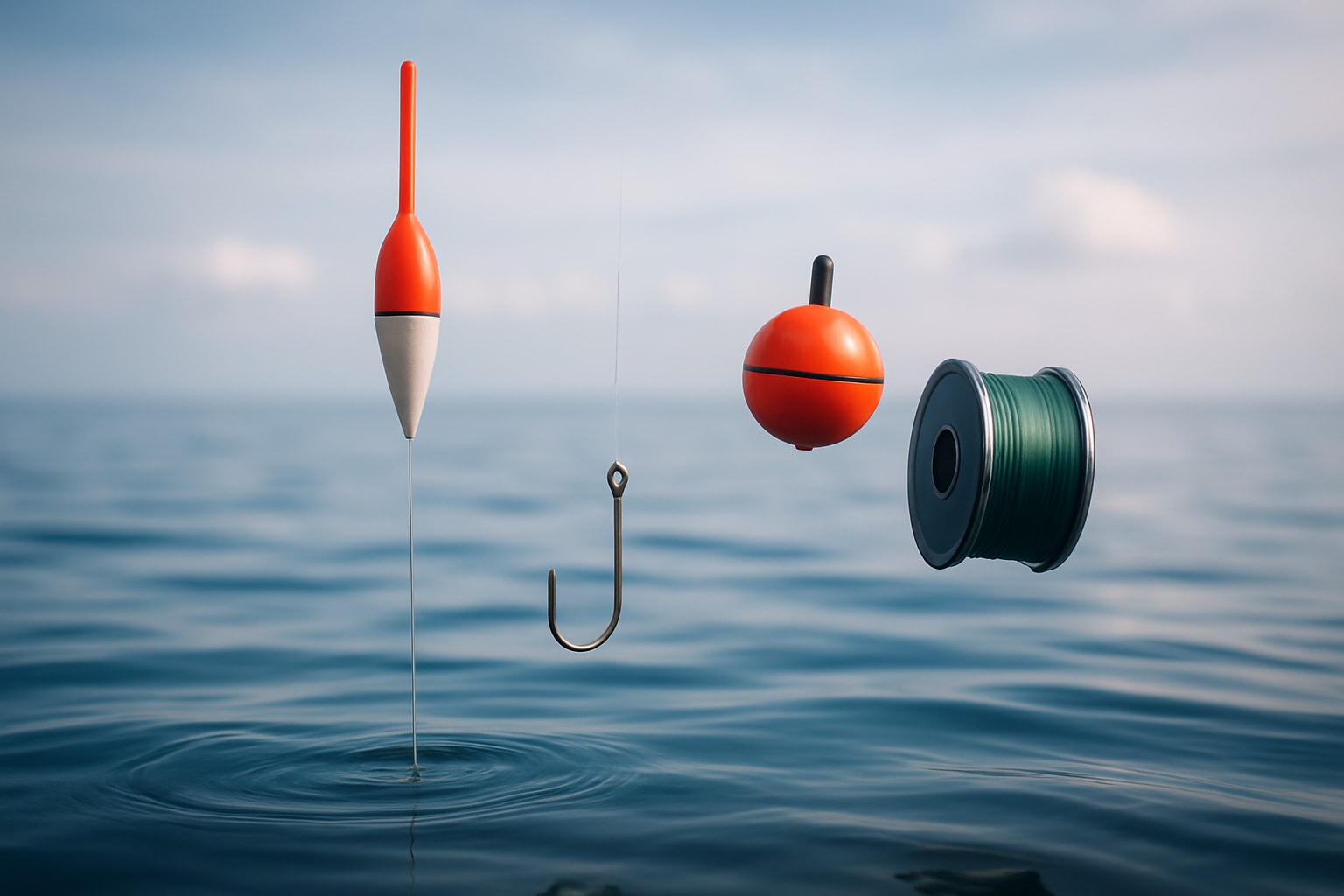
Unlock the secrets to maximizing your fishing yields in 2026 with the latest advancements in floating fishing gear. As technology and technique evolve, anglers now have unprecedented opportunities to improve their results on the water.
This comprehensive guide delivers expert advice, actionable tips, and proven strategies for selecting, using, and maintaining floating fishing gear for optimal success. Whether you are a seasoned pro or a newcomer, you will discover practical insights that fit your needs.
Explore detailed breakdowns of gear types, selection criteria, setup processes, advanced tactics, and the top trends shaping fishing in 2026.
Ready to transform your fishing experience? Discover how the right floating fishing gear can help you master your craft and achieve your best season yet.
Understanding Floating Fishing Gear: Types and Functions
Floating fishing gear is a category of tackle designed to remain on or near the water’s surface, providing anglers with precise control and visibility. Unlike bottom or suspended gear, floating fishing gear is engineered to support bait or nets above the substrate, making it easier to detect bites and manage presentation.
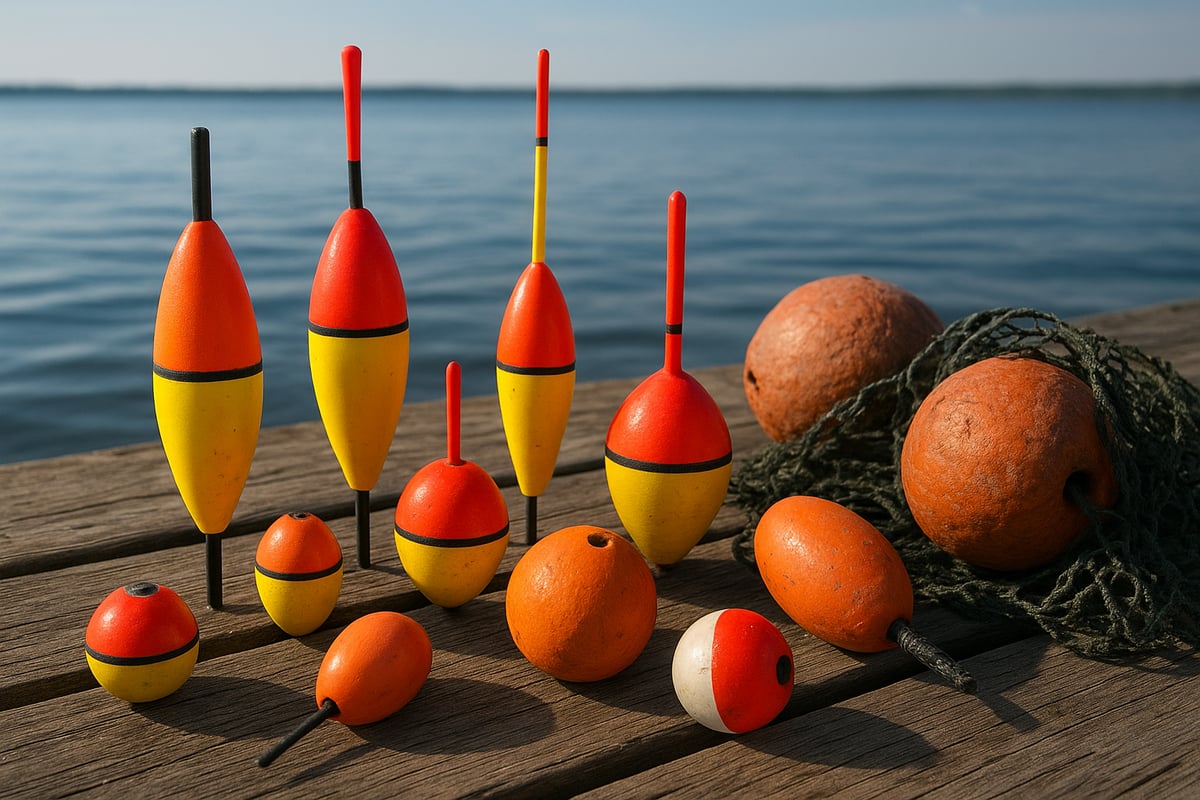
The main types of floating fishing gear include floats, bobbers, buoys, and floating nets. Each serves a distinct function. Floats and bobbers keep bait at a chosen depth and signal fish activity. Buoys mark locations or support heavier setups, often used in commercial and trap fishing. Floating nets are specialized for capturing fish at or near the surface, offering broad coverage in both freshwater and saltwater. For those interested in practical options, you can explore a wide variety of floats and buoys in the Craypot floats and buoys collection.
Floating fishing gear excels in environments where precise depth control and high visibility are critical. In freshwater, they are ideal for targeting species like trout and carp in lakes and rivers. In saltwater, floating gear is essential for surface-feeding fish and for marking traps in commercial fisheries. Both recreational and professional anglers benefit from the adaptability of these tools to different habitats and target species.
The primary functions of floating fishing gear are bite detection, lure presentation, depth regulation, and gear visibility. Floats transmit subtle movements to the angler, making it easier to spot bites. They also help present lures or bait in a natural, enticing way. Adjusting the float’s position allows for exact depth control, while bright colors and shapes enhance visibility in varying light and water conditions.
Popular examples include slip floats, which slide along the line to adjust depth easily, and fixed floats, which are locked in place for shallow water. Popping corks are favored in saltwater for attracting species like redfish, while larger buoys are used to mark the position of craypots or nets. Each type of floating fishing gear is chosen based on species behavior, water conditions, and the angler’s goals.
Below is a summary comparing key floating fishing gear types:
| Gear Type | Core Function | Typical Use Case | Visibility | Depth Control |
|---|---|---|---|---|
| Fixed Float | Static depth, bite detection | Panfish, carp (freshwater) | High | Limited |
| Slip Float | Adjustable depth | Trout, walleye | High | Versatile |
| Buoy | Marking/Supporting | Trap, net marking | Very High | N/A |
| Floating Net | Surface capture | Commercial/recreational | Moderate | N/A |
Floating fishing gear offers unique advantages compared to bottom or suspended gear. Pros include excellent bite detection, adaptability, and ease of use for beginners. However, they can be less effective in strong currents or with bottom-dwelling species. According to recent Fishing Equipment Market Growth Analysis, demand for floating fishing gear has risen, reflecting a global trend toward more accessible and productive fishing methods.
Common misconceptions include choosing gear solely by size or color, or assuming all floats work for every species. Mistakes often involve incorrect depth setting or using the wrong float type for water conditions. To maximize success, anglers should match floating fishing gear to their environment, target species, and technique, ensuring each component is optimized for performance.
Choosing the Right Floating Fishing Gear for Your Needs
Selecting the right floating fishing gear is crucial for achieving consistent results on the water. The ideal setup depends on your environment, target species, new material innovations, and your budget. Use this guide to make informed decisions for 2026.
Assessing Your Fishing Environment
Start by evaluating where you plan to use your floating fishing gear. Freshwater and saltwater environments present unique challenges. Saltwater often requires corrosion-resistant materials and larger floats to handle stronger currents and tides. In contrast, freshwater settings may favor smaller, more sensitive floats for subtle bite detection.
Consider water depth and current strength. Deeper waters call for robust floats and longer rigs, while shallow streams benefit from lightweight, low-profile options. Weather conditions, such as wind and rain, also influence float size and visibility.
In 2026, local regulations continue to shape gear choices. For example, some regions now restrict certain float materials to reduce pollution. Always check recent updates before purchasing. To explore a variety of floating fishing gear for both environments, visit this online fishing tackle store.
Matching Gear to Target Species
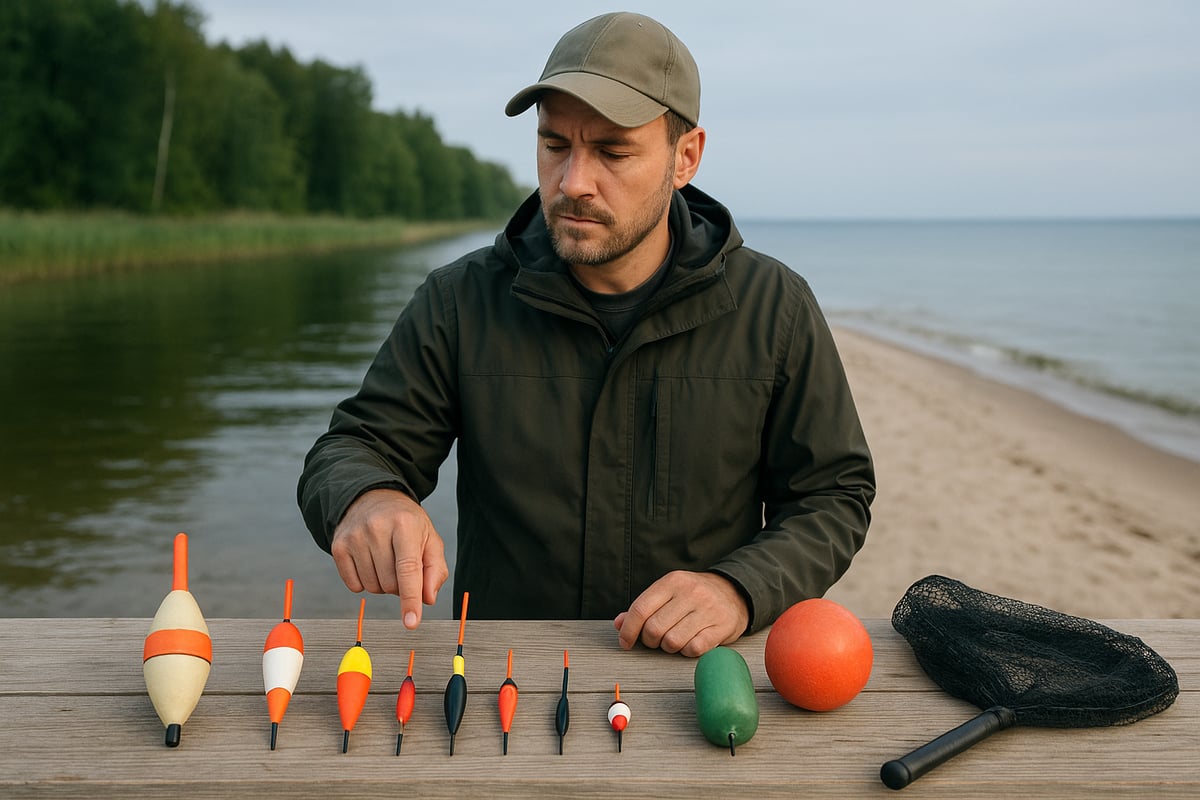
The effectiveness of floating fishing gear depends on matching it to your target species. Different fish exhibit unique behaviors and respond to specific presentations. For example, trout prefer subtle, slim-profile floats that drift naturally, while carp respond well to larger, more visible floats that can support heavier bait.
Float size and weight are critical. Use small, sensitive floats for light-biting species and larger, brightly colored floats for aggressive feeders like snapper. Adjust float color based on water clarity—bright colors for murky water and muted tones for clear conditions.
In 2026, anglers targeting popular species often use slip floats for deep-water perch or popping corks for saltwater snapper. When selecting floating fishing gear, always consider both the fish’s habits and the environment to maximize your chances of success.
Material Innovations and Durability
Recent advances in float materials have transformed floating fishing gear. Modern options include high-density foam, impact-resistant plastics, and even biodegradable materials designed to reduce environmental impact. Foam floats offer excellent buoyancy and durability, while plastic models provide enhanced sensitivity and visibility.
Biodegradable floats are gaining traction, offering a sustainable alternative without sacrificing performance. These materials have proven to last through multiple seasons, according to 2025-2026 product data. When choosing gear, balance sensitivity with toughness—sensitive floats detect light bites, but must withstand rough handling.
Assess the longevity of each material. Foam and plastic floats typically last for years with proper care. Biodegradable options are designed to degrade safely if lost, making them ideal for eco-conscious anglers seeking reliable floating fishing gear.
Budget and Brand Considerations
Floating fishing gear is available at various price points, from affordable entry-level kits to premium, tournament-grade equipment. Entry-level gear provides basic functionality, making it ideal for beginners or casual anglers. Premium options, often from established brands, deliver advanced features like enhanced sensitivity, greater durability, and specialized designs.
Here is a quick comparison:
| Category | Entry-Level Gear | Premium Gear |
|---|---|---|
| Price Range | $10–$30 | $50–$150+ |
| Durability | Moderate | High |
| Sensitivity | Basic | Advanced |
| Brand Examples | Local, Generic | Renowned, Trusted |
When choosing floating fishing gear, consider what matters most—affordability, performance, or brand reputation. In 2026, trusted brands continue to innovate, offering products that cater to all experience levels and fishing styles.
Step-by-Step Guide: Setting Up and Using Floating Fishing Gear
Setting up floating fishing gear correctly sets the foundation for a successful day on the water. This step-by-step guide covers every essential process, from choosing the right float to landing your catch. Each stage is designed to help anglers of all levels maximize efficiency, accuracy, and results with floating fishing gear.
Step 1: Selecting the Best Float and Accessories
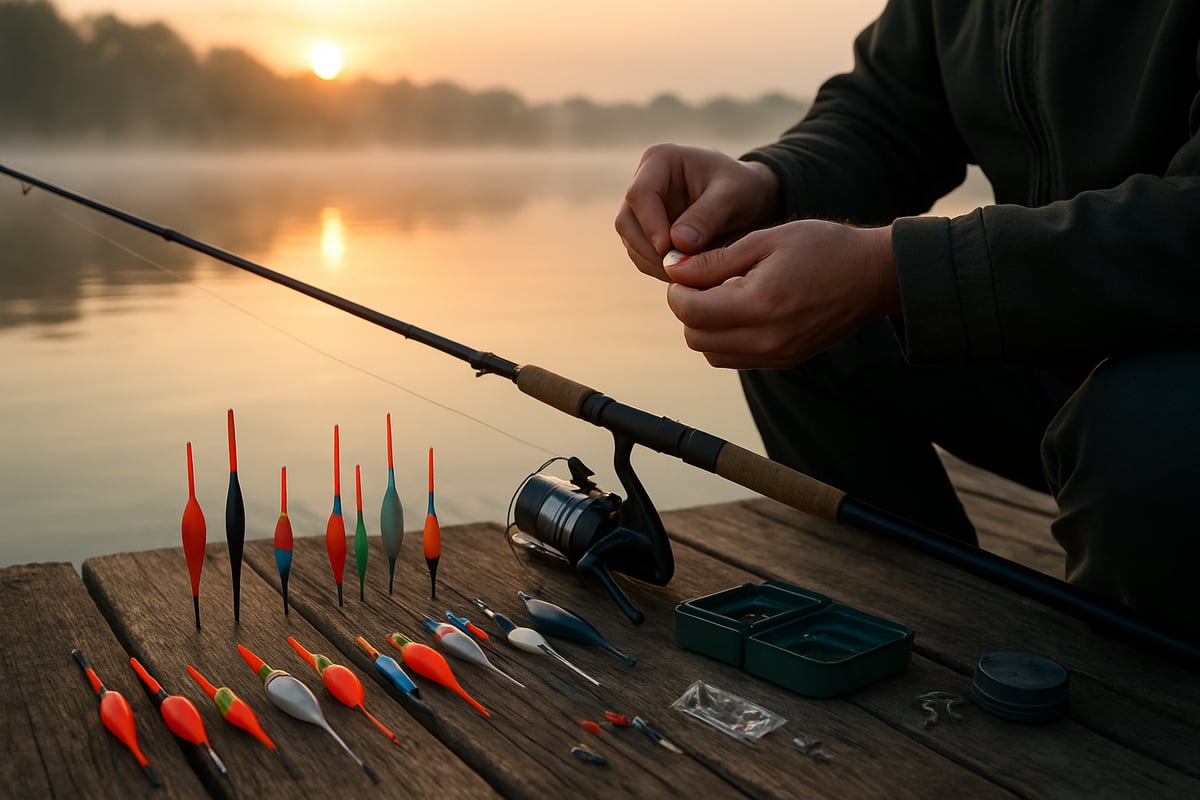
Choosing the right float is the cornerstone of effective floating fishing gear. Start by assessing the type, shape, and size of float needed for your target species and water conditions. For example, slip floats are ideal for deep waters, while fixed floats suit shallow areas.
Color matters as well. Brightly colored floats offer better visibility in murky or rough water. When assembling your kit, consider essential accessories such as:
- Line stoppers for precise depth control
- Weights to balance and stabilize your float
- Swivels to prevent line twist
- Hooks matched to your target species
For those seeking a comprehensive toolkit, explore this Fishing net accessories NZ collection, which includes must-have components for setting up and maintaining floating fishing gear.
Beginners should opt for starter kits with pre-matched floats and accessories. This minimizes setup errors and helps ensure your floating fishing gear performs optimally from the outset.
Step 2: Rigging Your Line and Attaching Gear
Proper rigging is crucial for maximizing the effectiveness of floating fishing gear. Begin by selecting a fishing line with appropriate strength for your target species. Attach the float using a stopper if you want a fixed depth, or thread it onto the line for a slip float setup.
Follow these steps for a standard rig:
- Slide a stopper onto your main line.
- Thread the float onto the line.
- Add a small weight below the float.
- Tie on a swivel, then attach your hook.
A few knot types to consider include the improved clinch knot and Palomar knot. Both offer strong, reliable connections when using floating fishing gear.
Diagrams can clarify rigging, but always double-check each component for secure attachment. This reduces the risk of lost gear and increases your chances of a successful catch.
Step 3: Adjusting Depth and Placement
Depth control is a defining feature of floating fishing gear. Adjust the stopper or float position to target fish at specific water layers. Accurate depth placement is vital, especially when targeting species that feed at certain depths.
Techniques for adjusting depth include:
- Sliding the stopper up or down the line
- Testing float response by gently tugging the line
- Observing how the float sits in the water
Changing water conditions, such as current speed or wind, may require frequent depth adjustments. Studies show that catch rates can increase by up to 30% when anglers fine-tune float depth based on fish activity.
Proper placement of floating fishing gear also means casting near structures, weed beds, or drop-offs where fish congregate. This strategic adjustment can make a significant difference in your overall success.
Step 4: Casting and Retrieving with Floating Gear
Perfecting your casting technique is essential when using floating fishing gear. Use a smooth, controlled motion to avoid tangling the line or disturbing your float's position. Overhead casts are best for distance, while sidearm casts help in tight spaces.
When retrieving, vary your speed and pauses to mimic natural prey movements. For example, a slow, steady retrieve can entice cautious fish, while quick jerks may trigger aggressive strikes.
Common errors to avoid:
- Casting with too much force, causing the float to dive
- Retrieving too quickly, which can spook fish
- Neglecting to watch for subtle float movements
Practice makes perfect. As you gain experience, your floating fishing gear will become a precision tool for targeting a wide range of species in diverse environments.
Step 5: Monitoring, Detecting Bites, and Landing Fish
The final step in mastering floating fishing gear involves closely monitoring your float for bite signals. Look for sudden dips, sideways movements, or subtle twitches, each indicating a potential strike.
When a bite is detected, set the hook quickly but smoothly to avoid tearing the hook free. Use a firm, upward motion and maintain tension as you play the fish.
Real-life success stories often highlight the importance of patience and attention to detail. Many experienced anglers credit their biggest catches to careful observation and timely reactions with floating fishing gear.
Landing fish safely completes the process. Use a net for larger species and handle all fish with care to ensure a responsible, sustainable catch.
Advanced Tactics for Maximizing Floating Gear Success
Unlocking the full potential of floating fishing gear requires mastering advanced tactics that experienced anglers use to boost results. These methods combine smart rigging, technology integration, and real-world insights to help you consistently outperform on the water.
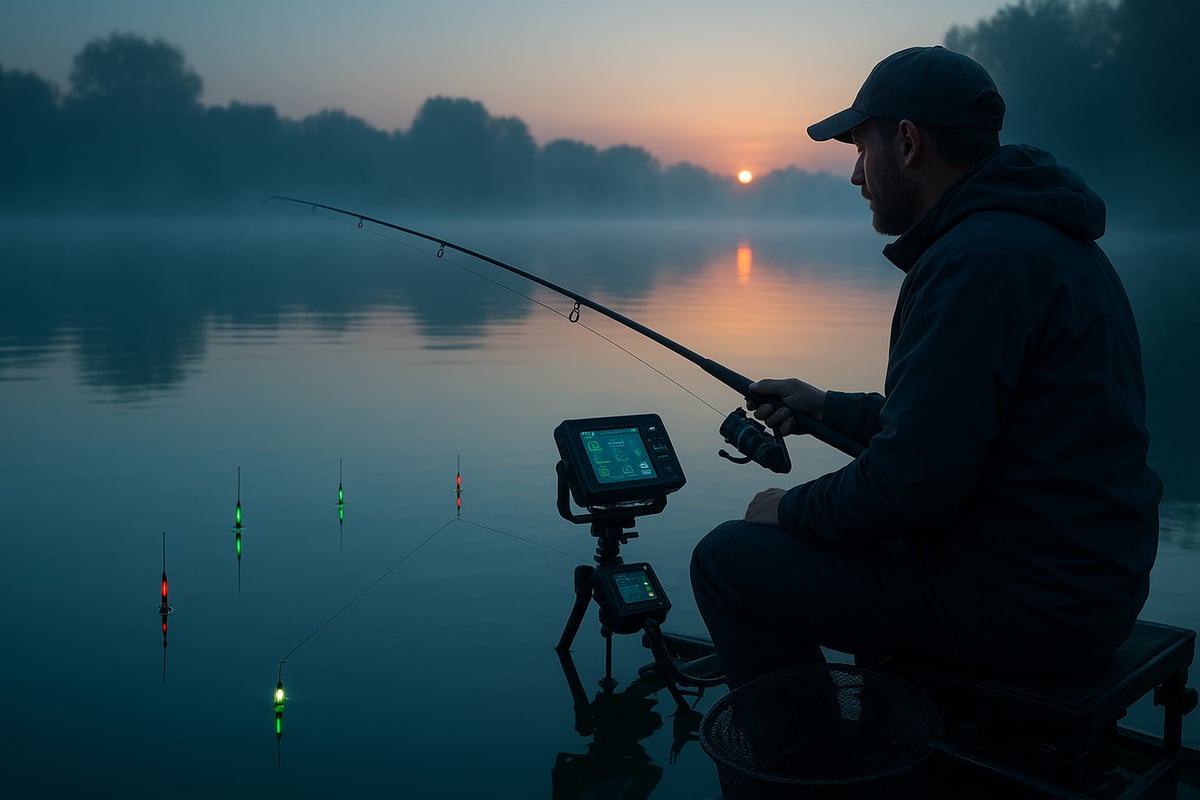
Maximizing Coverage with Multiple Floats and Tandem Rigs
To increase your chances of success, deploying multiple floats or tandem rigs is a proven strategy. This approach lets you cover more water, test different depths, and present various baits at once. By spacing out your floating fishing gear, you can quickly locate active fish zones and adapt to shifting patterns.
Common setups include:
- Double-float rigs for depth variation
- Tandem bait presentations for species targeting
- Staggered spacing to avoid tangling
This method is particularly useful in both freshwater and saltwater environments where fish behavior can change rapidly. Remember, always monitor regulations about the maximum number of lines or hooks allowed in your area.
Integrating Electronics for Precision Fishing
Modern floating fishing gear pairs well with electronics like sonar and fish finders. Advanced anglers use Bluetooth-enabled floats and underwater sensors to pinpoint fish locations and track bite activity in real time. These smart devices provide data on water temperature, depth, and even fish movement, giving you a competitive edge.
For even greater accuracy in gear deployment, research in robust underwater localization for buoyancy-driven microFloats is pushing the boundaries of precision. Learn more in this Underwater Localization Research article, which explores how technology is revolutionizing floating fishing gear placement.
By integrating digital tools, you can adjust your tactics on the fly, react to fish behavior, and maximize every trip’s yield.
Night Fishing and Adapting to Seasonal Changes
Night fishing with illuminated floats opens new opportunities for anglers. LED-equipped floating fishing gear improves visibility in low light, making bite detection easier and increasing safety. These floats are especially effective for species that feed after sunset or in murky water conditions.
Seasonal changes also demand tactical adjustments. In spring and fall, fish may hold at different depths or respond to unique bait presentations. Adapting your float placement and retrieval speed to match water temperature and weather patterns can dramatically improve your results.
Key tips:
- Use glow-in-the-dark or battery-powered floats for night sessions
- Check weather forecasts and adjust gear setup accordingly
- Experiment with float depth as temperatures shift
Real-World Success and Troubleshooting Advanced Setups
Tournament anglers often credit their wins to refined floating fishing gear tactics. For instance, a 2025 survey showed catch rates increased by up to 30% when multi-float and electronic setups were combined. See the summary below:
| Technique | Average Catch Rate Increase (2025-2026) |
|---|---|
| Multi-float rigs | 18% |
| Electronic integration | 22% |
| Both combined | 30% |
Troubleshooting common issues is essential for advanced users. If you experience tangling, try adjusting float spacing or using anti-tangle sleeves. For electronic gear malfunctions, always check batteries and update software. Remember, even the best setups require regular maintenance and keen observation to remain effective.
By applying these advanced strategies, your floating fishing gear can deliver consistent, impressive results across all fishing conditions.
Innovations and Trends in Floating Fishing Gear for 2026
Floating fishing gear is evolving rapidly, offering anglers new ways to fish smarter, cleaner, and more efficiently. The latest trends for 2026 reflect a blend of high-tech innovation, sustainability, and user-focused design.
Smart Floats and Connected Devices
The rise of smart technology has transformed floating fishing gear. In 2026, Bluetooth-enabled and app-connected floats are widely available. These devices send real-time data to your smartphone, tracking water temperature, float position, and bite alerts.
Many smart floats now offer customizable sensitivity settings. Anglers can adjust notifications for different species or water conditions. This boost in precision is especially useful for night fishing or targeting finicky fish.
A recent survey found that 42% of recreational anglers have tried connected floats. User feedback highlights increased catch rates and improved convenience. Some advanced models even integrate with fish finders, creating a full-featured floating fishing gear system.
Manufacturers continue to enhance battery life and waterproofing. As adoption grows, expect smarter, more intuitive gear that adapts to your unique fishing style.
Eco-Friendly and Sustainable Gear
Sustainability is a top priority in floating fishing gear innovation for 2026. The market now offers floats made from biodegradable materials and recycled plastics, aimed at reducing the long-term impact of lost gear on aquatic ecosystems.
According to a Biodegradable Fishing Gears Study, these new materials break down faster in the environment, helping combat ghost fishing and pollution. Some companies now label their products with environmental impact scores, making it easier for anglers to make responsible choices.
Leading products in this category feature:
- Foam alternatives made from plant-based compounds
- Recycled ocean plastic bobbers
- Quick-degrading float tethers
- Packaging using compostable materials
Innovations like the Innovative Fish Aggregating Device show how floating fishing gear can be both effective and eco-conscious. As regulations tighten, expect even more demand for sustainable options.
Customization and Modular Systems
Personalization is a growing trend in floating fishing gear. Modular float systems allow anglers to swap out components, such as weights, bodies, or illumination modules, tailoring setups for specific conditions.
This flexibility benefits both commercial and recreational users. For example, a modular system lets you quickly adjust float size or color based on target species or changing light. Customization saves time and money, while boosting performance on the water.
Regulatory and Safety Updates
Regulations for floating fishing gear have seen important updates in 2026. New standards address both environmental impact and user safety. Some regions now require the use of biodegradable floats in sensitive habitats or limit the number of floats per line.
Anglers should review local laws before purchasing new floating fishing gear. Safety features like high-visibility colors and quick-release tethers are now standard on many models, ensuring compliance and peace of mind on every trip.
Maintenance and Longevity: Caring for Your Floating Fishing Gear
Proper maintenance is the foundation of long-lasting floating fishing gear. Whether you are a recreational angler or a pro, caring for your equipment ensures reliability, safety, and optimal performance every season. Let us explore the essential steps for cleaning, inspecting, storing, and knowing when to replace your floating fishing gear.
Cleaning and Storage Best Practices
Routine cleaning is vital for keeping floating fishing gear in peak condition. After each trip, rinse gear with fresh water to remove dirt, salt, and debris. This prevents corrosion and buildup that can weaken materials.
For different materials:
- Foam floats: Use mild soap and a soft brush.
- Plastic components: Wipe with a damp cloth and gentle detergent.
- Biodegradable options: Handle with care, avoiding harsh chemicals.
Let gear dry completely before storage. Moisture leads to mold or mildew, which can shorten the lifespan of floating fishing gear. Store items in a cool, dry place, away from direct sunlight to prevent UV damage.
Use tackle boxes with dividers to organize floats, stoppers, and weights. Hanging nets and larger gear on wall hooks maintains their shape. Proper storage not only preserves floating fishing gear but also ensures you are ready for your next adventure.
Inspecting and Repairing Gear
Regular inspection helps catch minor issues before they become major problems. Start by checking each piece of floating fishing gear for cracks, faded colors, or weak spots. Pay close attention to seams, connections, and any moving parts.
Follow this quick inspection checklist:
- Examine floats for punctures or leaks.
- Check netting for tears or frayed edges.
- Test stoppers and swivels for smooth operation.
- Assess hooks and weights for rust or dullness.
DIY repairs can extend the life of floating fishing gear. Patch small holes with waterproof adhesive and replace damaged parts as needed. For floating nets, refer to resources like the Essential fishing net handbook 2026 for expert repair techniques and best practices.
If repairs are beyond your skills, seek professional servicing. Addressing issues quickly saves money and keeps your floating fishing gear performing at its best.
Preventing Loss and Environmental Impact
Lost floating fishing gear not only affects your wallet but also impacts the environment. It is important to take steps to prevent loss and minimize ecological harm.
Consider these strategies:
- Use brightly colored floats for visibility.
- Attach float tethers or markers to gear.
- Label equipment with your contact details.
Deploying gear in calm conditions reduces the risk of it drifting away. Retrieve all floating fishing gear after each session to prevent accidental loss. According to recent data, lost gear contributes significantly to waterway pollution, harming marine life and habitats.
Opt for eco-friendly gear when possible. Biodegradable and recycled materials help reduce the environmental footprint of floating fishing gear. By practicing responsible angling, you contribute to cleaner, healthier waterways.
When to Replace Your Floating Gear
Knowing when to replace floating fishing gear is key to maintaining performance and safety. Signs that it is time for new gear include persistent leaks, severe discoloration, or loss of buoyancy.
Here is a quick reference table for common replacement indicators:
| Gear Type | Signs of Wear | Action Needed |
|---|---|---|
| Floats | Cracks, waterlogged, faded | Replace |
| Nets | Large tears, weak mesh | Repair/Replace |
| Accessories | Rust, bent, broken parts | Replace |
Weigh the cost of repair against replacement. In many cases, investing in new floating fishing gear offers better value than frequent repairs. For 2026, look for durable brands known for longevity and performance. Staying proactive with replacements ensures you are always fishing with reliable floating fishing gear.
You’ve now got a solid understanding of the latest floating fishing gear innovations, expert tips, and the best ways to boost your fishing success in 2026. If you’re ready to put these strategies into action and trust in New Zealand made quality, there’s no better time to upgrade your setup. Action Outdoors Limited has everything you need for commercial or community fishing, from ready to use nets to top tier floats and accessories—all with fast, reliable service. Take the next step and Buy Now to start reeling in results on your next trip.