
Email

Unlock the secrets to mastering large fish netting in 2026 with expert techniques and state-of-the-art tools. Whether you are a seasoned professional or a passionate recreational angler, this guide delivers a proven, step-by-step approach to achieving greater efficiency, sustainability, and success on the water.
Explore the latest innovations in net technology, smart site selection, and advanced equipment. Discover practical methods for safety, compliance, and troubleshooting, all designed to maximize your results. Get ready to elevate your fishing game with actionable insights and the most up-to-date strategies available.
Large fish netting in 2026 encompasses both time-honored practices and innovative technologies, making it vital for anyone involved in commercial or recreational fishing. The principles behind large fish netting center on efficiency, sustainability, and adaptability to changing marine environments.
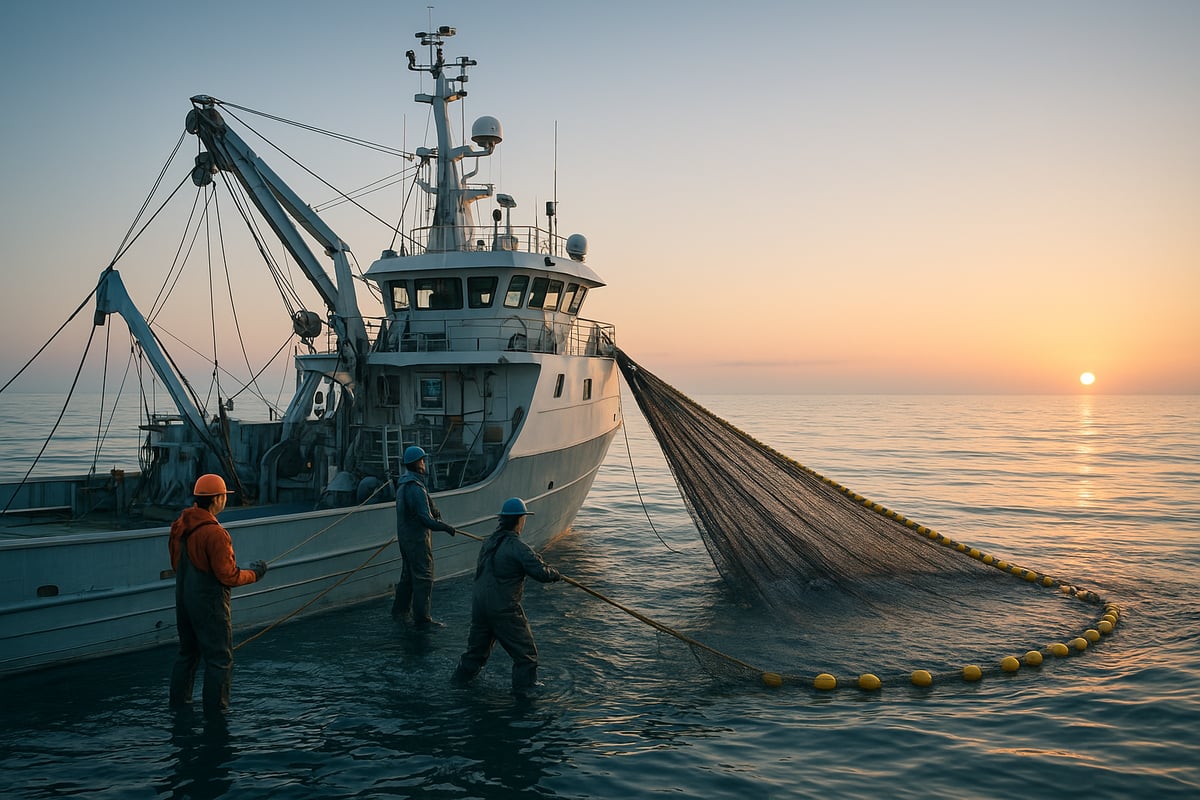
In 2026, large fish netting refers to the use of extensive nets designed to capture sizable species, typically weighing over 10 kg or forming large schools. This approach covers two main sectors: commercial operations, which often target massive hauls of tuna, snapper, or kingfish, and recreational netting, where individuals or small groups focus on fewer but often larger fish.
The distinction lies in scale and purpose. Commercial large fish netting emphasizes volume and efficiency, while recreational activities prioritize experience and selective catches. Commonly targeted species include:
For those seeking a deeper dive into current best practices and equipment, the Essential Handbook for Fish Netting offers comprehensive guidance tailored to both commercial and community fisheries.
Large fish netting plays a crucial role in global and regional fisheries. Economically, it supports thousands of jobs and contributes significantly to food security and trade. For instance, Pacific Island nations depend on large fish netting for both export revenue and local consumption.
Ecologically, responsible large fish netting helps maintain balance by targeting abundant species while minimizing disruption to marine habitats. Sustainable practices, such as regulated quotas and innovative net designs, are essential to prevent overfishing and protect biodiversity.
When compared to line fishing, trawling, or traps, large fish netting offers unique advantages. It allows for the efficient capture of schooling fish and can be less labor-intensive per catch. However, it also presents risks, such as higher bycatch rates and potential habitat disturbance.
| Method | Pros | Cons |
|---|---|---|
| Netting | High yield, efficient | Bycatch, habitat impact |
| Line fishing | Targeted, selective | Lower volume, time-consuming |
| Trawling | Massive catch capacity | Severe habitat disturbance |
| Traps | Minimal impact, selective | Limited scale, slower |
A notable example is the Pacific Island community fisheries, where large fish netting remains integral for cultural and economic reasons, balancing tradition with modern sustainability efforts.
Despite its benefits, large fish netting faces several challenges. Bycatch, where non-target species are unintentionally caught, remains a persistent issue. Legal restrictions, such as quotas and mesh size regulations, require careful compliance. Environmental factors, including unpredictable weather and shifting fish migration patterns, add complexity to every outing.
Recent advances in 2026 are reshaping the landscape. Smart nets equipped with digital monitoring help reduce bycatch and improve targeting. New materials, such as lightweight, durable, and eco-friendly fibers, extend net lifespan and minimize environmental impact. Adoption rates of these technologies are rising, with commercial fleets leading the transition toward smarter, more sustainable large fish netting practices.
Selecting the right equipment sets the foundation for successful large fish netting. In 2026, advancements in gear and technology offer both commercial and recreational anglers significant advantages. The right tools improve efficiency, safety, and catch quality.
Choosing the optimal net is the cornerstone of large fish netting. In 2026, four primary net types dominate:
Mesh size, net depth, and overall length must match the target species and local regulations. For a detailed breakdown of net characteristics and best applications, visit the Types of Fishing Nets Overview. The right choice ensures compliance, minimizes bycatch, and maximizes catch rates for large fish netting.
Beyond the nets themselves, supporting equipment is essential for large fish netting. Key items include:
Integrating these accessories enhances operational control and safety on every large fish netting trip.
Technology is transforming large fish netting in 2026. Smart net sensors now monitor both catch and bycatch in real time, sending alerts to mobile devices. Self-repairing net materials reduce downtime and maintenance costs. Real-time data integration with onboard systems allows crews to adapt quickly to changing conditions.
These innovations support sustainable practices and boost efficiency, keeping large fish netting operations competitive.
Proper care extends the lifespan of large fish netting equipment. After each use, nets should be:
Store nets in cool, shaded areas to minimize UV and saltwater damage. Well-maintained gear ensures reliability on every trip.
Investing in quality large fish netting equipment pays off over time. Commercial-grade nets and advanced gear command higher upfront prices, but their durability and efficiency yield significant long-term savings. Industry reports highlight strong ROI for fleets upgrading to modern systems, with reduced maintenance and increased catch rates.
Recreational anglers can find suitable options at lower price points, balancing cost with performance and longevity.
For those seeking reliable large fish netting solutions, Action Outdoors Limited stands out as New Zealand’s premier manufacturer. They offer a broad selection of ready-to-use nets for both commercial and community fisheries, all crafted to meet strict quality standards.

Benefits include NZ-made durability, custom design options, rapid export services to Pacific markets, and a full range of accessories like ropes, floats, and marine gear. Their expert support helps anglers make informed decisions, ensuring every large fish netting operation is equipped for success.
Selecting the right site is the foundation for successful large fish netting. Careful preparation and planning can mean the difference between a record haul and an empty net. Let’s break down each step to maximize your results and efficiency.
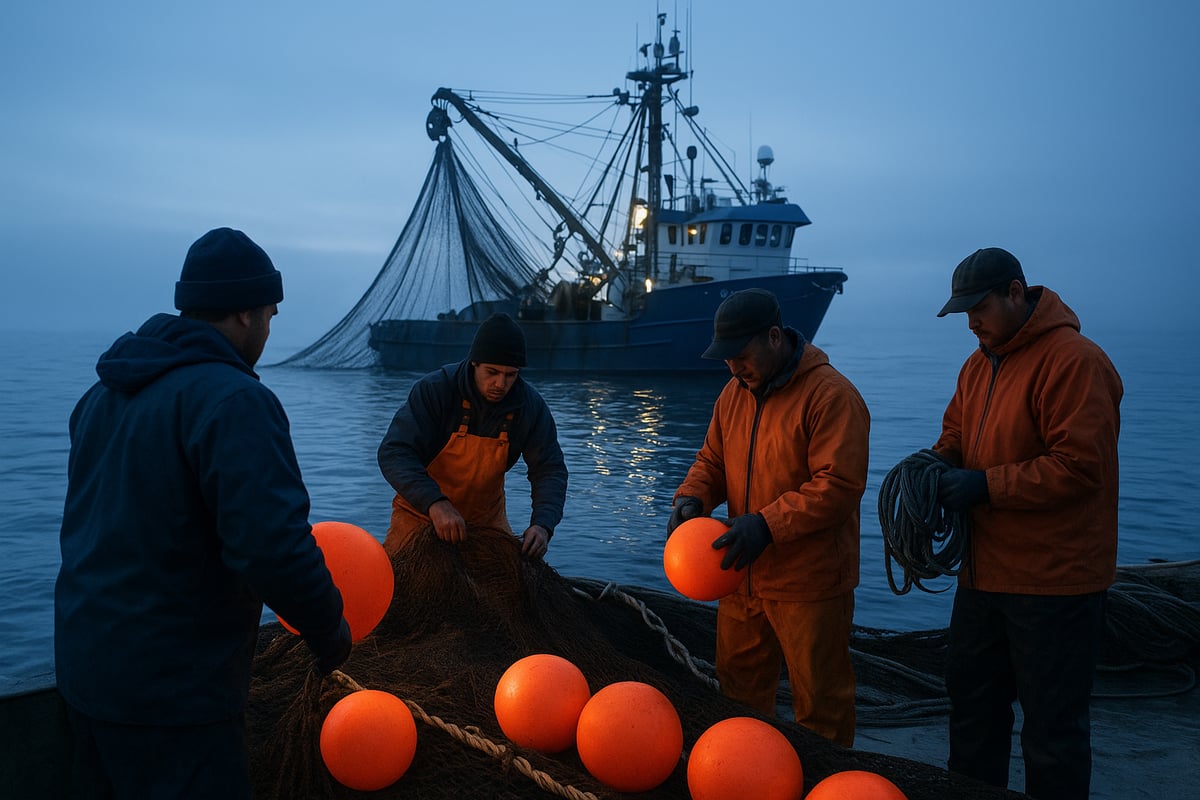
Productive locations are essential for large fish netting. Start by analyzing water conditions such as currents, temperature, and depth. These factors influence where fish congregate.
Observe fish migration and aggregation patterns, using historical catch data and local knowledge. Mapping software and fish finders can pinpoint hotspots, allowing you to deploy nets where target species are most likely present.
Staying flexible is key. If conditions change, be ready to adapt your large fish netting strategy to maximize your catch.
Before large fish netting, review environmental and legal factors. Check for marine protected areas and restricted zones, as these are off-limits for netting.
Stay informed about seasonal closures and quotas, which may change annually. In 2026, updated regulations often specify mesh sizes, allowable species, and mandatory reporting for each region.
Failure to comply can result in fines or suspended licenses. Always consult local fisheries authorities for the latest large fish netting rules.
Preparation is vital for efficient large fish netting. Begin by clearing debris and obstacles from the chosen area. Mark boundaries clearly using buoys to define net placement and ensure safe navigation.
Proper boat positioning is crucial for easy net deployment and retrieval. Before heading out, review Fishing Net Review Videos to assess gear performance and make informed choices.
A well-prepared area reduces risks and increases the effectiveness of your large fish netting operation.
Timing is everything in large fish netting. The best times of day often coincide with fish feeding or migration periods, which can vary by species and season.
Analyze weather forecasts for wind, storms, and changing tides. Sudden shifts can impact both safety and fish behavior. Tidal movement influences where and when fish gather, so plan deployments accordingly.
By tracking these factors, you can strategically time your large fish netting for optimal results.
Efficient large fish netting requires clear team coordination. Assign roles such as skipper, net handlers, and spotters to streamline operations.
Equip your crew with radios or digital communication tools to maintain constant contact. Establish safety protocols, including man overboard procedures and emergency drills, before every trip.
A synchronized team not only boosts catch rates but also ensures a safer large fish netting experience for everyone.
Mastering large fish netting in 2026 means combining tried-and-true methods with smart technology and attention to detail. The following step-by-step approach breaks down what the most successful netters do differently. Whether you are commercial or recreational, these techniques will help you maximize efficiency, minimize bycatch, and improve every haul.
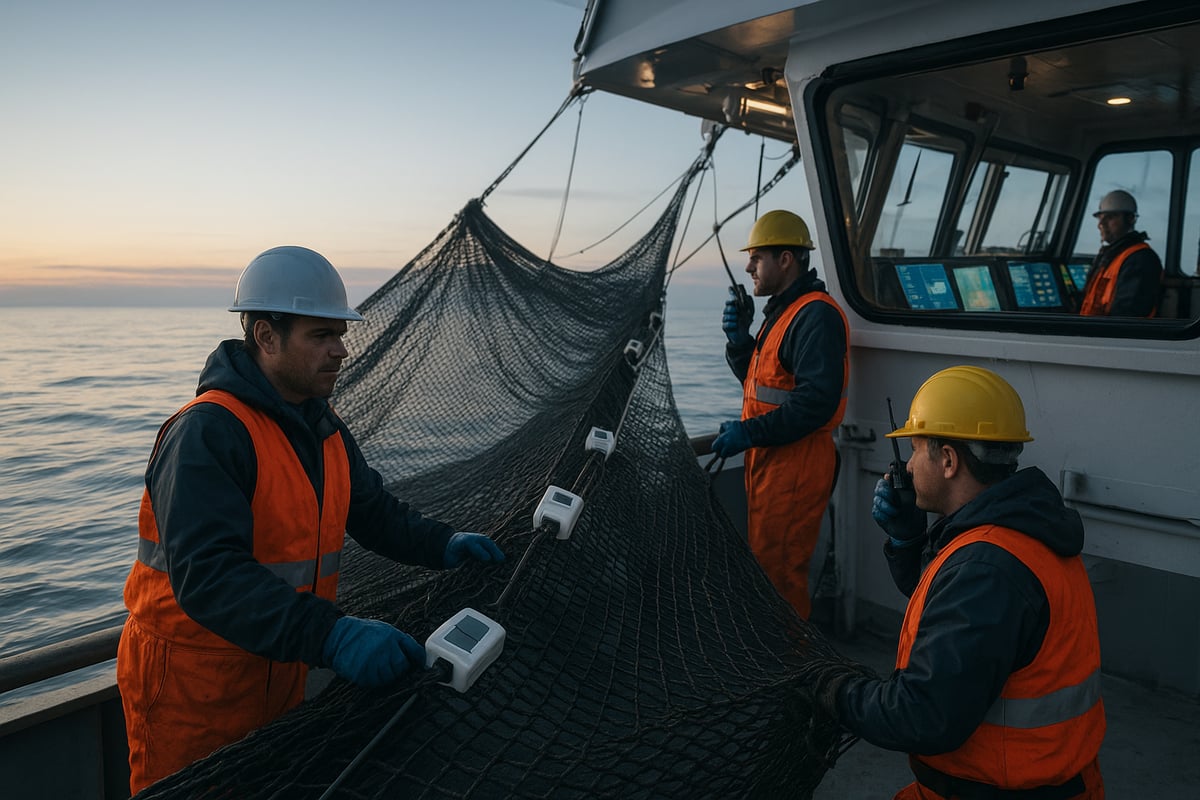
Preparation is the foundation of large fish netting success. Before deployment, inspect your net for wear, broken floats, or frayed ropes. Ensure all equipment, including winches and navigation systems, is in working order. A pre-deployment checklist can prevent costly errors later.
Position your vessel with attention to wind, current, and the observed movement of target species. For large fish netting, the angle and speed of net release matter. Deploy the net smoothly to avoid tangles, using crew communication and hand signals for synchronized action.
Mesh size and net depth should match your intended catch. Adjust settings based on the species and local regulations. Correct deployment not only improves catch rates but also extends the lifespan of your gear.
Once the net is in the water, constant monitoring is essential. Use sonar to track fish schools and gauge their movement relative to your net. Visual cues, such as surface disturbance or bird activity, can also signal fish presence.
Modern large fish netting operations often integrate digital sensors and real-time data feeds. These tools help you adjust net position instantly, reducing bycatch and improving efficiency. Innovations in smart fishing gear, like AI-driven sonar and automated alerts, are transforming how netters respond to changing conditions. Learn more about these Advancements in Smart Fishing Gear for 2026 to stay ahead.
Spotters and digital communication between crew members ensure everyone is aware of fish movement, weather changes, and potential hazards. This step is critical for both safety and optimal catch.
Retrieving the net is a delicate phase in large fish netting. Decide between manual and mechanized hauling based on your operation’s scale and crew expertise. Mechanized winches can speed up the process and reduce strain, but require vigilant oversight to avoid net damage.
As the net comes aboard, handle it gently to prevent tearing and reduce stress on the fish. Sort the catch quickly and efficiently, separating target species from bycatch. Immediate processing and storage—such as icing or live wells—preserve fish quality and value.
Regularly check for snags or tangles, which can damage both fish and equipment. Efficient retrieval techniques minimize downtime between sets and keep your large fish netting operation running smoothly.
Reducing bycatch is a top priority in responsible large fish netting. Train crew to quickly identify non-target or protected species as the net is hauled. The use of exclusion devices, such as turtle excluder panels or escape hatches, can dramatically cut unintended catch.
If a protected species is caught, follow established safe release protocols. This may include gentle handling, immediate water return, and documentation for regulatory compliance. Smart net sensors can alert you in real time to bycatch events, allowing for rapid intervention.
Consistent application of these methods not only protects marine ecosystems but also helps maintain access to key fisheries. Stay informed about new gear and techniques that support sustainable large fish netting.
After each haul, clean your nets thoroughly to remove debris, algae, or fish scales. Inspect for holes, tears, or damage, and repair them immediately on site to avoid future issues. Rinse all equipment with fresh water to prevent salt and mold buildup.
Record catch data, including species, size, and bycatch, using digital logbooks or mobile apps. This information is crucial for regulatory compliance and long-term planning. Prepare gear for the next deployment—drying, folding, and storing nets correctly extends their usable life.
A disciplined post-netting process ensures your large fish netting operation remains efficient, compliant, and ready for the next challenge.
Drawing from real-world experience, top netters recommend flexibility and teamwork. For example, a successful large fish netting operation in the Hauraki Gulf, New Zealand, attributed a 25% increase in yield to improved team communication and the adoption of smart net technology.
Veteran crews emphasize the value of regular training, clear role assignments, and ongoing skill development. Data from 2024–2026 shows that fleets integrating advanced monitoring and rapid response protocols consistently outperform traditional methods.
In summary, the most effective large fish netting strategies blend advanced equipment, expert technique, and a commitment to learning. By following these steps and embracing innovation, you set your team up for safe, productive, and sustainable fishing.
Large fish netting in 2026 operates within a robust framework of regulations to ensure ethical and legal practice. Laws governing large fish netting vary by region, with New Zealand and Pacific Islands enforcing strict quotas, mesh size standards, and mandatory digital logbooks. Global standards now require timely reporting of catches and bycatch to support data-driven management. Penalties for non-compliance can include hefty fines or license suspension. Case studies reveal that fleets prioritizing compliance not only avoid legal trouble but also demonstrate higher operational efficiency. Staying informed about evolving regulations is critical for anyone involved in large fish netting.
Safety is a top priority in large fish netting, requiring every crew member to follow strict protocols. Personal protective equipment includes life vests, gloves, and waterproof clothing. Emergency procedures are drilled regularly, covering scenarios such as man overboard, net entanglement, or equipment failure. Training is mandatory for commercial crews, with refresher courses offered annually to maintain sharp skills. Modern vessels utilize digital communication tools to coordinate responses and document incidents. By adhering to these standards, operators protect both their teams and their investment in large fish netting operations.
Environmental stewardship is central to large fish netting today. Operators are adopting eco-friendly practices to minimize habitat disruption and reduce bycatch. Recycling programs for damaged nets and the use of biodegradable materials are increasingly common. According to Biodegradable Fishing Nets Market Trends, fleets using innovative nets are seeing positive results both for efficiency and marine health. Modern net designs also help avoid overfishing and ensure only target species are caught. These initiatives help secure the future of large fish netting for generations to come.
Community and Indigenous collaboration is shaping the future of large fish netting. Many commercial and recreational operators now work alongside local fisheries and Indigenous groups to incorporate traditional knowledge into modern practices. These partnerships foster stewardship programs and encourage responsible resource use. Community monitoring helps enforce sustainable quotas and prevent overexploitation. By valuing diverse perspectives, the large fish netting industry creates a more resilient and inclusive approach to marine resource management. This blend of tradition and technology is vital for long-term ecological balance.
Even with the best preparation, large fish netting operations can encounter unexpected challenges. Knowing how to troubleshoot quickly and optimize your approach is crucial for maintaining efficiency and sustainability.
In large fish netting, the most frequent issues are net tangling, snags, and tears. Quick fixes involve untangling by hand, patching small holes immediately, and using backup nets to avoid downtime. Low catch rates may signal the need to adjust your netting location or timing.
Bycatch is another challenge, often requiring gear modifications or the use of exclusion devices for non-target species. For persistent bycatch issues, consider integrating illuminated nets, which have shown success in reducing unintended captures according to recent research. Regular equipment checks help prevent many of these problems.
Modern large fish netting operations benefit greatly from data-driven approaches. Recording catch data allows crews to spot patterns in fish movement and optimize deployment strategies. Many fleets now use AI-powered analytics and real-time monitoring to predict the best times and places for netting.
For more on how digital innovation is transforming fisheries, see Technological Advances in Fisheries. These tools are improving efficiency and reducing environmental impact, making data integration essential for future-ready netting operations.
Staying competitive in large fish netting requires ongoing education. Attend workshops, enroll in online courses, and pursue certifications to keep skills current. Networking with experienced netters and joining fisheries organizations provides valuable insights and support.
Regularly updating your knowledge ensures you can adapt to new regulations and technologies. Embracing continuous learning keeps your operation efficient, compliant, and ready for the evolving demands of modern netting.
As you’ve seen, mastering large fish netting in 2026 takes both the right techniques and reliable equipment. If you’re ready to put these expert tips into action, having a quality net can make all the difference for your next big catch. Action Outdoors Limited offers a wide selection of ready to use fishing nets perfect for both commercial and recreational needs, ensuring you get durability and performance every time. Take the next step toward more efficient and successful fishing—explore your options and Buy Now.
Leave a comment