
The world of marine nets is undergoing a remarkable transformation, driven by cutting-edge innovation and expanding demand across multiple sectors. No longer limited to traditional fishing, marine nets are now essential tools for environmental protection, aquaculture, coastal defense, research, security, and even recreation.
This article uncovers the seven top uses for marine nets in 2026, backed by the latest trends, emerging technologies, and real-world success stories. From sustainable fisheries to pollution control, discover how marine nets are shaping the future of our oceans and why their impact reaches far beyond the water's edge.
The Evolving Landscape of Marine Nets in 2026
The marine nets industry is undergoing rapid transformation in 2026. Innovations in materials, design, and digital integration are shaping new possibilities. As demand rises and regulations tighten, marine nets are finding broader applications across industries.
Technological Advancements in Marine Net Materials and Design
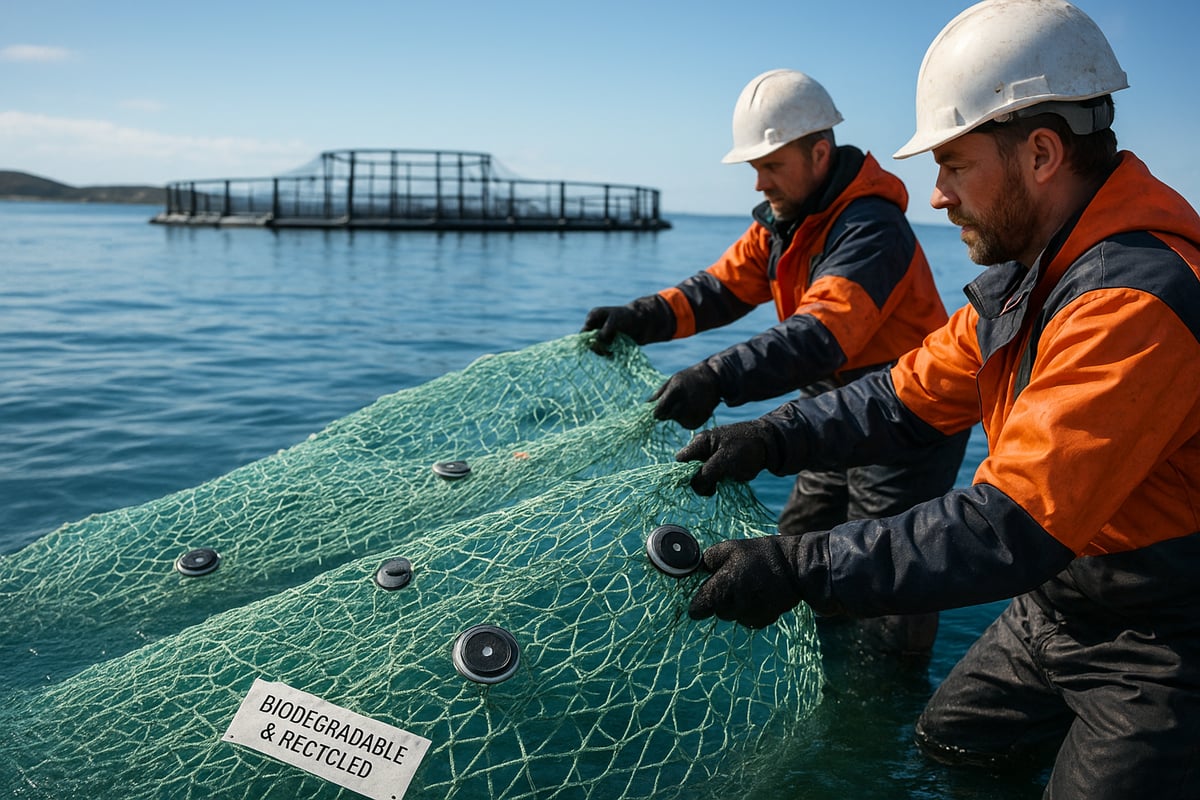
Technological breakthroughs are redefining what marine nets can achieve. New materials, such as biodegradable polymers and high-strength synthetics, are now standard. Smart nets, embedded with IoT sensors, enable real-time tracking and selective harvesting.
Mesh design has evolved to allow species selectivity, reducing bycatch and supporting sustainable fisheries. Dyneema, nylon blends, and recycled plastics are popular choices for durability and environmental responsibility. According to industry reports, the global marine net market is projected to reach record levels by 2026. For deeper insights on these innovations, consult the Essential Marine Net Handbook 2026.
Environmental and Regulatory Drivers
Environmental concerns and stricter regulations are driving change in marine nets. Governments demand sustainable fishing and aquaculture practices, influencing net design and use.
Marine nets now play a role in habitat restoration and pollution control. Retrieval systems have led to a marked decrease in ghost nets, helping protect marine life. Statistics show a steady decline in lost nets, reflecting the industry's commitment to conservation.
Expanding Market Demand and Applications
The market for marine nets is expanding beyond traditional fisheries. Aquaculture is booming, while coastal engineering and recreational sectors are adopting innovative net solutions.
Communities in the Pacific Islands and offshore industries are leading the way with multipurpose marine nets. These products now serve as tools for environmental management, security, and recreation, not just for capturing fish.
Customization and Commercial Supply Chains
Customization is essential in today's marine nets market. Manufacturers offer tailored solutions for specific species, environments, and purposes.
Shorter lead times and robust global distribution networks ensure timely delivery. Quality assurance and compliance are critical, especially for export markets. For example, New Zealand’s custom nets are now in high demand across Pacific communities, reflecting the value of specialized, reliable supply chains.
7 Top Uses for Marine Nets in 2026
The year 2026 marks a turning point for marine nets, with new technologies and diverse applications reshaping their role across industries. Let us explore the seven most impactful uses for marine nets, highlighting how they are driving sustainability, innovation, and growth worldwide.
1. Sustainable Commercial Fishing
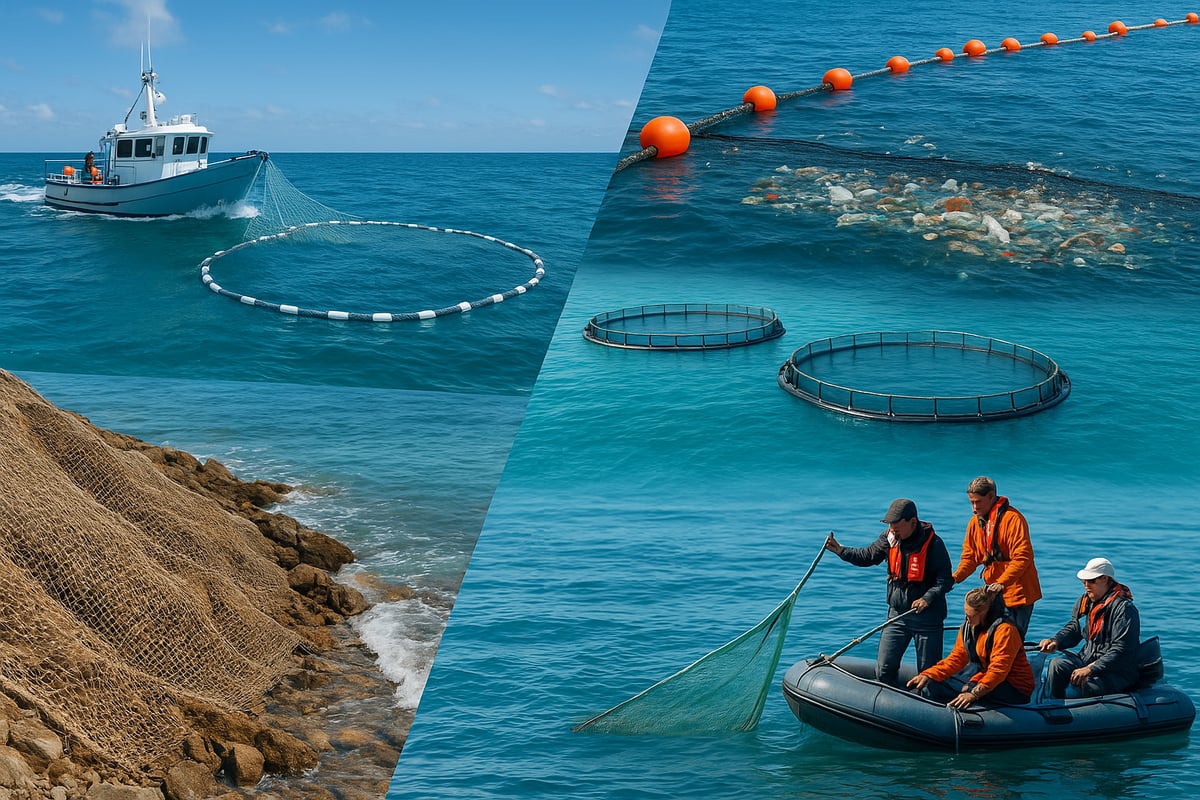
Sustainable commercial fishing remains a cornerstone of the global seafood industry, and in 2026, marine nets are central to this transformation. Today’s marine nets feature selective mesh sizes to target only intended species, dramatically reducing bycatch and supporting healthier marine ecosystems. Smart nets embedded with sensors and RFID tags now monitor catches in real time, making compliance with international quotas and traceability far more manageable.
Modern Commercial Fishing Nets Collection includes high-strength synthetics and biodegradable options, enabling fishers to meet stricter sustainability standards. Pilot programs have reported bycatch reductions of up to 30 percent, a significant leap in ocean conservation. For example, tuna fisheries worldwide are adopting RFID-enabled marine nets, allowing for instant data collection on catch composition and quantity.
Smart fishing nets reduce bycatch through the use of embedded LED indicators and advanced sensors, alerting fishers when non-target species are detected. This technology not only increases fishing efficiency but also helps maintain biodiversity.
Despite the benefits, challenges remain. The cost of advanced marine nets and the need for ongoing fisher training can be barriers, especially for smaller operators. However, the payoff is substantial: higher yields, lower environmental impact, and a future-proofed industry that prioritizes marine health.
2. Aquaculture and Fish Farming
Aquaculture is thriving in 2026, with marine nets essential for fish containment and health. Offshore and coastal fish farms now deploy robust containment nets that prevent escapes and minimize disease transfer. Anti-predator and anti-fouling technologies have been integrated, offering protection from both natural threats and environmental hazards.
Biosecure marine nets are designed to stop pathogens from entering or leaving enclosures, a crucial advancement for high-value species like salmon. In Norway, deep-water cage nets are being deployed for salmon farms, reducing stress on fish and lowering the risk of sea lice outbreaks.
The global market for aquaculture marine nets is expanding rapidly, driven by the demand for sustainable protein. These nets support improved fish health, reduce escapes, and boost productivity, all while maintaining water quality. However, challenges such as biofouling, maintenance, and regulatory compliance persist.
Operators are investing in regular cleaning and inspections to maximize net lifespan. As marine nets become more specialized, customization for site and species is common. The outcome is a more resilient, productive, and sustainable aquaculture sector powered by innovation in marine nets.
3. Marine Debris and Pollution Control
Marine nets are at the forefront of global efforts to address ocean pollution. Floating barriers and coastal booms made from advanced netting materials are capturing plastic and debris before it can enter open waters. These systems are now widely used at river mouths and harbors, helping to intercept waste at the source.
Projects like The Ocean Cleanup’s river interceptors utilize custom-designed marine nets to collect tons of debris annually. Collaboration with NGOs and governments has amplified the effectiveness of these efforts. In 2026, marine nets are being deployed on a larger scale, with improved durability and waste-handling capabilities.
The data is compelling: net systems are responsible for collecting thousands of tons of plastic each year, making a measurable impact on marine environments. However, the disposal and recycling of collected debris remain significant challenges. Manufacturers are responding by developing marine nets from recycled plastics, closing the loop and enhancing sustainability.
Table: Key Features of Marine Nets for Pollution Control
| Feature | Benefit |
|---|---|
| High-strength materials | Withstand harsh marine conditions |
| Custom mesh sizes | Target specific debris sizes |
| Modular design | Easy maintenance and deployment |
Marine nets are now indispensable tools in the fight against ocean pollution, providing scalable, flexible solutions for a cleaner future.
4. Coastal Protection and Erosion Control
Coastal communities are increasingly turning to marine nets for shoreline stabilization and erosion control. In 2026, marine nets are integral to artificial reef construction and gabion systems that hold rocks, shells, or biologically active substrates in place.
These specialized marine nets help prevent coastal erosion by absorbing wave energy and creating conditions for new habitats to flourish. Pilot projects using gabion nets have reported significant reductions in erosion rates, benefiting both property owners and ecosystems.
Marine nets are also employed in living shoreline projects, where they support plant growth and sediment accumulation. The environmental impact of these interventions is carefully monitored, with long-term maintenance being a key consideration.
While marine nets offer a flexible and cost-effective alternative to hard infrastructure, environmental compatibility and durability are critical. When properly designed and installed, marine nets can balance protection, restoration, and sustainability for vulnerable coastlines.
5. Marine Research and Conservation
Scientific research and conservation efforts rely heavily on marine nets for data collection and species management. In 2026, advanced marine nets are used for everything from plankton sampling to the exclusion of invasive species.
Marine nets enable researchers to tag, sample, and release marine life with minimal disturbance. Population studies, genetic sampling, and microplastic tracking all benefit from custom-designed marine nets tailored to specific scientific needs.
Coral restoration projects are increasingly utilizing protective marine nets to shield young corals from predators and debris. The number of research programs deploying innovative net designs continues to rise, enhancing our understanding of marine ecosystems.
Benefits include improved data accuracy, more efficient fieldwork, and greater protection for sensitive habitats. As technology advances, marine nets will remain foundational tools for marine science and conservation.
6. Security and Anti-Intrusion Measures
Securing ports, harbors, and offshore installations is a growing priority in 2026. Marine nets are now widely used as anti-swimmer and anti-submarine barriers, safeguarding critical infrastructure from unauthorized access.
These security marine nets are engineered for strength and durability, often integrated with surveillance and alarm systems for real-time monitoring. Military and commercial ports are deploying underwater marine nets to form the first line of defense against intrusion.
The rise in maritime security concerns has led to increased investment in advanced marine nets. Challenges include the cost and ongoing maintenance of these systems, as well as their operational impact on legitimate marine traffic.
Despite these hurdles, marine nets offer a flexible, effective solution for protecting key assets. Their ability to adapt to varying threats makes them a valuable component of modern maritime security strategies.
7. Recreational and Sports Applications
The recreational sector has embraced marine nets for a range of water-based activities. In 2026, marine nets are used for water sports such as water polo, aquathlons, and floating playgrounds, as well as for safety in public swimming areas.
Custom marine nets create shark-free enclosures, expanding opportunities for safe, open-water swimming and marine adventure parks. These applications support the growth of the marine recreation industry, opening new business avenues and enhancing visitor safety.
Data shows a steady increase in demand for marine nets for both public and private recreational projects. Operators value the flexibility of custom designs, which can be tailored for specific activities and environments.
Marine nets are not just practical—they are also enablers of innovation, making marine recreation safer, more accessible, and more enjoyable for people worldwide.
Custom Manufacturing and Supply of Marine Nets
Modern marine nets are no longer one-size-fits-all solutions. The demand for tailored netting has grown rapidly, as both commercial and conservation sectors seek products that meet specific requirements. From mesh size to durability, every detail matters in ensuring optimal performance for different marine environments and target species.
Importance of Custom Solutions for Diverse Marine Applications
Customization sits at the heart of today’s marine nets industry. Fisheries, aquaculture operators, and coastal engineers all require nets designed for very different purposes. Mesh size, material strength, and anti-fouling properties are tailored to fit local species and environmental conditions.
For example, New Zealand’s unique fisheries often need nets that account for indigenous practices and specific habitats. This has led to a rise in custom net requests, with suppliers adapting products to suit everything from commercial snapper fishing to traditional methods. Those interested in learning more about regional adaptations can explore Customary Fishing Nets and Info, which highlights New Zealand’s approach to marine nets.
The ability to customize ensures effectiveness, sustainability, and compliance with local regulations. It also supports better resource management and helps protect delicate marine ecosystems.
Action Outdoors: Leading Supplier of Marine Nets in the Pacific
Action Outdoors stands out as New Zealand’s largest manufacturer of marine nets, serving both commercial operations and community fisheries. Their extensive inventory includes ready-to-use nets, ropes, floats, and related marine gear. With a focus on rapid order processing and export capabilities, Action Outdoors supports Pacific Island fisheries by offering products that meet diverse needs.
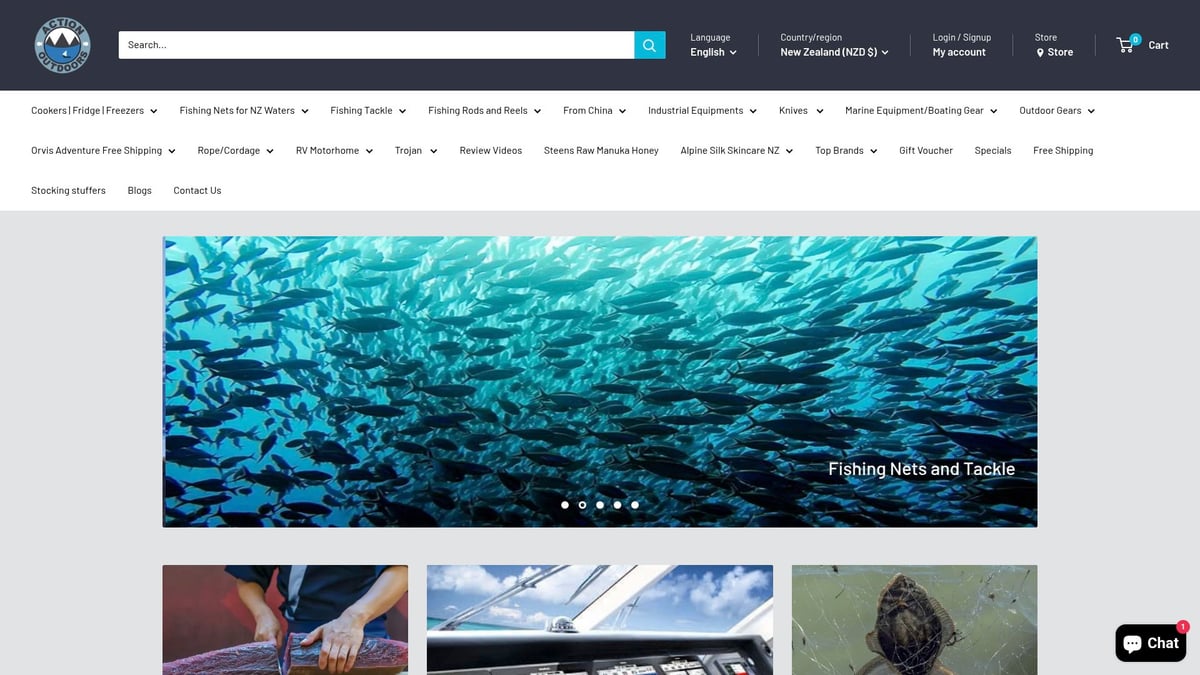
Clients benefit from the company’s emphasis on New Zealand-made quality and dependable service. The ability to deliver custom marine nets quickly has positioned Action Outdoors as a trusted partner across the region. Whether it is a small mesh net for local fisheries or a large containment system for aquaculture, their solutions are designed for durability and performance.
As a one-stop shop, Action Outdoors simplifies the procurement process and ensures clients have access to everything needed for efficient operations.
Quality Assurance, Standards, and Sustainability
Quality assurance is critical in the marine nets supply chain. Leading manufacturers adhere to both international and regional standards, ensuring products are robust and reliable. Materials are selected for their strength, longevity, and reduced environmental impact, with a growing preference for sustainable options.
Traceability and safety certifications are now standard requirements. This means every net can be tracked from production to deployment, supporting accountability and regulatory compliance. Innovations in material science have also led to the use of recycled plastics and biodegradable fibers, further reducing the ecological footprint of marine nets.
Sustainability is not just a trend but an expectation, with customers and authorities demanding transparency and responsible sourcing at every stage.
Future Trends in Marine Net Supply Chains
Looking ahead, several trends are shaping the future of marine nets. There is increasing demand for eco-friendly and smart netting, with sensors and digital features becoming more common. Direct-to-customer models and global export networks are making it easier for clients to access custom solutions, regardless of location.
Digital platforms now streamline ordering and customer support, reducing lead times and improving service. Advances in recycling and the circular economy are also driving innovation, as manufacturers seek to minimize waste and extend the life cycle of marine nets.
These changes are set to enhance efficiency, sustainability, and responsiveness across the entire marine net supply chain.
As we've seen, marine nets in 2026 are revolutionizing how we approach fishing, aquaculture, coastal protection, and even recreation. Whether you're focused on sustainability, efficiency, or expanding your operations, having the right net can make all the difference. Action Outdoors Limited leads the way with New Zealand-made quality, fast turnaround, and a comprehensive selection of fishing and marine gear ready to meet the diverse needs discussed here. If you're ready to put innovation into practice or simply want reliable nets for your next project, it's easy to get started—Buy Now.