
Email

Squid jigging represents a significant fishing method in New Zealand waters, attracting both recreational anglers and commercial operators targeting valuable cephalopod species. The practice of using squid jigs NZ has evolved substantially over recent decades, influenced by technological advancements, regulatory frameworks, and economic factors affecting the fishery. Understanding the equipment, techniques, and regulations surrounding squid jigging enables fishers to maximize their success while maintaining sustainable practices across the Pacific region.
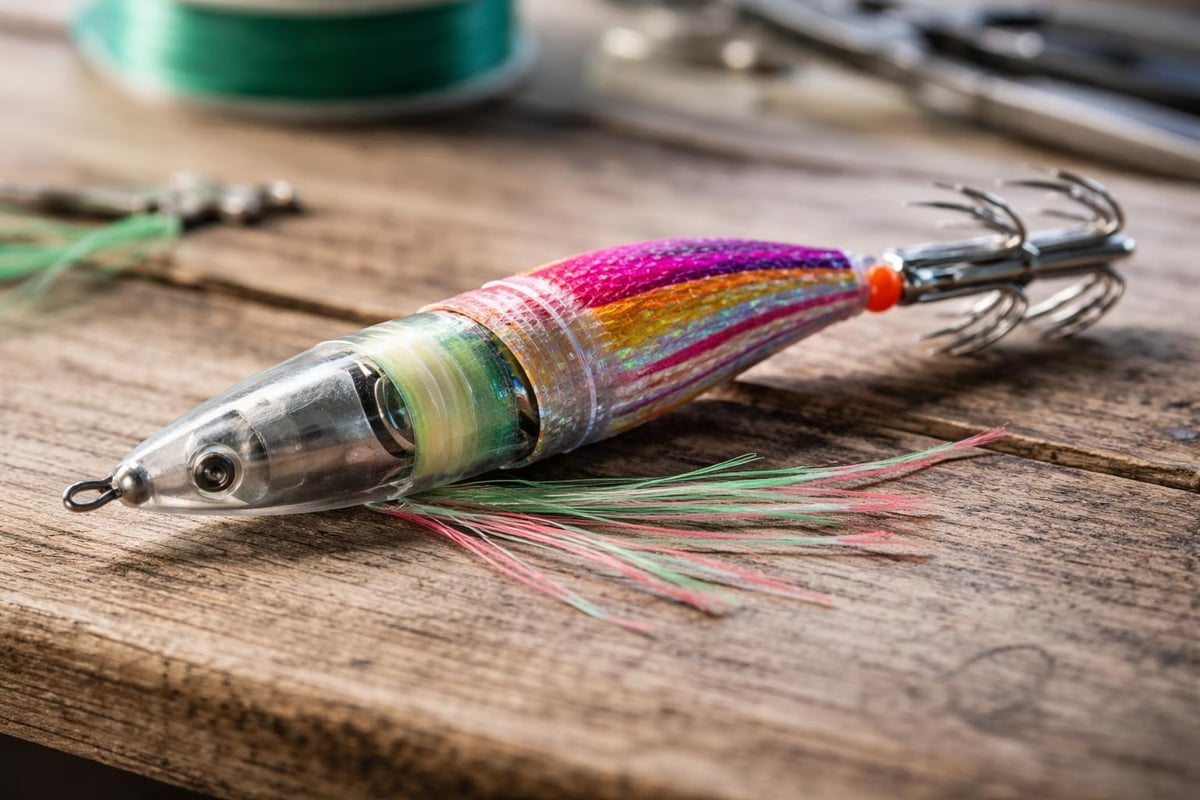
Squid jigs differ fundamentally from traditional fishing hooks and lures. These specialized tools feature a weighted body with multiple rings of upward-pointing pins or barbless hooks encircling the lower section. The design mimics the appearance of small fish or shrimp, triggering the predatory instincts of squid species.
Modern squid jigs NZ incorporate several essential elements that enhance their effectiveness. The body material typically consists of plastic, wood, or cloth wrapped around a weighted core. Luminescent coatings play a crucial role in attracting squid in deeper or murky waters, with many jigs featuring glow-in-the-dark properties that simulate bioluminescence.
The crown of pins at the jig's base consists of multiple rows of stainless steel or carbon steel points. These pins angle upward to secure squid tentacles when the cephalopod attacks the lure. Unlike barbed hooks, the pins rely on tension and multiple contact points to maintain hold throughout retrieval.
New Zealand's marine environment supports several commercially and recreationally valuable squid species. Arrow squid (Nototodarus sloanii) dominates the commercial fishery, representing the primary target for both domestic and foreign vessels operating under quota management systems.
Arrow squid exhibit seasonal migration patterns that influence fishing strategies. These fast-growing cephalopods reach maturity within one year and congregate in specific areas during spawning periods. Peak fishing seasons typically occur from January through June on the east coast of the South Island, with secondary activity around the Auckland Islands.
| Species | Average Size | Peak Season | Primary Zones |
|---|---|---|---|
| Arrow Squid | 25-35 cm mantle | Jan-Jun | East Coast SI, Auckland Islands |
| Southern Squid | 15-25 cm mantle | Year-round | Coastal waters nationwide |
| Warty Squid | 30-40 cm mantle | Oct-Mar | Deep offshore waters |
Understanding species-specific behaviors helps operators select appropriate squid jigs NZ suited to target depths, light conditions, and feeding patterns. Arrow squid typically inhabit depths between 50 and 400 meters, requiring specialized equipment for effective jigging at these ranges.
The commercial squid jigging sector in New Zealand operates under strict regulatory oversight designed to protect fish stocks and marine ecosystems. Foreign-owned vessels face specific area restrictions that limit their operations to designated zones outside sensitive coastal areas.
Commercial vessels employ sophisticated automated jigging machines capable of operating multiple lines simultaneously. These systems dramatically increase efficiency compared to manual jigging methods. Hydraulic or electric reels cycle jigs through programmed patterns, maintaining optimal action and depth throughout fishing operations.
Modern commercial setups include:
Economic analyses have shown that squid jigging in New Zealand faces unique challenges related to operational costs, fuel prices, and quota accessibility. These factors influence the viability of domestic versus foreign fleet participation in the fishery.
Recreational fishers pursuing squid with jigs employ different strategies than commercial operators. Manual jigging requires understanding squid behavior and adapting techniques to conditions encountered on the water.
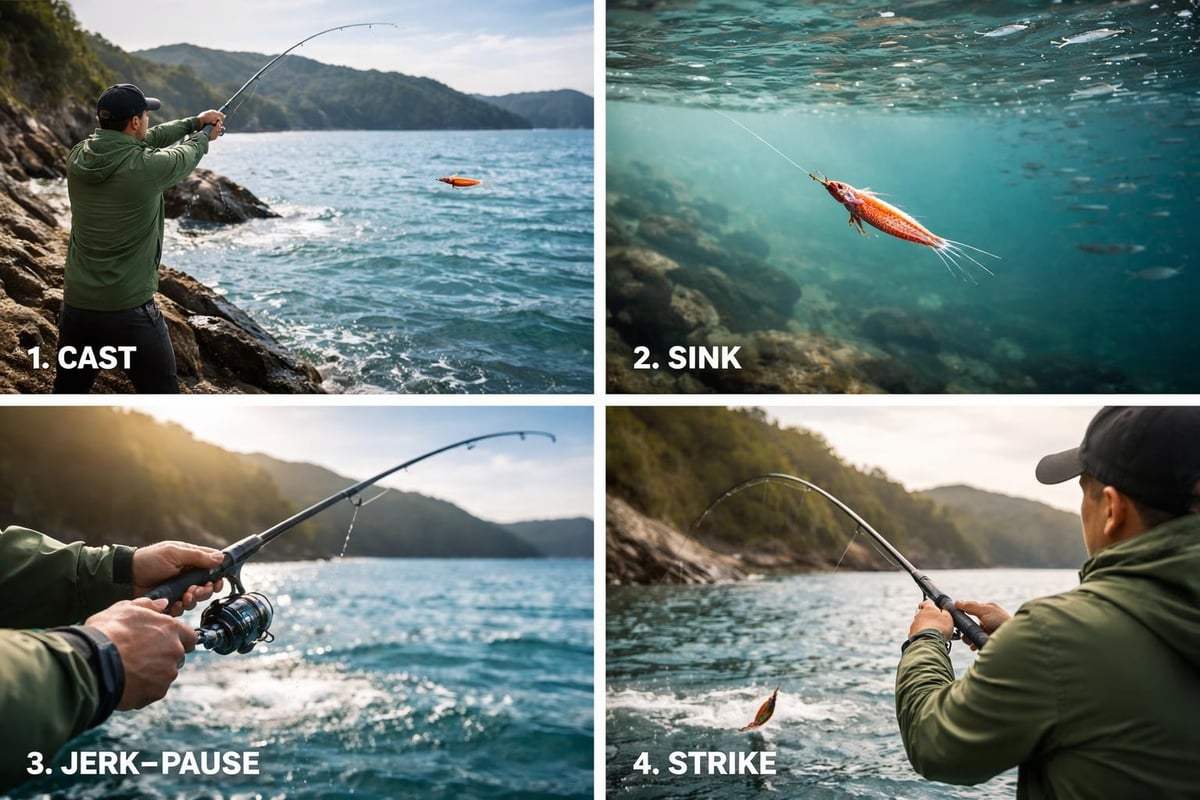
Successful squid jigging NZ depends on creating an enticing action that mimics natural prey movements. The standard technique involves casting or lowering the jig to the desired depth, then retrieving it through a series of sharp upward jerks followed by controlled descents. The pause during descent often triggers strikes as squid intercept what appears to be a wounded or fleeing prey item.
Experienced anglers vary their retrieval patterns based on squid responsiveness:
Light conditions significantly impact jigging success. Dawn and dusk periods typically produce the highest catch rates, though night fishing under artificial lighting can be highly productive. Many recreational fishers use LED submersible lights to attract squid into jigging range, particularly when targeting from piers, wharves, or anchored vessels.
New Zealand maintains comprehensive regulations governing squid fishing activities to ensure sustainability and fair access to marine resources. The Fisheries (Commercial Fishing) Regulations 2001 establish specific conditions for squid jigging operations within the country's Exclusive Economic Zone.
Commercial squid jigging requires appropriate permits and quota holdings under the Quota Management System. Foreign charter vessels must obtain special permits and comply with additional restrictions including:
Recreational fishers face fewer restrictions but must still adhere to general fishing regulations including daily bag limits and area closures during spawning seasons.
Choosing appropriate squid jigs NZ requires consideration of target species, fishing location, water clarity, and depth. The New Zealand market offers diverse options suited to varying conditions encountered across the country's extensive coastline.
Dedicated squid jigging setups optimize sensitivity and control. Spinning or overhead reels paired with medium-light to medium-action rods provide the responsiveness needed to detect subtle takes and execute effective jigging motions. Line selection typically ranges from 6 to 15-pound test, with many anglers preferring braided lines for enhanced sensitivity and reduced stretch.
| Equipment Type | Recommended Specs | Purpose |
|---|---|---|
| Rod | 7-8 ft medium-light | Balance sensitivity and power |
| Reel | 2500-4000 size spinning | Smooth drag, adequate line capacity |
| Main Line | 10-15 lb braid | Minimal stretch, high sensitivity |
| Leader | 10-20 lb fluorocarbon | Abrasion resistance, invisibility |
While Action Outdoors Limited specializes in fishing nets and marine equipment, they also supply complementary gear that supports squid fishing operations, including ropes, floats, and storage solutions used by commercial and recreational fishers throughout the Pacific region.
Color choice influences squid jig effectiveness under varying light and water conditions. Squid possess sophisticated vision systems capable of detecting subtle color variations and luminescent patterns.
Bright, luminescent colors generally outperform natural tones in low-light conditions or turbid water. Pink, orange, and chartreuse rank among the most productive colors for squid jigs NZ, particularly when enhanced with reflective or glow-in-the-dark materials. Natural patterns imitating shrimp or small fish work well in clear water during daylight hours.
Experienced squid fishers maintain diverse jig selections:
The environmental impacts of squid jigging remain relatively minimal compared to other commercial fishing methods. The selective nature of jigging and absence of bottom contact reduce habitat disruption and bycatch of non-target species, making it an environmentally preferable harvesting technique.
The economics of squid jigging in New Zealand waters involve complex calculations balancing operational costs against potential returns. Feasibility studies have assessed domestic investment perspectives, identifying key factors that influence profitability in this fishery.
Commercial squid jigging operations incur substantial fixed and variable costs. Vessel operation, fuel consumption, crew wages, quota lease fees, and equipment maintenance represent major expense categories. Market prices for arrow squid fluctuate based on international demand, particularly from Asian markets where squid commands premium prices.
Profitability factors include:
Smaller-scale operators often struggle to compete with larger foreign vessels benefiting from economies of scale. This dynamic has contributed to relatively low domestic participation in New Zealand's squid jigging sector despite abundant resource availability.
Understanding seasonal variations in squid abundance and behavior maximizes fishing success. Arrow squid follow predictable migration and spawning patterns that concentrate populations in specific locations during particular timeframes.
The South Island's east coast experiences peak squid activity during the first half of the calendar year, corresponding to spawning aggregations. Auckland Islands waters support productive fisheries during autumn and winter months. North Island locations offer more consistent year-round opportunities, though with generally lower concentrations than southern fisheries.
Monthly activity patterns for squid jigs NZ:
| Month | South Island East Coast | Auckland Islands | North Island |
|---|---|---|---|
| Jan-Mar | Excellent | Good | Fair-Good |
| Apr-Jun | Good-Excellent | Excellent | Fair |
| Jul-Sep | Fair | Good | Fair-Good |
| Oct-Dec | Fair-Good | Fair | Good |
Recreational fishers benefit from understanding these patterns when planning trips. Commercial operators coordinate vessel movements to target peak abundance periods, maximizing return on operational investments.
Proper care extends the lifespan and effectiveness of squid jigs. Saltwater exposure, UV degradation, and physical wear compromise jig performance over time without appropriate maintenance practices.
Thorough freshwater rinsing removes salt deposits that promote corrosion of pins and internal weights. Pin inspection identifies bent or damaged points requiring replacement or jig retirement. Luminescent coatings maintain effectiveness when protected from prolonged UV exposure during storage.
Maintenance checklist:
Many serious squid fishers organize their jig collections by color, size, and condition, enabling quick selection of optimal jigs for prevailing conditions. This systematic approach proves particularly valuable during active bite periods when rapid presentation changes can mean the difference between success and frustration.
Squid jigging often complements other fishing activities rather than existing as an isolated pursuit. Commercial operators may incorporate squid jigging into mixed-species operations, while recreational fishers use fresh-caught squid as premium bait for targeting larger predatory species.
Fresh squid represents exceptional bait for numerous valuable fish species including snapper, kingfish, hapuku, and tuna. The natural oils and scent profile of freshly jigged squid outperform frozen alternatives, making squid jigs NZ valuable not only for direct harvest but also for bait procurement.
Complementary fishing methods work alongside squid jigging in comprehensive marine resource utilization. Operators working with commercial fishing nets may supplement their operations with squid jigging during specific seasons or in areas where netting proves less effective. This diversification strategy reduces dependency on single species or methods, improving overall operational resilience.
Sustainable fishing practices ensure long-term viability of squid populations and marine ecosystems. Squid jigging inherently possesses several environmentally favorable characteristics compared to other commercial fishing methods.
Unlike bottom trawling or dredging, squid jigging occurs in the water column without contacting seafloor habitats. This gear selectivity dramatically reduces unintended catches of non-target species and minimizes disruption to benthic communities. The method's precision allows fishers to target specific size classes and species with minimal bycatch.
Environmental advantages include:
Responsible squid jigging practitioners adhere to bag limits, respect seasonal closures, and report unusual observations to fisheries managers. These collective actions support stock assessments and adaptive management strategies protecting New Zealand's marine resources for future generations.
Successful squid fishing operations rely on comprehensive supporting infrastructure including vessel maintenance, cold storage, processing facilities, and distribution networks. New Zealand's fishing industry benefits from well-developed infrastructure supporting diverse marine resource utilization.
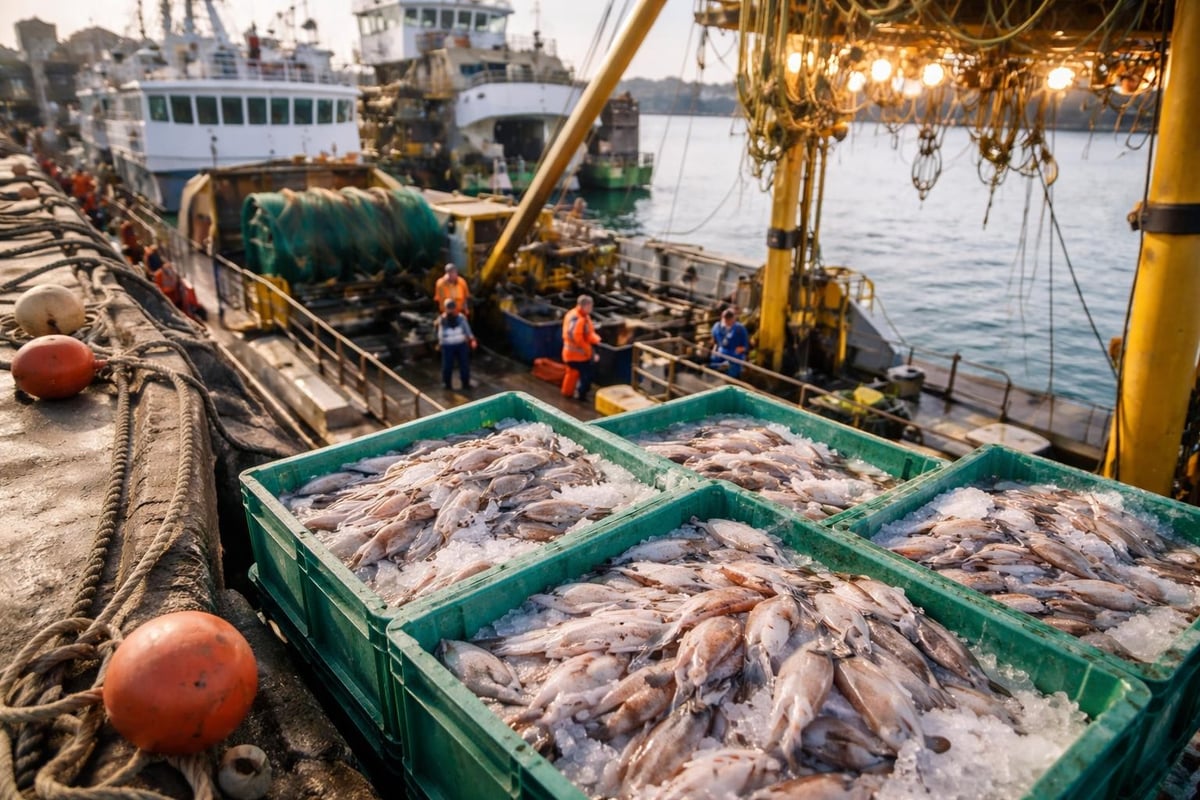
Commercial squid operations require reliable access to ice, refrigeration, processing equipment, and transport logistics. Quick turnaround times prove essential for maintaining product quality, particularly when targeting premium export markets demanding fresh rather than frozen product.
Action Outdoors Limited's expertise in fishing net manufacturing and marine equipment supply positions the company as a valuable resource for operators seeking quality equipment and reliable service. Their comprehensive product range extends beyond nets to include ropes, floats, and various marine supplies essential for fishing operations across the Pacific region.
Technological innovation continues advancing squid jigging efficiency and sustainability. Recent developments include smart jigs with embedded sensors, improved luminescent materials, and automated systems incorporating artificial intelligence for pattern optimization.
Research into squid behavior and sensory systems informs next-generation jig designs. Biomimetic approaches replicate the movement patterns, bioluminescence, and chemical signatures of natural prey species with increasing sophistication. Electronic jigs incorporating LED displays and programmable flash patterns represent the cutting edge of recreational squid jigging technology.
Future innovations may include:
These developments promise to enhance catch efficiency while supporting improved sustainability through reduced gear loss and more precise targeting of abundant populations.
Mastering squid jigs NZ requires understanding species behavior, selecting appropriate equipment, and adapting techniques to New Zealand's diverse marine environments. Whether pursuing commercial opportunities or recreational enjoyment, squid jigging offers rewarding experiences for those willing to develop their skills and knowledge. For fishers seeking reliable fishing nets, marine equipment, and quality supplies manufactured to exacting standards, Action Outdoors Limited provides comprehensive solutions backed by decades of experience serving commercial and recreational fishing communities across New Zealand and the Pacific Islands.
Leave a comment