
Email

The fish net remains one of the most critical tools in commercial and community fishing operations across the Pacific region. Whether you're outfitting a commercial vessel, managing community fisheries, or planning aquaculture operations, understanding the complexities of modern fish net design, materials, and maintenance can significantly impact your catch efficiency and operational costs. With advances in materials science and manufacturing techniques, today's fishing nets offer unprecedented durability and performance when properly selected and maintained.
Modern fish net construction has evolved significantly from traditional natural fiber designs. Today's commercial operations demand nets that can withstand harsh marine environments while maintaining optimal mesh integrity and catch efficiency.
The choice between monofilament and multifilament fish net materials fundamentally affects performance characteristics. Monofilament nets offer superior visibility in water, making them ideal for gill net applications where transparency increases catch rates. These nets resist water absorption, maintaining consistent weight throughout fishing operations.
Key advantages of monofilament construction:
Multifilament nets provide enhanced flexibility and knot strength, particularly important for seine and trawl applications. The braided construction distributes stress across multiple fibers, reducing the risk of catastrophic failure during heavy hauls. Research on fishing gear types has identified specific construction methods that minimize environmental risks when gear is lost or abandoned.
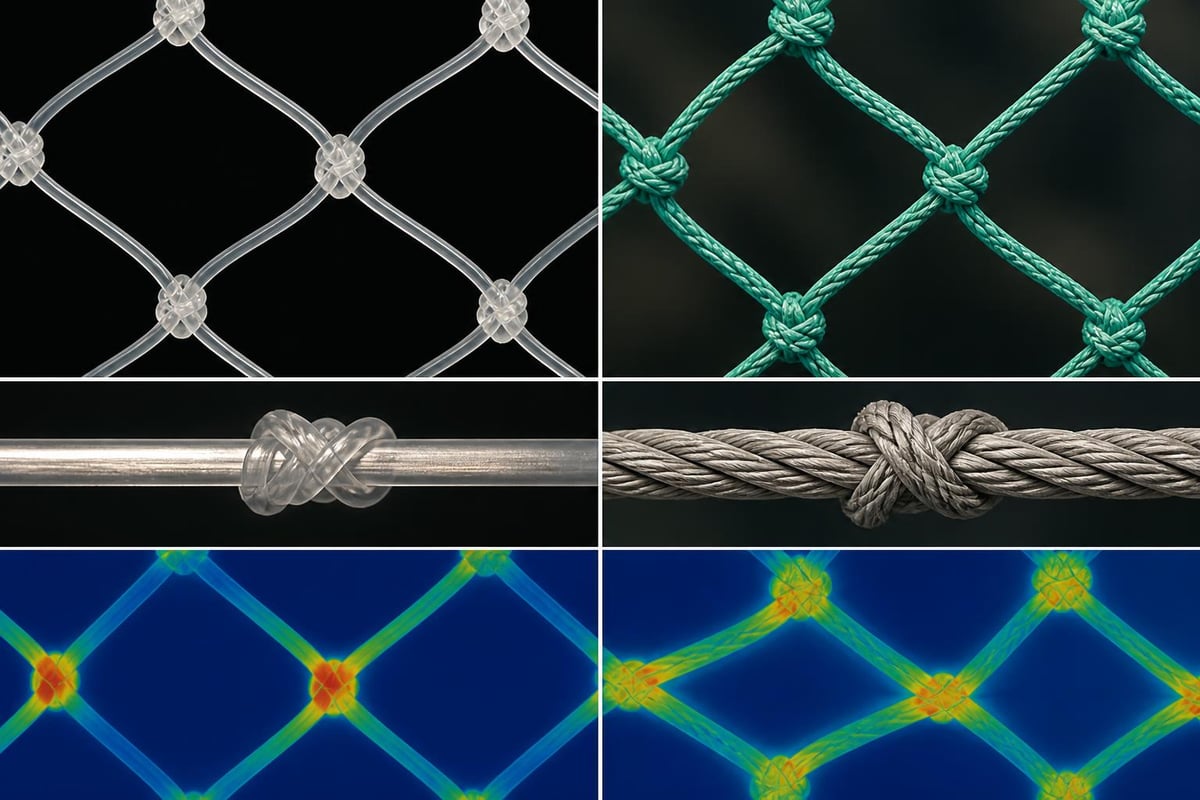
Selecting appropriate mesh dimensions directly influences catch selectivity and regulatory compliance. Different fisheries across the Pacific region maintain specific mesh size requirements designed to protect juvenile populations while optimizing commercial yields.
| Target Species | Recommended Mesh Size | Net Type | Material Preference |
|---|---|---|---|
| Mullet | 80-90mm | Drag net | Multifilament nylon |
| Snapper | 100-120mm | Gill net | Monofilament |
| Trevally | 90-110mm | Gill net | Monofilament |
| Herring | 50-65mm | Seine net | Multifilament polyester |
Understanding fishing net sizes ensures compliance with regional fisheries management while maximizing operational efficiency. Proper mesh selection also reduces unwanted bycatch, supporting sustainable fishing practices that benefit long-term stock health.
Commercial fisheries utilize various fish net configurations, each optimized for specific fishing methods and target species. Selecting the appropriate net type requires understanding operational conditions, vessel capabilities, and target fishery characteristics.
Gill nets function by entangling fish at the gills as they attempt to swim through mesh openings. These passive fishing tools excel in coastal and estuarine environments where fish follow predictable migration patterns. The fish net design allows smaller fish to pass through while retaining target-sized specimens.
Set nets remain stationary, anchored to the seafloor or suspended at specific depths. Commercial operators appreciate their low fuel requirements compared to active fishing methods. Proper float-to-weight ratios ensure nets maintain correct positioning throughout tidal cycles.
Seine nets encircle fish schools, then close at the bottom to trap the entire catch. These active fishing methods require coordinated vessel operations and skilled crew members. The fish net must maintain structural integrity while containing significant biomass, demanding robust construction and materials.
Drag nets, pulled along the seafloor or through the water column, capture bottom-dwelling or mid-water species. For more information on specialized configurations, the essential fish net handbook provides comprehensive technical specifications.
Operational considerations for seine and drag nets:
Trawl nets represent the most complex fish net category, designed for continuous deep-water operations. Cone-shaped construction channels fish toward a cod end, where the catch accumulates. Research has examined seabed impacts from trawling operations, informing sustainable practices in commercial fisheries.
Modern trawl designs incorporate strength-enhancing features like double-braided panels at high-stress points and reinforced cod end construction. These modifications extend operational lifespan while reducing the frequency of at-sea repairs.
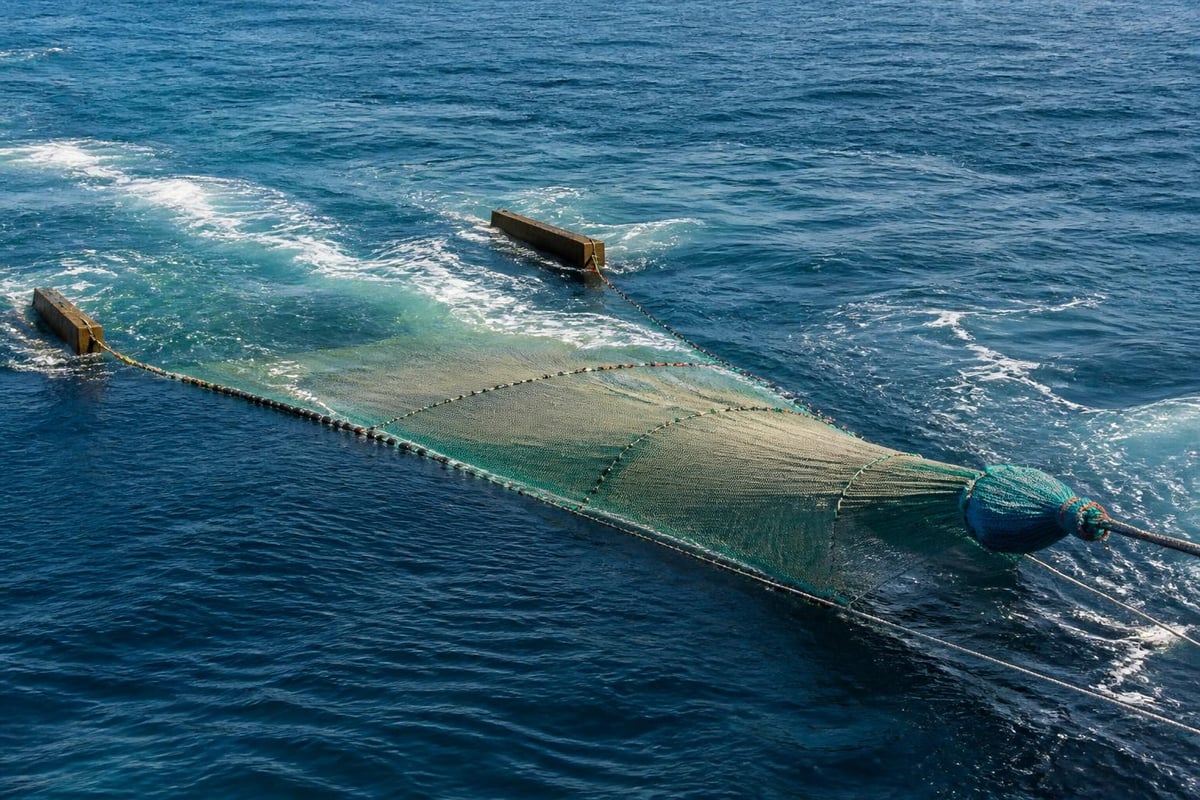
Proper fish net maintenance directly impacts operational economics and fishing efficiency. Regular inspection and repair programs prevent small damage from escalating into costly net loss or replacement scenarios.
Establishing systematic inspection schedules identifies wear patterns before they compromise net integrity. Commercial operators should implement daily visual inspections during active fishing periods, with comprehensive evaluations following each fishing season.
Critical inspection points:
Documentation of inspection findings creates valuable maintenance records, revealing patterns that inform future net selection and operational modifications. Studies on net cleaning technologies demonstrate how proactive maintenance extends service life while maintaining catch efficiency.
Timely repairs prevent minor damage from propagating through mesh panels. The fish net repair process requires matching original materials and mesh dimensions to maintain uniform catching characteristics.
| Damage Type | Repair Method | Materials Required | Time Investment |
|---|---|---|---|
| Small tears (under 10cm) | Hand mending | Matching twine, needles | 15-30 minutes |
| Large panel damage | Panel replacement | Spare mesh panels | 2-4 hours |
| Headline deterioration | Section replacement | Rope, splicing tools | 1-2 hours |
| Float loss | Float reattachment | Replacement floats, line | 30-60 minutes |
Professional repair services offer specialized equipment and expertise for major reconstruction projects. However, crew members trained in basic mending techniques can address most operational damage, minimizing downtime and maintaining fishing schedules.
Proper storage between fishing seasons significantly extends fish net lifespan. Exposure to sunlight, particularly UV radiation, degrades synthetic fibers, reducing tensile strength and increasing brittleness.
Nets should be thoroughly cleaned before storage, removing biological material that attracts pests and promotes decomposition. Hanging storage in shaded, well-ventilated areas prevents moisture accumulation while minimizing fiber stress from compression or folding.
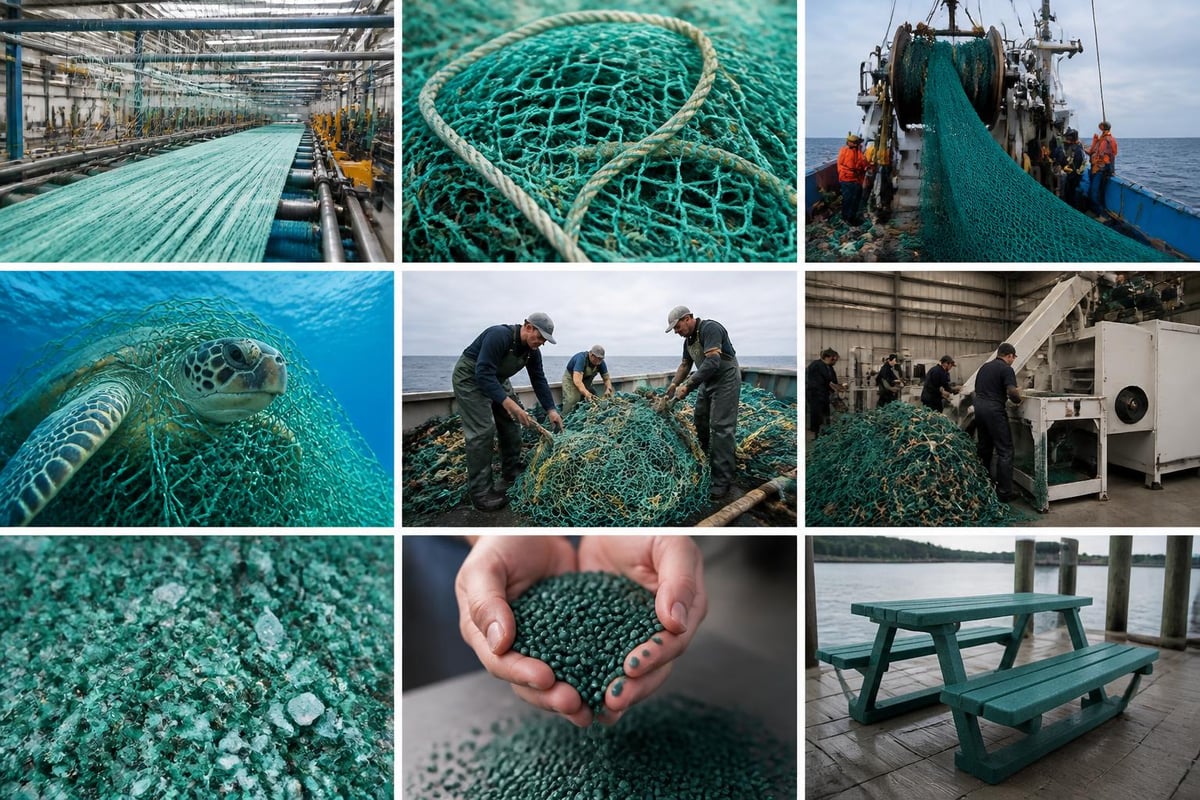
Modern fish net operations must balance commercial productivity with environmental stewardship. Lost or abandoned nets pose significant ecological threats, continuing to catch marine life for years after loss.
Ghost fishing occurs when derelict nets continue capturing fish and other marine life. Prevention strategies include enhanced net marking, regular inventory management, and investing in durable construction that resists environmental breakdown.
Recent research on fishing net waste valorization demonstrates environmental benefits from recycling programs, creating pathways for responsible end-of-life net disposal. Commercial operators increasingly participate in net recovery and recycling initiatives, reducing marine debris while supporting circular economy principles.
Modified fish net designs reduce bycatch while maintaining target species efficiency. Turtle excluder devices, fish eyes, and escape panels allow non-target species to exit nets before hauling operations begin.
Research analyzing guarding nets in Mediterranean fisheries provides insights into sustainable fishing practices applicable across various commercial operations. These modifications often require minimal investment while demonstrating measurable conservation benefits.
Bycatch reduction strategies:
Innovation continues transforming commercial fishing operations, with technology integration improving efficiency, safety, and sustainability. Modern fish net operations increasingly incorporate digital monitoring and automation systems.
Electronic monitoring systems track net positioning, depth, and environmental conditions in real-time. These systems provide valuable data for optimizing fishing strategies and ensuring regulatory compliance. Advanced frameworks like multifidelity digital twins for aquaculture demonstrate potential applications for monitoring structural dynamics in net-based operations.
GPS-enabled net markers prevent loss while facilitating recovery if separation occurs. Acoustic sensors detect catch accumulation, signaling optimal hauling times that maximize quality while minimizing stress on net components.
Artificial intelligence systems revolutionize catch assessment, with deep neural networks enabling automated fish counting and size estimation. These technologies reduce labor requirements while improving data accuracy for fisheries management reporting.
Integration with fish net operations provides near-instantaneous feedback on catch composition, allowing operators to adjust fishing locations or techniques when bycatch levels exceed acceptable thresholds.
Commercial fish net operations must navigate complex regulatory frameworks designed to ensure sustainable fishery management. Understanding regional requirements prevents costly violations while supporting long-term stock health.
Different jurisdictions maintain specific regulations governing fish net specifications, deployment locations, and operational timeframes. Pacific Island nations often implement community-based fisheries management systems, requiring coordination with traditional fishing authorities.
Common regulatory requirements:
Maintaining current knowledge of regulatory changes prevents operational disruptions. Industry associations and fisheries management agencies provide regular updates on evolving requirements affecting commercial operations.
Comprehensive documentation supports regulatory compliance while providing valuable operational data. Modern fish net operations should maintain records of net specifications, deployment locations, catch composition, and maintenance activities.
Traceability systems increasingly connect harvested seafood to specific fishing operations, enhancing market access and premium pricing opportunities. Detailed records demonstrate commitment to sustainable practices, differentiating products in competitive export markets.
Fish net investment represents significant capital expenditure for commercial operations. Strategic selection balancing initial costs against operational lifespan and maintenance requirements optimizes long-term economic performance.
Evaluating total cost of ownership rather than purchase price alone yields superior investment decisions. Premium materials commanding higher initial prices often deliver reduced operational costs through extended service life and lower maintenance requirements.
| Factor | Budget Option | Premium Option | Economic Impact |
|---|---|---|---|
| Initial cost | Lower | Higher | Immediate budget impact |
| Expected lifespan | 2-3 years | 5-7 years | Long-term replacement frequency |
| Maintenance frequency | Monthly | Quarterly | Labor and material costs |
| Catch efficiency | Standard | Enhanced | Revenue generation potential |
The comprehensive fishing net catalog provides detailed specifications and pricing information supporting informed decision-making for commercial operators.
Fish net selection influences fuel consumption, labor requirements, and catch quality. Lightweight materials reduce hauling power requirements, decreasing fuel costs while enabling operations from smaller vessels. Enhanced mesh designs improve water flow characteristics, reducing drag and further optimizing fuel efficiency.
Catch quality considerations affect market pricing, with gentler mesh materials reducing scale damage and bruising. Premium prices for higher-quality fish offset incremental net costs, improving overall profitability.
Standard fish net configurations serve many commercial operations effectively, yet specialized fisheries often benefit from custom modifications. Working with experienced manufacturers enables design optimization for unique operational requirements.
Specific fisheries may require non-standard mesh dimensions or specialized materials resistant to particular environmental conditions. Custom dyeing creates visual characteristics optimizing performance in local water conditions, while material blends combine beneficial properties from multiple fiber types.
Consultation with fishing nets specialists ensures custom specifications align with operational objectives while maintaining structural integrity and regulatory compliance.
Modern fish net designs increasingly integrate with vessel handling systems, requiring coordination between net construction and deck equipment specifications. Custom attachment points, reinforced lifting areas, and compatibility with power block systems optimize handling efficiency while reducing crew safety risks.
Customization considerations:
Effective fish net operations require skilled crew members understanding equipment capabilities, maintenance requirements, and safety protocols. Investment in training programs yields measurable returns through reduced equipment damage and enhanced operational safety.
Crew members should develop proficiency in net deployment, retrieval, and basic repair techniques. Understanding how different conditions affect net behavior enables real-time adjustments optimizing catch efficiency while protecting equipment from damage.
Safety training emphasizes hazard recognition and mitigation strategies specific to net operations. Entanglement risks, mechanical hazards from hauling equipment, and heavy weather protocols protect crew members while maintaining operational continuity.
Regular training updates ensure crews remain current with evolving techniques, technologies, and regulatory requirements. Performance reviews identifying skill gaps inform targeted training initiatives, developing crew capabilities aligned with operational objectives.
Knowledge sharing among experienced crew members accelerates skill development while preserving institutional knowledge. Formal mentorship programs connect novice crew members with veterans, creating pathways for professional development within commercial fishing operations.
Selecting and maintaining the right fish net significantly impacts commercial fishing success, affecting catch efficiency, operational costs, and environmental sustainability. Whether you're operating in coastal waters or deep-sea environments, understanding net construction, materials, and maintenance practices optimizes your investment while supporting responsible fishing practices. As New Zealand's largest fishing net manufacturer producing over 350,000 meters of ready-to-use fishing nets annually, Action Outdoors Limited delivers the quality, expertise, and service commercial operators across the Pacific depend on for their fishing operations.
Shop related products at Action Outdoors: Fishing Nets · Fishing Lures · Fishing Line
Leave a comment