
Email

Fishing drag nets represent one of the most efficient and widely used methods for capturing fish in commercial and community fisheries across the Pacific region. These specialized nets work by being dragged through the water or along the bottom, creating a moving barrier that intercepts fish as they swim or rest. Understanding the mechanics, regulations, and best practices surrounding fishing drag nets is essential for operators who want to maximize their catch while maintaining sustainable fishing practices and compliance with local regulations.
Fishing drag nets operate on a simple yet effective principle: creating a mobile enclosure that fish cannot escape once they encounter it. The basic design consists of a rectangular or bag-shaped net made from durable synthetic materials, with floats along the top line and weights along the bottom. This configuration keeps the net vertical in the water column as it moves through the fishing grounds.
The effectiveness of fishing drag nets depends on several critical factors. Mesh size determines which species and sizes of fish are retained, while net depth affects the vertical range of the catch. Length influences the horizontal area covered during each drag, and material strength ensures the net withstands the forces encountered during deployment and retrieval.
Different fishing operations require specific drag net designs tailored to their target species and fishing environment.
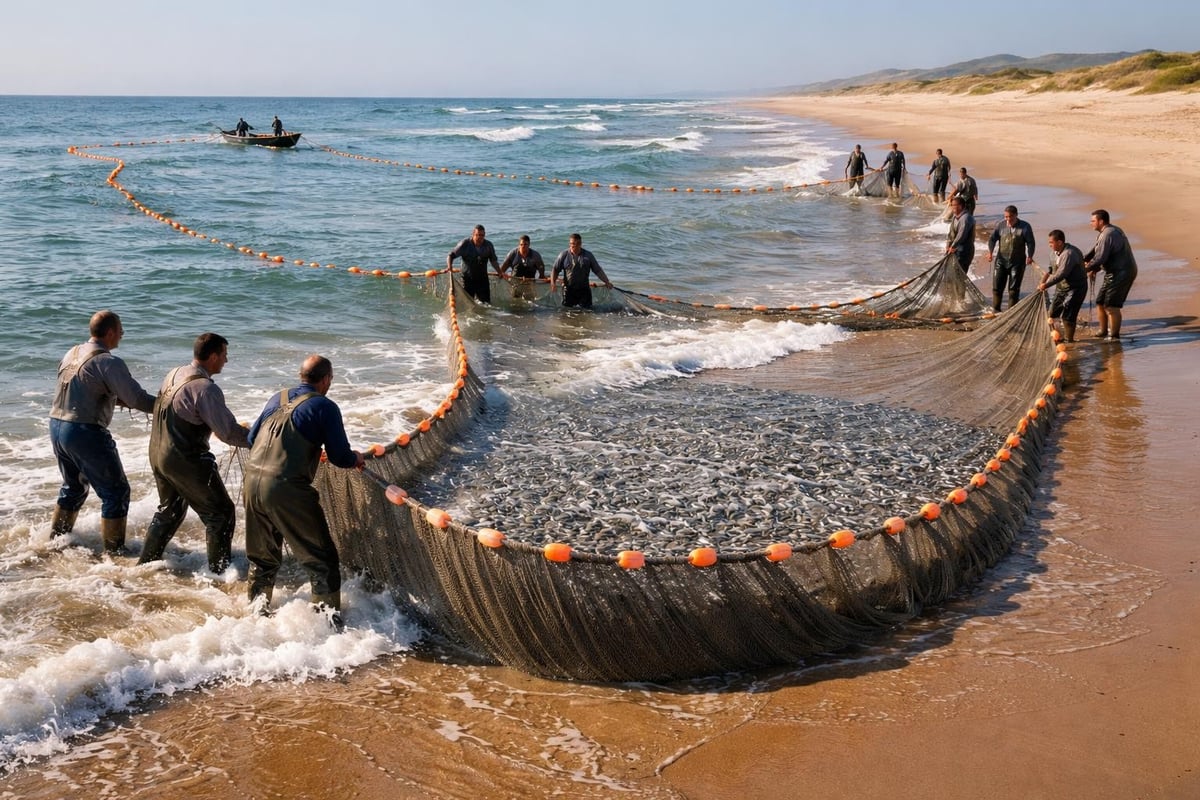
Beach seines are dragged from shore by teams working in coordination, typically used in shallow coastal waters for species like mullet and herring. These nets often extend 20 to 100 meters in length and require careful deployment to create an effective semicircular sweep.
Bottom drag nets are designed to capture demersal species living near or on the seafloor. These configurations feature heavier lead lines and reinforced lower panels to withstand abrasion from rocks and sand.
Mid-water drag nets target pelagic species swimming in the water column between surface and bottom. These specialized designs require precise depth control and often incorporate acoustic monitoring to track fish movements.
Compliance with fishing regulations protects both the resource and the operator's ability to continue fishing. New Zealand maintains comprehensive regulations governing drag net use, reflecting the country's commitment to sustainable fisheries management.
The Fisheries (Amateur Fishing) Regulations establish clear parameters for recreational users, while commercial operations must adhere to stricter standards. According to New Zealand commercial fishing regulations, maximum net lengths are carefully controlled to prevent overfishing in specific fisheries management areas.
| Regulation Type | Amateur Fishing | Commercial Fishing |
|---|---|---|
| Maximum Net Length | Varies by region (typically 60-150m) | Species and zone specific |
| Mesh Size Minimum | 100mm for most species | Defined by target species |
| Depth Restrictions | Usually 6 meters maximum | Fishery management area rules |
| Licensing | Basic fishing license | Commercial fishing permit required |
Understanding these regulations requires operators to stay informed about current rules. The 2026 fishing regulations guide provides updated information specific to New Zealand waters and helps ensure compliance across different fisheries.
Penalties for non-compliance can be substantial. The 2021 drag net regulations outline enforcement measures including fines, equipment confiscation, and license suspension for serious violations.
Modern fishing drag nets are engineered products that balance strength, flexibility, and durability. Material selection directly impacts net performance, longevity, and catch efficiency.
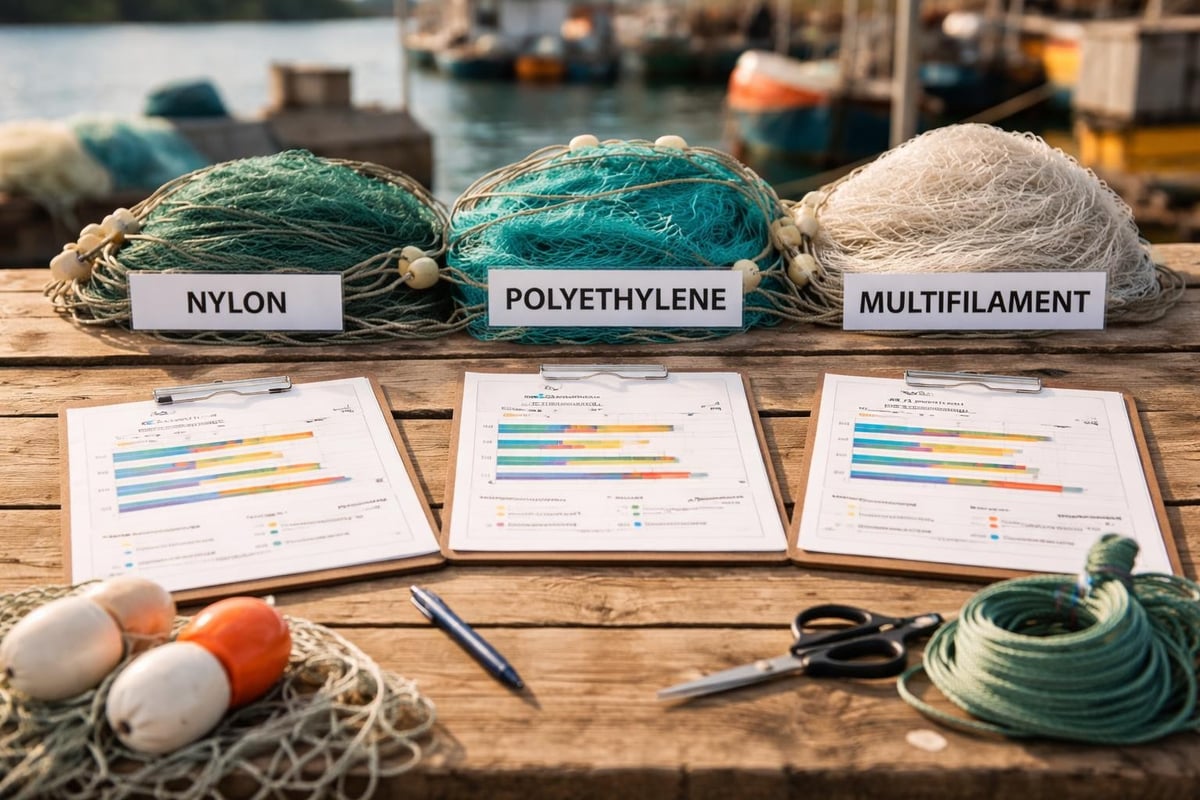
Nylon (polyamide) offers excellent strength and abrasion resistance, making it ideal for bottom fishing applications. This material stretches under load, which can absorb shock but may also allow fish to escape if not properly designed.
Polyethylene provides superior knot strength and UV resistance at a lower cost than nylon. Many community fisheries prefer polyethylene nets for their combination of affordability and reliability in tropical conditions.
Multifilament versus monofilament construction presents another choice. Multifilament webbing is softer and more flexible, reducing net damage and fish injury. Monofilament offers less water resistance and stays cleaner in algae-prone waters.
Quality manufacturing ensures consistent mesh dimensions and proper assembly. Production facilities that manufacture over 350,000 meters annually develop expertise in maintaining these critical specifications across large production runs.
Successful fishing drag net operations require skill, experience, and understanding of fish behavior. The deployment process begins with proper net preparation, ensuring all floats are secure, lead weights are evenly distributed, and the mesh is free from tangles.
Setting the net involves strategic positioning based on tidal flow, wind direction, and known fish movement patterns. Experienced operators read water conditions, identifying promising areas where fish congregate or travel. The net deployment should create minimal disturbance, allowing the gear to settle into position before beginning the drag.
Drag speed critically affects catch rates. Too fast, and fish escape under or around the net. Too slow, and fish have time to avoid the approaching barrier. Optimal speeds typically range from 0.5 to 2 knots, varying with species behavior and bottom conditions.
The relationship between drag net fishing and other methods like seine fishing shows interesting parallels in technique and equipment. Both methods rely on encircling or intercepting fish schools, though seine fishing typically employs a more active pursuit strategy.
Proper maintenance extends fishing drag net life significantly and prevents costly mid-season failures. Regular inspection identifies small problems before they become major damage requiring extensive repair or replacement.
Post-fishing cleaning removes salt, sand, and organic material that accelerate degradation. Freshwater rinsing followed by thorough drying prevents mildew and material breakdown. Nets should be stored in shaded, well-ventilated areas away from direct sunlight when not in use.
Repair protocols should address damage promptly. Small holes grow rapidly under fishing stress, potentially resulting in complete panel failure. Proper mending techniques using matching twine diameter and mesh size maintain net strength and fish retention characteristics.
| Maintenance Task | Frequency | Impact on Net Life |
|---|---|---|
| Freshwater rinse | After each use | Prevents salt crystallization damage |
| UV exposure inspection | Monthly | Identifies sun-damaged sections |
| Mesh integrity check | Before each season | Prevents catastrophic failure |
| Float and weight audit | Quarterly | Maintains proper net geometry |
| Complete overhaul | Annually | Extends service life 30-50% |
Many operators partner with professional net manufacturers for major repairs and modifications. Access to wholesale fishing accessories helps maintain supplementary equipment like ropes, floats, and repair materials at competitive prices.
Different fish species require specifically designed fishing drag nets optimized for their behavior and habitat. Understanding target species ecology improves both catch rates and selectivity.
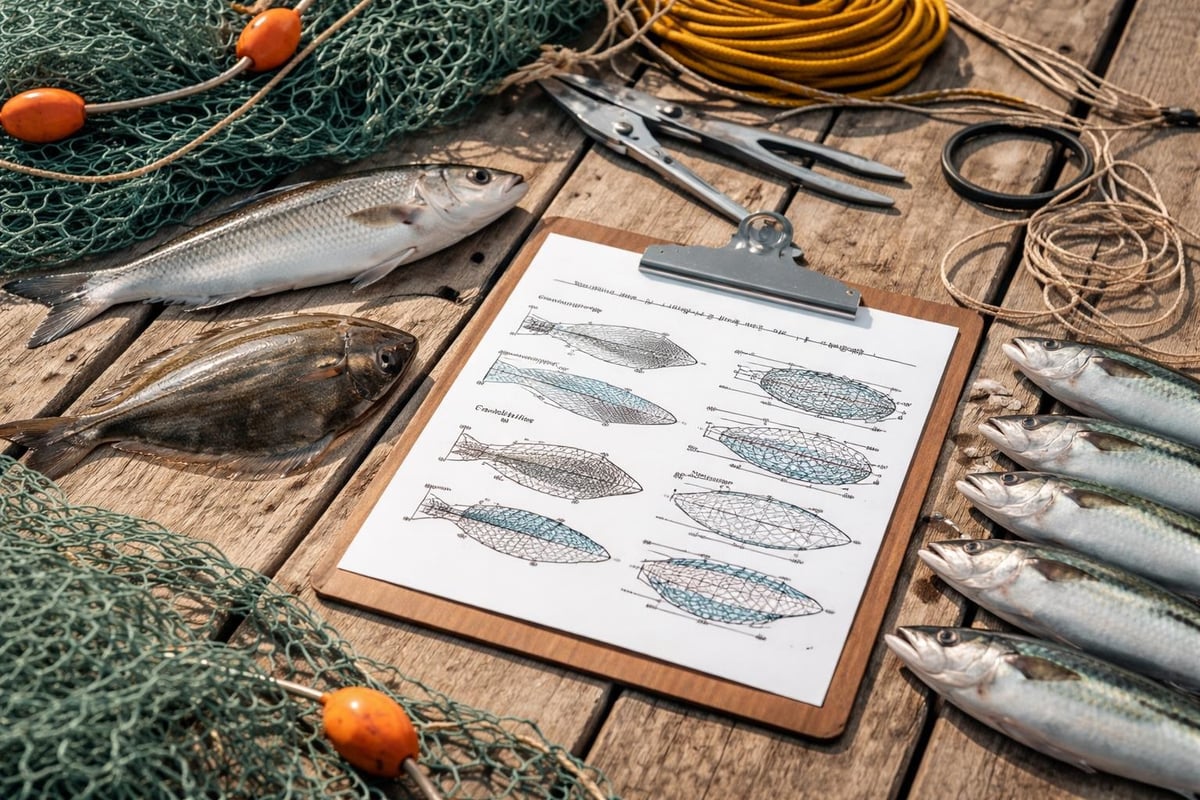
Mullet respond well to beach seining during seasonal migrations. These fish travel in dense schools along coastlines, making them ideal candidates for shore-based drag net operations. Mesh sizes between 90mm and 100mm effectively target legal-size mullet while allowing smaller fish to escape.
Flatfish including flounder and sole require bottom contact drag nets. These species lie on sandy or muddy substrates, necessitating weighted lead lines that maintain continuous bottom contact throughout the drag.
Schooling pelagic species like herring and mackerel are captured using mid-water configurations deployed from vessels. These operations often combine fish-finding electronics with traditional knowledge of seasonal movements and feeding patterns.
The concept behind drag net fishing extends beyond pure mechanics to include understanding fish populations and ecosystem dynamics. Selective fishing practices help maintain healthy stock levels for future seasons.
Comparing drag nets to gillnetting methods reveals different selectivity mechanisms. While gillnets rely on fish entanglement in specific mesh sizes, drag nets create a mobile barrier that intercepts fish regardless of body shape, though mesh size still determines which individuals are retained.
Responsible fishing drag net operations balance harvest efficiency with long-term resource conservation. Sustainable practices ensure fisheries remain productive for future generations while maintaining ecosystem health.
Bycatch reduction represents a primary concern in modern drag net fishing. Modified net designs incorporating escape panels allow non-target species and undersized fish to exit the net during the drag. Mesh size selection plays a crucial role, as larger openings naturally exclude smaller individuals.
Habitat protection requires awareness of sensitive bottom structures. Dragging nets across coral formations, seagrass beds, or shellfish aggregations causes lasting damage. Responsible operators map these areas and avoid them, even when fish concentrations appear attractive.
Seasonal closures protect spawning aggregations and nursery areas. Many fisheries management areas restrict drag net fishing during critical reproductive periods, allowing stocks to replenish naturally.
The comparison with drift netting techniques highlights different environmental impacts. While drift nets create passive barriers that fish encounter, drag nets actively move through the water, potentially affecting a wider area but with more controlled spatial impact.
Commercial fishing drag net operations require business acumen alongside fishing expertise. Understanding market demands, seasonal price variations, and product quality standards determines profitability.
Direct market access through established buyer relationships provides stability. Many commercial operators develop long-term partnerships with processors and distributors, ensuring consistent demand for their catch.
Quality management begins the moment fish enter the net. Rapid processing, proper icing, and careful handling maintain premium product value. Damaged fish from prolonged net retention or rough handling command significantly lower prices.
Seasonal optimization involves targeting species when market prices peak. Knowledge of annual price cycles allows operators to focus effort on the most profitable opportunities throughout the year.
| Expense Category | Percentage of Operating Cost | Management Strategy |
|---|---|---|
| Net investment and maintenance | 20-25% | Preventive care, quality materials |
| Fuel and vessel operation | 30-35% | Efficient drag patterns, route optimization |
| Labor and crew | 25-30% | Skilled operators, productivity incentives |
| Licensing and compliance | 5-10% | Stay current, avoid penalties |
| Processing and transport | 10-15% | Direct market access, value-added processing |
Exploring innovative fishing technologies can improve operational efficiency. GPS tracking, electronic catch monitoring, and improved net materials contribute to better outcomes for commercial operators.
Fishing drag nets function as part of an integrated system including vessels, handling equipment, and support gear. Proper equipment selection and maintenance ensures safe, efficient operations.
Winches and hauling systems must match net size and expected load. Undersized winches struggle with heavy catches, while oversized equipment adds unnecessary cost and weight. Hydraulic systems offer variable speed control ideal for controlled net retrieval.
Rope and line specifications directly affect operational safety. Working loads should provide at least 3:1 safety margins above expected maximum stress. Quality marine-grade ropes withstand UV exposure and maintain strength through multiple seasons.
Float and weight systems require careful calculation. Insufficient float capacity causes the net to sink, while excessive floats prevent proper bottom contact for demersal fishing. Similarly, lead line weight must balance vertical net spread against drag resistance.
Different equipment needs distinguish drag net fishing from methods like traditional net fishing, which may use stationary installations or different deployment mechanisms. Understanding these distinctions helps operators select appropriate gear for their specific applications.
Competent fishing drag net operation requires knowledge that extends far beyond basic net handling. Professional operators continuously develop skills through experience and formal training.
Reading water conditions involves interpreting subtle signs of fish presence, understanding current patterns, and predicting tidal influences. Experienced operators notice discolored water, surface disturbances, and bird activity that indicate productive fishing locations.
Net handling expertise prevents damage and improves safety. Proper techniques for shooting, retrieving, and stacking nets reduce tangles and extend equipment life. Crew members must understand their roles and execute them consistently under varying conditions.
Safety protocols protect both personnel and equipment. Drag net fishing involves heavy loads, moving machinery, and potential entanglement hazards. Regular safety training and clear communication procedures prevent accidents.
Community fisheries benefit from sharing knowledge across generations. Experienced operators mentoring newcomers preserve traditional techniques while incorporating modern innovations and safety improvements.
The Pacific Island fishing industry presents significant opportunities for commercial fishing drag net operations. Island communities rely on sustainable fishing to support local food security and economic development.
Export readiness requires understanding specific market requirements for different island nations. Quality standards, processing specifications, and documentation vary between destinations. Operators must ensure their product meets all regulatory requirements before shipment.
Cultural considerations influence fishing practices and market preferences. Some communities prefer specific species or preparation methods. Building relationships with island buyers requires understanding and respecting these preferences.
Logistics and transport challenge Pacific Island supply chains. Reliable shipping schedules, appropriate refrigeration, and proper packaging ensure product arrives in premium condition. Many successful operators establish regular supply routes that reduce costs through consistent volume.
Ready-to-use fishing drag nets manufactured to international standards simplify operations for island fisheries. Quick turnaround times on equipment orders prevent costly downtime during peak fishing seasons.
Fishing drag nets remain essential tools for sustainable commercial and community fisheries across the Pacific region, combining traditional knowledge with modern materials and techniques to harvest fish efficiently while protecting marine resources. Whether you're expanding commercial operations or supporting community fishing programs, Action Outdoors Limited provides New Zealand-made quality nets and comprehensive marine equipment backed by expertise in Pacific fisheries. With production capacity exceeding 350,000 meters annually and ready-to-export products designed for demanding commercial applications, we deliver the reliability and performance your fishing operations demand.
Shop related products at Action Outdoors: Fishing Nets · Fishing Lures · Fishing Line
Leave a comment